Old streets. Big flavors. In 4 hours, this Chania Old Town tour turns history you can see into street food you can eat, with a local guide leading you through the narrow lanes from the market to the harbor. I especially love how the walk connects the city’s Venetian, Renaissance, and Ottoman layers to everyday life, and I love the sheer amount and variety of savory tastings. One heads-up: it’s a walking route on cobbles with no time to lug bags around, and it’s not suitable for gluten intolerance.
You’ll meet the guide at Bougatsa Chania, then spend your first day getting your bearings fast. The food portion is a real selling point: guides like Manos, Adonis, and Eleni (names that pop up again and again) keep the pace smooth while steering you toward authentic places that you’d miss on your own. The possible drawback is practical, not dramatic: come with comfortable shoes because you’ll be on foot for the whole experience.
In This Review
- Key Highlights That Make This Tour Worth Your Time
- Why Chania Old Town and Street Food Make a Great First-Day Plan
- Meeting Bougatsa Chania and Getting Into Walking Mode
- Following the City’s Venetian, Renaissance, and Ottoman Story in Real Time
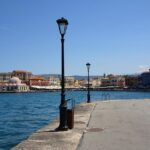
- Market Lanes to the Harbor: Why This Route Works
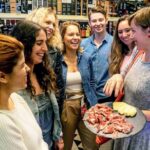
- Street Food Stops: What You’ll Actually Taste
- Coffee, Tea, and the Pace That Keeps You Enjoying the Food
- Why the Guide Matters: The Human Factor (Manos, Adonis, Eleni, Aria, Goldy)
- Shops, Markets, and Local Produce You Can Shop After You Taste
- Learning More Than Just Food: Crafts and Culture Stops
- Price and Value for a 4-Hour Food-and-History Walk
- Comfort, Footwear, and Who Should Skip This Tour
- Tips to Get the Most From Your 4 Hours
- Should You Book This Chania Street Food Tour?
- FAQ
- Where is the meeting point?
- How long is the tour?
- What is included in the experience?
- What languages are available?
- Is this tour suitable for gluten intolerance or mobility needs?
- Can I cancel, and is there a pay-later option?
Key Highlights That Make This Tour Worth Your Time
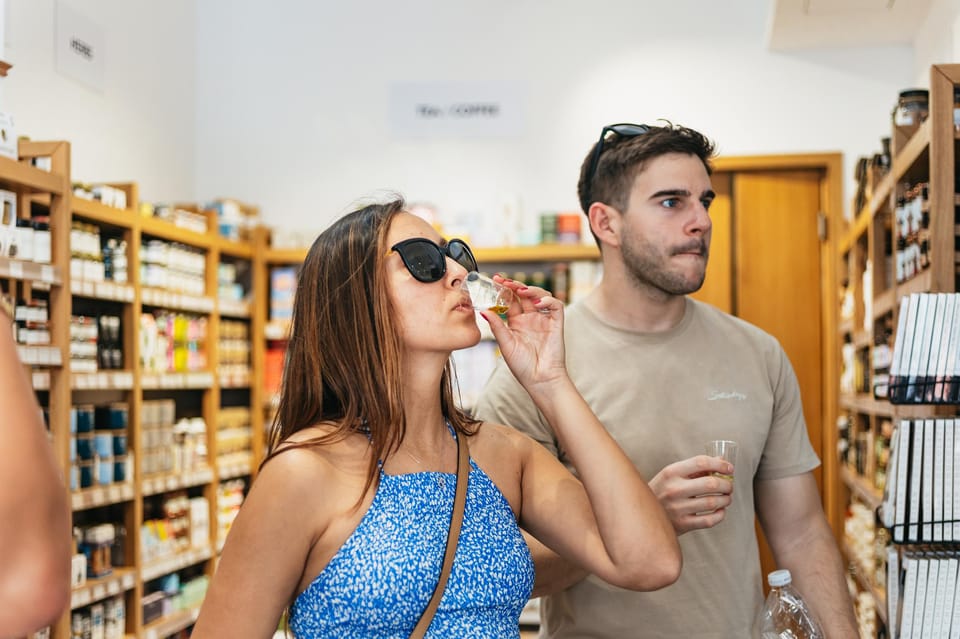
- Big street-food variety: multiple tastings across cheese, olive oil, honey, pies, sweets, and more
- History on the route: Venetian heritage plus Renaissance and Ottoman influences woven into what you’re seeing
- Local guide energy: the best part is the human factor, with guides like Manos, Adonis, and Aria repeatedly praised
- Taste-then-shop moments: you pass specialty stalls and markets that sell what you just sampled
- Small-group feel: private or small groups keep the tour from feeling like a factory line
- You’ll finish full: plan meals around this, not after it
Why Chania Old Town and Street Food Make a Great First-Day Plan
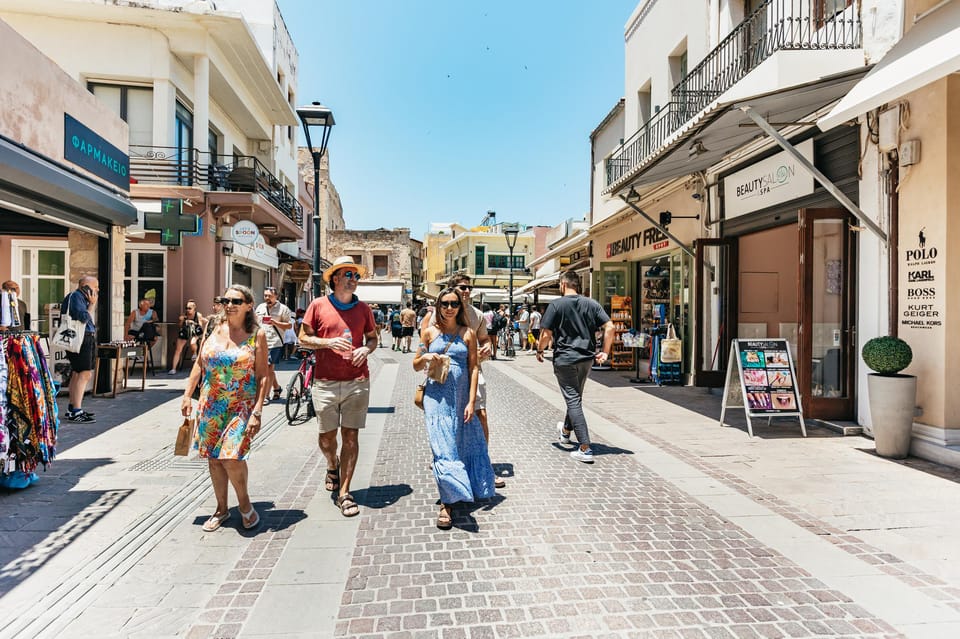
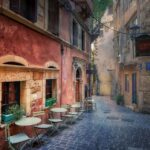
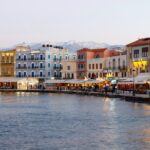
Chania’s Old Town is the kind of place where the streets do the talking. This tour is built for that reality: you walk the lanes, notice architecture, and then you reward yourself with Cretan food at the places locals actually use.
I like food tours that don’t treat history like trivia. Here, the stories connect to the city’s visible layers, from Venetian-style details to later Ottoman influence, so the place starts making sense while you’re still in it.
And yes, the food is the headline. Multiple guides get praised for the same thing: you’re not stuck with tiny bites. You’re eating enough that you can treat the tour as a major part of your day.
You can also read our reviews of more food & drink experiences in Crete

Meeting Bougatsa Chania and Getting Into Walking Mode
Your tour starts at Bougatsa Chania. That matters because it puts you right in the action near the market area, before you disappear into the Old Town’s narrow streets.
From the first minutes, you’ll notice how the route is designed around walking, not stopping-and-starting. You’re given a steady flow of sights and tastings, and the guide keeps you moving at a pace that doesn’t feel rushed, especially if you’re traveling solo or as a couple.
One practical note: there’s no hotel pickup or drop-off, and luggage or large bags aren’t allowed. If you’re doing this right after arriving, keep it simple with a daypack. Your feet will already be doing enough work.
Following the City’s Venetian, Renaissance, and Ottoman Story in Real Time
This is the part I love most: the tour doesn’t just mention past rulers. It points to what’s still there and explains why it matters.
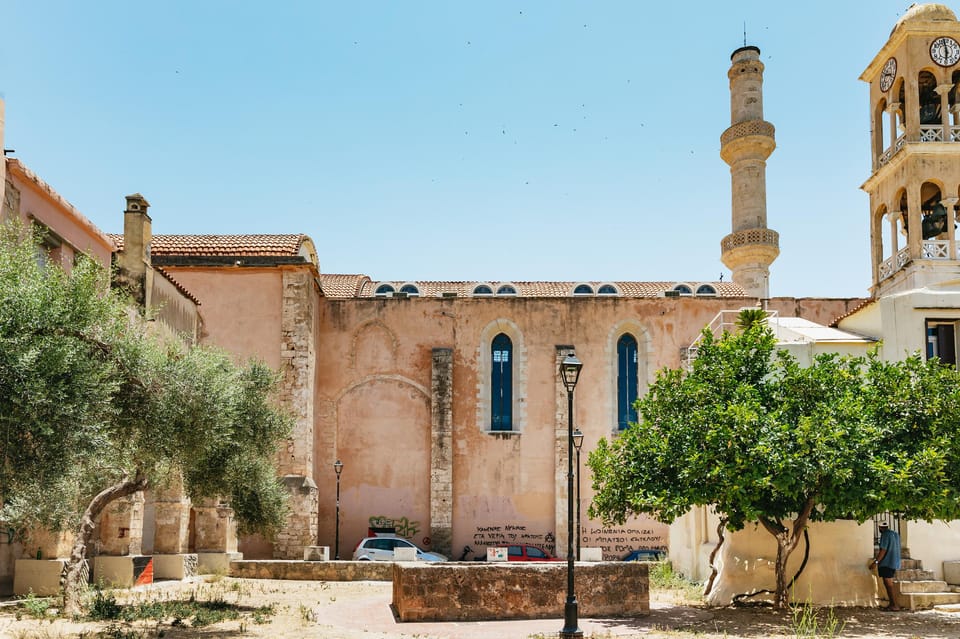
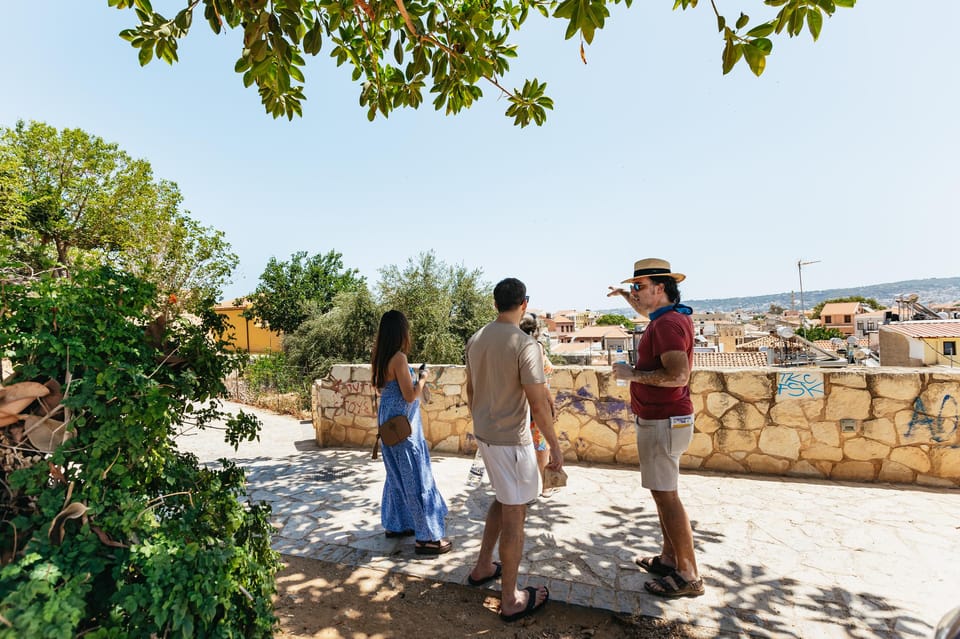
As you walk, you’ll learn about Chania’s Venetian heritage, then hear about Renaissance-era influence, and finally see the marks of Ottoman-era presence. You’ll also pass historic landmarks and admire well-preserved architecture that makes the “old town” label feel accurate, not just marketing.
Here’s the value for you: you don’t need to be an architecture nerd. The guide translates the layers into plain context—what changed, what stayed, and how the city developed into the place you’re standing in today.
Market Lanes to the Harbor: Why This Route Works
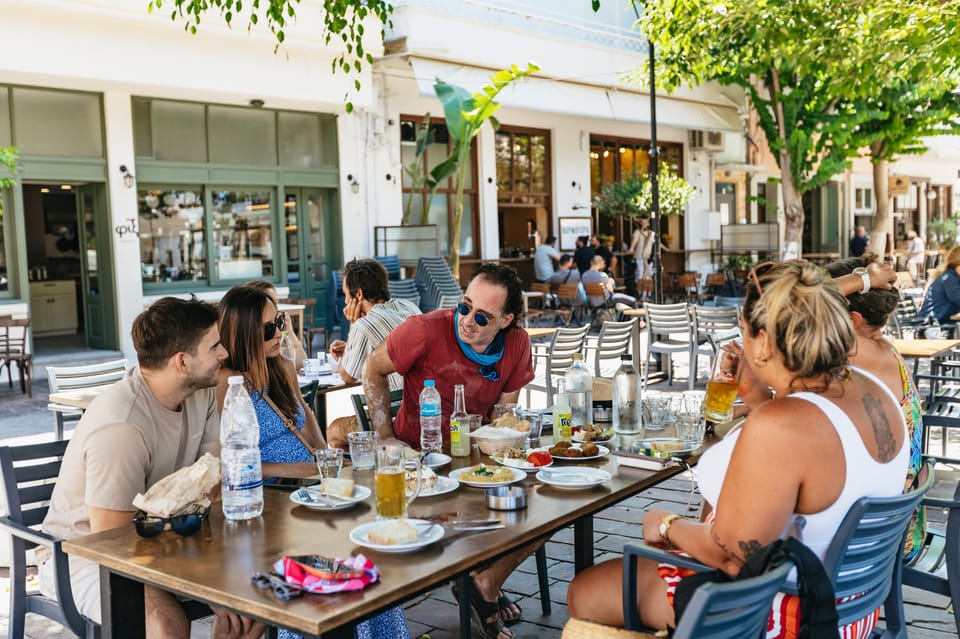
You begin in the market area, then shift into Old Town streets that feel close and characterful. Along the way, you’ll spend time among locals and small shops rather than only big-ticket sights.
A lot of the tour’s charm is simply motion. You’ll stroll cobbled lanes, pause when something is worth a closer look, then move again. That rhythm helps you absorb the feel of Chania instead of just collecting photos.
If you’re short on time in the city, this is also a smart “orientation” move. The guide’s route and explanations make it easier to come back later on your own, knowing where you want to linger.
Street Food Stops: What You’ll Actually Taste
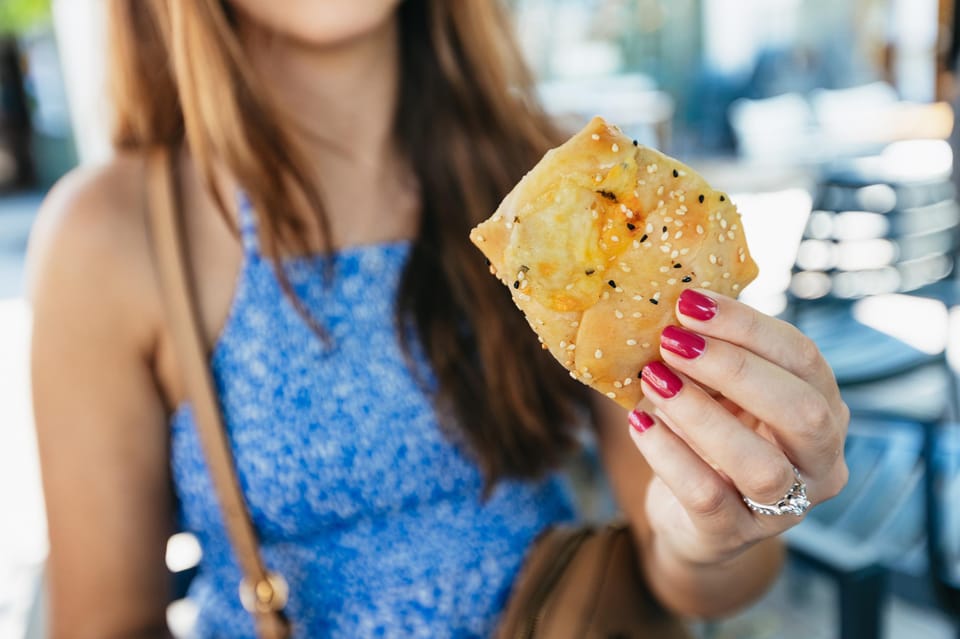
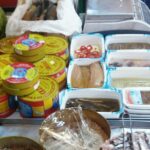
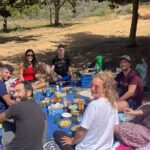
This tour is a savory Cretan street food experience with tastings at multiple spots, plus coffee or herbal tea. Don’t expect one snack. Expect several.
Across guides and groups, the tastings commonly include things like:
- Bougatsa and other local pastries
- Olive oils and spreads
- Honey and sweet pairings
- Cheese
- Olive samples and bites built around local produce
- Meat pies
- Baklava
- Dips, breads, and small savory plates
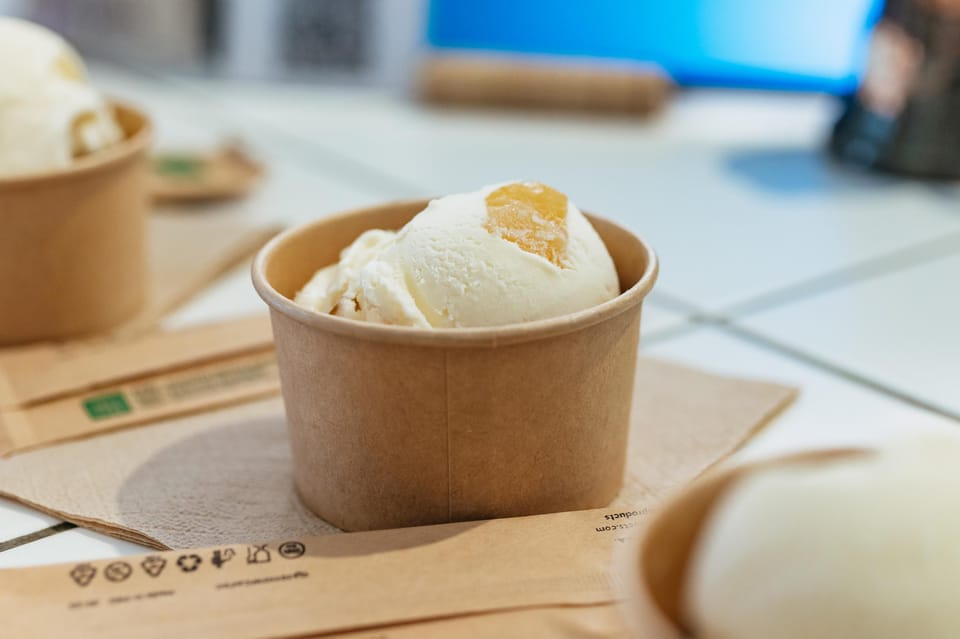
You may also run into regional sweets and small treats along the way, including items like ice cream in some routes. The consistent theme is variety—enough different flavors that you start recognizing patterns in Cretan cooking, not just eating random samples.
A practical takeaway: if you eat like a normal person before this tour, you’ll be fighting your appetite. Many people specifically recommend skipping breakfast because the tastings are substantial and frequent.
You can also read our reviews of more tours and experiences in Crete



Coffee, Tea, and the Pace That Keeps You Enjoying the Food
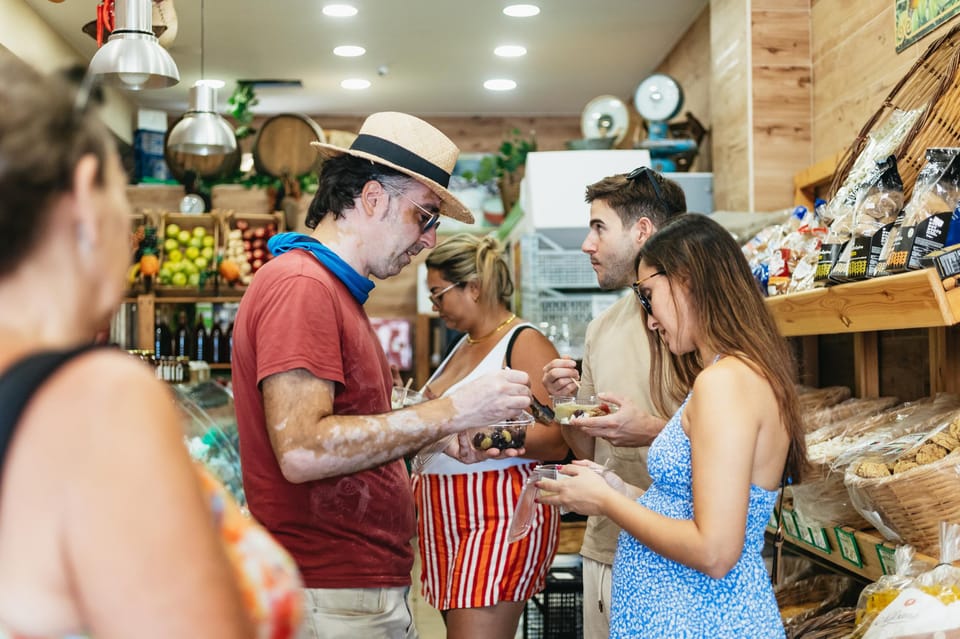
Included in the tour is coffee or herbal tea, which is more than a nice pause. It gives your stomach a breather while the guide continues the story on your next stretch of walking.
The pacing tends to be a strength. Guides are repeatedly praised for keeping the day smooth, answering questions, and adjusting the walk when needed. That’s not a small detail. On a food tour, timing is everything—too fast and you miss the flavor; too slow and you lose momentum.
If you’re the type who likes to ask follow-up questions, you’ll probably enjoy this format. You’ll be walking, tasting, and learning without the tour becoming a lecture.
Why the Guide Matters: The Human Factor (Manos, Adonis, Eleni, Aria, Goldy)
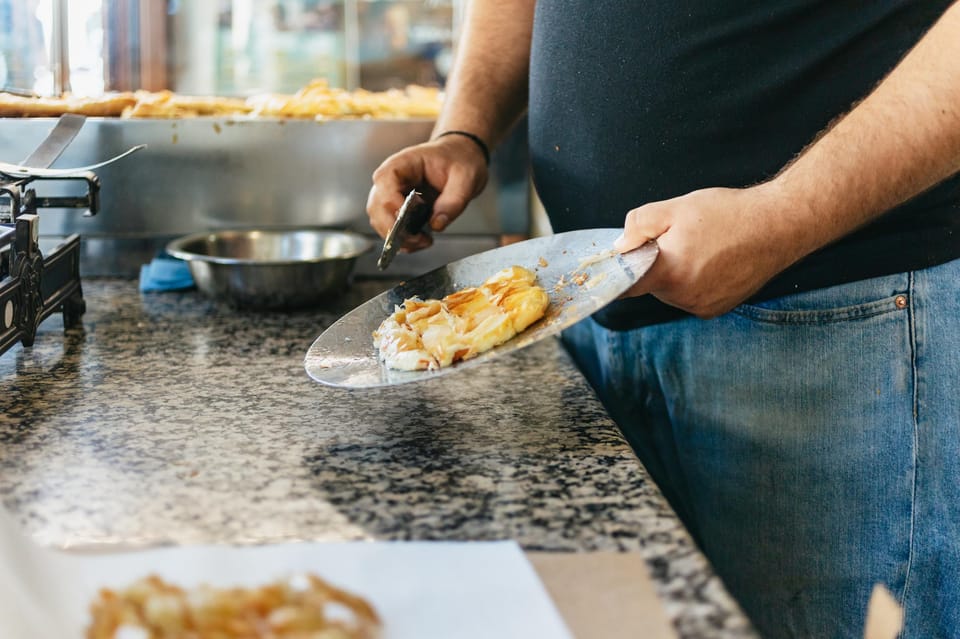
A big part of why this tour earns such high marks is the guide’s personality. People describe guides as warm, funny, and passionate about Chania, and they mention how easy it is to talk with them while still learning a lot.
Names that show up in the standout experiences include Manos, Adonis, Eleni, Aria, and Goldy. The common thread isn’t just friendliness. It’s that the guides know where to take you and how to explain what you’re eating in context.
Some guides go a step further with tailoring. A few people mention the guide adjusting around food needs, including allergy awareness. If you have a sensitive diet, this is where you’ll want to communicate clearly beforehand so the guide can plan tastings that work for you.
Shops, Markets, and Local Produce You Can Shop After You Taste
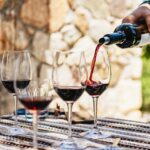
One thing that makes this tour more useful than a simple snack run is the exposure to local shopping. You’ll visit colorful food shops and markets that sell ingredients like wine, olive oil, cheese, herbs, and spices—and you’ll see products after you’ve tasted related samples.
This is your advantage if you like bringing flavors home. When you taste something on the street, it’s easier to remember what it was and track down a bottle or jar later. Several experiences also mention specialty stores where local products were a highlight, especially oil and honey.
You can also expect to see the everyday side of Chania—places that don’t exist for tourists. That means you’re not just watching a performance. You’re learning how locals buy, taste, and choose.
Learning More Than Just Food: Crafts and Culture Stops
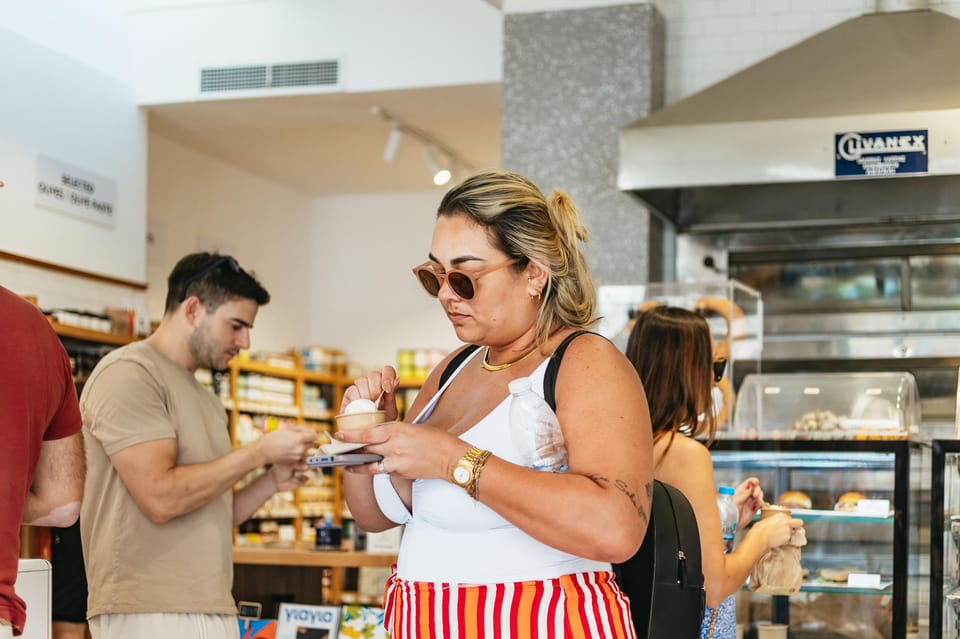
The tour isn’t only about food and Old Town landmarks. Some routes include visits that connect the city to its crafts and traditions—like stops at specialized craft shops (for example, knife and rug maker mentions, plus a pastry or filo-focused stop in at least one experience).
You’ll likely recognize this as a smart way to break up the day. It also deepens the feeling that Chania is a working city, not a museum.
If you love culture through “how it’s made,” this kind of stop adds real texture. If you only want food, don’t worry—your tastings remain the main event.
Price and Value for a 4-Hour Food-and-History Walk
At $106 per person for about 4 hours, the value hinges on two things: the food quantity and the guide-led learning.
You’re paying for:
- A local guide
- A walking tour through Old Town
- Multiple savory tastings (not just one token sample)
- Coffee or herbal tea
- A route that includes sights, markets, and food shops
When people come away feeling full and happy, it’s usually because the food stops are frequent and generous. When guides tailor the experience and handle questions well, the learning feels like part of the fun rather than extra weight.
Is it a splurge? It’s not the cheapest thing on the menu. But compared to paying for separate meals, drinks, and a self-guided day with little guidance, this offers a packed format that’s hard to replicate on your own.
Comfort, Footwear, and Who Should Skip This Tour
This is a walking tour through cobbled narrow paths, so comfortable shoes are not optional. You’re also asked to bring sunglasses, which makes sense in Crete’s bright light.
You should also know what to avoid:
- Luggage or large bags aren’t allowed
- It’s not suitable for people with mobility impairments or wheelchair users
- It’s not suitable for gluten intolerance
If you fall into one of those categories, don’t try to force it. The route design is part of the experience, and the tour isn’t built for reduced mobility or strict gluten needs.
If you’re generally healthy, steady on your feet, and you’re excited to eat as you walk, you’ll probably love the format.
Tips to Get the Most From Your 4 Hours
If you want the best outcome, treat this like a main meal with a sightseeing bonus.
- Arrive with an empty stomach energy. Many people recommend skipping breakfast because the food volume is high.
- Wear shoes you can trust on uneven cobblestones.
- Bring water if you know you get dehydrated, but keep your bag light since large bags aren’t allowed.
- Come ready to ask questions. Guides like Manos and Adonis are often praised for answering and adding context on the fly.
- If you have allergies, make sure you communicate before the tour so the guide can guide you toward safe tastings when possible.
Should You Book This Chania Street Food Tour?
I think you should book it if you want a simple plan with two wins: Chania context fast and a lot of genuinely local food in one morning or afternoon.
Skip it if you’re gluten intolerant, have mobility limitations that make cobblestones hard, or you hate walking tours with multiple stops. Also skip if you’re the type who wants only one quick bite and then sightseeing at your own pace—this tour is built for eating throughout the walk.
If you’re going to Chania for the first time, this is one of the easiest ways to get grounded quickly. You’ll leave with a better sense of where you are, what shaped the Old Town, and what to hunt for next when you’re hungry again.
FAQ
Where is the meeting point?
Meet your guide at Bougatsa Chania.
How long is the tour?
The tour lasts 4 hours.
What is included in the experience?
It includes a local guide, a walking tour, savory Cretan street food tastings, and coffee or herbal tea.
What languages are available?
The live guide is available in English, Greek, and Spanish.
Is this tour suitable for gluten intolerance or mobility needs?
No. It is not suitable for gluten intolerance and it is not suitable for people with mobility impairments or wheelchair users.
Can I cancel, and is there a pay-later option?
Yes. You can cancel up to 24 hours in advance for a full refund, and you can reserve now and pay later.