Crete’s highest point demands respect. This full-day hike to Psiloritis (Mount Ida) turns Zeus myth and UNESCO geopark geology into a very real, very walkable day in the mountains. I like that it’s run as a small group (max 8), so you’re not lost in the crowd, and the pace feels more human.
Two things stand out for me: you get the practical extras (including trekking poles and a snack at the top), and you’re going somewhere few casual plans reach. A review also praised the guide Michaelis for being highly professional, with a great summit snack moment.
One consideration before you book: this is not a flat, casual stroll. You’ll be climbing and descending with a moderate-fitness requirement, and one review called out roughly 900 meters up and down, so it helps to be truly comfortable hiking.
In This Review
- Key things to know before you go
- Psiloritis (Mount Ida) at 2456 m: the simple reason it’s worth it
- The Bali meeting point and how the day is paced
- The climb: where variety actually helps your brain stay engaged
- Summit reward: views plus the included top snack
- UNESCO geopark geology and Zeus myth: how to connect the story to what you see
- Gear and what you should bring (since only some basics are provided)
- Group size, guide quality, and why this isn’t a tourist-only grind
- Weather and the real odds of your day working out
- Who should book this Psiloritis hike?
- Should you book Creta Trekking’s Psiloritis day hike?
- FAQ
- How long is the Psiloritis full-day hike?
- How high is Psiloritis, Crete’s highest point?
- What’s the group size for this tour?
- What fitness level do I need?
- Are trekking poles and snacks included?
- Does the tour use a mobile ticket?
- Are service animals allowed?
- What happens if the weather is poor?
- Can I cancel for a full refund?
Key things to know before you go
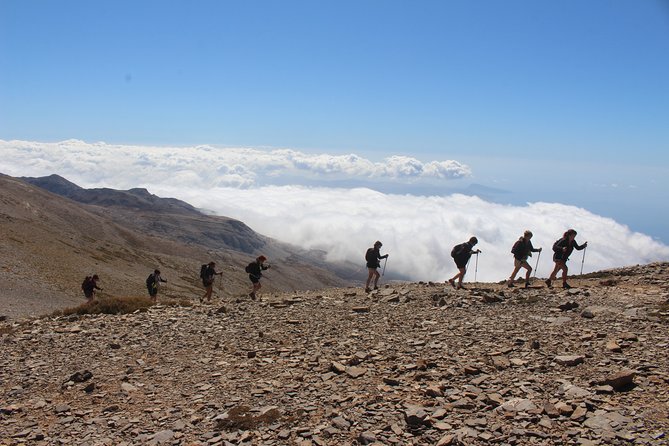
- Crete’s highest summit: Psiloritis tops out at 2456 m, so the goal is clear from minute one.
- Small group pace: up to 8 travelers means more attention and an easier time reading the trail.
- Fast climb to the top: the hike reaches the summit in about three hours, then you spend time up there before heading back down.
- Trekking poles and snacks included: you’re not showing up worrying about gear or fueling.
- UNESCO geopark and mythology: Psiloritis is listed as a UNESCO Global and UNESCO European Geopark, with Zeus linked to its slopes.
- Weather-dependent: the activity requires good weather, so flexibility helps.
Psiloritis (Mount Ida) at 2456 m: the simple reason it’s worth it
If you like hikes with a defined finish line, Psiloritis delivers. Crete’s highest point at 2456 meters isn’t a “maybe we’ll get there” goal. You set off to reach the summit, and the day is built around that mission.
What makes this mountain hike feel more than just a workout is the story baked into the slopes. Zeus was raised on these mountains in Greek mythology, and the Psiloritis range is recognized as a UNESCO Global and UNESCO European Geopark because of its unique flora and geological character. That means your hike is doing double duty: you’re walking through real nature features and also moving through a place people have mythologized for a very long time.
You can also read our reviews of more tours and experiences in Crete.
The Bali meeting point and how the day is paced
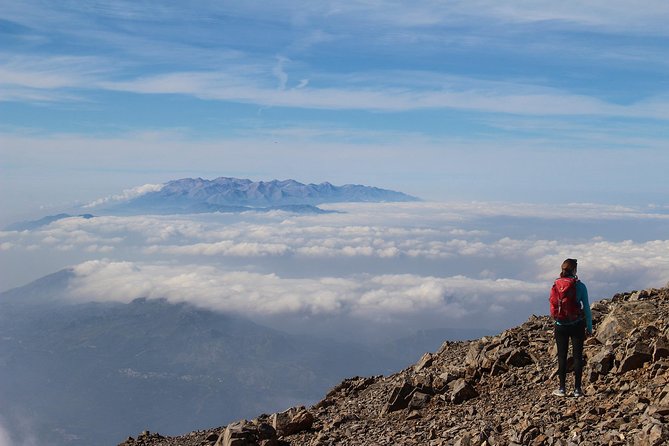
The tour starts back at the meeting point in Bali, Crete. From there, you head into the Psiloritis area and begin the ascent.
The timing is the key piece of planning. While the whole experience is about 8 hours, the climb to the top is described as taking about three hours. That’s helpful because it sets expectations: you’re not stuck hiking all day in one long push. You’ll work steadily upward, then shift into summit time and the return hike.
Also, it’s a maximum of 8 travelers. In practice, that matters for pacing and comfort. Smaller groups usually mean fewer bottlenecks on narrower sections, and you get more chance to ask questions rather than shouting into a moving line.
The climb: where variety actually helps your brain stay engaged
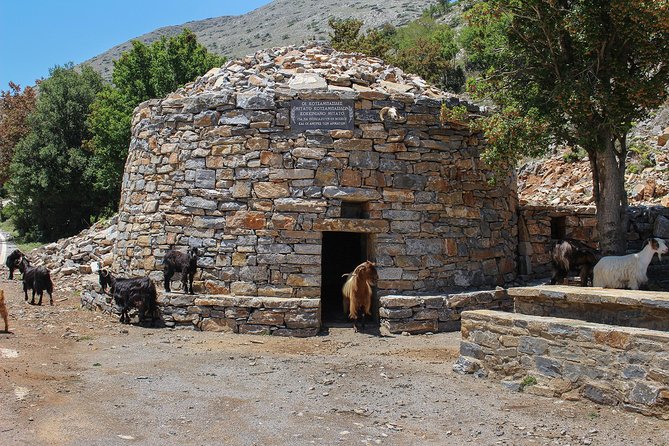
The tour promises a hike through a variety of terrains and then a reward with views from the mountain top. Even without a stop-by-stop “this exact rock formation” schedule, that variety matters. Long hikes can turn mental. Different ground textures and changing views keep your attention switched on.
Here’s how I’d think about this part if you’re planning what kind of effort to bring:
- Plan for a steady uphill rhythm, not a sprint.
- Keep your breathing controlled in the first stretch so you don’t pay for it on the steeper seconds.
- Expect that the summit goal may feel close or far depending on how you manage early energy.
A review called out about 900 meters of ascent and descent (up and back down). That gives you a realistic sense of why they recommended fit hikers. Even if the exact numbers vary by route conditions, you should treat this as a true climbing day, not a casual leg-stretcher.
Summit reward: views plus the included top snack
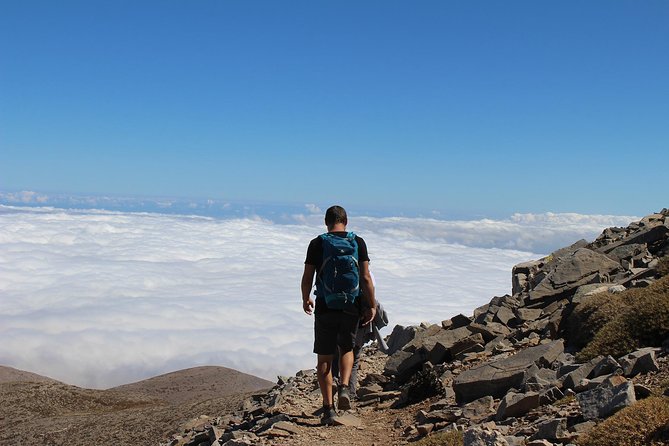
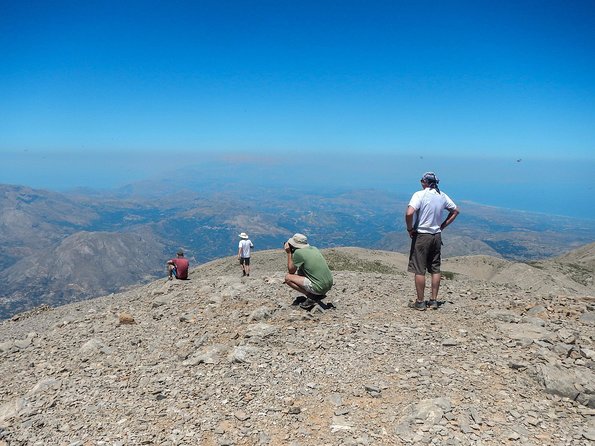
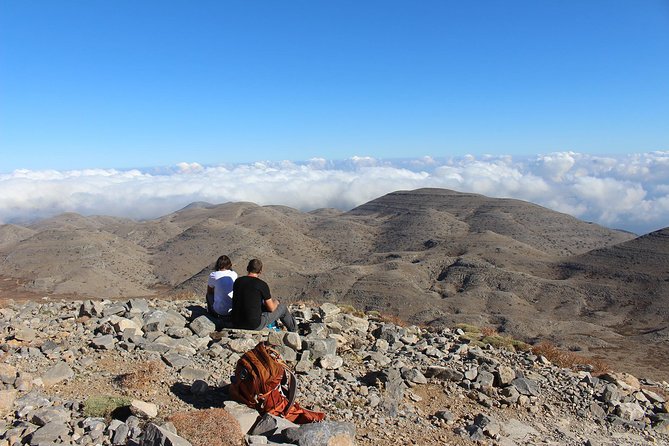
The best part of many hikes is the moment you stop moving and start taking it in. Here, summit time is part of the design. You’ll reach the top after about three hours of hiking, then you’re set up to enjoy the wide-open views over Crete.
And yes, you get a snack at the top. Multiple reviews highlighted a lecker Gipfelsnack (a tasty summit snack). That sounds small, but it’s actually big value on a hike. When food is included, you don’t have to guess how much to pack, and you can stay focused on the climb instead of doing a mid-hike logistics check.
Practical note: at altitude, even on Mediterranean days, the “feels” can shift fast once you’re up top and exposed. Bring layers you can add and remove easily, so the summit doesn’t become a wind-chill problem.
UNESCO geopark geology and Zeus myth: how to connect the story to what you see
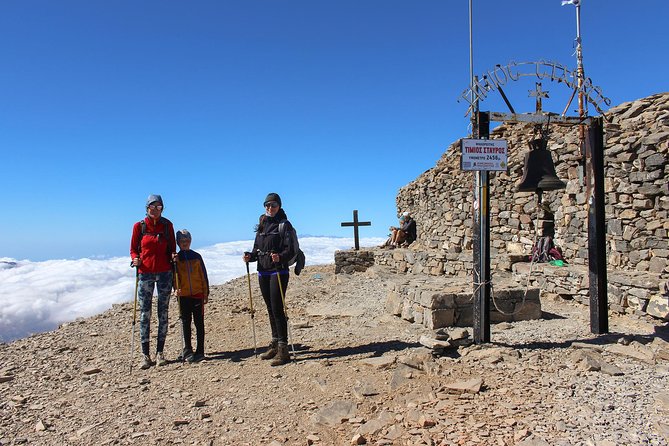
The Psiloritis range is listed as a UNESCO Global and UNESCO European Geopark for unique flora and geological features. That’s a big label, but you don’t need to be a botanist or a geology student to make it meaningful.
Use it like this:
- Look for signs that the mountain isn’t one flat uniform surface. Changing rocks, soil colors, and vegetation bands can help you “read” why it’s considered special.
- Think of the mythology as a lens. When you know Zeus is tied to these slopes, you tend to notice how the mountain dominates the island’s horizon and why people might have built legends around it.
This is also where a good guide helps. One review praised Michaelis as highly professional, with a great summit service moment. On a hike like this, interpretation turns a challenging walk into a memorable story you can repeat later.
Gear and what you should bring (since only some basics are provided)
The tour includes trekking poles and snacks. That’s a real help, especially if you don’t want to carry extra gear from home or from your hotel.
But you should still bring the rest of what makes hiking comfortable and safe:
- Sturdy hiking shoes with grip for changing trail conditions
- Sun protection (hat/sunglasses and sunscreen)
- A pack for water and extra layers
- A light rain layer just in case conditions shift
Service animals are allowed, and the tour is aimed at people with moderate physical fitness. That doesn’t mean you need to be an athlete. It does mean you should be comfortable with sustained uphill walking and the descent afterward.
If you’re unsure, the best approach is to treat this as a “climb day.” Choose a pace you can hold, and plan to finish feeling accomplished rather than wrecked.
Group size, guide quality, and why this isn’t a tourist-only grind
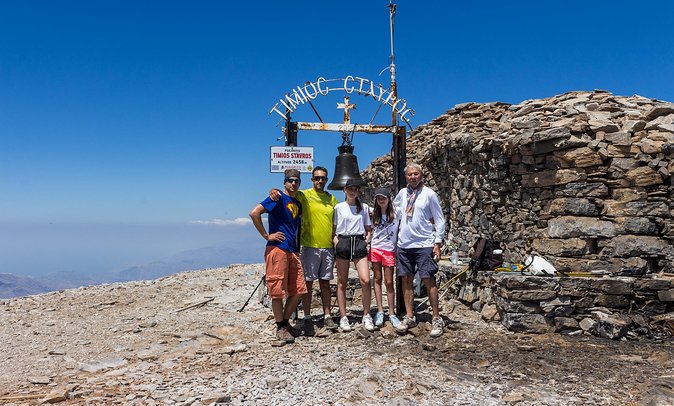
With a maximum of 8 travelers, this feels closer to a guided hike with room to breathe than a conveyor-belt excursion. Reviews specifically praised the professionalism of the guide Michaelis and the overall service tone, including the summit snack.
That matters because Psiloritis is high and the hike involves real effort. A professional guide doesn’t just keep the group together. They also help you keep your head clear on steeper sections and make the summit stop more than a quick photo sprint.
And since the tour is full day (about 8 hours), good guiding affects your whole experience: not just the top, but the time in between.
Weather and the real odds of your day working out
This experience requires good weather. If it’s canceled due to poor conditions, you’ll be offered a different date or a full refund.
That’s not just fine print. Weather changes how exposed a summit feels, how slippery trails can get, and how comfortable the hike is from start to finish. If you’re planning around one fixed schedule day in Crete, build in flexibility where you can.
Also, confirmation is received at time of booking. So you’re not waiting weeks for a “maybe” to turn into certainty.
Who should book this Psiloritis hike?
This is a great fit if you want:
- Crete’s highest point as a clear goal
- A small-group guided day with a professional guide
- Included basics that make the climb easier (trekking poles and snacks)
- Big summit views and a meaningful natural setting (UNESCO geopark)
It may not be the best fit if:
- You’re looking for something easy and low-impact
- You don’t feel comfortable with the climb-and-descend effort (remember that 900 m up and down was mentioned in a review)
- You’re traveling with tight schedule constraints and can’t shift if weather forces a rebooking
Should you book Creta Trekking’s Psiloritis day hike?
I’d book it if you’re the type who enjoys “one hard day, great payoff.” The height goal (2456 m), the small-group limit, and the included trekking poles and summit snack make it good value for the effort.
If you hate the idea of a weather-dependent plan, then pause and look at your itinerary flexibility. But if you can adapt, this hike is exactly the kind of Crete experience that feels honest: physical, scenic, and grounded in real mountain character—not just a quick sightseeing stop.
FAQ
How long is the Psiloritis full-day hike?
The duration is about 8 hours.
How high is Psiloritis, Crete’s highest point?
Psiloritis reaches 2456 meters.
What’s the group size for this tour?
This experience has a maximum of 8 travelers.
What fitness level do I need?
The tour is for people with a moderate physical fitness level.
Are trekking poles and snacks included?
Yes. Trekking poles and snacks are provided.
Does the tour use a mobile ticket?
Yes. A mobile ticket is included.
Are service animals allowed?
Service animals are allowed.
What happens if the weather is poor?
The experience requires good weather. If it’s canceled due to poor weather, you’ll be offered a different date or a full refund.
Can I cancel for a full refund?
Yes. Free cancellation is available up to 24 hours in advance for a full refund.