Olive trees, and you at the stove. This Cretan cooking class with Marianna and Mama Stella is a hands-on meal on the farm, plus a real olive oil lesson you can use at home.
I love how hands-on it is, from rolling stuffed grape leaves to assembling dakos and frying cheese pies, and I love the take-home payoff: recipes, photos, and enough leftovers to keep the vacation going.
One consideration: it’s a rural meeting point, and you’ll need to make your own way there, with the activity tied to good weather.
In This Review
- Key reasons to go
- Entering Mama Stella’s Kitchen on an Olive Farm
- The Hands-On Cooking: What You’ll Make (and Why It Matters)
- Starters that teach you real technique
- Mains built for flavor balance
- Dessert you can actually replicate at home
- How the Olive Oil Tasting Changes the Way You Shop
- Outdoor Cooking, Farm Vibes, and the Small-Group Advantage
- What the Timing Feels Like (and What to Plan Around)
- Price and Value: Is $114.93 Worth It?
- Who Should Book This Cretan Cooking Class
- Should You Book Cretan Vibes Cooking and Olive Oil Tasting?
- FAQ
- How long is the Cretan cooking class?
- Is this cooking experience hands-on?
- What will I cook and eat?
- Is olive oil tasting included?
- Are drinks included?
- Do I get recipes to take home?
- Do I need to arrange transportation?
Key reasons to go
- A mother-and-daughter teaching team: Marianna runs the class, and Mama Stella brings the warmth and Cretan know-how.
- Extra virgin olive oil tasting with real decision-making: learn aromas, flavors, bitterness, and how to spot defects.
- Outdoor cooking among olive trees: the setting is part of the experience, not just a pretty backdrop.
- You cook and eat your way through Cretan classics: dakos, dolmadakia, giaxni, stifado, avgolemono, and dessert.
- Small group energy (max 12): you get attention while still meeting other people.
Entering Mama Stella’s Kitchen on an Olive Farm
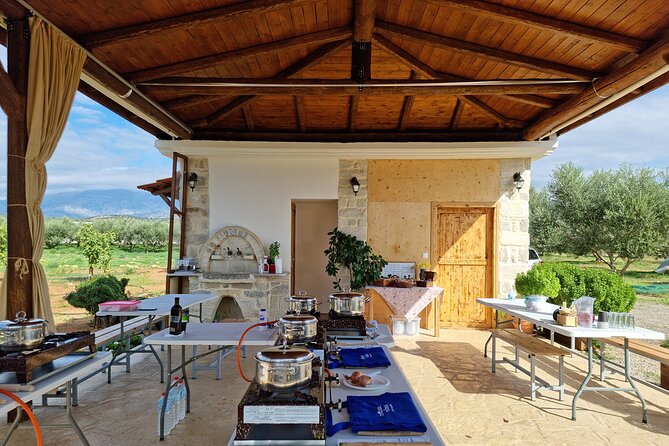
This isn’t a sit-and-watch cooking demo. From the moment you arrive at the Cretan Vibes farm area near Moires (the meeting point is on the national road), you’re in motion. You’ll get a welcome, usually including homemade refreshments like lemonade, and then you jump into the work.
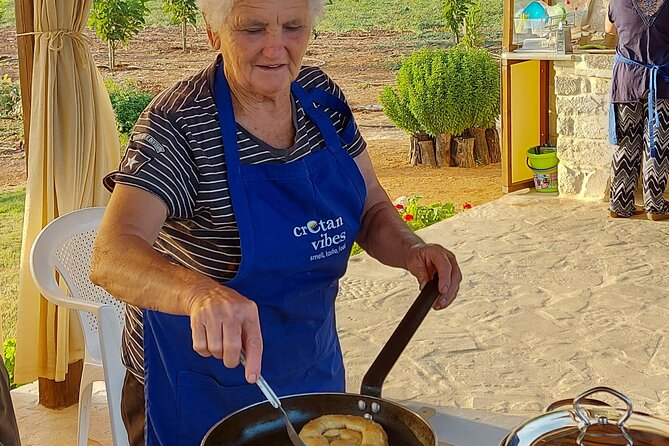
What makes it feel different is the way the teaching is built around family cooking. Marianna guides the steps clearly, and Mama Stella’s presence turns the kitchen into a conversation. In the outdoor cooking area—between olive trees and in a farm setup that feels both modern and practical—you learn faster because you’re not trying to memorize recipes. You’re doing. And you’re doing with food that smells like it belongs in Crete.
You can also read our reviews of more food & drink experiences in Crete

The Hands-On Cooking: What You’ll Make (and Why It Matters)
You’ll cook a set of Cretan dishes that leads into a full meal. The class is described as both a “hands-on” cooking experience and a multi-dish cook-up (often experienced as several dishes rather than just one). Either way, you’ll leave with the skills behind everyday Cretan comfort food—not just the final plate.
Here’s what you can expect to cook from the provided menu, depending on the flow of the class:
Starters that teach you real technique
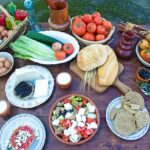
Cretan Dakos is a great first lesson because it’s assembly with attitude. You’ll work with rusk (rusks) topped with fresh tomato sauce, mizithra cheese, organic oregano, and extra virgin olive oil. The point isn’t fancy plating. It’s learning how the oil and tomato sauce change the rusk and how mizithra brings that unmistakable tangy richness.
Cretan Dolmadakia (stuffed grape leaves) is where hands-on matters most. You’re stuffing and rolling—skills that are simple to understand and harder to perfect. This dish also gives you a feel for how Cretans layer flavor: herbs, fillings, and the way grape leaves tame richness.
Stuffed zucchini flowers round out the starter focus. This is the kind of dish that makes you think, Oh, so that’s how you use what’s growing. You’ll learn a more delicate form of stuffing and frying, and why summer vegetables can become the star of a meal.
Mains built for flavor balance
For the main course portion, you’ll see the range between vegetarian options and meat dishes.
Vegetarian/Vegan Giaxni is a standout if you like hearty food without meat. It uses fresh green beans with potatoes, zucchini, fresh tomato sauce, and ksinoxondros, described as a Cretan product made by family tradition. You’ll taste how Cretan meals rely on herbs, tomatoes, and slow comfort rather than heavy sauces.
If you’re doing the lamb route, you’ll cook dishes like Lamb with artichokes, potatoes, fennel, and fresh tomato sauce. This combo is practical Cretan cooking: artichokes for bitterness and depth, fennel for sweetness, tomatoes to bind.
You may also cook Avgolemono—and here’s the useful part. The flavor comes from the egg-and-lemon approach. The provided description includes pork or chicken (free range) plus leek or lettuce, fresh onions, potatoes, dill, eggs, and fresh lemon juice. So you’re not just tasting lemon. You’re learning the backbone flavor of Greek comfort.
Another classic on the menu is Cretan Stifado, a spring or autumn stew you can make with chicken, rabbit, or even snails (based on the version discussed). Stifado is ideal for teaching how stews develop: aromatics, tender meat (or shellfish options), and a sauce that clings rather than pools.
Dessert rounds it out with something crunchy and sweet.
Dessert you can actually replicate at home
Sarikopites or Kalitsounia are cheese-filled pastries. The key detail is that the dough is stuffed with fresh Cretan cheese (made in the family tradition described), then fried in the family’s extra virgin olive oil. This is the moment where you realize why olive oil is central to Cretan food. It isn’t just a background ingredient; it affects flavor and texture.
You can also read our reviews of more cooking classes in Crete


How the Olive Oil Tasting Changes the Way You Shop
If you’ve ever stood in a store aisle staring at olive oil labels, this part is your fix. The tour includes a premium olive oil tasting guided by an olive-growing family.
You’ll learn how to recognize authentic extra virgin olive oil, not just by label claims. The tasting teaches you what to look for in the glass: aroma, flavor, and bitterness. You’ll also get an approach for identifying defects you might find in lower-quality oils, plus practical tips for choosing olive oil when you shop.
That’s the value here. Most tastings are about taste. This one also trains your judgment. And when you leave with a mental checklist—smell first, then flavor, then bitterness—you stop buying olive oil on vibes.
You’ll also see behind-the-scenes content through a video of the olive harvest. Even if you don’t have time for olive groves in your itinerary, this gives you context for why their oil tastes the way it does.
Outdoor Cooking, Farm Vibes, and the Small-Group Advantage
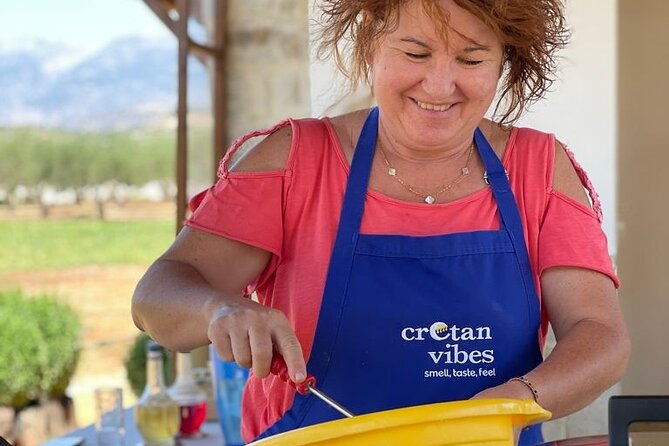
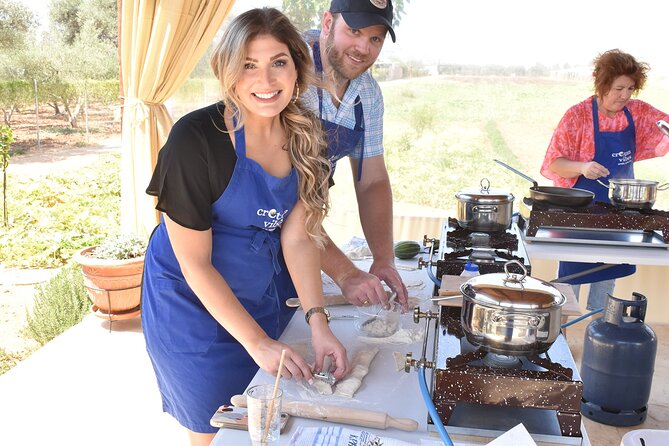
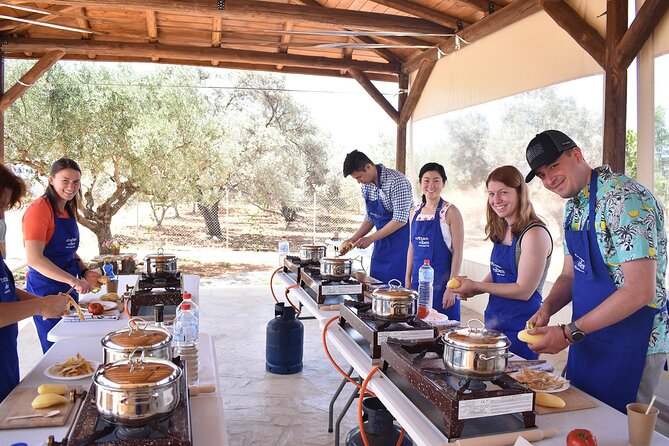
One of the most consistent strengths of this experience is the setting. You cook in an outdoor space where olive trees are actually around you, and the vibe shifts naturally into dinner as the evening cools down.
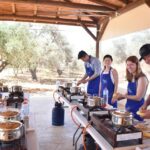
Because the group size is capped at 12 travelers, you’re not lost in a crowd. You get hands on time and support when you need it. One detail that really helps: the cooking setup is arranged so each person has their own working area (burners, utensils, and pots). That keeps the pace active and reduces that awkward feeling of standing around while someone else cooks.
There’s also a relaxed rhythm built into the flow. You’re busy, but it doesn’t feel like a factory. The pace is designed so you can learn the steps and still enjoy the meal afterward.
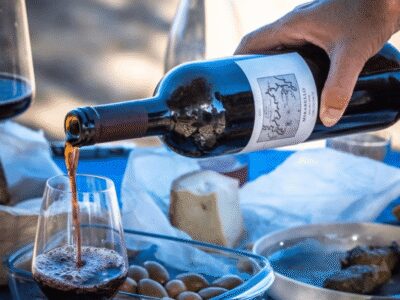
And yes, the meal itself matters. After cooking, you sit down with local wine to accompany your creations, along with coffee and/or tea. Leftovers are carefully packed for you to take home.
What the Timing Feels Like (and What to Plan Around)
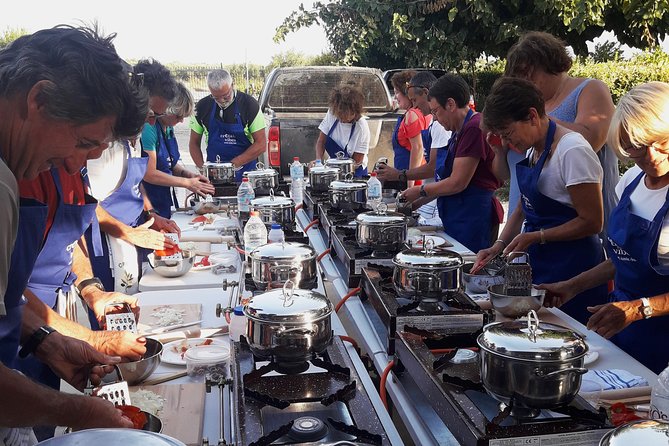
The class is listed at about 4 hours. In practice, the experience can feel like a smooth evening block rather than a rush. You arrive, get oriented, cook starters and mains (plus dessert), then dine together.
Here’s what helps you plan:
- Wear shoes you can move in. You’ll be working around food prep areas and cooking stations.
- Bring an appetite. The menu includes multiple dishes, and the food keeps coming.
- Plan for take-home meals. The leftovers are a feature, not a bonus.
Dietary notes: the experience is described as including all needed ingredients and a full meal. There’s also evidence of respectful accommodation for at least one dietary restriction, so if you have one, tell the organizers ahead of time.
Price and Value: Is $114.93 Worth It?
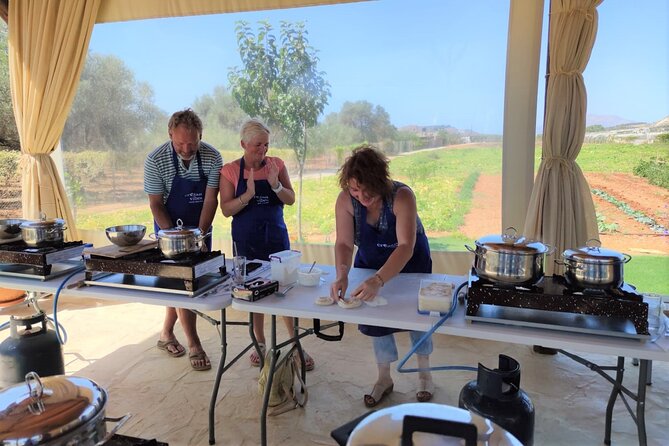
At $114.93 per person, you’re not just paying for instruction. You’re paying for ingredients, guided tasting, drinks, and the fact that you walk out with food and instructions.
Here’s what’s included:
- A full meal after the class
- Premium olive oil tasting
- Local wine with your meal
- Coffee and/or tea, plus homemade refreshments (like lemonade)
- All cooking ingredients, plus recipes sent by email and photos of the experience
- Leftovers packed to go
That’s why the value equation works. A typical “buy ingredients and cook” class might focus on a single dish. This gives you both cooking practice and olive oil education, and you get the materials to recreate the food later. For me, that’s the difference between a fun night out and a skill-builder you’ll actually use.
Main trade-off: transportation isn’t included. You’ll need to get yourself to the meeting point near Moires on your own, either by public transport or your own ride. If you’re staying far away and transportation is a hassle, the price feels less attractive.
Who Should Book This Cretan Cooking Class
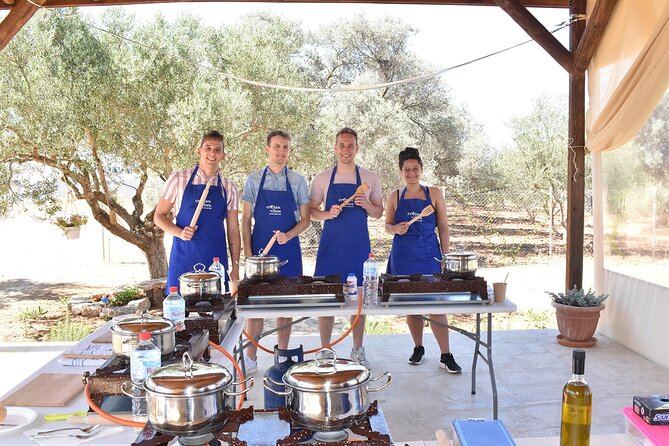
This is a strong fit if you want:
- Hands-on learning rather than watching others cook
- A small-group experience
- Traditional Cretan dishes you can name and reproduce later
- A practical olive oil tasting that improves how you shop back home
It’s also family-friendly in practice, since the teaching style is step-by-step and group sizes stay manageable. If you like food that’s tied to the land—olive oil, tomatoes, herbs—this will hit.
Should You Book Cretan Vibes Cooking and Olive Oil Tasting?
Yes, if you want an evening where you do the cooking, learn the why behind olive oil, and leave fed with recipes in your inbox. The combination of Mama Stella’s family-style guidance, Marianna’s clear teaching, and the extra virgin olive oil tasting makes it more than a standard cooking class.
If you hate rural logistics or you’re traveling without an easy way to reach the farm meeting point, that’s the main thing to weigh. Also keep in mind the experience depends on good weather.
If those hurdles don’t bother you, this is one of the best ways to experience Cretan food the practical way: with your hands, your senses, and a packed bag of leftovers.
FAQ
How long is the Cretan cooking class?
It runs for about 4 hours.
Is this cooking experience hands-on?
Yes. You’ll do the cooking step-by-step as part of a 100% hands-on experience.
What will I cook and eat?
You’ll prepare multiple Cretan dishes from the sample menu, including starters like dakos, dolmadakia, and stuffed zucchini flowers, plus mains such as giaxni or meat dishes and dessert like sarikopites or kalitsounia. The experience also includes a full meal after the class.
Is olive oil tasting included?
Yes. The tour includes a premium olive oil tasting and education on recognizing authentic extra virgin olive oil, aroma and flavor detection, bitterness, and identifying defects.
Are drinks included?
Yes. You’ll have local wine with your meal, plus coffee and/or tea and homemade refreshments like lemonade.
Do I get recipes to take home?
Yes. Recipes and photos are sent by email after the experience.
Do I need to arrange transportation?
Private transportation is not included. The meeting point is near public transportation, so you’ll need to plan your own way there.