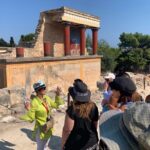
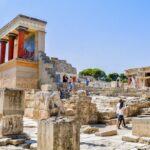
Time slots make Knossos feel manageable. You’re stepping into the political heart of the Minoans and wandering through spaces that date back to around 2000 BC.
I like the prebooked e-ticket setup because it cuts the hassle at the entrance. I also like the freedom to move at your own pace, including the grand palace areas and the throne room.
One caution: the optional audio can be harder to follow than you’d expect, especially if you don’t have a clear map and you’re navigating in bright sun.
In This Review
- Quick hits before you go
- Knossos in one day: what your ticket actually delivers
- Time-slot entry and the phone e-ticket workflow
- Walking the Palace of Knossos: the rooms that matter most
- Using the optional Knossos audio guide (and fixing its weak spots)
- Restored murals and the feeling of 4,000-plus years
- Best time to go in Crete: heat, crowds, and your pace
- Value check: is $30 fair, and when is the audio worth it?
- Who should book this Knossos ticket
- Should you book this Knossos Palace entry ticket?
- FAQ
- Do I need headphones for the audio guide?
- Is entry tied to a specific time slot?
- Can I change the date or time slot after booking?
- What languages are available for the audio?
- Where do I meet for this activity?
- Is this refundable?
- What should I bring to Knossos?
- What’s not allowed at the site?
- Is free admission available for certain ages or groups?
- Do children pay the same as adults?
Quick hits before you go
- Timed entry via phone e-ticket helps you avoid the worst lines.
- Self-guided walking means you control your pace, stops, and photo breaks.
- Grand Palace + throne room give you the most dramatic Minoan moments.
- Restored murals and reconstructions help you picture how it looked, even if authenticity is a mixed feeling.
- Audio guide can frustrate navigation if you don’t like stop-by-stop directions.
Knossos in one day: what your ticket actually delivers
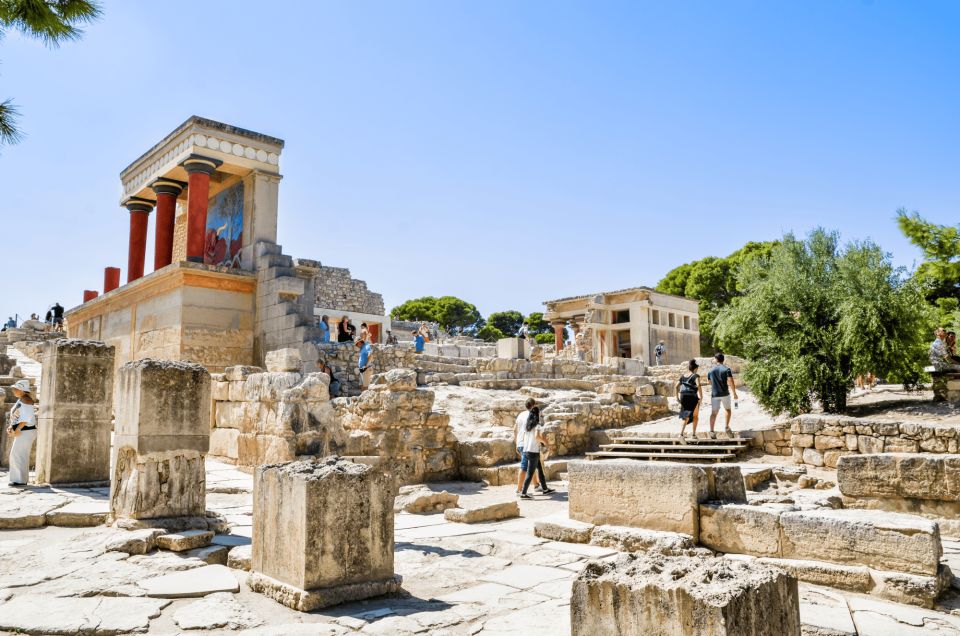
The Palace of Knossos is one of Europe’s key Bronze Age sites, tied to the Minoan civilization and the idea of a political center. This experience gives you entry to the archaeological site for a chosen date and time slot, so you don’t show up hoping the line moves fast enough.
Once you’re inside, it’s self-guided. That matters because Knossos is big enough to feel like you’re either going to rush through it or linger where things catch your eye. The included experience also includes a Heraklion city self-guided audio tour, plus the Knossos self-guided audio only if you choose that option.
Think of it like this: you’re buying the key to the site and then getting the option to add a layer of explanation. Some visitors love that structure. Others find that the audio makes navigation feel slower than reading signs and following your own instincts.
You can also read our reviews of more tours and experiences in Crete


Time-slot entry and the phone e-ticket workflow
Knossos uses timed entry, and this is where the experience either feels smooth or annoying. Your ticket is tied to a specific date and time slot. Entrance is allowed only at the selected time slot or within 15 minutes before or after.
That means two practical things for your day:
- Arrive with a little buffer, so you’re not stressed if your bus drops you at the wrong spot or you need to duck into shade.
- Don’t plan a tight connection right before your slot. You can’t amend the entry time later for any reason.
You’ll need your phone for the e-ticket. People report it’s basically a show-and-scan moment at the gate, which is exactly what you want when tour groups start stacking up. Also note what’s not allowed: oversize luggage and baby strollers. If you’re traveling light, that’s easy. If you have bags, keep them small.
Finally: the audio is an add-on that depends on your setup. Even if you selected the audio option, headphones aren’t included, so bring them (or plan to buy/borrow locally). Without headphones, you lose the main benefit of the upgrade.
Walking the Palace of Knossos: the rooms that matter most
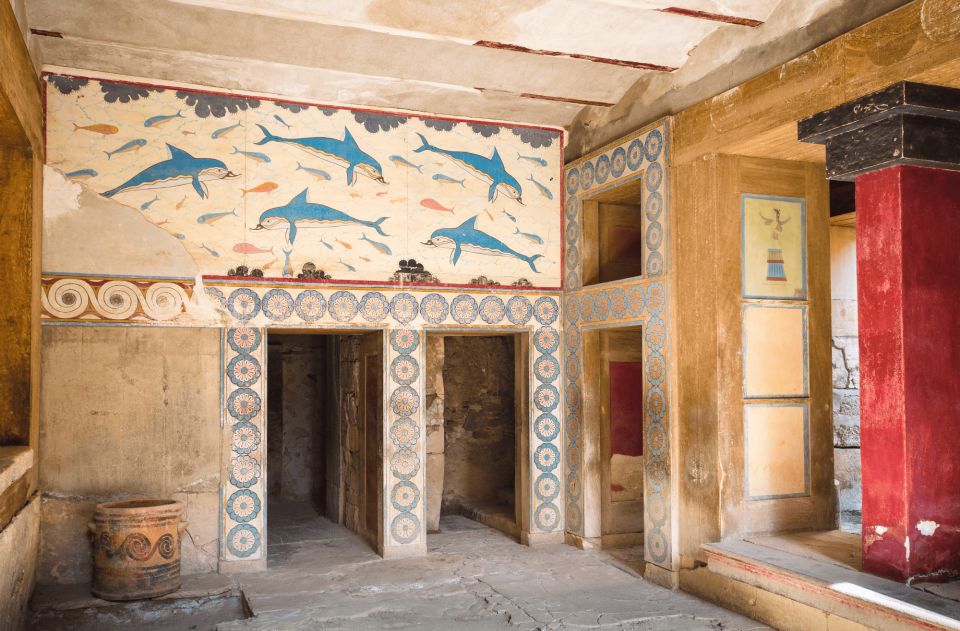
Knossos isn’t a single building you wander past. It’s a complex of spaces—workrooms, living quarters, and store rooms—built and rebuilt over thousands of years. What you see today includes both archaeological remains and extensive restorations, especially from the 20th and 21st centuries.
Here’s what you should look for as you walk the Grand Palace area:
- Grand Palace layout and large stairways: This is where the “former glory” feeling kicks in. Even with reconstructions, the scale makes the Minoan world feel powerful.
- Living spaces and workrooms: Focus on the sense of everyday function—rooms that suggest movement, storage, and busy activity rather than just royal spectacle.
- Storerooms and circulation: You’ll get a stronger sense of how the palace supported a bigger community when you pay attention to storage zones and the flow between areas.
- Throne room of King Minos: One of the most recognizable parts is still intact. It’s a standout stop because it gives you a specific anchor point in the maze-like site.
One honest note: the site’s reconstructions have left some visitors with mixed feelings—because you can see concrete and restored sections where you’re hoping for untouched ruins. Still, it can be useful. Reconstructions can help you understand how rooms might have connected, especially if you’re using the audio.
Using the optional Knossos audio guide (and fixing its weak spots)
If you choose the audio option, you get self-guided narration in English, Italian, French, and Spanish. It’s designed to help you understand what you’re looking at without a live guide.
This is the part you should be ready for: the audio experience divides people. Many say the audio makes it far more meaningful, because without it the visit can feel like you’re just walking from sign to sign—so fast that you wonder if you paid enough.
At the same time, a recurring complaint is navigation. Several people report difficulty finding the next stop, plus confusion from stop numbering that doesn’t always line up neatly with what’s posted on-site. Others point out that the audio can feel robotic, with pronunciation and grammar that don’t sound fully natural.
So here’s how to make it work better for yourself:
- Use your headphones before you enter, not halfway through the palace. Test volume and clarity in the open air.
- Have your phone ready with the audio downloaded or accessible offline if the app approach is required. People report needing an app/QR workflow.
- If you get turned around, pause and re-orient instead of marching forward. Knossos rewards a calm pace more than a sprint.
If you hate feeling dependent on your phone, consider skipping the audio option. You can still read interpretive signs, and plenty of people enjoy Knossos that way. But if you want context for rooms and murals, the audio can be a big upgrade—just don’t expect perfect stop-by-stop directions.
Restored murals and the feeling of 4,000-plus years
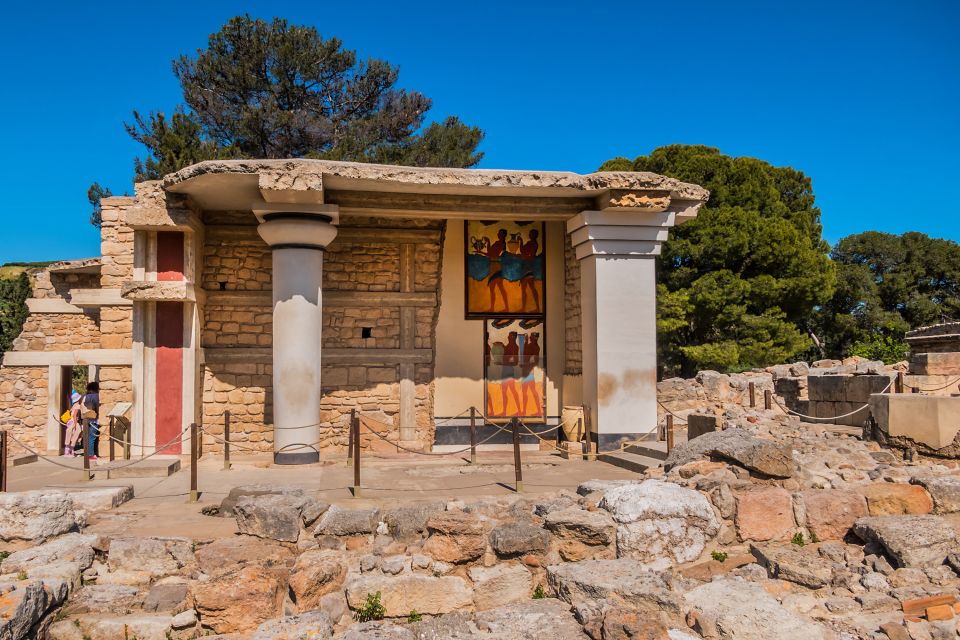
Knossos is famous partly because it helps you imagine Minoan life through what’s been preserved and what’s been restored. You’ll see colorful restored murals typical of the period, and those visuals do more than decorate. They help you picture daily culture—where art, politics, and ritual imagery might overlap.
And because Knossos is so old, you’re also seeing what archaeologists and restorers have tried to reconstruct. Some visitors love the clarity reconstructions bring. Others find it slightly sad, because it reminds you that what you’re seeing is a shaped interpretation, not a fully untouched original.
My advice: treat the reconstructions as storytelling. Look at what they’re trying to show you—room purpose, layout logic, and how a palace might have looked—while keeping an eye out for what’s clearly presented as remains. That mindset makes the whole site more satisfying.
You can also read our reviews of more guided tours in Crete




Best time to go in Crete: heat, crowds, and your pace
Knossos can feel intense in peak hours. Practical advice from other visitors is consistent: go early if you want more comfort and less crowd pressure. Arriving around 8–9am is often described as the sweet spot. By late morning, guided groups can start to take up space and slow down your ability to stop and look.
That said, late afternoon can also be smart. Some people like going later because the site can feel quieter and queue lines may be smaller.
A few on-the-ground realities to plan for:
- There’s a lot of open sun, so even if you’re moving fast, you’ll feel the heat.
- Shade and seating exist, but it’s not an all-day shaded stroll. Bring sunscreen and water.
- Plan your visit as an experience, not a checklist. The site is big enough that a rushed pass can make it feel too short—even if you’re told it doesn’t take long to walk.
A useful pacing target: if you’re listening to audio and reading signs, plan on around a couple hours. If you’re skipping audio and just walking, it can turn into a quick loop.
Value check: is $30 fair, and when is the audio worth it?
At $30 per person for timed entry, the value mostly comes down to one thing: convenience. In high season, the entrance lines can get long. A prebooked e-ticket for your time slot can save real time and reduce the “stand around hoping” part of your day.
The bigger question is the audio option. It’s “worth it” if you want the site to explain itself and you’re comfortable using your phone with headphones. Many people treat the audio as a must, because it stops the visit from turning into just walking and snapping photos.
It’s not worth it if:
- You expect a simple map with clear directions and you hate backtracking.
- You don’t like AI-like narration or you get bothered by odd pronunciations.
- You’re looking for instant clarity and would rather spend your money on a live guide (not included here).
So for value: buy the timed entry for the smooth entrance. Choose audio based on your tolerance for phone navigation and your willingness to stick with it even if a stop is a little confusing.
Who should book this Knossos ticket
This is a good fit if you:
- Want to skip the ticket line with timed entry
- Prefer self-guided pacing instead of being moved along by a group
- Like connecting ruins to story—especially if you’ll use the audio option
It may be less satisfying if you:
- Hate audio that depends on navigation and your phone screen
- Get annoyed when the next stop feels hard to find
- Want “original” ruins only, without reconstructed elements
Accessibility is also a consideration. People using wheelchairs report that some areas can be challenging or not fully accessible, so if mobility is a factor, go in with realistic expectations and plan extra time for any difficult spots.
Should you book this Knossos Palace entry ticket?
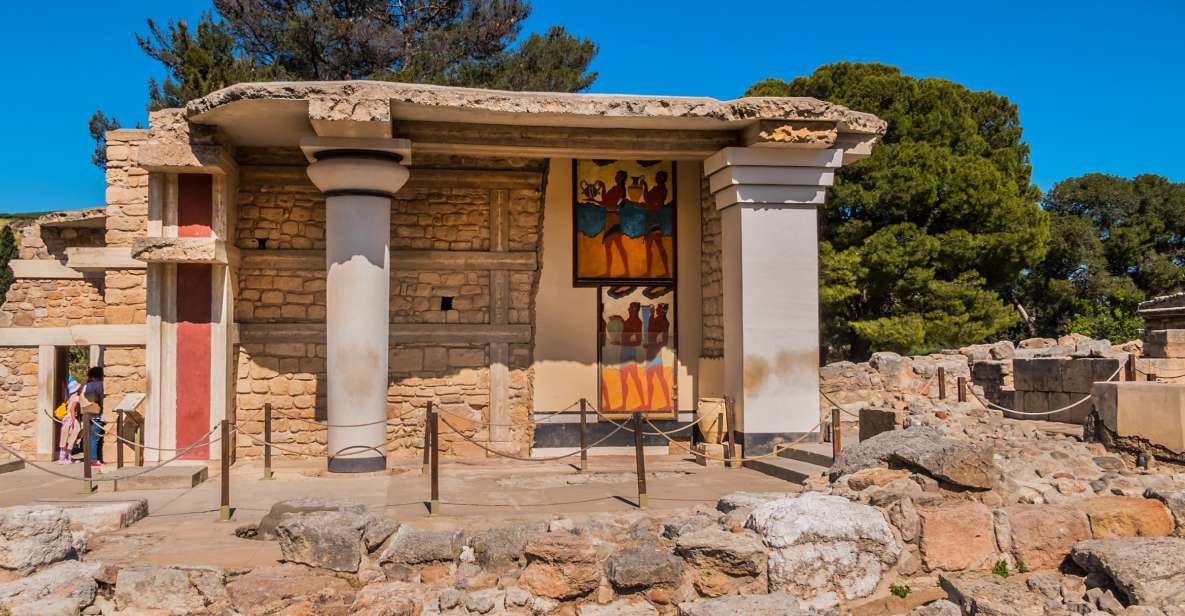
Book it if you want an easy entry and you’re the kind of traveler who likes wandering at your own speed. The timed e-ticket is the real win, and the palace rooms are worth your time even if you keep expectations flexible about reconstructions.
Skip the audio option if you’re confident you’ll get enough from on-site signs and you don’t want to wrestle with confusing directions. Choose the audio option if you’ll treat it as context—not as a GPS—and you’ll bring headphones and a calm mindset.
Either way: go early, pack water, and give yourself time to pause. Knossos rewards slow looking more than fast checking.
FAQ
Do I need headphones for the audio guide?
Yes. Earphones or any physical audio device aren’t included, and you’re asked to bring headphones.
Is entry tied to a specific time slot?
Yes. You must enter only at your selected time slot, or within 15 minutes before or after.
Can I change the date or time slot after booking?
No. The entry time slot can’t be amended for any reason.
What languages are available for the audio?
English, Italian, French, and Spanish.
Where do I meet for this activity?
The meeting point may vary depending on the option booked.
Is this refundable?
No. The activity is non-refundable.
What should I bring to Knossos?
Bring sunscreen, water, and a passport or ID card (a copy is accepted). Also bring headphones.
What’s not allowed at the site?
Oversize luggage and baby strollers aren’t allowed.
Is free admission available for certain ages or groups?
Yes. From April 1, 2025, EU citizens under 25 and non-EU citizens under 18 can get free admission by showing their ID at the ticket booth. People with disabilities can also receive free admission with a Disability Certificate at the ticket booth.
Do children pay the same as adults?
The regular adult-price ticket applies to people of all ages, meaning they pay the full price—unless they qualify for the specific free admission rules noted above.