Old olive trees and great sips make this day tour special.
This is a wine and olive oil tasting tour from Chania that mixes mountain driving with hands-on tastings at family-run wineries and an olive oil factory. I especially like the combo of award-winning Cretan varieties and the olive oil focus, so you’re not just drinking and moving on. One thing to keep in mind: you’ll be tasting and sampling all day, so the light lunch/snacks can feel a bit light if you like big meals.
Two standout wins here are the visit to the oldest olive tree (around 3,000 years old) and the olive oil factory stop where you learn how extra virgin oil is made, then taste it. The other consideration is pacing: it’s built for a steady flow of stops, so if you want lots of free time in one place, this may feel structured.
In This Review
- Key highlights to know before you go
- Chania to Kissamos hills: the drive sets the mood
- Stop at a family winery: Vidiano and Muscat of Spina in the spotlight
- How the snacks and lunch keep the day enjoyable
- The 3,000-year-old olive tree stop: history you can stand under
- Second winery tasting: a white blend built from Vilana, Vidiano, and Assyrtiko
- Olive oil factory tour: extra virgin production, then real tasting
- Tsikoudia farewell: a Cretan closing ritual
- Price and logistics: is $141 good value?
- Who this tour fits best (and who might want something else)
- Your best game plan: small prep that pays off
- Should you book this wine and olive oil tasting tour from Chania?
- FAQ
- FAQ
- What’s the duration of the tour from Chania?
- Is wine tasting included, and is it age-restricted?
- What does the tour include besides tastings?
- Do I need an ID to join?
- Are unaccompanied minors allowed?
- How is the tour guided, and what language is offered?
Key highlights to know before you go
- Family wineries with a real sense of Cretan winemaking, not a rushed showroom.
- Tastings built around local grapes like Vidiano and Muscat of Spina, plus international labels.
- The oldest olive tree on earth (estimated 3,000 years old), seen in person on a village stop.
- Olive oil factory education paired with tastings of extra virgin olive oils.
- Tsikoudia farewell at the end, a classic Cretan closing ritual.
- A guide-driver who brings the context, with English live guiding and lots of history shared along the way.
Chania to Kissamos hills: the drive sets the mood
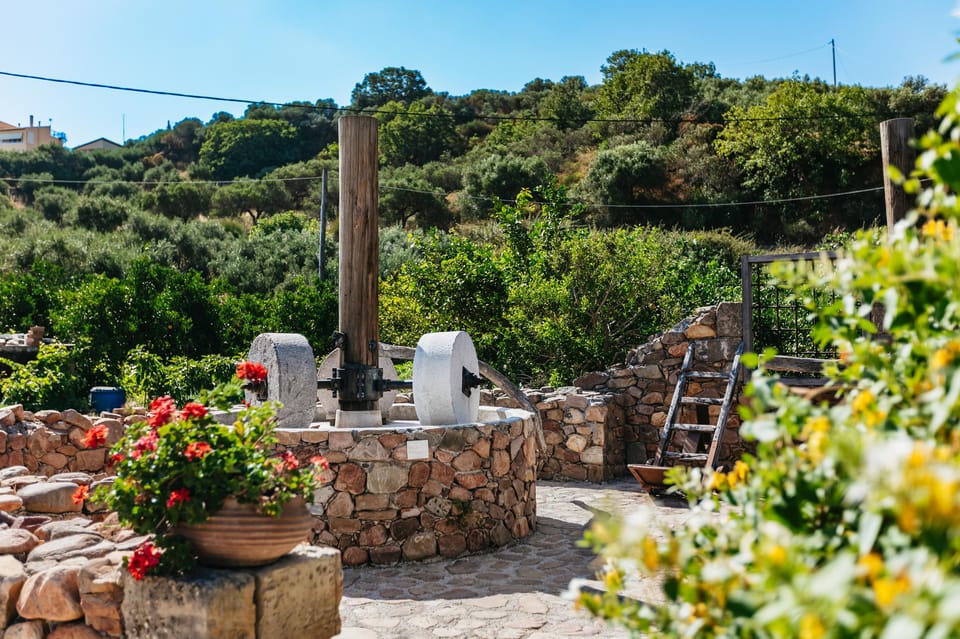
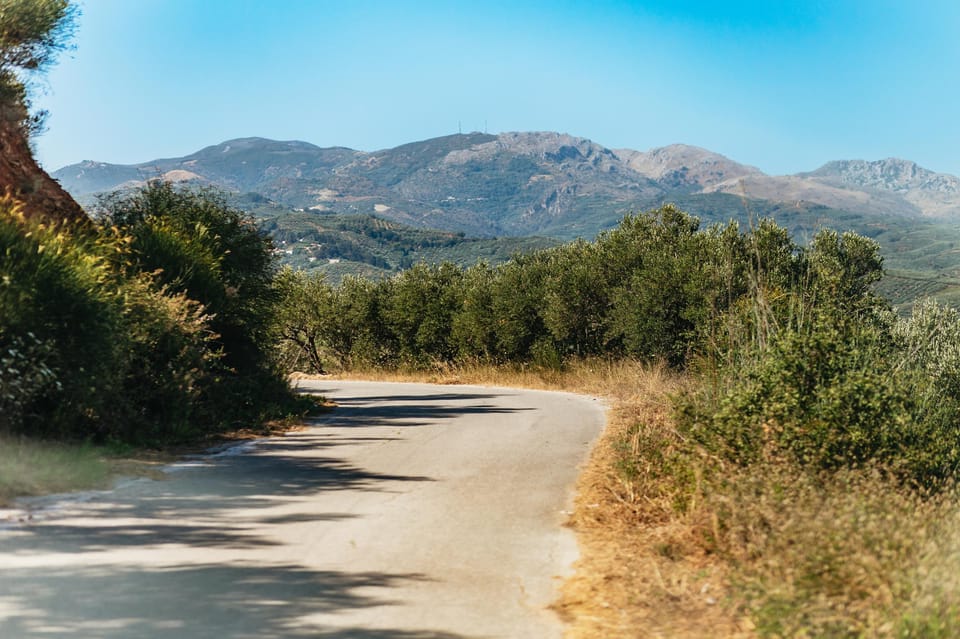
This tour is built on a simple idea: the best tastings happen when you’re in the right setting. You leave Chania by air-conditioned bus, and you’ll head up into the mountains of the Kissamos region. The ride matters more than you might think, because it turns the tasting day into a true route through Crete, not just a hop from building to building.
Pickup is included from the Chania area, and it starts 30–60 minutes before departure. That early start is normal for this kind of day tour, but it also means you’ll get most of the important stops done while the day is still comfortable for walking around vineyards and olive groves.
If you care about not wasting vacation time, this is a strong setup. You don’t have to plan the route, figure out timing between farms, or worry about how to get from one tasting location to the next. Just show up with your passport or ID card, because that’s required.
You can also read our reviews of more food & drink experiences in Crete
Stop at a family winery: Vidiano and Muscat of Spina in the spotlight
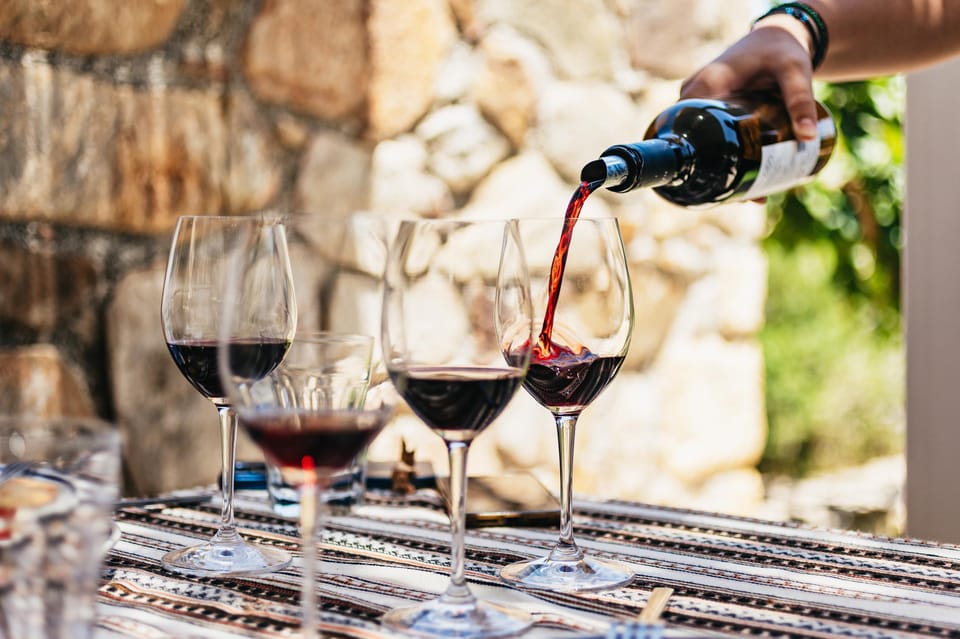
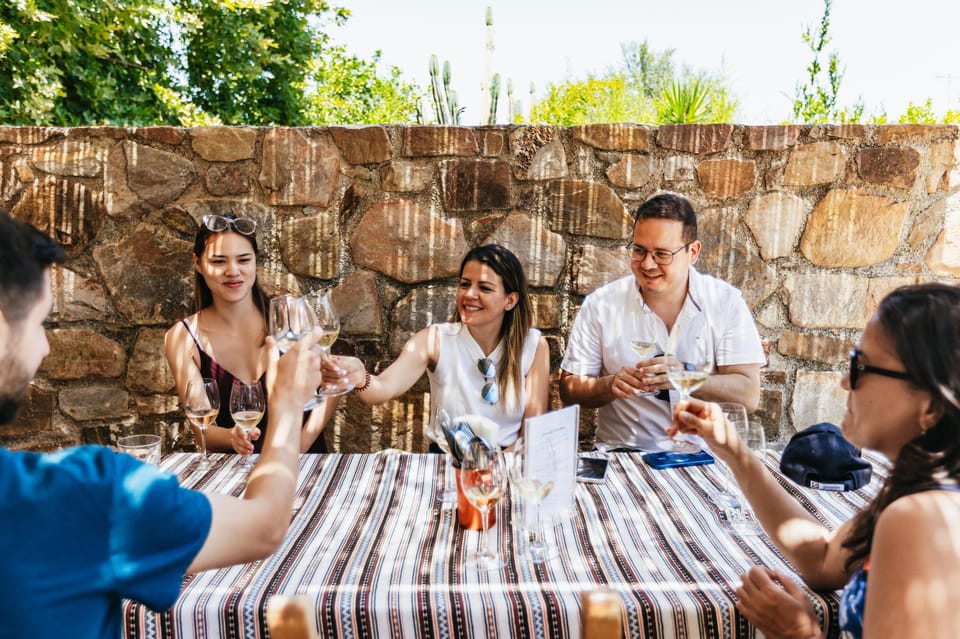
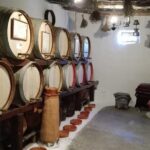
One winery stop is at a family-run operation established in 1993. That detail matters, because it signals a longer commitment to making wine in a small, hands-on way. You’ll learn about the kinds of grapes grown there and how they think about modern farming and wine production. In other words, you’re not only tasting the result; you’re hearing the reasoning behind it.
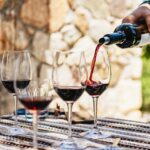
The tasting lineup leans hard into Cretan identity. You’ll try Vidiano and Muscat of Spina, both tied to the island’s character and terroir. Then you may also taste some international varieties such as Grenache rouge, Syrah, and Mourvèdre, which are a useful contrast. It’s a smart mix: local grapes show you what Crete does best, and the international ones help you notice what changes when the same idea travels to different ground.
What I like about this kind of tasting structure is that it gives you a comparison framework. After a few pours, you start picking up patterns: aroma differences, how the wine feels in the glass, and how the same region can produce distinct styles.
One practical note: you’ll likely be tasting multiple wines across multiple stops. If you want to really enjoy every pour, go slow at the table. You can always sip, pause, and come back to your favorite.
How the snacks and lunch keep the day enjoyable
This tour includes light lunch/snacks, and the tasting schedule is designed to make those stops feel workable. The snacks aren’t meant to replace a full meal, but they do help you stay comfortable while sampling.
From a value standpoint, this matters. Wine tasting days can turn into a long stretch of alcohol on an empty stomach if you’re not paying attention. Here, you’re not just buying tastings with no food support. You get a basic fuel-and-rest rhythm that keeps the experience fun instead of tiring.
Still, if you tend to get hungry and you don’t snack often in between pours, plan to eat more than you think you’ll need. You might also want to carry a little water when you can, because you’ll be on a bus most of the time and doing short walks at each stop.
The 3,000-year-old olive tree stop: history you can stand under
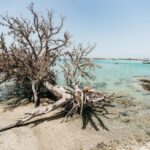
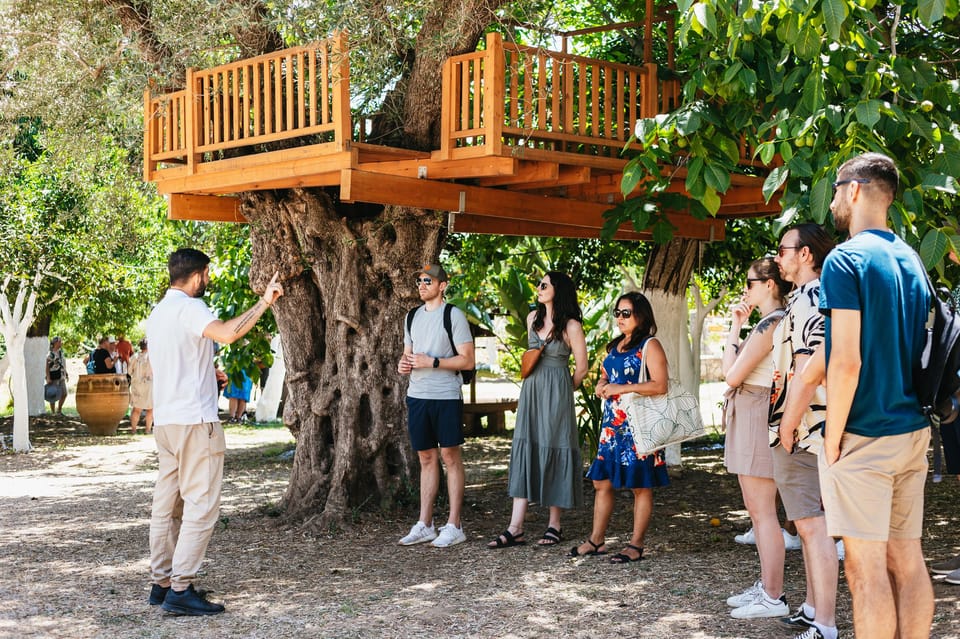
This is one of the most memorable pieces of the day for a reason. You’ll visit a traditional village and see the oldest olive tree in the world, estimated to be 3,000 years old.
It’s one thing to read numbers. It’s another to stand in the presence of a living plant that has survived empires, wars, and changing farming styles. It also gives context to everything you’re tasting later. Olive oil isn’t a trendy ingredient here. It’s part of survival food, long before it was part of modern gastronomy.
When you’re at this stop, don’t rush it. Take your time looking at the tree, enjoy the shade if you have it, and let the moment land. It’s also a good pause from the bus-and-tasting rhythm.
Second winery tasting: a white blend built from Vilana, Vidiano, and Assyrtiko
After the village and the olive tree, you head to another winery in the Kissamos region. This tasting has a different flavor focus: a special local blend of white wines using Vilana, Vidiano, and Assyrtiko.
This trio is a great way to understand Cretan whites without getting lost in technical terms. You get to taste how multiple grapes combine into a single style that reflects the island. And because you’ve already tasted earlier wines, the second lineup feels like a continuation rather than a repeat.
The vineyard walking and the atmosphere at this stop tend to make it feel like more than a checklist stop. Even if you don’t buy anything, it’s a chance to understand how the same region can show different faces depending on grape variety and production choices.
Tip for enjoyment: if you find one white wine stands out early, don’t force yourself to ignore it later. Often, the later pours change your opinion once you’ve reset your palate.
You can also read our reviews of more wine tours in Crete

Olive oil factory tour: extra virgin production, then real tasting
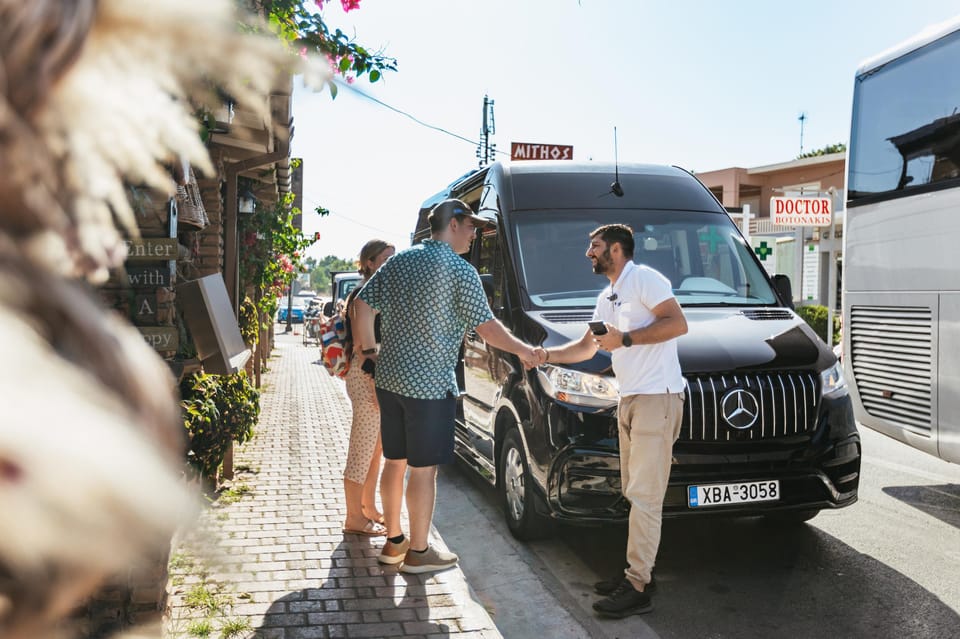
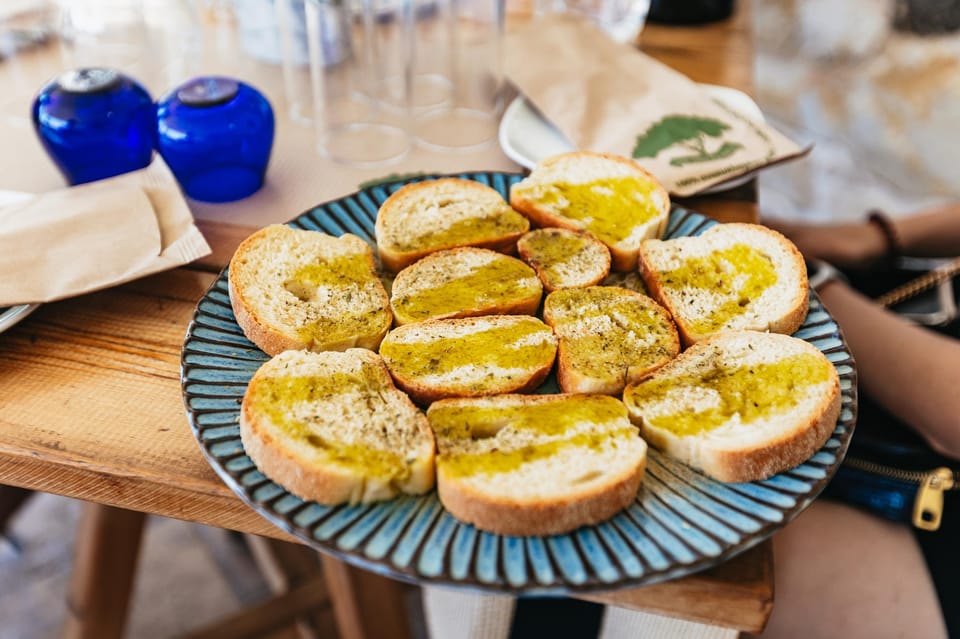
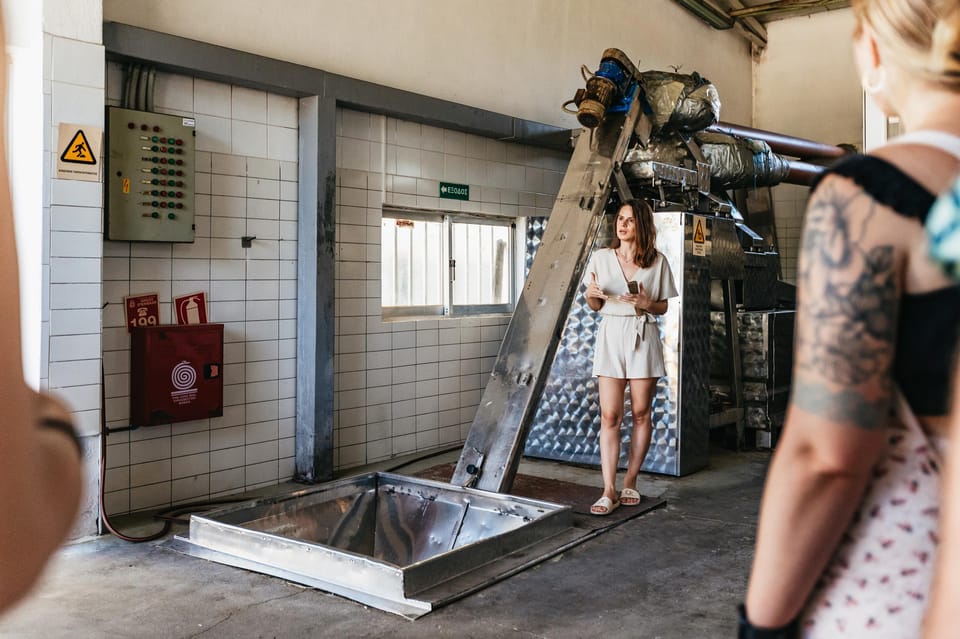
The olive oil factory part is the core learning experience. You’ll visit a local olive oil factory and see how extra virgin olive oil is produced. Then you’ll taste a variety of local products, including extra virgin olive oils served alongside wine.
This is where the tour earns its name. Wine tastings are fun, but olive oil tastings are the kind of experience that actually changes how you shop later. You learn what you’re tasting and why it’s different, so you can make better choices back home.
What’s practical here is the pairing. When olive oil is tasted with wines and local bites, you start noticing how flavors interact. You also get a clearer idea of how Crete uses olive oil in daily life, not just as a souvenir.
Also, you’ll have time to browse the products. One nice point is that the experience tends to feel relaxed rather than sales-driven. You can ask questions, taste with confidence, and only buy what you genuinely want to bring back.
Tsikoudia farewell: a Cretan closing ritual
You’ll end with the Cretan way of saying goodbye: drinking award-winning Tsikoudia before heading back to Chania. It’s a small finish, but it matters because it turns the day into a complete arc, not just a set of tastings.
Tsikoudia is strong. If you’ve been tasting wine all day, go easy with your last pour. Sip, enjoy the moment, and don’t treat it like a quick shot.
Then you’re back on the bus for the ride home, with the tastes and stories sticking in your mind as the drive winds down.
Price and logistics: is $141 good value?
At $141 per person for a 6-hour tour, the real value is what’s included. This isn’t just a ticket to taste wine. You get:
- pickup and drop-off in the Chania region
- air-conditioned transportation
- entrance fees
- wine tasting plus olive oil tasting
- light lunch/snacks
- a live English guide
- time at multiple producers, including a factory-style olive oil stop
If you were to do tastings on your own, you’d still pay for transport and likely for entry fees. The tour also saves you the planning work of timing several farm stops across mountain roads.
That said, one thing to consider is hunger level and expectations. Some people expect more substantial food on a day that includes multiple tastings. Here, the lunch is described as light, so if you prefer a more food-forward day, you may want a bigger meal before the pickup and plan a proper dinner after you return.
Also, because you’re tasting a lot, comfort matters. You’ll enjoy it more if you keep it slow and hydrate during breaks.
Who this tour fits best (and who might want something else)

This is a great fit if you want:
- a structured day with meaningful stops, not random wandering
- a blend of wine + olive oil education
- English live guiding with cultural context
- chances to compare grapes and compare local olive oil styles
It’s also a good pick for first-timers. You won’t need deep wine knowledge to enjoy it, because the format is built around guided tasting and explanation.
On the other hand, it may be less ideal if you hate alcohol tasting days or you prefer lots of free time. This tour is built for movement and tasting. You’ll spend a lot of your day on the road and at producer tables.
One more suitability note: wine tasting isn’t allowed for children under 18. The tour offers water or fresh orange juice instead, and children must be accompanied by an adult. Unaccompanied minors aren’t allowed.
Your best game plan: small prep that pays off
Bring your passport or ID card. That’s non-negotiable. Wear comfortable shoes, because you may walk around vineyards and in and out of winery and factory areas. You’ll also be dealing with heat and sun depending on the season, so a hat and sunscreen help.
If you’re someone who gets overwhelmed by multiple tastings, make it easy on yourself. One sip, one note in your head, then move on. Pick favorites rather than trying to rank everything.
Finally, if you’re booking and you care about the guide vibe, this tour has a strong track record with guide-driver personalities. You might meet guides such as Andreas, Kostas, Nikos, Andy, Alexandros (Alex), or Thanassi, and many are praised for mixing wine or olive oil talk with clear Cretan history. That guide energy is a real part of the value.
Should you book this wine and olive oil tasting tour from Chania?
If your goal is a day that feels authentically Cretan, I think it’s an easy yes. You’re getting more than just tastings: you’ll see a 3,000-year-old olive tree, learn how olive oil becomes extra virgin oil, and taste wines that show both local favorites and international variety comparisons.
Book it if you like structured experiences, you want wine plus olive oil in one day, and you’re happy to spend about 6 hours mixing travel with tastings.
Skip it (or consider a different format) if you want a relaxed day with lots of downtime, or if you need a heavier food component. The lunch/snacks are included, but they’re not built like a full meal journey.
FAQ
FAQ
What’s the duration of the tour from Chania?
The tour lasts 6 hours.
Is wine tasting included, and is it age-restricted?
Yes, wine tasting is included for adults. Wine tasting is not allowed for children under 18; children are offered water or fresh orange juice instead.
What does the tour include besides tastings?
It includes pickup and drop-off in the Chania region, air-conditioned bus transportation, entrance fees, a light lunch/snacks, a driver/guide, plus olive oil tasting.
Do I need an ID to join?
Yes. You should bring your passport or ID card.
Are unaccompanied minors allowed?
No. Unaccompanied minors are not allowed, and children must be accompanied by an adult.
How is the tour guided, and what language is offered?
The tour includes a live guide in English.