A full day of Cretan flavors beats most half-days. This tour links olive oil, wine, and raki to the land that produces them, with stops run by families and craftsmen. In a small group capped at 8, guides like Antonis and George keep the pace friendly and the stories practical.
I especially like how you taste where the product comes from: an olive mill plus an olive grove tour, then a winery visit where you sample 5 wines. The raki stop is a standout too, with a traditional setup (including a tasting in the rakokazano) and an ancient wine-press setting.
The one catch to flag is the pottery finale: the pottery studio/workshop is not available on Sundays, so your last stop may be lighter depending on the day.
In This Review
- Key things I’d circle on your planning map
- Why This Crete Tasting Day Feels More Local Than Tourist
- Pickup, Van Ride Time, and the Pace That Matters
- Skalani Brunch Stop: Olive Oil First, Then Food and Snacks
- The Olive Grove and Olive Mill: How You Taste With Better Eyes
- A Winery Tour With Organic Practices and 5 Wines
- The Rakokazano and Ancient Wine Press: Raki 101 That Actually Makes Sense
- Lunch at a Local Tavern: The Meal You’ll Compare Other Meals To
- Thrapsano Pottery Workshop: Try Wheel Throwing in a Traditional Village
- Small Group, Real Guides, and Why the Voices Matter
- Price and Value: What $141 Buys You on Crete
- Who Should Book This Tour (and Who Might Not)
- Should You Book It
- FAQ
- How long is the Crete wine, olive oil, raki, and food tour?
- What is the group size?
- What languages are the live guides?
- What’s included in the price?
- How many wines do you taste?
- Is the pottery workshop always available?
- Can the meal accommodate allergies or vegetarian needs?
- Is free cancellation available?
Key things I’d circle on your planning map
- Small group (up to 8) keeps conversations easy, not forced.
- Olive mill + olive grove means you learn the oil basics before you taste it.
- Family-run winery with organic farming methods and scenic vineyard views.
- Raki distillery tour tied to Cretan agricultural history, then tasting in the rakokazano.
- Plenty of food and drink across multiple stops, including lunch at a local tavern.
- Pottery workshop at the end lets you try wheel-throwing, but not on Sundays.
Why This Crete Tasting Day Feels More Local Than Tourist
Crete has plenty of tours that say tasting. This one connects tasting to process, then to the people doing the work. You’re not just sipping in a room; you’re moving through the real rhythm of olive groves, vineyards, and workshops.
I also like the small-group setup. When you have a limit of 8 people, you can ask questions, hear real backstories, and actually pay attention when your guide explains what you’re tasting. Guides such as Antonis and George often bring both warmth and humor, which makes a long day feel lighter.
You should still expect it to be action-packed. It’s an 8-hour day with multiple tastings and a few active stops, so comfortable shoes and a patient attitude help.
You can also read our reviews of more food & drink experiences in Crete

Pickup, Van Ride Time, and the Pace That Matters
The day starts with pickup from your accommodation in Crete, then you head out by van. There’s a lot of driving built in because the olive, wine, and distillery stops tend to be in rural areas rather than right in town.
Your total time out is about 8 hours, which can sound long until you see how each stop is paced. People often find there’s enough time at each location to taste, ask questions, and not feel rushed, even though the schedule is full.
English (and Greek) live guiding is part of the package. In practice, that matters because you can follow the why behind each product, not just the what.
Skalani Brunch Stop: Olive Oil First, Then Food and Snacks
You begin in Skalani, where the tour starts building the flavor foundation. Expect a guided visit plus brunch and local snacks, with the emphasis on how olive oil fits into daily life.
This is also where many people tend to notice how food and tasting are handled in a Cretan way: generous platters, breads, cheese, and fresh items that let the olive oil show up at full strength. If you’re trying to understand why Crete’s olive oil has a reputation, this first stop sets the stage quickly.
If you’re hungry, good. This tour keeps feeding you through the day, so you’re not stuck “waiting for lunch” after tastings.
The Olive Grove and Olive Mill: How You Taste With Better Eyes
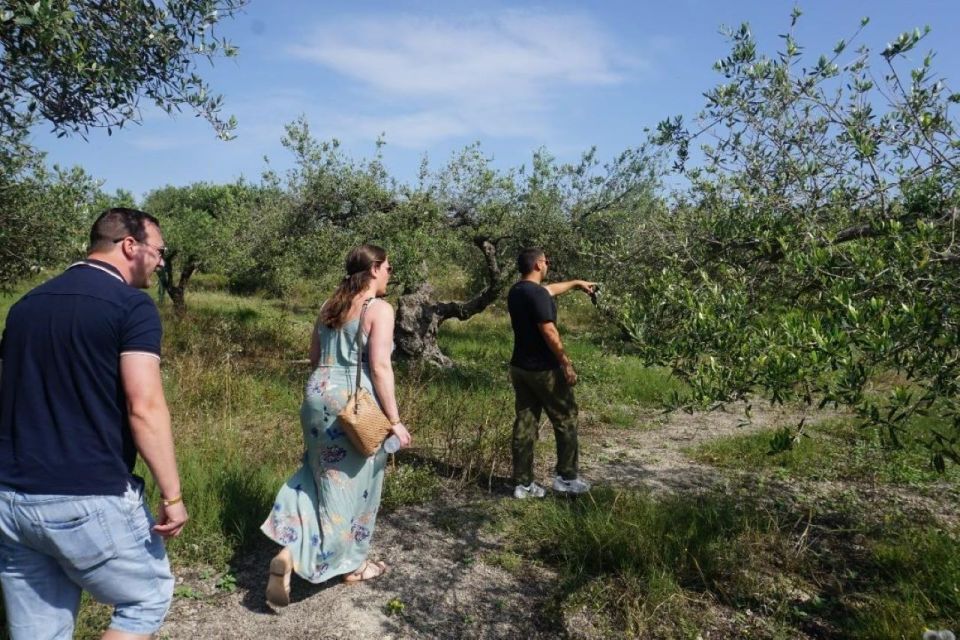
Next comes the heart of the olive story: the olive grove tour followed by a visit to a local olive mill. This is one of the biggest value points because you get context before sampling.
You’ll learn what happens from tree to oil, and why timing, harvest care, and processing choices matter. Then, after the mill visit, you get to taste fresh olive oil from the setting where it’s made.
The practical payoff is simple: once you understand the basics, tasting becomes easier. You start catching differences in aroma, bitterness, and that peppery kick that people often mean when they say a good oil tastes alive.
A Winery Tour With Organic Practices and 5 Wines
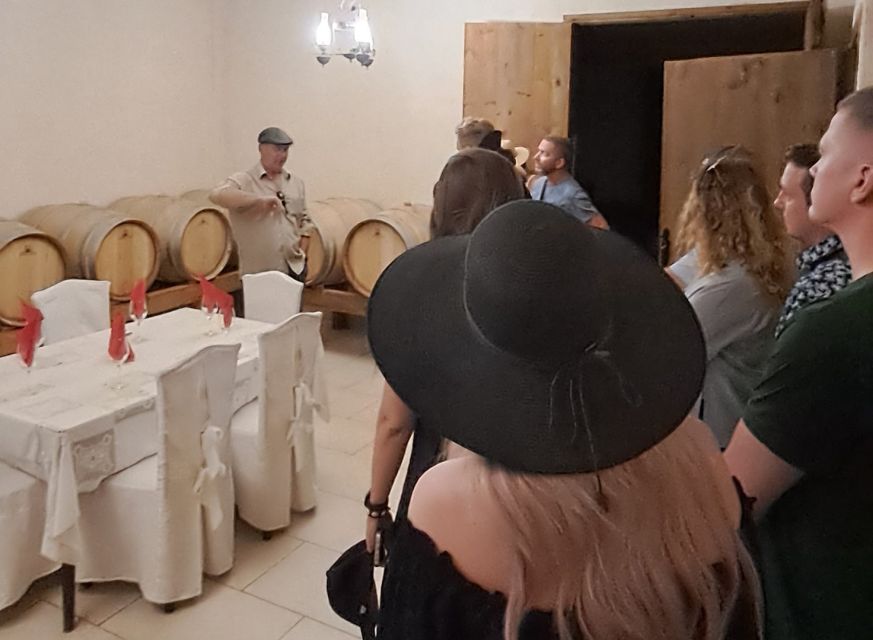
After olives, you shift to vineyards. The winery stop is family-run and uses organic methods for cultivating, so the tasting connects to farming choices rather than just labels.
You tour around the vineyards and the winery itself, then you taste 5 wines. That number is important because it gives you a real comparison set in one sitting, not a single “try one” moment.
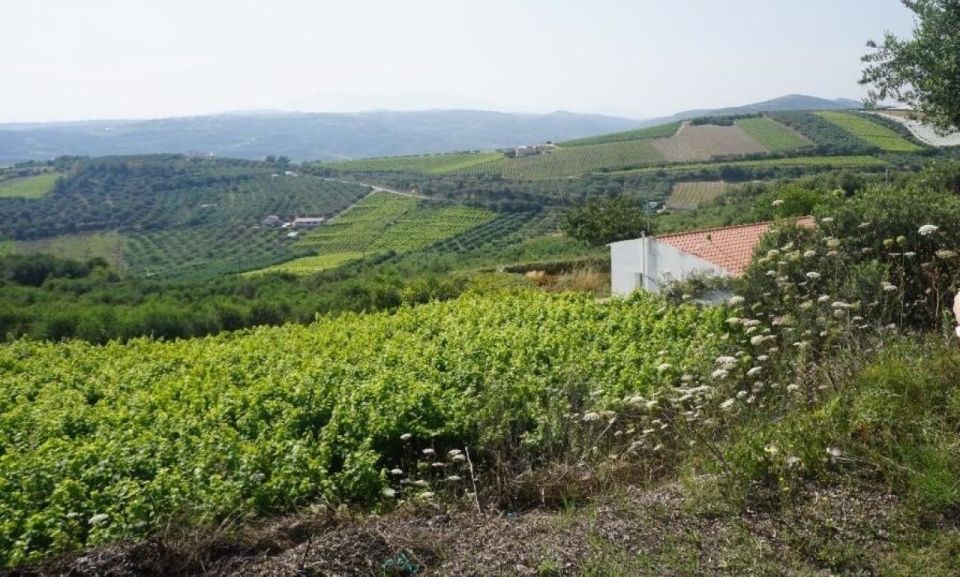
Also, pay attention to the views on the drive and from the winery area. Crete’s wine culture is tied to place, and when you see the terrain, tasting stops feeling abstract.
You can also read our reviews of more tours and experiences in Crete
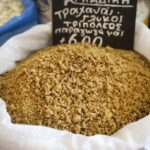



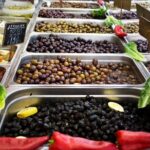
The Rakokazano and Ancient Wine Press: Raki 101 That Actually Makes Sense
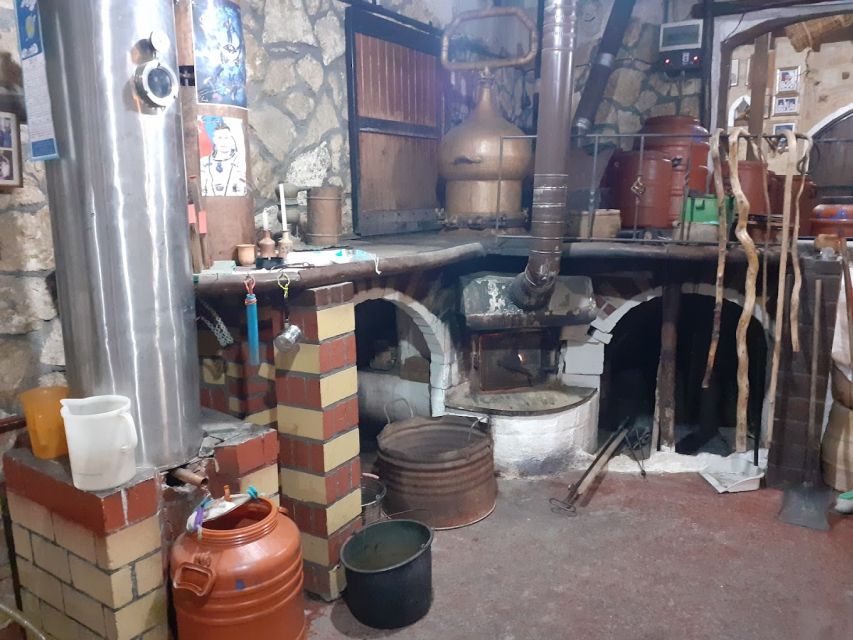
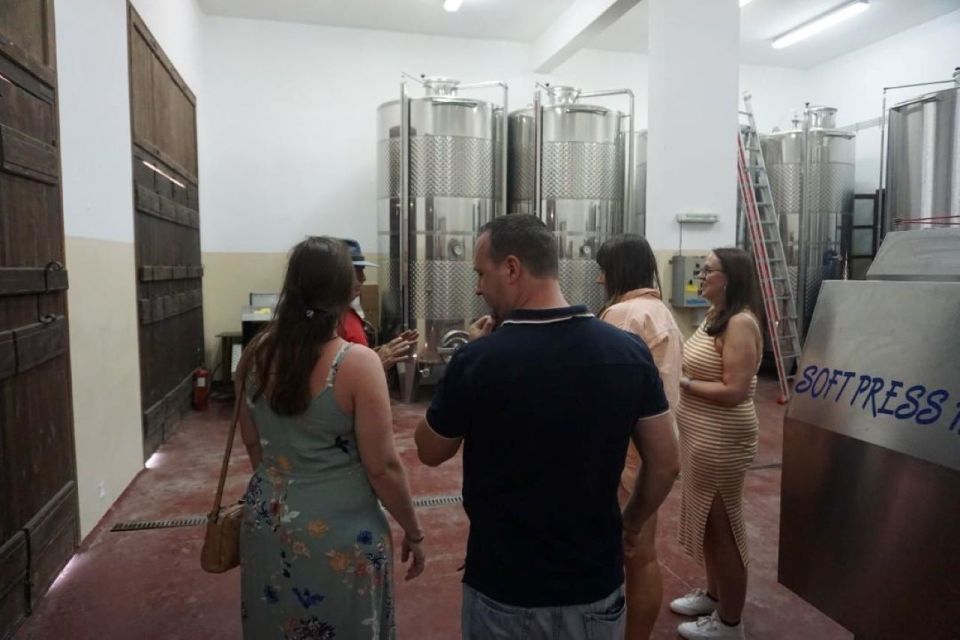
Then comes the stop many people name as their favorite: the raki distillery. You’ll get a guided tour of the distillation process, with the setting including an ancient wine press.
Raki is the most famous Cretan spirit, and the tour helps you understand it as agricultural history, not just a shot culture thing. When the guide explains how it fits with local grapes and production, the taste makes more sense.
You’ll also have a wine and raki tasting in the rakokazano. Raki can be strong, so I treat this part like a marathon snack: take small pours, sip slowly, and keep water close. If you don’t love spirits, you’ll still get a clearer sense of what makes Cretan raki different.
Lunch at a Local Tavern: The Meal You’ll Compare Other Meals To
Lunch is served at a local tavern, included in the price. This is where the tour earns its keep, because it’s not a quick bite designed to move you along.
Expect traditional food and local specialties, and in the tavern setting you’ll likely eat more than you planned to. People often say this is one of the best meals they have in Greece, and I think that tracks with how the day is structured: you arrive ready to taste.
If you have dietary needs, contact the local operator at least 48 hours ahead. The tour explicitly allows you to request vegetarian options and to flag food allergies.
Thrapsano Pottery Workshop: Try Wheel Throwing in a Traditional Village

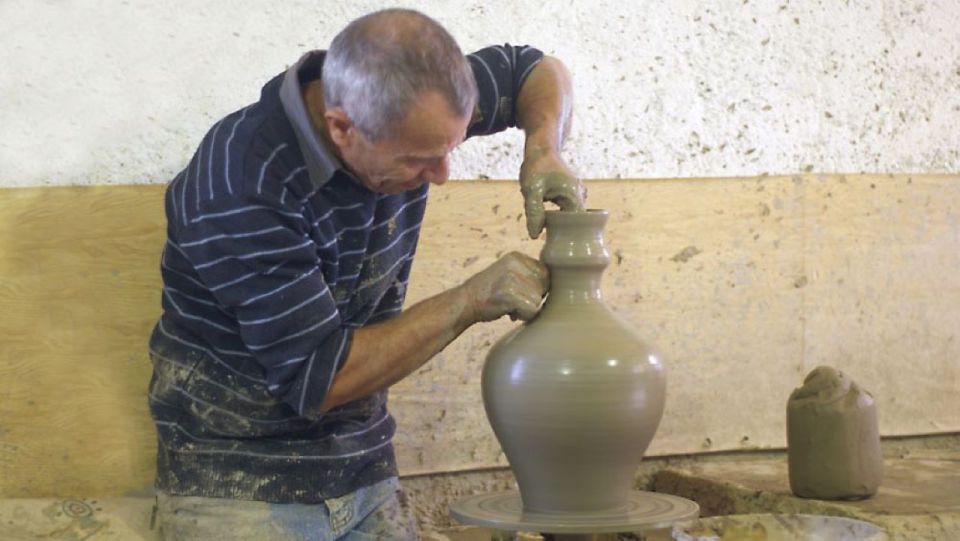
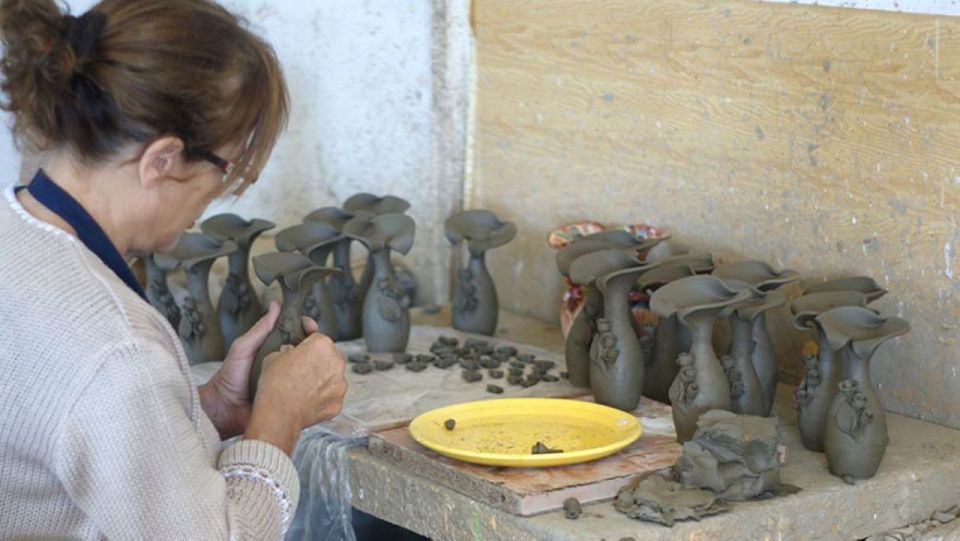
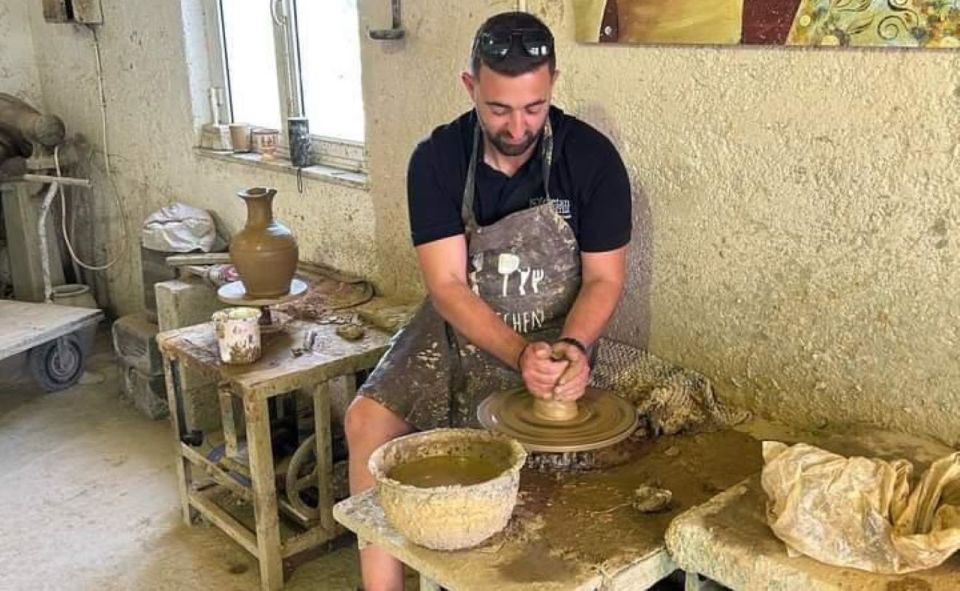
The day ends with pottery in Thrapsano, in a traditional village known for ceramics. You’ll get a guided visit and an arts-and-crafts market stop, plus a workshop where you can try making pottery yourself.
In practice, this is the hands-on payoff many people remember most. You get to watch the process, then try wheel throwing with help from the professional maker.
One important schedule note: the pottery lab/workshop is not available on Sundays. If you’re booking for a Sunday, I’d mentally plan for a different finale and still enjoy the rest of the day.
Small Group, Real Guides, and Why the Voices Matter

This tour limits you to 8 participants. That’s not just for comfort; it changes how the day feels. You can ask about what you’re tasting, how olive oil and wine are made locally, and what’s going on in the communities around each stop.
Guides like George and Antonis show up in many accounts as friendly and upbeat, mixing island history with everyday explanations. There’s also mention of guide duos and extra personality during the day, which helps keep the long travel sections from dragging.
If you care about more than just food and drink, this is where the experience gets real. You walk away understanding how local agriculture shapes identity and family life.
Price and Value: What $141 Buys You on Crete
At $141 per person, you’re paying for a full day that stacks multiple included experiences:
- Transport with pickup and return from your accommodation
- Olive grove + olive mill tour and tasting
- Winery guided tour and tasting of 5 wines
- Raki distillery guided tour and tastings in the rakokazano
- Lunch at a local tavern
- Pottery workshop (when available) and village arts-and-crafts time
That price feels fair because the day includes more than one producer visit. Many tours give you one tasting, maybe a drive, and then send you off. Here, you taste across olives, wine, and raki, and you also get food plus a creative workshop.
One practical note: bring some cash if you plan to buy items. On one day, card processing has been disrupted, and having backup money avoids stress when you see olive oil or ceramics you want to take home.
Who Should Book This Tour (and Who Might Not)
Book this if you want a hands-on Crete day built around agriculture and local producers. It’s great for wine fans, olive oil lovers, and anyone who likes learning how everyday traditions become excellent products.
You’ll also like it if you enjoy meeting new people without the big-bus chaos. The small group size makes the day feel more personal, and it’s easier to talk with your guide and the hosts.
You might skip it if you’re sensitive to strong alcohol. The tour is raki-forward, and even if you pace yourself, it’s part of the cultural experience. Also, if you want an unhurried “see the coast” day, this is more production-and-workshop than slow sightseeing.
Should You Book It
I’d book this tour if your priority is to leave Crete understanding its food and drinks at a real, practical level. You get the basics of olives, a solid set of vineyard wines, and an explanation of raki that goes beyond the shot glass.
If you’re traveling on a Sunday, still consider it, but know the pottery workshop may not run. Either way, the olive oil, winery tasting, raki distillery tour, and lunch are built to carry the day.
In short: if you like local producers, tastings, and a friendly small group, this is a strong value pick for an 8-hour Crete day.
FAQ
How long is the Crete wine, olive oil, raki, and food tour?
The tour lasts about 8 hours.
What is the group size?
It’s a small group limited to 8 participants.
What languages are the live guides?
The tour offers live guiding in English and Greek.
What’s included in the price?
Transport, pickup and return to your accommodation, olive grove and olive mill tour, guided winery tour and tasting, guided raki distillery tour, wine and raki tasting in the rakokazano, lunch, and a pottery studio tour/workshop when available.
How many wines do you taste?
You’ll taste 5 wines at the winery.
Is the pottery workshop always available?
No. The pottery lab/workshop is not available on Sundays.
Can the meal accommodate allergies or vegetarian needs?
You can contact the local operator at least 48 hours in advance with dietary requests such as allergies or vegetarian preferences.
Is free cancellation available?
Yes. You can cancel up to 24 hours in advance for a full refund.