A mountain farm cooking class in Crete changes how you taste food. At the Shepherd’s Shelter near Milopotamos, you spend about 5 hours learning the basics of sheep’s-milk cheese and cooking a Cretan meal from scratch with vegetables grown for the menu. It’s set on the Psiloreiths mountain, so the day feels like it’s happening in the real Crete, not a demo kitchen.
Two things I really like: you get a guided farm visit before you cook, so the ingredients and animals make sense. And the meal itself comes in big, satisfying portions—exactly the kind that slows you down for the rest of the day.
One thing to consider: this is a small group day on a working farm, so you’ll want comfortable shoes and you may spend part of the experience standing and walking on uneven ground.
In This Review
- Key highlights you shouldn’t skip
- A mountain farm cooking class in Rethymno that feels real
- Where the day starts at The Shepherds Shelter (and why timing matters)
- Farm-to-table starts with the Shepherd’s Shelter tour
- Sheep’s-milk cheese making: the core skill you’ll actually remember
- Cooking the Cretan meal from scratch (with local vegetables)
- Wine, raki, and shepherd stories that add meaning to the food
- Group size, English-led class, and why the price can make sense
- What to wear and how to plan your day around it
- Who this class is best for (and who might prefer something else)
- Should you book the Shepherd’s Shelter cooking class?
- FAQ
- What is the duration of the cooking class?
- What time does it start?
- Where do I meet for the class?
- Is the class offered in English?
- How many people are in a group?
- Do we make cheese during the class?
- Is wine and raki included?
- Is free cancellation available?
Key highlights you shouldn’t skip
- Sheep’s-milk cheese making is the headliner, not an add-on
- Guided farm tour and animal time make the food feel personal
- Local vegetables are part of the menu and the lesson
- Cretan tastings include local wine and raki
- Small group size keeps the class interactive (max 12)
A mountain farm cooking class in Rethymno that feels real
Crete has a way of turning meals into stories. This class does that on purpose: you don’t just learn recipes, you see where the food starts. The day runs on a farm setting in the Psiloreiths mount area, which means you’re learning from a place that lives year-round with shepherding and seasonal work.
I also like that the focus stays practical. You learn how Cretan products are used and talked about—especially the nutrition side of the foods you’re eating. It’s the kind of explanation that helps you shop better later, not just the kind that makes a nice class handout.
And because it’s led in English with a small maximum group size, you’re not stuck watching from the back row. You can ask questions, get quick fixes when something doesn’t work, and actually participate in the cheese and meal prep.
You can also read our reviews of more cooking classes in Crete

Where the day starts at The Shepherds Shelter (and why timing matters)
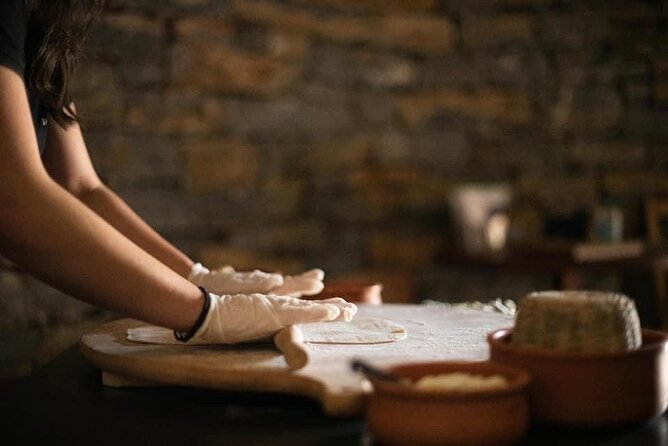
The meeting point is The Shepherds Shelter, Unnamed Road, Milopotamos 740 51, Greece. Start time is 11:00 am, and the activity ends back at the same meeting point.
Why this matters: a farm class lives on its own clock. You’re working with ingredients that need attention, and cheese making isn’t a “whenever we feel like it” task. Arriving on time helps the whole group flow smoothly, especially with a max of 12 people.
Also, plan your day around a 5-hour block. This isn’t a quick snack workshop. You’ll do the farm portion, the cooking, and the sit-down meal with tastings, so it can easily become the most food-centered part of your itinerary.
Farm-to-table starts with the Shepherd’s Shelter tour
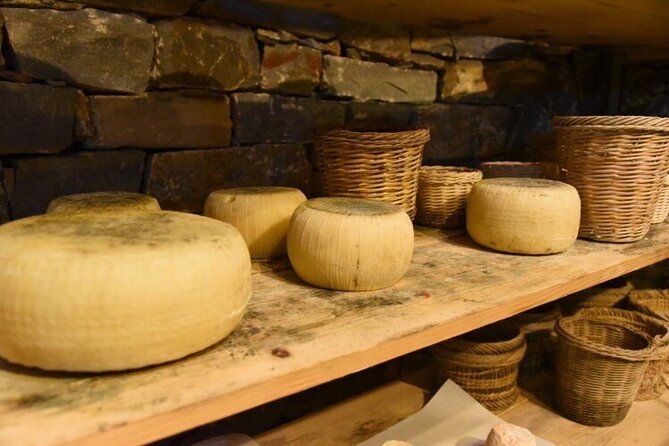
Before anyone hands you a knife or a ladle, you get a guided look around the farm. That tour is a big part of why this experience feels authentic: it connects shepherd life, animal care, and the ingredients you’re about to use.
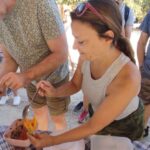
You’ll also get a chance to meet the animals. Even if you’re not a farm person, it helps you understand what “sheep’s milk” really means in this context. It’s one thing to hear the term; it’s another to see the whole chain of farm life behind it.
A small but important plus: the farm tour isn’t just a walk for photos. You learn how shepherding and Cretan products tie together, including discussions of the nutritional value of local foods. That makes the cooking lesson more than just instructions—it turns into context you can carry home.
Sheep’s-milk cheese making: the core skill you’ll actually remember
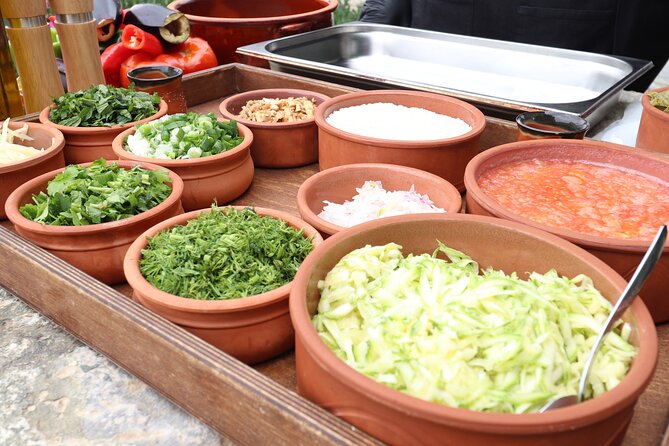
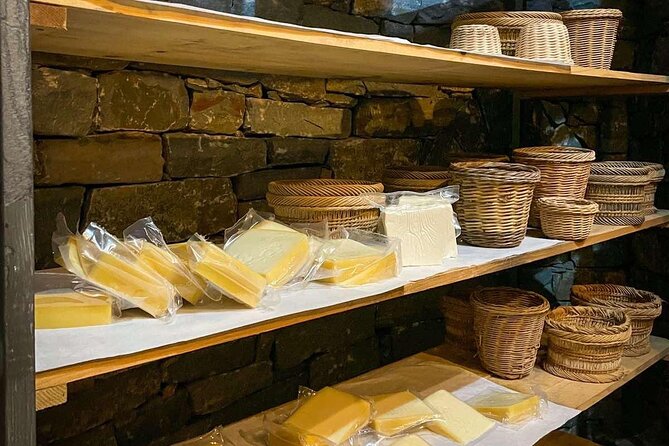
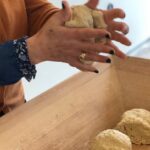
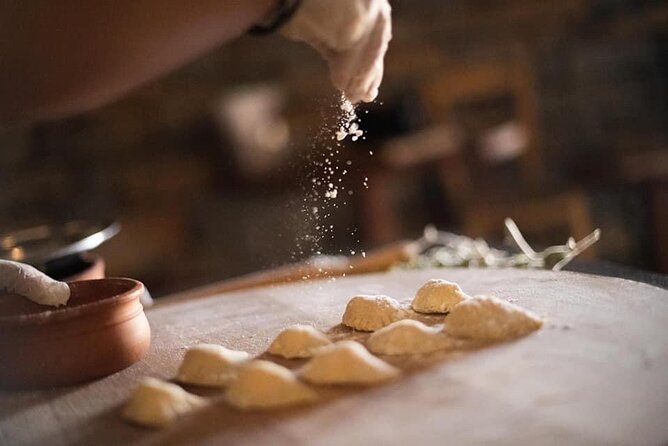
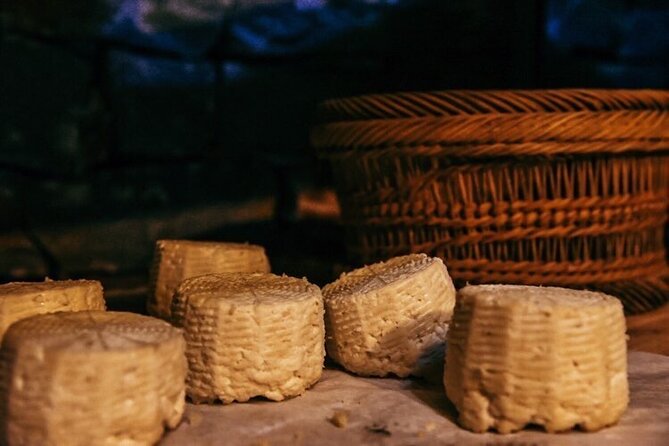
Cheese making is the star of this class, and it’s specifically based on sheep’s milk. You’re not just tasting at the end; you learn the process as part of the day.
What I like about this focus is that it gives you a real anchor. Plenty of cooking classes teach you a few recipes. This one builds around one signature technique, then uses that knowledge to shape the meal you’ll prepare and eat.
Cheese making also forces you to pay attention. You’ll work in a rhythm where timing and basic handling matter. Even if you don’t leave with a home recipe you’ll copy perfectly, you’ll leave with a clearer sense of why the steps are done the way they are in Crete.
Cooking the Cretan meal from scratch (with local vegetables)
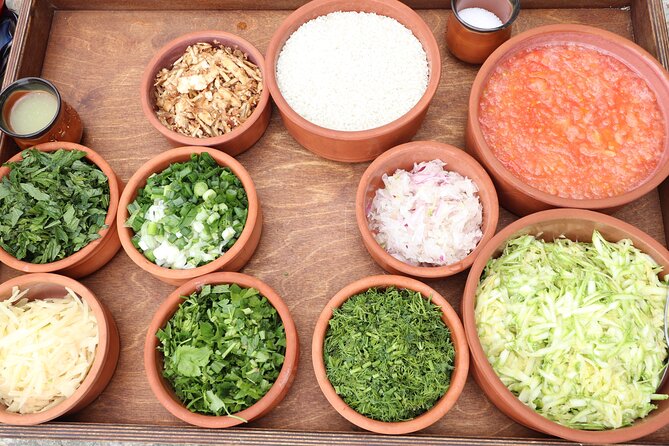
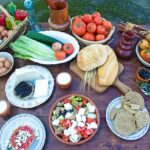
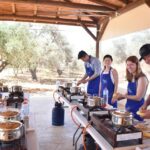
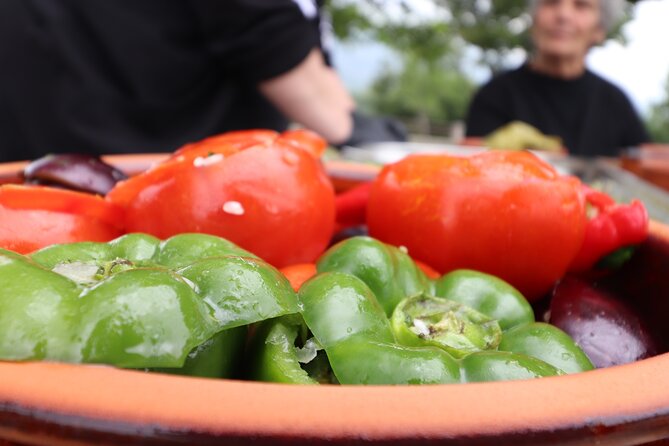
After the farm and cheese portion, it’s time to cook. Fresh, organic vegetables are provided for the menu, and they’re sourced from local farms. That “farm-to-table” idea isn’t marketing fluff here; it shows up in what’s on your cutting board.
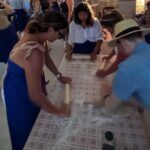
You’ll learn how to prepare a delicious Cretan meal from scratch, using the ingredients provided for the class. The structure is built so you can follow along even as the group moves through different tasks—chopping, mixing, assembling, and cooking.
Two practical reasons this format works well:
- You get hands-on time, not just a lecture.
- The ingredient list is simple enough to understand, but Cretan enough to feel special.
And yes, the meal comes in big portions. One of the best parts of a day like this is that you don’t just sample. You eat well enough that the rest of your afternoon feels like a full belly day.
You can also read our reviews of more tours and experiences in Crete


Wine, raki, and shepherd stories that add meaning to the food
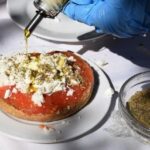
Food on Crete often comes with small rituals, and here that shows up as tastings. The class includes a taste of local wine and raki alongside the meal.
I like that the tastings happen as part of the day’s flow. It doesn’t feel like a separate party add-on. Instead, it supports the theme: Cretan food, Cretan products, and Cretan life.
You’ll also hear about the life of a shepherd in Crete. That kind of storytelling matters because it explains why certain ingredients and traditions keep their place. Once you understand the context, the meal becomes more than a dish—it becomes a snapshot of how people live and feed themselves.
In the best versions of this kind of experience, you feel taken care of without being put on display. The Shepherd’s Shelter team comes across that way, and Yiorgos Kokkinos is named as part of the hosting team. That family-care feel is a big reason people leave saying the day was unforgettable.
Group size, English-led class, and why the price can make sense
At $131.06 per person, this isn’t a low-cost “pay and taste” activity. But for what you get—a full farm visit plus sheep’s-milk cheese making plus a full Cretan meal with wine and raki—it can be good value if you want a real food day, not just a cooking demo.
Here’s how I think about the price:
- Farm access has value. You’re going to a specific working place, not a rented kitchen.
- Class time adds up. About 5 hours is a meaningful block, and it includes multiple parts: tour, cheese process, cooking, and meal.
- Alcohol tastings are included. That matters for cost when you’re trying to plan a day without spending extra at a bar.
- Group size is capped at 12. A smaller group usually means more attention and more participation.
The day also runs with group discounts, and price can vary depending on the number of people in your group. If you’re traveling with friends or a small party, it may be worth checking whether your group size improves the per-person value.
One more practical point: it’s commonly booked about 42 days in advance on average. If you’re visiting in a busy season or traveling on a tight schedule, don’t wait until the last week.
What to wear and how to plan your day around it
I’d treat this like a mountain farm morning as much as a cooking class.
Wear comfortable shoes and plan for uneven outdoor ground during the farm tour. Even though the cooking happens as a class activity, you’ll still be on a farm site, and your energy matters for cheese-making timing and meal prep.
Bring an appetite too. The format is designed so you taste along the way and then eat a full meal with wine and raki. People leave stuffed—so it’s smart to keep your dinner plans simple.
If you like structure, you’ll enjoy how the day flows: you start with the shepherd shelter farm context, then move into cheese, then cooking, then eating and tastings. That order helps you understand what you’re doing at each stage.
Who this class is best for (and who might prefer something else)
This is ideal if you want:
- a hands-on Cretan food experience rather than a short tasting stop
- sheep dairy and cheese-making interest (or curiosity)
- a day that mixes cooking with a real farm tour
- a small group setting where questions make sense
It’s also a great choice for couples and small groups who want one memorable food activity that feels tied to the land. Because the meal is substantial, it works well as a centerpiece activity during your Crete stay.
You might look at other options if you want a quick urban-style cooking class with minimal time on a farm site. This one leans heavily into the rural working-farm side of Crete.
Should you book the Shepherd’s Shelter cooking class?
If your idea of a great day in Crete is cooking with real ingredients, learning one meaningful local skill (cheese making), and eating well enough that your afternoon slows down, then yes—book it. The standout strengths are the farm-to-table structure, the sheep’s-milk cheese focus, and the warm hosting vibe associated with Yiorgos Kokkinos and the farm family feel.
If you’re the type who likes a light, low-stress activity, you might find the working-farm elements a bit more involved than you expected. But if you’re okay with a few hours outdoors and you want your meal to come with real context, this class is the kind of experience that sticks.
FAQ
What is the duration of the cooking class?
The class lasts about 5 hours (approx.).
What time does it start?
It starts at 11:00 am.
Where do I meet for the class?
Meet at The Shepherds Shelter, Unnamed Road, Milopotamos 740 51, Greece.
Is the class offered in English?
Yes, it’s offered in English.
How many people are in a group?
The experience has a maximum of 12 travelers.
Do we make cheese during the class?
Yes. You learn how to make cheese from sheep’s milk.
Is wine and raki included?
Yes. The class includes tasting local wine and raki.
Is free cancellation available?
Yes. You can cancel up to 24 hours in advance for a full refund.