Eight tastings, one tasty walking story. This 4-hour Heraklion tour walks you through local neighborhoods away from the usual crowd heat, with guides such as Eva or Margarita guiding the pace. You’ll start with ellinikós kafés (Greek coffee) and learn the old-school habit of cup reading, right in the middle of the city.
I especially like how the food feels like real Cretan culture, not a parade of “bite-sized tourism.” The stops are built around clear stars of the island—bougatsa from a family shop running since 1922 and hands-on cheese tasting that teaches you what to look for when you buy.
One heads-up: this is a walking tour and the tastings include alcohol (and there’s even a chance to try fried snails if you want to be brave). Also, if you’re traveling with someone under 18, they’ll have non-alcoholic alternatives.
In This Review
- Key highlights to know before you go
- Meeting at Eleftherias Square, then eating your way inward
- Ellinikós kafés in sand and cup reading (why locals do this)
- Bakery stop: bougatsa you’ll want to order again
- Cheese tasting: become that person who can actually judge
- Market wandering and simple staples: olives, rusks, and the building blocks
- Agios Minas Cathedral tea break: history with a real pause
- Olive oil and the local meat choice: the flavors that define Crete
- Wine and raki tastings with Bronze Age roots
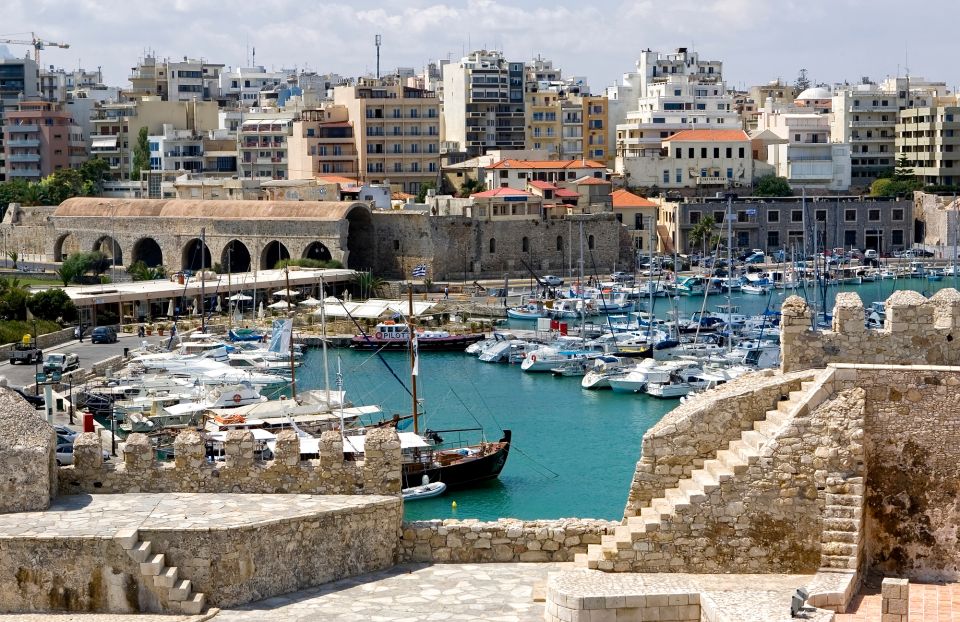
- Ending at Rocca a Mare Fortress: last bites, then a landmark walk-off
- Price and value: what you’re paying for at $114 per person
- Who this tour is best for (and who should rethink it)
- Should you book this Heraklion food tasting tour?
- FAQ
- How long is the Heraklion food tastings walking tour?
- Where do I meet the guide?
- Where does the tour end?
- What’s included in the price?
- Are there vegetarian options?
- Is there alcohol on the tour?
Key highlights to know before you go
- Sand-brewed Greek coffee and cup reading to kick off the tour with tradition
- Family-run bougatsa since 1922, with semolina custard plus cheese or meat choices
- Cheese tasting with practical tips so you can pick better Cretan cheeses back home
- World-famous Cretan olive oil plus a lesson on what makes it stand out
- Wine and local spirit tastings tied to Crete’s long winemaking story
- Finish at Rocca a Mare Fortress, so your half-day ends with a big city landmark
Meeting at Eleftherias Square, then eating your way inward
You’ll meet at 11:00 AM at Eleftherias Square, by the statue of a soldier in the middle of the square (near the Archaeological Museum and across from the Astoria Hotel). Look for someone holding a Crete Local Adventures sign, and you’ll be set.
From there, the walk matters. Heraklion is big enough that “just wandering” can feel random, but this route nudges you through lived-in streets where food shops still look like food shops. It’s also a good way to get oriented fast: you’re moving between tastings, not stuck in one place all morning.
This tour lasts about 4 hours, which is perfect for a day when you want something with structure. You’ll be on your feet for most of it, so comfortable shoes aren’t optional—they’re the difference between enjoying the city and counting the minutes.
You can also read our reviews of more walking tours in Crete

Ellinikós kafés in sand and cup reading (why locals do this)
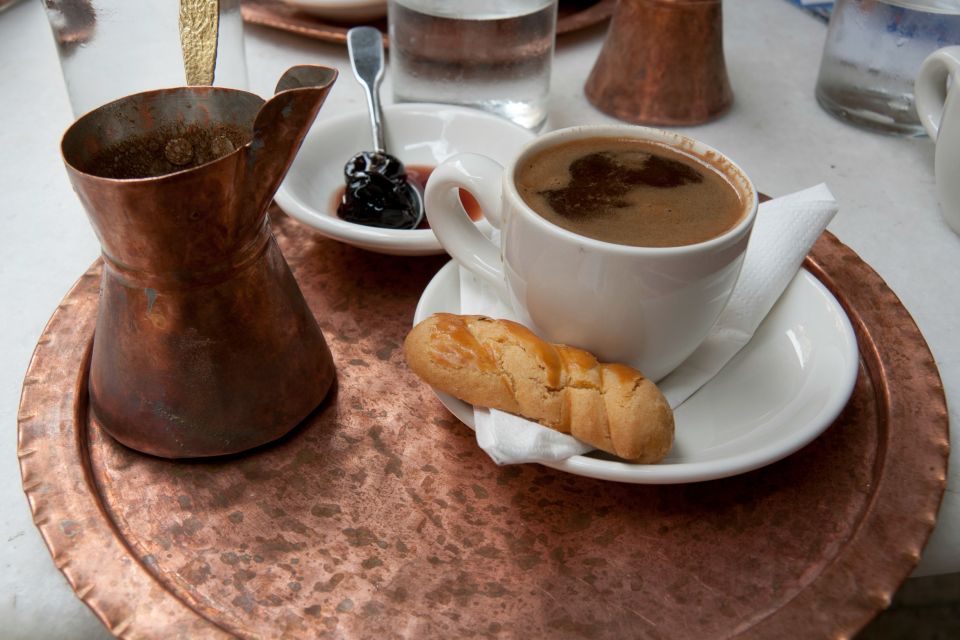
Most food tours start with “here’s the first bite.” This one starts with a drink ritual: ellinikós kafés, brewed traditionally in sand. You’ll get to watch the coffee being made the old way, then learn cup reading, a centuries-old tradition where the guide interprets what you see in the cup.
Why I think this works: it slows the whole experience down. Coffee isn’t just caffeine here—it’s a social signal. After this first stop, the tastings feel less random and more like you’re learning how Cretans structure a day around food, drink, and conversation.
Practical detail: you might want to take a sip, breathe, and give your hands a minute. Cup reading can be a quick moment, but it’s also the start of the tour’s storytelling tone.
Bakery stop: bougatsa you’ll want to order again
Bougatsa is one of those foods that sounds familiar until you taste a proper one. This tour sends you to a family-owned place running since 1922, where you’ll learn what makes bougatsa bougatsa: layers of phyllo wrapped around semolina custard, with options like cheese or minced meat.
The best part is that the guide doesn’t treat this as just a pastry stop. You’ll learn how Cretans think about texture and fillings—what to notice and what makes one version more satisfying than another.
If you like comfort food, you’ll probably have an easy win here. If you’re the type who orders one thing and then regrets it later, plan to taste slowly. Bougatsa is calorie-dense, in a good way, and you’ll appreciate spacing it out with the rest of the tour.
Cheese tasting: become that person who can actually judge
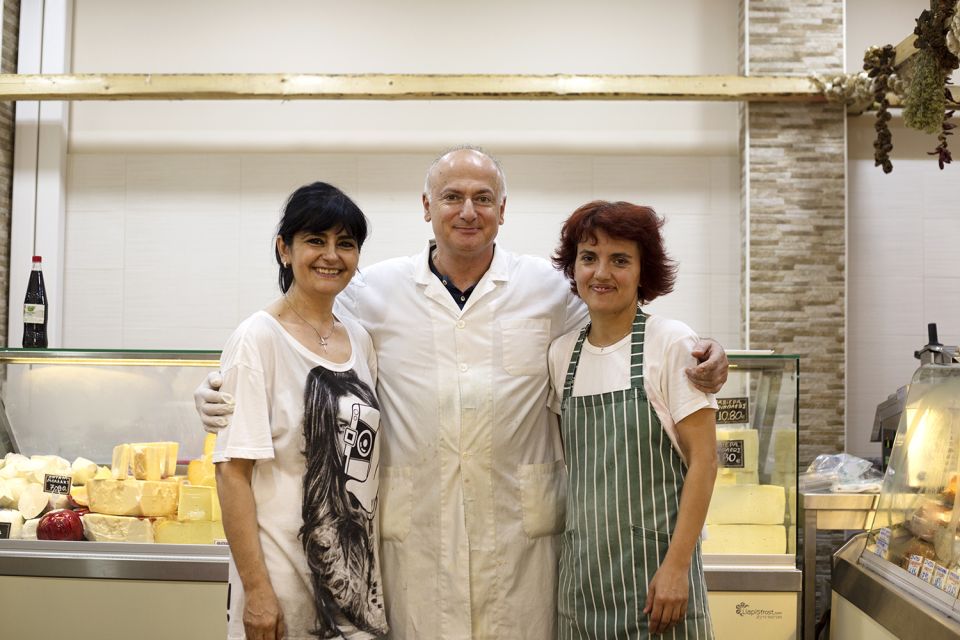
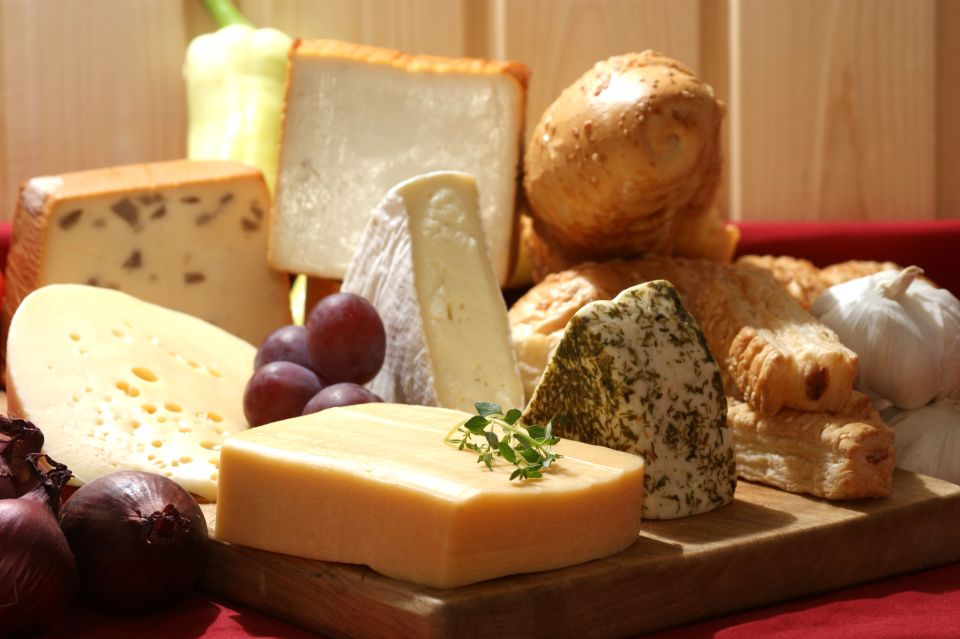
One of the tour’s biggest strengths is the cheese lesson. You’ll visit a tasting stop where you sample unique Cretan cheeses and get hints on how to become an “authentic” cheese expert—specifically how to spot the best local cheeses.
This is value-for-money stuff. A lot of food tours do tastings without teaching you what you’re tasting. Here, the guide focuses on making you more confident: how to think about cheese choices, how to compare versions, and what to look for when you’re buying in a shop.
And because Cretan cuisine is built on staples—cheese, bread, olives—this cheese stop becomes a reference point for everything else you eat on the island. When later you see cheeses on menus or at markets, you’ll know what to ask for.
Market wandering and simple staples: olives, rusks, and the building blocks
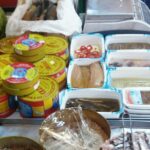
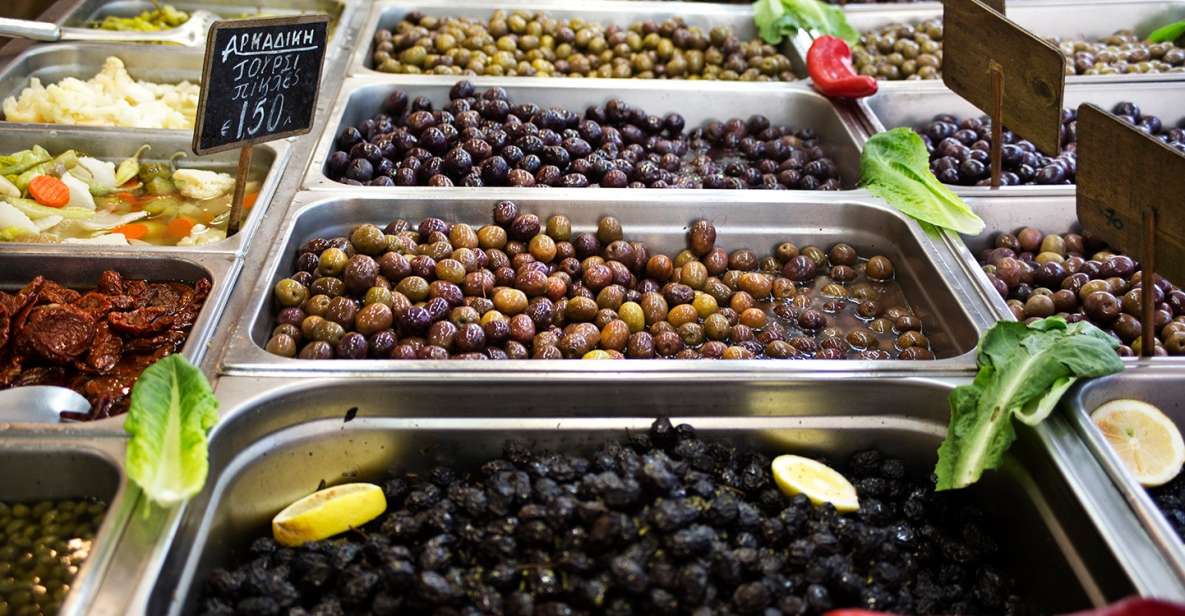
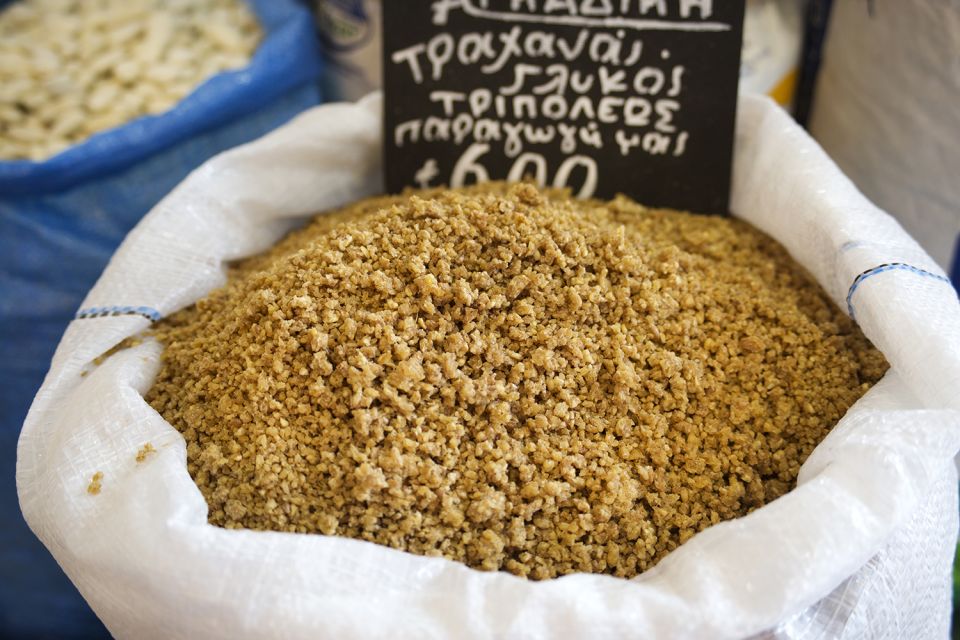
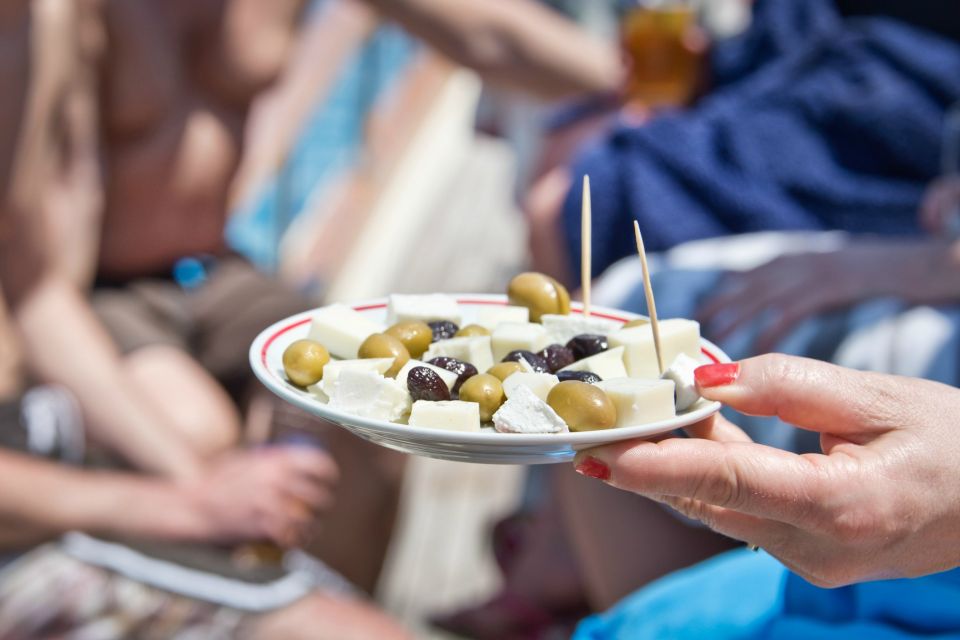
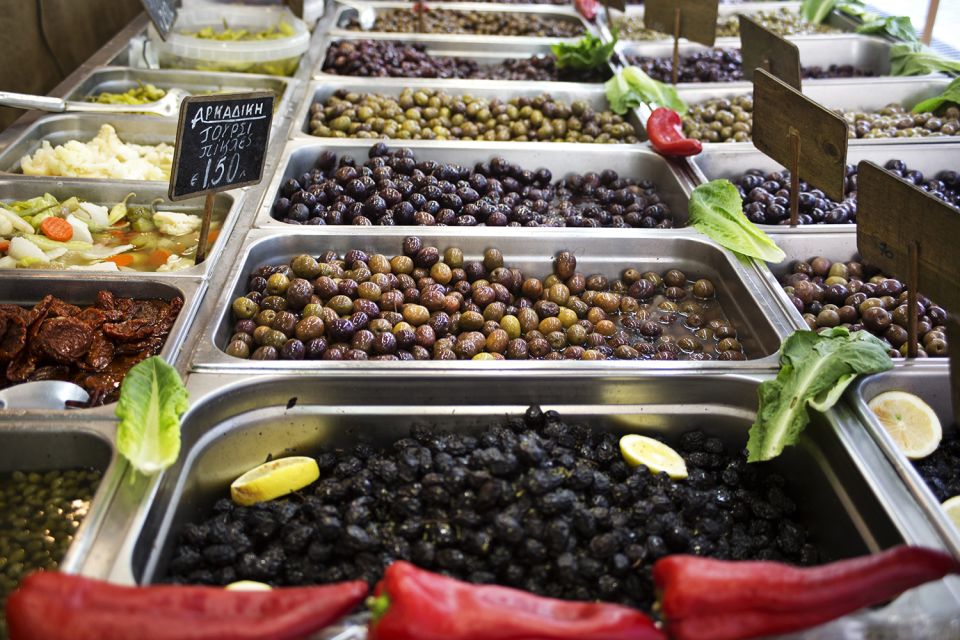
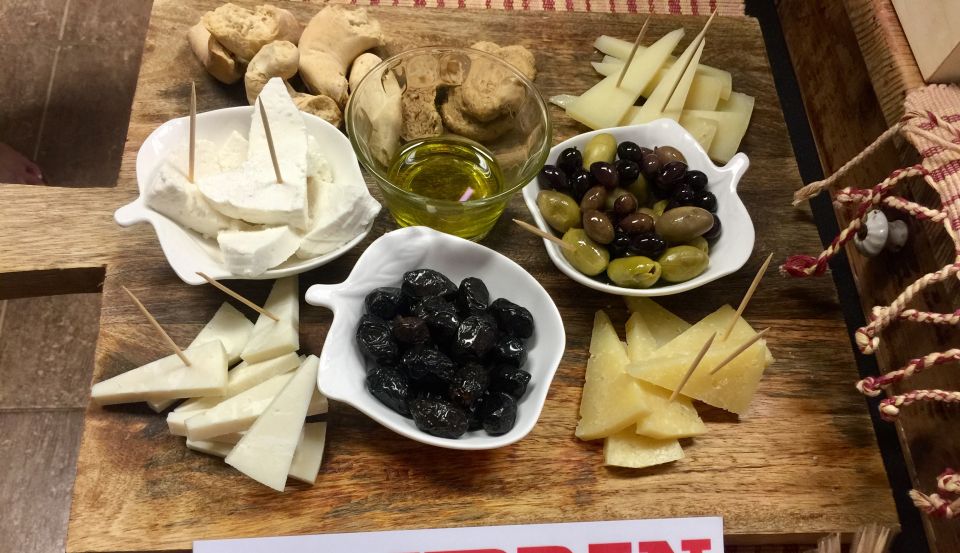
Next comes the food market visit, where you’ll meet local vendors and sample basic parts of Cretan cuisine like olives, rusks, and more cheese. This stop is less about one special dish and more about learning the ingredients behind the culture.
I like this approach because it makes the rest of your trip easier. Once you’ve tasted olives and rusks in a local context, it’s simpler to order them later without feeling lost. You also get a clearer sense of what’s “everyday” here, not just what’s designed for restaurant menus.
Also, market time is where the tour often becomes “more than food.” You’ll likely get practical explanations for what to look for, how products are used, and what makes local versions taste different.
You can also read our reviews of more food & drink experiences in Crete
Agios Minas Cathedral tea break: history with a real pause
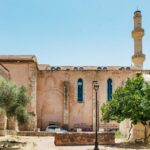
At Agios Minas Cathedral, you get a break and a change of pace. You’ll see the cathedral as part of the route, then enjoy tea for about 30 minutes.
This isn’t a random photo stop. It’s one of the few moments where the tour gives your stomach a reset and your brain a context break. If you want a tour that includes a little walking-city culture without turning into a sightseeing marathon, this is the part that hits the sweet spot.
The cathedral stop also helps the overall flow. You’ve just had coffee and bakery time, then cheese and market food. A sitting-down pause matters. It keeps the tour from feeling like constant nibbling.
Olive oil and the local meat choice: the flavors that define Crete
Olive oil is a star on Crete, and this tour treats it like one. You’ll taste Cretan olive oil and hear why organic Cretan olive oil is considered among the best in the world. Even if you think you already “know olive oil,” you’ll likely notice differences in taste and intensity once you taste it properly and have the guide explain what you’re sensing.
This is also when you start seeing how Cretans build meals. Olive oil isn’t just a condiment—it’s part of the flavor architecture. When it’s good, it changes everything on the plate.
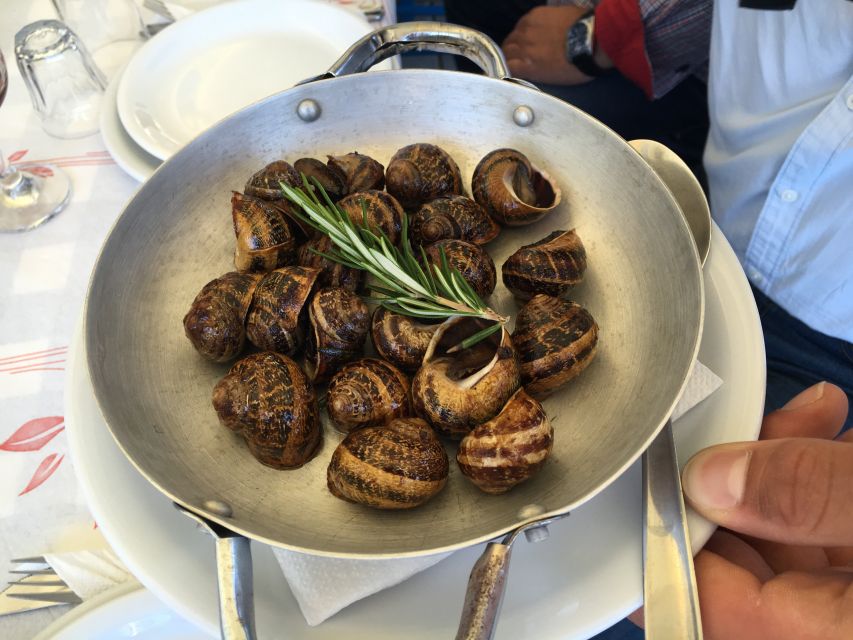
Then you’ll sit down for a local organic meat dish. If you want to be adventurous, there’s also the chance to try fried snails, described as a dish loved by many Cretans. If you don’t want that, plan to stick to what’s offered that you’re comfortable eating—this is one place where your personal boundaries are totally fine.
Wine and raki tastings with Bronze Age roots
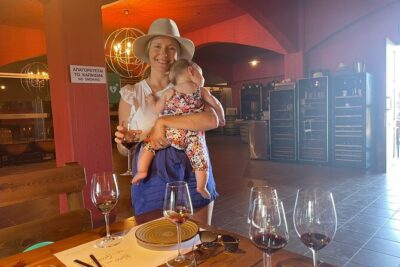
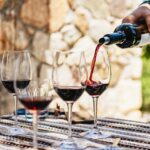
Your last tasting phase focuses on Cretan drinks, with local wine and tapas for about 1 hour, plus spirit tasting. The tour connects the dots between the island’s long winemaking story and what you’re tasting now—specifically that winemaking in Crete dates back to the Bronze Age.
Why this part is worth it: you don’t just drink—you learn what you’re drinking. When a guide ties wine back to time depth and local agriculture, the tasting starts to feel like understanding, not just sampling.
Important for planning: alcohol is included, and it’s only for participants 18 or older. If you’re traveling with younger people, they’ll have non-alcoholic beverages instead.
And yes—many people leave happier and slightly more relaxed than they arrived. That’s not just the alcohol; it’s the way the tour spaces tastings so your stomach doesn’t rebel.
Ending at Rocca a Mare Fortress: last bites, then a landmark walk-off
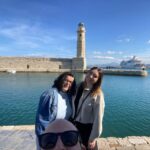
The tour finishes at Rocca a Mare Fortress. This makes a difference because you’re not ending at a random street corner with no plan. You end with a recognized landmark, which helps you transition to the rest of your day—whether that means wandering more, grabbing lunch after, or just decompressing with the kind of views that come with a fortress position.
If you’re the sort who likes to “earn” a viewpoint by walking, this finish lands well. It’s also a good mental capstone: you’ve spent the day tasting and learning inside the city, then you close with a big Heraklion structure that feels tied to the place’s past.
Price and value: what you’re paying for at $114 per person
At $114 per person for about 4 hours, this isn’t a cheap snack crawl. But it also isn’t overpriced for what you actually get. You’re paying for:
- multiple structured food stops (8 local favorites)
- tastings that go beyond bread-and-cheese basics (coffee ritual, bougatsa, olive oil, wines, and spirit)
- a guide who connects the dots between what you eat and local culture
- time in settings that most visitors walk past without stepping in
The big value isn’t just the number of items. It’s the fact that the tour teaches you. Cheese tasting advice and olive oil context mean you’ll shop and order better afterward. That’s how the price turns into something useful, not just something you ate.
If your goal is to try Cretan food without guessing, this price starts to look fair. If your goal is to eat one small thing and move on, it may be more than you need. Come hungry and you’ll feel the value fast.
Who this tour is best for (and who should rethink it)
This is a great fit if you want a food-focused introduction to Heraklion without turning into a tourist-only circuit. It’s also ideal for you if you:
- like guided explanations with your tastings
- want to learn how to choose cheese and olive oil
- enjoy structured half-days that also include short cultural moments
- appreciate family-run food traditions (bougatsa since 1922 is a standout)
It’s less ideal if you:
- hate walking for about half a day (this is still a walking tour)
- strongly avoid alcohol and don’t want any tastings that include wine/raki (you may still get non-alcoholic options for under-18 participants, but adults should plan accordingly)
- have no interest in adventurous local bites like the fried snails option
Also note: there are vegetarian options, but you need to specify at booking. If vegetarian is important for you, handle that early so the guide can match tastings to your needs.
Should you book this Heraklion food tasting tour?
I think you should book it if you want a practical, culture-first way to eat in Heraklion. The tour’s best feature is its balance: you taste a lot, but you also learn the why behind Cretan staples like cheese, olive oil, bougatsa, and wine. Finish at Rocca a Mare Fortress and you’re not just stuffed—you’re oriented.
Skip it only if you dislike walking, you’re determined to avoid alcohol tastings with zero overlap, or you’re the type who prefers doing food on your own with zero guidance. Otherwise, this is an easy way to spend a half-day getting real flavor and real context in one go.
FAQ
How long is the Heraklion food tastings walking tour?
The tour lasts about 4 hours.
Where do I meet the guide?
Meet next to the statue of a soldier in the middle of Eleftherias Square at 11:00 AM. Look for someone holding a Crete Local Adventures sign.
Where does the tour end?
The tour finishes at Rocca a Mare Fortress.
What’s included in the price?
Included tastings cover coffee (ellinikós kafés), rusks, olives, cheeses, pastries and traditional sweets, plus local wine and spirit tastings and meats.
Are there vegetarian options?
Yes. Vegetarian options are available, but you need to specify when booking.
Is there alcohol on the tour?
Local wine and spirit tastings are included. Alcoholic beverages are allowed only for participants age 18 or older; participants under 18 are provided non-alcoholic beverages.