Old town walking plus serious food can be hard to pull off. This one works: you get small-group Cretan tastings in Rethymno’s historic lanes, plus a stop at a working philo atelier. I love that the meal isn’t stingy, either—there’s enough sampling to feel like a full lunch, not a snack tour.
Two things I really like: the hands-on food focus (olive oil, honey, tsikoudia, and philo sweets) and the way the guide ties dishes to local life in Rethymno. One possible drawback: if you’re expecting a raki tasting flight with lots of flavors, the tour centers on traditional tsikoudia, so it’s more about hospitality and quantity than variety.
In This Review
- Key highlights worth your time
- Walking Rethymno like a local foodie
- Breakfast at a Cretan kafeneio: sfakianopita and thyme honey
- Olive oil, honey, and tsikoudia: learning by tasting
- A working philo atelier in a Venetian mansion
- Mezedes lunch with wine and raki in an old Venetian-era building
- Value and what your money is really buying ($107.63)
- Who should book this, and who might prefer something else
- Practical tips to enjoy it (without slowing the group)
- Should you book the Rethymno Walking & Gastronomy Tour?
- FAQ
- FAQ
- How long is the Rethymno walking and gastronomy tour?
- Where does the tour start and end?
- What languages are the guides?
- How big is the group?
- What food and drinks are included?
- Is there a vegetarian option?
- Are there extra costs besides the tour price?
- What if the weather isn’t good?
- Can I get a full refund if I cancel?
Key highlights worth your time
- Old town, small group (max 8): better pace and more conversation than big-bus tours.
- Breakfast + full lunch/dinner included: you’re eating your way through Cretan basics.
- Philo atelier visit: watch philo doughwork that’s been refined for decades.
- Cretan drinks with your meal: wine and raki are part of the food rhythm.
- Good value for the hours: lots is included for a 3 to 4 hour walk.
- Guides with personality: names like Nora, Kostas, Michael, Vincent, Maria, and Dina show up again and again.
Walking Rethymno like a local foodie
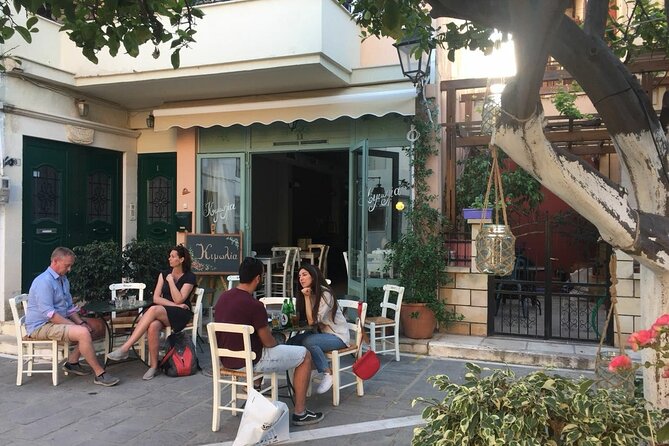
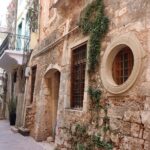
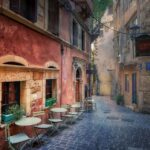
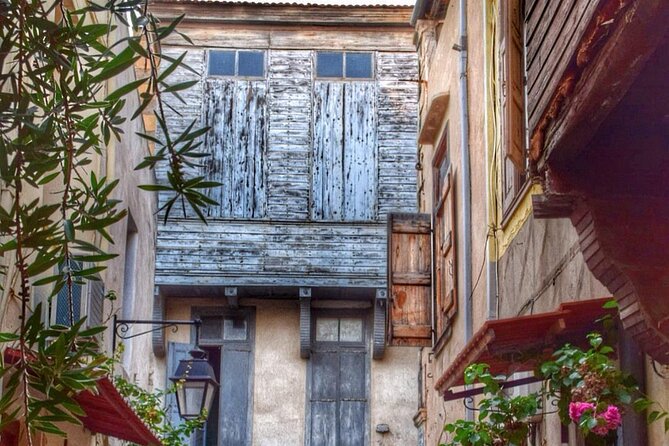
Rethymno’s old town is the kind of place where the best views are hidden behind doors, courtyards, and shaded streets. This tour leans into that. You walk through the historic core, pausing often enough to taste and learn, but not so much that you feel stuck in place.
With groups capped at 8 travelers, you’re not fighting for attention. That matters on a food tour. You want to ask questions like what makes olive oil taste like olive oil, or why philo is so important to sweets in Crete. And you’ll get those answers.
There’s also an upgrade option for a fully private tour if you want a quieter, more custom pace. If you’re traveling with friends or family and want your own rhythm, that can be worth considering.
You can also read our reviews of more walking tours in Crete
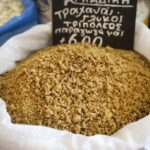

Breakfast at a Cretan kafeneio: sfakianopita and thyme honey
Your morning (or early afternoon) starts at a kafeneio tucked inside the old town. This is not just a photo stop. It sets the tone for how Cretans eat: simple, seasonal, and built around conversation.
You’ll enjoy an authentic breakfast with Greek coffee or juice, plus a handmade cheese pie—often described here as sfakianopita—finished with organic thyme honey. The combo is classic Crete thinking: salty, warm pastry paired with fragrant sweetness. Thyme honey is a big deal locally because it tastes like the hills, not like a generic syrup.
What I like about this stop is the calm. The tour doesn’t shove you into tasting mode instantly. Your guide takes a moment to frame the day—customs, traditions, and how Cretan gastronomy connects to daily life.
Practical note: this stop is around 30 minutes, so if you’re slow to eat, don’t worry—you still get time without rushing.
Olive oil, honey, and tsikoudia: learning by tasting
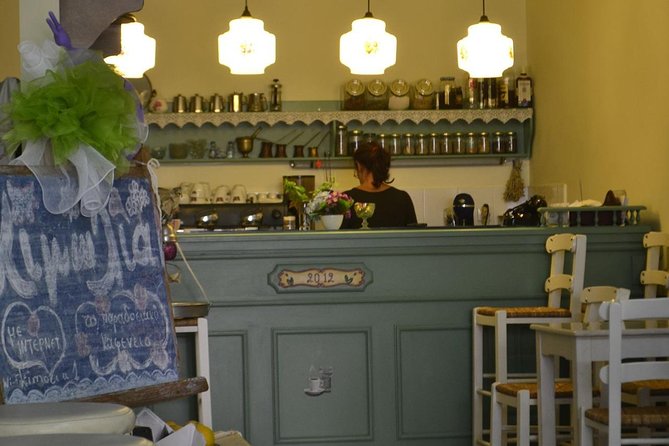
After breakfast, you move into small, focused tastings: olive oil, tsikoudia, and honey. The goal isn’t to overwhelm you with explanations. It’s to help you recognize flavors with your own tongue.
Olive oil tastings are easiest when you understand what you’re looking for: fresh, grassy notes; a peppery finish; and that clean, not-sweet profile. Honey is the other side of the coin. Sweet, yes, but in Crete it often carries herb notes, especially when it’s tied to thyme.
Then comes tsikoudia, the traditional Cretan spirit. The tour includes raki with your meal later too, so here it’s more of an introduction—an anchor for the hospitality theme. One thing to set expectations: tsikoudia isn’t typically a flight of many flavors. It’s usually the straightforward, traditional distillation style, and the tour experience leans into that tradition rather than offering a large lineup.
This stop is about 30 minutes. It feels like the tour is training your palate without turning it into a school lecture.
A working philo atelier in a Venetian mansion
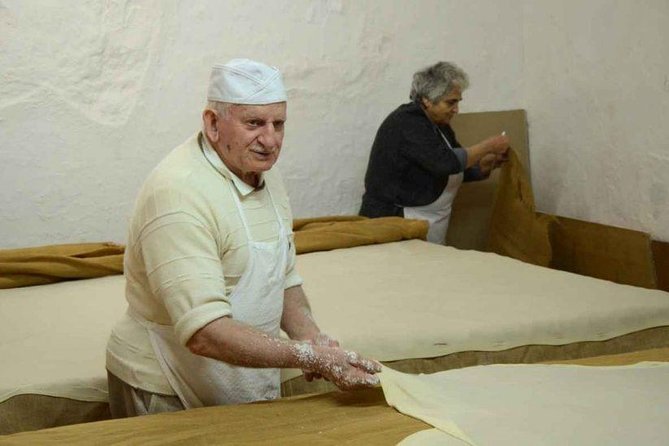
This is the stop that turns a food tour into a craft story.
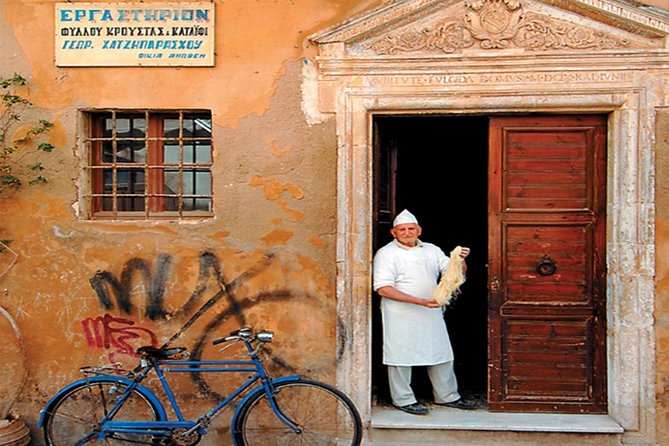
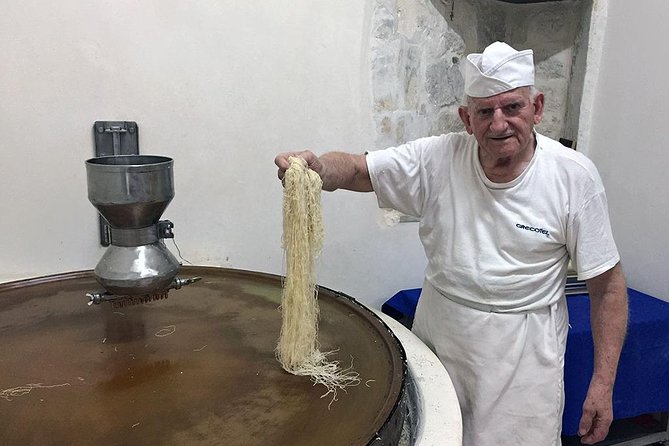
You visit a philo workshop in a 17th-century Venetian mansion, linked to Giorgos Chatziparaschos, described as a philo atelier known for making kantaifi and baklava philo for decades. You may see the master working if you’re lucky—here the tour’s value is in watching skilled doughwork, not just reading about it.
Even though philo ingredients can sound basic—flour, water, and salt—the tour explains that the proportions matter, and those tweaks are the result of years of testing. That’s the real point: this is a craft built on repetition and control, not luck.
If you’re wondering what you’ll actually witness, expect the process behind the sweets:
- A mixture goes into a machine in the back room.
- Butter aromas fill the space as the copper pan keeps turning.
- Thin strings of kadaifi/kantaifi form and bake.
- The finishing includes a balanced mix of cinnamon and chopped walnuts.
You end up with a better understanding of why Cretan syrupy sweets feel so different from “generic” pastries. They’re built on texture (paper-thin layers or delicate strings), plus syrup logic (honey, not just sugar).
This portion is around 30 minutes, and the workshop ticket is included. It’s also one of the stops that tends to stick in your memory after the eating is done, because it’s about the maker’s hands.
Mezedes lunch with wine and raki in an old Venetian-era building
Now for the meal part you’ll actually talk about later.
You head to a tavern set in a building with Venetian-era roots, later occupied by the Ottomans. That layers the experience: you’re eating Cretan and Ottoman-influenced mezedes in a space that has watched centuries of daily life.
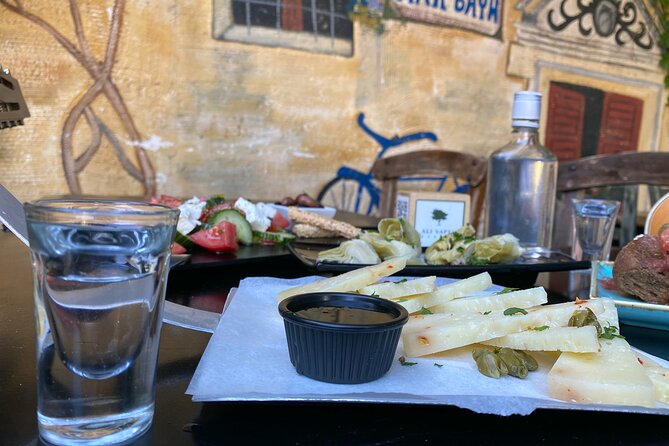
The tour includes a spread designed for sharing, with a menu that may include:
- Salad with tomato, cucumber, artichoke, and bread croutons
- White, red, and rosé wine
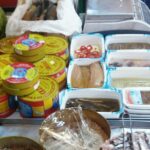
- Black beans with smoked trout
- Goat cheese Graviera
- An organic sausage sheet
- Accompanied by raki
The vibe here is relaxed and friendly, more like stopping into a local bar than dining at a staged restaurant. And if you want to keep exploring after the tour, the guide can help you with practical directions to the Fortezza fortress entrance (the fortress ticket itself is extra).
A big part of why this meal works for visitors is that it follows Cretan logic: you don’t need one giant plate. You need a sequence of small dishes that add up to comfort and satisfaction. The tour describes this as being enough to feel like a hearty meal, and that tracks with what’s included.
Timing is about one hour at the tavern. If you’re the type who likes to linger, you’ll still have time to walk after, but pace yourself—this is a proper sit-down with wine and raki included.




Value and what your money is really buying ($107.63)
At $107.63 per person for roughly 3 to 4 hours, it’s not cheap in the way street food sometimes is. But this tour packs in more than “a few bites.”
Here’s what you’re paying for, in plain terms:
- A small-group guide in English (or French)
- Coffee/juice and traditional snacks at the start
- Multiple tastings (olive oil, honey, and tsikoudia)
- Entry for the philo workshop
- A full lunch or dinner, with a vegetarian option
- Wine and lots of raki (plus the social payoff that comes with it)
When you price out those components separately in Greece, the numbers start to make sense. You’re not just buying food. You’re buying access to places you might not find quickly (especially the philo workshop) and a guided context that makes the tastings meaningful.
One more detail: group discounts are mentioned, and there’s a mobile ticket. Neither matters much once you’re there, but they can help you feel confident you’re not doing extra legwork.
Who should book this, and who might prefer something else
This tour is ideal if you want:
- A walking + tasting mix in Rethymno’s old town
- Food culture explained in everyday terms
- A chance to see a working philo atelier
- A meal that feels like you’re part of the table, not watching from the sidelines
It’s a good fit for couples and solo travelers, too, because the group stays small and conversation is encouraged.
You might think twice if:
- You only want light snacks and hate longer sitting meals (this includes a full lunch/dinner segment)
- You’re chasing a wide “raki tasting menu.” The tour includes raki generously, but tsikoudia is treated more as tradition than variety
- You have a tight schedule. The full experience runs 3 to 4 hours, with walking and multiple stops
The good news: the experience says it works for most travelers, and service animals are allowed.
Practical tips to enjoy it (without slowing the group)
A few simple moves will make this easier:
- Wear comfortable walking shoes. Old town lanes can be uneven and you’ll be on your feet between tastings.
- Come hungry, but don’t overdo coffee beforehand. Breakfast starts the story.
- If you’re sensitive to alcohol, pace yourself. Wine and raki are included, but you can sip rather than shoot.
- If you want more history time or more food time, ask your guide. The tour is set up so guides can adjust the flow to your interests.
- If weather is rough, it can affect a walking plan. The experience notes it requires good weather, and you’ll be offered an alternate date or a full refund if canceled for weather.
Also: the meeting point is the Church of the Four Martyrs area, and the tour returns you there at the end. It’s easy to plan your next stop afterward.
Should you book the Rethymno Walking & Gastronomy Tour?
If you’re aiming for an authentic Rethymno old-town experience where the food is actually substantial, I’d book this. The strongest reasons are simple: the philo workshop, the big included meal, and the small-group pace that lets you talk with your guide instead of just following a line.
Consider it especially if you want Cretan flavors you can name later—sfakianopita with thyme honey, olive oil and honey tastings, traditional tsikoudia, and mezedes paired with wine and raki. If you’re mainly shopping for history with only light eating, you may find it too food-forward. But if you want both, this one is built for you.
FAQ
FAQ
How long is the Rethymno walking and gastronomy tour?
It runs about 3 to 4 hours.
Where does the tour start and end?
It starts at the Church of the Four Martyrs (Gerakari 6, Rethymno) and ends back at the same meeting point.
What languages are the guides?
The guide is offered in English or French.
How big is the group?
The tour has a maximum of 8 travelers, and it’s described as a small-group experience.
What food and drinks are included?
You’ll get coffee and/or tea (or juice) with traditional snacks, tastings including olive oil, tsikoudia (raki) and honey, plus a full lunch or dinner. Wine and raki are also included with the meal.
Is there a vegetarian option?
Yes, a vegetarian option is included for the full lunch or dinner.
Are there extra costs besides the tour price?
If you want to visit Fortezza after the tour, the fortress entrance ticket is not included. Extra charges may apply if pickup is outside the Rethymno district.
What if the weather isn’t good?
The experience requires good weather. If it’s canceled due to poor weather, you’ll be offered a different date or a full refund.
Can I get a full refund if I cancel?
Yes. Free cancellation is available up to 24 hours in advance of the experience start time for a full refund.