Olive trees and smart tastings make Rethymno linger. This small-group session with guide Aspassia helps you learn how to taste four olive oils and build food pairings in the shade of a 2,000-year-old grove.
The setting is calm, but nature is part of the deal: bring insect repellent. Mosquitoes can turn a peaceful meal into an itchy one if you’re not prepared.
In This Review
- Key highlights worth showing up for
- Why Rethymno’s olive grove tasting feels special
- From Valide Cooking Activities to the grove: how logistics work
- The grove walk: olives, myths, and the Gethsemane Garden stop
- The tasting table: how you learn to taste four olive oils
- Cretan food pairing: why the same oil can taste totally different
- Harvest and extraction: the production lesson you can actually use
- Price and value: is $107 per person fair?
- What to bring and what the 3 hours will feel like
- Who this Rethymno olive oil tasting is best for
- Should you book the Olive Oil Tasting with Cretan Food Pairing?
- FAQ
- How long is the Rethymno olive oil tasting?
- What is included in the price?
- How many olive oils do you taste?
- Where do you meet the guide?
- Do I need my own transport to the tour?
- What languages is the guide available in?
- What should I bring?
- Is the activity wheelchair accessible?
Key highlights worth showing up for
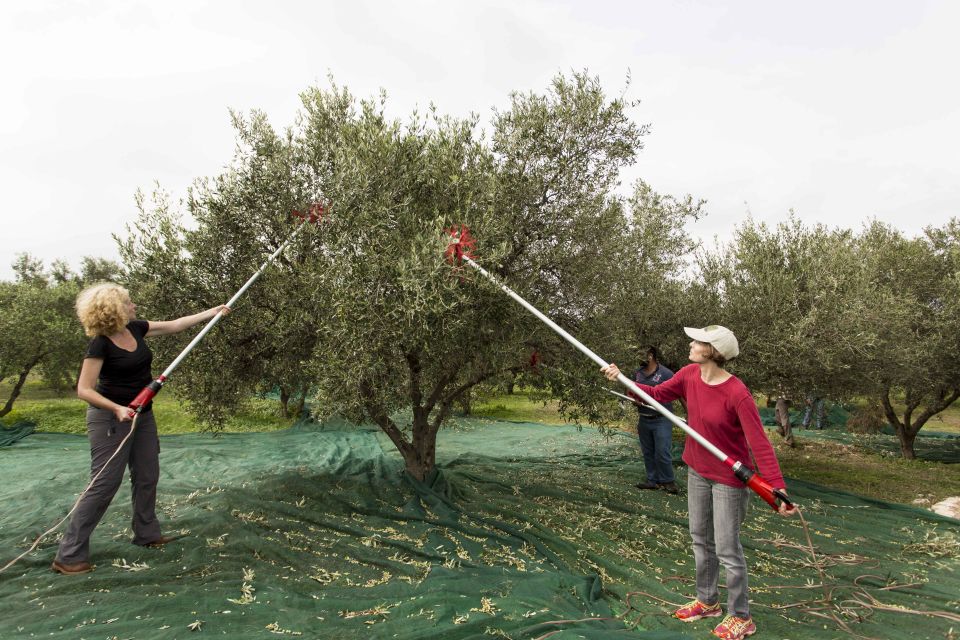
- A walk through a 2,000-year-old monumental olive grove, including the holy Gethsemane Garden
- Tasting four different olive oils at a shaded table
- A 4-course degustation menu paired with multiple olive oils
- Hands-on tips for tasting, preserving, choosing, and even cooking and frying with olive oil
- Small group size (up to 8) with a live guide in English, French, or Greek
- No hotel transfer included, but you do drive from the meeting point to the grove
Why Rethymno’s olive grove tasting feels special
Rethymno’s olive oil culture isn’t just a souvenir theme. Here, you’re doing the real thing: smelling, tasting, and learning how oil changes depending on what you put next to it. That matters because olive oil is never just a “liquid.” It’s flavor chemistry plus timing plus how you treat it.
What I like most is the format. You don’t just listen to history; you practice taste, then connect it to food. A second big win is the setting: the experience happens in the middle of a 2,000-year-old olive grove, so the pace stays slow and relaxed instead of feeling like a classroom.
The one thing to plan around is comfort in the open air. Even if you’re coming in mild weather, you’ll want to be ready for bugs and sun—this is an outdoor tasting under trees.
You can also read our reviews of more food & drink experiences in Crete


From Valide Cooking Activities to the grove: how logistics work

Your tour starts at the Valide Cooking Activities Building. You’ll meet your guide there, then you’ll drive directly to the olive oil grove.
That drive is a key detail. It means the tasting isn’t staged somewhere urban or convenient-to-navigate. You’re actually going out into the grove environment where the trees and aromas make the lesson feel real.
Practical tip: parking is available in the free area by the football stadium, opposite the Valide building. If you’re relying on taxis, keep the meeting point in mind. It’s easy to waste time circling if you miss the exact spot.
One more practical note: transfers from your hotel aren’t included. So you’ll want to plan your own way to Valide (or pick a base in Rethymno that makes it simple). Once you’re at the meeting point, the tour takes care of the rest.
The grove walk: olives, myths, and the Gethsemane Garden stop
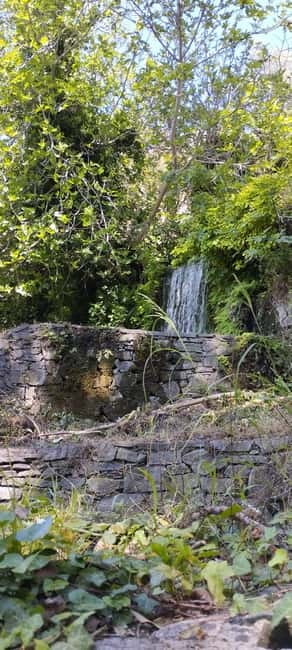
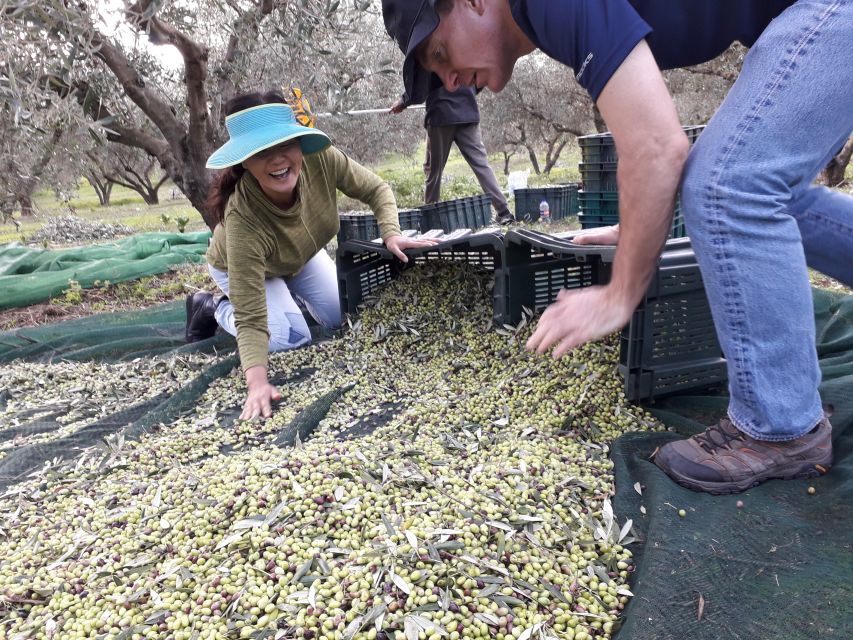
After you arrive at the olive grove, the tour begins with a walk around the trees. This part isn’t just scenic strolling. You’re learning how olive culture shaped life in Crete over centuries—history told through the way the landscape works and the way people harvest and use olives.
A standout stop is the holy Gethsemane Garden. It gives the grove a “place” feeling, not just a backdrop. You’ll connect the spiritual/legend side of olive symbolism with the practical side of production—how olives became a core food and a core identity.
Also keep your eyes open. In the grove setting, you might notice animals around—some participants have mentioned sheep and goats, and even kittens in the area. That’s not a guaranteed feature, but it fits the lived-in, family-grove atmosphere.
The pace here is intentionally unhurried. You’ll be out in the open, so bring the basics for comfort: comfortable shoes and something for the sun.
The tasting table: how you learn to taste four olive oils
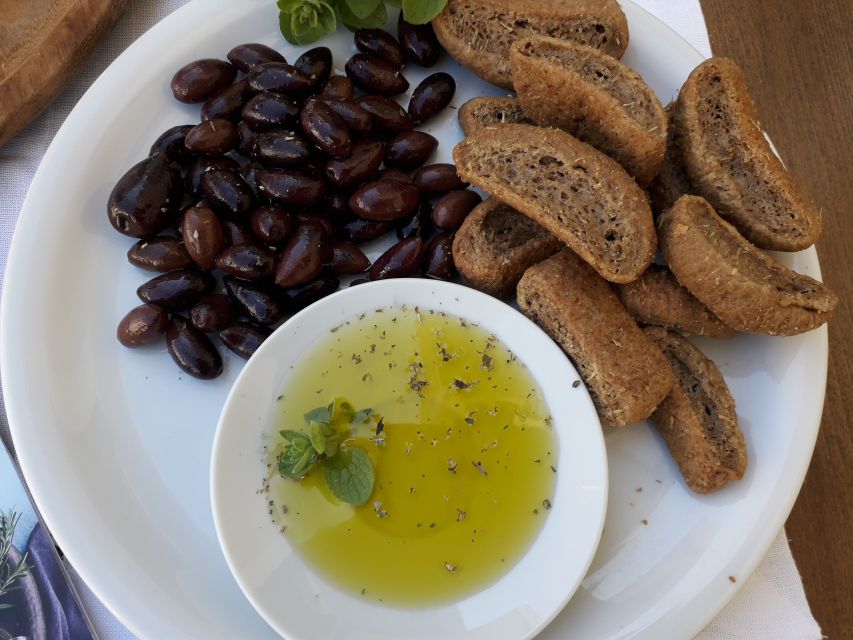
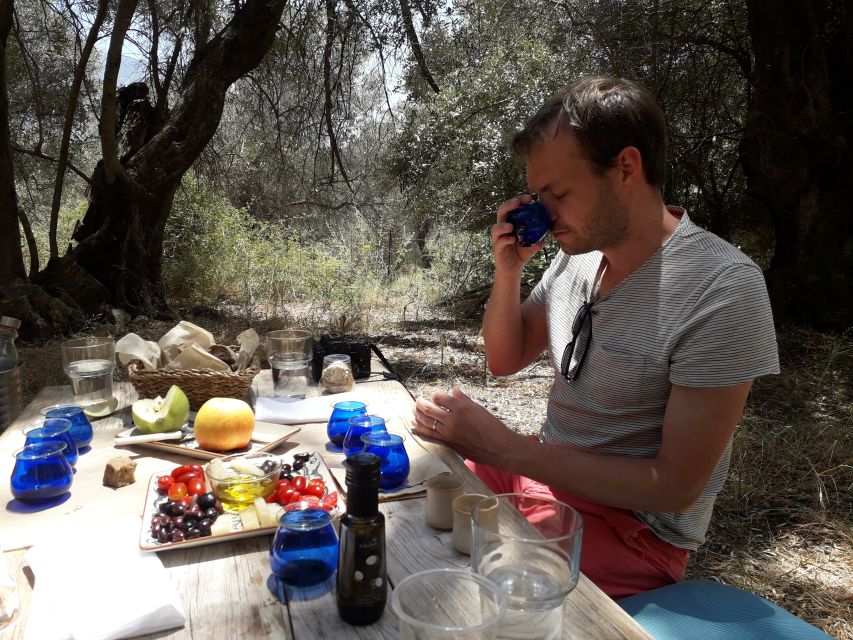
The heart of the experience is the tasting session at a table in the shade. You’ll taste four different olive oils, and the guide will teach you what to look for when you taste—so you’re not just swallowing “nice oil.”
Expect the guide to connect tasting to real decisions you make later, like:
- what flavors signal good quality
- what to notice in aroma
- how to think about oil strength versus delicacy
- how food pairing changes what you experience in the glass
This is exactly why the format works. Olive oil tasting can turn weird fast if it’s just descriptions. Here, the guide gives you a method, then gives you food to test it.
You also get practical advice on using olive oil after the tour: how to preserve it, how to choose it, and how to cook with it. There’s also guidance on frying, which is useful because many people only understand olive oil as a finishing drizzle.
One caution: olive oil is a spectrum. Even if your personal expectation is that every oil comes from the same grove, this experience is positioned as a Cretan introduction to different styles. So treat it as learning to compare types, not as a guarantee that every bottle matches the exact trees you walked among.
Cretan food pairing: why the same oil can taste totally different
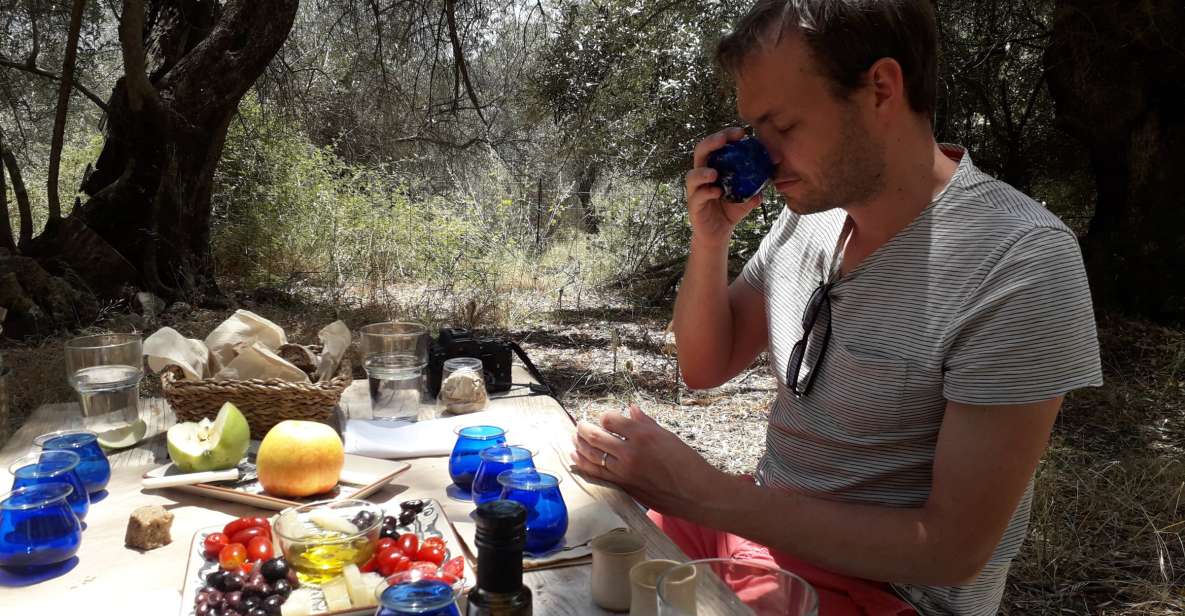
Then comes the fun part: pairing the oils with local foods. The tour includes a 4-course degustation menu, and throughout the meal you’ll pair food with more olive oils.
The big takeaway isn’t just that olive oil tastes good. It’s the contrast lesson: the same oil can become amazing or disappointing depending on what it meets.
That’s a skill you can use right away back home. After an experience like this, you’re more likely to:
- choose olive oil intentionally for salads, breads, and cooked dishes
- match peppery or bitter notes to foods that can handle them
- avoid oil-food mismatches that flatten flavors
You’ll also learn the “why” behind the pairing choices. Olive oil tasting works because acidity, bitterness, and aroma behave differently in different foods. That means the meal isn’t random sampling—it’s structured practice.
If you’re expecting a long, formal dining experience, this is more relaxed than that. Think tasting table energy plus courses that let you compare.
And yes, you’ll have drinks with the meal: the experience includes water, soft drinks, and local spirits. So you’re set up to focus on the flavors, not on ordering.
You can also read our reviews of more tours and experiences in Crete




Harvest and extraction: the production lesson you can actually use
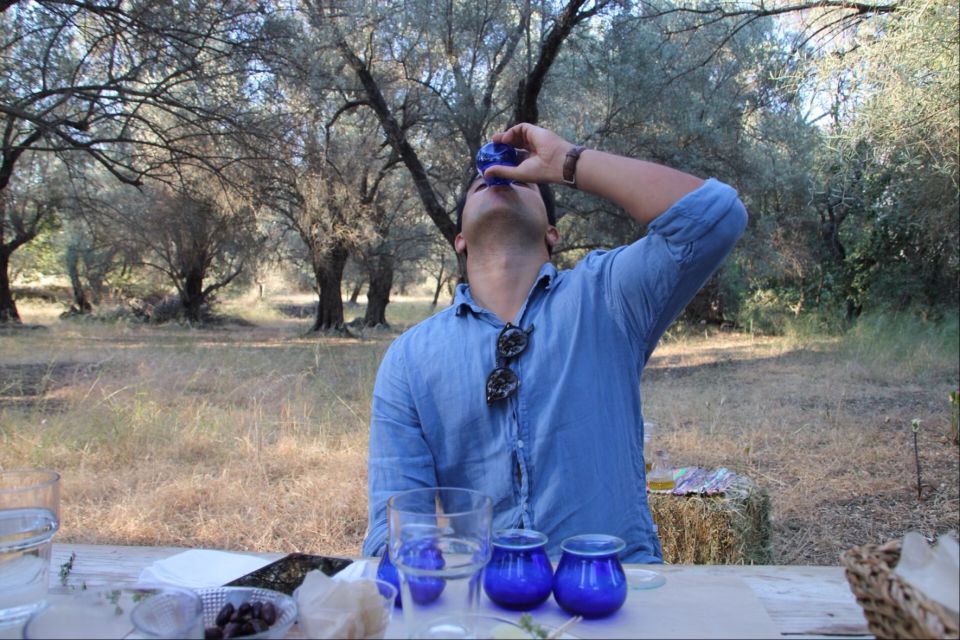
Alongside tasting and pairing, you’ll learn about olive production in Crete. The tour specifically includes information on harvesting and olive oil extraction, plus how to evaluate high-quality olive oil.
Now, a quick reality check: you’re on a 3-hour experience, so it’s not positioned as a full factory tour with heavy engineering details. One participant feedback pointed out that the extraction process felt lighter than expected. That doesn’t make the experience bad—it just means you should treat this as an introduction to what matters when choosing good oil.
Here’s what you should come away with if you’re paying attention:
- how harvesting timing affects the oil’s character
- why quality comes from more than just “olive trees”
- what to look for when buying (using the tasting guidance you practiced)
This is the kind of lesson that changes how you shop. Afterward, you’re more likely to buy oil with a purpose—used for a specific dish—rather than buying whatever looks best in a store.
Price and value: is $107 per person fair?
At $107 per person for about 3 hours, this is not a bargain bucket tour. But it also isn’t just a “walk and sip.” You’re paying for:
- a small group limit (up to 8)
- a live guide (English, French, Greek, or French)
- four olive oils tasting
- a 4-course degustation menu with pairings
- included drinks (water, soft drinks, and local spirits)
If you’re someone who likes food experiences that teach you something you’ll actually use, it’s strong value. The real cost you’re paying isn’t only the food—it’s the skill transfer: tasting method, buying logic, and how to handle olive oil in cooking.
If you’re coming for pure scenery with no food education, you might feel it’s pricey. But if you want a practical olive oil education plus a meal in a quiet grove, the format justifies the price.
What to bring and what the 3 hours will feel like
This is an outdoor experience, so pack like you mean it. Bring:
- comfortable shoes
- sun hat
- jacket
That jacket line matters. Even in the daytime, shaded grove areas can cool down later in the day. And Greece weather loves quick changes.
Also, consider one extra item not listed in the essentials: insect repellent. If you’re visiting in shoulder season or any month when mosquitoes are active, it’s worth bringing. People have described getting bitten heavily during the tasting and meal portion, especially around mid-October. Don’t gamble on “it should be fine.”
Timing is straightforward: the activity is about 3 hours, but starting times can vary, so check availability before committing.
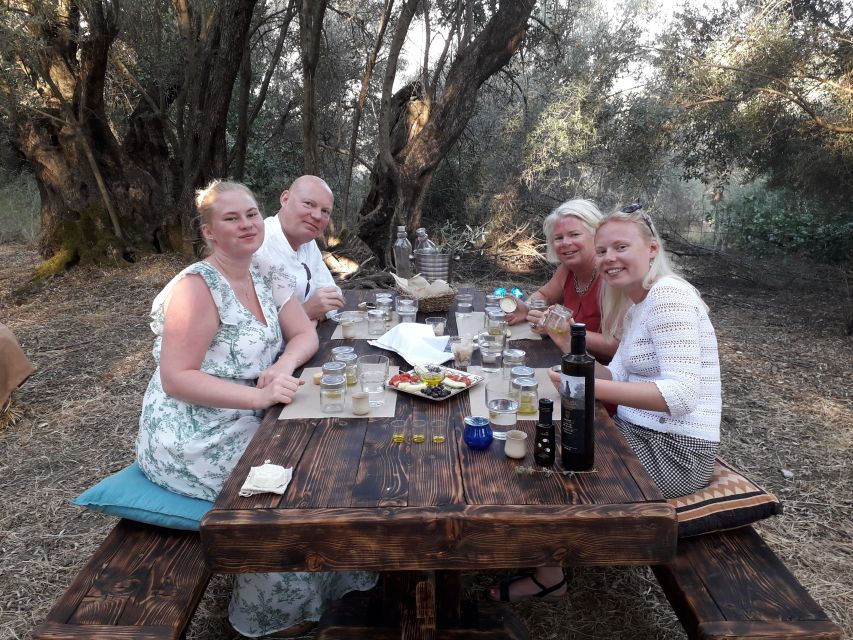
Group size stays human. With a cap of 8 participants, you’ll have a better chance to ask questions and get feedback on your tasting.
Who this Rethymno olive oil tasting is best for
This tour is ideal for:
- food lovers who want a practical skill, not just a nice dinner
- couples and small groups who prefer quieter experiences over crowded tastings
- anyone shopping for olive oil and wanting a guide to help them choose
It’s also a great way to get a break from the typical “archaeology all day” rhythm. Olive oil is part of Crete’s everyday story. Learning it under trees makes it feel personal.
One more match: if you’re curious about how food flavors are built—how bitterness, aroma, and texture interact—this experience is genuinely satisfying. You’ll leave with a mental map of what pairs with what, and why.
Should you book the Olive Oil Tasting with Cretan Food Pairing?
I’d book it if you want a memorable food-and-flavor experience in a quiet grove with real tasting practice. The combination of four olive oils, a 4-course pairing meal, and instruction on buying, preserving, and using olive oil is exactly what makes this worth your time.
I’d think twice if you’re hoping for a deep technical extraction demonstration like you’d see at a full production facility. This tour covers harvest and extraction, but in a food-tasting context. Also, be honest about outdoor comfort—bring repellent and plan for sun and shade.
If that sounds like your style, you’ll likely come away feeling better informed about olive oil and a lot more confident choosing it back home.
FAQ
How long is the Rethymno olive oil tasting?
The experience lasts about 3 hours. Starting times can vary, so check availability for the slot you want.
What is included in the price?
The price includes a 4-course degustation menu pairing with different olive oils, plus water, soft drinks, and local spirits.
How many olive oils do you taste?
You taste 4 different olive oils during the tasting session.
Where do you meet the guide?
Meet your guide in front of the Valide Cooking Activities Building, then you drive to the olive oil grove. The tour ends back at the same meeting point.
Do I need my own transport to the tour?
The tour does not include requested transfers. Your transport to the meeting point (Valide) is on you, but the tour drives you from the meeting point to the olive grove.
What languages is the guide available in?
The live guide is available in English, French, and Greek.
What should I bring?
Bring comfortable shoes, a sun hat, and a jacket.
Is the activity wheelchair accessible?
Yes, the experience is listed as wheelchair accessible.