One evening in Crete can teach you a lot. This olive oil factory tour starts with virgin Cretan olive oil production and a honey/beekeeping demo, then turns into a dinner-and-show night with live Greek music and dancing. I like the family-run feel and the hands-on food education, especially the focus on how the products are made. One possible drawback: the evening can get busy, so the factory portion may feel a bit rushed if you prefer a slower, quieter visit.
You’ll spend the night on a working property tied to olive oil, honey, and local wine, not inside a generic tourist hall. The buffet dinner is the kind where you actually eat first, then music starts while you’re still in the mood to stay. Just be aware that the pickup experience and timing depend on where your bus stop is, so plan to be ready early.
If you do that, this is a fun way to taste Crete beyond the usual bar snacks—while also getting a real explanation of what you’re drinking and eating.
In This Review
- Key highlights to look for
- Crete olive oil in the real world: value for $66
- The factory tour and honey demo: what you’ll actually learn
- Dinner with local wine: when the buffet really shines
- Live Greek music and dancing: the part you should watch closely
- Pickup and timing: the logistics part that matters
- What to bring, and who this fits best
- Should you book the Crete olive oil factory dinner and dancing?
- FAQ
- What’s the duration of the tour?
- How much does it cost?
- What’s included in the price?
- Where are pickups offered?
- What time should I be ready for pickup?
- Is the tour wheelchair accessible?
- What language is the live guide?
- What should I bring?
Key highlights to look for
- Virgin Cretan olive oil production onsite: See how it’s processed right where it’s made.
- Honey and beekeeping demo: Learn where famous Cretan honey comes from.
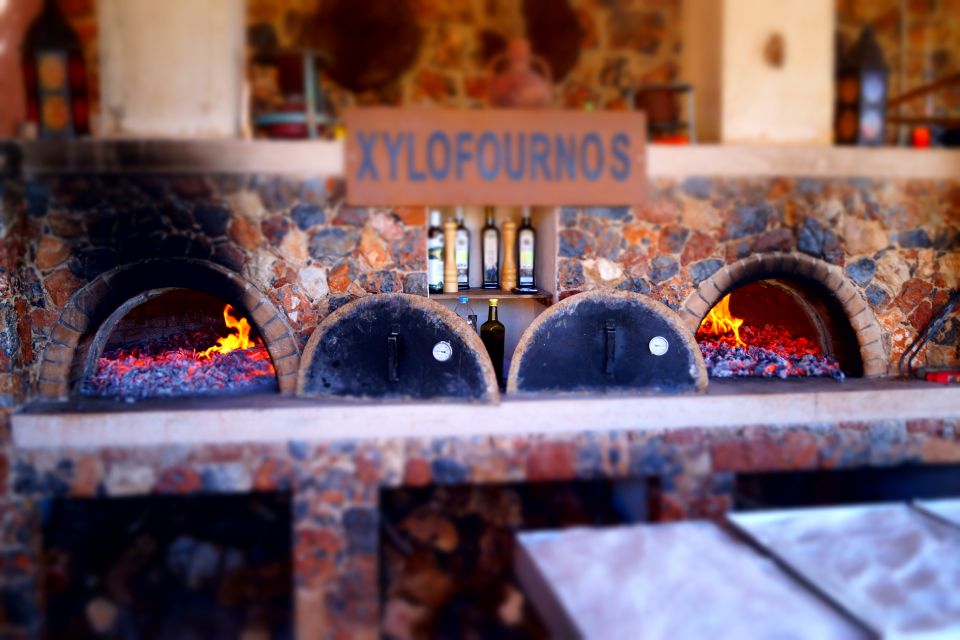
- Hearty buffet dinner with plenty of local wine: Food and drinks come as part of the evening pace.
- Live Greek music plus Cretan dancing performance: Expect an on-site show after dinner.
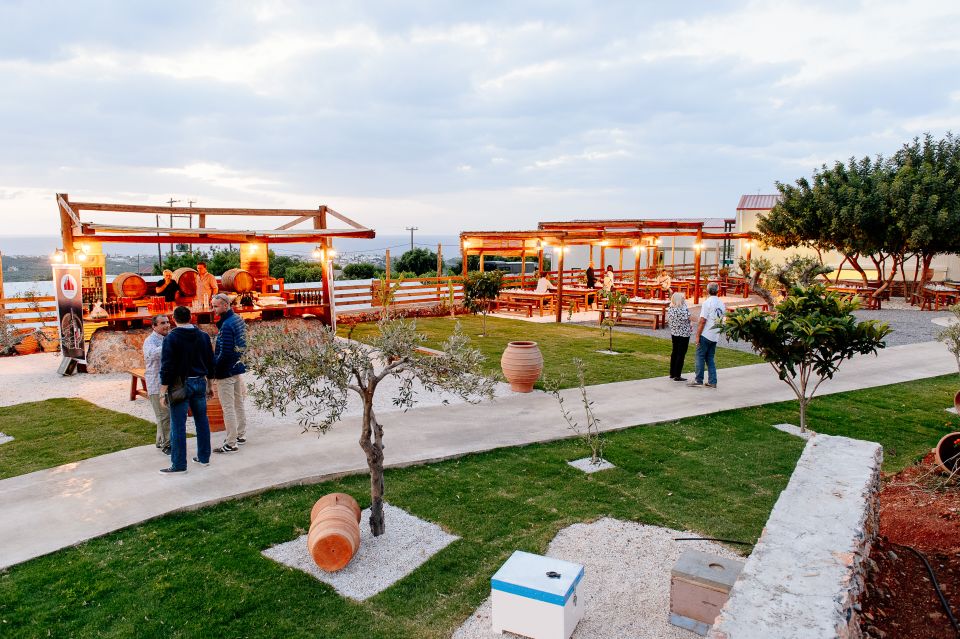
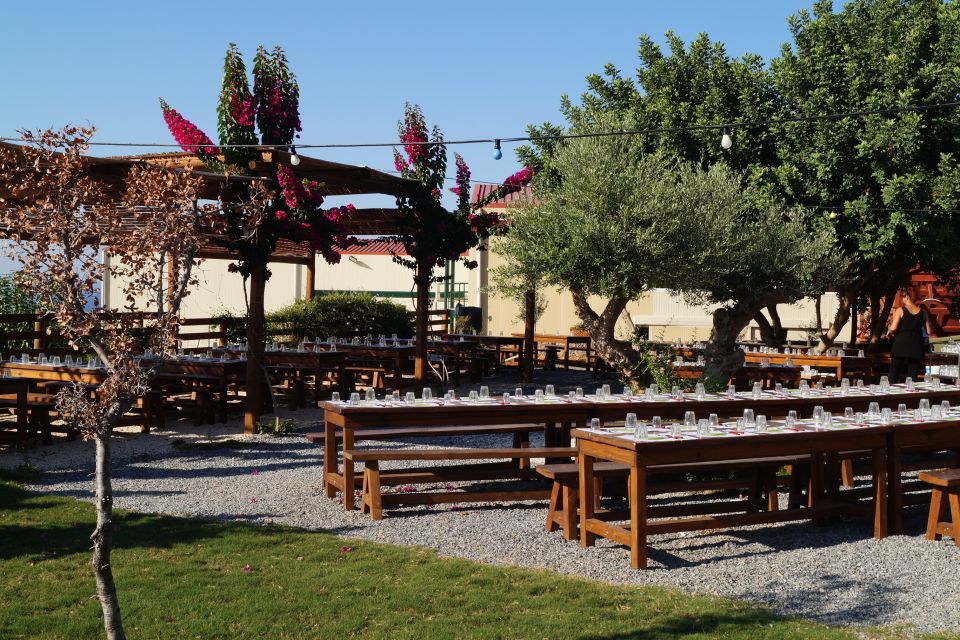
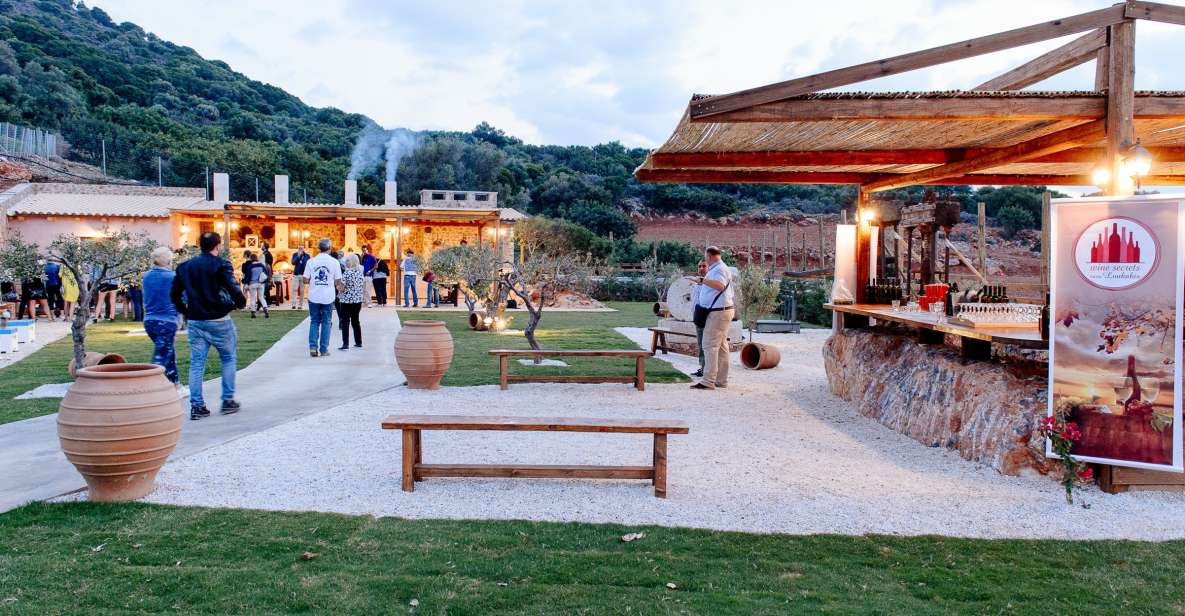
- Scenic grounds of an olive oil factory: This is part of why the evening feels like an event.
- Shopping opportunity after demos: You may find products at prices that feel fair compared with what you see back in town.
Crete olive oil in the real world: value for $66
For $66 per person, you’re not just paying for a “look and leave” tour. You’re buying a package: hotel transfer, a guided factory visit, then dinner with wine and water, and finally live music and dancing. That’s a lot for one ticket, especially in an area where transport and evening entertainment can stack up quickly.
The “value” part is how the evening is structured. Olive oil and honey aren’t treated like trivia facts. They’re tied to a working property where the story makes sense: how it’s produced, why virgin oil is special, and where bee products fit into the local food tradition. When that context is part of the ticket, you tend to remember more—and taste better later.
Do keep your expectations realistic. If you’re hoping for an in-depth, slow-paced walking tour of every corner of the property, this is only a four-hour experience. Some people find the factory time tight, especially if the group is large. So if you love quiet, long-form museum-style visits, you might feel slightly rushed.
You can also read our reviews of more tours and experiences in Crete


The factory tour and honey demo: what you’ll actually learn
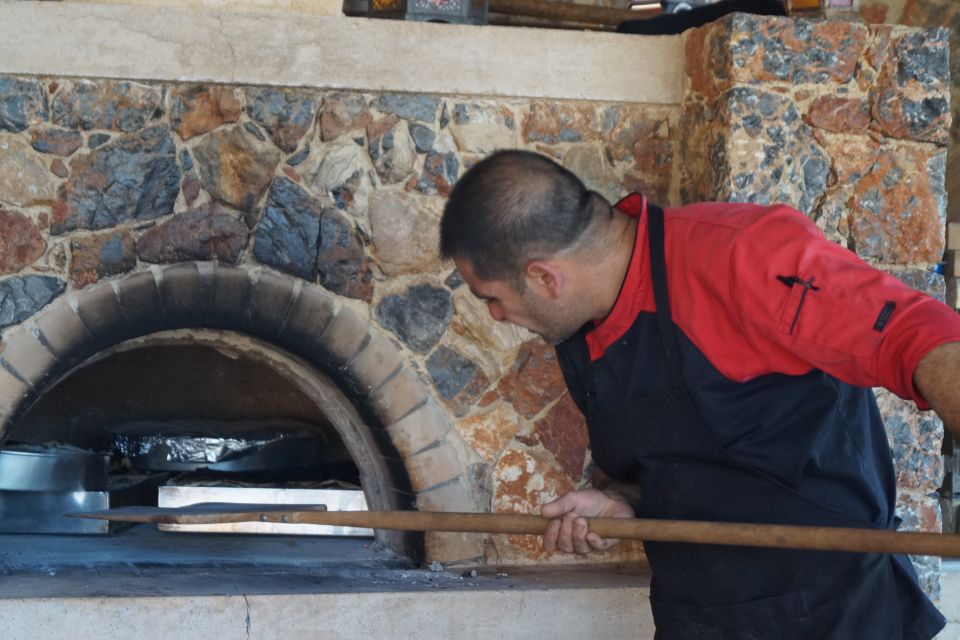
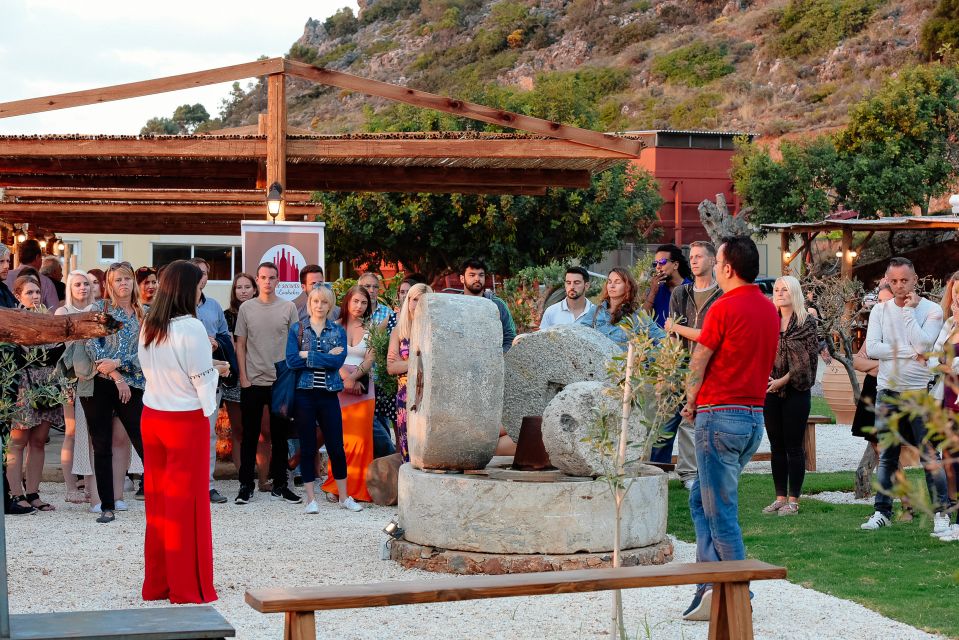
The evening begins at the olive oil factory grounds, where you’ll see how virgin Cretan olive oil is produced onsite. Virgin olive oil is all about quality—less processed than lower-grade oils—and it’s the kind of detail that becomes much more meaningful when you see the process where it happens.
After that, the focus shifts to honey and beekeeping. You’ll get a demonstration that explains the origins of famous Cretan honey, which is one of the reasons this tour feels more complete than a pure olive oil stop. Even if you don’t consider yourself a “food person,” you’ll probably come away with a clearer idea of how these products are linked to local land and seasonal work.
One practical tip: wear comfortable shoes. The grounds are outdoors, and you’ll likely move around more than you expect for a “short” tour. Think walking first, photos second.
A good sign here is the family setting. Several people liked the sense that this is a property handled across generations. That matters because it turns the demonstrations into something grounded—less sales pitch, more explanation. Still, the pace can depend on how many people are in your group, and that can affect how long you spend at each station.
Dinner with local wine: when the buffet really shines
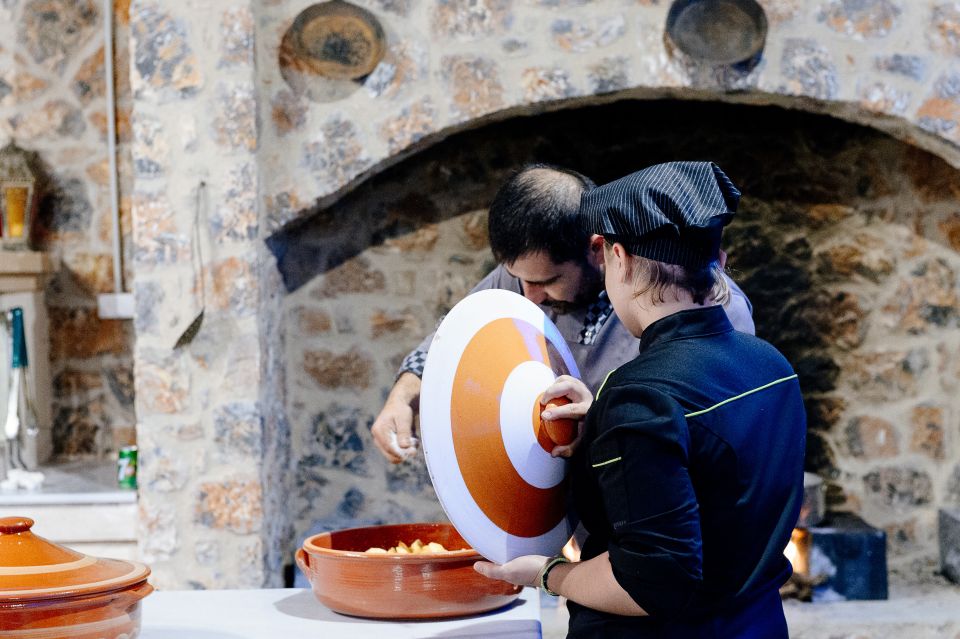
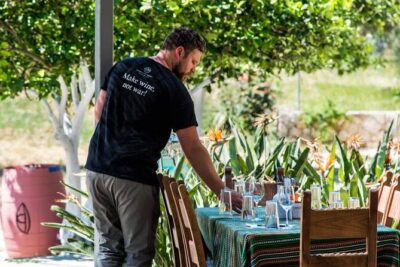
After the demos, you shift into a traditional Cretan buffet meal. This is where the evening becomes comfortable. You get a hearty spread, and the tour includes plenty of local wine plus water.
This part is worth taking seriously because dinner is more than filling your plate. It’s also when you learn what the food education was aiming for. Olive oil and honey aren’t separate topics anymore; they’re part of the way locals eat and season. If you’re the type who likes to match taste to story, this dinner format helps.
Now the balanced note: a buffet can feel chaotic if the group is large. One downside that showed up for some people was crowding and buffet behavior—people taking more than their share or moving without much care. You can’t control that, but you can control your approach: arrive ready, take your first pass calmly, and then return for seconds when the rush settles.
Also, expect the dinner to set the tempo for the show afterward. If you tend to get sleepy after big meals, plan to stay alert. The music and dancing segment comes after dinner and is the main entertainment payoff.
Live Greek music and dancing: the part you should watch closely
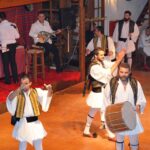
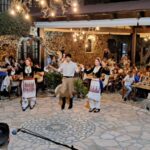
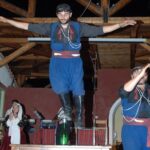
Once dinner is done, the tour moves into live Greek music and Cretan dancing. This isn’t a background soundtrack. It’s framed as a performance, with dancers in traditional costumes and music played live on site.
A highlight that came up in positive feedback is that the show can include dramatic moments—one example mentioned was plate smashing. Even if you’ve never seen that in person, it’s exactly the kind of theatrical local tradition that turns a meal into a real evening event.
Here’s the honest consideration: not everyone thinks the show is equally strong. Some people felt the dancing segment was short or that the event organizers left too much open space around the performance, meaning you could end up watching people milling around rather than a tightly staged program. Others also noted that the dance variety may not match what they expected from a “Greek dancing” idea.
My advice: go for the energy, not for perfection. If you’re there to enjoy live Cretan music, costumes, and an outdoorsy family-factory setting, you’re more likely to leave happy than if you’re treating the dancing portion like a choreographed theater show.
Pickup and timing: the logistics part that matters
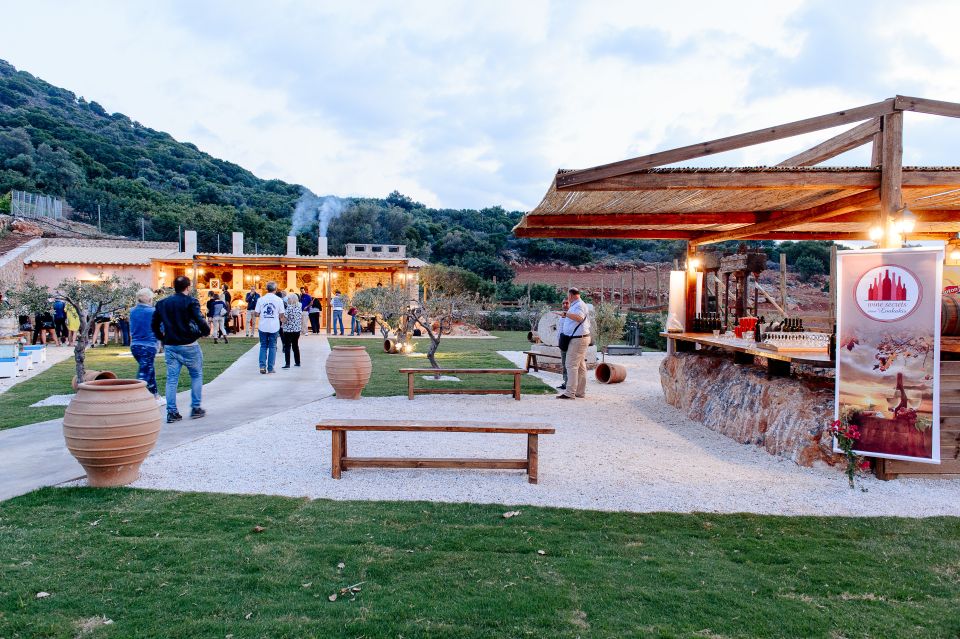
The tour includes transfer, but pickup is where evenings sometimes go off track. Pickup is offered from many nearby areas such as Kokkini Hani, Gournes, Gouves, Analipsi, Anissaras, Hersonissos, Stalida, Malia, Sissi, and Milatos. That’s good coverage if you’re staying in the north coast and want to avoid figuring out buses late at night.
But you should plan around one strict rule: you need to be ready at least 5 minutes before pickup time, because the bus won’t wait more than 2 minutes. If you’re slow to leave your hotel room, you can miss the pickup. Simple fix: keep your shoes on and your meetup spot clear.
Also, learn from real-world headaches: some people reported pickup confusion, including being told pickup wouldn’t happen directly at the hotel. In practice, pickup can be at the closest accessible point by bus, not the front door of your accommodation. If you want this to feel smooth, confirm your exact pickup point after booking with the organizer, and don’t assume it’s your hotel entrance.
And one more thing: this is a 4-hour plan. That means you’re trading free evening time for a scheduled experience. If you hate being on a clock, consider whether that’s your style.
You can also read our reviews of more tours and experiences in Crete



What to bring, and who this fits best
This tour is built for comfort and easy enjoyment. Here’s what you’ll want for a relaxed evening:
- Comfortable shoes (the grounds and paths matter)
- A light layer if you’re sensitive to evening air
- Your patience for a group setting if it gets busy
Because it’s a factory-and-dinner evening, it also suits certain travel personalities:
- Food lovers who want olive oil and honey explained, not just tasted.
- Culture seekers who enjoy live music and traditional dancing after dinner.
- People staying in the listed pickup areas who want transport included.
If you’re wheelchair users, the tour is described as wheelchair accessible, which is a big plus for getting included in something like this rather than missing it.
If you’re very sensitive to crowds or you want a slow, detailed walkthrough of every step, this might feel a bit compressed. The good news is that you can still get plenty out of it if you arrive with the right mindset: education through demonstrations, then a full evening of food and show.
Should you book the Crete olive oil factory dinner and dancing?
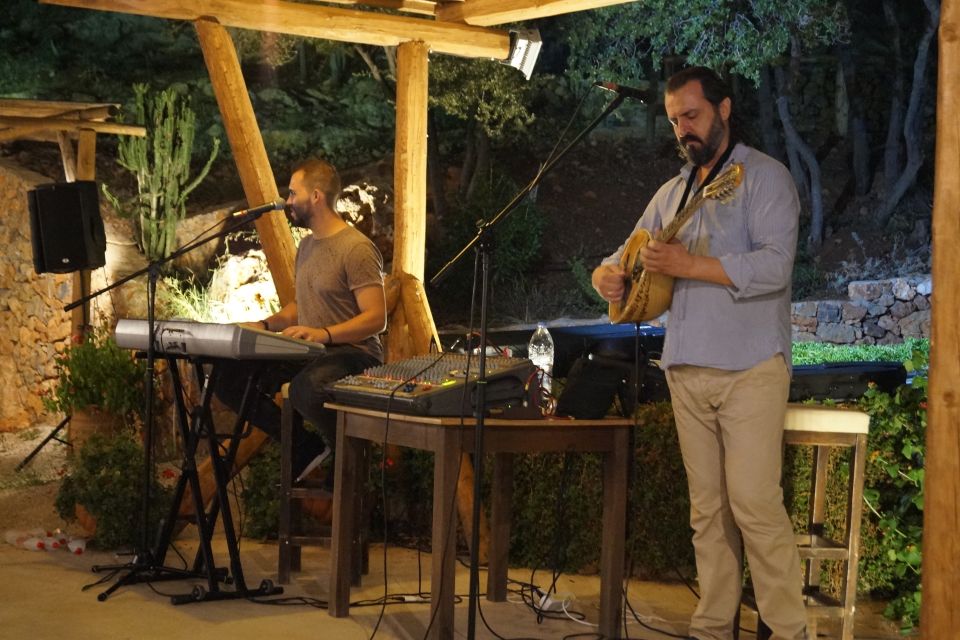
I’d book this if you want a single ticket that combines olive oil education, honey context, a solid buffet dinner, and live Cretan music and dancing—all with transfer included. At $66, the best value comes from the fact that you’re not paying separately for transport, dinner, and entertainment.
Don’t book it blindly if you have strong needs around timing or quiet. The factory time can feel short in a busy group, and the show quality can vary depending on how the evening runs. If you do book, protect yourself with one move: confirm pickup location and be at the pickup point early enough that the bus rule can’t trip you up.
If you like your evenings simple—good food, local traditions, and a guided plan—you’re in the right place.
FAQ
What’s the duration of the tour?
The tour lasts about 4 hours.
How much does it cost?
It costs $66 per person.
What’s included in the price?
Hotel transfer, a guided factory tour, buffet dinner, wine and water, and live music with Cretan dancing.
Where are pickups offered?
Pickup is included from areas including Kokkini Hani, Gournes, Gouves, Analipsi, Anissaras, Hersonissos, Stalida, Malia, Sissi, and Milatos.
What time should I be ready for pickup?
You should be ready at least 5 minutes before the pickup time, since the bus cannot wait more than 2 minutes.
Is the tour wheelchair accessible?
Yes, the activity is described as wheelchair accessible.
What language is the live guide?
The guided tour is offered in English.
What should I bring?
Wear comfortable shoes.