A road of old stones and warm hospitality. This route links Kritsa lace-and-handicraft lanes with Kroustas village food and wine, with the middle stops focused on standout Cretan landmarks. Two things I really like about it are the small max-8 group size and the way the timing gives you real time to wander instead of doing a quick hit-and-run. One possible drawback to flag up front: you’ll spend a lot of the day in transfer time, so if you hate road time, plan accordingly.
I also like that you get a mix of styles: church wall paintings in Panagias Keras, the Doric-site drama of Archaia Poli Tis Lato, then proper village life in Kritsa and Kroustas. Food lovers get a clear advantage here since the area’s specialties are part of the experience, not an afterthought. The main consideration is the small entrance-fee situation at the sites and the fact that lunch isn’t included, so you’ll want to budget a bit extra once you’re in Kroustas.
In This Review
- Key things to know before you go
- Why Kritsa and Kroustas fit a 6-hour Crete day
- Pickup, timing, and the value of a max-8 group
- Stop 1: Panagias Keras Church and Byzantine wall paintings
- Stop 2: Archaia Poli Tis Lato, the Doric city-state moment
- Stop 3: Kritsa village streets, lace, and old-town details
- Stop 4: Kroustas for village food, wine, and an easy wander
- What to eat and drink (so you don’t guess)
- Price and value: what $69.46 gets you in the real world
- Practical tips that make the day smoother
- Should you book Traditional Villages of Kritsa and Kroustas?
- FAQ
- Where is the meeting point for the tour?
- Is pickup included?
- How long is the experience?
- What’s included in the price?
- Is lunch included?
- Are entrance fees included?
- How many people are in the group?
- What happens if weather is poor?
- Can I bring a service animal?
Key things to know before you go
- Max 8 travelers means it feels more personal than a big bus day
- Mini-van pickup style can make transfers less annoying in real traffic
- Byzantine wall paintings at Panagias Keras are a major stop
- Archaia Poli Tis Lato adds Doric-history context plus big views over Mirambello Bay
- Kroustas food and wine focus is practical if you like tasting local specialties
- Bring a few euros for entrance fees that may apply at Panagia Kera and Lato
Why Kritsa and Kroustas fit a 6-hour Crete day
This is one of those Crete experiences that feels small and human, even though you’re covering several distinct places. You’re not just driving past villages; the plan gives you set walking time at each stop so you can actually see how the towns work. Kritsa shows you the older, craft-focused side of the island, while Kroustas leans into meals, wine, and everyday village rhythms.
I like that the day is built around themes you can feel with your eyes and your stomach. Kritsa is known for traditional lace making and handicrafts, plus narrow streets and old buildings. Kroustas is known for traditional cuisine and wine, with local favorites such as myzithropites (cheese pies), ftazymo bread, and aiga vrasti (boiled goat). If you like getting a sense of regional character, this pairing delivers.
Do note the math: the tour is about 6 hours total, but transfer time to and from the sites is listed as around 1–1.5 hours each way, depending on traffic. So you’re trading a chunk of your day to get the full circuit. If you’re only in Crete for a short time, that’s often a fair trade.
You can also read our reviews of more tours and experiences in Crete.
Pickup, timing, and the value of a max-8 group
The format is simple: pickup is offered, you’ll use a mobile ticket, and the trip ends back at the meeting point. The tour caps out at 8 travelers, which matters more than you’d think. With fewer people, it’s easier to pause for photos, ask questions, or slow down if someone wants a quick extra look at a lane or shop.
The experience provider is Summer Tours and Taxis in Crete, and the small-group feel shows up in the real-world reviews. People describe mini-van days with only a few couples, plus a friendly driver who explains things along the way. One review specifically calls out Christos for being both warm and informative, and for making the day feel relaxed rather than rushed.
Timing is also part of the deal. Each major stop has a set window (about 30 minutes, 50 minutes, then 1 hour 30 minutes and 1 hour 40 minutes). That structure helps you plan what to do during the walk time. You’ll still want to be ready for uneven stone sidewalks and stairs, since both villages are built for foot traffic.
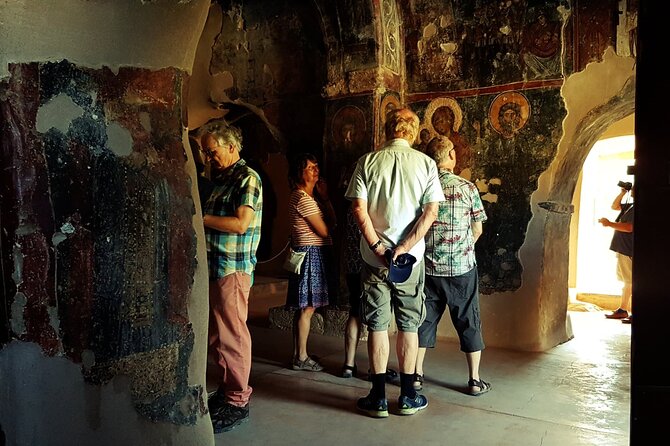
Stop 1: Panagias Keras Church and Byzantine wall paintings
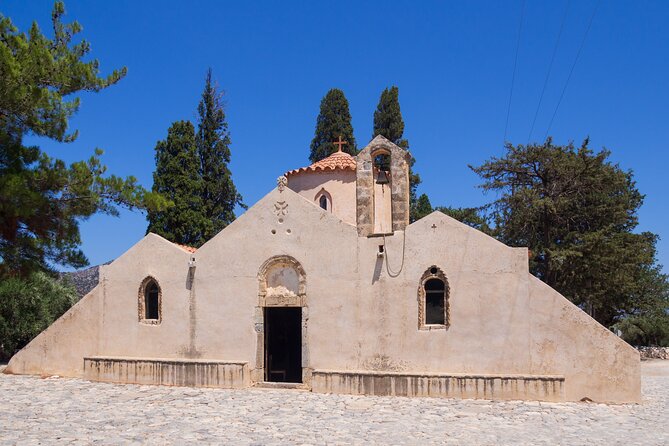
Panagias Keras Church is short on time but big on payoff. You’re looking at a three-aisled, barrel-vaulted church with a dome over the nave, about 500 meters south of Kritsa. The headline here is the wall painting decoration from different periods of Byzantine art, and it’s described as extensive and well-preserved.
This stop works well as a “set the mood” moment. You start the day with a cultural anchor before you move into village streets and food. And because the stop is around 30 minutes, it doesn’t swallow the day.
Entrance fees are the one wrinkle to plan for. The itinerary text says admission ticket is listed as free for this stop, but the tour notes list Panagia Kera at 3 euro as an entrance fee not included. Since this is a small cost, I’d bring a few euros just to avoid last-minute surprises. If it turns out to be free in practice, great—you just saved cash.
Stop 2: Archaia Poli Tis Lato, the Doric city-state moment
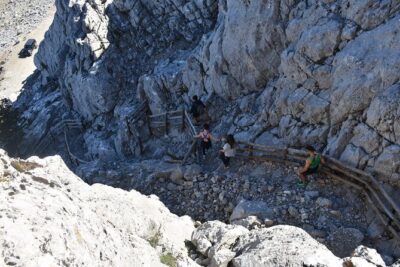
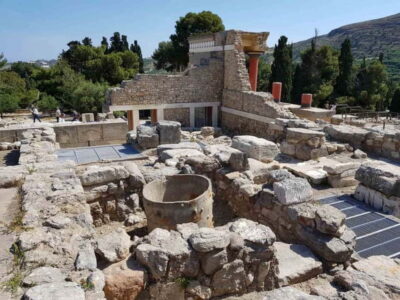
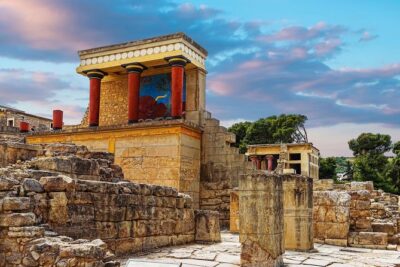
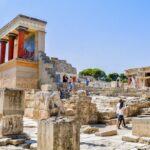
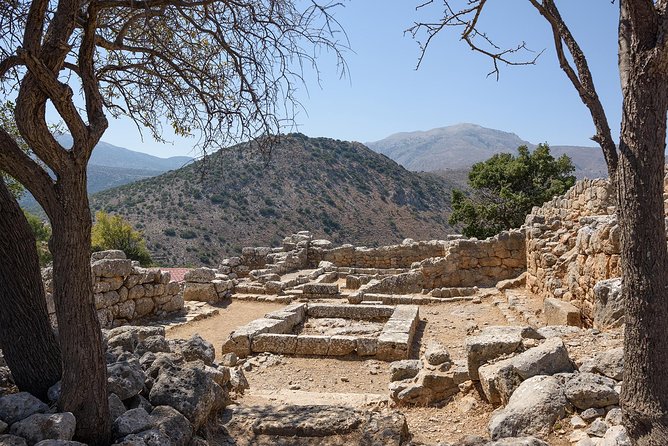
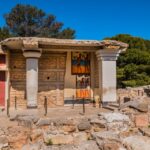
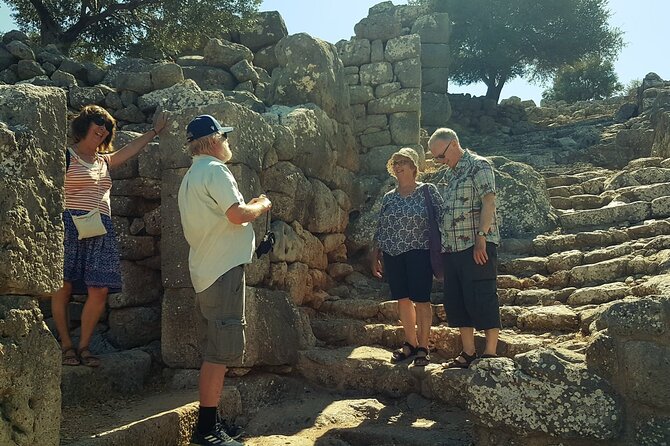
Next you go to Archaia Poli Tis Lato, a site tied to Lato, one of Crete’s important Doric city-states. It’s built on a saddle between two hills, which helps explain the big payoff: the view over Mirambello Bay. Even when you focus on stones and ruins, the geography matters here.
You also get some strong context: Lato is named after Leto (Apollo and Artemis’ mother), and coins referenced the goddess Eileithyia. You’re also told that Nearchos, Alexander the Great’s admiral, was born there. Even if you’re not a trivia collector, these details make the ruins feel less random and more connected.
You’ll have about 50 minutes at the site. That’s enough to walk the key areas without turning it into a hike. Admission is listed as not included, and the notes price Lato at 3 euro.
If you’re sensitive to sun or heat, consider timing your photos strategically. Ruin sites can be bright and exposed, and the day already has transfer time built in. A quick hat and water habits go a long way.
Stop 3: Kritsa village streets, lace, and old-town details
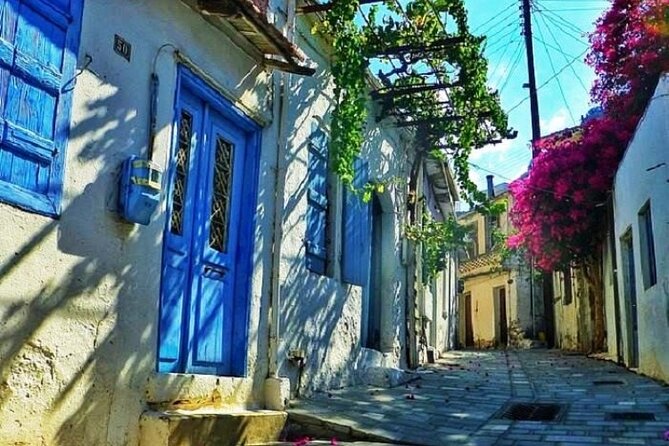
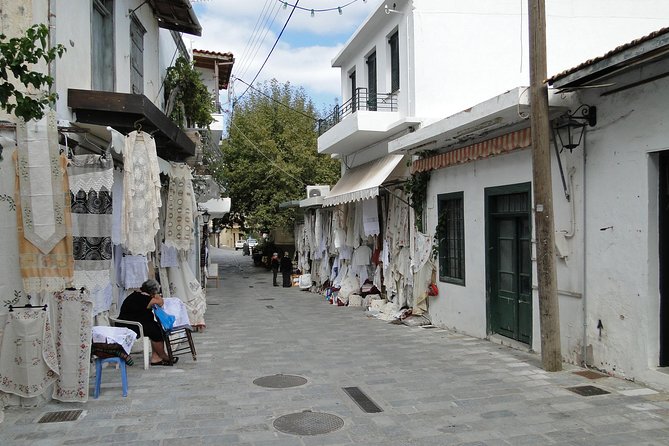
Now you enter the heart of the craft-and-streets side of the day: Kritsa. The village is famous for traditional lace making and handicrafts, and the walk is about more than shopping. Expect narrow streets, blooming yards, and older buildings that give you the feeling of an open-air museum.
Kritsa also includes textile shops, traditional coffee shops, and folklore collections, plus Byzantine temples. This is the stop where you can slow down and just look. You’re not forced to follow a single “photo list”; you can browse and wander within the allotted time (about 1 hour 30 minutes).
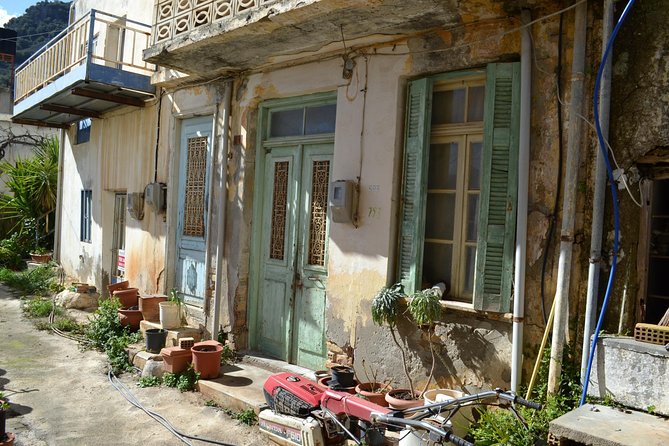
One practical tip from the way people describe the village: don’t assume every building will look fully lived-in. Kritsa can feel like a mix of beautiful and weathered, with some abandoned or shuttered houses mixed into the scene. To me, that’s part of the realism. You’re seeing a working place, not a theme park.
Also, if you care about facilities, it helps that Kritis and nearby village stops can come with simple comforts. One review mentions clean, free toilets in the area, which is not something you want to gamble on when you’re out for hours.

Stop 4: Kroustas for village food, wine, and an easy wander
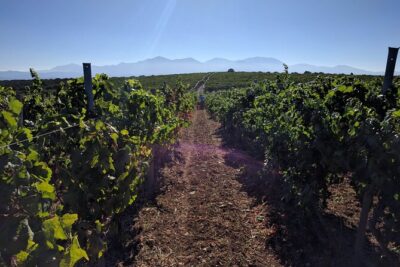
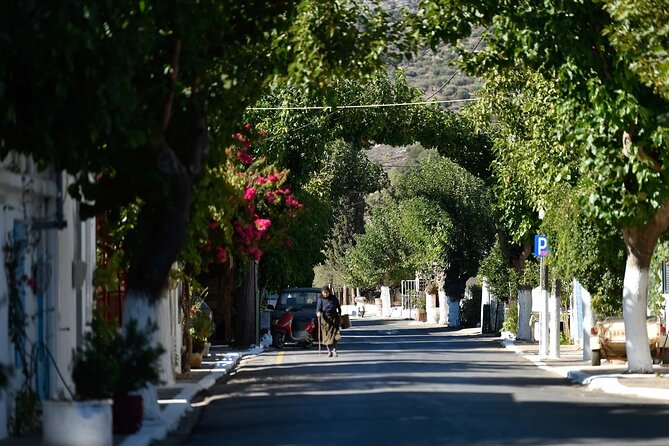
Kroustas is a smaller village—around 500 residents—and that size shows in the vibe. It’s described as an authentic glimpse into Cretan life, with narrow streets and stone houses set against picturesque countryside.
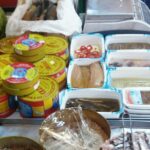
This is your “taste and stroll” block of the tour, about 1 hour 40 minutes. Kroustas has traditional tavernas where you can sample local specialties like skioufihta (a traditional pasta dish) and kalitsounia (a sweet or savory pastry). Wine is also a big part of the story, with local grape varieties such as Liatiko and Mandilari.
You should plan your expectations around meals. Lunch is not included (and it’s specifically listed as lunch in Kroustas not included), so you’ll be choosing where and what to eat once you arrive. The tour does include bottled water and soda/pop, so you’re not starting the tasting portion thirsty.
One nice detail: Kroustas is also tied to beekeeping in the wider area, which matters if you enjoy honey flavors or food tied to local production. Even if honey isn’t on every menu, the local-food ecosystem is part of why the village feels grounded.
If you’re the type who likes festive atmosphere, Kroustas fits that lane too, since it’s described as having a festive feel and wine focus.
What to eat and drink (so you don’t guess)
You don’t have to be a Greek-food expert to have a great meal day here. The tour’s food highlights are clear, and they translate into easy ordering choices.
Here are the dishes and drinks that are specifically called out for this region:
- Myzithropites: cheese pies. Good if you want something comforting and very local.
- Ftazymo bread: a traditional bread worth hunting down when it shows up on a table.
- Aiga vrasti: boiled goat, for a more serious local-meat experience.
- Skioufihta: a traditional pasta dish—often a safe bet if you want something hearty.
- Kalitsounia: sweet or savory pastries. Great for snacking or trying something different without committing to a full plate.
- Wine: ask for local styles made from Liatiko and Mandilari.
I’ll add one practical note: because lunch isn’t included, you can adapt. If you’re hungry, go for a full meal in a taverna. If you just want a taste, pastries plus something to drink can work well. The time window is long enough that you’re not forced into a rushed order.
Price and value: what $69.46 gets you in the real world
At $69.46 per person, this is positioned as a budget-friendly day that still delivers multiple stops. Price is easier to judge when you break down what’s included and what’s not.
Included:
- Bottled water
- Soda/pop
- Pickup offered
- Mobile ticket
- Guided stop structure across four locations
- Maximum of 8 travelers
Not included:
- Lunch in Kroustas
- Entrance fees listed for Panagia Kera (3 euro) and Lato (3 euro)
So the value comes from avoiding the hassle of coordinating separate transport for four stops. The real cost-saving is time and logistics: you get transfers handled for you, and you’re not trying to stitch together a half-day on your own.
The best-case scenario is when the small group stays genuinely small, like the review notes about only three couples in a mini-van. In that setup, you can ask questions and get explanations without shouting over a crowd. The driver’s role matters here, and the reviews back that up.
One more value angle: if you like photos, this route is naturally photogenic—church architecture, Doric ruins with bay views, then old lanes and countryside. That mix can beat spending the same money on just one single “thing.”
Practical tips that make the day smoother
A few small things can make this type of village day feel effortless.
- Bring a few euros: entrance fees are listed as not included, with small amounts for Panagia Kera and Lato.
- Wear walking shoes: narrow streets and stone surfaces mean you’ll want stable footing.
- Plan for sun: the day includes exposed viewpoints, especially at Lato.
- Use the water you get: bottled water and soda/pop are included, so it’s an easy baseline.
- Keep lunch flexible: Kroustas is where you’ll eat, and lunch isn’t part of the package.
If you’re traveling with a service animal, note that service animals are allowed.
Also, the tour requires good weather. If conditions aren’t good, you’ll be offered a different date or a full refund. That matters because village days rely on walking and outdoor viewpoints.
Should you book Traditional Villages of Kritsa and Kroustas?
I’d book this if you want an easy way to see multiple sides of Crete in one half-day: one church stop with serious Byzantine artwork, one ruin stop with bay views, then two village walks centered on crafts and everyday food. The small group size helps a lot, and the driver-focused experience seems to make the day feel relaxed rather than mechanical.
I’d skip it if you strongly prefer to minimize road time, because the transfers are built into the schedule and can eat up the day. And if you don’t like planning around optional costs, remember that entrance fees and lunch are not included.
If you do book, my advice is simple: bring a few euros for the sites, decide early in Kroustas whether you want a proper meal or lighter tasting, and use the village time to actually walk slowly. That’s when Kritsa and Kroustas stop feeling like stops and start feeling like places.
FAQ
Where is the meeting point for the tour?
The tour starts at Andrea Papandreou 36, Schisma Elountas 720 53, Greece, and it ends back at the same meeting point.
Is pickup included?
Yes. Pickup is offered as part of the tour.
How long is the experience?
The duration is listed as about 6 hours. Transfer time to and from sites is about 1–1.5 hours depending on traffic.
What’s included in the price?
The tour includes bottled water and soda/pop, plus the tour itself with the planned stops. You’ll also use a mobile ticket.
Is lunch included?
No. Lunch in Kroustas is not included.
Are entrance fees included?
Entrance fees are listed as not included: Panagia Kera (3 euro) and Lato (3 euro). The stop description for Panagias Keras also notes admission free, so bringing a few euros is a safe move.
How many people are in the group?
This activity has a maximum of 8 travelers.
What happens if weather is poor?
This tour requires good weather. If it’s canceled due to poor weather, you’ll be offered a different date or a full refund.
Can I bring a service animal?
Yes. Service animals are allowed.