Sourdough in Chania is not your average class. You spend the morning-to-early-afternoon turning dough into a loaf you customize, then you pair it with extra-virgin olive oil taught the hands-on way, including an herb-mixing lesson during a visit to the olive grove. I love that the experience feels family-run rather than factory-style, and you get real food time together, not just quick bites. One thing to consider: you may pay extra for pickup depending on where you’re staying, and the day runs best with good weather.
This is also a strong value if you want more than bread. You’ll bake your loaf in an outdoor oven, tour an olive grove, then swing by the farm to help set up lunch components like Cretan salad and sides, with local wine and dessert included. The main drawback is timing and format: it’s a 4-hour class with semi-private transport (you could share the van/EV with other guests), so it’s not built for late start or slow pacing.
In This Review
- Key highlights you’ll actually care about
- A four-hour sourdough and olive-oil day, built around hands-on cooking
- First steps: Greek coffee, cookies, and the bread-making routine
- Your olive grove visit: how harvesting and herbs connect to what you eat
- How the bread moves from your hands to the oven (and why the timing works)
- The farm stop: harvest your veggies and build Cretan salad
- Olive oil tasting with local wine: what to pay attention to
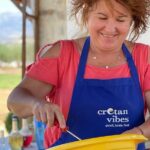
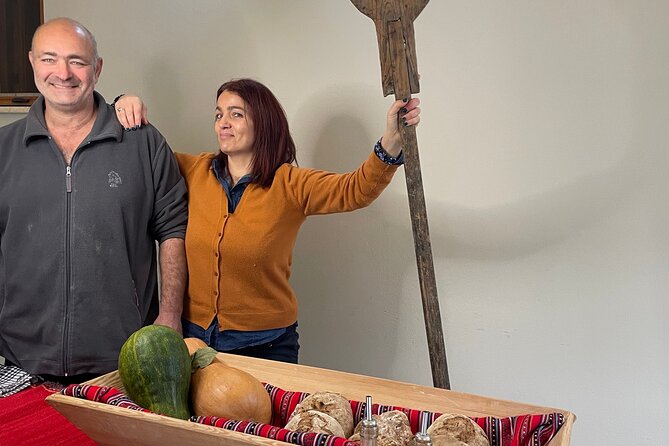
- The family atmosphere: Nikos, Alex, Veerna, and Kostas make the day
- Price and value: what you’re paying for at about $108.13
- Getting there without stress: meeting point and transport reality
- Who should book this sourdough and olive-oil class
- Should you book? My straight answer
- FAQ
- How long is the Chania Sourdough Bread Class – Olive Oil Tasting?
- What language is the class offered in?
- What is the price per person?
- What does the price include?
- What is not included in the price?
- Is pickup available, and is transportation private?
- How big is the group?
- What will I make during the class?
- Are service animals allowed, and what if the weather is bad or the trip is canceled?
- What is the cancellation policy?
Key highlights you’ll actually care about
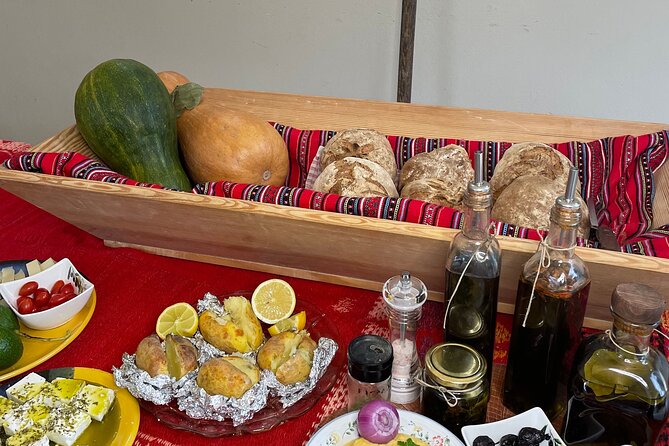
- You bake your own sourdough loaf and choose add-ins like olives, sun-dried tomato, and seeds
- Olive grove + harvesting learning happens after dough mixing, so the bread waits while you explore
- Herb-flavoured olive oil lesson ties the farm visit to what you’ll taste with your bread
- Cretan lunch includes the big hitters: Cretan salad, Greek fava, ash-roasted potatoes, and pork meat
- You taste multiple olive oils alongside your loaf, not just one small pour
- Family hosts with named guides such as Nikos and Alex, plus Veerna and Kostas, make it feel personal
A four-hour sourdough and olive-oil day, built around hands-on cooking
This class runs about 4 hours, and it’s paced like a real Cretan family day: warm welcome, work at the table, a break for learning outside, then a long sit-down meal where everything comes together. The format is simple. You’re not standing in one corner watching someone else do the work—you’re making the bread, tasting the olive oil, and eating what you help set up.
You’ll start with a homemade refreshment or a Greek coffee from the hostess, plus cookies. That early snack matters more than you’d think. Bread days can feel like they move fast, and you want something in your system before you start mixing dough.
English is the language used, and the group stays capped at a maximum of 16 travelers. In practice, that size keeps you from feeling lost, and it also makes it easier to get questions answered while you’re handling ingredients.
You can also read our reviews of more food & drink experiences in Crete
First steps: Greek coffee, cookies, and the bread-making routine
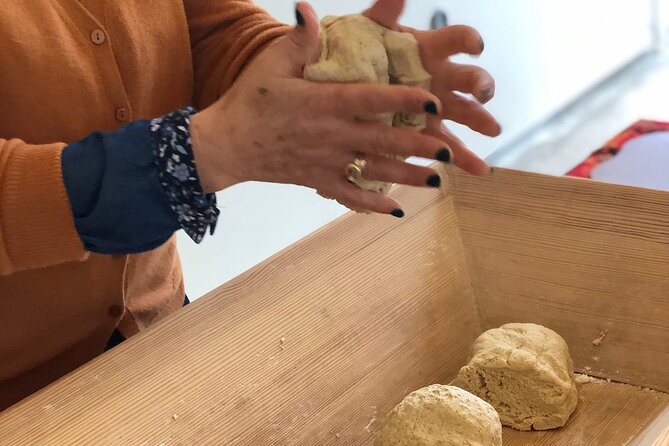
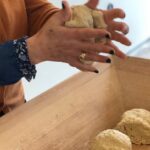
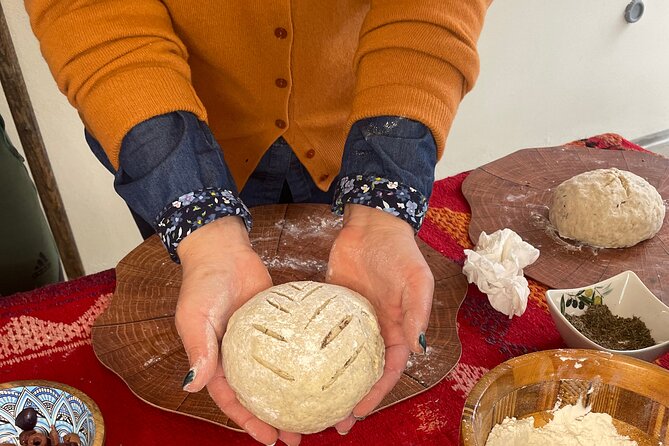
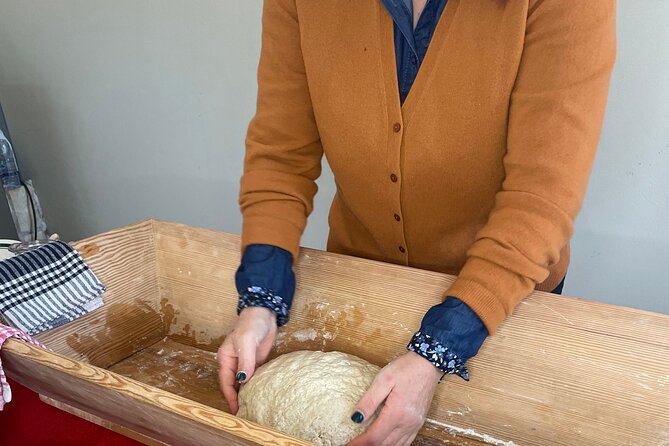
The sourdough process begins with ingredients and dough mixing. You’ll learn the procedure as you go, then you’ll shape your own loaf once the dough is ready. The best part is that the loaf isn’t a one-size-fits-all thing. You can add extras inside your bread, such as olives, sun-dried tomato, and seeds.
That choice is more than fun. It’s how you customize the taste to match what you’ll be eating for lunch. If you’re leaning salty, olives or sun-dried tomato tend to pair well with the herb-flavoured extra-virgin olive oil you’ll be tasting later. If you want a nuttier feel, seeds can add texture that holds up through lunch.
There’s also a built-in pause. After your loaf is prepared, you rest it and then head out for the olive grove visit. That rhythm helps you not feel rushed, and it stops the whole day from being nonstop kneading.
Your olive grove visit: how harvesting and herbs connect to what you eat
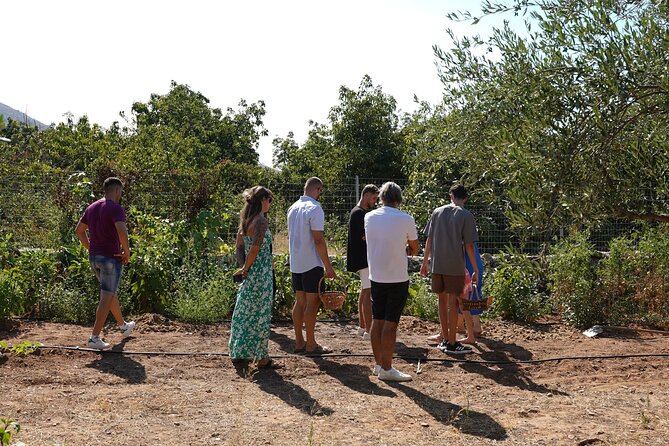
While the bread rests, you visit the olive grove and learn how olives are harvested and how olive oil is made. It’s not taught like a museum lecture. You’re outside, looking at the trees, then linking what you see to the oil you’ll taste later.
One of the most practical parts of this stop is the “secrets” angle around mixing olive oil with herbs. You’re not just handed a flavor and told to accept it. You’ll learn how they blend extra-virgin olive oil with herbs, which helps you understand why the oil tastes different depending on what’s added and how it’s prepared.
If you’ve ever wondered why Greek olive oil tastes more alive than the generic stuff, this is where you start getting answers. The herb side also gives you real take-home value. Even if you can’t replicate exactly what they do, you’ll leave knowing what kinds of herb notes work with bread and salad.
How the bread moves from your hands to the oven (and why the timing works)
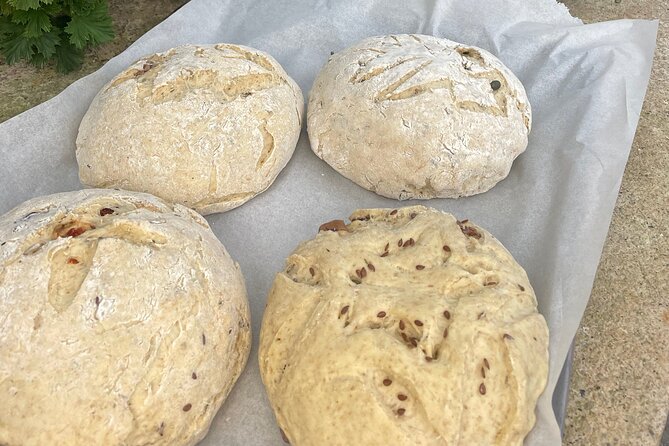
Once your loaf is ready, it goes into the oven. The smell is part of the deal. And because the day alternates between cooking and outside learning, the heat time doesn’t feel like dead waiting.
You also get a moment to appreciate what you made. Later, when the bread is served, you can pair your own loaf with the herb-flavoured extra-virgin olive oil. That pairing isn’t an afterthought. It’s part of the structure of the class: make bread → learn olive oil → taste and eat together.
Some classes hand you bread and call it a day. This one gives your loaf a starring role, and that’s a big reason people leave happy.
The farm stop: harvest your veggies and build Cretan salad
After the olive grove learning, you head to the farm. Here’s where the class widens from bread into a fuller Cretan meal. You’ll harvest veggies and help prepare the Cretan salad.
The Cretan salad served is built around tomato, cucumber, peppers, olives, rusks, capers, and soft goat cheese. That combination is classic, and it’s also a useful reminder that Mediterranean food is often about balance, not complicated steps. The crunch from vegetables and rusks, the salty pull from olives and capers, and the soft tang from goat cheese work together.
Lunch doesn’t stop at salad. You’ll also get side dishes like Greek fava beans and other seasonal appetizers. Additional main items include jacket potatoes roasted in the ash and pork meat. It’s the kind of menu that lets you taste multiple textures: tender beans, smoky potato, savory meat, and your bread on the side.
You can also read our reviews of more tours and experiences in Crete

Olive oil tasting with local wine: what to pay attention to
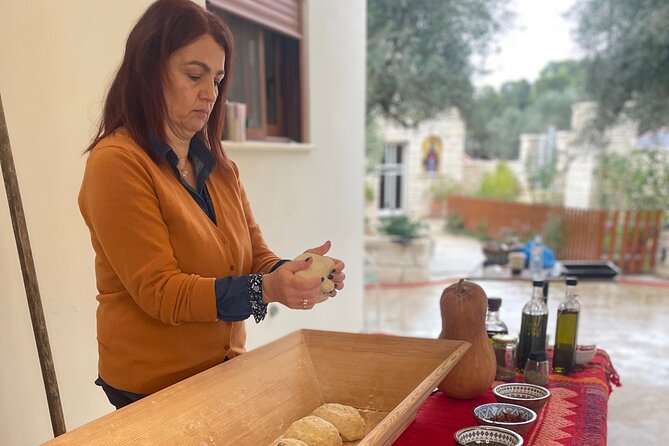
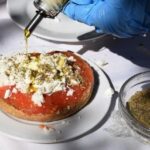
When your loaf is baked and the meal starts, you’ll combine it with the herb-flavoured extra-virgin olive oil. You’ll also have copious amounts of local wine, plus soda/pop and other alcoholic beverages.
The oil tasting part is a highlight. You’ll taste several types of olive oil—more than one simple pour—so you can notice differences instead of just eating food that tastes good. Try paying attention to these cues as you taste:
- Aroma first: does it smell more herbal, more grassy, more peppery?
- Bitterness and bite: some oils have a stronger kick that shows up after swallowing
- How it behaves with bread: the best oils often feel like they change the bread, not just sit on top of it
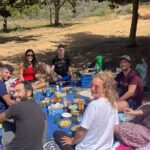
Sitting down together matters too. Family-style dining is built into the day, and you’re not rushed through plates. If you like conversations about food, you’ll get plenty of it.
The family atmosphere: Nikos, Alex, Veerna, and Kostas make the day
Part of the reason this class lands so well is how it’s run. Hosts like Nikos and Alex guide the bread and olive oil portion with clear teaching and a friendly rhythm. Then the family expands the experience even more: Veerna (associated with Veerna’s Kitchen) and Kostas (Alex’s father) join in, which makes the meal feel like you’ve been invited into a family setup, not just bought a ticket.
Kostas is credited with renovating the building and the outdoor cooking and dining area, and it shows. When the space is set up for outdoor baking and shared dining, your attention naturally stays on the food and the people, not on shuffling indoors every few minutes.
For a solo traveler, that matters because you don’t feel like you’re eating lunch alone. For couples or friends, it becomes a shared story you can talk about later.
Price and value: what you’re paying for at about $108.13
At $108.13 per person for roughly 4 hours, you’re paying for more than baking instruction. You’re paying for a full flow: ingredients and bread-making teaching, an olive grove visit tied to olive oil production, a farm stop that feeds into your lunch, and a sit-down meal with multiple dishes.
You also get drinks included: local wine and alcoholic beverages, plus soda/pop. Lunch is included, and dessert is included too—Greek yogurt with spoon sweet.
If you’re deciding whether this is worth it, here’s the practical way to think about it: you’re getting (1) your own cooked bread, (2) multiple food stops instead of a single kitchen demo, and (3) multiple tastings and a proper meal. For a short time in Chania, that’s the kind of “one ticket, many experiences” value that adds up.
Just note the transportation details. Pickup is offered with an extra fee depending on your location, and the transfer is semi-private. You might share the 9-seat van and an EV with other guests joining the class.
Getting there without stress: meeting point and transport reality
The class meets at Chania Cooking Class, Nerokouros 731 00, Greece, and it ends back at the meeting point. If you arrange pickup, you’ll pay an extra fee that depends on where you’re staying.
If you plan to use public transportation, it’s not included. The cost listed is €10.00 per person for public transit. The good news: the meeting point is near public transportation, so you’re not stuck in a far-out location.
Who should book this sourdough and olive-oil class
This is a great fit if you like food that connects to place and routine. You’ll do real bread work, see how olives and herbs tie into oil, and eat a full Cretan meal that uses the same ingredients you learned about.
You should also book if you enjoy family-run hospitality and don’t mind being part of a small group (up to 16). The semi-private format means you’ll likely meet other people in transit, but once you’re seated and eating, the vibe turns communal.
It’s also ideal if you’re traveling with a teen or adult who likes active learning. People have enjoyed seeing younger travelers handle bread-making without it feeling too technical.
Should you book? My straight answer
Book it if you want a short, high-reward food day in Chania: bake your own sourdough loaf, taste herb-flavoured olive oil, visit an olive grove, and sit down to lunch with wine and dessert. It’s a solid value because the meal and tastings are included and the experience moves beyond just bread.
Skip it if you’re very sensitive to time in a group setting, or if you rely on public transport and don’t want any extra paid transfer options. Also keep in mind the day requires good weather, so have flexibility.
If you’re torn between a quick food stop and a class with real work and a full table of dishes, this one makes the decision easier.
FAQ
How long is the Chania Sourdough Bread Class – Olive Oil Tasting?
It lasts about 4 hours.
What language is the class offered in?
The class is offered in English.
What is the price per person?
The price is $108.13 per person.
What does the price include?
The experience includes lunch, alcoholic beverages, and soda/pop.
What is not included in the price?
Public transportation is not included (listed as €10.00 per person).
Is pickup available, and is transportation private?
Pickup/transfer is offered for an extra fee depending on your location. Transportation is semi-private, using a 9-seat van and an EV, and you might be with other guests.
How big is the group?
The experience has a maximum of 16 travelers.
What will I make during the class?
You’ll mix sourdough ingredients, prepare your own loaf with add-ins such as olives, sun-dried tomato, or seeds, and then bake it in the oven.
Are service animals allowed, and what if the weather is bad or the trip is canceled?
Service animals are allowed. The experience requires good weather; if it’s canceled due to poor weather, you’ll be offered a different date or a full refund.
What is the cancellation policy?
You can cancel for free up to 24 hours in advance for a full refund. If you cancel less than 24 hours before the start time, the amount paid is not refunded.