Samariá Gorge is one of Crete’s best hard days. You hike through dramatic rock, hit the iconic Iron Gates, then finish with a sea swim in Agia Roumeli. This tour works well because it handles the long-distance logistics from Chania or Rethymno, so you can focus on the trail.
What I like most is the clear “shape” of the day: early pickup to Omalos, the downhill gorge walk, then a real payoff by the Libyan Sea. I also like that the guides aren’t just there for talking; guides like Nikos and Ingrid are described as supportive with pace and trail info, which matters when the terrain turns technical.
The one drawback to plan for is that this is a tough, rocky 16 km hike (steep at the start). If you have mobility limits, heart or blood pressure issues, or you’re prone to knee/foot problems, you should think twice before signing up.
In This Review
- Quick hits before you commit
- Entering Samariá Gorge From Chania or Rethymno
- Pickup Timing and Bus Rides: Why the Day Starts Early
- Omalos Plateau and the Wooden Stairway Entrance
- The Gorge Walk: Iron Gates, Springs, and Kri-Kri Country
- What Really Makes This Hike Hard (and How to Survive It)
- Agia Roumeli: Lunch, Beach Time, and a Real Swim Reward
- Ferry to Sougia and the Long Road Home
- Price and Value: What You Pay, What You Still Need to Budget
- What to Bring: The Small Stuff That Saves Your Day
- Weather and Route Changes: When the Day Doesn’t Go Exactly as Planned
- Who This Tour Suits Best (and Who Should Skip It)
- Should You Book This Samaria Gorge Hike With Pickup?
- FAQ
- How long is the Samariá Gorge guided hike?
- Where do I get picked up?
- How long is the hike through the gorge?
- Do I need to pay extra fees during the tour?
- What happens at the end of the hike in Agia Roumeli?
- What type of transportation is included?
- What time should I bring for the day?
- What should I bring for the hike?
- Is this tour guided in English?
Quick hits before you commit
- A true long-gorge hike: about 16 km through Europe’s longest canyon
- Early pickup + round-trip coach: bus rides help, but the day is long (often ~14 hours)
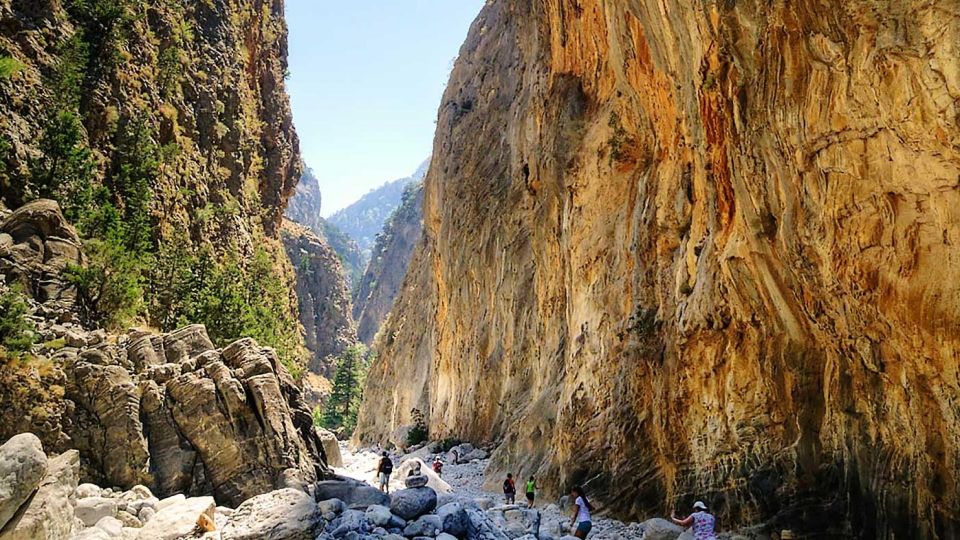
- Iron Gates and big cliffs: a narrow passage with cliffs nearly 300 meters high
- Springs and nature moments: crystal-clear water points and a chance to spot the Kri-Kri (wild goat)
- Agia Roumeli payoff: lunch time plus time to swim and relax by the seaside
- Guides who manage the crowd: people mention helpful support, including hiking poles from Nikos and Ingrid
Entering Samariá Gorge From Chania or Rethymno
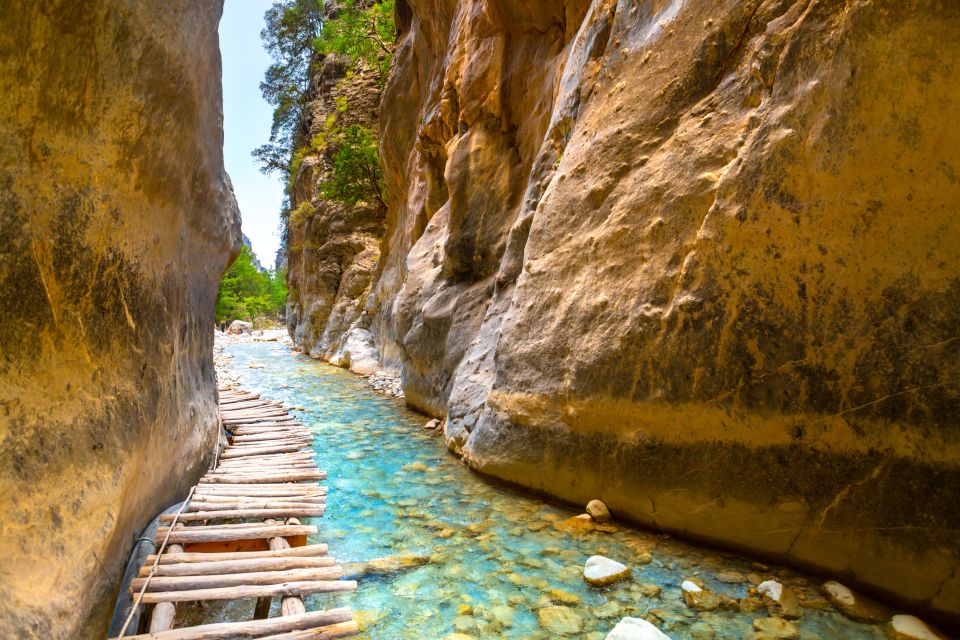
This is the kind of trip that makes Crete feel physical. You don’t just look at the White Mountains—you walk through them, drop into the gorge, then work your way back out to a beach village.
If you’re coming from Chania or Rethymno, the biggest value is simple: you don’t have to coordinate buses, entry timing, and a ferry. The tour’s round-trip coach is part of the deal, and that changes how the day feels. Instead of spending your morning solving transport puzzles, you’re on the road with a plan.
You should know the vibe of Samariá: it’s famous, which means it can be busy—especially early when the trail funnels people together. The good news is that once you spread out by hiking pace, the experience becomes quieter and more about the gorge itself.
You can also read our reviews of more guided tours in Crete
Pickup Timing and Bus Rides: Why the Day Starts Early
You get pickup from your hotel or the closest point to your accommodation, and you receive the exact pickup info by email the day before. In practice, this often means a very early wake-up. One traveler reported pickup around 5:45am, and that lines up with the general “start before the heat” logic of a gorge hike.
The coach rides are long: the schedule shows about 110 minutes each way. That’s not a small chunk of time, but it’s also why this tour is convenient. Those mountain roads can be twisty and slow, and a guided plan helps you stay on track.
Also, you’ll have free WiFi on the bus. It’s not essential, but it’s useful if you’re rechecking your shoe situation, packing list, or just killing time until you reach Omalos.
Omalos Plateau and the Wooden Stairway Entrance
Your day begins with a drive toward Omalos in the White Mountains. Omalos is where the tour switches gears from “transport day” to “hiking day.”
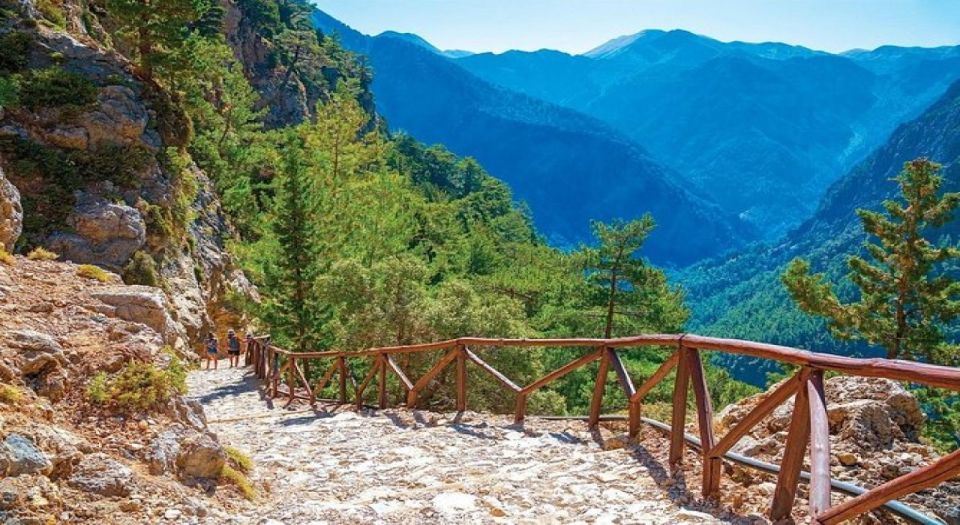
Once you arrive, you reach the wooden staircase that marks the gorge entrance. This is a key moment: the gorge experience starts fast, and the early trail includes steep, stair-like sections. Many people warn that the first part can feel more demanding than expected because you’re dropping quickly while the ground is rocky.
Before the descent, you may have a chance to grab breakfast at a nearby traditional taverna. If you’re the type who hates eating late, I like having a simple meal first—banana-and-coffee style—then using your own snacks later when you want them.
The Gorge Walk: Iron Gates, Springs, and Kri-Kri Country
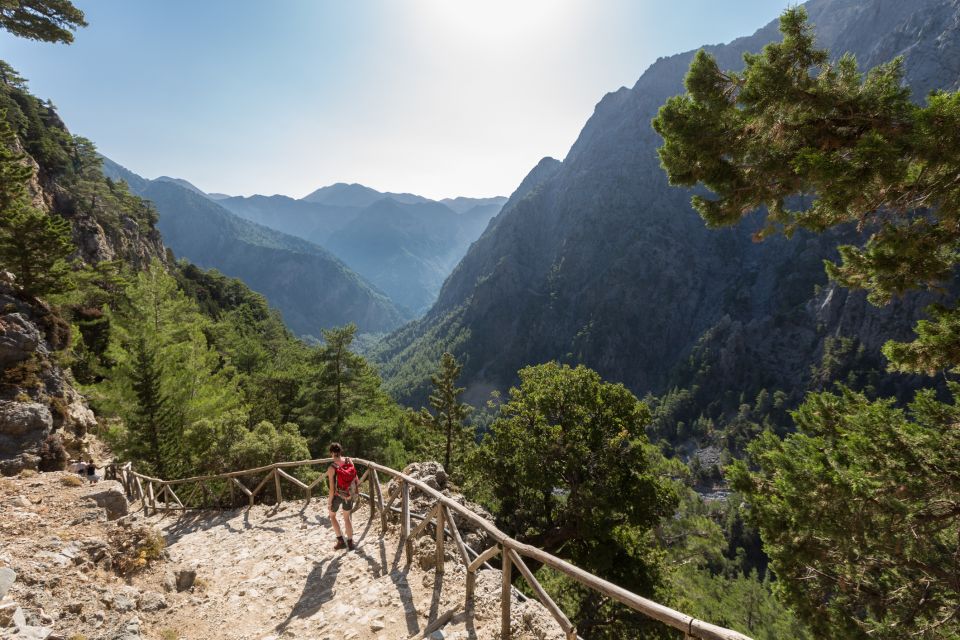
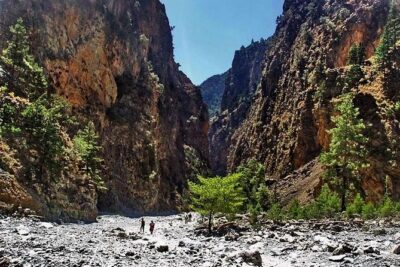
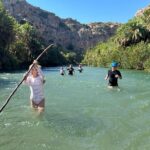
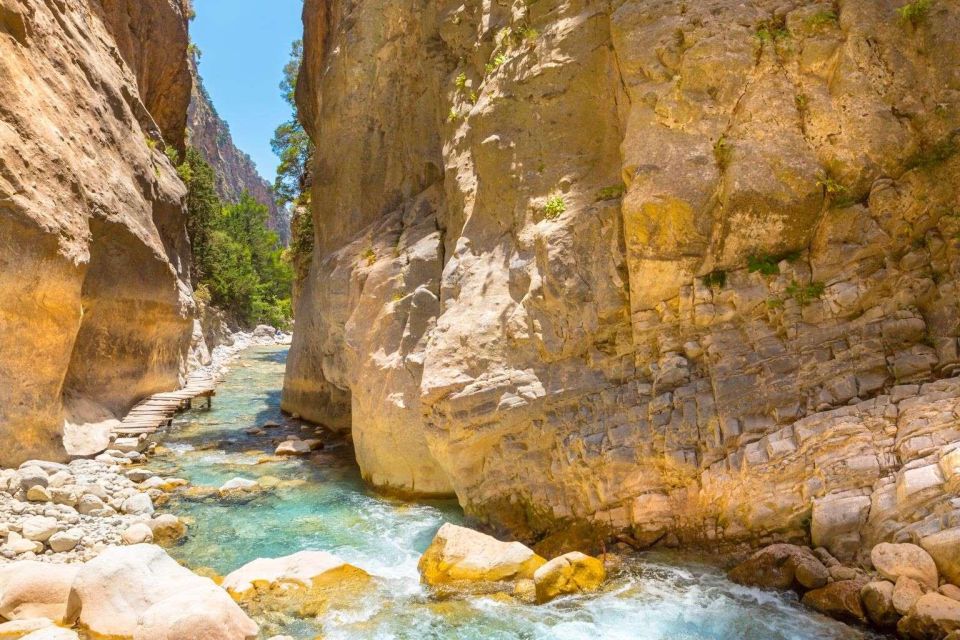
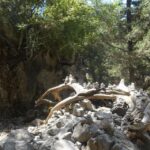
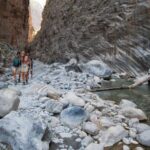
Now you’re in the main event. The hike runs about 16 kilometers through forests, rugged rock, and the kind of narrow canyon scenery that makes you look up more than you expect.
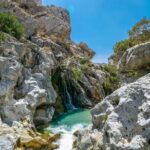
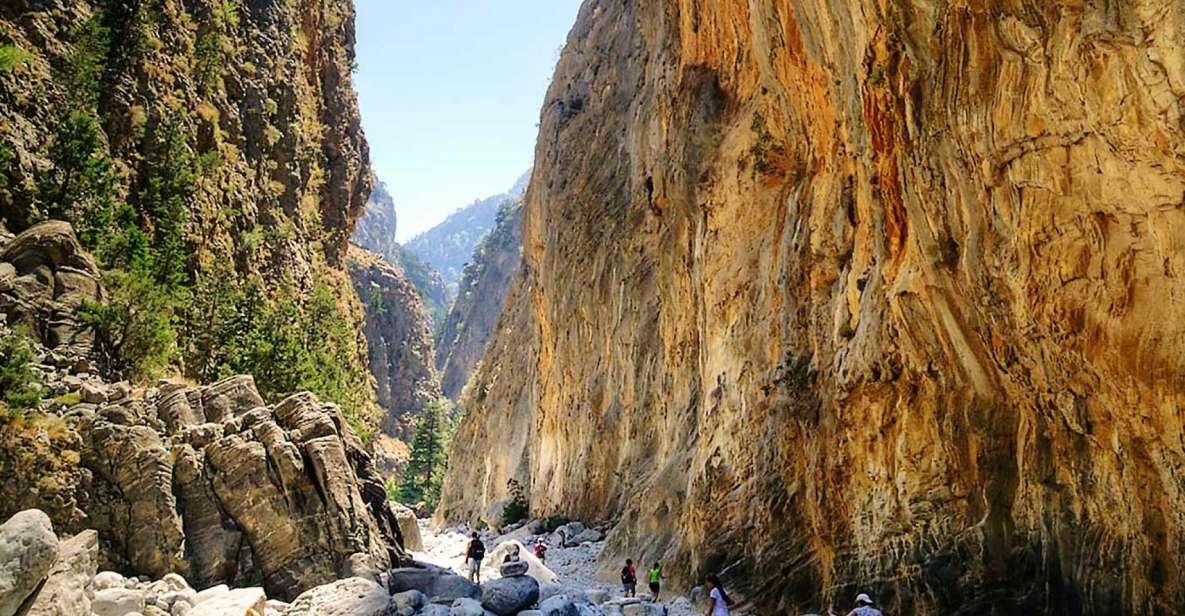
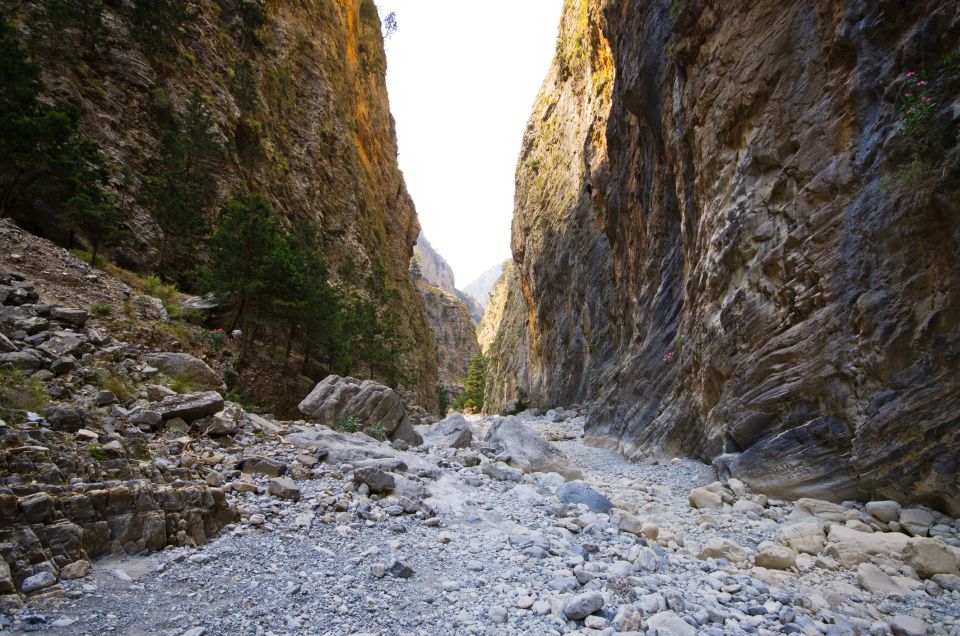
One of the most iconic sections is the Iron Gates. You’ll pass through this tight passage where the cliffs rise nearly 300 meters. It’s dramatic in a very practical way: the gorge walls make the light change, and the narrowing adds a “corridor” feeling that’s hard to get from photos.
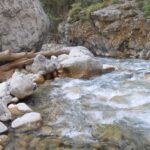
Along the way, you’ll see crystal-clear springs and water points. People also mention bathrooms at trail checkpoints, which helps on a day that can run long. Even if you’re confident, carry water and plan to refill—conditions and crowds can push your pace.
There’s also the possibility of seeing the Kri-Kri, Crete’s wild goat species found only in this region. You shouldn’t count on a sighting like it’s a parade, but I like tours that include wildlife awareness. It makes you watch the slopes and ledges instead of only scanning your footing.
What Really Makes This Hike Hard (and How to Survive It)
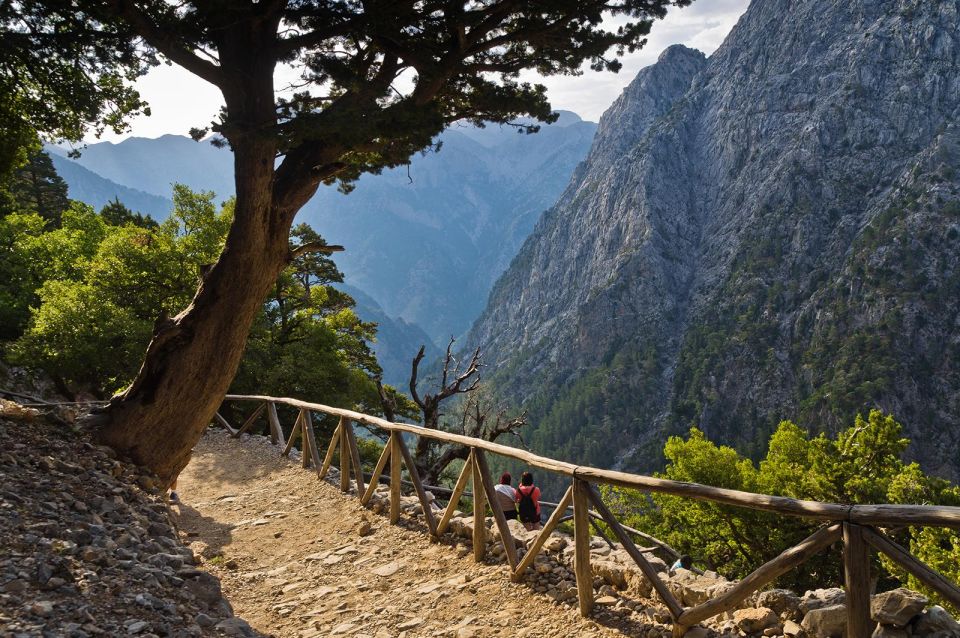
Samariá is famous for a reason, but the hard part is not just distance. It’s the combination of steep downhill, uneven rock, and boulders.
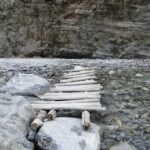
A lot of hikers describe the gorge as extremely rocky and uneven, with slippery spots. One traveler even said the early view is mostly what’s under your feet for the first 1.5–2 hours—steep steps plus technical footing. If your hiking experience is mostly flat trails, this is where you’ll feel it.
Here are the tactics that keep showing up in real-world comments:
- Wear proper hiking shoes with grip, not just trainers.
- Consider hiking poles. One review mentions renting poles for about €3, and people say they really help with knee load during the steep descent.
- Watch your timing and heat. Even in cooler months, you can warm up fast once you’re working. One person solved a hot moment by dipping their cap in gorge water.
- Plan for recovery. A common theme is that your legs will feel it for a day or two after.
Distance-wise, the tour is around 16 km, but real tracking can come out higher depending on your exact route and when you start timing. One review mentioned a total closer to 17 km, and another said around 19 km for their app based on extra segments. The exact number matters less than the effort: you’re descending a lot, and one person cited a descent of about 1250 meters.
You can also read our reviews of more hiking tours in Crete
Agia Roumeli: Lunch, Beach Time, and a Real Swim Reward
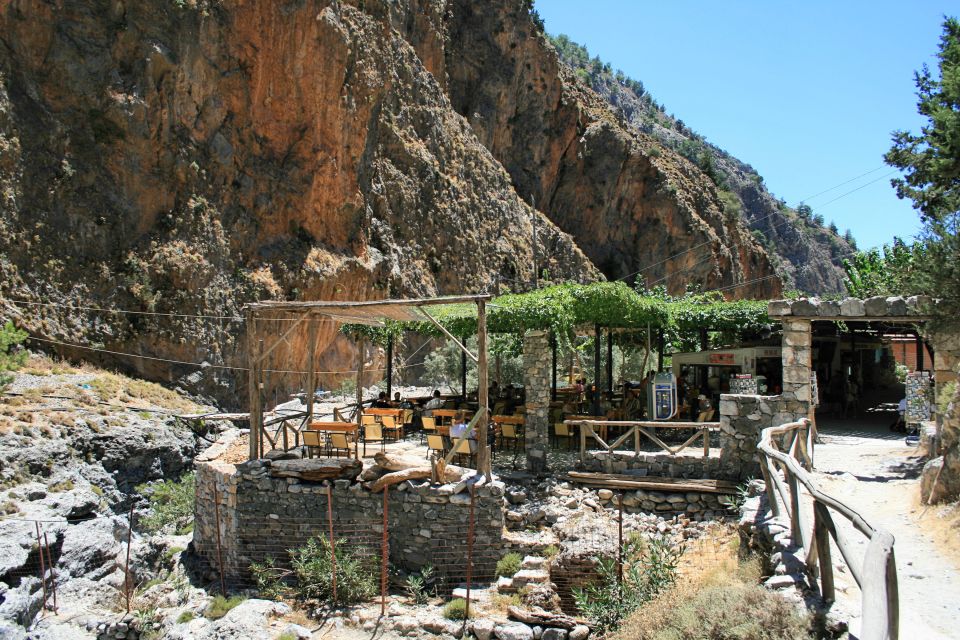
When you reach the end, the mood changes fast. You go from rock and momentum to village time and sea air.
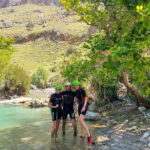
Your hike ends in the seaside village of Agia Roumeli. There’s time for lunch at a traditional beachfront taverna, plus time to relax. The best part is that you can swim in the Libyan Sea. After hours of stone and slope, getting in the water feels like someone turned down your body’s “alarm volume.”
A practical note: the beach sand can get extremely hot. One traveler recommended bringing extra help, like shoes for the hot stones or even a way to sit comfortably on the beach.
If you’re sore, don’t rush lunch. Use the sea time to reset your legs. People also mention that there are restaurants and a pleasant town atmosphere right after the hike—so you’re not stranded in a “dead end.”
Ferry to Sougia and the Long Road Home
After you’ve had time to swim and refuel, you take a ferry from Agia Roumeli to Sougia. One traveler described the ferry as about an hour.
This is more than a transport link. It’s a chance to see southern Crete’s coastline from the water while you stop exerting yourself. Then the plan continues with your bus ride back to Chania or Rethymno.
One review also highlights that you should expect another stretch of driving after the ferry. If you’re prone to motion sickness, keep that in mind—mountain roads can be windy, and you’re in a bus for a while.
Price and Value: What You Pay, What You Still Need to Budget
The headline price is about $37 per person for the guided experience with pickup. For many visitors from Chania and Rethymno, that price is less about the gorge itself and more about the full-day coordination: getting you to Omalos, guiding the hike, and handling the coach and ferry timing.
Two important add-ons:
- Entrance fee: €10 for the national park
- Boat ticket: €14 (ferry)
Some hikers suggest keeping cash ready for the ferry. One traveler said they needed cash for the boat ticket, while the entrance fee could be paid by card or cash.
So the math is: you’re paying for the logistics and guide, then you still budget for park entry and ferry. The good value part is that you don’t need to manage the complex pieces by yourself, and the guide helps people actually finish the hike safely.
What to Bring: The Small Stuff That Saves Your Day
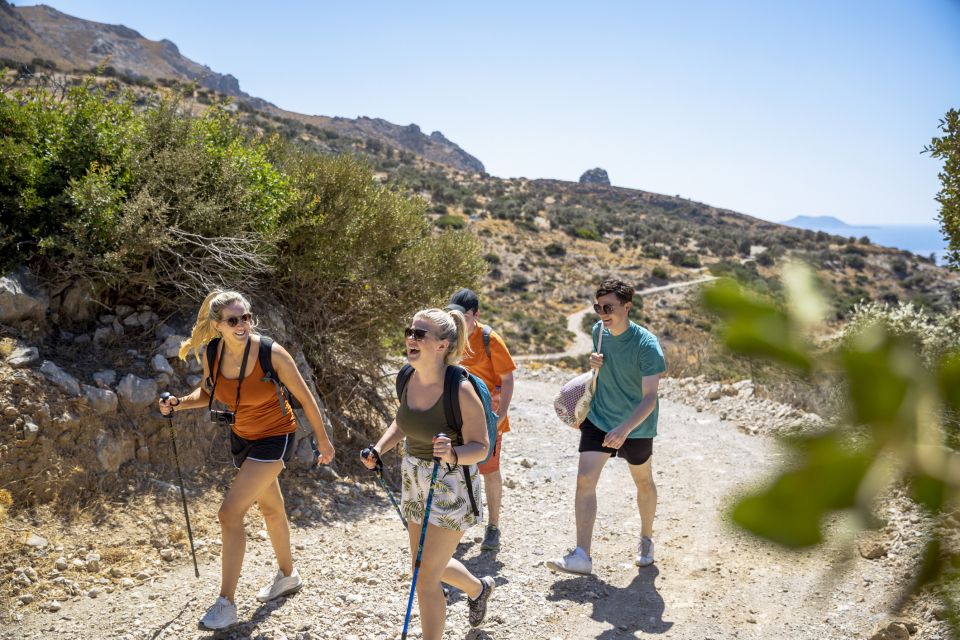
I treat Samariá like a knee-and-foot day first, sightseeing day second. Bring what you’ll use when the trail turns rocky.
A sensible packing list based on what the tour asks for (and what hikers stress):
- Hiking shoes with grip
- Water
- Hat and sunscreen
- Sunglasses
- A light layer if mornings feel cool
A couple of extra real-world tips from experiences:
- Bring snacks/food. It’s a long day, and you might want energy on your schedule.
- If you can, carry a small “post-hike comfort” plan like shoes for hot sand or even a change of socks.
Also, expect bathrooms and water points along the way, but don’t assume they will replace good hydration habits. Refill and keep moving.
Weather and Route Changes: When the Day Doesn’t Go Exactly as Planned
Crete’s weather can be dramatic, and mountain conditions can change quickly. One traveler reported that the gorge was closed due to high winds right as they were about to arrive, and the guide arranged an alternative hike—Imbros Gorge—then helped them rebook Samariá for a later discount.
That doesn’t mean it will happen to you. But it does mean you should pack mentally for Plan B. If conditions force changes, it’s better to stay flexible than to act like the day is broken.
Who This Tour Suits Best (and Who Should Skip It)
This is ideal if you’re an active traveler who wants a guided route through a major natural site. It’s also a good fit if you like having people manage the “how do we get there and back” portion.
It’s not for everyone. The activity info lists it as not suitable for:
- children under 6
- people with heart problems
- people with diabetes
- wheelchair users
- pregnant women
- people with high blood pressure
If you’re deciding on your fitness level, be honest about steep downhill ability. Even hikers who said it’s doable still called it tough and technical. If you’ve struggled with slippery stairs, rocky descents, or knee pain on hikes, take that seriously.
Should You Book This Samaria Gorge Hike With Pickup?
If you want the best combo of value and effort, I think this tour is a strong choice. The guided hike, the pickup from Chania or Rethymno, and the ferry finish at Agia Roumeli take a headache out of a day that’s already intense.
Book it if:
- you’re comfortable with steep, rocky walking
- you want a guide who can keep the day organized
- you like the idea of finishing with a Libyan Sea swim
Skip it or reconsider if:
- you’re looking for an easy stroll
- you know uneven, slippery footing triggers pain
- you’re in one of the listed health categories
If you book, do one thing that matters: bring the right shoes. In Samariá, that’s not an accessory. It’s your best safety gear.
FAQ
How long is the Samariá Gorge guided hike?
The tour runs for a full day (listed duration: 1 day). Expect a long schedule from early pickup to late return.
Where do I get picked up?
Pickup is from your hotel or the closest point to your accommodation. Pickup details are sent to you by email one day before the tour.
How long is the hike through the gorge?
The hike is about 16 kilometers through the Samariá Gorge area.
Do I need to pay extra fees during the tour?
Yes. Entrance fees for the national park are listed as €10, and ferry (boat) tickets are listed as €14.
What happens at the end of the hike in Agia Roumeli?
You get time to relax in Agia Roumeli, including lunch options and time to swim in the Libyan Sea. Then you take a ferry to Sougia.
What type of transportation is included?
Round-trip transportation by air-conditioned bus is included, plus the ferry ride as part of the day’s route (boat ticket is not included).
What time should I bring for the day?
The schedule includes multiple long rides and a full hike. Some travelers report the total day being around 14 hours.
What should I bring for the hike?
Bring a hat, water, sunscreen, hiking shoes, and sunglasses.
Is this tour guided in English?
Yes. The tour includes a live English-speaking guide.