Five dishes, one family kitchen, and an olive grove. I love the wood-fired stone oven start, especially the slow lamb that gets tied to the legend of the thieves dinner, and I love the hands-on step where you master dolmades and kalitsounia.
You’ll be cooking, eating, and learning in a real home setting, with garden ingredients and family stories mixed in. One thing to plan for: the class is about 10–15 minutes from Chania center, and transportation depends on the pickup/transfer option you choose, so build in a little extra time for getting there.
In This Review
- Chania Olive Grove Cooking: The Real-Home Difference
- Why that matters for you
- Your 4-Hour Mediterranean Menu Starts With Wood-Fired Lamb
- Arrival and menu setup with Greek coffee or homemade refreshment
- The oven-roasted lamb that cooks for over two hours
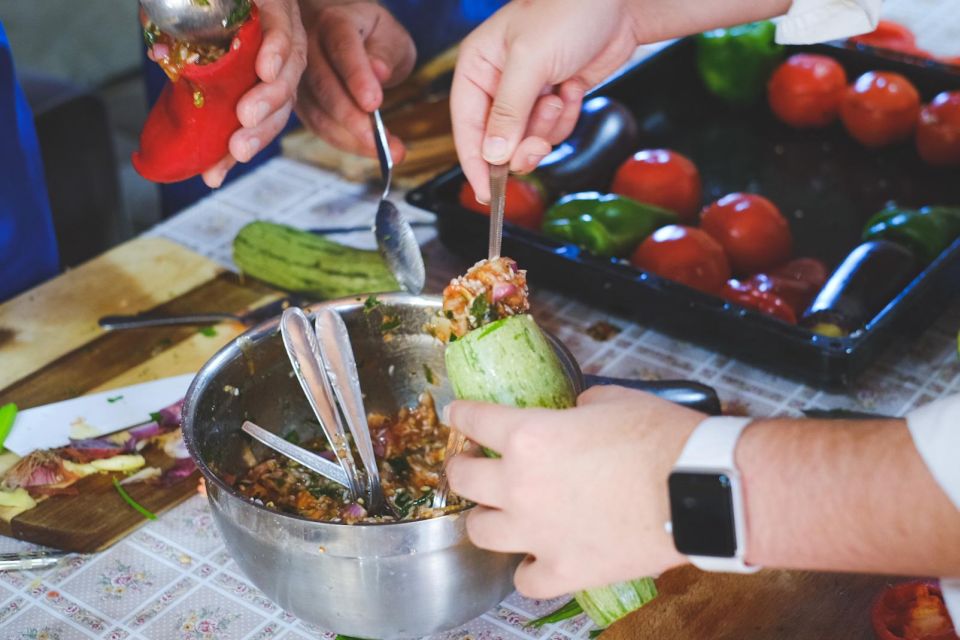
- Stuffed vegetables and dolmades: garden herbs, careful rolling
- Kalitsounia dough and filling: roll, stuff, and shape
- Appetizers You Make Last, Then Eat First: Tzatziki and Dakos
- Eating the Full Cretan Table: Wine, Raki, Dessert
- Garden-to-Table Ingredients and Skills That Travel Home With You
- The teaching team and the family rhythm
- Getting to Nerokourou: Pickup, Taxi, and Parking Reality
- Practical tip before you go
- Price at $129: What Makes It Good Value
- Who Should Book This Cretan Class
- Should You Book This Chania Cooking Class With Veerna
- FAQ
- What dishes will you cook in this Chania class?
- How long is the cooking class?
- Is transportation included?
- Where is the cooking class located?
- What drinks are included?
- Is the class wheelchair accessible and taught in English?
Chania Olive Grove Cooking: The Real-Home Difference
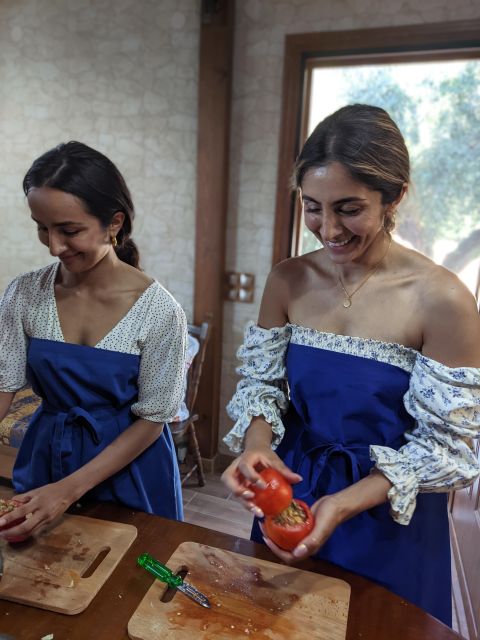
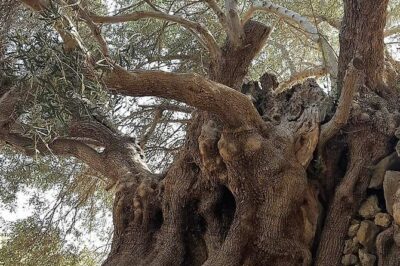
This is the kind of cooking class that feels like you’ve been invited into someone’s day, not herded through a script. The setting is on a family property shaded by avocado and olive trees, with views over the olive farm area and even farm animals mentioned by past participants. You’ll also notice the personal touch fast: your hosts greet you right away, and familiar faces may pop by to say hello.
The name you’ll hear again and again is Veerna. People describe her as the best cook in the area, and they connect her kalitsounia to years of practice and selling them locally. In practice, it means you’re learning from someone who actually cooks this food all the time, not someone reading from a textbook.
Why that matters for you
Cretan cooking is about timing, texture, and simple ingredients treated with respect. When the person teaching you has cooked these dishes for years, you get the little choices that make the food work: how to roll without tearing, when dough should feel ready, and how to balance flavors so they still taste like home on your first try.
You can also read our reviews of more cooking classes in Chania

Your 4-Hour Mediterranean Menu Starts With Wood-Fired Lamb
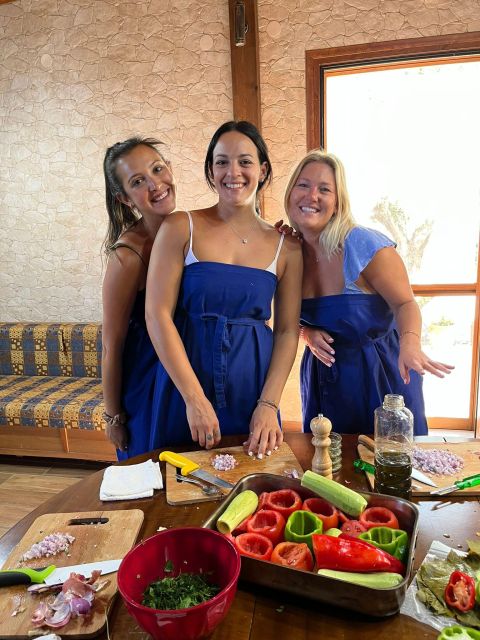
The class runs about 4 hours. The flow is smart: things that need long cooking time happen first, then you get your hands busy while the oven does its job.
Here’s how the evening typically unfolds.
Arrival and menu setup with Greek coffee or homemade refreshment
First you’re welcomed with a homemade refreshment or a Greek coffee, plus cookies. While you’re snacking, you’ll get a clear picture of the Mediterranean-style menu and what you’ll be making. It’s a good start because once you know the order, you can relax into the cooking instead of wondering what comes next.
The oven-roasted lamb that cooks for over two hours
The first dish you prepare is oven-roasted lamb, made in a wood-fired stone oven. You’ll learn why it’s called the thieves dinner and hear the historic significance tied to that name. If you like your food stories with context, this is where you get it, not just a quick name-drop.
From a practical standpoint, this long bake changes everything. Slow roasting in a stone oven is why the lamb ends up rich instead of dry, and the timing also controls the whole class pace.
Stuffed vegetables and dolmades: garden herbs, careful rolling
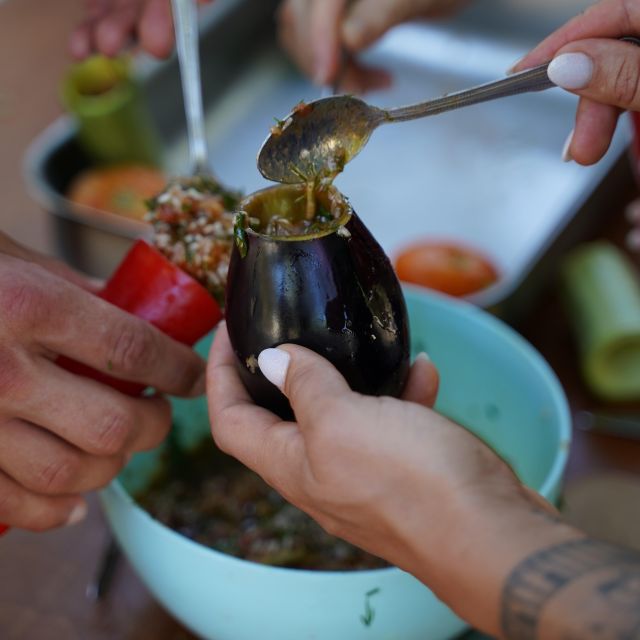
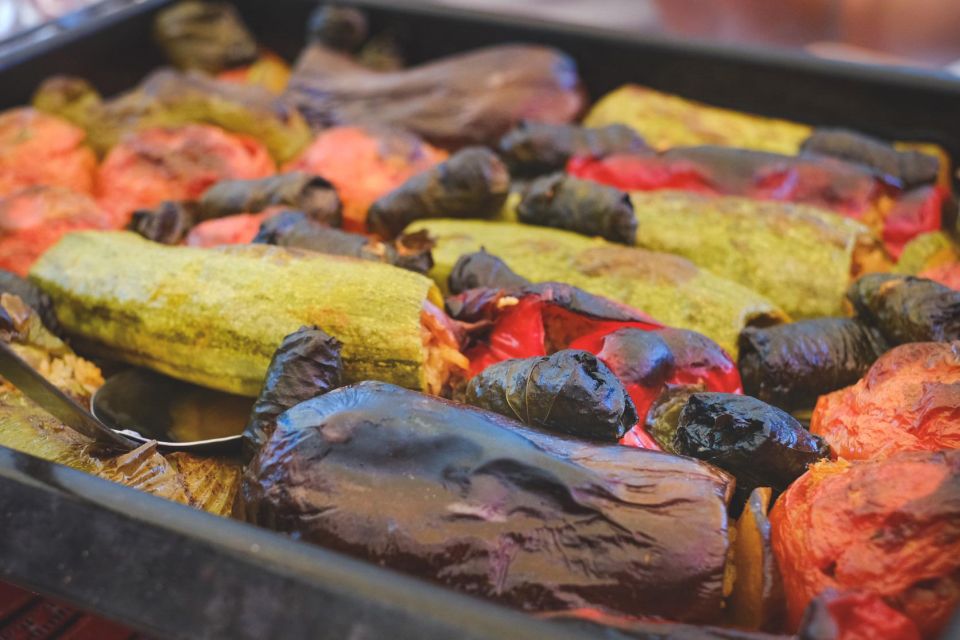
After the lamb is underway, you’ll work on stuffed vegetables and stuffed grape leaves, also known as dolmades. This is where the class goes full hands-on.
You’ll gather herbs and vegetables from the garden for the stuffing. Rolling the grape leaves is delicate work, and you’ll learn the technique rather than just being told to try. Once rolled, they go into the oven as well, which keeps the momentum going while you switch between tasks.
You can also read our reviews of more tours and experiences in Chania
Kalitsounia dough and filling: roll, stuff, and shape
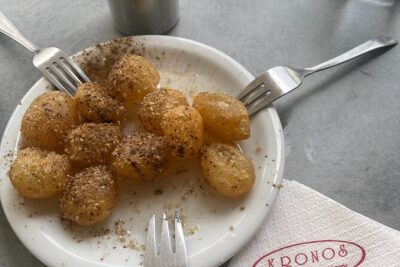
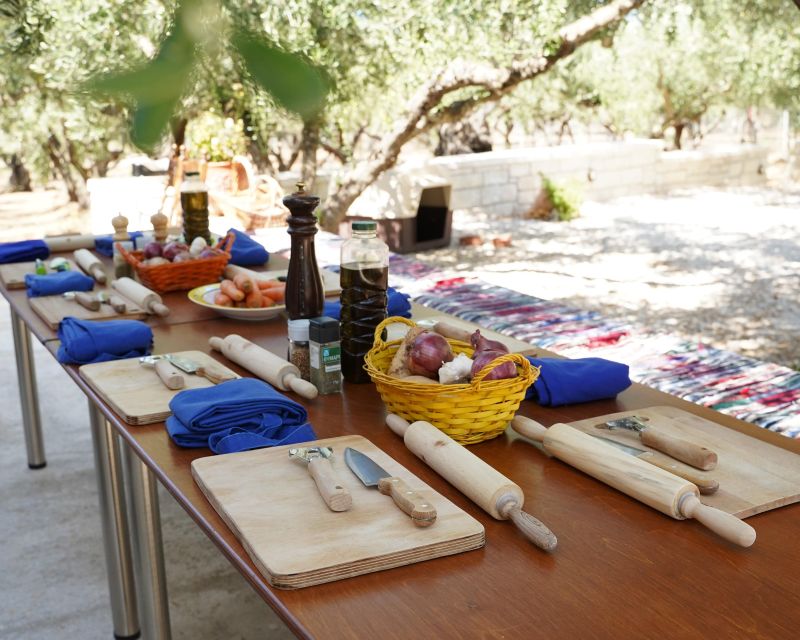
Next up is kalitsounia. You’ll get your rolling pins out for the dough, then fill it with cheese and wild greens. Past participants say the recipes are approachable enough to recreate later, which matters if you’re taking this class mainly for skills, not just a meal.
The teaching style seems to hit a sweet spot: clear instruction, friendly correction, and enough guidance that even first-time bakers don’t feel lost.
Appetizers You Make Last, Then Eat First: Tzatziki and Dakos
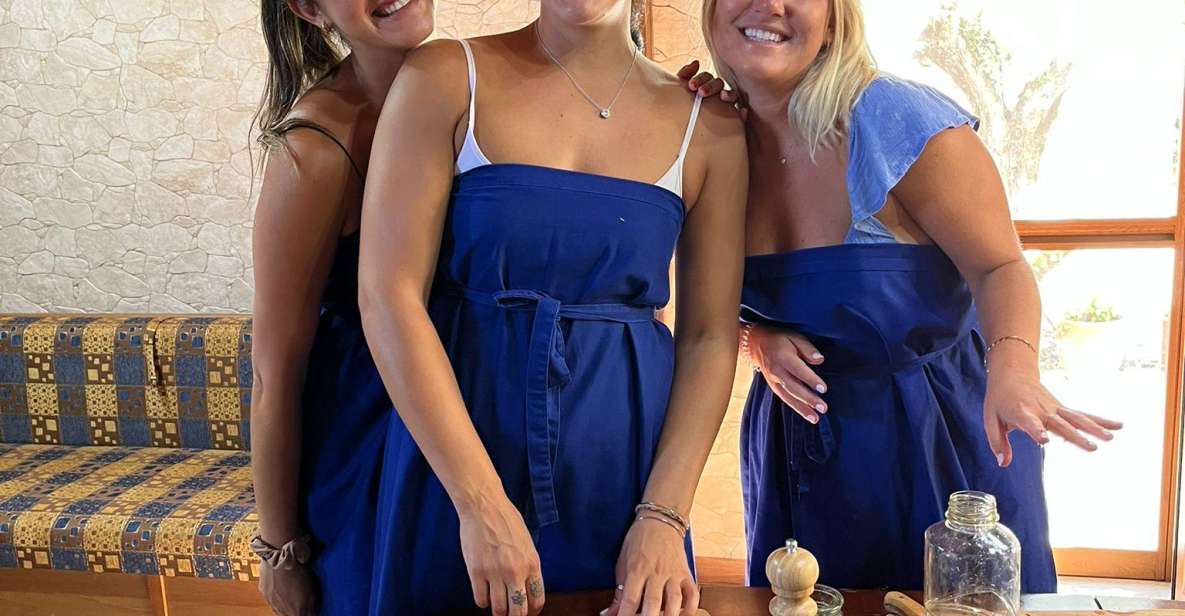
The class builds an appetite on purpose. You prepare appetizers later in the session but you enjoy them first—tzatziki and dakos—so you get that relief of taste while the oven tasks keep running.
Tzatziki is simple, but it’s also a great way to see how Cretan flavors stay clean and straightforward. Dakos brings a traditional Cretan feel to the table, and together the two starters set you up for the bigger plates without making you too full too early.
If you’ve ever taken a cooking class where the food feels like an afterthought, this is the opposite. You’ll be eating as you go, not waiting at the finish line.
Eating the Full Cretan Table: Wine, Raki, Dessert
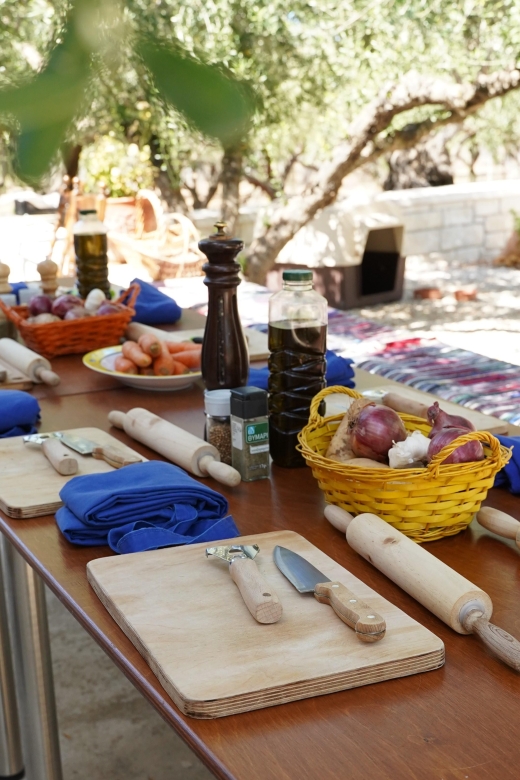
Once your cooking is done, it turns into a proper meal. You’ll enjoy the traditional Cretan dishes you created, with copious local wine and raki.
That part matters more than it sounds. When the drinks are included in the experience, you’re not juggling cash at a restaurant or trying to decide between food and beverages. It turns the class into the meal you were probably hoping to find anyway.
Then comes dessert. Something sweet is always offered at the end, so leave room even if you think you’re already full. Past participants also describe leaving with leftovers in take-home boxes, so you can stretch the meal into another day back in your room.
Garden-to-Table Ingredients and Skills That Travel Home With You
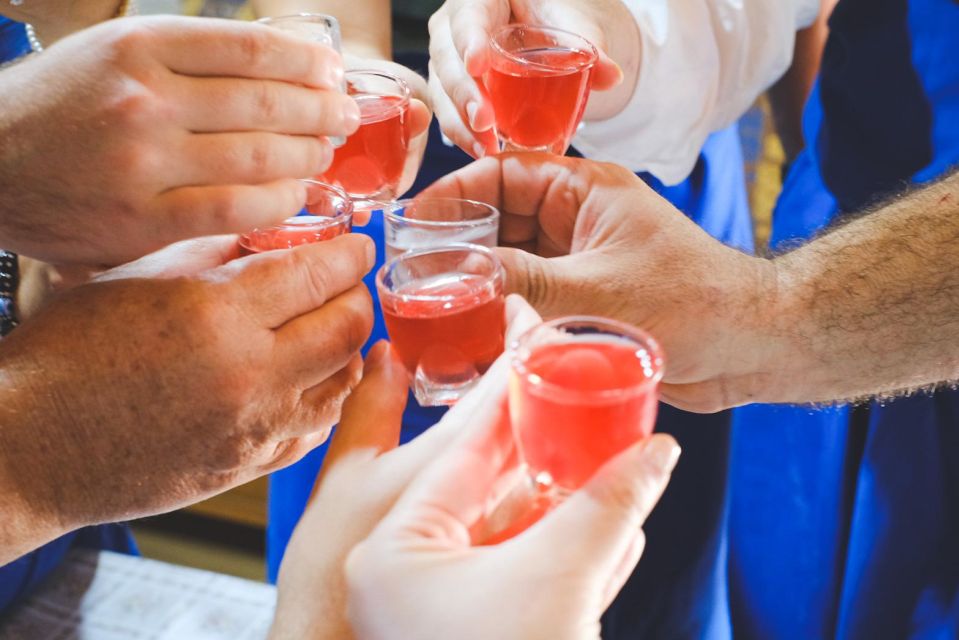
What stands out here is the connection between ingredients and technique. The info is clear: ingredients are picked straight from the garden or sourced from local farmers. That’s not just a feel-good detail. It’s why the cooking tastes “right” even when you’re learning it for the first time.
You’re also practicing skills that are hard to learn from a restaurant recipe. Rolling grape leaves takes finesse. Working with kalitsounia dough means learning how to handle thickness and filling so it bakes up properly. And because you’re doing multiple dishes, you’re not just learning one thing in isolation.
The teaching team and the family rhythm
Veerna is the head instructor, but you may meet other family members involved in the teaching and timing. In one class format, Nico and assistant Alex are mentioned, along with the broader family environment. People describe the atmosphere as warm and well organized, with conversation and history mixed into the work.
For you, that means the class isn’t only about food mechanics. You’ll also leave understanding why certain dishes matter in Crete, including the “thieves dinner” story and the traditions behind the menu.
Getting to Nerokourou: Pickup, Taxi, and Parking Reality
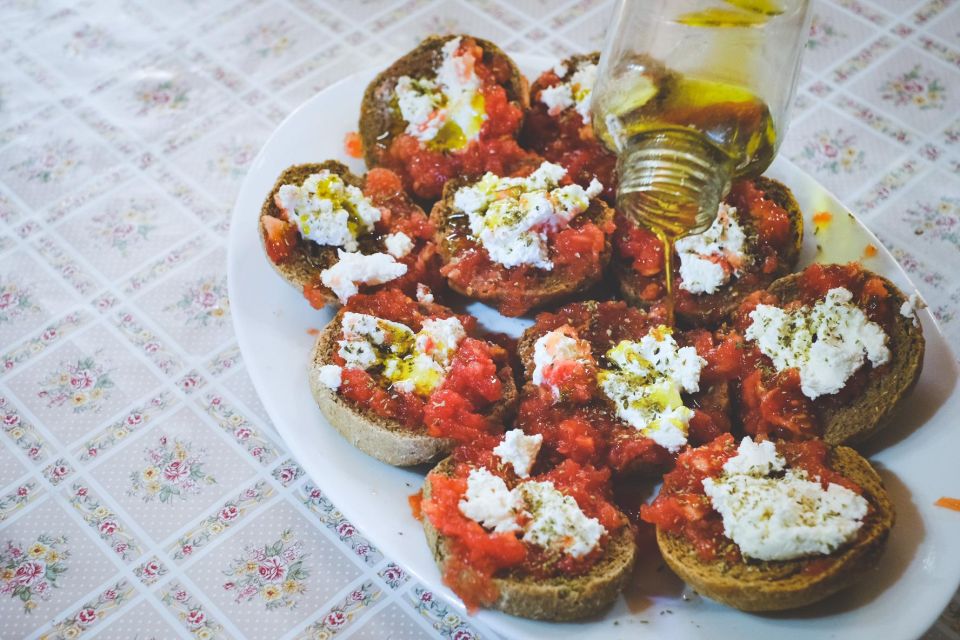
Chania Cooking Class is located about 10–15 minutes from the center of Chania, in the neighborhood of Nerokourou. It’s easy to reach by car or taxi, and you should park along the fence.
Pickup is included via the activity’s exact meeting point. If you want transfer from your location, it’s available for an extra fee. The transportation is semi-private, using a 9-seat van and an EV with a 5-seat capacity, so you might share the vehicle with other participants joining the same class.
Practical tip before you go
If you’re staying close to the center and you’re renting a car, double-check whether you prefer to drive and park rather than rely on pickup timing. If you’re arriving from a cruise port or a different area, ask for the transfer option early in your booking so you’re not scrambling.
Price at $129: What Makes It Good Value
At $129 per person for a 4-hour experience, this isn’t a budget cooking class. What makes it feel worth it is what’s included.
You get:
- everything you need for the experience (ingredients and the full setup)
- lunch or dinner made from what you cook
- generous local wine and raki
On top of that, you’re not just paying for eating. You’re paying for hands-on instruction in multiple dishes and the chance to learn techniques you can repeat at home. Past participants also mention receiving recipes to try after you return, which boosts the value because you’re not losing the “class benefit” the moment you leave.
If your ideal vacation day includes one great meal plus a skill you’ll actually use later, this price starts to make sense fast. If you want a quick tasting only, this may feel like more time than you need, because you’re really working and cooking.
Who Should Book This Cretan Class
This class fits best when you want food, stories, and practical technique all together.
It’s a strong match if:
- you like hands-on cooking rather than watching from the side
- you want to learn Cretan dishes like dolmades and kalitsounia with step-by-step help
- you enjoy eating with local wine and raki as part of the experience, not as an add-on
It also seems to work well for families. One family booking described their kids enjoying the vegetables and joining in, which is a good sign if you’re traveling with teens or younger kids who might otherwise avoid “cooking class food.”
Should You Book This Chania Cooking Class With Veerna
Yes, I’d book it if you care about getting the how, not just the what. The biggest reason is the combination: garden-sourced ingredients, a real wood-fired stone oven, and instruction led by Veerna, plus family warmth that keeps the experience from feeling stiff.
I’d pause if you’re very time-sensitive. Since it’s about 10–15 minutes from the center and transport options can involve pickup meeting points or optional transfer, you’ll want to plan your day so you’re not rushing to make it on time.
If you want one meal in Chania that also teaches you the dishes you actually came for, this is the kind of class that turns into a highlight you talk about later, not just a dinner you ate.
FAQ
What dishes will you cook in this Chania class?
You’ll make oven-roasted lamb, stuffed vegetables, stuffed grape leaves (dolmades), and kalitsounia. You’ll also prepare appetizers that are enjoyed first, including tzatziki and dakos, and dessert is always served at the end.
How long is the cooking class?
The class duration is 4 hours. Starting times vary, depending on availability.
Is transportation included?
Transportation is not included in the general sense, but pickup is provided at the activity’s listed meeting location. Transfer service is available for an extra fee depending on where you are coming from.
Where is the cooking class located?
It’s about 10–15 minutes from the center of Chania, in the Nerokourou neighborhood. It’s accessible by car or taxi, and parking is available along the fence.
What drinks are included?
The experience includes generous amounts of local wine and raki.
Is the class wheelchair accessible and taught in English?
Yes. It is wheelchair accessible, and the instructor teaches in English.