Samariá Gorge is the kind of day trip Crete does best. This guided hike runs through a UNESCO-listed biosphere reserve, with dramatic limestone cliffs and little villages along the way. It’s also a full-day production that’s surprisingly well organized if you show up prepared.
I like the structure here: hotel pickup, an expert local guide, and clear pacing for a demanding route. I also like that the day ends with a boat transfer from Agia Roumeli back toward Sougia, so you’re not totally wrestling the geography on tired legs. One key drawback: the gorge walk is rough and uneven, and the experience is simply not for everyone—especially if you have heart issues, are pregnant, have mobility limits, or you’re carrying a lot of expectations about an easy stroll.
In This Review
- Key things to know before you go
- Why Samariá Gorge is worth the effort (and what makes it different)
- From Chania to the gorge: timing, coach comfort, and meeting points
- Tackling the 18 km walk: what the terrain does to your body
- Toilets, water stops, and the art of pacing inside the gorge
- Agia Roumeli break: where the day shifts from climb to coast
- The boat back to Sougia and the return coach ride
- Price breakdown: is it good value for the full day?
- Who should book this hike (and who should skip it)
- What to bring for a safer, more comfortable Samariá day
- Should you book this Samariá Gorge day trip from Chania?
- FAQ
- How long is the full Samariá Gorge day trip from Chania?
- How long is the Samariá Gorge hike?
- Are the Samariá Gorge admission fee and the boat ticket included?
- Is food included during the break at Agia Roumeli?
- What kind of terrain should I expect?
- Who is this hike not suitable for?
- What should I bring, and what is not allowed?
Key things to know before you go
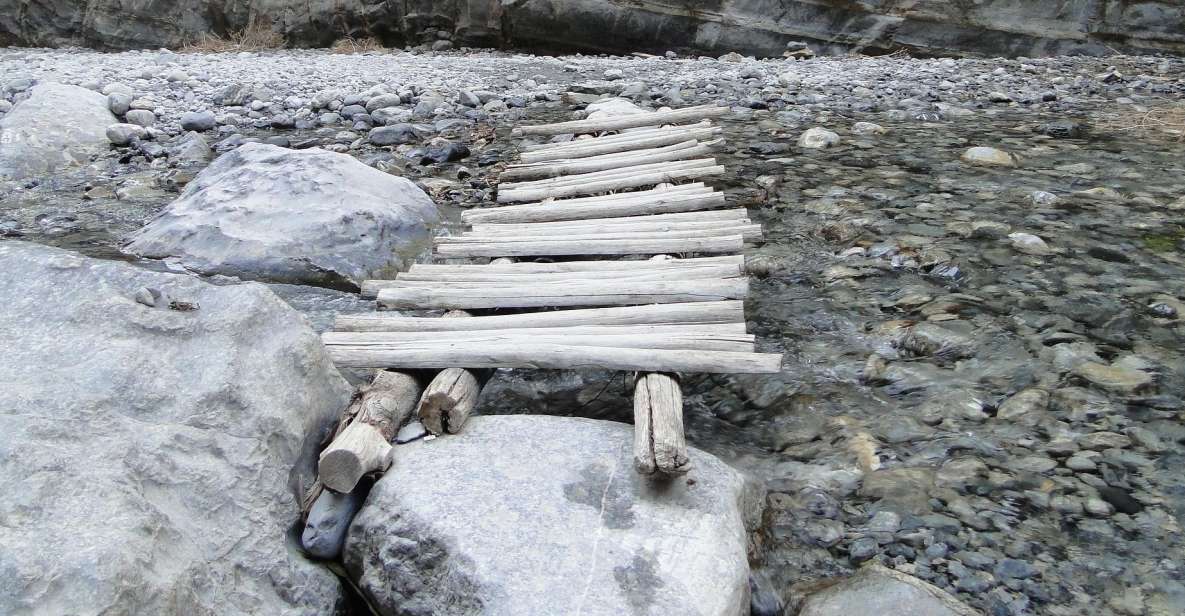
- 18 km hike through rough, rocky terrain that’s uneven underfoot
- UNESCO Biosphere Reserve setting with tight gorge sections that can get only about 3 meters wide
- Toilets and drinking water stops spread along the route to keep you moving safely
- Agia Roumeli break at the end of the gorge, with food and drinks available for purchase
- Boat ride to Sougia, then coach back toward Chania
- Local guides can make or break the day; guides like Pari, Nikos, and Ingrid are called out for strong guidance and organization
Why Samariá Gorge is worth the effort (and what makes it different)
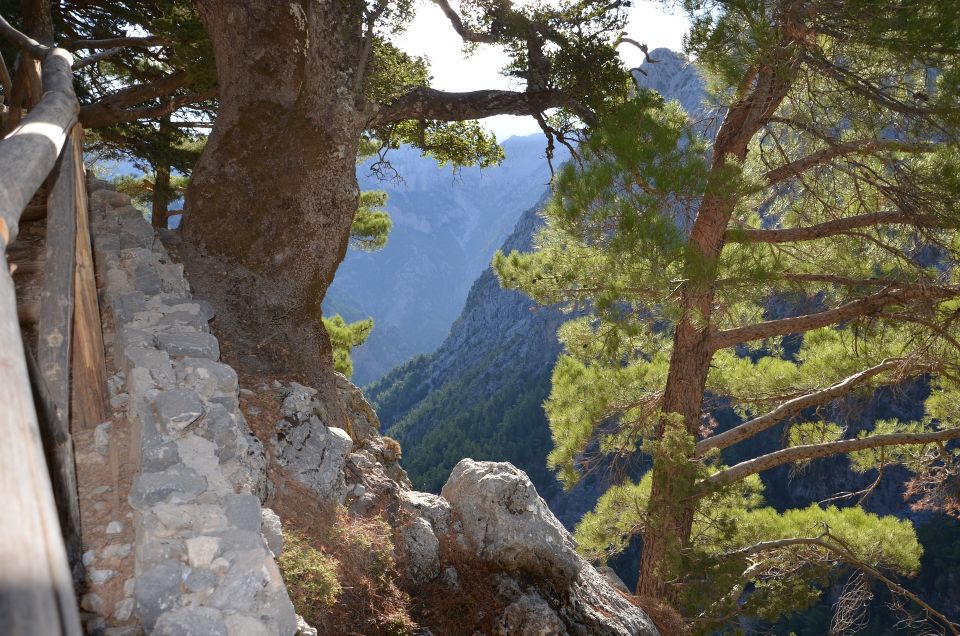
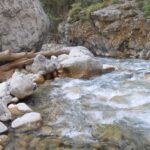
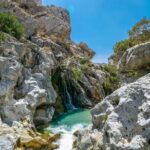
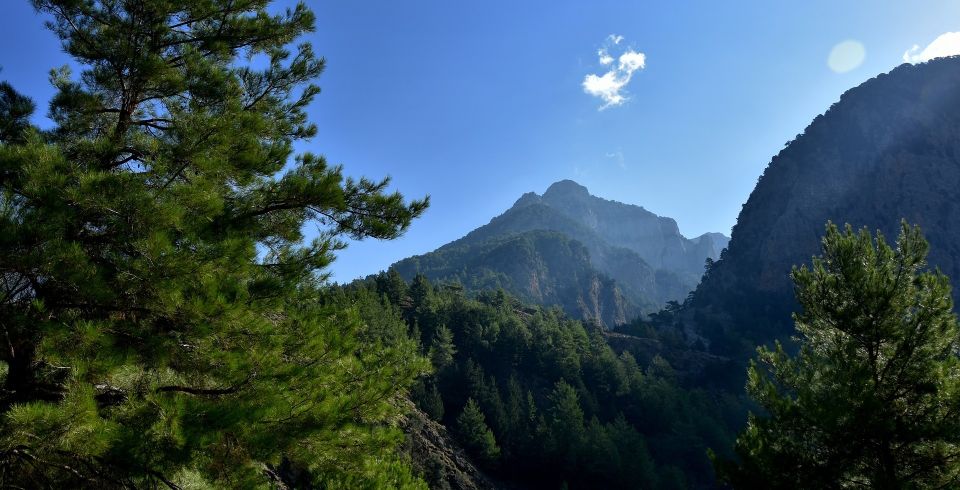
Samariá Gorge isn’t just scenery you pass by. The hike is the show—an 18-kilometer pull through limestone walls that pinch in and then open up, with the route shaping how you experience Crete’s interior. You’ll get that sense of being inside a natural corridor, not just outside looking at cliffs.
It’s also a UNESCO Biosphere Reserve, which matters because it explains why the area is protected and why the rules and route design are taken seriously. This is one of those hikes where you feel the landscape working on you: the narrow sections change your breathing, the rocks change your foot placement, and the sun changes everything about how fast you’ll move.
The other big reason I’d put this on your “must-do” list from Chania is that it’s not only hiking. The day connects the gorge to real village life and then ties it back to the coast with a boat ride. In other words, you’re not just doing cardio—you’re doing a full loop of the island’s changing character.
You can also read our reviews of more hiking tours in Crete
From Chania to the gorge: timing, coach comfort, and meeting points
This is an 11-hour outing built around getting you out of Chania and back by day’s end. You’ll be picked up from your hotel and ride in an air-conditioned coach to the park area. Once you’re there, the guide helps you get oriented and ready for the route’s demands.
The practical reality: coach time is long enough to matter. One review flagged that the bus can be full with tight seating and limited legroom, so if you’re tall or just hate cramped rides, you’ll feel it. Bring patience, use the time to hydrate, and don’t assume you’ll have a comfy lounge experience.
Also, plan for the schedule to have “waiting pockets.” If you hike faster than the average pace, you may finish earlier and then have a chunk of free time later in the day before ferry departure and the return process. That’s not a deal-breaker, but it is good to know so you don’t end up thinking something went wrong.
Tackling the 18 km walk: what the terrain does to your body
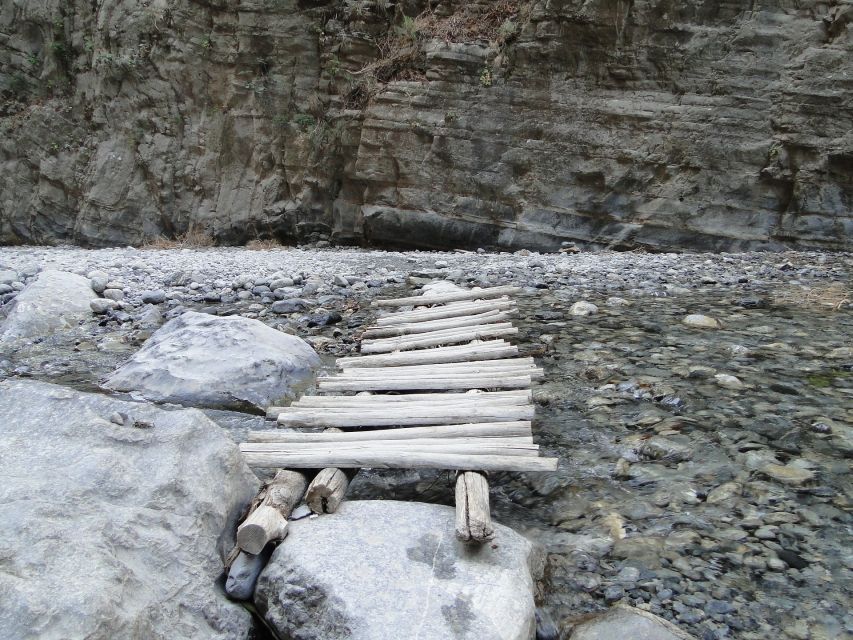
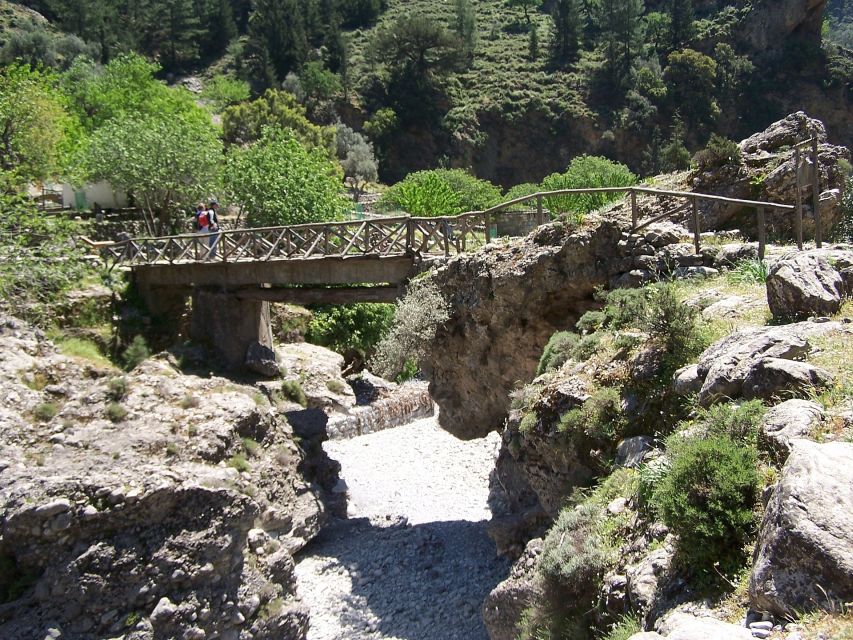
The full hike across the gorge is about 18 kilometers, and the terrain is described as rough, rocky, and uneven. That means you’re not only dealing with distance. You’re dealing with footing that changes every few minutes: flat-ish stretches, then boulder fields, then narrow passages where you may need to climb over rock.
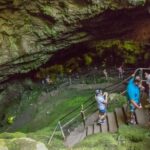
You’ll also encounter sections where the gorge is extremely narrow—around 3 meters wide at times. That kind of squeeze makes the hike feel more intense because your space is limited and your attention has to stay on where your feet land.
This route is not suitable if you have heart problems, if you’re unfit for strenuous activity, or if you’re pregnant. Those are clear-cut limitations in the information, and they’re honestly not overcautious. If you’re unsure, it’s better to choose a gentler Crete day, because the gorge doesn’t slow down to accommodate.
The good news? A strong guide helps you read the route and keep your energy. Guides such as Nikos are specifically praised for giving excellent instructions before the hike, which is exactly what you want when the terrain is unpredictable.
Toilets, water stops, and the art of pacing inside the gorge
One reason the day feels manageable is that there are stopping points along the route with toilets and drinking water. That’s a big deal on a long, rocky hike, because it reduces the risk of running out of what you need and it lets the group regroup.
Still, you’ll want to pace yourself like a pro. In rough gorges, speed is expensive. If you push too hard early, your feet and calves pay the price later—especially once you’re tired and negotiating boulders.
From a planning point of view, I like having those built-in stops because it makes the day easier to manage if you don’t want to micromanage every hour. You can focus on the hike itself: step placement, breathing, and enjoying the moment rather than calculating logistics every 10 minutes.
Agia Roumeli break: where the day shifts from climb to coast
You reach the end of the gorge at Agia Roumeli, where the tour includes a break and time to eat. Food and drinks aren’t included in the price, but you can buy what you need there. This is exactly the moment when you’ll appreciate that the hike ends in a real place, not just a remote exit.
This part of the day also sets up the change in effort level. You’re no longer fighting the gorge floor. Instead, you’re transitioning toward sea level, which usually feels like a relief even if your legs are still sore.
One detail to keep in your head: the day can include extra waiting after you get to the sea. In one account, after arriving at the sea around early afternoon, there was still time before later ferry ticket pickup and then departure. If that happens for you, use it wisely—eat something simple, drink water, and don’t treat the time like a mini-vacation you must fill instantly.
The boat back to Sougia and the return coach ride
After the Agia Roumeli break, you return by boat to Sougia. Then you’ll be picked up by the coach for the ride back. This is a smart design choice for a hike day: it prevents the common “now we have to walk everything back” problem that drains people.
The boat portion matters for another reason too. It gives your legs a chance to loosen up while you look back at what you just walked through. Even if you’re not in a photo mood, that visual recap is useful. It helps you understand the gorge’s scale, not just its difficulty.
On the coach return, expect tiredness to show up. The day includes both outdoor effort and long transport windows, so you’ll likely be grateful for air-conditioning and a straightforward route back toward your hotel.
Price breakdown: is it good value for the full day?
The tour price is listed at $47 per person, but the key is that the day has add-ons you’ll need to budget for.
Not included:
- Samariá Gorge admission fee: EUR 10
- Boat ticket Agia Roumeli to Sougia: EUR 14
- Food and drinks
So the true cost is the base price plus the gorge fee plus the boat ticket, with lunch expenses on top. If you compare that to the cost and effort of trying to stitch this together yourself (transport, timing, and the boat), the packaged value starts to make sense.
What you’re really buying is not only transportation. You’re buying the reduced headache: hotel pickup/drop-off, the guide for a high-effort hike, and the organized return. For many people, that’s where the money goes toward saving time and avoiding mistakes.
Also, the guide component matters. When guides like Ingrid are singled out as the best, it usually means you got clear directions, smooth group handling, and a safer-feeling route experience. In a gorge hike, that’s not a luxury—it’s part of the value.
Who should book this hike (and who should skip it)
This trip is best for people who can handle a strenuous hike on uneven ground. It’s a strong match if you:
- Like long days outdoors
- Have solid hiking shoes and comfort with rocky footing
- Want a guided experience through a UNESCO biosphere setting
- Are okay with a full schedule that includes transport, a long hike, a village break, and a boat ride
It’s not suitable for:
- Pregnant women
- People with mobility impairments
- People with heart problems
- Children under 18
One more rule to respect: shorts aren’t allowed. That doesn’t sound like a big deal until you show up with summer heat plans and realize you need to adjust. Bring long pants so you can hike comfortably and stay within the rules.
What to bring for a safer, more comfortable Samariá day
Wear comfortable shoes with real grip. This hike is rocky and uneven, so your footwear matters as much as your fitness. If your shoes are fine for paved streets but not for scrambling, swap them before your day trip.
Dress for hot-to-variable weather with comfortable clothes. Even in shoulder seasons, the gorge can feel different as you move between sun-exposed and shaded sections. Bring breathable layers if you run warm.
Also bring the mindset of a hiker, not a sightseer. You’ll spend your day negotiating the ground, not just looking around. If you show up with that expectation, the day feels challenging in a good way.
Should you book this Samariá Gorge day trip from Chania?
Book it if you want the real Samariá experience: a guided, full-day effort through a protected UNESCO biosphere reserve, with a structured return by boat. The 18 km hike, the narrow gorge sections, and the way the route connects to Agia Roumeli and then Sougia make this more than a quick photo stop.
Skip or rethink it if you’re worried about the physical demands. The terrain is rough and uneven, and the hike is explicitly not suitable for people with heart problems, mobility limitations, pregnancy, or young children. Also skip it if cramped transport will stress you out more than it would help—coaches can be full with tight seating.
If you’re in the right fitness range, and you’re comfortable following route guidance and dressing appropriately, this day trip tends to deliver the kind of Crete story you’ll remember: not just what you saw, but what you had to earn to get there.
FAQ
How long is the full Samariá Gorge day trip from Chania?
The duration is 11 hours.
How long is the Samariá Gorge hike?
The walk through the gorge is about 18 kilometers.
Are the Samariá Gorge admission fee and the boat ticket included?
No. The gorge admission fee (EUR 10) and the boat ticket from Agia Roumeli to Sougia (EUR 14) are not included.
Is food included during the break at Agia Roumeli?
No. There is a break for a bite to eat, but food and drinks are not included.
What kind of terrain should I expect?
Expect rough, rocky, and uneven terrain. Some sections can be extremely narrow (around 3 meters) and may require climbing over boulders.
Who is this hike not suitable for?
It’s not suitable for pregnant women, people with mobility impairments, people with heart problems, or children under 18.
What should I bring, and what is not allowed?
Wear comfortable shoes and comfortable clothes. Shorts are not allowed.