Four hours, one authentic table. At Arolithos near Heraklion, you walk a traditional village museum and then cook a Cretan meal with a real chef-side rhythm. It’s one of those days where history and lunch are part of the same plan.
I especially like the mix of a museum village tour plus active cooking, not just a sit-and-watch class. And I also like that the food you prep becomes your actual lunch, with multiple recipes and local wine included.
One consideration: you’re responsible for your own trip there and back. It’s outside Heraklion, and the day works best if you can manage the taxi/transfer smoothly.
In This Review
- Key things to know before you go
- Arolithos near Heraklion: what makes this day different
- Museum streets and replica homes: the warm-up that pays off
- The hands-on Cretan cooking class: what you’ll actually make
- Dishes you can plan for
- How the class typically feels
- Knife skills, pacing, and kid-friendliness
- Lunch at the panoramic taverna: wine, snacks, and the real finish line
- What’s included with lunch
- Tips to make the most of the lesson (and not feel rushed)
- Price, time, and getting there from Heraklion
- Who this is best for, and who should reconsider
- Ideal for
- Less ideal for
- Small but important details that improve the day
- Should you book the Heraklion Cretan cooking lesson with lunch at Arolithos?
- FAQ
- How long is the Arolithos cooking lesson experience?
- Is lunch included?
- What’s included besides cooking?
- Do I need a car or can I take a taxi?
- Can the menu be adapted for dietary needs or allergies?
- Is Greek coffee included?
- Is it accessible for wheelchair users?
Key things to know before you go
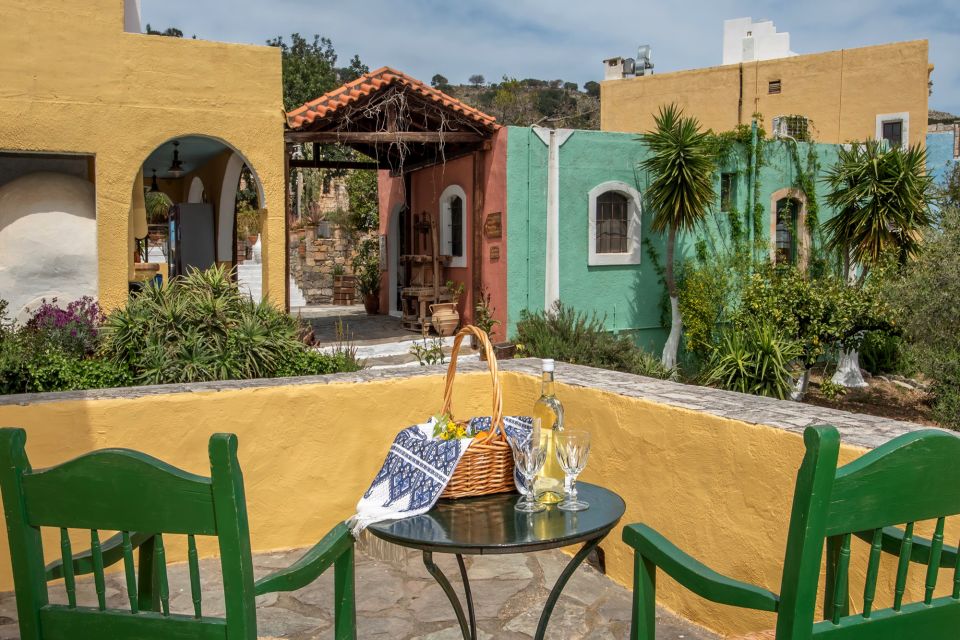
- Arolithos is a living museum: museum rooms, replica homes, and a walk through old village streets.
- You cook, then you eat what you made: your prep turns into the meal served later.
- The view is part of the experience: Heraklion city, valley, vineyards and olive trees from the terrace.
- English is handled: the lesson uses an English-speaking guide.
- Menu can be adjusted: tell them about dietary needs, and vegetarian options are available.
- Mobility limits apply: only the cooking class area is wheelchair accessible, not the full tour.
Arolithos near Heraklion: what makes this day different
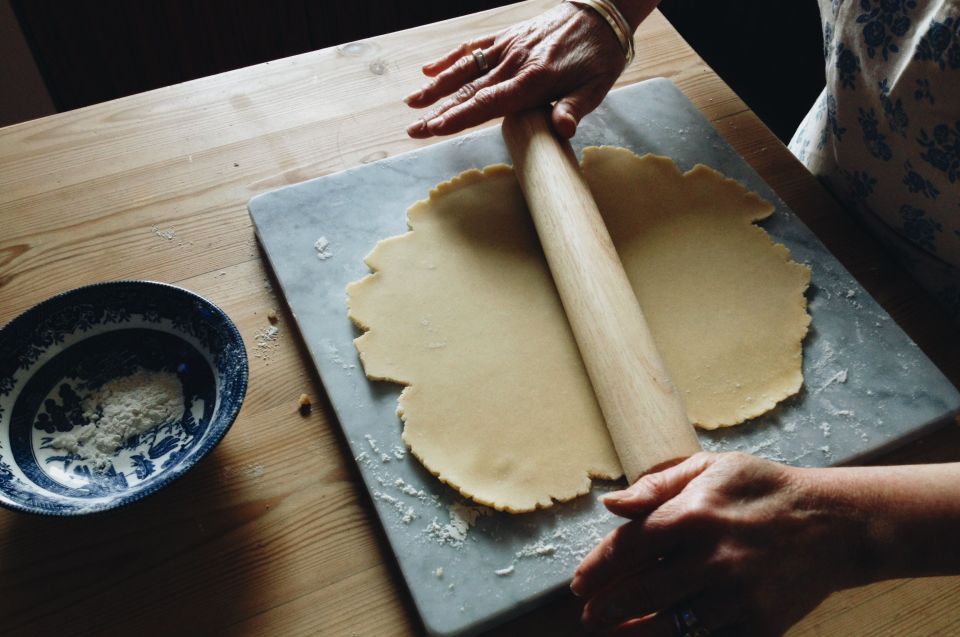
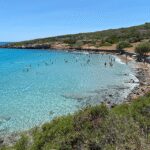
A cooking class usually means a kitchen counter and a stack of recipes. This one adds a whole second layer: Arolithos Traditional Cretan Village, a recreated village that feels like stepping into another pace of life.
You start with a walk around small streets and village premises, then you move into the museum experience. That matters because Cretan cooking is tied to daily habits: what people grow, how they use pantry basics, and how they stretch ingredients into hearty meals. When you later stand over the food, the why clicks faster.
Price-wise, $129 per person lands in the mid-to-upper “experience” range, but you’re not only paying for chopping lessons. You get the museum and village tour, wine tasting, your own lunch made from multiple dishes, and a recipe packet/certificate at the end. If you’re trying to take home more than a photo and a vague memory of tzatziki, this structure gives you something real to repeat.
You can also read our reviews of more cooking classes in Crete
Museum streets and replica homes: the warm-up that pays off
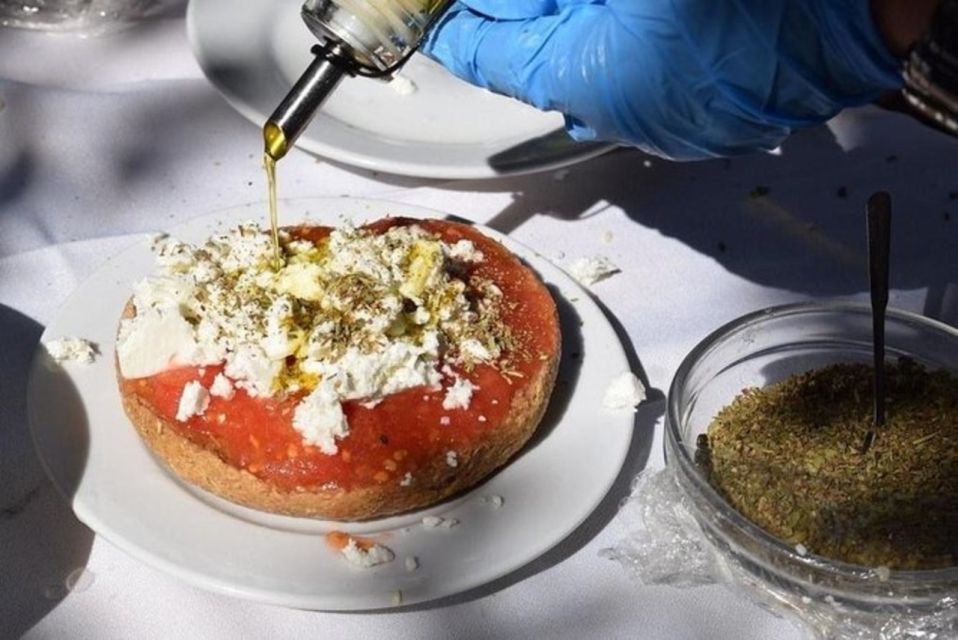
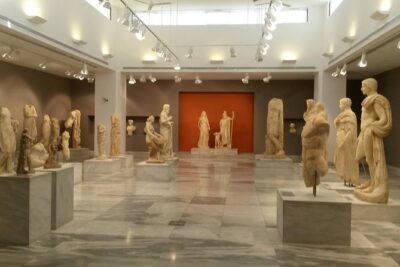
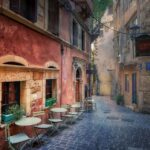
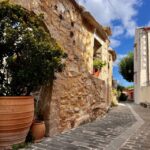
Before you cook, you’ll tour Arolithos at walking speed. The flow is simple: stroll the premises, visit the museum, and see two old houses set up to show how different people once lived in Crete.
Here’s what I like about starting with the museum first. It sets the tone. You’re not dropped straight into ingredients; you learn the cultural “frame” behind them. Even small details—old objects from a familial collection, the village layout, the feel of the buildings—make the food lesson feel less random.
You’ll also get the sense of how this place is run. The village includes the museum and the dining setting, and it’s built so the day stays connected. By the time you head to the taverna for cooking, you’ll already feel oriented—where you are, what the village is like, and why the meal is treated as an event.
The hands-on Cretan cooking class: what you’ll actually make
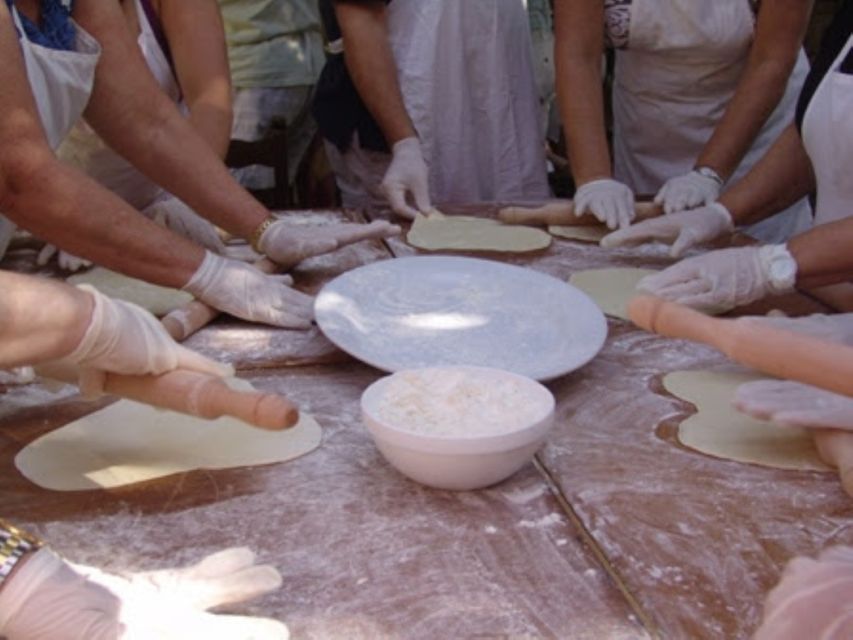
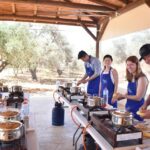
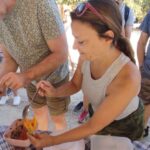
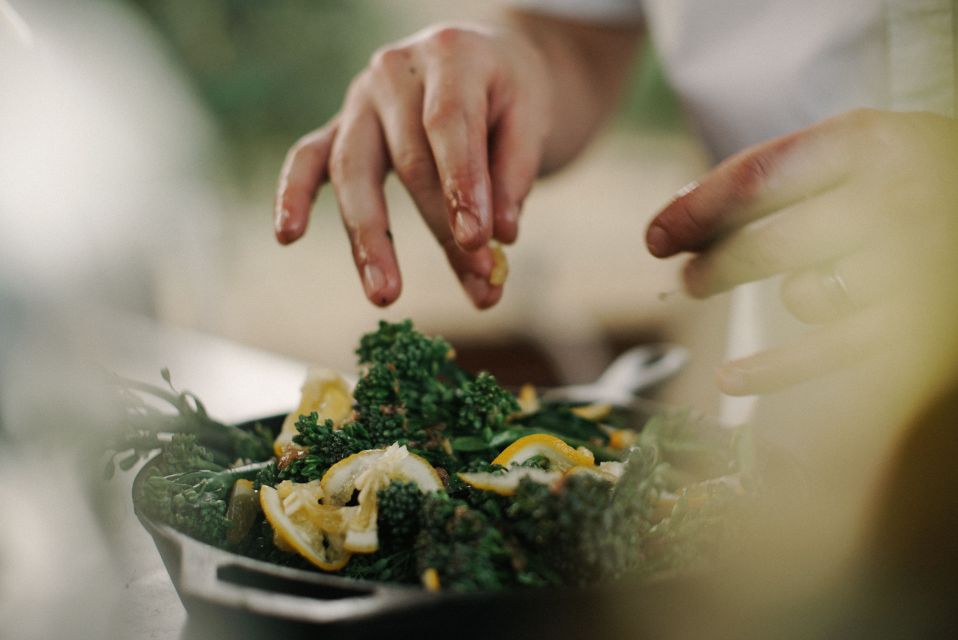
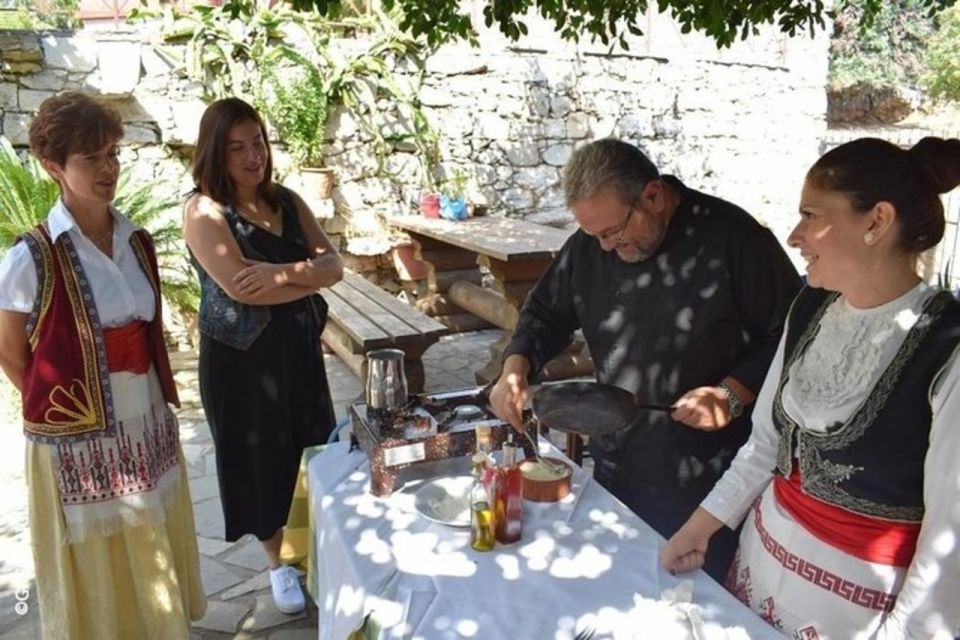
The cooking portion is the heart of the day, and it lasts long enough to feel like a true workshop. Expect a hands-on format where you prep alongside the team and learn how specific dishes come together.
Dishes you can plan for
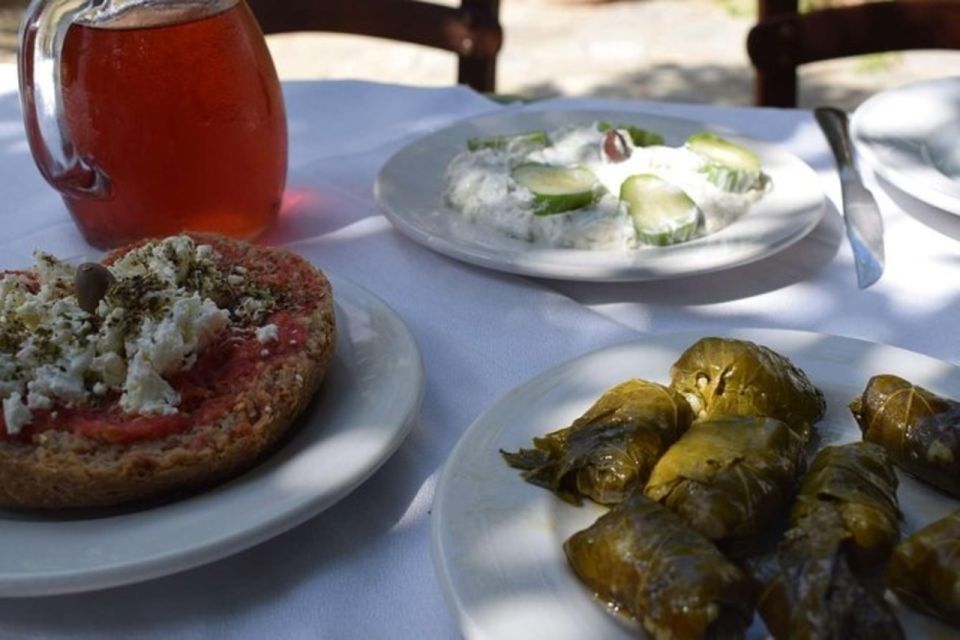
The menu focuses on classic Cretan staples and practical techniques, including:
- Stuffed vine leaves (dolmades)
- Stuffed vegetables
- Pork with wine sauce
- Lamb with green beans
- Ntakos
- Tzatziki
- Cheese pies
Depending on what they’re teaching that day, you may also see extra instruction around drinks like Greek coffee, and chefs may demonstrate additional meat dishes. The point is that you’re not just assembling one dish—you’re learning a set of flavors that belong together on a Cretan table.
How the class typically feels
From the way the experience is described, it’s not one long grueling work session. You get breaks with food tasting and wine tasting snacks, then you get back to prep. That matters because Cretan meals are built around layers: sauces, fillings, and pastry-style components. If you’re tired, you’ll rush and miss the technique. With breaks built in, you can pay attention and still enjoy the day.
Also, the small-group vibe shows up in the reviews: sometimes it’s just a few people, and that helps the instructor adjust pacing and explain as you go. That can be a big deal if you’re a confident home cook—or if you’re the person who usually buys tzatziki instead of making it.
You can also read our reviews of more tours and experiences in Crete

Knife skills, pacing, and kid-friendliness
There’s no guarantee the class will be fully kid-proof, but the experience does accommodate kids when they come with adults. I’d plan around the idea that kids may participate in lighter steps—folding, grating, assembling—while the chef helps with the trickier parts. The activity rules also note that unaccompanied minors aren’t allowed, and there are age limits for safety.
Lunch at the panoramic taverna: wine, snacks, and the real finish line
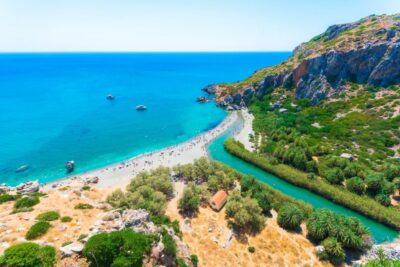
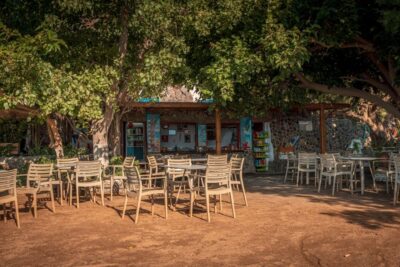
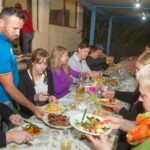
After cooking, you sit down and eat. And not in a rushed cafeteria way. The dining setting comes with a real reward: a panoramic view over the valley and Heraklion city, with vineyards, olive trees, and the holy mountain of Giouchtas in sight. Add the sound of animal bells and you get a strong sense of place.
What’s included with lunch
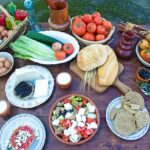
- Your created dishes, served to enjoy after the cooking
- Local wine and mineral water included
- Recipe packet/certificate at the end
You’ll likely taste your own earlier appetizers during the breaks, but either way, come ready for a lot of food. More than one person has pointed out there’s a lot to eat at the end, and it can be hard to finish everything. If you’re deciding between this and another big meal later that day, I’d keep your plans light after.
A practical note: alcohol isn’t something you should plan to bring with you. The activity rules say alcohol and drugs aren’t allowed, even though local wine tasting is included.
Tips to make the most of the lesson (and not feel rushed)
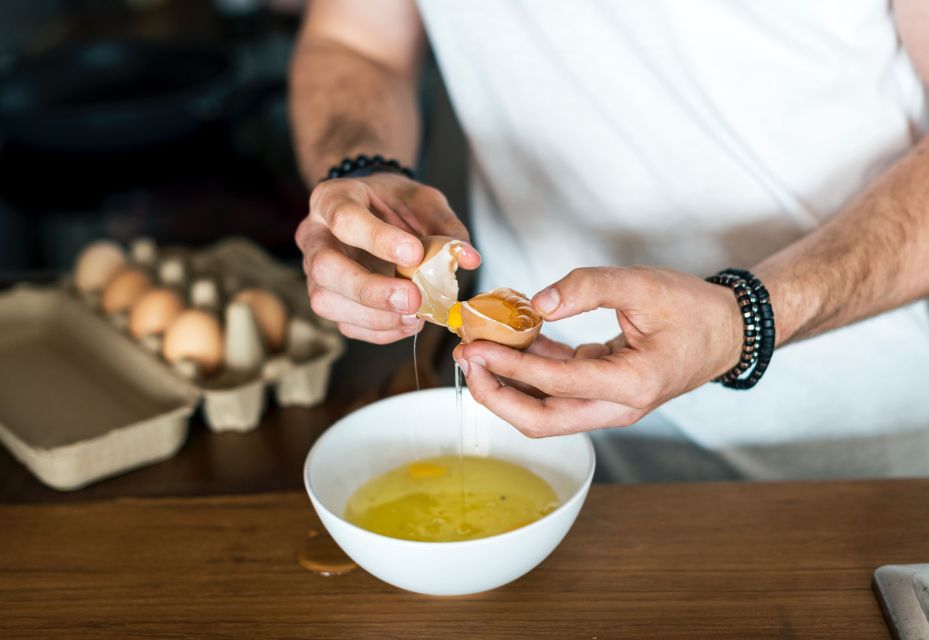
- Tell them dietary needs early. They can adapt the menu if you mention allergies or special requirements ahead of time. Vegetarian options are available too, but you should request them during booking.
- Wear shoes you trust. The village is built for walking on streets and uneven outdoor paths. Comfortable footwear helps you focus on cooking and enjoying the views.
- Treat it like a skills class, not a food delivery. The value is in learning how dishes are built. Watch the order of steps: sauces first, fillings next, then cooking/assembly.
- Come hungry. You’ll work for your lunch and then eat it. Don’t schedule a heavy breakfast and expect to stroll through this without regret.
- If you’re bringing kids, talk with the team ahead of time. The experience has a track record of being accommodating, but kids still do best when adults handle the pace and participation.
Price, time, and getting there from Heraklion
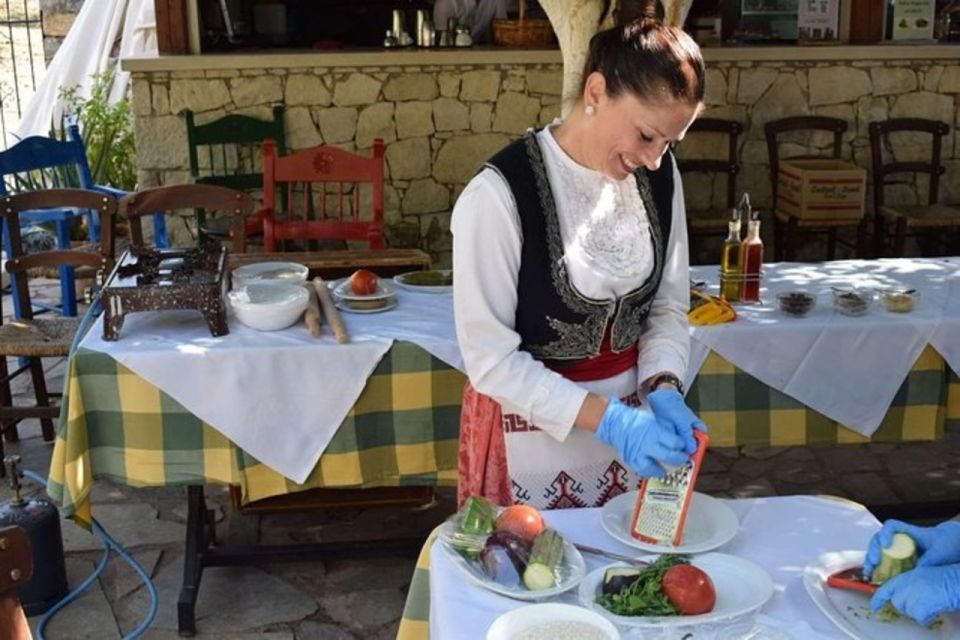
The total duration is about 4 hours, with the cooking activity described as about 2.5 hours. The remaining time is museum/village walking, tasting breaks, and dining.
For value, I think the biggest factor is the combination:
- Museum/village tour (not just a backdrop)
- A hands-on cooking workshop
- Wine tasting and lunch that matches what you cooked
- Recipe materials to take home
What can trip people up is transportation. Hotel pickup and drop off aren’t included, and Arolithos is outside Heraklion. If you don’t have a rental car, a taxi is typically the easiest solution, but you’ll want to plan it so you arrive on time for the start at Arolithos Traditional Cretan Village.
If your day is packed with Heraklion sightseeing, this still can work. It’s long enough to feel satisfying, but not so long you lose the rest of your trip.
Who this is best for, and who should reconsider
Ideal for
- Food lovers who want repeatable techniques and a recipe packet you’ll actually use
- People who like cultural context and don’t mind a schedule that mixes tour + cooking
- Couples and small groups who want a more personal pacing
- Anyone who’s curious about classic dishes like tzatziki, dolmades, ntakos, and cheese pies
Less ideal for
The activity has clear limits:
- It’s not suitable for wheelchair users and isn’t built for full-mobility access across the whole tour.
- People with visual impairment are listed as not suitable.
- There are age limits (it’s not suitable for very young babies and has an upper age limit listed).
- If you’re traveling with someone who needs electric wheelchairs, the experience notes electric wheelchairs aren’t allowed.
Also, note that only the cooking class area is wheelchair accessible, not the full tour. If mobility is a concern, this is the kind of detail you should treat as a deal-breaker question early, not a last-minute surprise.
Small but important details that improve the day
A few practical points that show up repeatedly in how the experience runs:
- English guide: you should feel comfortable following along and asking questions.
- Skip-the-line style entry: it helps you spend more time on the experience itself.
- You get recipes: you leave with printed guidance, plus a certificate.
- The pacing includes breaks: tasting and wine breaks keep the cooking from feeling like a marathon.
- Terrace time is part of the reward: the meal setting isn’t just functional; it’s meant for enjoying.
And for some people, the highlight is also the human factor. Different guides have been mentioned in past experiences, including names like Evi, Mary, and Avie/Christina. Even without knowing who you’ll get, the program is built so the guide is present, supportive, and able to steer the group through steps.
Should you book the Heraklion Cretan cooking lesson with lunch at Arolithos?
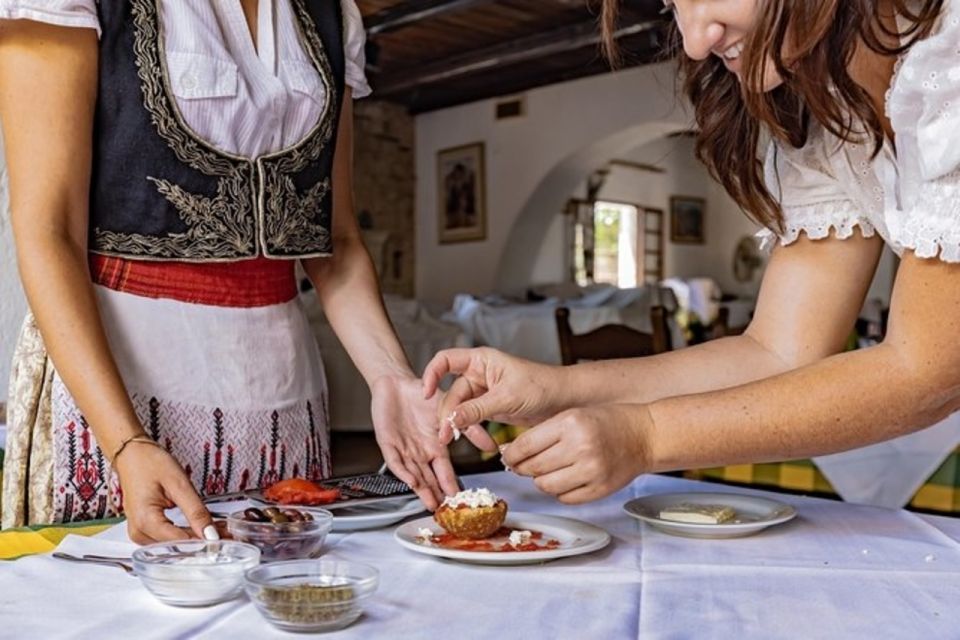
Book it if you want a Cretan day that mixes place and food: museum village walking, a real hands-on cooking workshop, and then lunch with local wine plus big views. The value makes sense because you’re not paying only for ingredients—you’re paying for structure, instruction, and a meal you can recreate later.
Skip it if you’re mostly looking for a quick tasting, or if transportation is an issue and you can’t easily get to Arolithos on time. Also reconsider if mobility or visual accessibility needs don’t match what the experience can accommodate.
If you’re the kind of traveler who likes to eat well and learn how the food is put together, this is one of the more satisfying ways to spend a half-day near Heraklion.
FAQ
How long is the Arolithos cooking lesson experience?
The total experience is about 4 hours. The cooking class portion is about 2.5 hours, and the rest of the time is used for the museum and village tour, plus tasting breaks and lunch.
Is lunch included?
Yes. You prepare dishes in the class, and then you eat a lunch (or dinner depending on the schedule) that includes the dishes you helped make.
What’s included besides cooking?
You get entrance to the Arolithos Museum, a mini tour and museum tour, wine tasting, food tasting, recipes, and an English-speaking guide. Local wine and mineral water are included with the meal.
Do I need a car or can I take a taxi?
Hotel pickup and drop-off aren’t included. Since the village is outside Heraklion, you’ll want to plan your own transportation, and a taxi is commonly the practical option.
Can the menu be adapted for dietary needs or allergies?
Yes. You’re asked to inform the organizers in advance about allergies or specific dietary requirements, and vegetarian options are available if you request them during booking.
Is Greek coffee included?
The information provided notes that Greek coffee is part of what you can learn during the experience, though the exact details may vary by day and menu.
Is it accessible for wheelchair users?
Only the cooking class is wheelchair accessible, not the full tour. Wheelchair users and people with mobility impairments are listed as not suitable for the overall experience.