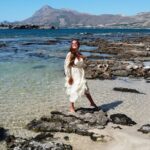
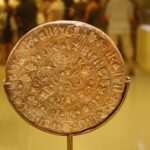
Cooking dinner in Crete feels like a gift.
I like the family-home setting with sea and mountain views, and I like the hands-on food prep using organic Cretan ingredients. One thing to weigh: the day runs long, and you won’t sit down to the main meal until late.
This is a small-group, English-speaking cooking experience based around a family farm high in the White Mountains, timed for an afternoon start from Chania. You’ll ride in an air-conditioned minibus, stop along the way (including Melidoni), and spend the evening cooking, tasting, and learning Crete the way locals live it.
If you want a short, strictly “cook-a-lot” class, this may not match your expectations. If you want food plus place—mountain air, history stories, and a big sit-down meal—this one has serious pull.
In This Review
- Key highlights you’ll feel right away
- A mountain farm meal with sea-and-peek views near Melidoni
- Pickup from Chania, plus the coastal run to Maleme
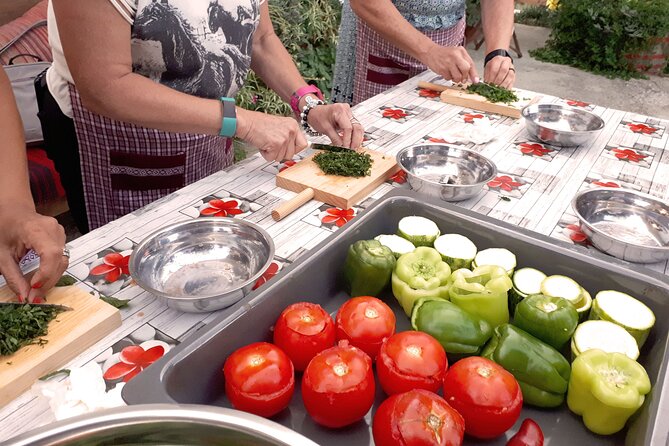
- What you actually cook: kalitsounia, tzatziki, ntakos, gemista
- The family history part: more than recipes, especially up in the mountains
- Wine, tasting games, and when you’ll finally eat
- Duration and group size: what the pacing means for you
- Price and logistics: does $133.02 make sense?
- Tips for a smoother, more enjoyable evening
- Who should book this cooking experience
- Should you book the Real Cretan Cooking Experience?
- FAQ
- What time does the tour start?
- Where does pickup happen?
- Is the tour small-group?
- What language is offered?
- How long does the experience take?
- What’s included in the class and meal?
- Is the tour run in bad weather?
Key highlights you’ll feel right away
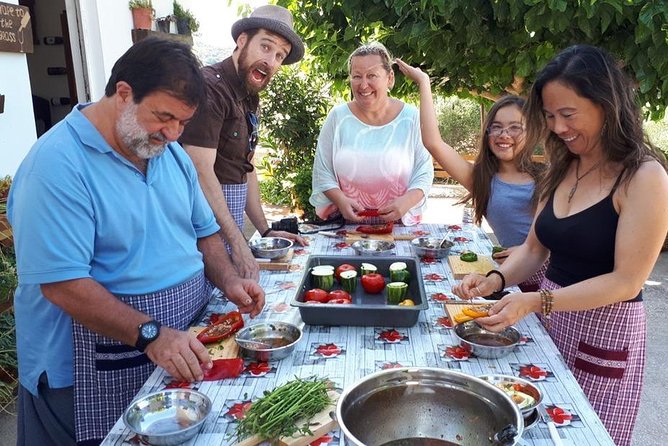
- Mountain views in a working family home: you’re eating and learning far from the tourist strip.
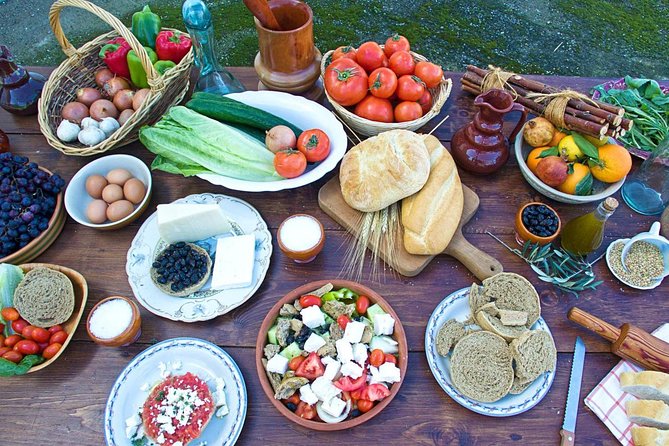
- Organic, local ingredients: extra-virgin olive oil, garden vegetables, dairy, and aromatic herbs.
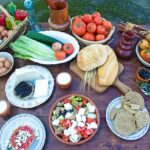
- Cretan menu variety: kalitsounia, tzatziki, ntakos, gemista, and Greek salad.
- Wine and food tastings: expect at least one guided wine moment and plenty of food to follow.
- Photo and recipe follow-up: you get digital photos and the recipes by email after the tour.
- A group capped at 20: small enough for questions, big enough to meet new people.
A mountain farm meal with sea-and-peek views near Melidoni
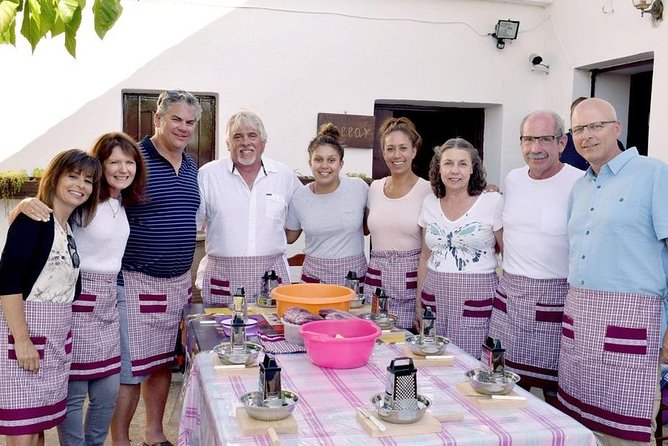
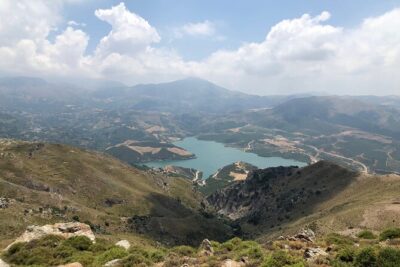
The whole vibe here is simple: you’re cooking in a family home up in the high peaks of the White Mountains, then eating what you helped make. The setting matters. You’re not hunched over a kitchen counter in a classroom; you’re in the kind of place where the air feels different and the food tastes like it belongs there.
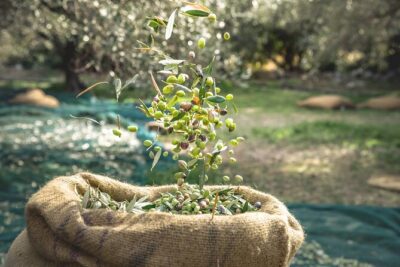
The tour also leans into the Mediterranean foundation of Cretan life—olive oil, fresh vegetables, dairy, and herbs—so the dishes make sense as a system, not just a menu. You’ll hear why these ingredients show up everywhere and how they connect to daily culture.
That said, the meal isn’t early. The day is paced like an evening gathering. If you hate waiting, plan to snack lightly before you start or bring patience with you.
You can also read our reviews of more cooking classes in Crete
Pickup from Chania, plus the coastal run to Maleme
You start at 3:30 pm back out of Chania, with round-trip hotel transfers offered along the coast up to Maleme. This is helpful if you don’t want to rent a car or you’d rather spend your mental energy on cooking than navigation.
You also get an air-conditioned minivan/minibus, which matters because the drive is part of the experience. You’ll be in the car for a while—people describe the overall outing stretching well past the “about 6 hours,” especially once pickup and transit are included. In hot weather, that ride can feel warm, so a water bottle is a smart move.
There’s also a stop in the Melidoni area. The details aren’t long or complicated, but it breaks up the trip and helps you get your bearings for the mountain shift ahead.
What you actually cook: kalitsounia, tzatziki, ntakos, gemista
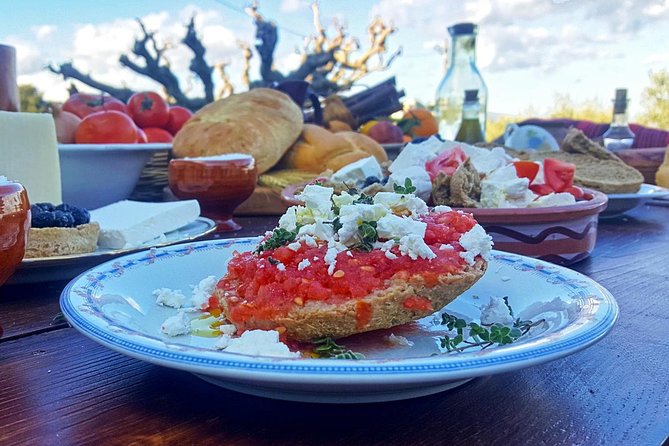
This is a menu-driven evening, and you’ll work with several classic Cretan dishes. Here’s what’s on the table:
- Kalitsounia (Cretan cheese-pies)
- Tzatziki (yogurt with cucumbers)
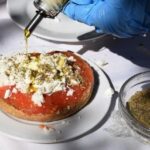
- Ntakos
- Gemista (stuffed vegetables)
- Greek salad
Plus: wine & food tasting as part of the day’s rhythm.
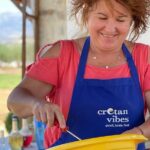
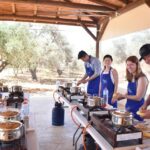
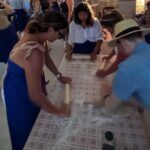
The cooking style is friendly and approachable. Many parts are hands-on: stuffing, grating, rolling, and assembling show up on the prep side. You also get an apron and cooking utensils, so you’re not arriving empty-handed or digging through your suitcase for a tool kit.
Now, a key consideration: cooking time can vary by person and by how much the hosts need to guide steps. Some guests felt there wasn’t as much solo chopping or technique-building as they expected, with hosts doing more of the critical steps. If you love turning every dish into a hands-on workshop, treat this as shared family cooking rather than a hardcore culinary boot camp.
If you’re new to Greek cooking, or you want to learn the flow—how ingredients combine into dishes—this format is often perfect. You’ll leave with a clearer map of flavors you can recreate at home.
The family history part: more than recipes, especially up in the mountains
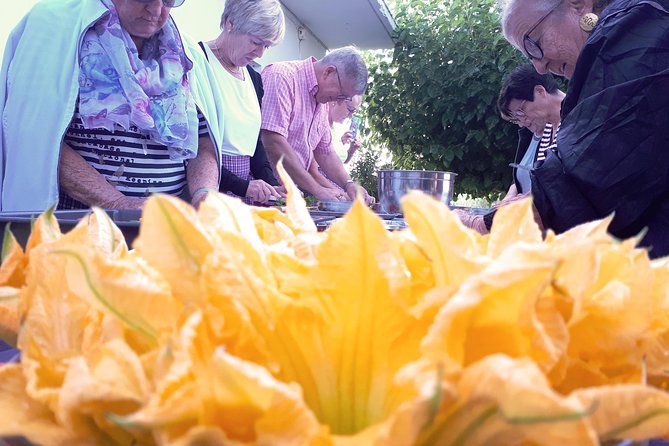
A big reason this tour lands so well is that the cooking isn’t isolated from context. You get stories about Crete—including history tied to the family and the broader past of the island.
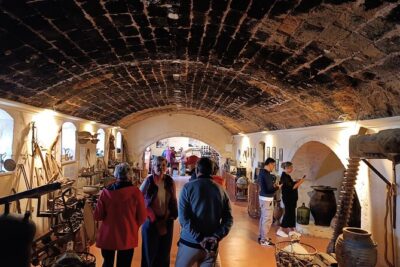
You’ll likely spend time walking the property and getting a small tour of the farm setup while the meal happens. Some guests mention extra stops such as touring a family museum area and feeding animals like goats. That’s not just entertainment; it reinforces why the food tastes the way it does. This is what people do where sheep, goats, olive trees, and gardens shape the year.
Guide names you may encounter include Alex, Kostas, Yannis, Andreas, Nikos/Nico (roles vary across drivers and guides). The common thread is the same: the drive and the evening are full of commentary, not dead time.
Wine, tasting games, and when you’ll finally eat
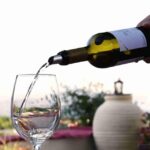
Wine is built into the experience, but not always in the way you might imagine if you’re picturing a nonstop pour. There is a wine & food tasting, and dinner includes wine as well for some portion of the evening.
A few guests noted there wasn’t much wine right at the beginning and that they ended up drinking a bit more later with dinner. Translation for your plans: if wine is part of your “evening mood,” don’t count on it arriving immediately and continuing freely from the first minute.
Timing is the bigger practical issue. The tour starts at 3:30 pm, but some people report eating closer to around 9 pm once pickup, transit, prep, property wandering, and tasting are done. That’s not a problem if you’re there for the whole arc, but it can feel like a long stretch if your schedule is tight.
If you’re deciding what to wear and what to eat before you go, here’s my take: keep the earlier meal light. You want enough energy to help with prep, but you don’t want to arrive too full for a long evening.

Duration and group size: what the pacing means for you
The experience is listed at about 6 hours, and the group is kept to a maximum of 20 travelers. That cap is meaningful. It usually keeps the vibe from feeling like a cattle call, and it gives the guide time to answer questions while still moving.
The pacing typically alternates between:
- getting acquainted and tasting,
- preparing components of several dishes,
- taking a break to explore the property and surroundings,
- finishing the meal together.
Because it’s small-group, you’re not watching. You’re participating at least in the key prep steps and tasting moments. That said, how active you feel depends on what station tasks are running and how many people are in your subgroup.
Bring comfortable patience. This isn’t a quick demo. It’s built like a family evening gathering.
Price and logistics: does $133.02 make sense?
At $133.02 per person, you’re paying for a lot that’s hard to replicate cheaply: round-trip transport (including pickup), an English-speaking local driver/guide, a small-group cooking class, all ingredients for your meal, and the meal with wine tasting included.
The value math gets even better when you factor in what you’re getting beyond food:
- Apron and cooking utensils
- Commemorative gifts
- Digital recipes and photo delivery by email
A lot of cooking classes focus on the recipe and stop there. This one tries to give you the whole picture—place, culture, and the dishes connected to both.
If you’re on a strict budget and only want hands-on technique, there are cheaper cooking workshops. But if your goal is an authentic Cretan evening that doubles as a mini cultural orientation, the price feels more reasonable—especially with transport and meal included.
Tips for a smoother, more enjoyable evening
A few small choices can make a big difference with this kind of mountain dinner.
- Wear comfortable clothing and good shoes. You’ll likely walk around the property and move between indoor and outdoor spaces.
- Plan for a long stretch between pickup and the main meal. Keep a light snack in your day plan if you’re prone to getting hungry.
- If recipes matter to you, make sure the email on your booking is correct and keep an eye on your inbox after the tour. One guest mentioned a delay in receiving the recipes, so it’s worth monitoring email (and spam folders) once you’re back.
- If you care about wine timing, set your expectations. There’s tasting and dinner wine, but it may not be steady from the first moment.
And a small mindset tip: go in wanting to learn the logic of Cretan food—olive oil, herbs, dairy, fresh vegetables—rather than only chasing the most advanced techniques. You’ll get more out of it.
Who should book this cooking experience
This is a great fit if you:
- want a family-home cooking moment instead of a commercial kitchen,
- like food paired with context and local stories,
- enjoy the idea of an evening meal with wine tasting,
- are comfortable with the idea that the cooking might be shared and guided, not 100% solo.
It may not be ideal if you:
- hate long days with late dinner,
- want lots of advanced technique instruction step-by-step,
- expect an uninterrupted wine pour from the start.
Should you book the Real Cretan Cooking Experience?
If you’re in the Chania area and you want one standout evening that’s genuinely Cretan, I’d book it. The combination of mountain setting, organic local ingredients, and a teachable menu (pies, tzatziki, ntakos, gemista, salad) is a strong value package, especially with transport included.
Use this as your decision filter:
- Choose it if you want place + food + stories in one evening.
- Pass or adjust expectations if you only want a short, intensely hands-on cooking workshop.
If you like the sound of a small group, a family farm setting, and recipes you can reproduce later, this is the kind of tour that makes Crete stick in your memory.
FAQ
What time does the tour start?
It starts at 3:30 pm from the Chania area, and it ends back at the meeting point.
Where does pickup happen?
Round-trip hotel transfers are offered from Chania and along the coast up to Maleme. You should check your exact pickup area before booking.
Is the tour small-group?
Yes. It has a maximum of 20 travelers, which helps keep the class and meal more personal.
What language is offered?
The experience is offered in English.
How long does the experience take?
It runs for about 6 hours (approx.).
What’s included in the class and meal?
Included are an English-speaking local driver/guide, wine & food tasting, transport by air-conditioned minivan/minibus, a small-group cooking class, apron and utensils, all ingredients for your meal, commemorative gifts, and recipes and photos sent electronically by email.
Is the tour run in bad weather?
It requires good weather. If it’s canceled due to poor weather, you’ll be offered a different date or a full refund.