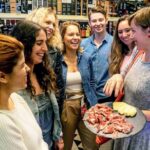
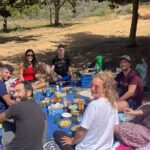
Goats, grapevines, and real Cretan cooking. This small-group lesson takes you from the orchard in Krousonas to a home-style kitchen where Sevi and family teach you Cretan dishes you choose yourself. You start with Cretan delights, visit the farm to meet the animals, then gather seasonal produce and cook under the grapevine shade.
I especially love the menu choice: you decide what you want to make, with vegan or non-vegan options depending on the season. I also love the family-friendly setup, built for different ages, with lots of hands-on moments like feeding animals and cutting fresh vegetables. One thing to consider: you’ll be on farm paths for much of the day, so if uneven ground is a problem for you, plan for that with sensible shoes and a slower pace.
In This Review
- Key takeaways before you go
- Getting to Krousonas: a calm escape from Heraklion
- The 4-hour rhythm: welcome snacks, menu choices, then cooking work
- Farm time with goats, sheep, chickens, and donkey Hercules
- Orchard and herb picking: the part that makes the food taste like home
- Cretan classics you’ll actually cook: from zucchini balls to stuffed vegetables
- Dinner on the veranda: eating with views, not just plating
- Price and value: what $114.13 buys you in the real world
- Who should book this and who might prefer something else
- Should you book this Heraklion cooking lesson?
- FAQ
- How long is the cooking lesson in Krousonas?
- Can I choose vegan options?
- Do we visit the farm and meet the animals?
- Do we pick vegetables and use them in the meal?
- Is it a small group and is it offered in English?
- What should I wear and bring?
- Is there free cancellation and are service animals allowed?
Key takeaways before you go
- Small group (max 8): more time to ask questions and get real guidance while you cook.
- Pick your dishes: choose from seasonal options, including vegan or not.
- Farm visit included: feed goats and sheep, and in summer you may even milk goats.
- Orchard picking time: gather organic vegetables and learn about plants as you work.
- Cook, then eat together: the meal happens in the family setting, on a veranda with an amazing view.
- Recipes to take home: you’ll leave with what you need to recreate the dishes later.
Getting to Krousonas: a calm escape from Heraklion
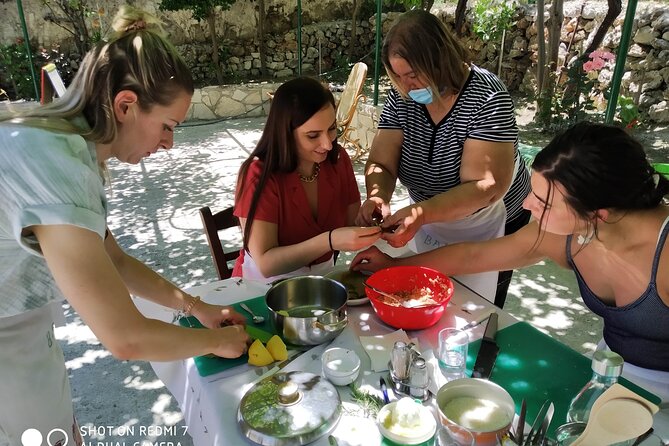
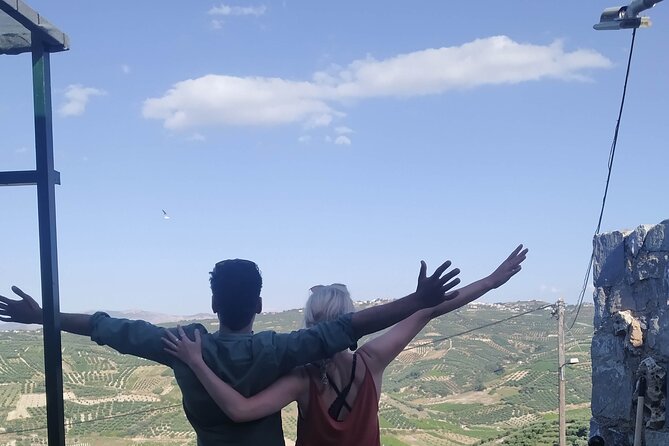
This experience is based in Krousonas, a village setting where the day feels quieter than central Heraklion. It’s still close enough to work for people staying in the area, and the small-group format keeps it from turning into a rushed bus tour.
The meeting point is in Krousonas (listed as 8G766XXX+29C6XXX+29C), and the activity ends back there. It’s also marked as near public transportation, which is helpful if you don’t want to think about arranging a private car just for a single morning or afternoon.
If you’re the type of traveler who likes food with a place attached, this part matters. You’re not only learning recipes. You’re learning where ingredients come from and how Cretan home cooking actually uses what’s growing.
You can also read our reviews of more cooking classes in Crete


The 4-hour rhythm: welcome snacks, menu choices, then cooking work
The program runs for about 4 hours (at least 4 hours), which is long enough to include farm time, ingredient picking, and real cooking, but not so long that it overwhelms your whole day.
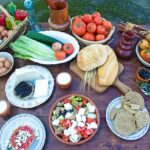
You begin with a welcome that includes Cretan delights and refreshments. Then you sit down as the menu is discussed. The big advantage here is control: you can choose from the seasonal options, including vegan or non-vegan dishes, and you’ll build your own “what we’re making today” plan.
From there, the day becomes active. You move from picking and prep into cooking instruction, and the pace is designed for everyone to participate. You’re under the grapevine shadow for part of the class, which is a nice practical detail in warmer months: you get relief from the sun while still feeling fully outdoors.
Farm time with goats, sheep, chickens, and donkey Hercules
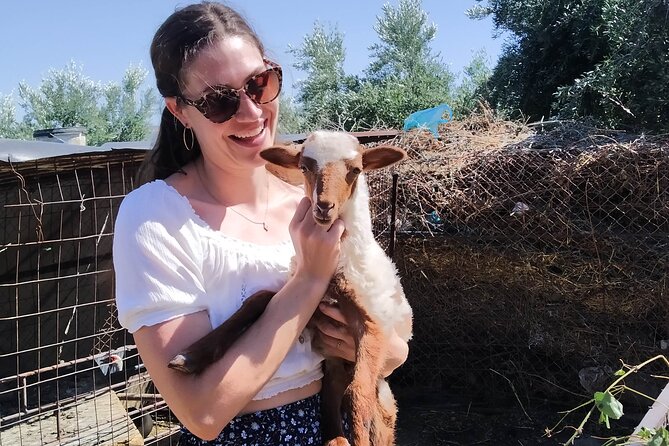
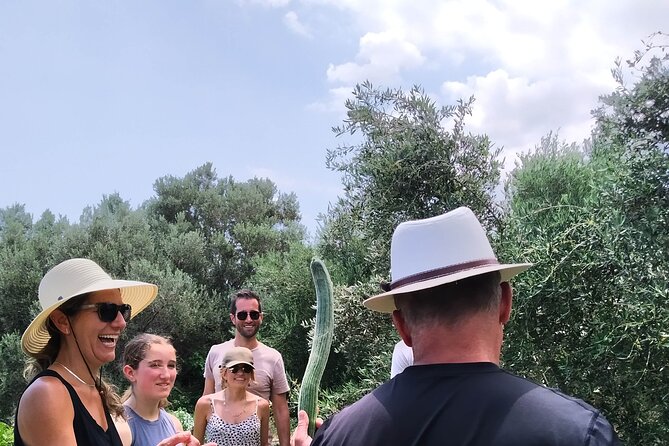
One of the strongest reasons to book this is that it starts like an agro-experience, not a kitchen-only class. You visit the farm and you’ll feed the goats and sheep. In summer, the program may include an opportunity to milk the goats, which turns the farm visit from a quick look into a hands-on memory.
You may also see animals like a donkey (often referred to as Hercules/Heracles) and chickens as part of the farm experience. The point isn’t a zoo stop. It’s learning the rhythm of a working farm and seeing how that daily life connects to dinner.
This is also where the day becomes especially good for families and mixed ages. The animal interactions give kids something to do, and adults get the satisfaction of real activity instead of sitting and watching.
Practical note: this is outdoors and on uneven ground. You’ll want comfortable shoes and clothes you don’t mind getting farm-dust on.
Orchard and herb picking: the part that makes the food taste like home
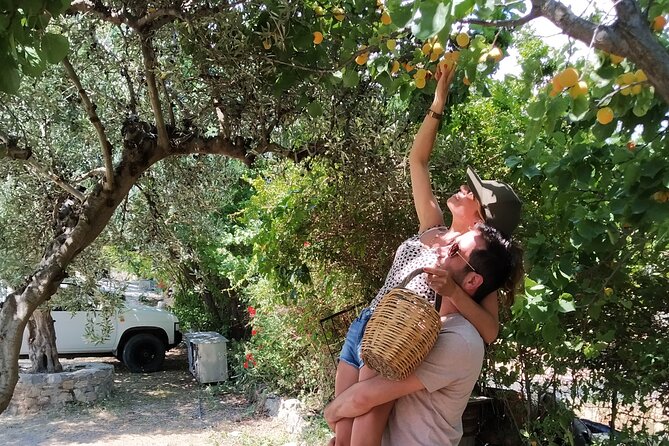
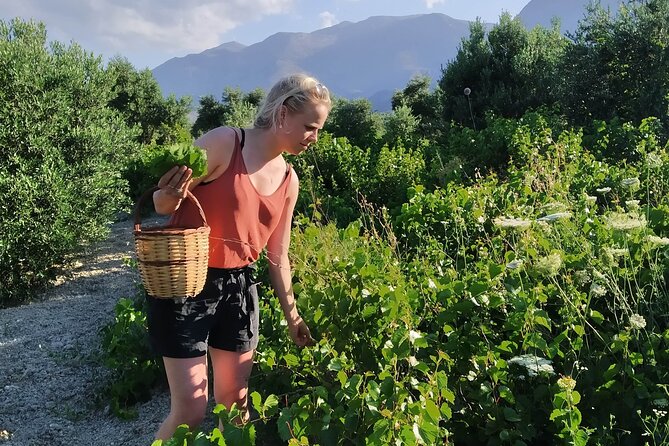
After the farm visit, the experience shifts to the orchard. You’ll gather organic vegetables from their orchard, and you’ll get time to explore the nature around you while learning about the plants.
This is one of those “small” steps that changes everything. When you personally pick what you cook, the flavors land differently, and you also remember what to buy later when you recreate dishes at home.
Even better, this isn’t only a scavenger hunt. You’re cutting fresh vegetables and fruit, then moving into prep. That hands-on stage is where you’ll pick up practical cooking habits, like how Cretan home cooks handle herbs, timing, and simple ingredient combinations.
Also, the seasonal factor matters. Depending on the time of year, you might see additional production like cheese-related activity. Even without that add-on, the menu and ingredients are tied to what’s growing, which is exactly how local cooking stays honest.
Cretan classics you’ll actually cook: from zucchini balls to stuffed vegetables
You choose what you’ll make, but the menu options give you a strong sampler of Cretan favorites. Here are some of the dishes you might cook during your lesson, and what they represent in the local food story.
Zucchini balls (fried traditional zucchini balls)
This is the kind of comfort food that turns a humble vegetable into something crunchy and satisfying. If you like recipes where technique matters (not just ingredients), this one is a good starting point.
Tzatziki (the famous tzatziki sauce)
Tzatziki feels universal, but Cretan versions come from real herb-and-garden logic. Expect guidance on balancing creaminess with freshness so it tastes lively, not heavy.
Fried snails with rosemary and vinegar
This is for the curious palate. It’s also a great example of how Cretan cuisine isn’t afraid of bold flavors. If you’re cautious with unfamiliar ingredients, this is where your host’s coaching earns its keep.
Greek giouvetsi (slow cooked lamb with pasta and tomato sauce)
Slow-cooked meat plus pasta plus tomato makes a satisfying centerpiece. This is the kind of dish that teaches you how Cretan home cooking builds flavor over time instead of relying on complicated steps.
Cretan gamopilafo (pilaf with boiled goat or lamb and rice)
Think of it as a local take on savory rice cooking. The lesson advantage: you’ll learn how the components come together as one dish, which is harder than it looks when you try to cook it later.
Gemista and ntolmadakia (stuffed vegetables with rice and herbs)
This is a hands-on style of cooking. Stuffed vegetables teach patience, portioning, and seasoning, and they’re a classic way to turn orchard produce into a full meal. The menu description even compares ntolmadakia to cretan sushi style, which hints at the fun, roll-and-fill character.
Loukoumades (honey dumplings with bio honey)
This dessert isn’t just sweet. It’s celebratory. Loukoumades also show how locals treat honey like a real ingredient, not a quick topping.
Rice pudding with mastiha and cinnamon (sometimes goat milk)
Mastiha is one of the signature flavors of Greek islands, and it’s a big reason the dessert section feels special here. If your version includes goat milk taken from their goats, you’ll taste how local dairy changes the texture.
Must pudding (the must on summer in Crete)
This is the kind of seasonal dessert that tells you the day is tied to the calendar. If you’re traveling in the warmer months, this is a real reason to show up when you can.
If you’re wondering how instruction works with so many choices: the experience is set up so you pick your favorites and then learn the steps for those dishes. That makes it more personal than a standard cooking class where everyone does the same recipe whether they like it or not.
You can also read our reviews of more tours and experiences in Crete


Dinner on the veranda: eating with views, not just plating
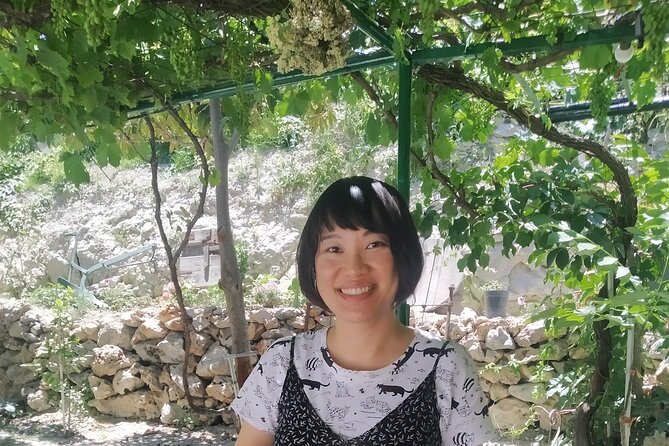
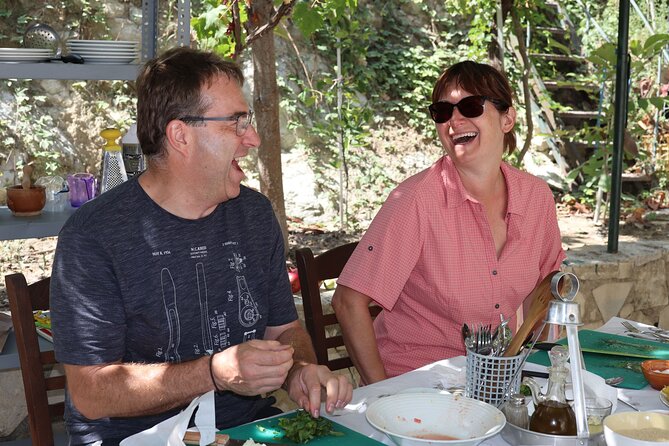
After cooking, you’ll eat what you made on the veranda, and the setting is part of the meal. The view is mentioned again and again because it completes the whole farm-to-table story.
This is also where the day turns from work into pure enjoyment. You relax, you taste the food you helped create, and you get to talk with your hosts and your small group. If the menu includes something like cheese-related tasting in-season or wine alongside the meal (some experiences include it), you’ll experience those local touches as part of the table time.
The practical value here: you learn while cooking, then you learn again while tasting. That second feedback loop helps you get flavors right the next time you cook at home.
Price and value: what $114.13 buys you in the real world
At $114.13 per person, this isn’t a cheap “just try a recipe” add-on. It’s priced like a true day experience, and that’s how it plays out.
Here’s what you get for the money:
- A guided farm visit with animals (goats and sheep, and possibly milking in summer)
- Time to harvest orchard produce and participate in cutting and prep
- Cooking instruction for multiple dishes you choose, including classics like tzatziki, gemista/ntolmadakia, and dessert options like loukoumades
- A full shared meal, served in a family setting with a view
- English instruction and a small group size that keeps attention from feeling spread thin
The value also comes from the format. A big cooking class in a city kitchen can teach you technique, but it rarely teaches you ingredient sourcing the same way. Here, you connect herbs, vegetables, and farm life to the finished plates.
Also, the fact that this is booked about 40 days in advance suggests it’s in demand for good reasons. For popular travel weeks, early booking helps you pick the time slot that fits your schedule.
Who should book this and who might prefer something else
This fits best if you want authentic Cretan food with real context. You’ll likely love it if:
- You enjoy hands-on cooking rather than watching
- You like farm experiences tied to dinner
- You want a family-friendly activity that still feels meaningful for adults
- You want vegan options to be real, not an afterthought (your menu choice can include vegan, depending on season)
You might skip or adjust expectations if:
- You have trouble walking on farm terrain or standing outdoors for long stretches
- You only want a quick tasting experience and not a full cooking-and-eating day
One more tip: go in with curiosity. Cretan cuisine here is practical. It’s built on what’s seasonal, what’s grown, and what’s cooked with confidence in a home setting.
Should you book this Heraklion cooking lesson?
Yes, if your goal is to leave with more than a photo. This is a structured, small-group farm-to-table cooking day where you pick dishes, harvest ingredients, cook real classics, and eat on a veranda with a view.
Book it especially if you’re traveling with kids or you want an experience that feels personal. The combination of Sevi and family hospitality, animal time, orchard picking, and flexible menu choice makes it one of those rare lessons that works as both education and entertainment.
If you can handle a few hours outdoors and you’re ready for comfortable walking shoes, this is the kind of day you’ll remember when you recreate the dishes back home.
FAQ
How long is the cooking lesson in Krousonas?
The program lasts about 4 hours (at least 4 hours).
Can I choose vegan options?
Yes. The menu includes seasonal choices, and you can select vegan or non-vegan dishes.
Do we visit the farm and meet the animals?
Yes. You’ll visit the farm and feed goats and sheep, and in summer you may be able to milk goats.
Do we pick vegetables and use them in the meal?
Yes. You’ll gather organic vegetables from the orchard, and then you’ll use them as part of the cooking.
Is it a small group and is it offered in English?
It has a maximum of 8 travelers, and the experience is offered in English.
What should I wear and bring?
Wear comfortable shoes and clothes, since you’ll be active outdoors.
Is there free cancellation and are service animals allowed?
The experience offers free cancellation, and service animals are allowed. Cancellation is described as fully refundable if you cancel at least 24 hours before the start time.