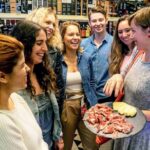
Chania tastes better when you cook it. This class near Chania is built around an outdoor kitchen and a very personal family lesson from Veerna and Kostas, so you chop, roll, and shape real Cretan food, not just watch. You’ll also learn why kleftiko (thieves dinner) matters and cook the lamb main yourself.
I love that it’s hands-on from start to finish, including rolling pins for kalitsounia dough, not only knife work. The only real catch is timing: you spend the morning or afternoon cooking first, so if you’re counting on an early meal, plan your appetite for later in the session.
In This Review
- Key highlights to know before you go
- A Chania cooking class that feels like a real Cretan home
- Welcome drinks, garden ingredients, and the menu roadmap
- Kleftiko and lamb: the thieves dinner, cooked by you
- Stuffed vegetables and dolmades: working the herb-and-rice style
- Kalitsounia: the dough, the rolling pins, and the honey finish
- Appetizers first on your plate: Ntakos, tzatziki, and Cretan salad
- Time to eat: a full Cretan meal with local wine
- Class size, logistics, and how pickup affects your plan
- Pricing and value: what you’re really paying for
- Who this cooking class suits best
- Should you book the Chania cooking class near Veerna’s kitchen?
- FAQ
- How long is the Chania cooking class?
- Does the class offer lunch and dinner times?
- Is pickup included?
- Where does the class start and end?
- What dishes will I cook and eat?
- Is wine included?
- Are ingredients included?
- Is there a mobile ticket?
- What is the maximum group size?
- Can I bring a service animal?
- What are the age rates?
- What is the cancellation policy?
Key highlights to know before you go
- Kleftiko lesson with lamb pouches: you cook the thieves dinner main, not a simplified version
- Dolmades and stuffed vegetables: rice-and-herb fillings with classic Cretan shaping
- Kalitsounia with rolling pins: pastry made the hands-on way, then eaten with honey
- Appetizers appear right after prep: tzatziki, Ntakos, and Cretan salad hit early on the table
- Local wine is part of the meal: and it keeps coming while you eat what you made
A Chania cooking class that feels like a real Cretan home
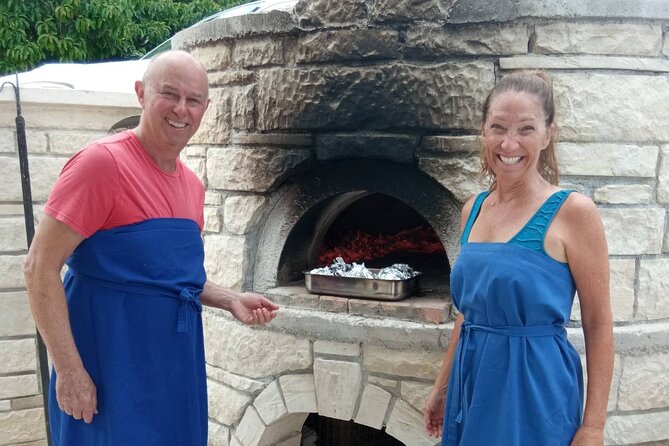
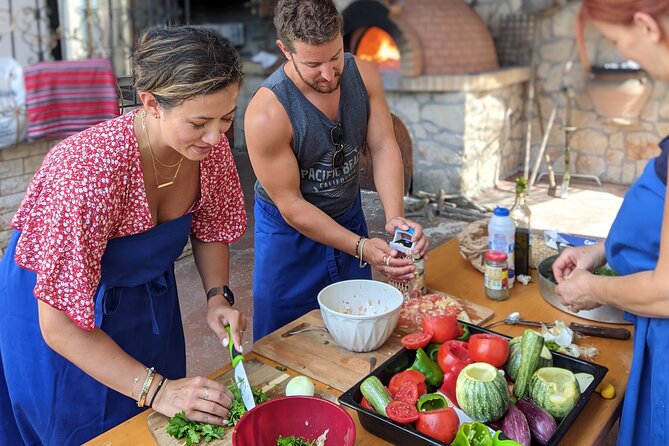
If you’re after Cretan food that tastes like it belongs on the island, this is the kind of experience that makes sense. The class is based near Chania at Veerna’s kitchen, and the setting is part of the charm: an outdoor cooking setup, olive-grove vibes, and a shaded cooking area that makes the hours easier even when it’s warm.
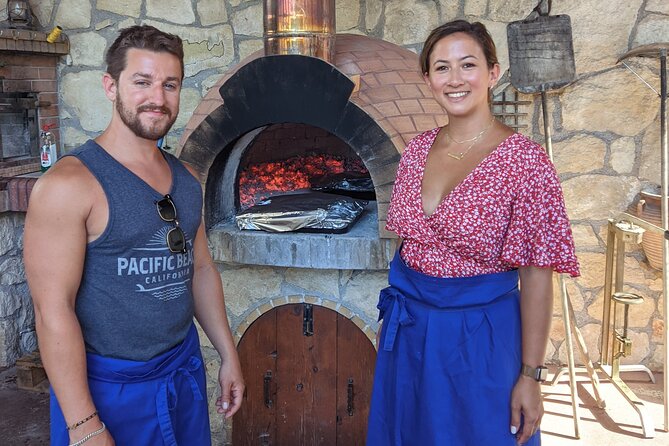
What makes it work is the way the family teaches. Veerna takes the lead in instruction, while Kostas handles the outdoor wood oven and the lamb part of the process. You’ll learn while you work, and you’ll also hear why the dishes are more than just recipes.
You can also read our reviews of more cooking classes in Crete
Welcome drinks, garden ingredients, and the menu roadmap
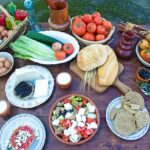
Before you start cooking, you’re welcomed with a homemade refreshment or a Greek coffee from the hostess, plus homemade cookies. It’s a small thing, but it sets the tone: you’re not walking into a factory class. You’re being received.
Then the team lays out the Mediterranean-based menu in plain language. You’ll also get context for the dishes you’ll make, which matters on a cooking class—because when you understand the point of something (like a lamb cooking method), you remember it later when you recreate it at home.
One of the best clues that this is rooted in real practices: the kalitsounia filling uses wild greens and herbs from an organic garden. That’s not a gimmick. It signals that the flavor plan is built around local ingredients.
Kleftiko and lamb: the thieves dinner, cooked by you
The class builds toward the main dish, and it starts with the story behind kleftiko—often called thieves dinner. This is the moment where you learn that Cretan food has strong traditions, and the way lamb is cooked is part of that.
What you’ll do is prepare lamb with a pouch style approach using lamb, vegetables, and goat cheese. The idea is that the lamb ends up tender, rich, and loaded with flavor. Once Kostas moves the cooking forward in the oven, you’ll understand why this dish is so loved across the island.
This is also the part where the class feels most rewarding for beginners. Even if you’re not a confident cook, the steps are structured, and you’re not left guessing. The food you shape becomes the food you eat.
Stuffed vegetables and dolmades: working the herb-and-rice style
After the lamb lesson, you get into the filling work: stuffed vegetables and dolmades (stuffed grape leaves). Expect a hands-on session that mixes chopping with assembly.
For stuffed vegetables, you’re working with tomatoes, peppers, and zucchini stuffed with rice and herbs. It’s practical cooking: you learn how to pack filling without overstuffing, and you’ll see how the same filling can go into different vegetables.
For dolmades, the work is slower and more precise. You’ll fold and roll grape leaves so the filling cooks evenly. It’s the kind of step that’s great for people who like tasks they can focus on—while also being good for social time, because you’ll be comparing methods with everyone at your station.
Kalitsounia: the dough, the rolling pins, and the honey finish
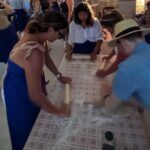
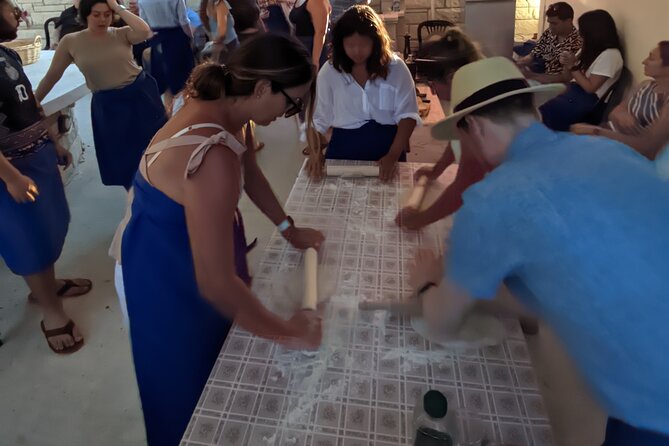
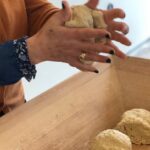
If there’s a dish that screams Cretan comfort food, it’s kalitsounia. Here you don’t just get to eat it—you make it. And yes, you’ll use rolling pins to roll out the dough.
The savory version is cheese-filled, mixed with wild greens and herbs. The sweet version comes later as dessert, filled with cheese and served with honey. There’s also a yogurt-based dessert featuring Greek yogurt with spoon sweet made from wild fruits.
This pastry segment is one of the most fun parts of the class for many people. It feels creative, but it’s still guided and organized, so you don’t need years of pastry experience to get good results.
You can also read our reviews of more tours and experiences in Crete
Appetizers first on your plate: Ntakos, tzatziki, and Cretan salad
You might expect appetizers to be eaten right when they’re made, but the order is a little different here. Some of the appetizer prep happens later, and then the dishes show up when it’s time to eat.
When it hits, you’ll have a starter lineup that stays classic and easy to recognize:
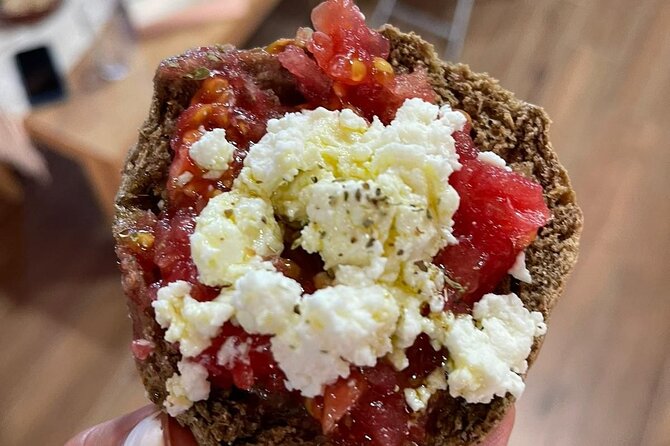
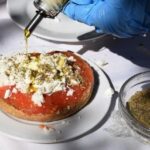
- Ntakos: Traditional Cretan baked bread with grated tomato and goat cheese
- Tzatziki: Yogurt dip with cucumber and garlic
- Cretan salad: a fresh plate to balance the richer dishes
Then it’s time to sit down and enjoy everything you cooked. The pacing is actually smart. You work in the kitchen, then you switch into eating mode, and the food lands as a reward rather than a break.
Time to eat: a full Cretan meal with local wine
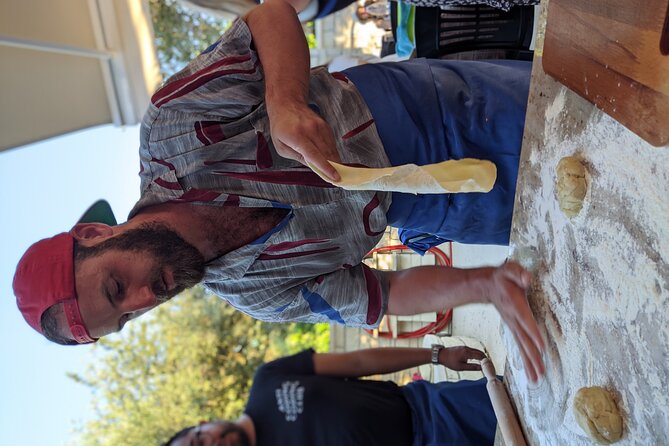
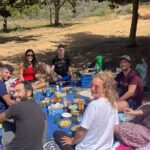
Once the cooking wraps, you’ll eat the dishes you made: kleftiko, the stuffed vegetables, dolmades, plus the appetizers and dessert. And the meal doesn’t treat wine as a tiny add-on. You’ll have copious amounts of local wine along with soft drinks.
This is one of the biggest value points of the experience. For many cooking classes, you sample a few bites and call it a day. Here, you cook a lot and eat like you did a good day’s work—because you did.
Also, the class style makes it hard to feel bored. Even if you’re not doing every step at once, the stations keep you involved: knife work, assembly, rolling, and tasting as the meal comes together.
Class size, logistics, and how pickup affects your plan
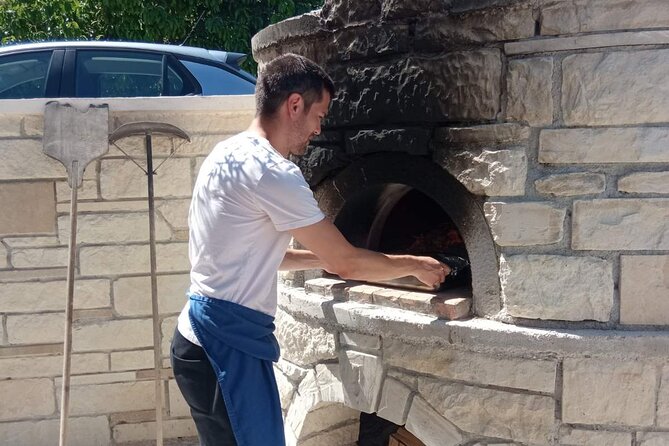
The activity can host up to 40 people. In practice, the class has felt sized so instruction remains hands-on, with groups described around the 20–27 range in some experiences. Either way, it’s not the huge crowd where you’re one of 100.
Duration is listed at about 4 hours, with a note that it can run 4–5 hours depending on the number of participants. They also offer lunch-style sessions (10:00–14:00) or dinner-style sessions (16:00–20:00), so you can pick a time that fits your day in Chania.
Transportation isn’t included in the base price. Pickup is offered for an extra fee, and the transfer is semi-private. The provider uses a 9-seat van and an EV, so you might share the ride with other people heading to the same class. If you’re staying in central Chania, you’ll still want to plan around the pickup timing so you arrive relaxed, not rushed.
Pricing and value: what you’re really paying for
The price shown is about $133.08 per person. The adult rate is listed at 105 EUR. Either way, you’re paying for more than instruction.
Here’s where the value is strongest:
- You cook multiple dishes (kleftiko, dolmades, stuffed vegetables, kalitsounia)
- The meal is full and built around what you made, not just a snack plate
- Ingredients are included, plus local wine and soft drinks
- The setting is part of the experience: outdoor kitchen, olive grove feel, family-run pace
This pricing works best if you want a “food day” in Crete rather than a quick hit of sightseeing. If you’re the kind of traveler who enjoys learning techniques you can repeat later, this class is a better deal than many single-dish dinners, because you leave with a full meal plan in your head.
One more smart bonus: a few days after the class, you may receive the recipes so you can try again at home.
Who this cooking class suits best
This is ideal for people who:
- Want hands-on Cretan cooking, not just a tasting tour
- Appreciate explanations behind the food, like the kleftiko thieves dinner story
- Enjoy a relaxed, social meal with local wine included
- Like the idea of cooking in an outdoor kitchen setting near Chania
If you’re a total beginner, you’ll likely do fine. The class is structured, and the work is divided into steps. If you’re very sensitive to time, though, remember the earlier note: you’ll cook for a while before you eat.
Should you book the Chania cooking class near Veerna’s kitchen?
Book it if you want an authentic taste of Crete through real cooking steps: lamb, grape leaves, stuffed vegetables, and kalitsounia made with rolling pins. This is also a strong pick if you want the kind of experience that combines food with family stories and a warm, organized teaching style from Veerna and Kostas.
Skip it only if you can’t handle waiting for the meal part. Cooking comes first, and the session can run 4–5 hours depending on group size.
If you’re even slightly curious about Cretan food, this one is worth your evening or lunch block. You’ll leave fed, informed, and with dishes you can actually reproduce.
FAQ
How long is the Chania cooking class?
It runs about 4 hours, with a note that it can be 4–5 hours depending on the number of participants.
Does the class offer lunch and dinner times?
Yes. There are lunch sessions from 10:00 to 14:00 and dinner sessions from 16:00 to 20:00.
Is pickup included?
Pickup is offered for an extra fee depending on your location. Transportation is not included in the base price.
Where does the class start and end?
It starts at Chania Cooking Class at Nerokouros 731 00, and it ends back at the meeting point.
What dishes will I cook and eat?
You’ll make kleftiko (thieves dinner) with lamb, stuffed vegetables, dolmades (stuffed grape leaves), kalitsounia (savory), and you’ll also have appetizers like Ntakos and tzatziki, plus dessert (sweet kalitsounia and spoon sweet yogurt).
Is wine included?
Yes. Local wine and soft drinks are included with the meal.
Are ingredients included?
Yes. Everything you need for the dishes is provided.
Is there a mobile ticket?
Yes. Mobile ticket is offered.
What is the maximum group size?
The maximum is 40 travelers.
Can I bring a service animal?
Service animals are allowed.
What are the age rates?
Children 0–4 are free. Ages 5–12 are 50 EUR. Adults are listed at 105 EUR.
What is the cancellation policy?
You can cancel for a full refund up to 24 hours before the experience starts. Within 24 hours, there is no refund.