Ancient olives and fresh pours in one afternoon. This semi-private Chania wine experience gives you a guided afternoon of Cretan wine and olive oil, not a rushed bus stop parade. I love the small group vibe (max 8) and the way you get olive oil education alongside wine tasting.
One thing to consider: this is built around tasting wine (11 different pours), so if you want scenery with zero alcohol focus, you may find the flow too tasting-heavy.
In This Review
- Key Highlights Worth Marking
- A Semi-Private Chania Wine Tour That Actually Feels Personal
- Meet at Platia Markopoulou, Then Ride Into the Cretan Hills
- Stop 1: Karavitakis Winery and the First Round of Cretan Wine Tasting
- Stop 2: Anoskeli Winery Olive Mill for Olive Oil Lessons That Don’t Feel Added On
- Stop 3: The Monumental Olive Tree of Vouves and a Fast Lesson in Time
- The Snack Plate and 11 Wine Tastings: How the Pairing Works for Real People
- Guides Make the Difference: Anna and Oz as Examples of the Tour Style
- Price and Value: What You’re Really Paying For
- Who Should Book This Tour (and Who Might Skip It)
- Should You Book the Semi-Private Wine Discovery Tour in Chania?
- FAQ
- How long is the tour?
- Where do I meet the guide?
- What is the group size?
- How many wines do you taste?
- What is included in the price?
- Is there a minimum age?
- Is the tour offered in English?
- Is it refundable, and what happens with bad weather?
Key Highlights Worth Marking
- Small group, max 8 travelers for real time with your guide instead of crowd control
- Meet at Chania’s Municipal Market (Platia Markopoulou) at 1:00 pm, then return to the same spot
- Three stops: two family wineries plus an olive mill and the Monumental Olive Tree of Vouves
- 11 wine tastings paired with a Cretan snack plate
- Vineyard stroll for photos plus driving views over the hills around Chania
- Adult-only format (18+) with a true wine-and-food focus
A Semi-Private Chania Wine Tour That Actually Feels Personal
This tour is designed for people who want to understand what they’re tasting, not just collect a checklist of wineries. You start in central Chania and head out by air-conditioned minivan, with the day paced so you’re not stuck waiting around for long stretches.
The semi-private size is a big deal. With a maximum of 8 travelers, you can ask questions, hear the reasoning behind pairings, and actually get comfortable with the tasting process. It’s also the sort of afternoon where you’ll likely talk about what you like as you go—rather than just nodding politely through a group lecture.
Price-wise, you’re paying about $114.65 per person for a full afternoon with transport, tasting fees, and snacks included. That sounds like a lot until you remember you’re getting 11 wine tastings plus winery food pairings, not just a sip-and-go. In practice, it’s a straightforward way to build a Cretan wine education without doing the logistics yourself.
You can also read our reviews of more private tours in Crete

Meet at Platia Markopoulou, Then Ride Into the Cretan Hills
You’ll meet your guide at Chania’s Municipal Market area on Platia Markopoulou. The start time is 1:00 pm, and you’ll return to the same meeting point when the tour wraps up (about 5 hours total).
Why that matters: meeting in the center makes this easy for a one-day plan. You don’t need extra taxis to reach a far-off pickup spot. And since the driving is part of the experience—views across the countryside around Chania—it helps to have a reliable, local-style meeting point rather than a remote hotel gathering.
Expect countryside scenery between stops. The route takes you through the hills, so even if you’re not a “photo every five minutes” person, you’ll still get those wide-open moments where you can see how Cretan agriculture shapes daily life.
Stop 1: Karavitakis Winery and the First Round of Cretan Wine Tasting
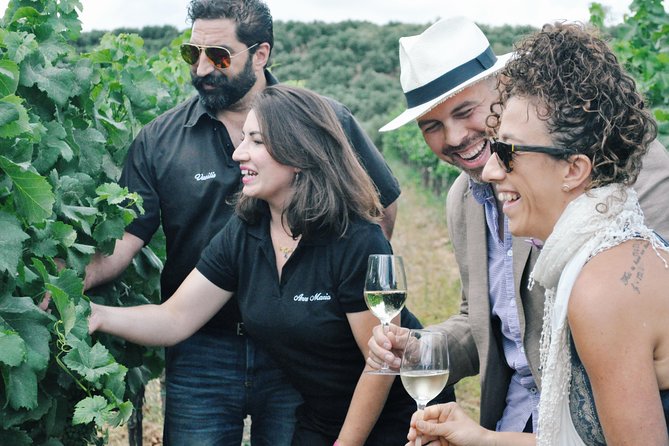
Your first stop is Karavitakis Winery, a family-run place that sets the tone for the whole afternoon. This is where you’ll get grounded in how Cretan producers think about grapes, land, and making wine you can taste and compare.
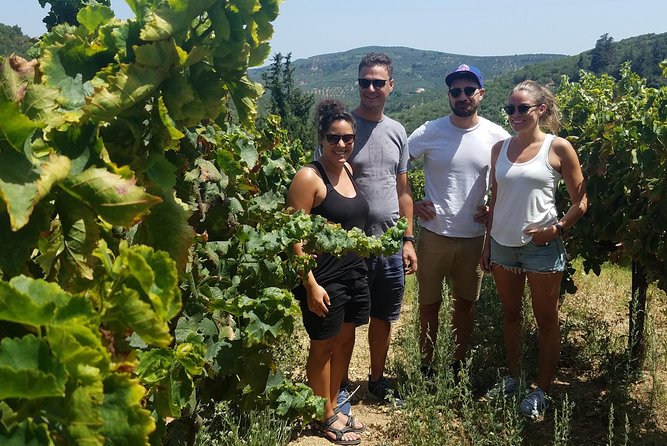
One of the smartest parts of the design is that you don’t just sit down for tastings right away. You’ll also be taken through the vineyard area for a walk that’s great for photos and for connecting the glass in your hand to what’s growing in front of you. It’s a small step, but it makes the tasting make more sense.
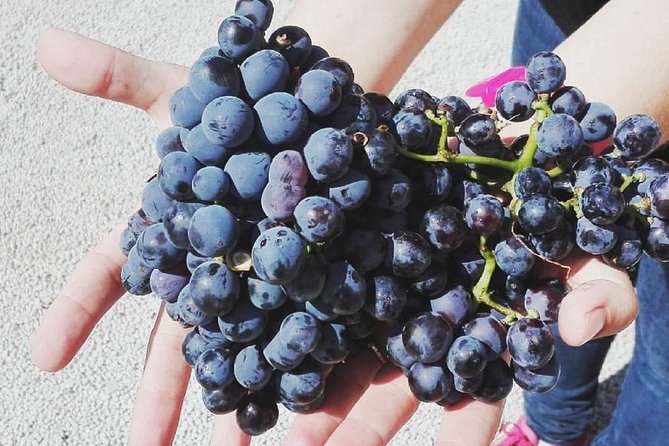
In terms of what you’ll actually taste, the overall tour includes wines made from indigenous grape varieties as well as international grapes you’ll recognize. That mix helps you compare styles without feeling lost if you’re new to Cretan wines. You’re able to learn what makes the local grapes interesting, then anchor that with something familiar on the same afternoon.
A practical tip: when the tasting starts, don’t worry about memorizing every detail. Focus on two or three takeaways—like whether you prefer fresher whites, smoother reds, or something in between. With 11 wines across the day, keeping a simple mental shortlist will help you enjoy the comparisons instead of getting overwhelmed.
Stop 2: Anoskeli Winery Olive Mill for Olive Oil Lessons That Don’t Feel Added On
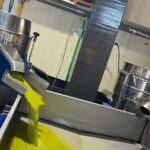
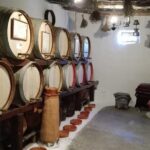
Then you shift from wine to olive oil at Anoskeli Winery Olive Mill. This is where the tour earns its keep for people who think they’re only signing up for wine.
You’ll sample Cretan produce and dairy as part of the day’s food setup, and olive oil is treated as more than a supporting actor. You get an education around olive oil production and how it fits into everyday Cretan taste. That makes the whole experience feel grounded in how the island actually eats.
Also, the tour’s guide is not just reading a script. In feedback, guides like Anna are described as trained sommelier-level professionals who explain what’s going on in plain English (in her case, perfect for American ears) and connect wine and olive oil to the island’s context. Another guide, Oz, is noted for humor and a warm, hands-on approach that makes the day feel like a chat with experts, not a formal class.
Here’s the balance angle: if you’re a die-hard wine person, you’ll still get plenty of wine. But if you care about olive oil, this stop turns that interest into something you can taste and understand, rather than just hearing a quick mention. It’s the kind of bonus that feels integrated, not tacked on.
Stop 3: The Monumental Olive Tree of Vouves and a Fast Lesson in Time
Your final featured stop is the Monumental Olive Tree of Vouves. This is the kind of stop that makes you straighten up and look around, because you’re not just walking through a scenic point—you’re visiting a living symbol of how long olive growing has mattered on Crete.
In the feedback, one guide experience highlights a tour moment around a 4000+ year old olive tree. Another memorable detail: a guide shared a snapshot of how Cretan political history links back to the people behind wine and agriculture, described as a 6,000-year perspective delivered in about 10 minutes. Even if you don’t catch every historical thread, the point lands: this island’s food culture runs deeper than modern labels.
Why it works in a wine tour: after your winery tasting, the olive tree stop gives you a longer time horizon. You stop thinking of wine as just a product and start seeing it as part of a bigger system—fields, farmers, traditions, and adaptation over centuries.
Practical note: wear comfortable shoes. Even if the path isn’t described in detail, this is still an outdoor walk as part of a full afternoon itinerary.
You can also read our reviews of more wine tours in Crete

The Snack Plate and 11 Wine Tastings: How the Pairing Works for Real People
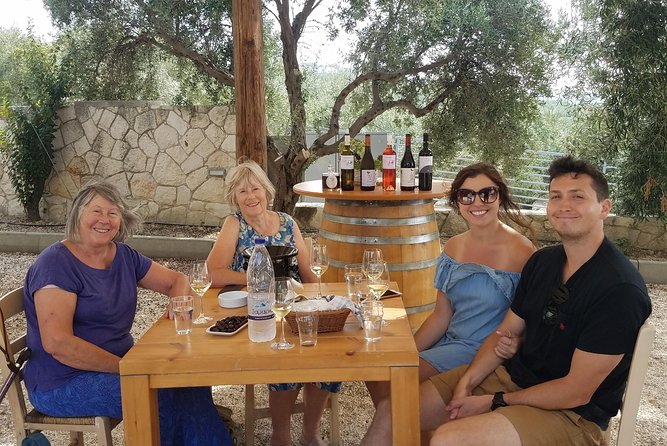
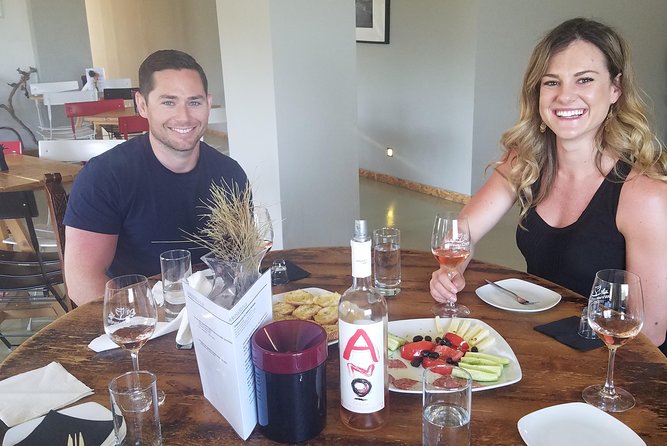
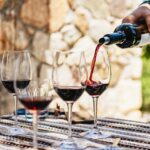
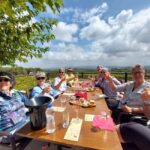
The day’s tasting lineup includes 11 different wines, served with a snack plate designed for pairing. You’ll be eating as you taste, which is exactly how you keep the flavors clearer and the pace enjoyable.
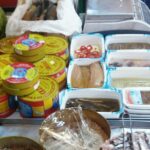
The sample food menu includes tomatoes, cheese, salami, cucumbers, bread, olive oil, and olives. That combination matters because it hits classic Cretan staples—salty, tangy, creamy, and herb-forward. It also gives you a practical way to understand why certain wines feel better with specific foods.
One review note calls out that the food pairings may not match every personal preference, but the pairing choices are still described as appropriate. That’s a fair expectation for any wine tour: the “perfect match” is partly food style and partly what you personally love.
If you’re sensitive to salt or have dietary needs, plan ahead. The data provided only lists the snack plate contents, and it doesn’t mention alternatives. If you have serious restrictions, you’ll want to confirm what can be accommodated before booking.
Guides Make the Difference: Anna and Oz as Examples of the Tour Style
What really sets this experience apart is the guide quality. The tour’s concept is simple: you want people who do wine tours for a living, not tour people who happen to stand near a winery.
In the feedback, Anna stands out as a trained sommelier with strong English, and a personal style that helps you appreciate what you’re tasting rather than just receive facts. Oz is described as funny, warm, and genuinely invested in making the day fun and educational, including the moment around the very old olive tree.
You’ll feel this in the small details: the day isn’t only about tasting. You also get instruction on how to taste wine and advice on assessing what’s in your glass. That kind of guidance turns an enjoyable afternoon into a skill you can reuse later when you order wine at dinner.
Price and Value: What You’re Really Paying For
At $114.65 per person, this tour is priced for an experience with real inclusions: transport, tastings, and snacks. The biggest value lever is the small group size (max 8). When you spread guide time and tasting attention across a small number of people, it changes the feel.
Here’s what you’re effectively buying:
- Air-conditioned minivan transport between multiple stops
- Wine tasting of 11 wines across the day
- Snacks and pairings (the snack plate includes olive oil, olives, and local staples)
- Access to family-run wineries and an olive mill visit, plus an iconic olive tree stop
And because the tour includes both local-focused wine choices and internationally familiar varieties, it’s not only for hardcore wine geeks. It’s also useful if you want to learn how Cretan wine compares to what you already know.
A timing note too: the experience is about 5 hours, starting at 1:00 pm. That’s long enough to feel like a full outing, but it still keeps your evening open for dinner back in Chania.
Who Should Book This Tour (and Who Might Skip It)
This experience fits best if you:
- want a Chania wine tour that includes both wine and olive oil education
- prefer small group tours over large bus crowds
- like learning how to taste, not just drinking to “get through” a lineup
- care about countryside views and a meaningful stop at the Monumental Olive Tree of Vouves
You might want to skip or look for a different format if you:
- don’t want wine tasting as a central part of the afternoon
- prefer a mostly scenic, low-food outing
- travel with people under 18, since there’s a minimum age of 18 and a minimum drinking age of 18
Also, keep in mind the tour needs good weather. If conditions are poor, the experience may be canceled and rescheduled or refunded as described in the tour rules.
Should You Book the Semi-Private Wine Discovery Tour in Chania?
If your ideal afternoon includes wine tasting, olive oil education, and a human-sized group, this one is a strong choice. The combination of two family wineries, a focused olive mill stop, and the Vouves olive tree makes it feel like you’re learning the “why” behind Cretan food and drink, not just collecting stamps.
Book it if you want a practical, guide-led way to experience Cretan wine without arranging tastings and transportation on your own. And since it’s commonly booked about 22 days in advance, it’s smart to secure your date early—especially if you’re visiting during peak travel weeks.
FAQ
How long is the tour?
The tour is about 5 hours long.
Where do I meet the guide?
You meet at Platia Markopoulou in Chania (Chania’s Municipal Market area) at 1:00 pm, and the tour ends back at the same meeting point.
What is the group size?
The tour has a maximum group size of 8 travelers.
How many wines do you taste?
The tasting includes 11 different wines.
What is included in the price?
Wine tasting, snacks, and transport by air-conditioned minivan are included.
Is there a minimum age?
Yes. The minimum age is 18, and the minimum drinking age is also 18.
Is the tour offered in English?
Yes, the tour is offered in English.
Is it refundable, and what happens with bad weather?
The experience is non-refundable and cannot be changed for any reason. If it’s canceled due to poor weather, you’ll be offered a different date or a full refund.