Zeus country hits different on a long day.
This full-day bus tour strings together Kera Monastery and the Lassithi Plateau, with myths, mountain villages, and a hands-on ceramics stop that makes it feel more like a local day out than a checklist.
I especially like two things: the calm, professional feel of the guide and driver, and the way the ceramics visit turns shopping into doing. The best part is the combination of a serene monastery visit run by nuns and the practical, learn-how-it’s-made pottery experience.
The main drawback is physical effort. The climb to the Diktaion Cave area can be steep and tiring in hot weather, and the tour isn’t suited for people with mobility impairments.
In This Review
- Key highlights worth planning around
- How this Crete day trip really feels: myths, monasteries, and craft you can hold
- Getting there from Heraklion: comfortable bus, slow roads, real timing
- Panagia Kera Kardiotissa Monastery: icons, nuns, and a quiet kind of awe
- The route toward the Zeus area: where the climb starts feeling real
- Lassithi Plateau: windmills, Venetian ditches, and village life at altitude
- Psychro ceramics workshop: handmade craft with real take-home value
- Tzermiado lunch: fresh vegetables, classic Cretan plates, and a set-menu option
- The value question: is $44 a fair deal for this kind of day?
- Who should book this tour, and who should skip it
- Should you book the Lassithi Plateau and Kera Monastery tour?
- FAQ
- How long is the tour?
- How much does the tour cost?
- What’s included in the $44 price?
- Is lunch included?
- Do I need to pay for Kera Monastery entrance?
- Is there time for arts and crafts shopping?
- Where does the tour start and end?
- What languages does the guide speak?
- Is the tour suitable for mobility impairments?
- Are pets allowed?
Key highlights worth planning around
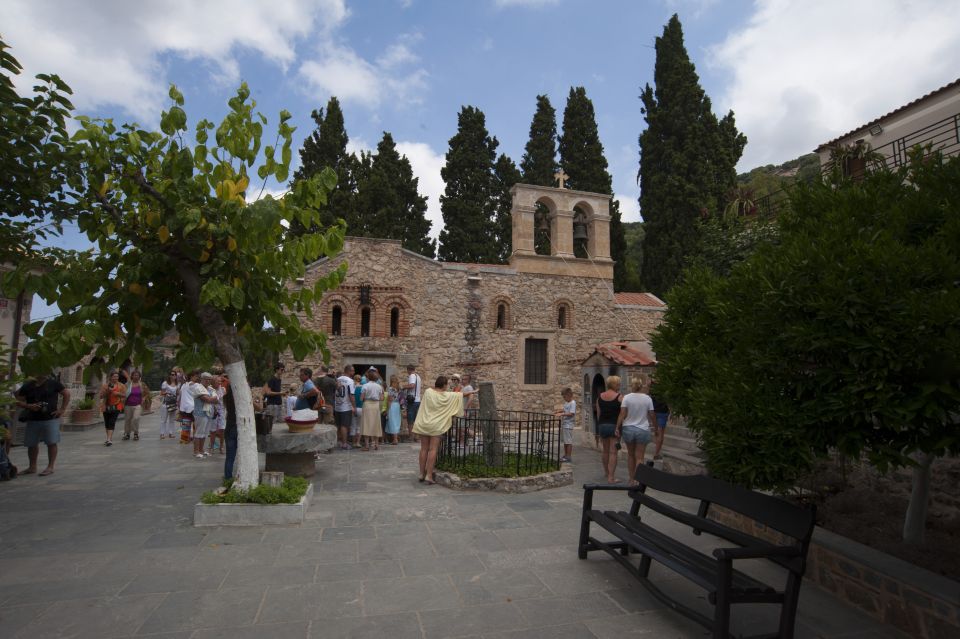
- Kera Kardiotissa Monastery with 14th-century icons: miraculous Virgin Mary icon plus frescoes and icons dating back to the 1300s.
- Diktaion Cave area climb: expect a steep path; there’s an option to ride a donkey for €10 each way.
- Lassithi Plateau windmills and Venetian ditches: see the famous windmill views and the drainage channels that shaped daily life.
- Psychro ceramics workshop: handmade ceramics, plus chances to make your own small piece (like a vase) to air-dry.
- Tzermiado lunch at altitude: lunch in the plateau capital with a pre-order option for a set menu using fresh local produce.
- A well-run coach day: modern air-conditioned bus, experienced driver, and a live guide in English, French, or German.
How this Crete day trip really feels: myths, monasteries, and craft you can hold
This tour is the kind of trip that works best when you’re okay with a long day and short stops. You’re not trying to “win” Crete in a single afternoon. You’re doing something smarter: moving through different layers of island life—religion, myth, farming, and craft—at one steady pace.
I like that it’s built around places that feel lived-in. The Lassithi Plateau isn’t a theme park. It’s a real high-altitude area where villages sit above 800 meters, and that changes the air and the mood instantly.
It also has value baked in. The price is $44 per person, and that covers the coach, your guide, and pickup/drop-off from multiple main-road areas. What’s extra is usually the same stuff you’d pay for on your own: monastery entrance, lunch, and anything you buy (like ceramics).
You can also read our reviews of more tours and experiences in Heraklion Regional Unit.
Getting there from Heraklion: comfortable bus, slow roads, real timing
Crete’s road network isn’t built for fast highway travel, and this tour leans into that reality. Coaches must stick to regulation speeds, and traffic during pickup can stretch the schedule. The result is simple: plan for the full day and don’t treat the timing like a city museum tour.
The good news is comfort. The bus is modern and air-conditioned, and the driver is described as careful on winding mountain roads. That matters because you’re heading toward the Dikti Zeus area and up into high-country scenery where curves add up.
One small logistics detail that affects photos: you’ll pass a viewpoint tied to the old Minoan windmills, but the bus isn’t allowed to stop at the peak. The bus goes slowly so you can take pictures from the window or roadside, but you won’t get a long walk-out there.
Panagia Kera Kardiotissa Monastery: icons, nuns, and a quiet kind of awe
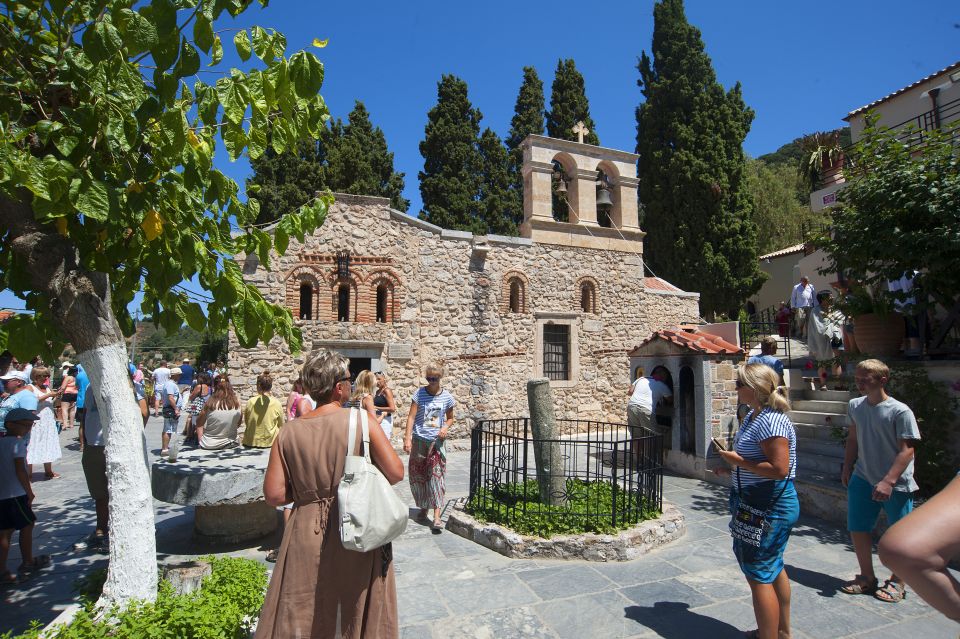
The Kera Kardiotissa Monastery is the spiritual reset button on this route. You’ll visit the historic site—about 50 minutes on-site—set in a beautiful setting, and run by nuns.
What you’re there for is the art and the atmosphere. You can admire the miraculous icon of the Virgin Mary, along with frescoes and other icons dating back to the 14th century. Even if you’re not a church-architecture nerd, the mixture of history, calm, and mountain views makes it land.
One review detail adds texture: there’s an introduction to a chapel filled with frankincense, plus a magnolia tree and rose bushes. Those small sensory pieces are what make a monastery visit feel more like a place than a stop sign.
Practical note: wear shoes that work well outdoors. Even short walks on uneven ground add up over a 10-hour day.
The route toward the Zeus area: where the climb starts feeling real
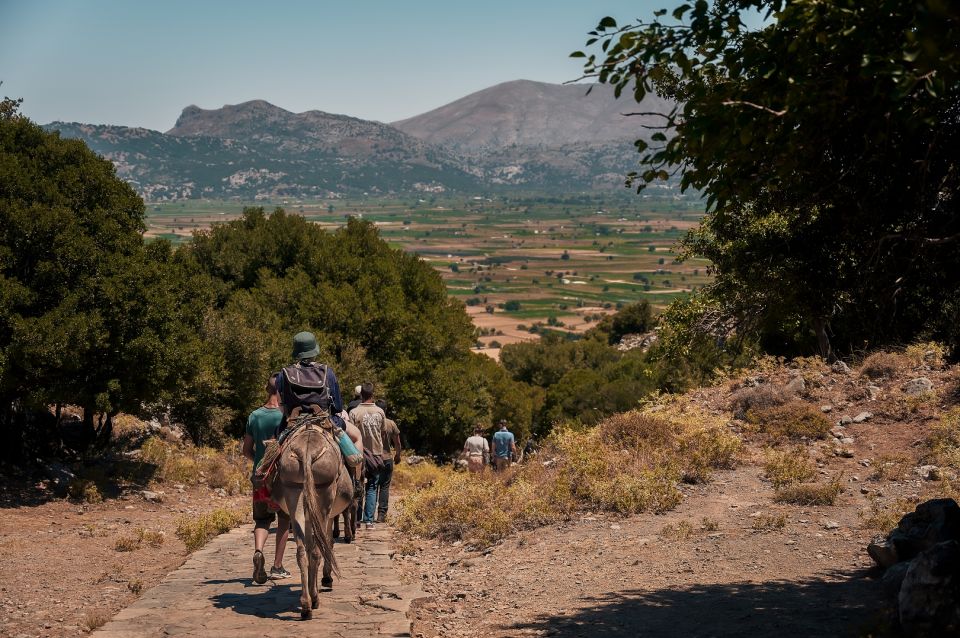
After the monastery, the day turns more physical. You’ll head toward the Diktaion Cave area, the one tied to the Zeus story on Crete.
The cave access is not a flat promenade. From the car park, the walk is roughly 15 minutes up a steep path if you move quickly. In hot weather, that climb demands real effort.
The tour offers a practical solution: you can ride a donkey for €10 each way. That doesn’t make the climb easier on your lungs, but it changes it from a workout into a manageable hop—useful if you’re fit but not ready to scramble.
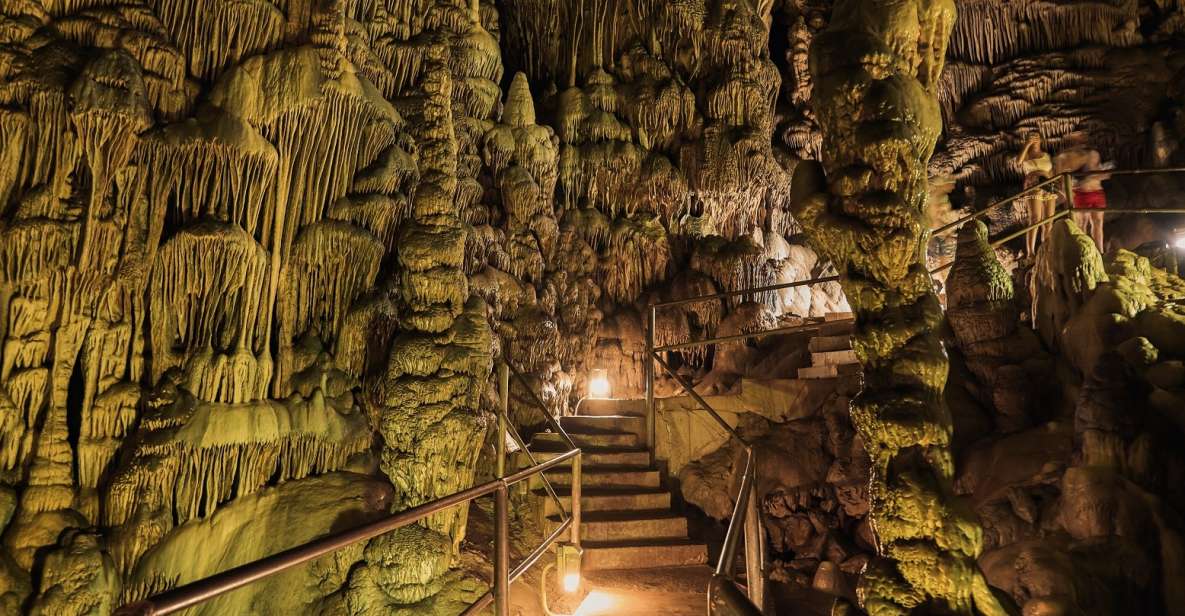
Inside, the cave is described as big and well lit. Still, caves can be crowded, and it may feel like the day keeps nudging you forward. If you like to linger slowly, budget a mindset that this is a visit with momentum, not a long solo session.
A helpful tip only matters if it applies to you: one review notes that the cave entrance is free for EU citizens with a valid ID card if you’re under 25, over 65, or a child. If that’s your situation, it’s worth double-checking before you go so you aren’t surprised.
Lassithi Plateau: windmills, Venetian ditches, and village life at altitude
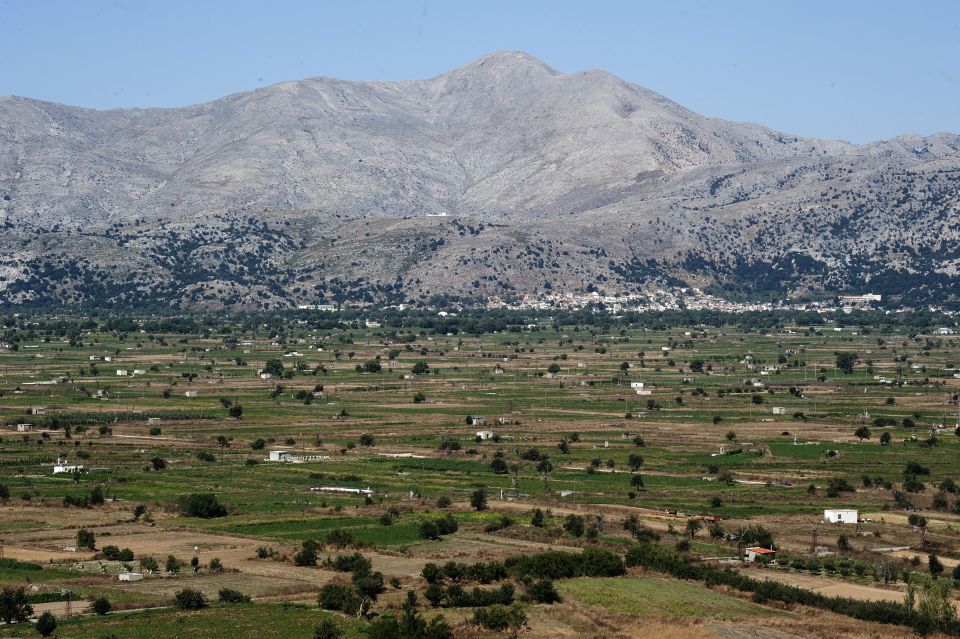
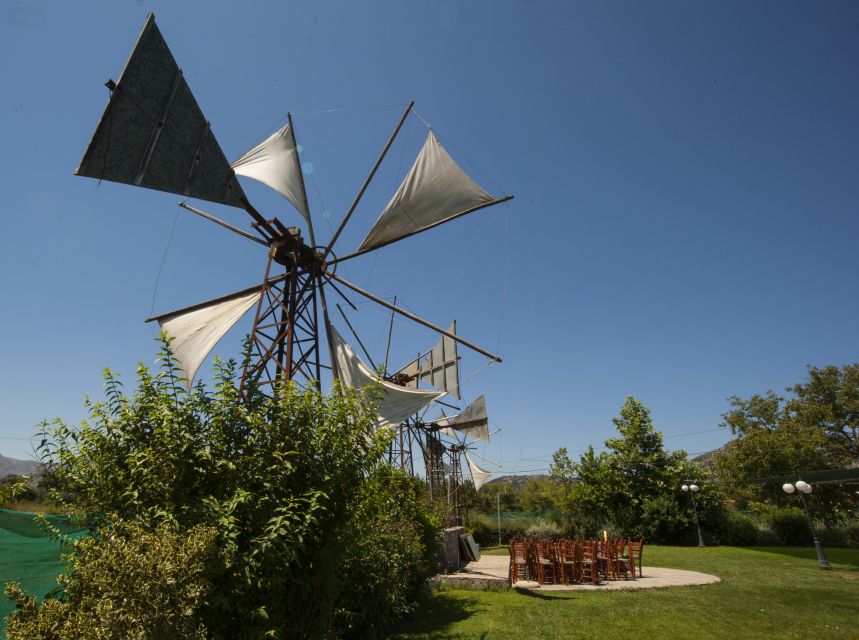
Then you reach the Lasithi Plateau, one of the places on Crete where people live above 800 meters. It sits within the Dikti Mountains, and that’s why the plateau feels cooler, airier, and more open than the coast.
You’ll get to see the famous windmills and the Venetian ditches—channels originally used to help drain the plateau. Those ditches aren’t just “cool ruins.” They explain why irrigation and water management mattered for a high-altitude farming community.
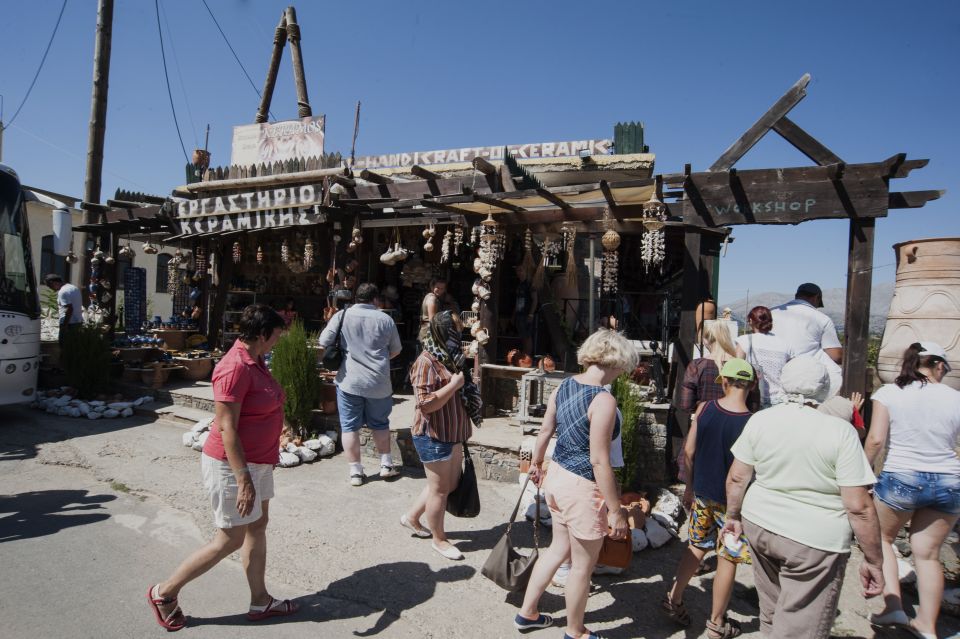
At the plateau, you’ll have time to wander with the guide and also visit an arts and crafts market area. The stop is short—about 30 minutes for guided time plus market browsing—so come ready to pick one or two things instead of trying to shop everything.
Also, keep your expectations realistic about viewpoints. One key old windmill scene happens near a peak where the bus can’t stop, so you’ll rely on slow passing and photos from where you can. It’s still worth it for the iconic view, but it’s not the type of place where you’ll stroll out freely for long.
Psychro ceramics workshop: handmade craft with real take-home value
Psychro is famous for handmade ceramics and for being connected to Zeus’s birthplace on the island. Even if the myth part isn’t your focus, the ceramics workshop is.
This is where the tour pays off if you like souvenirs that aren’t factory-made. The workshop is a real crafting stop, and you can see traditional techniques in action. One review mentions traditional Greek justice cups, and you might even have the chance to make your own piece.
In the best-case scenario described, you can make a small vase to air-dry. Even without making something yourself, it’s the kind of visit where you understand why the finished items cost what they cost, because you see the work involved.
Bring cash for purchases. The tour info explicitly asks you to have cash, and ceramics shops are exactly the kind of place where cards can be unreliable.
Tzermiado lunch: fresh vegetables, classic Cretan plates, and a set-menu option
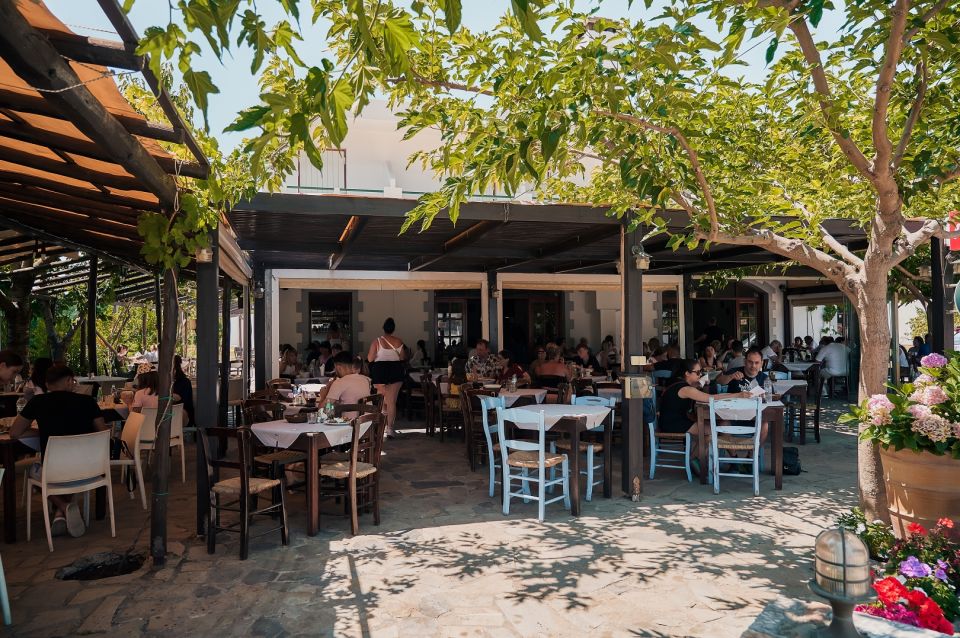
Lunch happens in Tzermiado, the biggest and oldest village on the plateau and essentially the capital for the village cluster there. The setting is part of the point: traditional architecture, big plateau views, and a slower feel than the road stops.
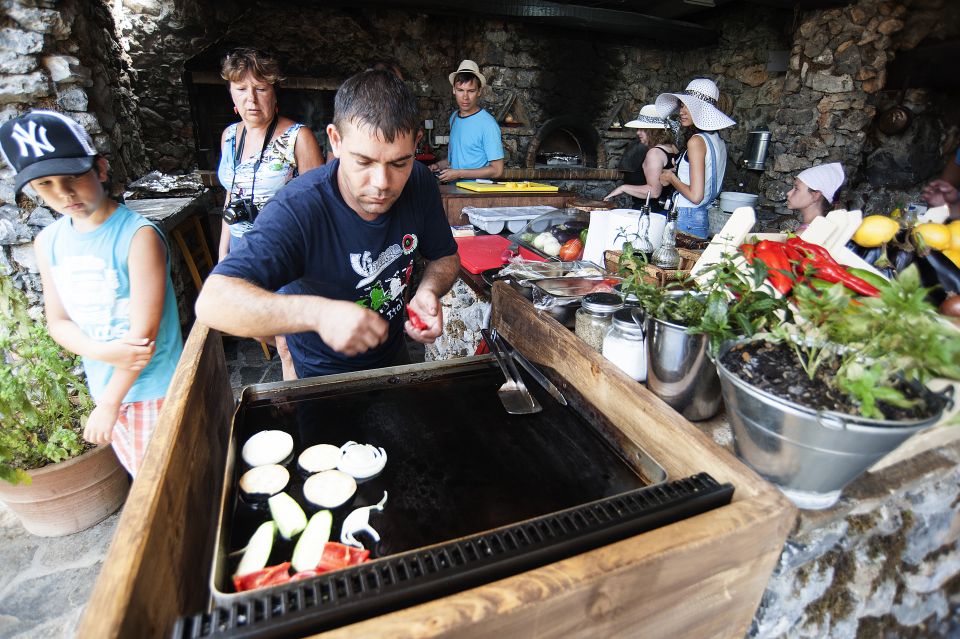
You’ll have time to relax and eat at local taverns. One detail I like here is the emphasis on fresh produce and local vegetables. The plateau grows a lot, and the food is described as based on daily-picked ingredients.
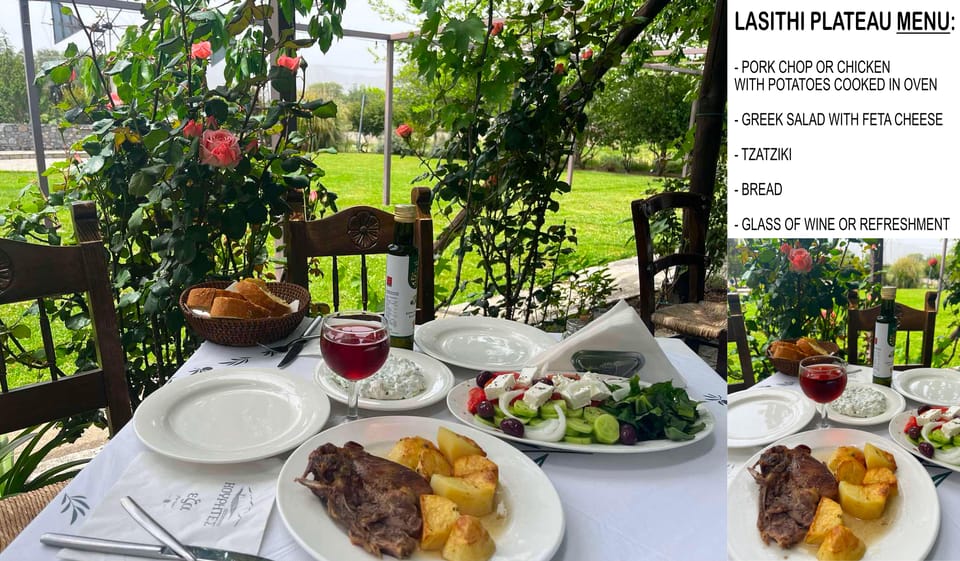
Now, the tour also offers a structured lunch choice. There’s a 14 euro optional menu option listed that includes pork chop or chicken with potatoes cooked in the oven, Greek salad with feta, tzatziki, bread, and a glass of wine or a non-alcoholic drink. The instruction says you should preorder your meal and choose from the selection.
Two practical considerations:
- Lunch isn’t included in the tour price by default, so figure out whether you want the optional set menu or plan to buy elsewhere.
- Since the meal time is fixed, you may not have the freedom to roam much after ordering. One review mentions a final restaurant stretch that felt like there wasn’t much to do if you weren’t ready to eat.
The value question: is $44 a fair deal for this kind of day?
At $44 per person, this tour is a solid value if you want guided logistics and multiple big stops without renting a car. You’re paying for the coach, the guide, the experienced driver, and liability coverage, plus taxes and fees.
What you’ll likely pay extra for is the same stuff you’d pay for on your own:
- Kera Monastery entrance is not included.
- Lunch and drinks are not included in the base price, with a 14 euro optional set menu listed.
- Cave-related costs aren’t presented as a blanket included fee, but there is a note about free entry eligibility for certain EU citizens with valid ID in the review.
- Donkey rides, if you choose them, cost €10 each way.
- Ceramics are, of course, extra.
If you’re traveling solo, it’s often cheaper and less stressful than paying for a rental car plus parking plus finding your way up into the plateau. If you’re traveling with others who don’t want the responsibility of driving, the shared bus day can be the easiest way to hit the highlights.
Who should book this tour, and who should skip it
Book this if you want a guided day that mixes myth places with real Cretan culture: a monastery with significant icon art, a plateau with windmills and village life, and a ceramics workshop where you can actually learn what you’re buying.
It’s also a good fit if you like structured time. The guide is live and the tour runs as a single loop, which helps a lot when you’re covering mountain regions in one day.
Skip it if you need step-free access or easy walking. The tour isn’t suitable for people with mobility impairments, and the Diktaion Cave area includes a steep climb. Even if you’re okay with walking, hot weather makes the climb harder, so bring a realistic fitness plan for that segment.
Finally, this isn’t a pet-friendly day: pets aren’t allowed.
Should you book the Lassithi Plateau and Kera Monastery tour?
Yes, if you want one organized day that delivers variety: monastery calm, plateau altitude, myth-linked stops, and ceramics you’ll feel proud to take home. I’d book it when you’re short on time in Crete but still want something more authentic than a single beach day.
Consider passing or choosing a different option if you hate steep walks or you know you’ll struggle with the cave area climb. This tour rewards those who can handle some uphill effort and who enjoy guided stops more than hours of wandering.
Quick checklist before you go:
- Wear comfortable shoes you trust on uneven paths.
- Carry cash for ceramics and any paid on-site choices.
- Expect a full 10-hour day with mountain driving, and don’t get stressed if pickups and pacing take longer than you hoped.
FAQ
How long is the tour?
The tour lasts 10 hours.
How much does the tour cost?
The price is $44 per person.
What’s included in the $44 price?
The price includes pickup and drop-off from main roads (partly from hotel exits in some areas), transportation by modern air-conditioned bus, an experienced driver, a live guide, and liability insurance, plus all taxes and fees.
Is lunch included?
Lunch and drinks are not included. An optional 14 euro lunch menu is listed for preorder, with items like pork chop or chicken with potatoes, Greek salad with feta, tzatziki, bread, and a drink.
Do I need to pay for Kera Monastery entrance?
Yes. Entrance to Kera Monastery is not included.
Is there time for arts and crafts shopping?
Yes. There’s a guided time on the plateau that includes shopping and an arts and crafts market visit.
Where does the tour start and end?
Pickup and drop-off are offered from many main-road locations in the Heraklion area, including places like Heraklion, Ammoudara, Analipsi, Malia, Gouves, and others listed in the pickup/drop-off options.
What languages does the guide speak?
The live tour guide is available in English, French, and German.
Is the tour suitable for mobility impairments?
No. The tour is not suitable for people with mobility impairments.
Are pets allowed?
No, pets are not allowed.