Ancient corridors, guided by your phone. Knossos Palace is one of Crete’s biggest history stops, and this experience pairs a pre-booked e-ticket with a downloadable audio tour you play right on your smartphone as you walk the site. It’s a practical way to see the palace without being rushed, and to connect the ruins to Minoan life.
I particularly like two things: first, having your entry sorted in advance means less time stuck at ticket lines and more time inside the ruins. Second, the audio tour + site map helps you understand what you’re looking at, from fresco themes in key buildings to everyday details like clothing and beauty habits.
One consideration: the audio is self-guided, so the directions can be a little tricky at times, especially if some areas are closed for maintenance or don’t match the walk you choose. If that happens, you may need to pause, reread the printed signage, or re-check where you are on the map.
In This Review
- Key things I’d focus on before you go
- Knossos Palace: what you’re really walking through
- E-ticket + audio on your phone: the practical setup that saves time
- The South Propylaeum and procession frescoes: where the palace feels human
- West Magazines: bureaucracy, storage, and the earliest writing vibes
- The South Entrance Corridor: the Prince of the Lilies and a framed mountain view
- Queen’s Megaron: blue dolphins and the reality of Minoan comfort
- Optional audio add-ons: Heraklion City and Phaistos Palace
- Timing and crowds: how to make 1–5 hours feel right
- Price and value: is $34 a fair deal?
- Who should book this (and who might not enjoy it)
- Should you book this Knossos Palace audio e-ticket?
- FAQ
- How long does the Knossos Palace visit take?
- Is the audio guide included, or do I have to buy it separately?
- Do I need my own headphones?
- What languages is the audio guide available in?
- What smartphone do I need for the audio guide?
- Is this ticket refundable?
- Are there any important ID requirements?
- Can I bring pets or a stroller?
Key things I’d focus on before you go
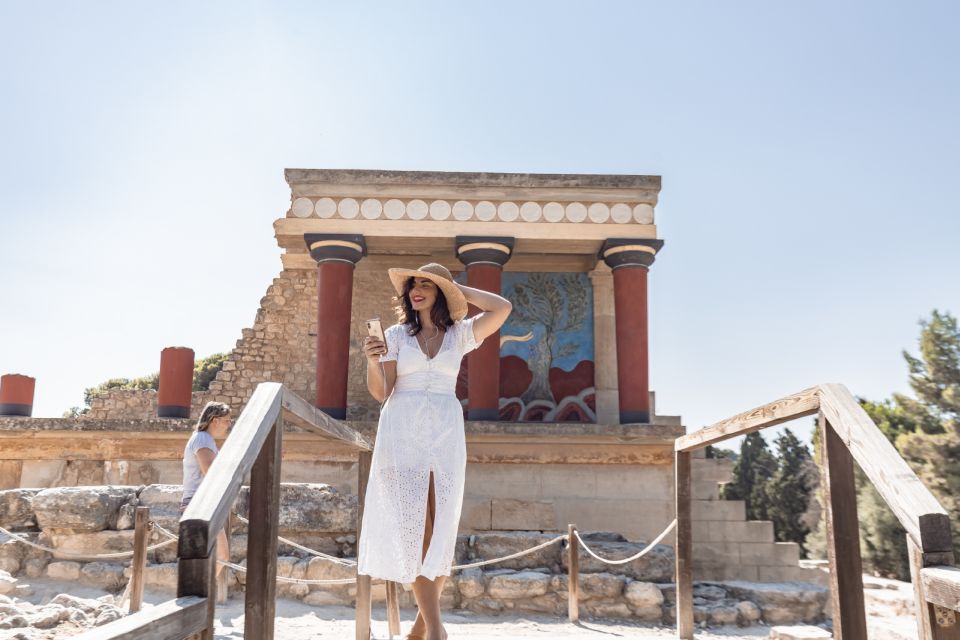
- Pre-booked entry helps you start walking sooner, especially at busy times
- Phone audio in multiple languages (English, German, French, Spanish, Italian) keeps you flexible
- Concrete Minoan details show up in the narration, not just big-picture myths
- South Propylaeum fresco scenes (like cupbearers and processions) make the palace feel lived-in
- West Magazines explanations connect the palace to writing and administration
- Mount Juktas viewpoints are part of the story, not just the scenery
Knossos Palace: what you’re really walking through
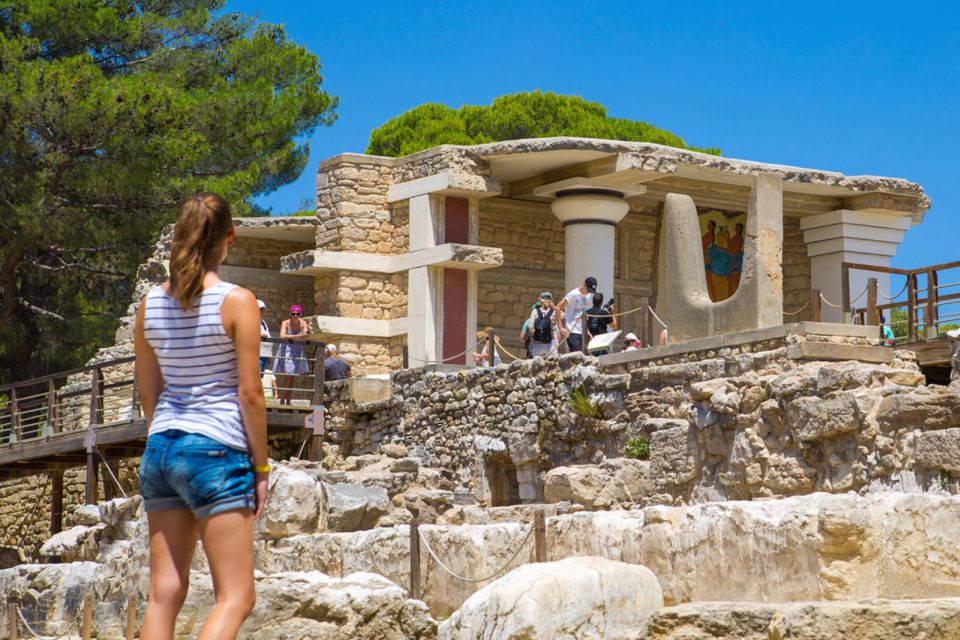
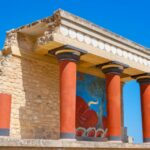
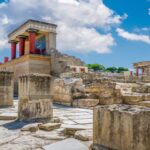
Knossos is the famous Minoan palace near Heraklion, and it’s old enough that it feels like you’re walking through a whole idea of civilization. The site you see today is a mix of ancient remains and reconstructions, so the best mindset is: think of it as a guided snapshot of what the palace likely looked like, not a perfectly preserved time capsule.
What makes it worth your time is how many distinct zones the audio steers you toward. You’re not only seeing ruins; you’re moving through spaces tied to ceremonies, administration, storage, and even personal routines. That structure matters because it gives you a reason to keep going instead of just taking photos and hoping everything clicks.
And yes, there’s a big myth layer here. The palace is often associated with King Minos in popular culture, but the most rewarding approach is to let the tour explain the Minoans as real people—what they wore, how they managed goods, and how they used art in everyday settings.
You can also read our reviews of more tours and experiences in Heraklion


E-ticket + audio on your phone: the practical setup that saves time
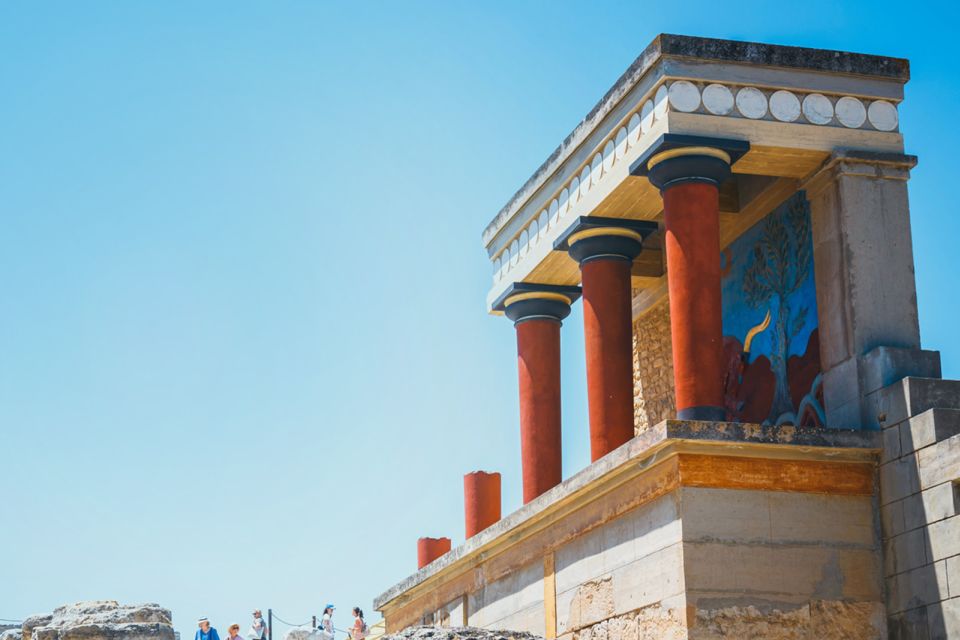
This experience works because the entry is arranged ahead of time, then the audio tour runs on your device while you roam. You should expect to receive an email from the provider with instructions for both your ticket and your phone audio.
Before you leave, make sure your phone is ready in three ways:
- You have headphones (they’re not included)
- Your phone is fully charged
- You have enough storage space for the audio download (about 100–150 MB)
Compatibility is strict. The audio tour needs an Android phone (version 5.0 or later) or a compatible iOS device. It’s not compatible with Windows Phones and it also won’t work on older iPhone/iPad models listed by the provider, so don’t assume your device will be fine the day of.
One more thing I really recommend: download and test the audio at home or in your hotel before you arrive. The site is hot, and if anything goes wrong with syncing or loading, you’ll lose time you’d rather spend walking.
The South Propylaeum and procession frescoes: where the palace feels human

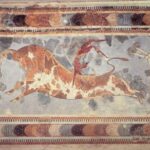
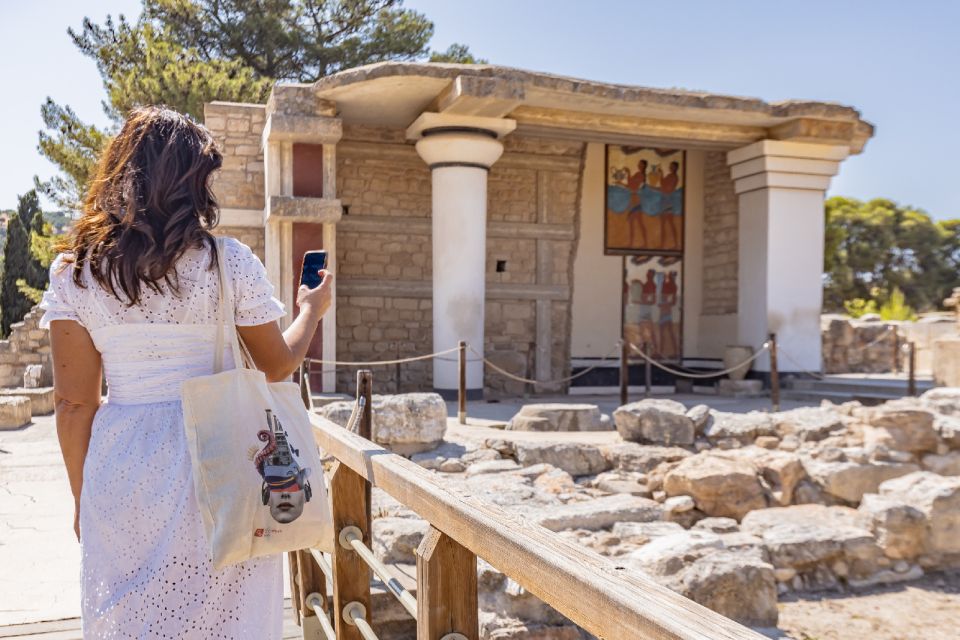
Most people remember Knossos as a set of dramatic rooms, but this section is where the palace starts telling personal stories. The audio guides you toward the South Propylaeum, where fresco themes help you picture ceremonies and public moments rather than only private spaces.
You’ll hear about procession imagery and details connected to cupbearers, which turns a wall painting into a scene with roles, timing, and status. Even if your art-historian expectations are modest, the narration makes the frescoes feel connected to behavior—who did what, and why certain gestures mattered.
A nice bonus here is that the tour links visuals to daily life. You don’t just get a description of what’s painted; you get an idea of what those images were meant to communicate inside the palace world.
Practical tip: this area can be a natural pinch point because the palace is famous and busy. If you want calmer listening, start this zone earlier in the day or take short breaks between stops to reset your place on the map.
West Magazines: bureaucracy, storage, and the earliest writing vibes
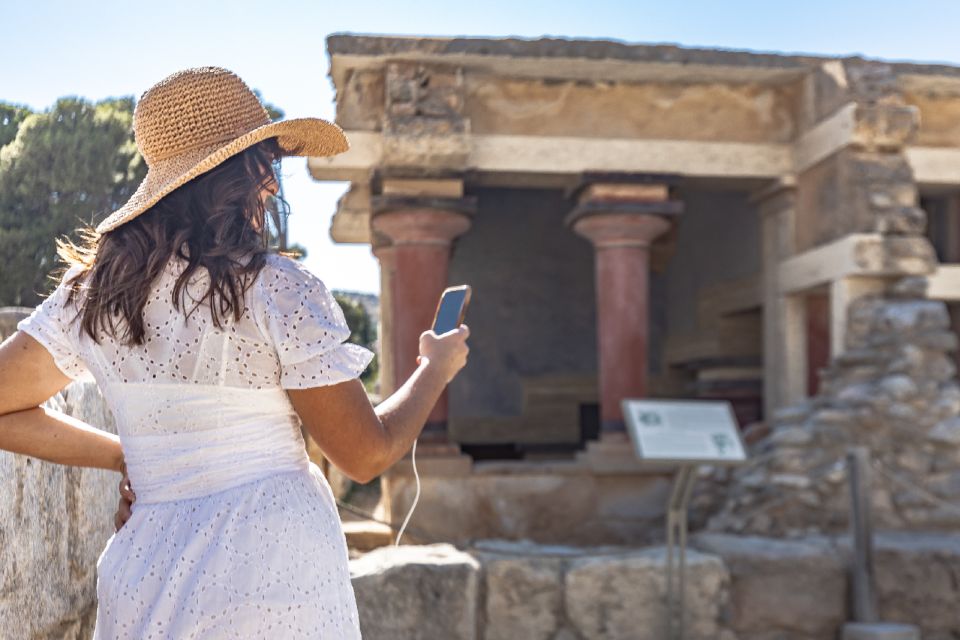
Next, the tour shifts focus in a smart way—from spectacle to systems. At the West Magazines, you’re guided through the storage facilities of the palace, which is where you begin to understand why Knossos was more than a stage set.
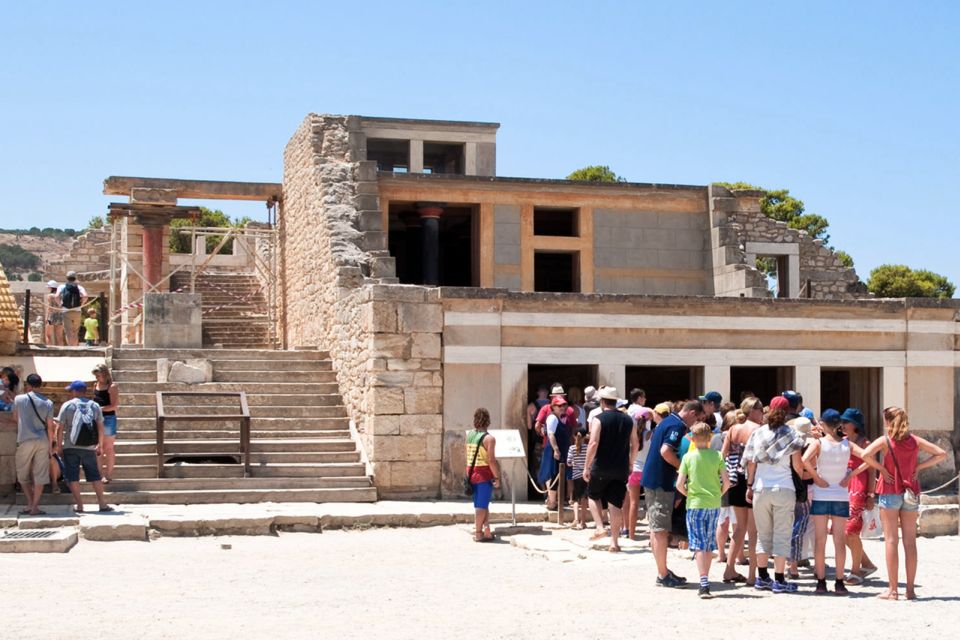
The narration explains the palace organization and points you toward the idea of administration, including the earliest forms of linear writing, plus how the palace supported the Minoan economy and trade networks. It’s the kind of explanation that makes the ruins feel functional. The rooms aren’t just pretty backdrops; they’re tied to moving goods, tracking information, and managing resources.
This is also one of the best parts for people who don’t want a pure art lecture. Even if you’re not into writing systems, you’ll still get a sense of how decisions were organized and how the palace could coordinate people and production.
If you care about authenticity, pay attention to how the audio frames what’s known versus what’s reconstructed. It helps you enjoy the site without getting frustrated by the fact that not everything survives intact.
The South Entrance Corridor: the Prince of the Lilies and a framed mountain view
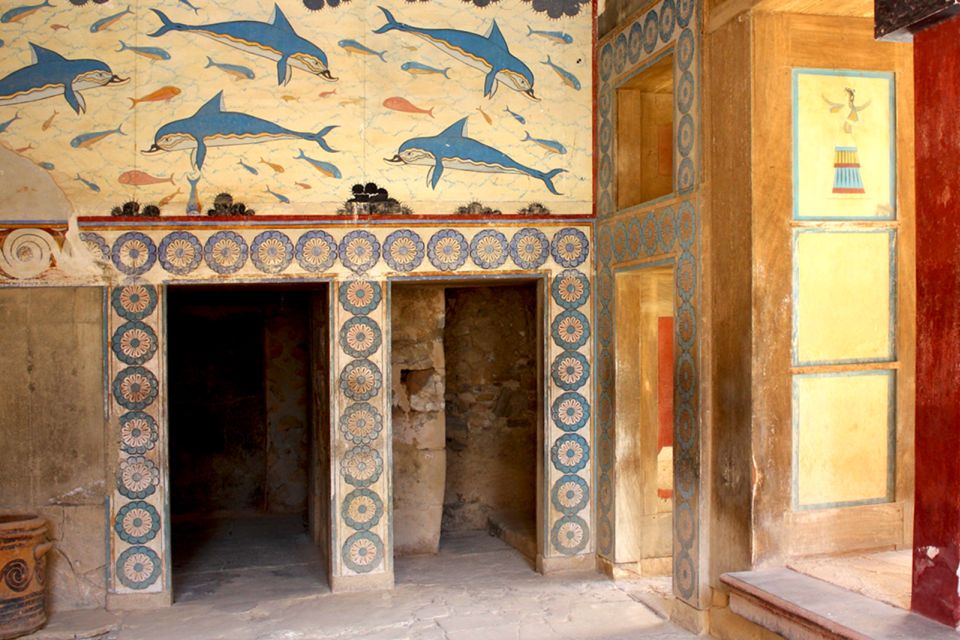
As you continue, the audio highlights smaller, memorable moments that make the visit feel specific instead of generic. One example is the copy of the Prince of the Lilies at the South Entrance Corridor. The story helps you understand why that figure matters in the wider Minoan imagination.
Then comes one of the best visual payoff moments: the viewpoint of Mount Juktas framed by the palace walls. That framing effect is easy to miss if you’re rushing, and it’s exactly the kind of detail that makes self-guided audio worth using. You get told where to look and why the view matters in the palace setting.
This zone is also a good place to slow down and check your bearings. If the audio directions ever feel slightly off, use the map and site signage here. Once you find your rhythm, the rest of the route tends to feel smoother.
You can also read our reviews of more guided tours in Heraklion




Queen’s Megaron: blue dolphins and the reality of Minoan comfort
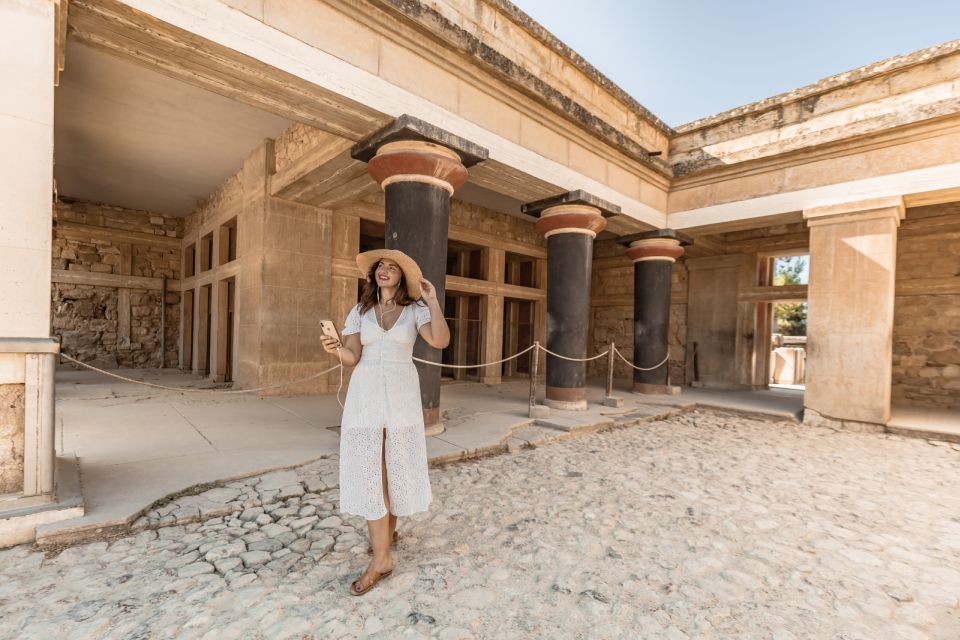
The narration’s tone shifts again here, and the Queen’s Megaron becomes one of the more surprising stops. You’ll hear about a famous fresco theme featuring blue dolphins, and the guide connects that art to the mood and status of the space.
What I like about this section is that it doesn’t only treat the palace as grand and distant. It also points out that this area includes facilities such as a bathroom and a toilet room. That kind of detail pulls you out of pure legend and into daily lived routines, which makes the palace feel less like a myth and more like a place people actually used.
You’ll likely spend some time just looking around the structure and trying to picture how the space worked. Even with partial reconstructions, the room layouts and the narration combine into something you can visualize.
Optional audio add-ons: Heraklion City and Phaistos Palace
This package can include additional audio options depending on what you select. If you choose the Heraklion City audio guide, it can extend your day beyond Knossos and help you connect the city’s modern streets to the ancient region around it.
You can also add audios for Phaistos Palace, another major Minoan site. If you’re the type who enjoys comparing palace layouts and themes, adding Phaistos can feel like getting a second puzzle piece for the same story.
If you include the optional entry to the Heraklion Archaeological Museum, you’ll have a handy way to see artifacts that support what you heard at Knossos. This can be a great pairing if you like your ruins with context.
Timing and crowds: how to make 1–5 hours feel right
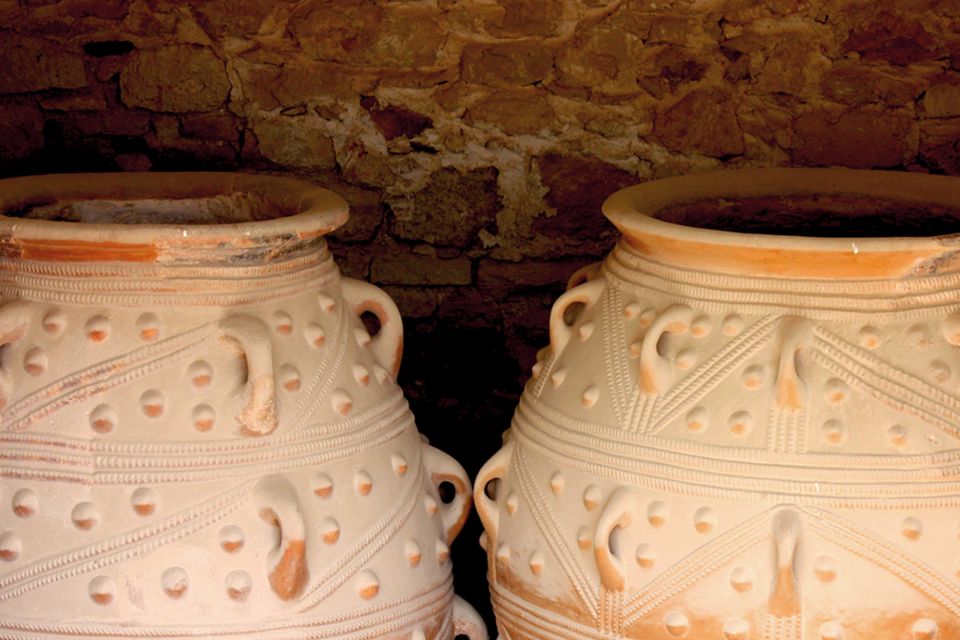
Knossos can be busy, so your time strategy matters. The experience lists a duration range of 1 to 5 hours, which is a wide window, and you’ll feel that difference.
If you’re short on time, target the main story points: South Propylaeum fresco themes, West Magazines explanations, the corridor Prince of the Lilies moment, and the Queen’s Megaron. You can still enjoy the audio without treating the palace like a marathon.
If you have extra time, slow down and let the audio guide you through the smaller interpretive moments, including the Mount Juktas viewpoint. This is where the palace starts to feel like a cohesive world instead of isolated ruins.
A common practical rhythm is to go earlier when possible and leave before the strongest late-day rush. That approach helps you keep the audio line aligned with your walking speed and reduces the stress of weaving around large tour groups.
Price and value: is $34 a fair deal?
At $34 per person, this isn’t a bargain-basement ticket, but it often feels like fair value because you’re buying two things:
1) a pre-booked entry setup that can reduce waiting
2) an audio guide you use during the walk, which adds context without needing a live guide
You’re not paying extra for a tour group experience. Instead, you’re paying for pacing and explanation. That’s a good match if you like self-guided travel, want to pause and rewind, and don’t want to feel stuck in a tight schedule.
One value check: it’s not a full guided tour with a person. A live guide is not included, and headphones and smartphone are on you. If you forget headphones or your phone audio doesn’t download smoothly, you lose the main benefit.
Also keep in mind the site can have maintenance or closures, which may affect how useful certain audio sections are. In those cases, the value shifts more toward using the map and site signage as your anchor.
Who should book this (and who might not enjoy it)
This experience is a good fit if you want to see a major landmark at your own pace and you like getting historical context while you walk. It’s also ideal for people who are comfortable using a smartphone as a travel tool and who don’t mind doing a little navigation work themselves.
It may be less satisfying if you strongly prefer step-by-step direction that always matches signage and exact routing. Some visitors report that audio instructions can be tricky to match on-site, and parts of Knossos can be closed for practical reasons.
Practical constraints from the provider:
- The activity is not suitable for wheelchair users
- Pets are not allowed, and baby strollers aren’t allowed
If you’re traveling as a family, it can work well for adults and older kids who can handle the phone-based format. For very small children, the need for headphones and constant attention to devices may be harder.
Should you book this Knossos Palace audio e-ticket?
I’d book it if you want maximum flexibility and you like learning while you walk. The pairing of pre-booked entry with a structured audio tour is exactly the kind of setup that turns Knossos from a famous ruin into a story you can actually follow.
I’d think twice if you know you’ll struggle with smartphone audio, you hate navigation, or you’d rather have a person adjust in real time. In those cases, consider whether another guided option would fit your style better.
If you do book, do one simple prep step that pays off: download and test the audio before you arrive, bring proper headphones, and plan to go when you can keep your pace steady. That’s how you’ll get the most out of Knossos without wasting time.
FAQ
How long does the Knossos Palace visit take?
The duration is listed as 1 to 5 hours, depending on how long you stay and how much of the audio you listen to.
Is the audio guide included, or do I have to buy it separately?
It depends on the option you select. The package includes the Knossos Palace audio guide if that option is chosen, and it can include Heraklion City audio guide if selected.
Do I need my own headphones?
Yes. Headphones are not included, and you’ll need them to listen to the audio guide.
What languages is the audio guide available in?
The audio guide is available in English, German, French, Spanish, and Italian.
What smartphone do I need for the audio guide?
You need an Android phone (version 5.0 or later) or a compatible iOS smartphone. The provider lists several older models and Windows Phones as not compatible.
Is this ticket refundable?
No. The activity is non-refundable.
Are there any important ID requirements?
Bring your passport or ID card. EU citizens aged 0–25 can qualify for free admission, but they must wait in line to show ID.
Can I bring pets or a stroller?
No. Pets are not allowed, and baby strollers are not allowed.