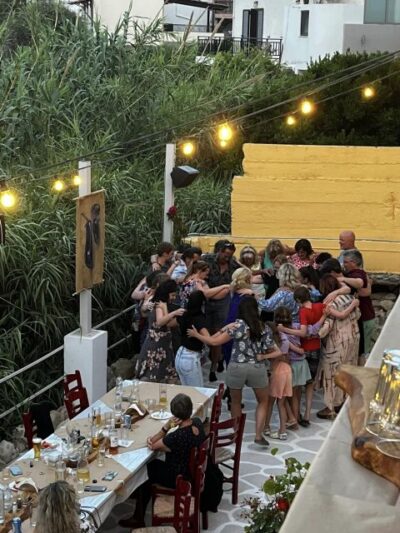
A wine tasting in a 600-year-old stone cellar is hard to beat. In Rethymno, this 2-hour session at Veneto Restaurant mixes professional guidance with a seriously atmospheric setting, where the air smells like wine and old stone.
I especially love the food pairing approach—this isn’t just drink-and-go. You’ll get help with tasting and smelling, and the pairing makes the flavors make sense instead of feeling random.
One thing to consider: it’s a set 2-hour slot starting at 5:30 pm, so if you’re hoping for a flexible, all-evening experience, you may feel a bit time-boxed.
In This Review
- Key highlights worth planning around
- Down in Veneto’s 600-year-old cellar in Rethymno
- How the 2-hour wine and food pairing really unfolds
- The guides make the difference: Maria, Rafael, and Daniel
- The Cretan wine angle: what you’ll learn to notice
- Timing and logistics that actually matter for your day
- Price of $90.31: when it’s a good value
- Who should book this wine and food pairing in Rethymno?
- Tips to get more out of the 5:30 pm cellar session
- FAQ
- FAQ
- What is the duration of the wine tasting and food pairing?
- Where does the tour start in Rethymno?
- What time does it start?
- Is the experience offered in English?
- How many people are in the group?
- Do I need a printed ticket?
- What’s the cancellation policy?
- Should you book this Rethymno wine tasting?
Key highlights worth planning around
- Veneto Restaurant’s 600-year-old stone cellar setting with stone-and-water atmosphere
- Wine tasting paired with food, explained by professionals in English
- Small-group feel with a maximum of 20 people
- Hands-on guidance focused on tasting and smelling, not just sipping
- Cretan wine focus, with the venue running thematic wine events since 1997
- Guides you can learn from, including Maria (plus Rafael and Daniel in group sessions)
Down in Veneto’s 600-year-old cellar in Rethymno
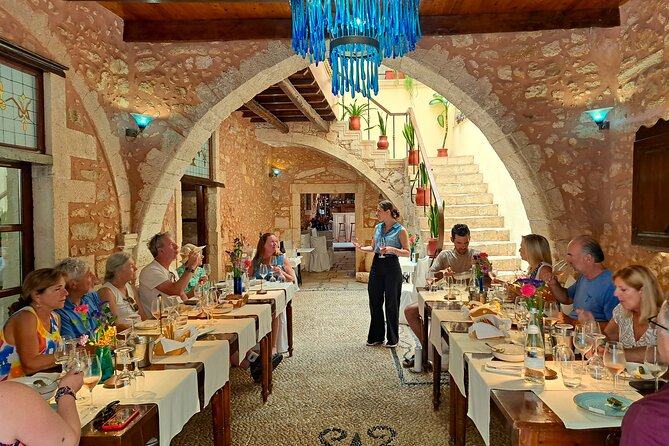
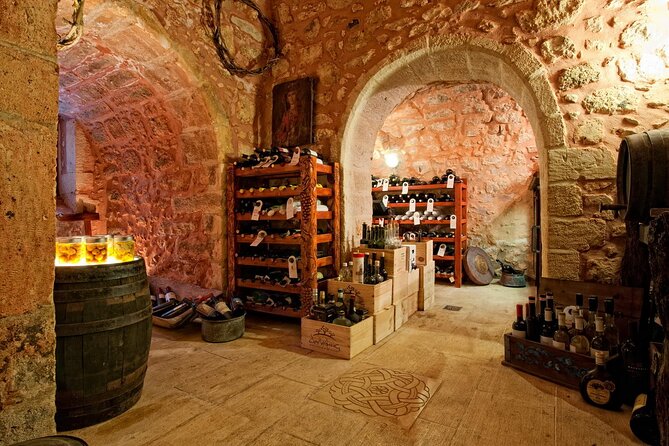
This experience centers on the ground floor of Veneto Restaurant, where you get access to a stone cellar dating back about 600 years. That matters because it changes the whole tempo. A cellar makes wine feel less like a product and more like something that’s tied to the building, the temperature, and the craft.
You’re not walking into a generic room with a few tables. The cellar atmosphere is described as imposing—partly because it’s stone, partly because there’s a well, and the water and wine aromas blend in a very specific way. In practical terms, that sensory mix helps you focus on what you’re tasting, because the setting pulls your attention toward details.
Also, the vibe tends to stay steady. You can expect a controlled, guided flow rather than a free-for-all. That’s a big plus if you want wine knowledge without the pressure of keeping up with a loud crowd.
Practical tip: wear something you can sit in comfortably for a couple of short tasting stops. Cellars can feel cooler than the street, and you’ll likely notice it.
You can also read our reviews of more food & drink experiences in Crete



How the 2-hour wine and food pairing really unfolds
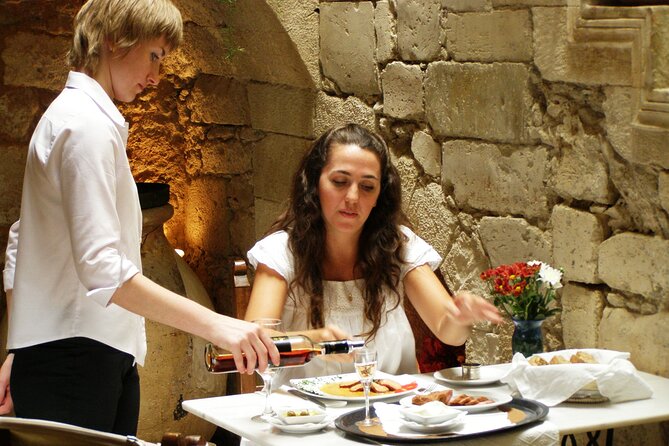
The session runs about 2 hours, and it starts at 5:30 pm. You’ll meet at Επιμενίδου 4, Rethymno 741 31, and the tour ends back at the meeting point. So think of it as a compact, guided evening plan: enough time for multiple tastings, and enough time to still keep your night flexible afterward.
Here’s what you’re essentially buying: a structured progression through wine, plus a food pairing lesson that makes the wine feel more readable. Instead of tasting in isolation, you’re pairing flavors to understand how Cretan wines behave with food. This is where the “lesson” part becomes real.
You can also expect you’ll be guided through both tasting and smelling. The smelling component matters because a lot of what people call flavor actually comes from aroma. When the guide prompts you to notice specific notes, it becomes easier to remember what you liked and why.
Food pairings don’t have to be complicated to work well. Often, the most useful pairings are the ones that show contrast (or gentle harmony) so you learn what to look for next time you order wine at a restaurant.
One small consideration: because it’s only two hours, you won’t get a deep, slow course-by-course meal. What you do get is a focused primer that’s designed to teach you how to think, taste, and pair—not to turn dinner into a multi-hour event.
The guides make the difference: Maria, Rafael, and Daniel
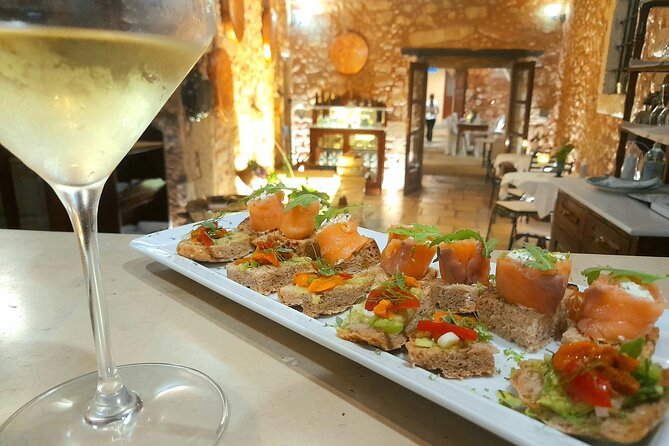
This is the kind of tasting where the host isn’t just pouring wine. Several sessions highlight hosts who take real care with explanations and pacing—especially Maria, and also Rafael and Daniel.
Maria is singled out for being both kind and very good at explaining details. That’s important because people often enter tastings with curiosity and a bit of nervousness—wondering whether they’ll be able to “taste correctly.” A good guide makes it feel simple: notice, compare, and connect.
Rafael and Daniel are noted for delivering an exceptional experience, with real attention to how the wine and food pairing work together. When the hosts slow things down just enough, you learn faster. You also leave with questions answered, which is the best possible souvenir: confidence.
The big value here is not that you’re being lectured. It’s that you’re being taught how to pay attention. If you like wine but don’t yet know what you’re looking for, this kind of guiding turns your next restaurant order into something more satisfying.
The Cretan wine angle: what you’ll learn to notice
Veneto Restaurant has organized themed wine events since 1997, with group formats ranging from small groups to larger ones. That long-running focus is a clue about what they aim to do: help people understand the evolution of Greek wine, and particularly Cretan wine.
In a tasting like this, that context isn’t about memorizing facts. It’s about getting a framework for what you’re tasting. When you understand how the wine is positioned—locally made styles, regional character, and how producers approach flavor—you stop treating every glass as a random experience.
In other words, you’re not just learning what’s in the wine. You’re learning how to interpret it.
And because the tasting happens in a stone cellar with a well nearby, it reinforces the sense that wine is made for place. Even if you’re not into history, the setting acts like a slow visual cue: this isn’t modern branding, it’s a craft that survives because people keep making it and sharing it.
What you’ll likely appreciate: the combination of professional explanations plus the sensory environment. That mix makes the wine feel more grounded and easier to remember.
Timing and logistics that actually matter for your day
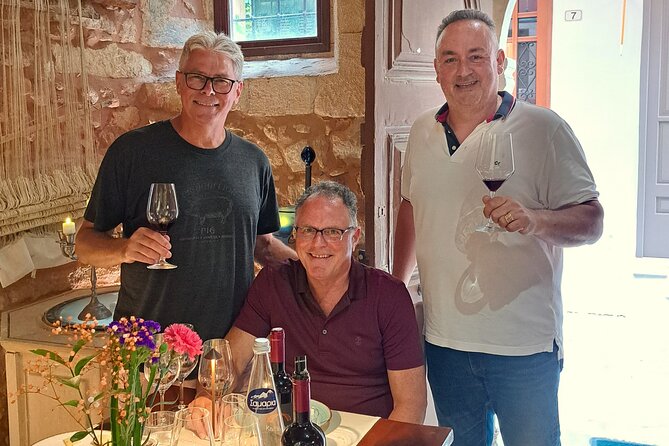
This experience begins at 5:30 pm and lasts about 2 hours. That’s a smart time for a tasting because it slots between late afternoon and dinner. It’s also early enough that you may still be able to head out for your own meal afterward without feeling like you’re starting the night too late.
It’s also capped at a maximum of 20 travelers, which generally helps keep the pace conversational. In a group that size, you can still feel like the guide is talking to the group rather than reading from a script to pass time.
A few practical notes you’ll care about:
- The tour uses a mobile ticket.
- It’s offered in English.
- It’s near public transportation.
- Service animals are allowed.
One drawback to plan around: because you’re meeting at a specific address and ending back there, this is best if you’ve already anchored your evening in Rethymno’s center. If your schedule is scattered across the island for that time, it might feel harder to fit.
You can also read our reviews of more tours and experiences in Crete





Price of $90.31: when it’s a good value
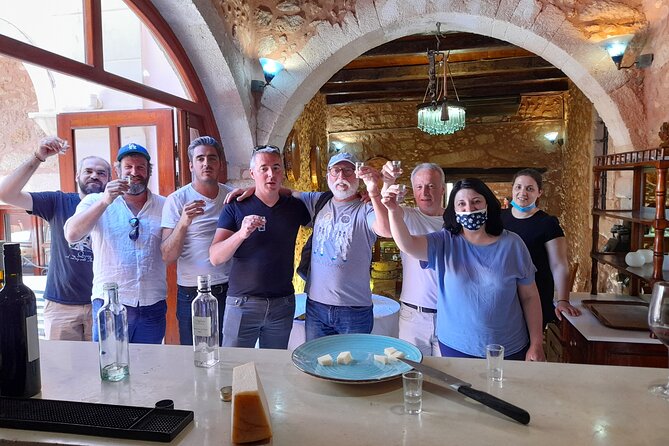
At $90.31 per person, this tasting isn’t a budget activity. But wine tastings in Greece vary a lot by format, and value comes down to what you get for that price.
What you get here is more than a few pours:
- a guided wine tasting with professional explanations
- food pairing integrated into the session
- the special setting of a stone cellar
- a focused timeframe (about 2 hours) designed for learning rather than wandering
So the best way to judge value is to ask: do you want guidance? If you’d rather taste on your own, you can do that elsewhere. But if you want the “why” behind what you like—how to pair wine with food and how to pay attention—then you’re paying for instruction and structure.
Also, the small-group limit (up to 20) helps justify the format. Personalized pacing and real pairing guidance usually cost money, and this experience clearly leans into that.
If you’re a couple, it can be a great shared activity because you’ll both get something to talk about afterward. If you’re traveling solo, it’s still strong because the setting and guide interaction usually keep things from feeling awkward.
Who should book this wine and food pairing in Rethymno?
This is a good fit for you if:
- you like wine but want help learning what to notice
- you enjoy food pairing as a concept, not just tasting wine
- you want a planned evening activity with a clear start and finish
- you like authentic atmospheres (stone cellar beats trendy lounge vibes)
It may not be the best fit if:
- you want a long, free-flowing tasting where you can stay for hours
- you’re looking only for cheap wine or a casual sip
- you’re very time-sensitive and can’t comfortably work around a 5:30 pm start
If you’re the type who thinks, I want one great wine experience in Crete, this does the job.
Tips to get more out of the 5:30 pm cellar session
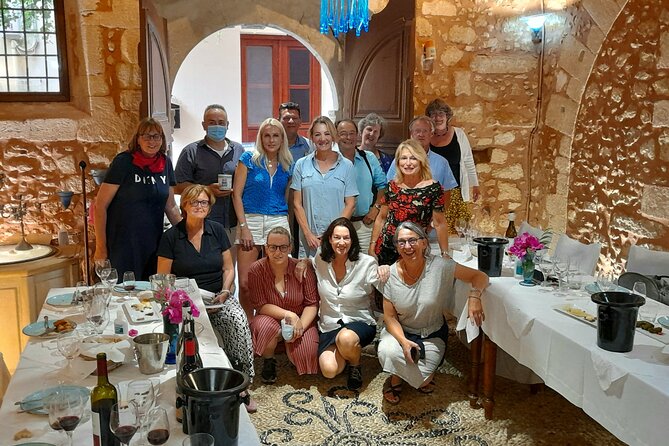
I’d go in with a simple mindset: treat it like a guided tasting notebook you don’t have to write. You’ll taste multiple wines, and your job is to notice the differences and how the food changes what you perceive.
A few practical habits help:
- Take small sips and let aromas come first. Slower usually means better learning.
- Between tastings, pause and reset. You’ll catch more of the pairing logic.
- If you have preferences (dry vs. sweet, red vs. white), listen for how the guide steers the food pairings—those choices often reveal what styles they think work best.
- Wear a layer. Cellars often feel cooler than the street, even in late spring or summer.
And if you’re traveling with someone new to wine, this format is friendly. You’re not expected to know anything in advance. The host’s job is to make the wine make sense.
FAQ
FAQ
What is the duration of the wine tasting and food pairing?
It runs for about 2 hours.
Where does the tour start in Rethymno?
The meeting point is Επιμενίδου 4, Rethymno 741 31, Greece.
What time does it start?
Start time is 5:30 pm.
Is the experience offered in English?
Yes, it’s offered in English.
How many people are in the group?
The maximum group size is 20 travelers.
Do I need a printed ticket?
No. You receive a mobile ticket.
What’s the cancellation policy?
Free cancellation is available up to 24 hours in advance for a full refund. If you cancel less than 24 hours before the start time, the amount paid won’t be refunded. Also, if the minimum traveler requirement isn’t met, you’ll be offered a different date/experience or a full refund.
Should you book this Rethymno wine tasting?
Yes, you should book it if you want a real Cretan wine learning experience and not just a casual drink stop. The combination of Veneto’s cellar setting and food pairing with professional hosts is exactly what makes this feel worth your time—and likely your money too.
I’d especially recommend it if you’re the kind of traveler who likes to come away with usable skills, like how to taste and how to think about pairings. If that’s your style, this is one of the easiest ways to get a satisfying wine evening in Rethymno without guessing your way through.
If you’re price-sensitive or you hate being on a schedule, you might prefer a more flexible tasting elsewhere. But if you’re trying to turn one evening into a memorable, guided lesson, this one fits the bill.