Olive oil tastes better when you match it right. This 1.5-hour Crete session mixes expert-led tastings with hands-on food pairing, so you don’t just sip oil—you learn how it behaves with real bites. I especially like the practical angle: you get guidance on what to look for when buying olive oil and how to use it at home, plus a wellbeing-focused component.
One thing to plan for: transportation isn’t included, and you’re expected to drive to the meeting area on the road from Heraklion to Moires.
In This Review
- Key takeaways before you go
- Olive Oil Pairing in Crete: a short course that changes how you shop
- Expert-led tastings: what you’ll actually learn during the sessions
- Premium samples plus the defective one: the fastest way to learn what to avoid
- Food pairing adventure: matching oil to bites, not theory
- The Wellbeing Navigator test: a personalized layer, not a sales pitch
- Included extras that make the tasting easier and more accurate
- Price and value: what $88 per person is buying you
- Who this fits best (and who might want a different plan)
- Where you go: meeting on the road from Heraklion to Moires
- What the providers are set up to deliver
- The best way to enjoy it without overthinking
- Should you book the Olive Oil Food Pairing in Crete?
Key takeaways before you go
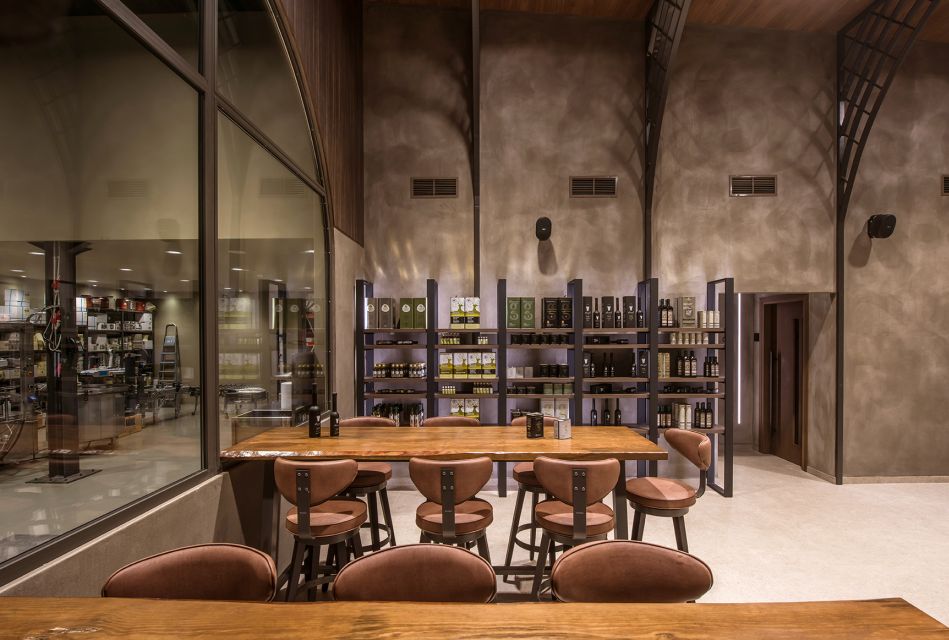
- Four premium samples plus a defective one: you practice spotting what to avoid, not just what tastes good.
- Food pairing training: oils are matched to specific snack-style combinations so it clicks fast.
- Wellbeing Navigator test: you get personalized feedback based on your lifestyle and dietary patterns.
- Palate cleansers and hydration: apple or bread plus bottled water keep the tastings fair and comfortable.
- Private or small-group feel: the format is set up to keep things relaxed, not rushed.
Olive Oil Pairing in Crete: a short course that changes how you shop
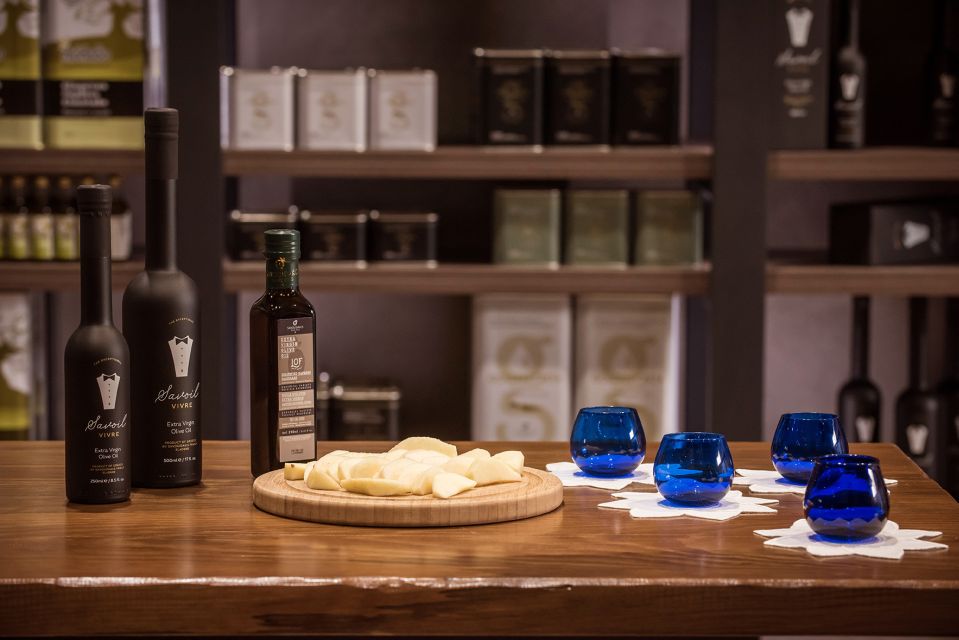
If you’ve ever stood in a store staring at bottles and thinking, Okay, but what’s actually better for my meals, this is built for you. The experience is designed around tasting extra virgin olive oil and learning how small differences can matter on the plate. It’s not a lecture where you nod politely and forget everything. It’s more like a guided tasting lab, finished with pairing practice and a wellbeing check-in.
At $88 per person for about 90 minutes, it’s not a cheap “snack tour.” But you’re paying for structure: four premium samples, a deliberately flawed sample to train your palate, palate cleansing support, and instructor-led interpretation. In that sense, the value is less about quantity and more about what you learn to repeat later—especially how to choose oils with confidence and how to use them for everyday cooking.
You can also read our reviews of more food & drink experiences in Crete


Expert-led tastings: what you’ll actually learn during the sessions
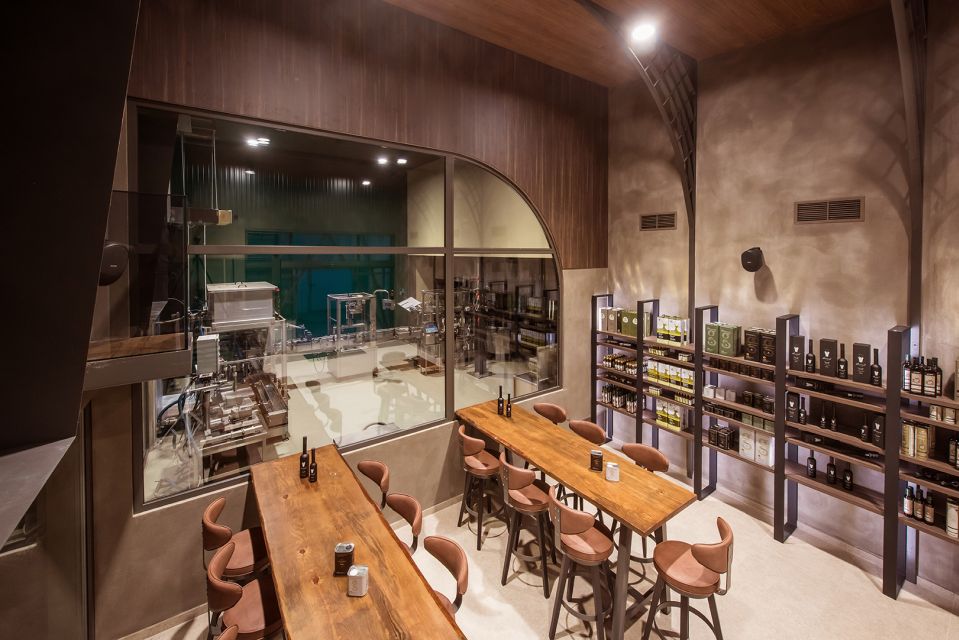
The core of the experience is expert-led tasting. You’ll work with a qualified olive oil connoisseur who also shares insights tied to wellbeing. That combination matters. Many tastings focus only on flavor. This one connects flavor to health thinking—so you leave with both the culinary and the practical “why.”
You can expect to taste multiple olive oil samples and discuss what you’re noticing. The goal isn’t to memorize tasting notes like a wine exam. It’s to learn how to recognize differences that affect your kitchen decisions. Based on how the host is described in feedback—passionate and detailed—the teaching style tends to be friendly and clear, with time to understand what you’re tasting and why it matters.
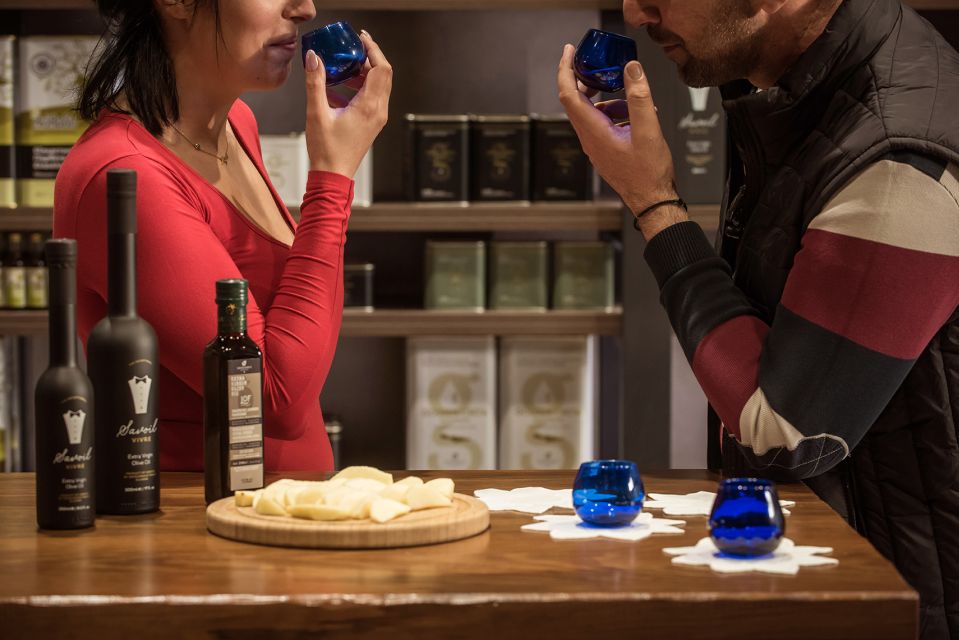
Another practical element: between tastings, you cleanse your palate with apple or bread. That means you’re less likely to get “oil blur” where each sample tastes like the last one. It also makes the whole thing feel calmer. A lot of tasting experiences become a noisy blur. Here, the pacing is built to help you stay accurate.
Premium samples plus the defective one: the fastest way to learn what to avoid
This is one of the most memorable parts. You don’t just get four premium samples—you also get one defective sample specifically to learn what to avoid.
That teaching trick is smarter than it sounds. If you’ve only ever tasted great oil, you can still end up confused in a shop: it looks fine, it smells fine, but it might not behave well in your food. A defective sample gives your palate a comparison point. You start building a mental checklist of warning signs, not only chasing desirable flavors.
And because you’re comparing oils in a controlled setting, the lesson sticks. You’re not relying on guesswork. You get a clear contrast, then you apply it during the pairing adventure and the buying guidance.
Food pairing adventure: matching oil to bites, not theory
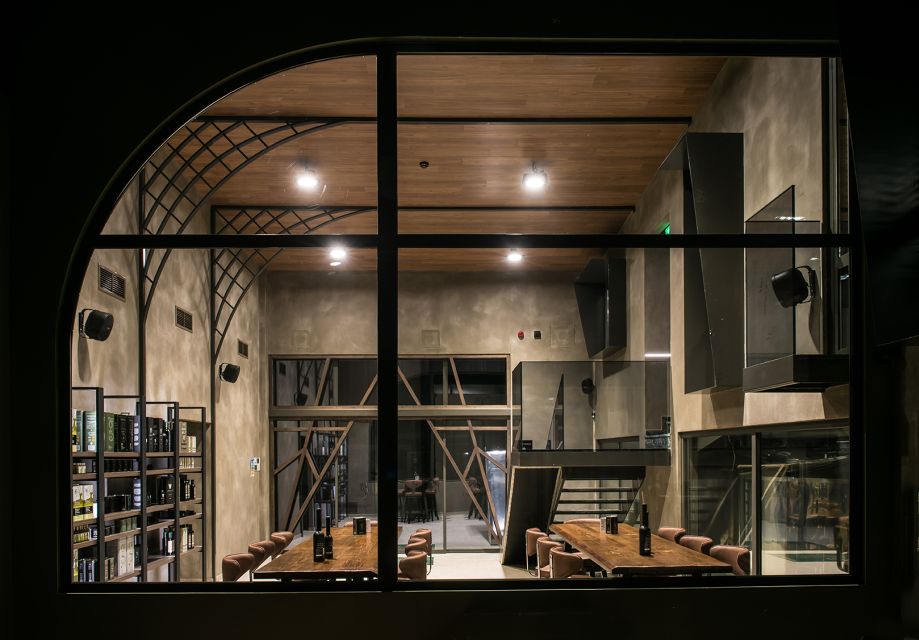
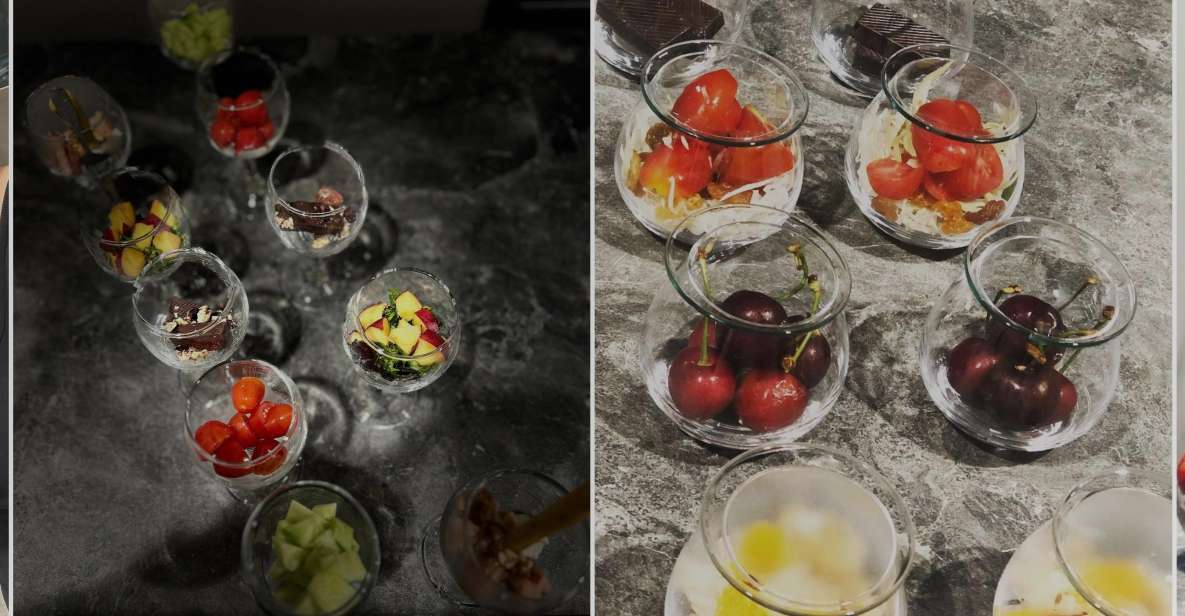
The pairing component is the fun part where the lessons become usable. You’ll take a selection of small snacks and pair them with the olive oil samples. The experience is explicitly about how different olive oils can complement and enhance various dishes, and that’s the right way to frame it.
Here’s why this format is so useful for you: you learn that oil isn’t just a general ingredient. Different oils can bring different sensory effects—so the “best” choice depends on what you’re eating. Even if you cook at home with simple ingredients, pairing logic helps. A drizzle becomes a decision, not a habit.
The snacks are part of the payoff. The overall vibe from feedback is that the food felt fresh and the pairing activity was genuinely interesting, not gimmicky. For me, that matters because pairing can go either way: some tours give you a couple of sad crackers and call it education. This one builds the pairing practice into the session so you can connect taste to technique.
The Wellbeing Navigator test: a personalized layer, not a sales pitch
One unique element here is the Wellbeing Navigator test. During the experience, it assesses your lifestyle and dietary patterns. After the session, you receive personalized feedback and practical advice on incorporating olive oil into your health regimen.
This is valuable if you want more than taste. Olive oil is one of those topics people throw around casually, but few experiences translate it into personal habits. The wellbeing component helps you think about how olive oil fits your day-to-day choices—especially if you’re trying to make healthier meals without turning your kitchen into a science project.
Keep your expectations grounded: the test isn’t medical care, and the materials don’t claim to diagnose anything. But as practical wellness guidance tied to what you’re learning about oil, it’s a smart add-on that makes the session feel tailored rather than generic.
You can also read our reviews of more tours and experiences in Crete



Included extras that make the tasting easier and more accurate
A lot of “tasting” experiences forget the small support details. This one includes the stuff that helps you focus:
- Four premium olive oil samples
- One defective sample to learn what to avoid
- Apple or bread to cleanse your palate between tastings
- Bottled water to keep you hydrated
- A food pairing adventure with small snacks
That palate cleansing detail is more important than it sounds. Olive oil flavors can linger—especially if you get sensitive to bitterness or pungency. Apple or bread resets your taste buds so each sample stays distinct. Bottled water keeps you comfortable and reduces the dry-mouth effect that can dull your sense of flavor.
Price and value: what $88 per person is buying you
Let’s talk value honestly. At $88 per person for 1.5 hours, you’re paying for a structured learning experience rather than just a casual food stop. Is it worth it? For the right person, yes—because you’re getting more than “try some oil.”
You’re paying for:
- Multiple samples (not just one tasting)
- A teachable contrast sample (the defective one)
- Palate-cleansing support (apple/bread)
- Hands-on pairing practice with snacks
- A wellbeing test with personalized feedback
If your goal is to become a better olive oil shopper and to understand how to use oil in real meals, the lesson output is high. If you only want a relaxed holiday bite and don’t care about buying tips or pairing logic, you might find it feels focused rather than carefree.
Who this fits best (and who might want a different plan)
You’ll probably love this experience if:
- You care about food quality and want real buying guidance
- You enjoy guided tastings and want the learning to stay practical
- You like the idea of food paired with wellbeing advice
- You want a small-group or private format with room to ask questions
It may not be the best choice if:
- You don’t want to taste multiple samples or you dislike structured activities
- You’re short on time and need something that feels more spontaneous
- You don’t have a way to get to the meeting area (transportation is not included)
Where you go: meeting on the road from Heraklion to Moires
Logistics are simple but important here. You must drive to the location, which is on the road from Heraklion to Moires. That means you’ll want to have a car or be confident you can handle local driving and timing.
This matters because the experience duration is only 1.5 hours. You don’t want to lose half your day to transit uncertainty. If you’re staying near Heraklion and planning a day trip toward Moires, this can fit neatly. If you’re relying on public transport, you’ll likely have to rethink your plan, since transportation isn’t provided.
What the providers are set up to deliver
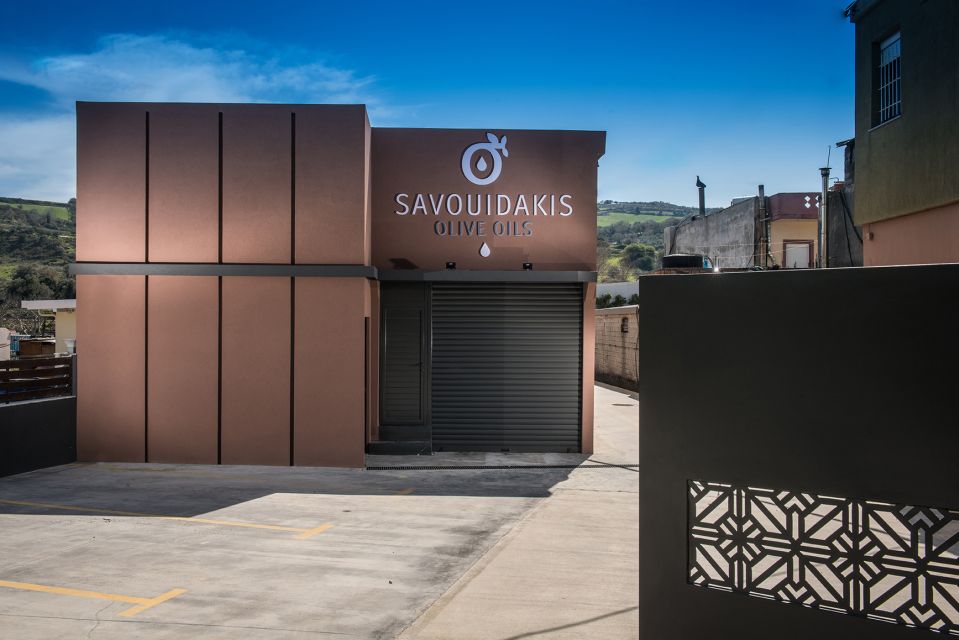
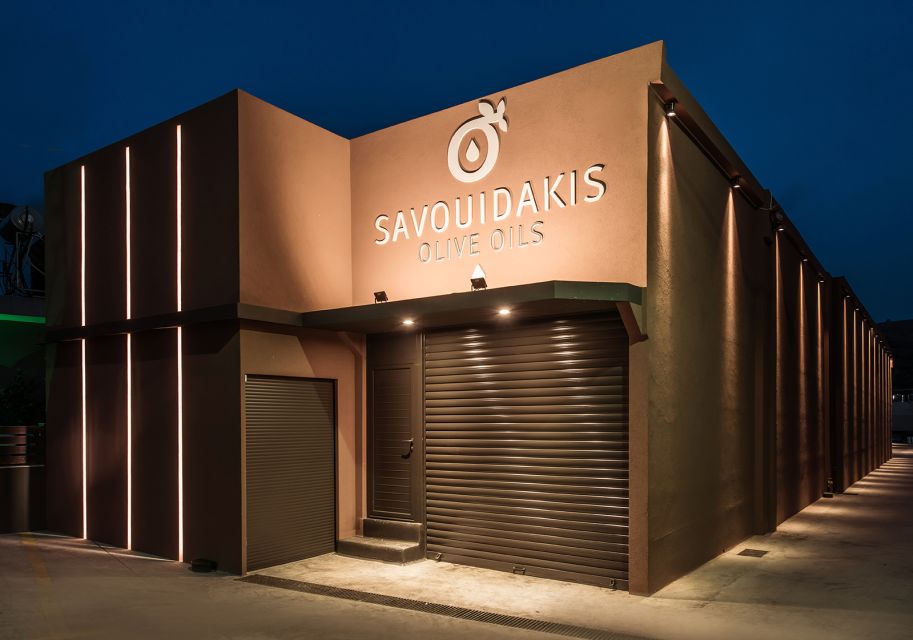
The experience is run by SAVOUIDAKIS SA. Based on the way the host and staff are described—kind, passionate, attentive to detail—the service style seems designed to make the tasting feel both educational and pleasant. People describe it as relaxing, which is exactly what you want with flavor work. When you’re not stressed, you taste better and remember more.
There’s also a clear emphasis on choice: learning how to make better decisions when buying olive oil. That focus is consistent with the inclusion of the defective sample and the pairing component. Together, they create a feedback loop: taste → understand → apply.
The best way to enjoy it without overthinking
Show up hungry but not starving. You want your palate ready to detect differences, but you also don’t want to feel wiped out by the time snacks arrive. Also, go in with curiosity, not rules. If you think you already know what you like, that’s great—just be ready to compare.
During tastings, take your time with each sample. Don’t rush the flavors in your head. The whole point is learning how oils behave, and the session is designed to be relaxed enough for you to notice details.
When you reach pairing, lean into it. If you end up preferring a certain oil for a snack, ask why it worked. That turns the experience into something you can replicate at home.
Should you book the Olive Oil Food Pairing in Crete?
Book it if you want a hands-on, value-focused olive oil lesson that goes beyond flavor. The combination of tasting, a defective comparison sample, snack pairings, and wellbeing feedback is what makes this stand out. It’s short, structured, and designed to help you make better choices at the store and use olive oil more thoughtfully in your meals.
Skip it if you can’t reliably drive to the meeting area or you’re looking for a purely scenic, casual stop with minimal instruction. But if you want to come away smarter—and still having fun—this is a strong pick for Crete.