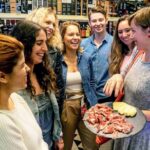
Pastries with a backstory in Chania. I like how food and history show up together at every stop, from Byzantine-style baking to Ottoman-era sweets, so you get more than just a full stomach. A big plus is the small group vibe, with your guide making it feel personal rather than rushed.
One thing to plan for: this is a tasting-focused morning. If you hate dairy-heavy pastries or you’re very sensitive to certain ingredients, tell the team ahead of time so they can steer you toward the best matches.
In This Review
- Key things to know before you go
- Why this Chania culinary history tour feels different
- Start smart: meeting at 10:00 and planning to arrive hungry
- Chania Town: olives, Byzantine bread, wild herbs, and kalitsounia
- Bougatsa Chania: a pastry factory plus Ottoman-era context
- Municipal Market of Chania: cheese, cured meats, coffee, and pairings
- Phyllo and pastry tech: why the dough matters
- Venetian Harbor to knife maker: trade, food politics, and security
- Splantzia Square: Ottoman streets and a Byzantine-origin almond drink
- The final taverna lesson: ancient cooking on your plate
- Price and value: what $125.77 really buys
- Who this tour fits best (and who should rethink it)
- Should you book Food Odyssey in Chania?
- FAQ
- How long is the Food Odyssey tour in Chania?
- What time does the tour start, and where do I meet?
- Where does the tour end?
- How many people are in a booking?
- Is breakfast and lunch included?
- Are alcoholic drinks included?
- Is there a vegetarian option?
- Can the guide accommodate food restrictions or allergies?
- Do I need a mobile ticket?
- What if the food tastings change or weather cancels the tour?
- FAQ
- Can I cancel for a full refund?
- What if I cancel less than 24 hours before the start time?
- Are children allowed?
- Is the tour in English?
- Is this tour group-walking friendly?
Key things to know before you go
- Small group up to 8 people keeps the walk and conversations manageable.
- Factory visits include bougatsa and phyllo stops, not just shop windows.
- You’ll taste a lineup of Cretan staples like kalitsounia, olive products, and herbs.
- The walk connects Venetian trade and Ottoman influences to what’s on your plate.
- The market stop includes Greek coffee culture plus savory pairings from earlier eras.
- The tour ends with a taverna lesson and meal, so it’s not only sweets.
Why this Chania culinary history tour feels different
Food tours often turn into a shopping list of bites. This one works because it treats food like evidence. You walk Chania’s old quarters and the stories explain how ingredients and cooking methods changed with trade and occupation.
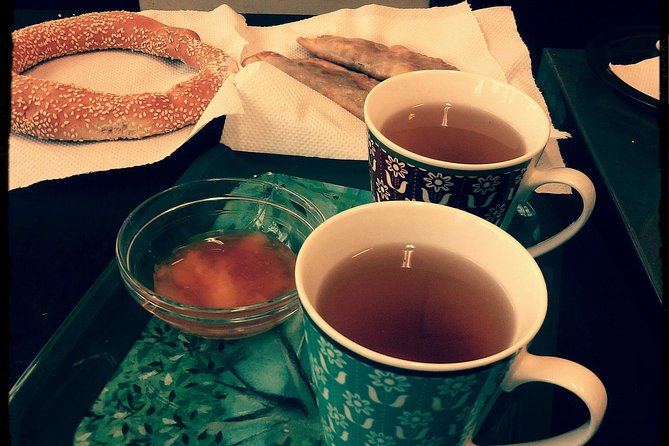
I especially like the way the tour keeps switching textures and flavors on purpose. One moment you’re sipping herbal tea and learning about wild greens; the next you’re eating small pies like kalitsounia. That rhythm helps you stay curious instead of just stuffed.
The other big win is the level of guidance. Your field expert guide (often described as Mariana, an archaeological culinary historian) doesn’t just name dishes. She connects them to how people lived, what they ate, and why certain techniques mattered.
You can also read our reviews of more food & drink experiences in Crete
Start smart: meeting at 10:00 and planning to arrive hungry
The tour starts at 10:00 am with your meeting point at Kidonias 29, Chania (near the Chania Town Hall area). Expect about 4 hours on the clock, and a finish in the area of Splantzia Square.
You’ll get a mobile ticket, and confirmation comes within 48 hours, subject to availability. There’s no hotel pickup, so you’ll want to be on time for the group to head out together.
Practical advice: show up ready to taste. Bring comfortable, grippy shoes. The route moves through older streets, including the harbor area and old-quarter squares, so you’ll appreciate walking shoes more than dress shoes. And yes—avoid eating a big breakfast beforehand. This tour includes breakfast-style tastings and then ends with lunch.
Chania Town: olives, Byzantine bread, wild herbs, and kalitsounia
Your first stop sets the tone: you begin with the ingredients that define Cretan everyday cooking, then you learn how people used them long before modern recipes.
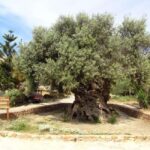
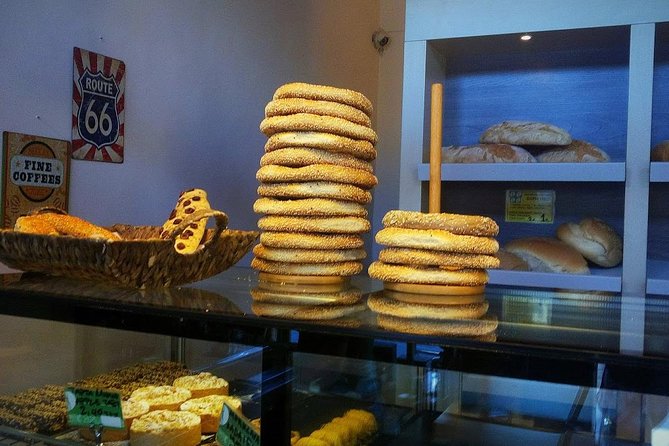
You start with olives, then move into dairy and bread. The bread is described as homemade using a Byzantine baking method, which is exactly the kind of detail I like—specific cooking lineage instead of vague “ancient tradition” talk. You’ll also taste handcrafted cheese referenced to ancient Greek information.
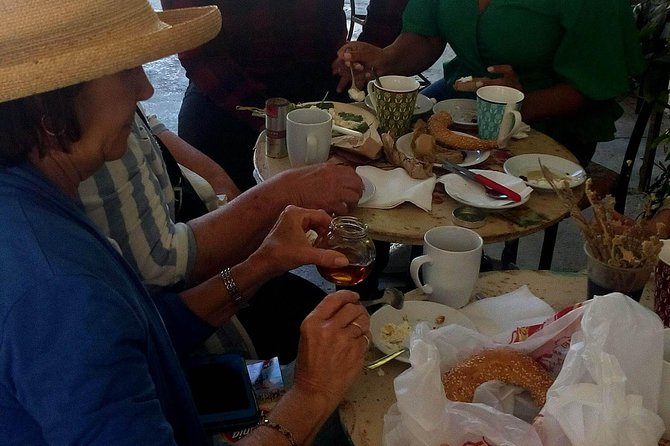
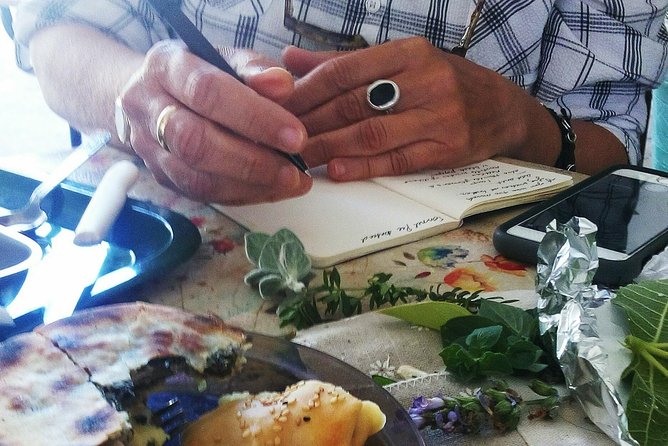
Then comes the plant side of Crete. You sip herbal tea in the way Cretans enjoy it, and you learn about the herbs and wild greens used in local food. That matters because it explains why so many dishes lean toward greens, foraged flavors, and aromatic teas. You’re tasting a culture, not just a snack.
The stop closes with kalitsounia, Cretan small pies. They can be filled with cheese, wild greens, or a mix of both. If you’ve never had them, this is a great first bite: small enough to sample, flavorful enough to make you pay attention.
Bougatsa Chania: a pastry factory plus Ottoman-era context
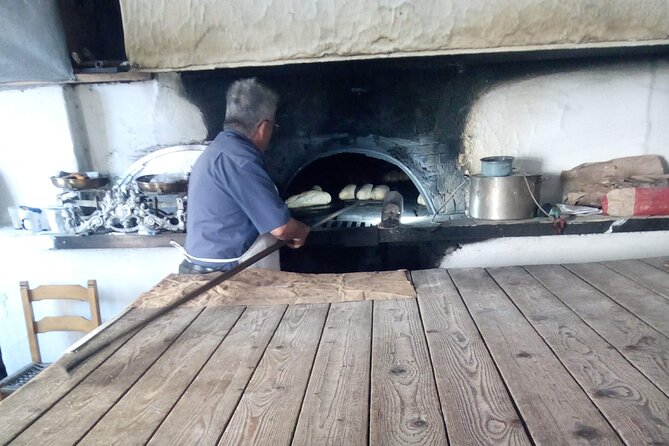
Next you head to a bougatsa factory. The tour doesn’t treat bougatsa like a generic pastry—it places it in a larger story about how food habits shifted during the Ottoman occupation of Crete.
You’ll see the skilled process of how bougatsa is made, then you’ll taste the version the city does best. Bougatsa is basically a cheesy or milky pastry pie, and in the right hands it’s all about balance: tender pastry, creamy filling, and that warm, comforting mouthfeel that makes it easy to keep taking bites.
A practical note: bougatsa tends to be filling. If you’re the type who wants to taste everything, don’t race the group—eat slowly. The flavor is the point here, and you’ll thank yourself when you get to the market.
Municipal Market of Chania: cheese, cured meats, coffee, and pairings
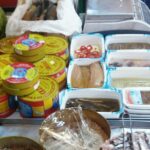
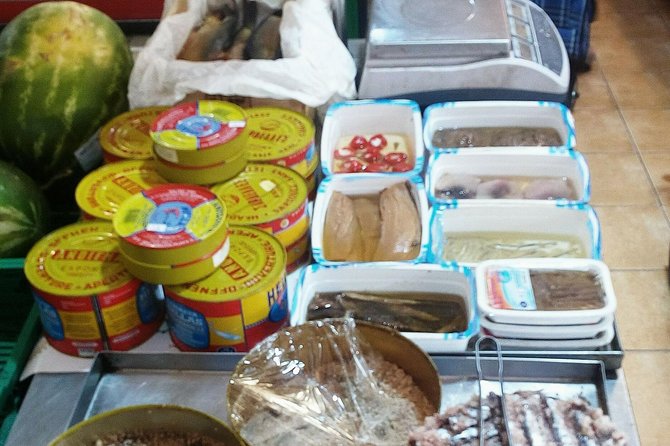
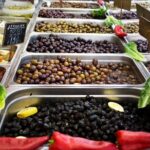
The heart of the experience is the Municipal Market of Chania. Here you get a broad look at how Cretans think about food as a system—cheese, cured meat, fish, vegetables, bread, rusks, pies, olive oil, and honey all show up in one place.
This is one of the best stops for understanding why Crete has such strong food identity. You don’t just taste one item—you see the building blocks behind dozens of dishes. And when tastings include multiple categories, it helps you start recognizing what you like and why.
Then you shift to the coffee side of things. In a coffee shop inside the market, you learn about Greek coffee culture and taste the so-called Greek coffee with savory accompaniments that were popular in the 19th and early 20th century.
If you’re used to modern espresso culture, this coffee moment is a helpful reset. It’s slower and more traditional, and the pairings are part of how people built meals around flavor contrast.
You can also read our reviews of more tours and experiences in Crete



Phyllo and pastry tech: why the dough matters
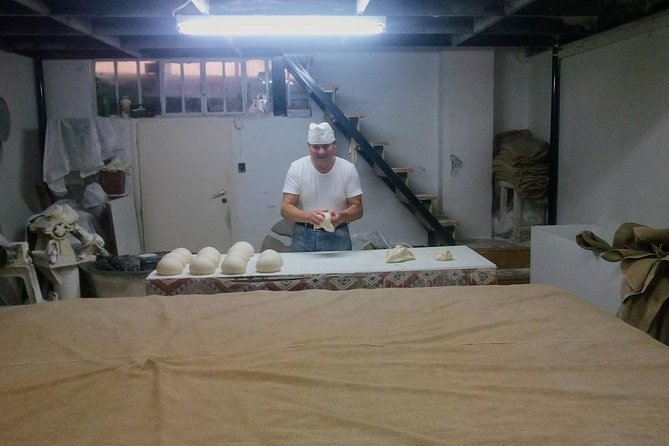
After the market, you take a short look at a phyllo factory. This stop is brief, but it’s an important reminder: in Greek pastry, dough work is the whole deal.
Phyllo isn’t just a wrapper. It affects crunch, layering, and how fillings set. When you’ve already tasted pies and bougatsa earlier, this factory visit helps you connect the dots. You’ll start thinking about thin layers, technique, and timing instead of treating pastry as magic.
For food nerds, this is a fun moment. For everyone else, it makes the tastings make more sense.
Venetian Harbor to knife maker: trade, food politics, and security
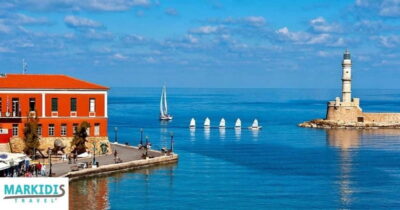
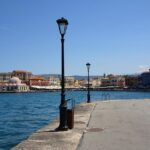
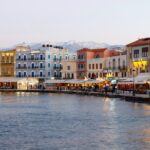
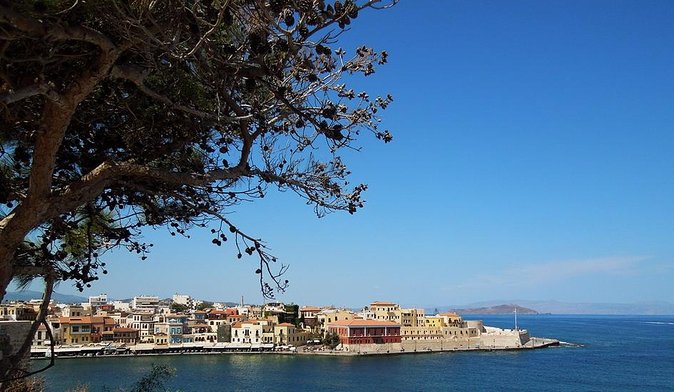
One of the more eye-opening parts of the route is the walk through the Old Venetian Harbor area. You’re not just strolling for photos. You learn about Venetian trade and food politics and how that shaped Cretan gastronomy and food security.
That theme connects food to real-world survival: what gets imported, what becomes valuable, how recipes evolve with access to ingredients, and how cooking adapts when trade routes and power shift.
You also get a short multi-sensory experience here. And you visit a Cretan knife maker, which sounds random until you remember one thing: tools and craft are part of food culture. If you’ve ever wondered how people manage ingredients so precisely, this is where it becomes tangible.
Splantzia Square: Ottoman streets and a Byzantine-origin almond drink
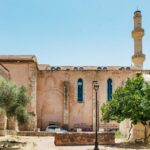
You move into Splantzia Square, walking through the Ottoman part of the city. Then you get a tasting that feels like a bridge between eras: an almond beverage of Byzantine origin.
This stop is built around beverages made with flowers and nuts. It’s a clever palate shift after cheese and pastry. Almond and flower flavors are aromatic and slightly sweet, and they change how your mouth perceives the next tastes you’ll have at the end.
Also, the timing works well. The tour is walking through older parts of Chania in daylight, and this square stop gives you a breather under the shade of a plane tree while you learn. It’s part rest, part lesson.
The final taverna lesson: ancient cooking on your plate
Your last stop is a local taverna. This is where you get a real meal, not only snack-size tastings.
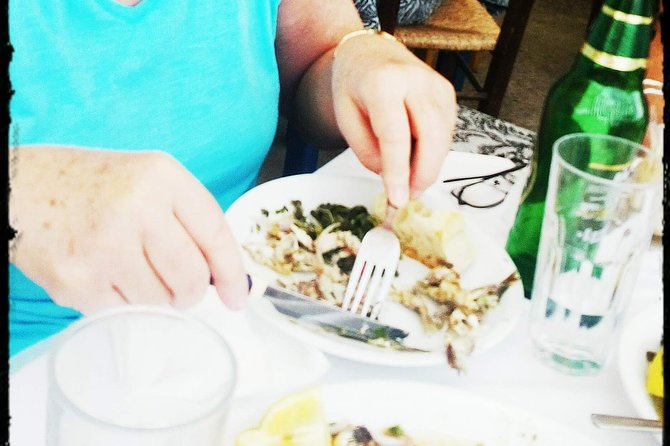
You’ll have a short lesson on ancient cooking, then you’ll be treated to fine delicacies of traditional and historic Cretan cuisine. The point isn’t a museum lecture. It’s practical context—how cooking methods and ingredients show up in today’s flavors.
Alcoholic drinks are not included (though you can purchase them), so the tasting focus stays clear. If you do drink, pace yourself. A food-history tour is long enough that it can be a little too easy to overshoot if you’re mixing strong drinks into rich foods.
Price and value: what $125.77 really buys
At $125.77 per person for about 4 hours, the value is in the combination, not in any one dish. You’re paying for:
- a field expert guide with culinary history context
- multiple tasting stops across pastry, dairy, market foods, and drinks
- admission-included experiences at key points like the bougatsa factory and the market tastings
- a full meal experience at the taverna
- both breakfast and lunch elements built into the tour structure
If you tried to piece this together on your own, you’d likely pay for guide time, multiple tastings, and entry into specialty food stops without getting the historical connections that make the food stick in your memory.
This tour also caps at 8 travelers, which matters. Larger groups often turn into a waiting game. Here, the pacing stays human.
Who this tour fits best (and who should rethink it)
This is a strong pick if you want food travel that includes context. If you enjoy markets, love pastries but also want the stories behind them, you’ll get a lot out of this. It’s also a good fit for couples and solo travelers who want guided direction but still like to walk at a comfortable pace.
You might think twice if you have very strict dietary needs and you don’t want any uncertainty in tastings. The tour does ask you to advise of restrictions (and a vegetarian option is available if you request it), so that helps—but the experience is still built around classic Cretan flavors that can include dairy and pastry dough.
If you’re the kind of person who wants one big restaurant meal and nothing else, you may find this more “walk and taste” than “sit and dine.” On the flip side, if you love sampling widely and learning while you eat, it hits the sweet spot.
Should you book Food Odyssey in Chania?
I’d book this if you want a half-day that connects what you’re eating to where it came from—Venetian influence, Ottoman-era shifts, and older Byzantine threads showing up in bread and drinks. The small group size, the factory stops (bougatsa and phyllo), and the market coffee moment make it feel like a real food education, not just a route of snacks.
Skip it only if you’re not into tastings, or if your diet is so restricted that you’d rather choose meals you can fully control. Otherwise, come hungry, wear comfy shoes, and expect to learn at the same speed you eat.
FAQ
How long is the Food Odyssey tour in Chania?
It’s about 4 hours.
What time does the tour start, and where do I meet?
The start time is 10:00 am. You meet at Kidonias 29, Chania 731 35, Greece.
Where does the tour end?
It ends at Splantzia Square, at The PLATANOS OF SPLANTZIAS, Pl. 1821, Chania 731 32, Greece.
How many people are in a booking?
The tour has a maximum of 8 travelers per booking.
Is breakfast and lunch included?
Yes. The tour includes breakfast and lunch, along with a variety of local tastings.
Are alcoholic drinks included?
No. Alcoholic drinks are available to purchase, but they are not included.
Is there a vegetarian option?
Yes. A vegetarian option is available if you advise at booking time.
Can the guide accommodate food restrictions or allergies?
You should advise of any food restrictions (such as allergies) when booking. The guide will do the best to accommodate your needs.
Do I need a mobile ticket?
Yes. The tour includes a mobile ticket.
What if the food tastings change or weather cancels the tour?
Food tastings can change without notice. If canceled due to bad weather, you’ll be offered an alternative date or a full refund.
FAQ
Can I cancel for a full refund?
Yes, free cancellation is available. You can cancel up to 24 hours in advance for a full refund.
What if I cancel less than 24 hours before the start time?
If you cancel less than 24 hours before the experience’s start time, the amount paid will not be refunded.
Are children allowed?
Children must be accompanied by an adult.
Is the tour in English?
Yes, it’s offered in English.
Is this tour group-walking friendly?
The tour recommends casual dress and comfortable shoes, and it’s designed to be walk-and-taste focused, with near public transportation as well.