Cretan life, up close and personal. This mountain-day route keeps things small with a group of up to six, then threads through monastery calm, shepherd routine, and a close-up honey-and-lunch day with Mr Andreas and Ms Eleni. The main thing to keep in mind is the physical part: the itinerary expects moderate fitness and good weather.
You also skip the usual self-drive stress. With private pickup and drop-off for hotels in the Rethymno area, you can focus on the day itself, from the Monastery of the Holy Cross Vosakos to the orange groves and village square in Apladiana.
If you’re thinking “I want real Crete, not a checklist,” this is the kind of trip that actually makes that possible.
In This Review
- Key things to know before you go
- Vosakos Monastery: quiet stone, one nun, and loukoumi
- Milopotamos with Mr Andreas: shepherd routine and the goat rush
- Beekeeping with Ms Eleni: thyme honey extraction you can actually see
- Apladiana lunch in a family home: wine, organic plates, and pitakia
- Orange-tree stop and village customs: Apladiana square after the grove
- Price and time: what $204.26 buys you (and what it doesn’t)
- Who should book this mountain day in Rethymno
- Should you book Cretan Way of Life in the mountains of Rethymno (Mylopotamos)?
- FAQ
- What is the group size for this tour?
- How long is the tour?
- Do you get hotel pickup in Rethymno?
- Where does the tour start and end?
- Is the tour offered in English?
- Is a mobile ticket provided?
- What kind of food is included during the day?
- Which activities are included at the monastery and farm stops?
- Is the tour suitable for people with limited mobility?
- Are service animals allowed?
- Does the tour require good weather?
Key things to know before you go
- Up to six people means you’re not lost in a crowd; you’ll have time for questions and hands-on moments.
- Hotel pickup in Rethymno removes the parking, navigation, and timing drama of mountain driving.
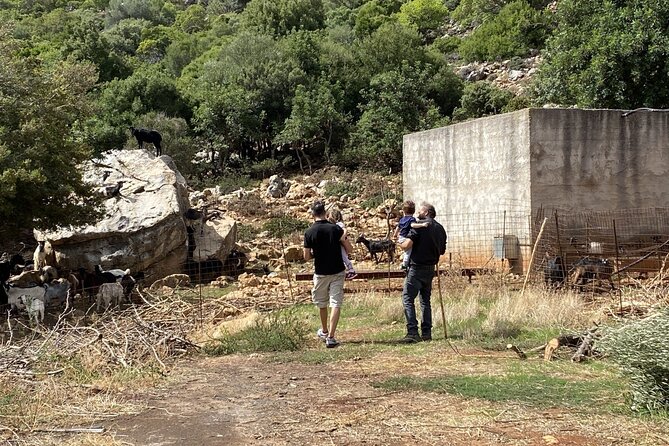
- Goats on the move at Milopotamos: a herd of about 100 flows out freely toward the high hills.
- Thyme honey hands-on: you’ll see honey extraction with Ms Eleni’s technique at the beehives.
- Apladiana lunch in a family home: wine, local organic plates, dessert like sweet cheese pies with honey.
- Orange-tree tasting in season: you may get to pick and taste fruit while the grove smells unforgettable.
Vosakos Monastery: quiet stone, one nun, and loukoumi
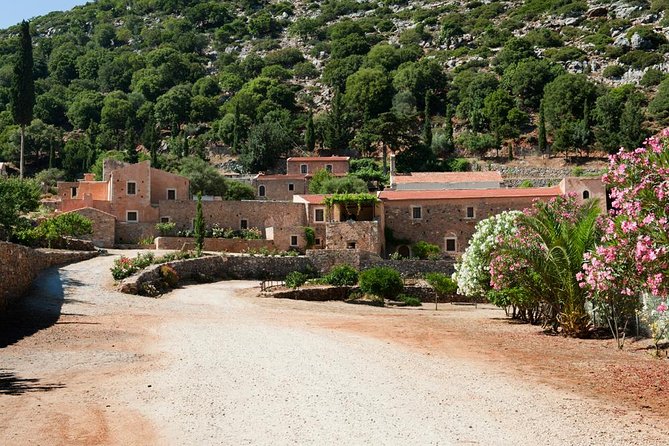
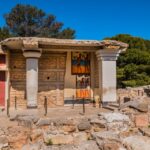
Your day starts in the Rethymno region with about an hour of driving before you reach the Monastery of the Holy Cross Vosakos. It’s stone-built, historically significant, and set in a mountain setting full of flowers, trees, and aromatic herbs. The vibe is calm, and that matters, because the rest of the day is all about hands-on farm life.
Inside, you’ll meet the one nun still living at the monastery. She welcomes the group with a kind smile and a loukoumi treat, which is a sweet little way to slow everything down before the busier stops. You can take your time here to notice the architecture and absorb the quiet without feeling rushed.
Possible drawback: since the morning sets the tone, go with the expectation that this stop is more about atmosphere than photo speed. If you’re not a fan of peaceful, slower visits, you might want to mentally prepare for a gentler pace.
You can also read our reviews of more tours and experiences in Crete.


Milopotamos with Mr Andreas: shepherd routine and the goat rush
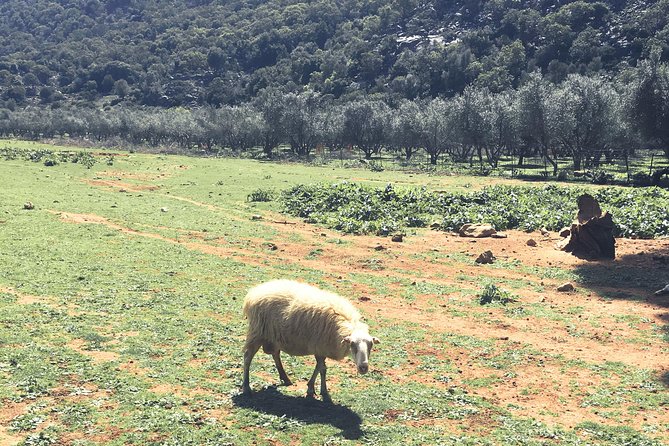
Next comes Milopotamos, where three huge trees form a kind of natural entrance to the land. It feels intentionally welcoming, and it sets you up for what the stop is really about: daily rhythm. Mr Andreas greets the group and shows what a day looks like, including routine habits, milk production, and how he cares for the goats.
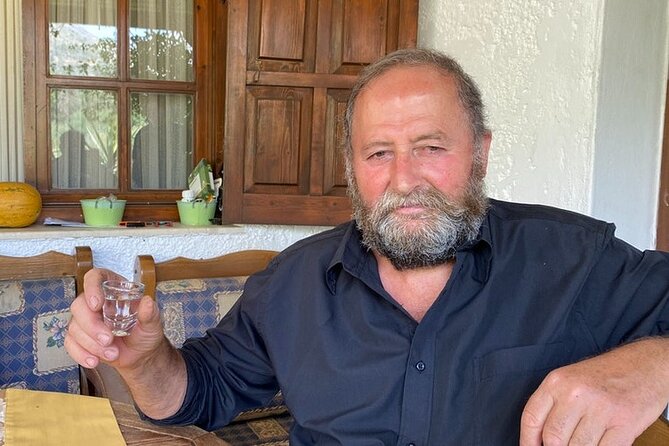
You’ll also get a tasting break with typical Cretan starters like cheese, olives, and raki. This isn’t a random “snack and go.” It helps you connect the food you’re tasting with the work you’re watching. Expect raki as part of the experience, since that shows up repeatedly in the feedback—people mention it as part of the warm hospitality.
Then comes the moment people talk about most: a herd of about 100 goats flowing freely out of the stockyard and running toward the high hills. It’s dramatic in a simple, natural way. You’ll see why free movement is part of how shepherding works here, not just a staged scene.
Tip: if you like photographing action, stand where you can see the herd’s full exit path, not just one side. That’s when the movement really clicks.
Beekeeping with Ms Eleni: thyme honey extraction you can actually see
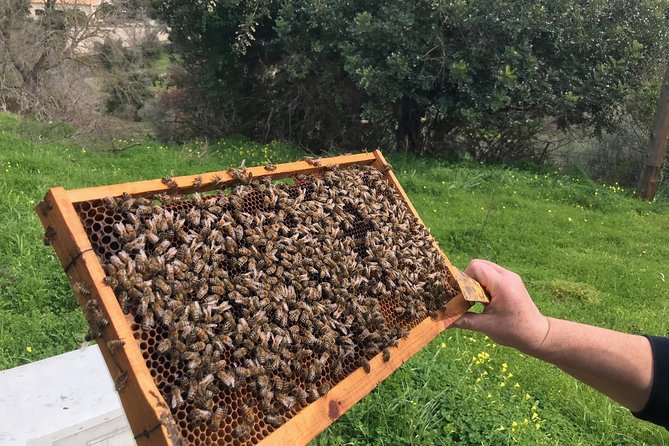
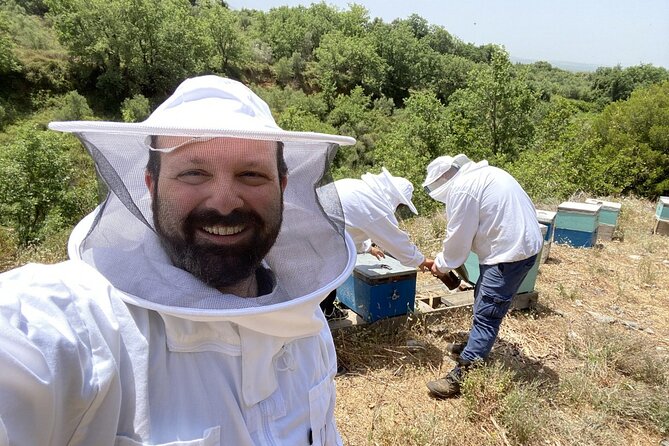
After the first Milopotamos farm introduction, you’ll switch to beekeeping and honey production. Depending on the time of year, the tour may include a different landscape moment with flowers and their aromas—or it may stay focused right where the action is. Either way, what you’re really here for is the beehives and the craft behind thyme honey.
Ms Eleni, the shepherd’s wife, demonstrates her beekeeping knowledge—passed down through generations—and she does it in a way that feels personal rather than performative. You’ll wear beekeeping uniforms for the procedure, and she shows honey extraction with careful technique. The detail that stands out is how close she is to her bees and how comfortable she is in the process.
You’ll learn the production of real thyme honey and get to taste honey from the comb. This is one of those experiences where the “how” matters as much as the “what.” Once you see the steps, tasting makes more sense, and you’re less likely to treat honey like just a souvenir.
Possible consideration: this stop is hands-on and sensory. If you’re sensitive to strong smells or you dislike anything related to animals close-up, take that seriously before booking.
Apladiana lunch in a family home: wine, organic plates, and pitakia
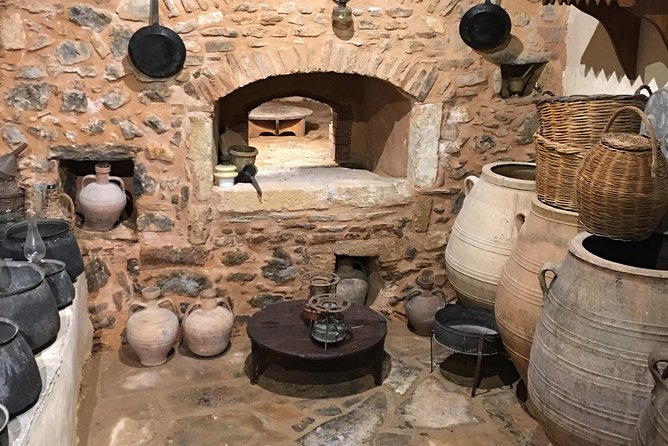
One of the strongest parts of this day is what happens after you’ve met the people and seen their work. In Apladiana, Mr Andreas and Ms Eleni open their house to the group. The home sits high up with views over the village, and it’s surrounded by flowers, trees, and herb bushes—so the air around the meal feels like part of the story.
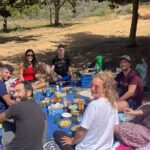
Once you sit down, Mr Andreas opens a bottle of wine and offers you a glass. Mrs Eleni finishes preparing lunch that’s made for you. You’ll eat local organic products, and the meal has that “house guest” feeling people keep praising: generous, warm, and not staged for tourists.
Dessert commonly includes sweet cheese pies (pitakia) with honey on top. That pairing turns the thyme honey from earlier into something you can taste as part of the whole day, not just a standalone tasting.
Tip: go easy on breakfast. Multiple people mention that the lunch can be a lot, so show up hungry but not stuffed.
Orange-tree stop and village customs: Apladiana square after the grove
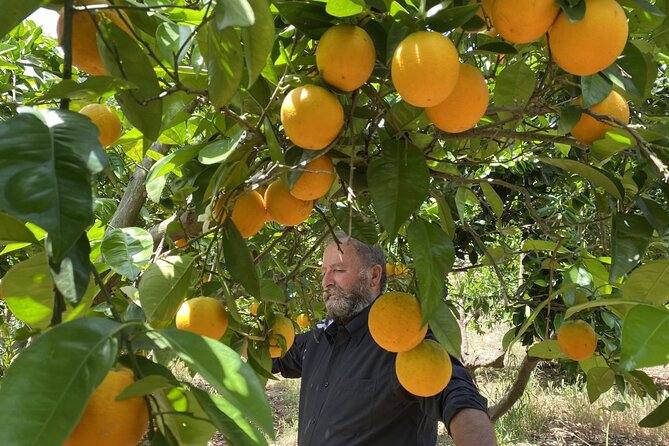
After lunch, you’ll head into the center of Apladiana, a traditional village with customs that are still practiced. Along the way, you cross a field full of orange trees. Even if you don’t pick fruit, the smell can be memorable—sweet, fresh, and very present.
If it’s in season, your guide may cut oranges by hand and offer them for you to taste. That kind of fruit moment sounds small, but it’s exactly what makes the day feel grounded: food you can connect to place, season, and hands-on care.
In the village square, the tour wraps up with a discussion of Cretan customs, including where and how Cretan weddings take place in traditional villages. It’s not a lecture designed to impress you with facts. It’s context that helps you understand what you saw earlier: routine, community, and hospitality as the core of daily life.


Price and time: what $204.26 buys you (and what it doesn’t)
At about $204.26 per person for roughly 6 to 8 hours, the value depends on what you want from a day trip.
Here’s what you’re paying for:
- Small-group format (max six), which usually means more personal time at each stop.
- Pickup and drop-off in Rethymno rather than renting a car or fighting mountain roads.
- Included access at key points, including a 45-minute monastery visit with admission included.
- A full meal experience: starters, raki, and a long lunch at the family home, plus dessert.
- Active cultural content, like hands-on thyme honey extraction and the goat herd moment.
What it doesn’t promise:
- A long bus ride with lots of distant sightseeing boxes. This is purposefully not a “see everything” day.
- A guaranteed orange-picking moment if timing doesn’t line up with season (it’s described as in season, so treat it as a bonus).
For many people, the price makes sense because the day is built around experiences that are hard to reproduce on your own: access to a working shepherd setup, beekeeping extraction technique, and a family home lunch where you’re not just eating but learning the why behind it.
Who should book this mountain day in Rethymno
This trip fits best if you want:
- Authentic, lived-in rural Crete rather than a tourist route
- A day that feels like you’re visiting people who actually live here
- Food experiences tied to work you witness first: goats, milk routines, thyme honey, and family cooking
It may not be ideal if you:
- Want a mostly sedentary, minimal-walking day (the day expects moderate physical fitness)
- Dislike animal-related experiences or anything close-up at farms and hives
- Prefer solo freedom above all. This is a structured route with scheduled stops.
Language is English, and the pace is designed for a small group. Some departures may be led by guides named Kostas or Vincent (you might also hear about team members like Dimitri and Konstantinos), but either way the tone described is consistent: friendly, helpful, and focused on making you feel welcome.
Should you book Cretan Way of Life in the mountains of Rethymno (Mylopotamos)?
I’d book it if your idea of a great Crete day is meeting locals in a real setting and leaving with tastes you can explain: thyme honey you saw extracted, honey used in dessert, goats moving freely, and lunch served like you belong at the table.
It’s also a smart choice if you’re staying in the Rethymno area and don’t want the logistics headache of driving into smaller mountain areas. The pickup-and-drop approach protects your time and keeps the day from turning into a navigation test.
But if you’re chasing big-ticket sights and long panoramic touring, this isn’t that kind of day. It’s intimate, practical, and built around everyday Crete—shepherding, beekeeping, and hospitality.
FAQ
What is the group size for this tour?
The tour is limited to a maximum of 6 travelers.
How long is the tour?
It runs for about 6 to 8 hours.
Do you get hotel pickup in Rethymno?
Yes. Private pick-up is offered at each client’s hotel, but only within the district of Rethymno. Pickup time depends on your hotel.
Where does the tour start and end?
It starts at Eleftheríou Venizélou 39, Rethymno 741 31, Greece. The activity ends back at the meeting point.
Is the tour offered in English?
Yes, it’s offered in English.
Is a mobile ticket provided?
Yes, a mobile ticket is included.
What kind of food is included during the day?
You’ll have local Cretan appetizers with the shepherd and then enjoy a home-cooked lunch in Apladiana, typically followed by dessert such as sweet cheese pies with honey. Vegetarian option is available if you request it at booking.
Which activities are included at the monastery and farm stops?
The monastery visit includes admission, and you’ll also have guided visits and tastings connected to the shepherd and beekeeping stops. Honey extraction and tasting from the comb is part of the beekeeping experience.
Is the tour suitable for people with limited mobility?
The tour requires moderate physical fitness. It’s best to consider your comfort with the day’s activities and the terrain.
Are service animals allowed?
Yes, service animals are allowed.
Does the tour require good weather?
Yes. The experience requires good weather. If it’s canceled due to poor weather, you’ll be offered a different date or a full refund.