Crete has a real summit day. A hike up Mt. Psiloritis (Mt. Ida) turns mythology, geology, and serious panoramas into one practical day on the trail. I especially love the private tour pace and how the guide keeps things moving on the right path. One thing to weigh: you’ll want moderate fitness and good weather, because this is a summit hike and the tour depends on conditions.
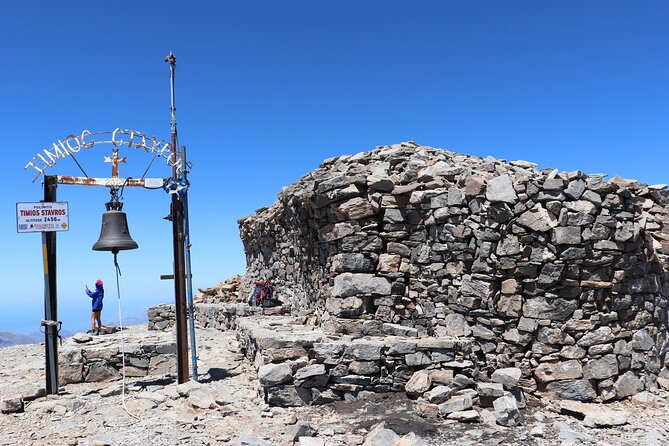
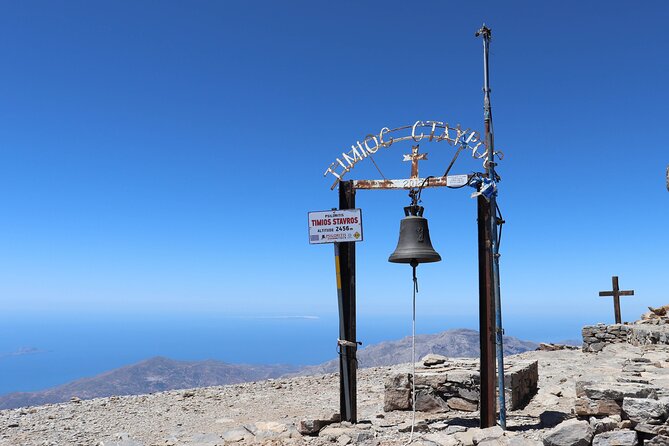
This is the top of the island, with the timed “big moment” being the rise to the highest point (Timios Stavros at 2,456m). You’ll also get a stop that feels very Cretan: a small stone church in the area of Timios Stavros, tied to the local mitato style. And because Psiloritis is part of the UNESCO Geoparks network for its geological and environmental value, your guide can connect what you see with why it matters.
It’s also reassuringly straightforward: you meet in Livadia, start at 8:00am, and end back where you began. With this setup, you won’t be stuck figuring out routes or timing on your own—your guide handles the trail knowledge so you can focus on the walk and the views.
In This Review
- Key things to know before you hike Mt. Psiloritis
- Mt. Psiloritis (Mt. Ida): Crete’s Highest Peak in One Day
- Private Tour Value: Pace Control and Real Trail Confidence
- Meeting Point and Timing: 8:00am Start from Livadia
- The Real Itinerary: Timios Stavros Summit, Church Stop, and Panoramas
- Stop at Psiloritis Mountain: the summit moment
- The stone church at Timios Stavros
- Myths and archaeology along the way
- Descent: where legs learn the difference
- Timing and Terrain: 6 Hours Sounds Simple. It Isn’t.
- Price and Value: What $120.16 Includes (and Why It’s Not Just a Ticket)
- Practical Packing Tips for a Psiloritis Summit Day
- Who This Hike Fits Best in Crete
- Should You Book This Mt. Psiloritis (Mt. Ida) Hike?
- FAQ
- How long is the hiking experience on Psiloritis Mountain?
- Where does the tour start?
- What time does the hike begin?
- Is this a private tour?
- Does the tour include an English guide?
- Are snacks and water included?
- Are walking sticks provided?
- Is transportation included in the price?
- What if weather is poor?
Key things to know before you hike Mt. Psiloritis
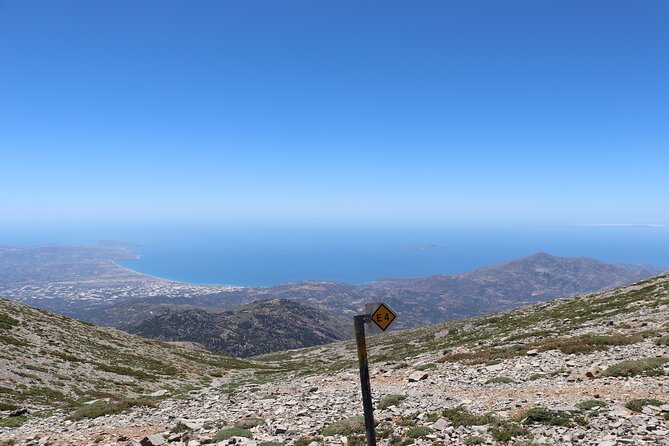
- Summit-level payoff: Crete’s highest peak means wide views all over the island
- A UNESCO Geopark story: geology and environment are part of what your guide explains
- Myths and archaeology on the move: expect cultural context, not just directions
- Private tour just for your group: you set the pace that fits you
- Walking sticks included: helpful if you’re new to poles for steep sections
- Good-weather dependent: if conditions are poor, the experience may be rescheduled or refunded
Mt. Psiloritis (Mt. Ida): Crete’s Highest Peak in One Day
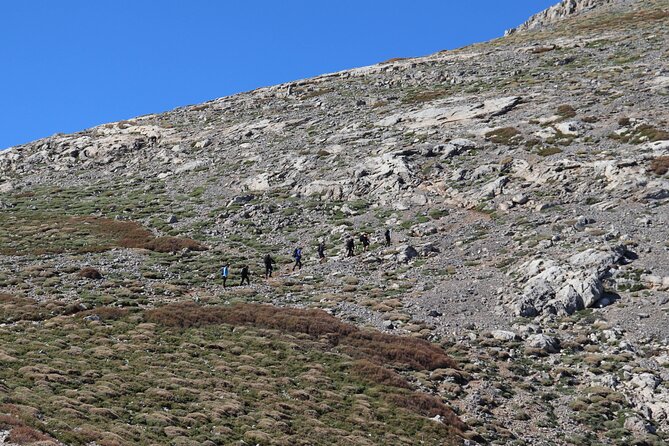
Hiking Mt. Psiloritis, also known as Mt. Ida, is one of those Crete experiences that feels both grounded and epic at the same time. You’re not just walking somewhere pretty. You’re climbing to the highest point of the island, and that elevation changes everything: the air feels different, the horizon opens up, and the views become the main event.
What makes this mountain extra compelling is that it’s not only scenic. Psiloritis is recognized for its geological and environmental importance through the UNESCO Geoparks designation. Your guide can use that to explain what you’re seeing in a way that doesn’t feel like homework. It’s more like a moving conversation: rock, terrain, local landscape features, and why the mountain earned global attention.
And then there’s the cultural detail that gives the day texture: the small stone church near Timios Stavros, made in a style associated with a Cretan mitato. That kind of stop is small, but it adds meaning—this isn’t only about reaching a number on a map. It’s about arriving at a place that locals have marked and used, shaped by the island’s history.
What I like most: the summit view doesn’t feel like a bonus. It’s the point, and the rest of the day is designed to bring you there.
What to consider: you’re hiking in the mountains. If you’re not used to steady uphill walking—or if you struggle more on descents—plan to take it slow on the way down.
You can also read our reviews of more hiking tours in Crete
Private Tour Value: Pace Control and Real Trail Confidence
This is a private tour, meaning only your group participates. That matters more than people think, especially on a mountain hike. When you’re not sharing the trail with a bigger group, your guide can match breaks to your needs—shorter if everyone is feeling good, or longer if someone needs a breather.
You also get the comfort of not getting lost. The route is something your guide knows thoroughly. That removes a layer of mental stress. Instead of scanning the ground for the right turn and wondering if you’re behind or off track, you can pay attention to how your body feels and enjoy the changing views.
The “private + guided” mix is why this hike works well even if your group has mixed hiking comfort. One person can push a little; another can slow down; and the day still stays coordinated. Based on the experience reports, guides like Giorgos and Kostas tend to bring the hike to life with both warmth and mountain knowledge—so the time on the path feels purposeful rather than purely physical.
One small practical note: because the pace is group-based, your day might feel more variable than a strict guided “all together, always the same speed” tour. That’s not a downside—just the tradeoff for having control.
Meeting Point and Timing: 8:00am Start from Livadia
Your hike starts at 8:00am in Livadia (740 51, Greece), and the tour ends back at the meeting point. That “back to where you started” structure is ideal on a day like this. You don’t have to guess about transport at the end, and your logistics stay simple.
Also, starting early is usually a smart move for mountain hikes. Even if the day looks fine at 8:00am, conditions can shift as you climb and descend. An early departure gives you more daylight and more flexibility if you need a slower pace.
Transportation is not included, so you’ll want a plan to get to Livadia on time. If you’re staying in nearby towns, it’s worth checking how long the drive or bus ride takes and building in buffer time. Nothing ruins a mountain morning like arriving sweaty and stressed.
The Real Itinerary: Timios Stavros Summit, Church Stop, and Panoramas
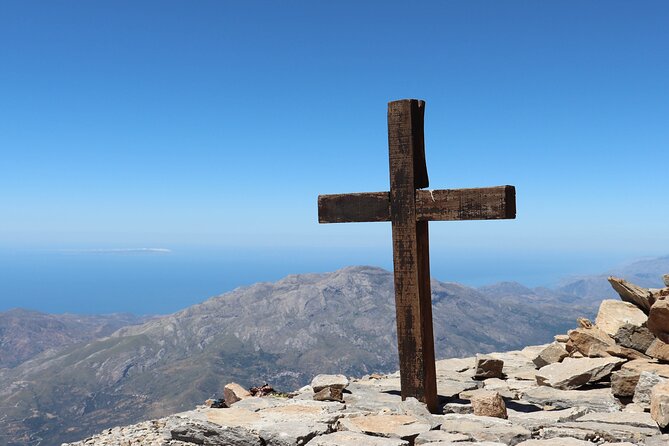
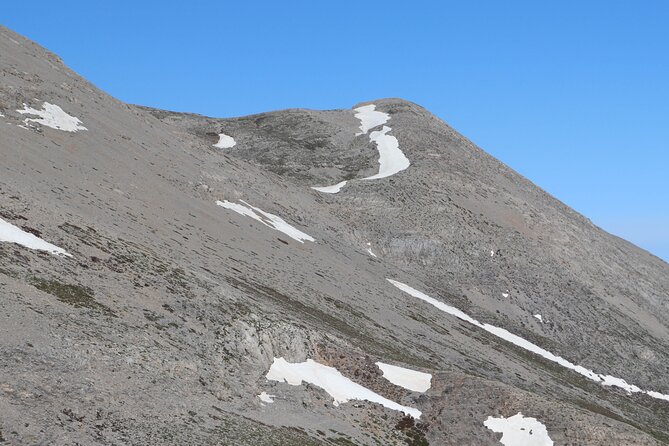
In practice, this tour is one continuous experience built around the ascent to the summit area of Timios Stavros—the highest peak point of Timios Stavros at 2,456m. The day’s rhythm is simple: walk up, reach the summit viewpoint, take in the panorama, and then return down the trail to Livadia.
Stop at Psiloritis Mountain: the summit moment
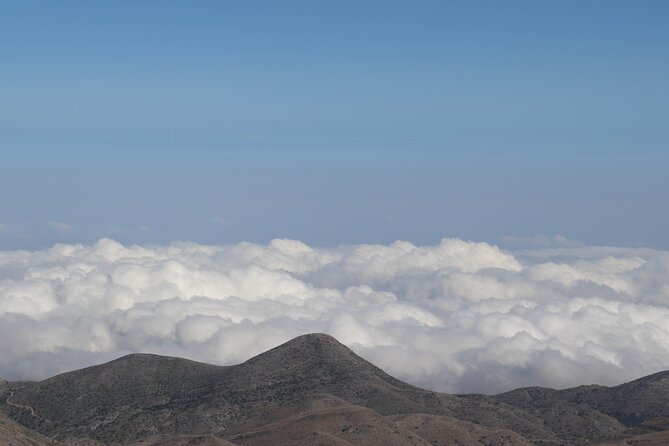
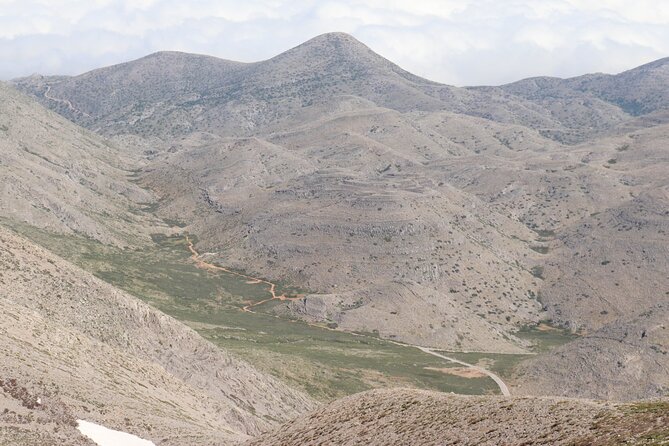
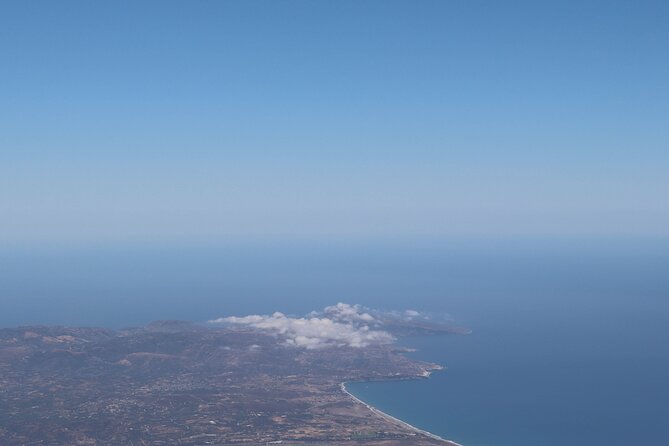
The highlight is the summit area, where the views extend across the island. At the top, you’re high enough to see the island’s variety in a single sweep. It’s the kind of panorama that helps you understand why this mountain is so culturally and environmentally important.
The stone church at Timios Stavros
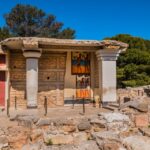
Near the summit area, there’s a small church constructed from stone. It’s specifically noted as being in a style typical of Crete, associated with the mitato. This isn’t just a photo break. It’s a quick cultural pause that gives your hike more meaning than “we climbed because we can.”
Myths and archaeology along the way
One of the best parts of a guided mountain day is when the guide turns what you see into context. Here, your guide explains the mountain’s role in myths and archaeology. That makes the hike feel tied to the island’s story, not just its elevation.
Descent: where legs learn the difference
The climb is demanding, but the descent can be tougher if you aren’t used to walking downhill on hilly trails. In an experience like this, I treat the down part like a separate challenge: slower steps, more focus, and extra care with footing. One guide tip I’d echo from the hiking experience feedback is that if you haven’t used walking poles before, it’s worth trying them on the way down. They can reduce stress on your knees and help you feel more stable.
Timing and Terrain: 6 Hours Sounds Simple. It Isn’t.
The tour runs about 6 hours total. In one real account of the hike, the top-to-bottom time came out closer to 5.5 hours, which suggests the schedule is designed for a steady group pace with normal breaks.
Here’s how to think about the timing:
- Uphill usually sets the pace and raises your heart rate.
- The summit stop is what you’ll remember most, so plan for a slow moment to look around.
- Downhill is where balance and leg endurance get tested.
If you’re the type who feels fine going up but struggles on the return, you’ll still be okay—you just need to move carefully and avoid rushing to “finish.” Your guide can guide the pacing since this is private. That’s also where walking sticks included with the tour can make a noticeable difference.
One more practical consideration: since the tour requires good weather, you might be traveling in conditions that feel dry and clear—or you might need to reschedule if visibility and footing aren’t safe. If you’re flexible with dates, this hike becomes easier to plan.
Price and Value: What $120.16 Includes (and Why It’s Not Just a Ticket)
At $120.16 per person, this is not a budget “wander with a map” kind of outing. It’s a guided, private mountain experience with several included extras that help justify the cost.
Here’s what you get included:
- English-speaking certificated guide
- Snacks
- Bottled water
- Walking sticks
- All fees and taxes
And what you don’t get:
- Transportation
So where does the value come from? Mostly from two places. First, private guiding on a mountain route saves you the stress and effort of figuring it out yourself. Second, the included gear support (walking sticks) and basics (snacks and water) mean you can show up without turning it into a checklist marathon.
If you’d otherwise be paying for a guide plus renting poles plus buying snacks and water, the price starts to look more reasonable. And if your group is small or you want a pace that fits real hikers—not the average flyer pace—private time on a summit hike is often worth paying for.
Practical Packing Tips for a Psiloritis Summit Day
The tour depends on good weather, but you still want to be prepared for mountain conditions changing as you climb. Without overthinking it, I recommend you dress in layers and plan for steady walking.
Here are practical items that help you enjoy the day more:
- Good hiking shoes with traction (especially for the downhill return)
- A light rain layer or wind layer, just in case
- Sun protection (hat/sunglasses/sunscreen), since you’ll be higher up with more exposure
- A small daypack for your water/snacks even though water is provided
Also, if you haven’t used poles before, treat them like training wheels on the first steep section. One guide on these routes has been known to lend poles to first-timers and that helped make the descent more manageable.
Who This Hike Fits Best in Crete
This hike suits people who want the highest point experience without the stress of self-navigation. It’s also ideal for groups who appreciate cultural context—myths and archaeology plus geology and UNESCO recognition—so the day is both physical and meaningful.
Based on the requirements, you’ll want moderate physical fitness. If you’re comfortable hiking and you can handle a steepish climb and a careful descent, you’re in the right zone.
It can also work well for people who prefer a quieter experience. Since it’s private, you’re not getting jammed into a large group tempo. And it notes that service animals are allowed, which can matter for some travelers planning their day.
If your main goal is a low-effort stroll, this probably won’t match your expectations. Think “real hike” rather than “walk with views.”
Should You Book This Mt. Psiloritis (Mt. Ida) Hike?
I’d book it if you want a true summit day on Crete’s highest mountain, and you value guidance that covers more than just where to step next. The included essentials—snacks, bottled water, walking sticks, and an English-speaking certificated guide—make it easier to show up prepared and focus on the hike.
Skip it (or at least be ready to reschedule) if you’re sensitive to steep descents, or if your schedule is tight around weather. Since the experience depends on good conditions, it’s best if you can be flexible with your travel days.
If you’re the kind of person who likes learning while moving—myths, archaeology, and UNESCO geopark context included—this is the sort of hike that turns into a story you’ll remember long after the trail is behind you.
FAQ
How long is the hiking experience on Psiloritis Mountain?
It’s approximately 6 hours.
Where does the tour start?
It starts in Livadia (740 51, Greece) and ends back at the same meeting point.
What time does the hike begin?
Start time is 8:00am.
Is this a private tour?
Yes. It’s private, and only your group participates.
Does the tour include an English guide?
Yes. The guide is English speaking and certificated.
Are snacks and water included?
Yes. Snacks and bottled water are included.
Are walking sticks provided?
Yes. Walking sticks are included.
Is transportation included in the price?
No. Transportation is not included.
What if weather is poor?
The experience requires good weather. If it’s canceled due to poor weather, you’ll be offered a different date or a full refund. Free cancellation is available up to 24 hours in advance for a full refund.