Wine and olive oil in one smooth day. This full-day Apokoronas tour from Chania strings together a working winery, a real olive mill, and a hands-on cooking class with Cretan food throughout. You also get historic sights in the Emprosneros area and a lunch that feels like it was planned by locals, not a factory schedule.
I especially love the variety of flavors and craft. You taste wines like Vidiano, Vilana, Malvasia, and Kotsifali, then switch gears to olive oil production and a guided tasting that actually teaches you what you’re smelling and tasting. I also like the small-group pace capped at 15 people, which keeps the day from feeling rushed.
One possible drawback: the day runs about 6 hours, and wine tasting is not allowed for children under 18. If you’re traveling with kids, you’ll want to plan for the fact that they’ll be offered water or fresh orange juice instead of wine.
In This Review
- Key things to know before you go
- Apokoronas from Chania: what this day trip feels like
- Winery Dourakis: learning Cretan grapes with real tastings
- Tsivaras olive mill: the smell of olive oil production and a tasting that teaches
- Melidoni cooking class: the hands-on centerpiece (and the house museums part)
- Emprosneros and Alidakis Tower: historic stops with a scenic drive feel
- The food tastings and Cretan lunch you’ll actually remember
- Price and value: is $474.33 per person fair?
- Small group and private tour details: who will like this most
- Weather, timing, and alcohol rules: the practical considerations
- Practical tips to get the most from your day
- Should you book Cretan Delights from Chania?
- FAQ
- What time does the tour start?
- Is pickup from hotels or other locations included?
- How long is the tour?
- Is this a small group or private experience?
- What’s included in the price?
- Are children allowed, and can kids join the wine tasting?
- Which wines are tasted at Winery Dourakis?
- What if the tour is cancelled due to weather or too few participants?
Key things to know before you go
- Winery Dourakis tastings focus on Cretan grape varieties such as Vidiano, Vilana, Malvasia, and Kotsifali
- Tsivaras olive mill gives you the oil-making atmosphere plus a tasting that builds your palate
- Melidoni cooking class is the long, hands-on centerpiece (about 4 hours) and includes a family-house visit
- Emprosneros monuments include Alidakis Tower, adding a historic thread to the day
- Lunch and food tasting are included, with bottled water provided per person
Apokoronas from Chania: what this day trip feels like
This is the kind of tour you book when you want more than a quick drive-by. In roughly 6 hours, you cover big parts of Cretan food culture: grapes, olives, and the recipes that turn those ingredients into meals. Since it’s a small-group setup limited to 15 people, the guide can answer questions and keep a calmer pace than the big-bus tours.
You also get hotel pickup and transport in an air-conditioned minivan or minibus. That matters on Crete because the time between towns adds up, and you don’t want to spend your day figuring out where to park or how to get from one farm stop to the next. The tour uses an English-speaking local driver/guide plus a wine specialist, so you get both practical driving knowledge and more detail at tasting stops.
The other big “value” detail is that lunch and wine/food tastings are built in. Additional food and drinks are not included, so if you want extra drinks beyond what’s part of the tasting and lunch, you’ll need to budget for that on your own.
You can also read our reviews of more cooking classes in Crete
Winery Dourakis: learning Cretan grapes with real tastings
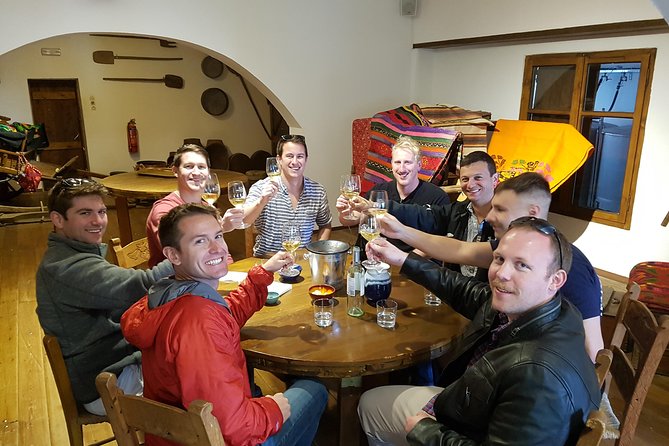
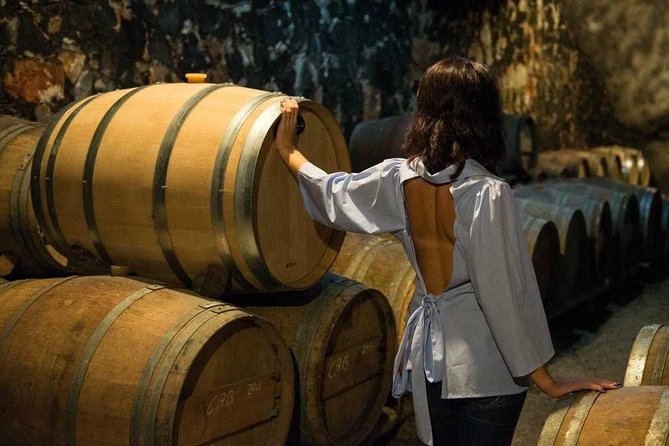
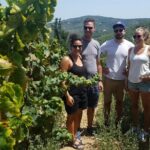
Stop one is Winery Dourakis, where the tasting is designed around Cretan varieties. Expect to taste grapes such as Vidiano, Vilana, Malvasia, and Kotsifali. This is a good start because it anchors your day: once you know a few grape names and what flavors people connect to them, the rest of the tastings feel more meaningful.
The winery stop is about 1 hour, and the admission ticket is included. That’s usually long enough to learn how the winery talks about its wines and to taste without feeling like you’re herded through a checklist. If you like asking questions, this is one of the best moments to do it, because a wine specialist is part of the team.
Practical tip: if you’re sensitive to alcohol, keep water handy and pace yourself. You’ll still have an olive mill and a long cooking class after this, so don’t treat the tasting like a race.
Tsivaras olive mill: the smell of olive oil production and a tasting that teaches
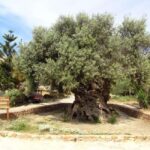
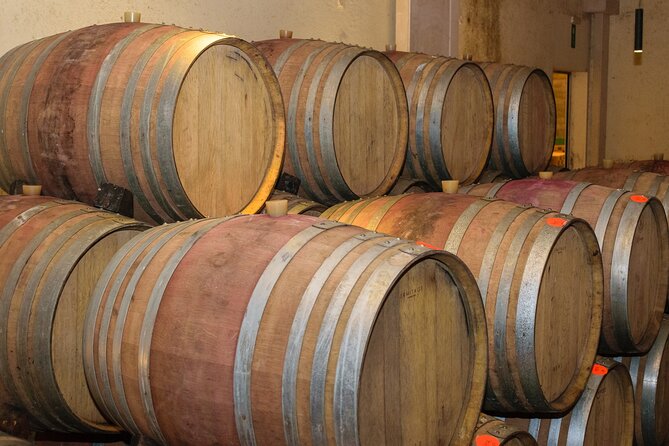
After wine comes olives, and Tsivaras keeps the focus on production. The experience starts at a local olive mill where the air is infused with the aroma of oil processing. Even if you’re not a “food nerd,” you’ll likely pick up the idea quickly: olive oil isn’t just a product, it’s a process with its own sensory cues.
This stop is about 1 hour, and the admission ticket is free. You also get a tasting that’s meant to show you the nuances of the olives themselves. That’s the part I appreciate most: you’re not only tasting, you’re learning how to taste. You’ll be in a setting where the origin and the method feel close enough that the flavors make sense in your head.
If you’re the type who buys olive oil back home, this is the stop that helps you buy with intention. Instead of grabbing the first bottle on the shelf, you’ll be comparing what you remember from the tasting.
Melidoni cooking class: the hands-on centerpiece (and the house museums part)
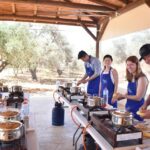
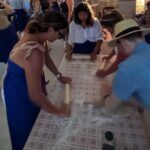
The heart of the day is Melidoni, and it’s where the tour slows down in the best way. You’ll join a 100% hands-on cooking class with guidance to prepare authentic Greek and Cretan recipes. This is listed as the pinnacle of the day, and the length backs it up: about 4 hours at Melidoni.
That long cooking block is a smart choice for value. A lot of tours promise culture but give you a quick demo. Here, you’re participating, which means you’ll leave with a clearer sense of how Cretan dishes come together, not just a memory of eating them.
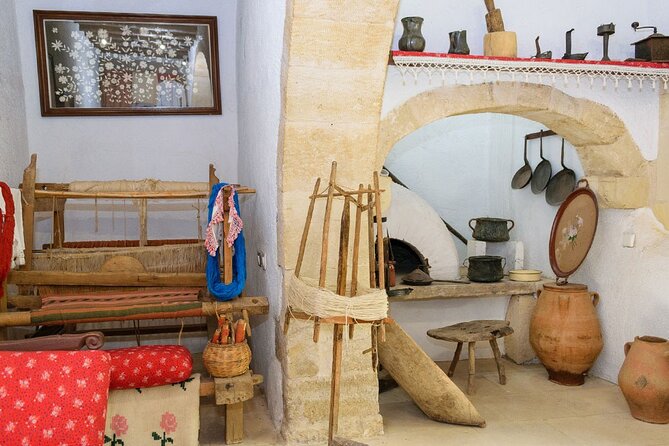
As an added cultural bonus, you also explore a family house with themed rooms. Reviews point out that the home-museum vibe can be especially interesting, including a look at what a family home could have looked like about a century ago. Even if you’re not usually into museums, the setting helps the cooking class feel connected to real life instead of a stage.
A note for your planning: wear comfortable clothes and shoes. You’ll likely spend real time moving around, cooking, and tasting.
Emprosneros and Alidakis Tower: historic stops with a scenic drive feel
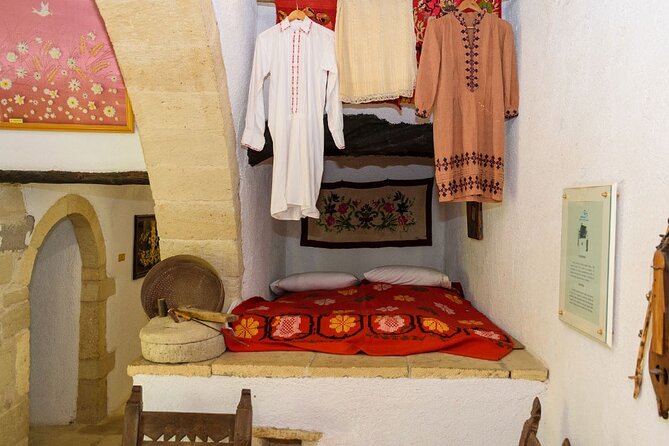
Between the food-focused stops, you also get historic monuments in the Emprosneros area, including Alidakis Tower. The tour doesn’t frame these as a long lecture, but they’re valuable because they remind you that the “food day” is rooted in place. Crete’s villages, architecture, and towers are part of how farming communities historically protected themselves and organized life.
I like these historic add-ons because they balance the day. If you go only winery-to-winery, you can end up with a blur of tasting rooms. A quick, concrete landmark like Alidakis Tower helps you connect what you’re eating with what the region used to be.
You can also read our reviews of more wine tours in Crete
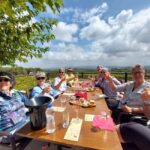

The food tastings and Cretan lunch you’ll actually remember
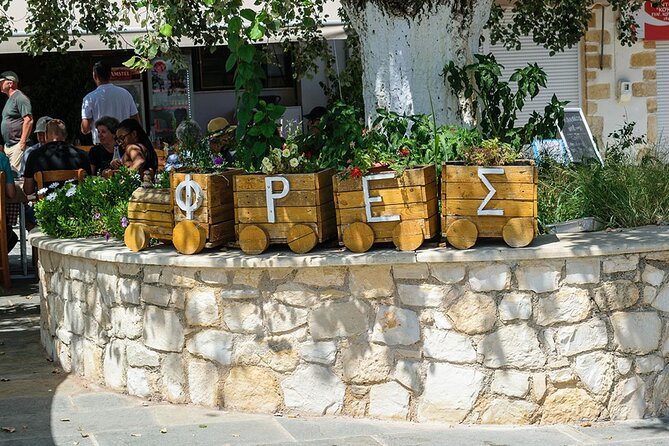
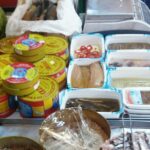
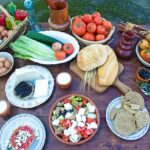
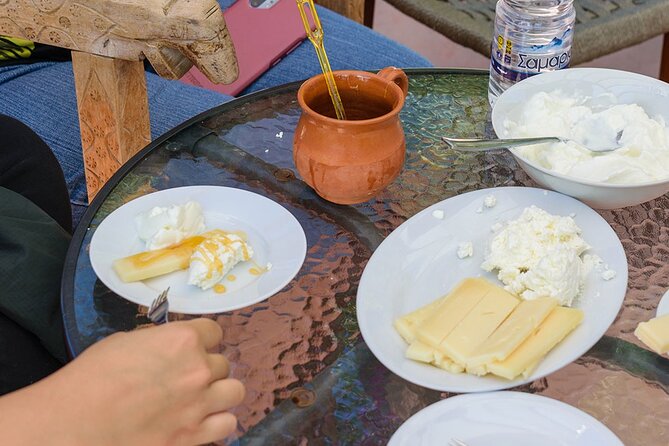
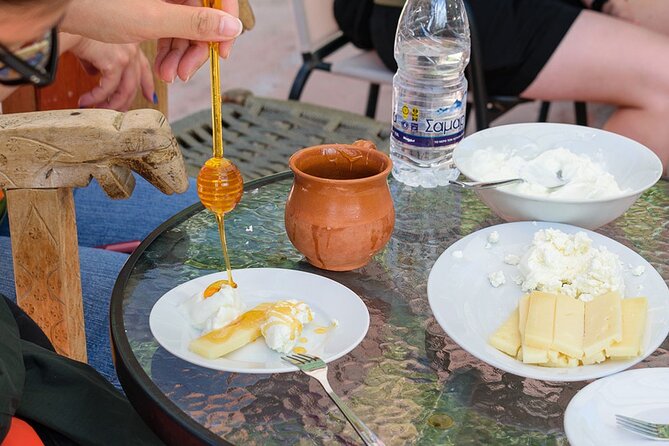
This tour doesn’t just include a lunch; it feeds you the Cretan way across the day. You can expect tastings of local specialties such as rusks, raki, and cheeses, plus regional wines as part of the overall program.
Then comes a traditional Cretan lunch, included in the price. In practice, this is often the moment that turns the day from a list of stops into a full experience. The best lunches on tours are served by people who seem genuinely happy to have you there, and this one is described that way by visitors: warm, welcoming, and properly Cretan.
A quick reality check: bottled water is included per person, but additional food and drinks aren’t. If you love spending extra on cocktails, coffee, or a second round of drinks, plan to add that yourself.
Price and value: is $474.33 per person fair?
At $474.33 per person for a roughly 6-hour small-group day, you’re paying for more than transportation. You’re paying for three experiences that would each cost you time and money on your own: winery tasting, olive mill tasting, and a hands-on cooking class, plus the included traditional lunch.
Your money is also going into logistics that make the day easier: hotel pickup, air-conditioned minivan/minibus transport, and an English-speaking local team including a wine specialist. You’re also capped at 15 people, so the guide time doesn’t get diluted.
Is it cheaper than going DIY? Usually, yes. Is it more comfortable and more structured? Also yes. If you don’t want to rent a car or coordinate multiple farm visits, this is the kind of day trip that turns “I hope we find good food” into an actual plan.
One more sign it’s a popular option: the tour is commonly booked well ahead (on average 125 days). If you’re traveling in peak season, booking early is your friend.
Small group and private tour details: who will like this most
This is a small-group tour limited to 15 people and it’s listed as private for your group. In real terms, that usually means you get more attention and fewer awkward moments than on a crowded coach. If you’re traveling as a couple or small circle, you may feel like you’re getting a more tailored day than you’d expect from a standard group tour.
It also helps that guides with real personality are part of the experience. One guide pairing mentioned by name includes Dimitri and Andreas, described as detailed explainers with humor. Another highlight from the same overall style of guiding is that the explanations can stretch beyond food, touching on vegetation, the economics of local production, and the history behind how Crete developed its traditions.
Who this suits best:
- Food lovers who want to understand what they’re tasting
- People without a rental car who still want countryside stops
- Couples and small groups who like a calmer pace
Weather, timing, and alcohol rules: the practical considerations
This experience requires good weather. If conditions aren’t right, the company can change the program, and in some cases the tour may be cancelled and refunded or moved to another date. That’s a normal reality for outdoor countryside travel, but it’s worth keeping in mind if you have tight plans in Chania.
Timing is another practical piece. Starting at 9:00 am, you’re set for a full morning into the afternoon with the long cooking class block. If you’re jet-lagged, treat this as your “main event” for the day and don’t stack something demanding after.
If you’re traveling with kids: children must be accompanied by an adult, and wine tasting is not allowed for children under 18. They’ll be offered water or fresh orange juice instead. So the cooking and food parts still work for families, but the wine portion won’t include kids.
Practical tips to get the most from your day
A few things help this tour land smoothly:
- Plan for comfortable shoes and clothes you don’t mind getting food-handling closer than usual.
- If you want to buy something (oil, wine, packaged food), consider bringing a small bag for purchases.
- Double-check your pickup area before booking, since pickup zones vary.
- Bring a flexible mindset: the operator can make minor changes when necessary, for example due to weather.
Also, keep an eye on the fact that this is an included-tasting day, not an all-inclusive bar. Bottled water is provided, and additional food and drinks beyond the tastings and lunch are not included.
Should you book Cretan Delights from Chania?
Book it if you want a real Cretan food day with structure. The pairing of winery tasting, olive mill production, and a long hands-on cooking class is a strong combo, and the included lunch plus tastings makes it feel complete rather than “a few bites and off we go.”
Skip it or reconsider if you’re traveling with kids who need to taste everything the adults taste. Wine tasting isn’t allowed under 18, so that part of the day won’t match what they may expect.
If you’re happy with a countryside schedule, you’ll likely love how the stops connect. One moment you’re naming grapes, the next you’re smelling olive production, and then you’re cooking recipes that make the whole experience stick.
FAQ
What time does the tour start?
The tour starts at 9:00 am.
Is pickup from hotels or other locations included?
Yes. Hotel pickup is offered, and you’re transported in an air-conditioned minivan/minibus.
How long is the tour?
It lasts about 6 hours.
Is this a small group or private experience?
It’s a small-group tour limited to 15 people, and it’s also described as private for your group (only your group participates).
What’s included in the price?
Included are an English-speaking local driver/guide and wine specialist, wine and food tasting, traditional Cretan lunch, transport by air-conditioned minivan/minibus, and bottled water per person.
Are children allowed, and can kids join the wine tasting?
Children must be accompanied by an adult. Wine tasting is not allowed for children under 18, and they’ll be offered water or fresh orange juice instead.
Which wines are tasted at Winery Dourakis?
You taste wines including Vidiano, Vilana, Malvasia, and Kotsifali.
What if the tour is cancelled due to weather or too few participants?
The experience requires good weather. If it’s cancelled due to bad weather or too few participants, you’ll be offered a different date or receive a full refund.