Chania tastes better when someone local routes you through it. This 3-hour walking food tour with The Hellenic Odyssey in Chania uses the market streets as a living classroom—history, food habits, and real local flavors move together as you go with your guide, Stella.
I love two things right away. First, the tour is packed with 15+ tastings across 8 stops, so you sample a wide cross-section of Crete instead of just repeating the same pastry twice. Second, Stella ties the food to how Cretans actually live and eat—so the snacks don’t feel random; they feel explained.
One thing to consider: there’s enough sweet food that it can skew dessert-heavy for some people. If sweets aren’t your thing, pace yourself at the bakery and sweet-shop stops.
In This Review
- Key points worth knowing before you go
- Meeting at Old Chania Market Square: start where the locals eat
- Why this walking route makes you a better Chania eater
- The 8 stops and the tastings you’ll actually remember
- 1) Greek coffee and bougatsa to set the tone
- 2) Bakery browsing: cakes and biscuits with local context
- 3) Loukoumades, the sweet you can feel in your hands
- 4) Cheese tasting: learning the region through dairy
- 5) Traditional stores and Cretan heritage talk
- 6) Seasonal produce stops that make eating feel current
- 7) More sampling than you expect, across multiple bites
- 8) Lunch at a traditional Cretan restaurant to tie it together
- Lunch that feels like part of the lesson
- The Mediterranean diet talk you can use at home
- What the top reviews tend to reward you with
- Price and value: is $117 a fair deal?
- Tips to get more flavor per bite
- Who should book this tour
- Should you book Chania Walking Food Tours?
- FAQ
- FAQ
- How long is the Chania Walking Food Tours 3-hour walking tour?
- What is the price per person?
- Where does the tour meet?
- What language is the live guide?
- How many stops and tastings are included?
- Is lunch included?
- What food items can I expect to taste?
- Do I learn about the Mediterranean diet on this tour?
- What is the cancellation policy?
- Can I reserve now and pay later?
Key points worth knowing before you go
- 8 stops and 15+ tastings in just 3 hours, with lots of variety
- Traditional Cretan lunch included, served as part of the flow, not an afterthought
- Stella’s commentary connects what you eat to Cretan culture and everyday eating habits
- You’ll taste iconic items like Greek coffee, cretan bougatsa, and loukoumades
- Cheese tasting and seasonal produce help you understand what’s local right now
- Old store visits and backstreet routes show you Chania beyond the main drag
Meeting at Old Chania Market Square: start where the locals eat
The tour departs from the Statue di Sofoklis Venizelos in the Old Chania Market/Central Market Square area. That spot matters because it puts you near the heartbeat of the city—where food stalls, everyday errands, and quick meals all overlap.
You’ll begin with an intro to Chania and what you’re about to experience. I like this style of start because you don’t just wander; you’re given a context right away. Within minutes, the route starts making sense: markets aren’t only for shopping, they’re also for social life and food knowledge.
You can also read our reviews of more walking tours in Chania
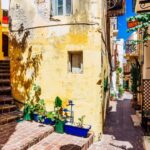
Why this walking route makes you a better Chania eater
This isn’t a museum-style tour where you listen from one place. It’s an interactive, fully guided walk through Chania’s streets and backstreets, including little-known pockets locals seem to keep to themselves.
As you go, you’ll get commentary while you sample. That combo is the real value for me. You aren’t only tasting bougatsa or loukoumades—you’re learning why Cretans choose certain ingredients, how they talk about food, and what the Mediterranean diet means in daily life, not just as a buzzword.
And because the tour is only 3 hours, it’s easy to fit into a trip schedule. I especially like doing it early, because it gives you a mental map of what to hunt for later—what to look for, and what to ask for when you’re ordering.
The 8 stops and the tastings you’ll actually remember
You’ll hit 8 stops and sample at least 15 tastings, which is a lot of food for a short walk. While the exact order can vary, the big themes are consistent: bakery classics, sweets, coffee, cheese, produce, traditional shop culture, and then lunch.
Here’s what you can expect, stop-by-stop, based on what you’ll be offered:
1) Greek coffee and bougatsa to set the tone
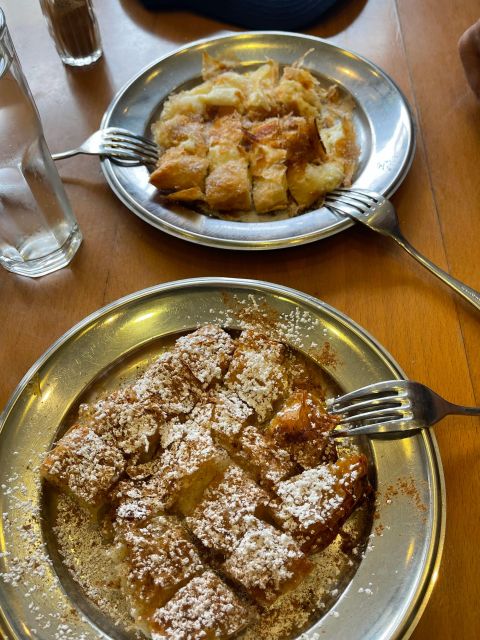
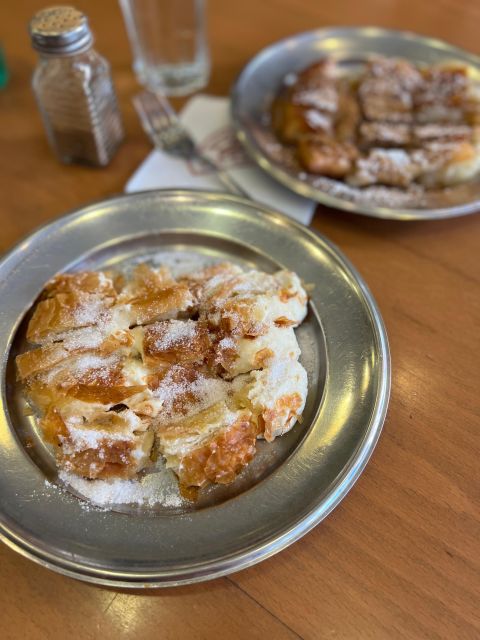
The tour leans into two familiar entry points to Cretan flavors: Greek coffee and the famous Cretan bougatsa. Bougatsa is one of those foods you can find elsewhere, but Crete’s version is part of local pride, and it tends to be a great first tasting because it’s easy to compare in your head once you start noticing textures, fillings, and crust styles.
You’ll also get the kind of quick cultural context that helps you understand why a simple breakfast item becomes a conversation topic.
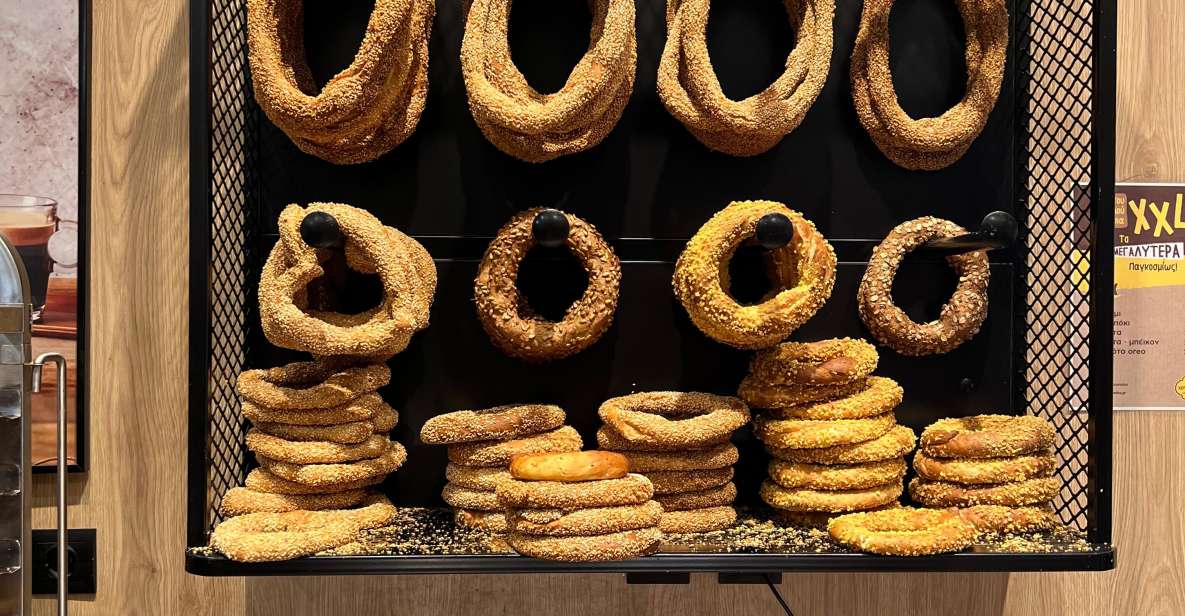
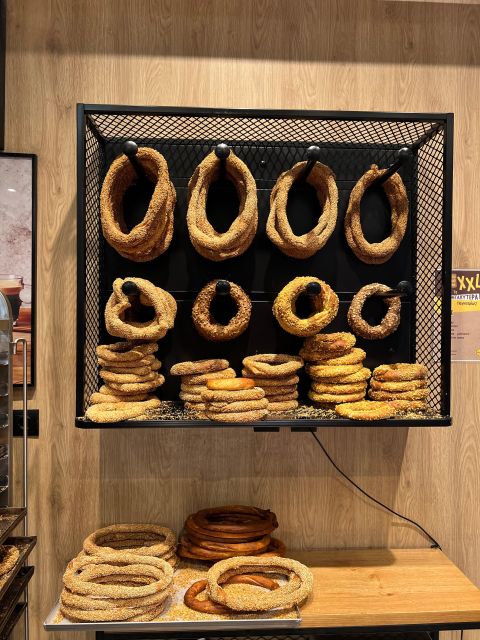
2) Bakery browsing: cakes and biscuits with local context
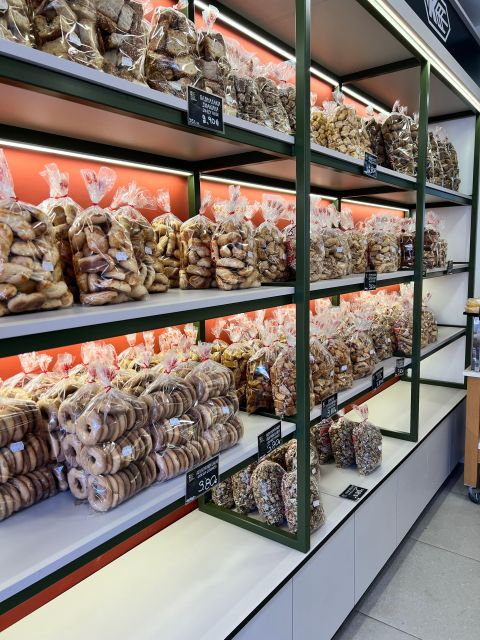
You’ll stop to browse a local bakery display where cakes and biscuits take center stage. This isn’t just a photo-op. You’ll learn about the different cakes and biscuits you see on display, and you’ll taste samples along the way.
Practical tip: if you’re the type who likes to order dessert later, this is where you’ll learn what names mean on menus.
You can also read our reviews of more food & drink experiences in Chania


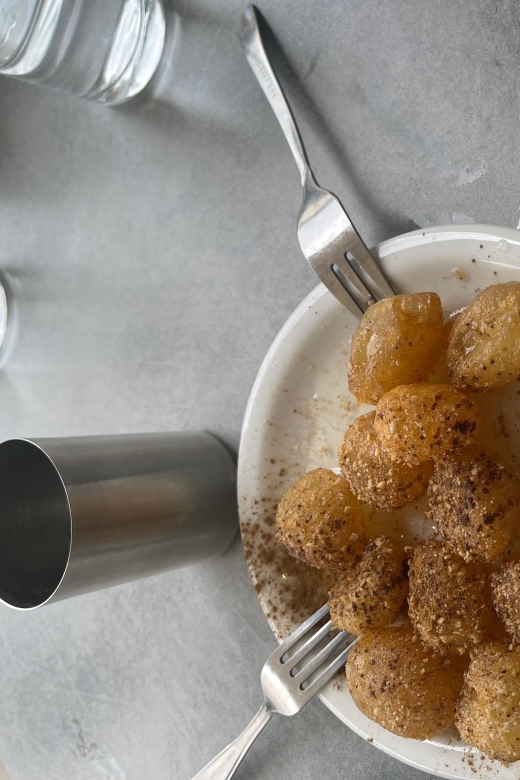
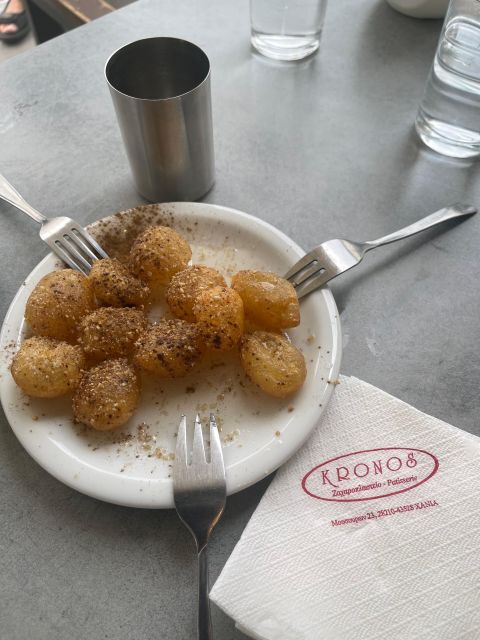
3) Loukoumades, the sweet you can feel in your hands
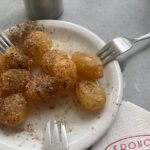
Next comes loukoumades. Expect classic sweet satisfaction—fried dough, warm and sticky, often paired with honey flavors. It’s delicious, but it’s also the kind of tasting that can slow you down if you’re not ready for how filling it is.
This is the spot where my advice is simple: take a few bites, then sip water between tastings.
4) Cheese tasting: learning the region through dairy
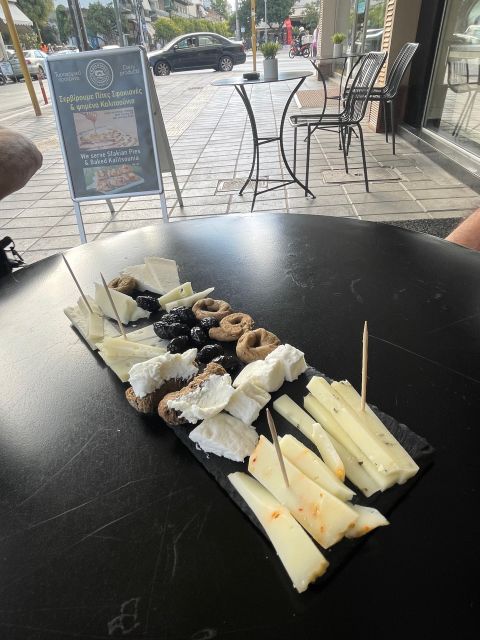
A cheese tasting is built into the route. This is one of the best balances on the tour because it shifts from sweet to savory and forces you to pay attention to milk, aging styles, and how different cheeses fit with Cretan life.
Even if you’re not a serious cheese person, you’ll get guidance on what makes each sample distinct, and why cheese belongs on a Mediterranean table.
5) Traditional stores and Cretan heritage talk
You’ll visit old traditional stores where you’ll learn about Cretan culture and heritage. This is where the tour helps you connect what you eat with the people who made the food possible.
I like this part because it’s not forced nostalgia. It’s practical: you see the kind of places that still serve as local food hubs, and you understand why locals trust them.
6) Seasonal produce stops that make eating feel current
Another highlight is viewing and sampling regional and seasonal produce from traders who are proud to share knowledge. If you’ve ever wondered why one tomato tastes like nothing and another tastes like summer, this is the kind of lesson that helps.
You’ll learn what’s in season, why that matters for flavor, and how produce fits into the Cretan approach to eating.
7) More sampling than you expect, across multiple bites
The tour’s promise isn’t just a few signature items. With 15+ tastings, you’ll get repeated chances to compare flavors: small bites at different stops, not one big plate per location.
This is good if you like variety. It’s also good if you’re picky—because you might find one texture or ingredient you really love, and another you’d skip next time.
8) Lunch at a traditional Cretan restaurant to tie it together
Then you land at lunch—light, but real. It’s at a traditional Cretan restaurant, which is key. The tour doesn’t end with sweets again; it resets you with a meal that reflects the Cretan way of eating.
For me, lunch is where everything clicks. Coffee and pastry made sense as context, but lunch shows you the bigger pattern: how ingredients combine, how meals are paced, and how local eating habits don’t rely on one highlight dish.
Lunch that feels like part of the lesson
Lunch is described as a light meal at an iconic Cretan eatery. That matters because it’s integrated into the walk. You’re not stuffed at the end, and you still get time to enjoy your post-tour Chania wandering without needing a nap immediately.
More importantly, lunch helps you understand the Mediterranean diet lesson in a concrete way. You’ll connect what you sampled earlier—produce, cheese, and baked items—to a full plate that’s built around everyday Cretan choices, not tourist menu simplification.
The Mediterranean diet talk you can use at home
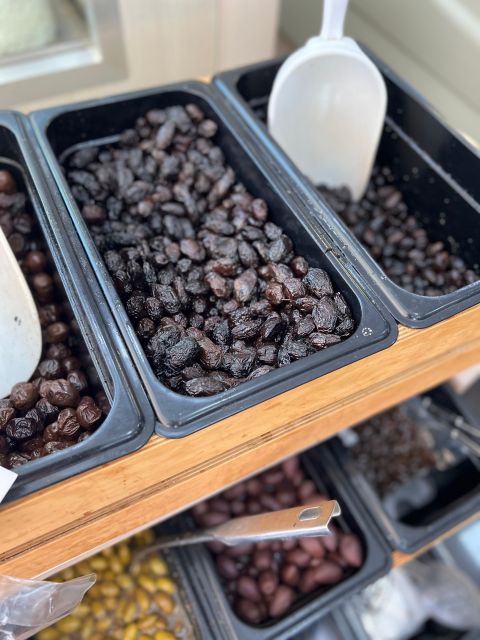
The tour includes an introduction to the Mediterranean diet: its origins and health benefits. I like that this isn’t presented as a lecture. It’s woven into what you’re sampling and what traders and shopkeepers talk about.
You’ll also learn about the Cretan way of life and people’s eating habits. That’s valuable because it turns food into culture: why certain foods show up again and again, how meals fit daily rhythm, and how local pride shows through ingredients.
If you leave with only one takeaway, make it this: Mediterranean eating is less about a strict rule and more about a pattern—produce-forward, dairy included, and meals built from what’s available.
What the top reviews tend to reward you with
The overall tone from the experience matches what you’ll feel on your feet: lots of food variety, good pacing, and a guide who keeps everyone included. When the group gels, you get better conversation while you taste.
You’ll also hear praise for Stella specifically—how she keeps the tour flowing through many places and makes sure the information is useful, not just entertaining. Another recurring note is that the tour works best early in your trip, because it gives you ideas for where to eat afterward.
Price and value: is $117 a fair deal?
$117 per person sounds like a splurge at first glance. But it’s easier to judge when you look at what’s included: a 3-hour guided walking tour, 8 stops, at least 15 tastings, and lunch at a traditional restaurant, plus Greek coffee and a set of iconic local foods.
To me, value here comes from two places:
- You’re not paying for one meal. You’re paying for a guided “taste map” that saves you time figuring out what’s worth ordering on your own.
- The guide adds context. You’re learning why foods matter in Chania, so the experience changes from snack-hopping into understanding.
If you’re the kind of traveler who likes to eat well but also wants a plan (and doesn’t want to guess which places are tourist traps), this price can feel more reasonable.
Tips to get more flavor per bite
You’ll be walking and sampling. A few practical moves help a lot:
- Arrive hungry, but don’t go so empty that you rush. You want a steady appetite for 15+ tastings.
- Wear comfortable shoes. You’re in a walking format for 3 hours, and Chania streets can be uneven.
- Bring a water bottle if you’re a frequent sipper. Coffee and sweet bites stack fast.
- If you don’t love sweets, watch the bakery and loukoumades stop. You don’t need full portions of every sample.
Who should book this tour
This tour is a strong match if you:
- Want a concentrated introduction to Chania food and culture
- Enjoy walking but prefer it structured with a guide
- Like tasting a variety of local staples in one afternoon
- Want a fast way to pick better meals later in your trip
It’s less ideal if you:
- Strongly prefer savory-only food and dislike sweets
- Want a quiet, low-sampling experience (this is built around tastings)
Should you book Chania Walking Food Tours?
I’d book it if you want a food-focused orientation to Chania that doesn’t waste your time. The mix of Greek coffee, bougatsa, loukoumades, cheese tasting, produce sampling, and a traditional lunch gives you real variety, and Stella’s guided commentary turns each bite into something you can remember and use.
If sweets worry you, you can still enjoy it—just manage your pace and focus on the savory and produce stops when possible.
FAQ
FAQ
How long is the Chania Walking Food Tours 3-hour walking tour?
The tour lasts 3 hours.
What is the price per person?
The price is $117 per person.
Where does the tour meet?
You meet at the Statue di Sofoklis Venizelos in Old Chania Market/Central Market Square, Chania.
What language is the live guide?
The live tour guide is available in English.
How many stops and tastings are included?
The tour includes 8 stops with at least 15 tastings.
Is lunch included?
Yes. Lunch is included at a traditional Cretan restaurant.
What food items can I expect to taste?
You can expect tastings such as Greek coffee, Cretan bougatsa, loukoumades, a cheese tasting, and samples connected to regional and seasonal produce. You’ll also taste items from a local bakery display.
Do I learn about the Mediterranean diet on this tour?
Yes. The tour includes an introduction to the Mediterranean diet, including origins and health benefits.
What is the cancellation policy?
Free cancellation is available up to 24 hours in advance for a full refund.
Can I reserve now and pay later?
Yes, you can reserve now & pay later.