Food tastes better at night in Chania. What makes this walk special is the Cretan traditional cheese tasting paired with wine and the way the route ends with Venetian harbor sights by night. One consideration: you do real walking on uneven old-town streets, so it is not suitable for people with heart problems or wheelchair users.
I like how the tour is guided end-to-end by Stella and keeps the focus on local food, not tourist shortcuts. You’ll also get small tastes beyond the main bites, including tsikoudia, plus olive oil and thyme honey, so you leave with a clearer sense of what Crete actually tastes like.
In This Review
- Key highlights worth your attention
- Chania after dark: why this food-and-wine walk fits so well
- Meeting in Old Chania Market: start easy, stay flexible
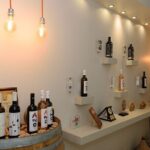
- The cheese-and-wine opening: more than a sampler
- Kalitsounia and sfakianopita: learning the difference by eating
- Zaharoplastia since 1950: the sweet workshop feel
- Walking into the old town: fountain square to Venetian lanes
- Venetian port, lighthouse, and Yali Mosque: iconic sights with context
- The extra tastings: olive oil, thyme honey, and tsikoudia
- The finale in the old town: wine, beer, dessert, and raki
- Price and value: what $141 buys you in real terms
- Who this tour is for, and who should skip it
- Should you book this Chania night food and wine tour?
- FAQ
- How long is the Chania walking food and wine night tour?
- Where do I meet the tour guide?
- Is the tour guided and in English?
- What types of food and drinks are included?
- Is this tour suitable for wheelchair users?
- Is there free cancellation?
Key highlights worth your attention
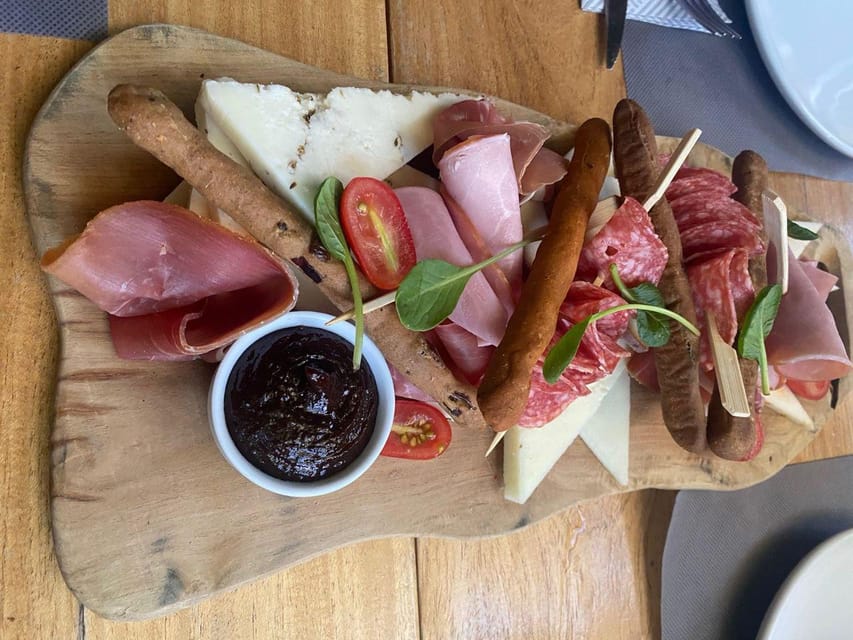
- Cretan cheese tasting with wine in a harbor-view setting
- Kalitsounia / sfakianopita stop with a glass of wine in a cozy restaurant
- Zaharoplastia established in 1950 for loukoumades
- Iconic Venetian port walk to the lighthouse and Yali Mosque
- Multiple Cretan product tastings like extra virgin olive oil, thyme honey, and tsikoudia
- Old-town finale feast with wine, beer, dessert, and raki
Chania after dark: why this food-and-wine walk fits so well
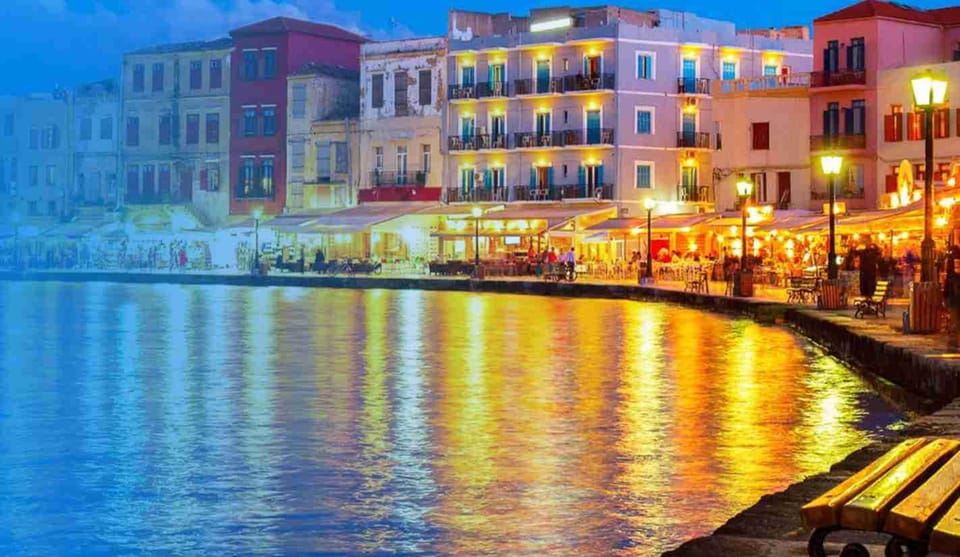
Chania at night has a calmer rhythm than daytime. The streets feel more like an evening stroll with a friend than a checklist. And since this tour is built around eating as you go, you naturally slow down. You notice details you’d miss if you were just trying to reach the next photo spot.
The biggest win is the blend of food and place. You’ll be sampling Cretan staples while learning what they mean in everyday life. That matters because the same dish can taste different depending on what region, what season, and who’s making it. This tour keeps those connections front and center.
It’s also a good length. Three hours is long enough to feel full and informed, but short enough that you won’t lose the rest of your evening. By the time you finish, you’ll know where to wander for dessert or a last drink on your own.
You can also read our reviews of more walking tours in Chania
Meeting in Old Chania Market: start easy, stay flexible
You meet at the Statue di Sofoklis Venizelos in Old Chania Market / Central Market Square. That’s a practical choice because it puts you close to the classic old-town lanes right away, so you’re not spending your first half-hour getting oriented.
This is a live guided experience in English and it’s set up as a private group. That tends to make the night feel less rushed. You can ask questions, and the guide can adjust pacing if your group needs a slower rhythm.
A real-life tip from experience: if you’re driving in summer, give yourself extra time to park. Central areas can get tight, and being late is stressful. If you arrive with a little buffer, you’ll start the night relaxed instead of chasing the group.
The cheese-and-wine opening: more than a sampler
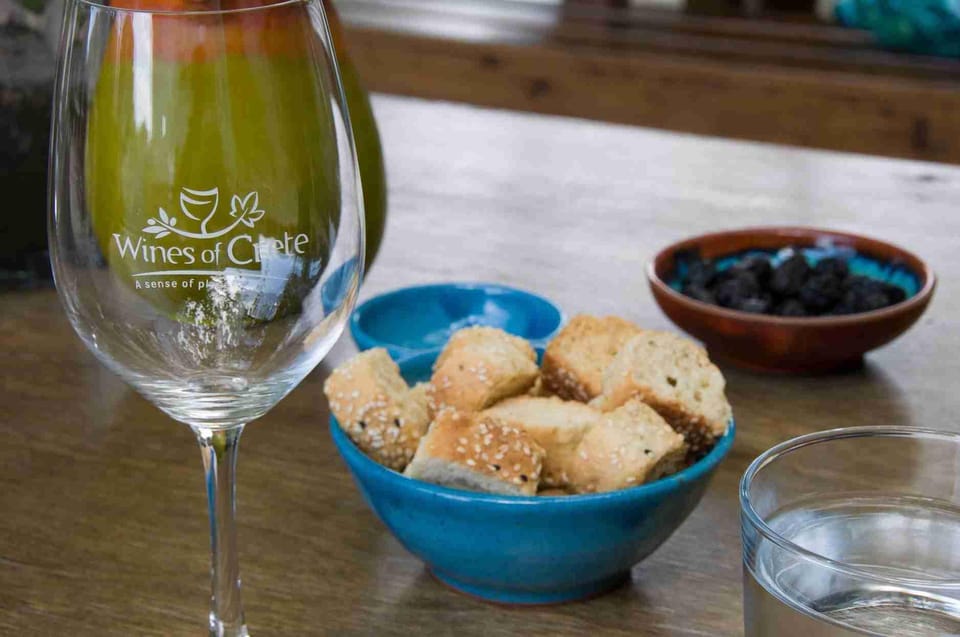
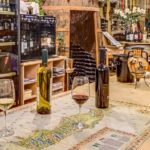
Your first stop centers on a traditional Cretan cheese tasting with wine. One of the reasons this works is that cheese is a doorway ingredient. It’s salty, tangy, and sometimes creamy, and it helps your palate understand what comes next. Instead of just tasting for taste’s sake, you’re learning how different cheeses show up in Cretan eating.
You’ll enjoy this tasting in a restaurant setting tied to the Venetian harbour area, with a view linked to the lighthouse. That matters because the atmosphere is part of the experience. You’re not eating in a random back room. You’re eating while looking out over the waterfront night scene.
How to enjoy this part: take small bites and sip water between tastes if you want to pace yourself. With wine included, it’s easy to move too fast and lose the nuance. If you like tasting notes, this is the moment to pay attention, because you’ll be building a mental map of Cretan flavors for the rest of the evening.
Kalitsounia and sfakianopita: learning the difference by eating
Next up is a Cretan pastry stop: kalitsounia or sfakianopita, served with another glass of wine. These dishes are the kind you’ll hear about again and again in Greek food conversations, but the real value here is getting them in a context tied to Chania’s local rhythm—quiet, cozy, and meant for an evening meal rather than a quick bite.
What I like about this stop is that it sits in the middle of the tour. By then, you’ve already got the cheese baseline, so you can compare texture and flavor. You’ll also be able to notice how savory pastries pair with wine in a way that feels natural, not forced.
Practical advice: if you have a preference (more cheese-forward vs. more pastry-forward), ask the guide which one you’re most likely to enjoy. Since this is a guided private-group format, you’re more likely to get a thoughtful match than a one-size-fits-all approach.
Zaharoplastia since 1950: the sweet workshop feel
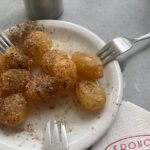
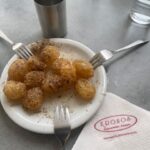
Then comes one of the most memorable segments: a visit to a zaharoplastia—an iconic type of sweet shop—in Chania, built in 1950. You’ll taste loukoumades there, and it’s not just about eating a dessert. It’s about getting a feel for the role sweets play in everyday Cretan culture.
There’s something satisfying about finishing one savory section and then shifting gears into something warm and syrupy. Loukoumades also help reset your palate, so when the tour moves back toward the old-town restaurant finale, you won’t feel weighed down.
A small but useful mindset: don’t treat dessert as a throwaway course. On this tour, it’s part of the story. Listen to what the guide explains about local sweets and how these old shops fit into the community. Even if you don’t care about sweets as a hobby, this is usually where the night starts to feel extra personal.
You can also read our reviews of more food & drink experiences in Chania

Walking into the old town: fountain square to Venetian lanes
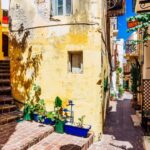
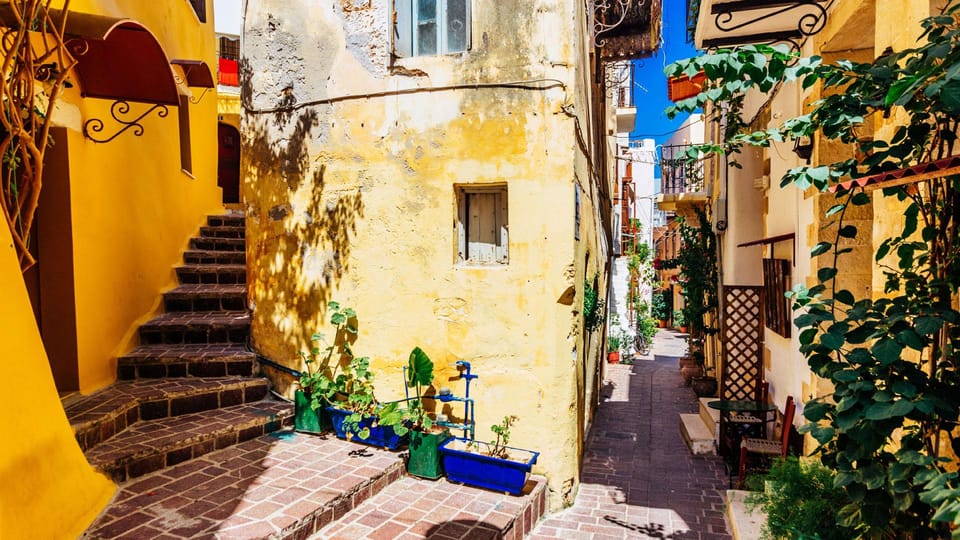
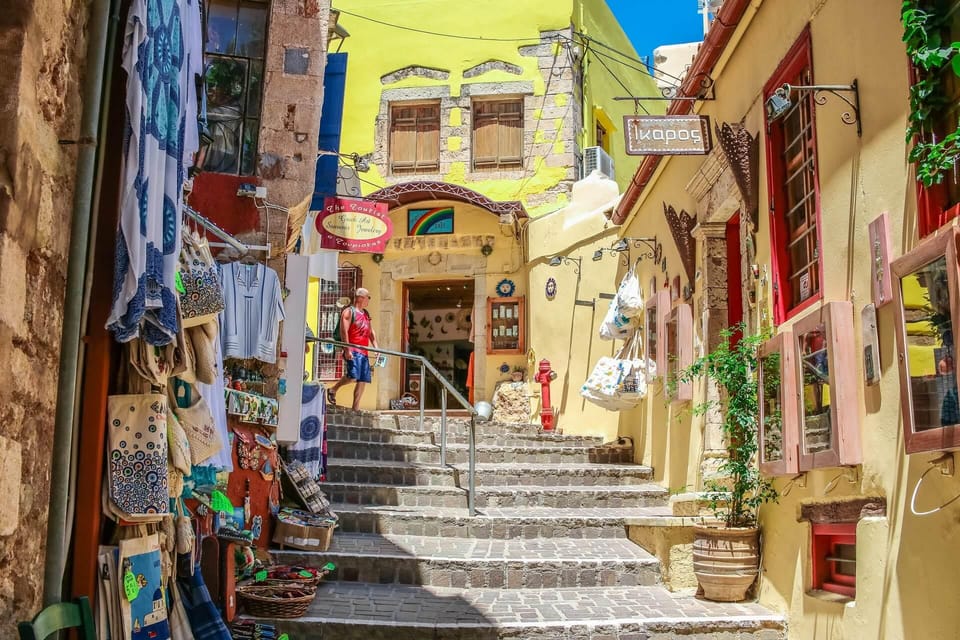
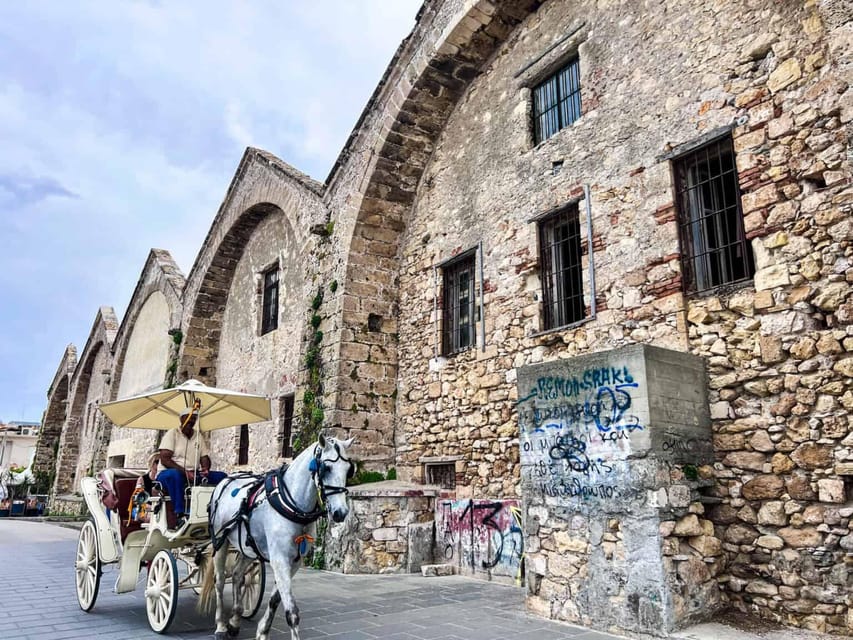
After the food stops, the tour transitions into the best kind of sightseeing: the kind you do at walking speed. You’ll move toward the fountain square entrance into Chania’s old town. Venetian architecture is part of the visible backdrop, but what you’re really learning is how the city layout shapes daily life.
This is where nighttime walking adds value. It’s not about racing to landmarks. It’s about picking up how neighborhoods connect—where people pause, where the street corners invite conversation, and where sightlines open toward the harbour.
You’ll also visit the areas that link to iconic waterfront views. The guide’s explanations matter here because they turn a set of buildings into a place with meaning. Without that, it can feel like you’re just moving from one pretty street to another. With the guide, you understand why these sites mattered to Chania’s identity.
Venetian port, lighthouse, and Yali Mosque: iconic sights with context
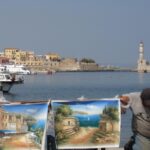
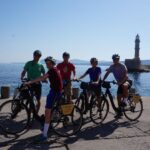
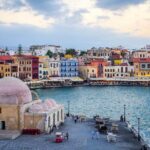
One of the highlights is the walk along the Venetian port to see the lighthouse and the Yali Mosque. These are the kind of places you’ll recognize instantly from photos, but the tour’s value is how you encounter them in sequence.
Walking the port at night gives you better perspective than a static viewpoint. You’re moving, so the lighthouse changes position relative to the streets. The atmosphere on the water also adds mood without needing extra effort.
When you reach the Yali Mosque, the moment tends to land best if you listen for what the guide says about the site’s role in the city. The point isn’t to turn it into trivia. It’s to help you see Chania as a layered city—Venetian influence, local traditions, and the present-day life that happens right next to the historic.
If you’re the kind of person who wants one or two “must-see” landmarks, this walk gives you them, but in a way that doesn’t swallow the whole evening.
The extra tastings: olive oil, thyme honey, and tsikoudia
Not every food tour includes the small supporting actors. This one does. You’ll sample high-quality local products such as extra virgin olive oils, infused honeys (including thyme honey), and distilled spirits like tsikoudia.
This part matters because olive oil and honey aren’t just ingredients. They’re part of how people eat, cook, and talk about quality. And tsikoudia is a quick education in how a regional spirit can feel both intense and everyday at the same time, depending on how it’s served.
How to handle these tastings: go slow and treat them like mini-lessons. If wine already hit your palate, start with smaller amounts of spirits and keep sipping water. You don’t have to rush to prove you can taste everything. The guide can guide your pace if your group needs it.
The finale in the old town: wine, beer, dessert, and raki
The tour wraps up at a traditional Cretan restaurant in the old town with a feast that includes wine, beer, dessert, and raki. This is a smart way to end a walking food tour. You’re already full from tastings, so the restaurant meal gives you one last composed course instead of scattering you across multiple places.
Why I like this ending: it’s less chaotic than hunting down dinner after a busy day. You already know you’ll get a Cretan-focused spread, and you’re not stuck deciding between tourist menus. Plus, by this point, you’ve got enough context to recognize what you’re eating.
Also, this finish gives you a natural landing for the rest of the night. After dinner, you can choose to head back to your hotel or keep exploring with better instincts about what’s worth trying.
Price and value: what $141 buys you in real terms
At $141 per person for three hours, you’re paying for more than a walk. You’re paying for guided storytelling, multiple tastings, and a full end-of-tour meal with drinks.
Here’s what that means in practical value terms:
- You get cheese tasting plus wine, then another pastry and wine pairing.
- You visit a zaharoplastia established in 1950 and taste loukoumades.
- You sample additional products like olive oil, thyme honey, and tsikoudia.
- You end with a restaurant feast plus wine, beer, dessert, and raki.
If you were to build this day yourself, the cost would add up fast: tasting meals, drinks, and guided context are not cheap in the old town. The tour bundles that into one evening, and the result is less decision fatigue and a smoother experience.
Is it expensive compared to a basic walking tour? Yes. But it’s good value compared to doing “a few bites” on your own and then figuring out dinner.
Who this tour is for, and who should skip it
This is a strong fit if you:
- want a food-focused introduction to Chania’s local flavors
- enjoy walking with explanations, especially at night
- like tours where the meals feel connected rather than random stops
- appreciate tasting a range of products, not just one main dish category
It may not be the right choice if you:
- have heart problems, since the tour involves walking on old-town streets
- need wheelchair access, since it is not suitable for wheelchair users
- prefer a very light snack experience rather than multiple tastings plus a meal
If you’re sensitive to alcohol, you’ll still be in control because the servings are tastings. Still, since wine and other drinks are included, go in with a plan: pace yourself, eat what’s offered, and use water between sips.
Should you book this Chania night food and wine tour?
I’d book it if you want an easy win: one evening that covers food, local product tastings, and Chania’s waterfront and old-town character without turning your night into a stressful restaurant search.
It’s especially worth it if you care about Cretan food culture as more than a list of dishes. The guided pace, the mix of savory and sweet, and the finish with a real meal make the night feel complete.
If your priorities are only landmarks and photos, a shorter sightseeing walk might be enough. But if you want the city to taste like something, this tour delivers.
FAQ
How long is the Chania walking food and wine night tour?
The tour lasts 3 hours.
Where do I meet the tour guide?
You depart from the Statue di Sofoklis Venizelos in Old Chania Market / Central Market Square, Chania.
Is the tour guided and in English?
Yes. It includes a live tour guide and the tour language is English.
What types of food and drinks are included?
You’ll have a Cretan cheese tasting with wine, kalitsounia or sfakianopita with a glass of wine, loukoumades, and tastings of extra virgin olive oil, infused honeys (including thyme honey), and distilled spirits such as tsikoudia. The tour concludes with a feast including wine, beer, dessert, and raki.
Is this tour suitable for wheelchair users?
No. It is not suitable for wheelchair users.
Is there free cancellation?
Yes. You can cancel up to 24 hours in advance for a full refund.