Ancient olive branches, modern bus comfort. This Chania-area tour strings together Vouves history and everyday Cretan food—olive oil, honey, bread, cheese—then adds a winery stop and a real swim break at Nopigia. It’s a full day that feels like visiting small family workshops, not just following a checklist.
I love the way the tastings are tied to what you’re seeing. The wood-oven bakery stop gives you context for how rusks and savouries get made, and the honey-and-cheese portion turns food into a story you can actually taste. I also really like the oldest olive tree visit, where the scale and age facts make the whole experience feel grounded, not touristy.
One possible drawback: the wine portion can feel more like a functioning winery setup than a slow, boutique tasting. If you’re hoping for a very delicate, handcrafted vibe, you might prefer focusing on the earlier food stops instead, and plan for a warm day and some bumpy moments on the ride.
In This Review
- Key highlights worth penciling in
- Entering the Vouves Ancient Olive Tree Time Machine
- The Wood-Oven Bakery, Honey Making, and Cheese Lessons That Make Food Stick
- A small reality check for this food-heavy stretch
- Pnevmatikakis Winery: Family-Run Wine Making and What to Expect From the Tasting
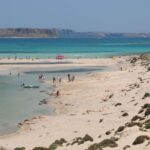
- Nopigia Beach Free Time: Swim First, Sun Later
- Getting There and Staying Comfortable on a 7-Hour Day
- Is This Tour Good Value for Your Chania Time?
- Should You Book This Chania Area Food Tour?
- FAQ
- How long is the tour?
- What does the tour include for tastings?
- Is there time to swim?
- Where is the oldest olive tree visit?
- How old is the Vouves olive tree?
- What happens at the cheese factory if it is not cheese-making time?
- What should I bring to enjoy the day comfortably?
- How do I get my pickup details?
- Is the tour guide English-speaking?
Key highlights worth penciling in
- Vouves Ancient Olive Tree: estimated 3000–5000 years old, with a recorded circumference of 12.5 meters
- Wood-oven bakery: watch Cretan savouries like rusks and bread being made, then taste
- Honey and cheese process: learn the steps, with tastings included (and entry depending on cheese-making timing)
- Pnevmatikakis Winery: family-run wine making plus wine tasting paired with local treats
- Nopigia Beach break: 2 hours free time to swim; sunbeds aren’t included
Entering the Vouves Ancient Olive Tree Time Machine
The day starts with a hotel pickup window from 08:00 to 09:20, so you’re not stuck arranging private transport before sunrise. Once you’re on the road, the vibe is simple: this is a food-and-farm day, with a few classic Cretan stops mixed in.
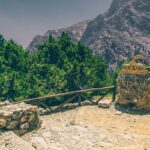
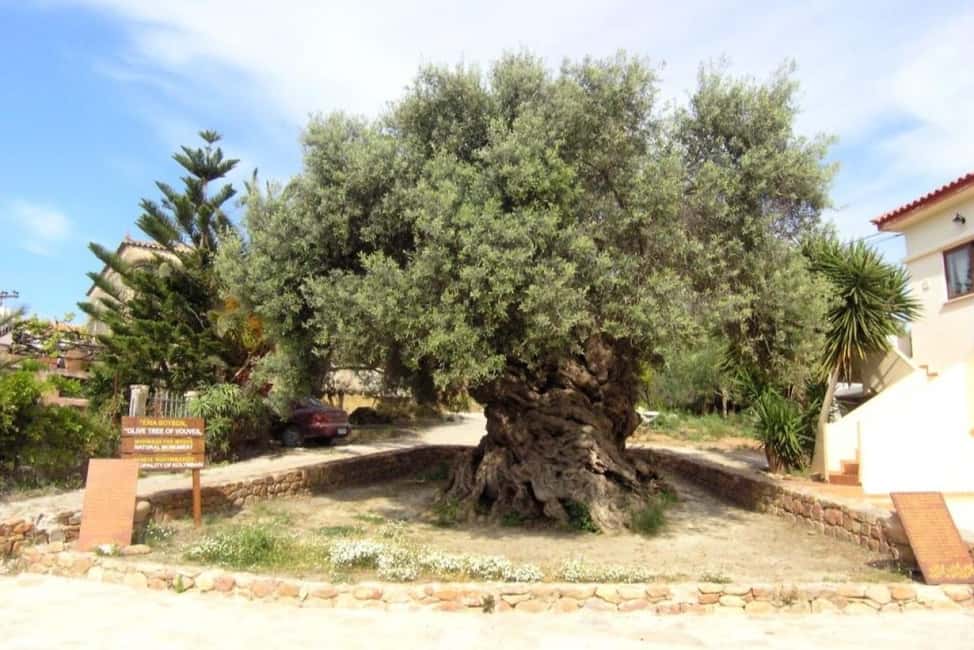
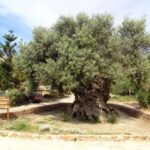
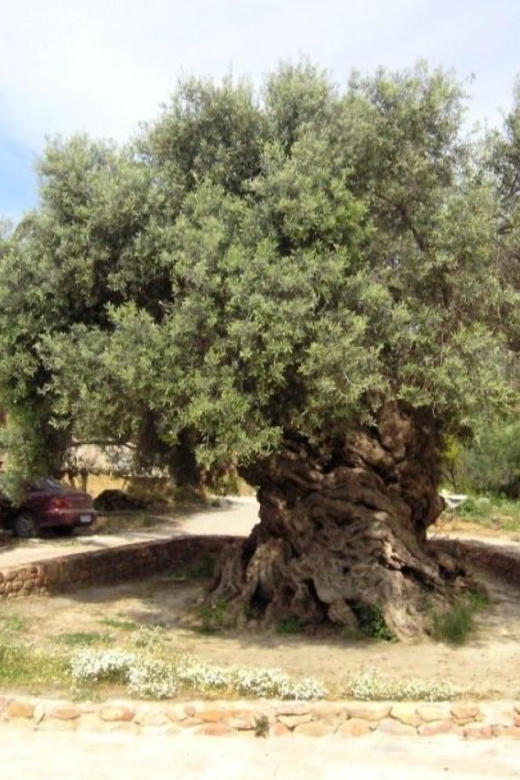
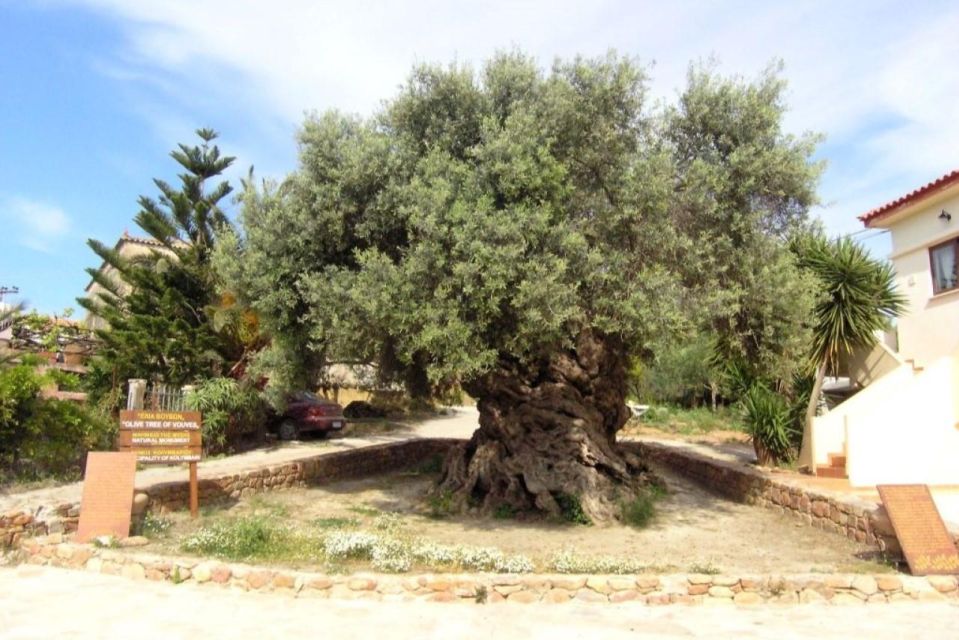
At Vouves, you’ll arrive around 09:45 and spend a window just before late morning learning what makes this place special. The star attraction is the oldest recorded olive tree in the world, protected as a natural monument in Ano Vouves. Scientists can’t be 100% sure of the exact age, but estimates land between 3000 and 5000 years—and the tree is still alive and producing fruit.
Here are the details that make it feel real. Its base traces back to a wild olive tree, then it became domesticated using the Tsounati variety. Time has shaped the trunk in a way that’s been described like sculpture, and the recorded measurements are huge: about 12.5 meters in circumference and roughly 4.6 meters in diameter. When you stand in front of something like that, you understand why olive trees matter in Crete. They’re not just agriculture—they’re long-term survival.
Practical note: the tour includes guided touring and skip-the-ticket-line type help, so you spend more time actually looking around and less time waiting at an entrance. Plan to bring your camera, because even from a distance it’s hard not to frame a few shots.
You can also read our reviews of more food & drink experiences in Chania
The Wood-Oven Bakery, Honey Making, and Cheese Lessons That Make Food Stick
After Vouves, the schedule moves to Perivolakia Village, arriving around 10:45. This is where the tour earns its name as a food tasting experience, because you’re not only eating—you’re connecting the tastes to a process.
The bakery stop is centered on traditional Cretan baked goods. You’ll get a closer look at how savouries like rusks and bread are made in a wood oven. That matters because rusks aren’t just a snack; they’re a practical food tradition designed around shelf life and everyday use. Watching the oven method (and the whole bread routine) helps you appreciate why Cretans rely on these staples.
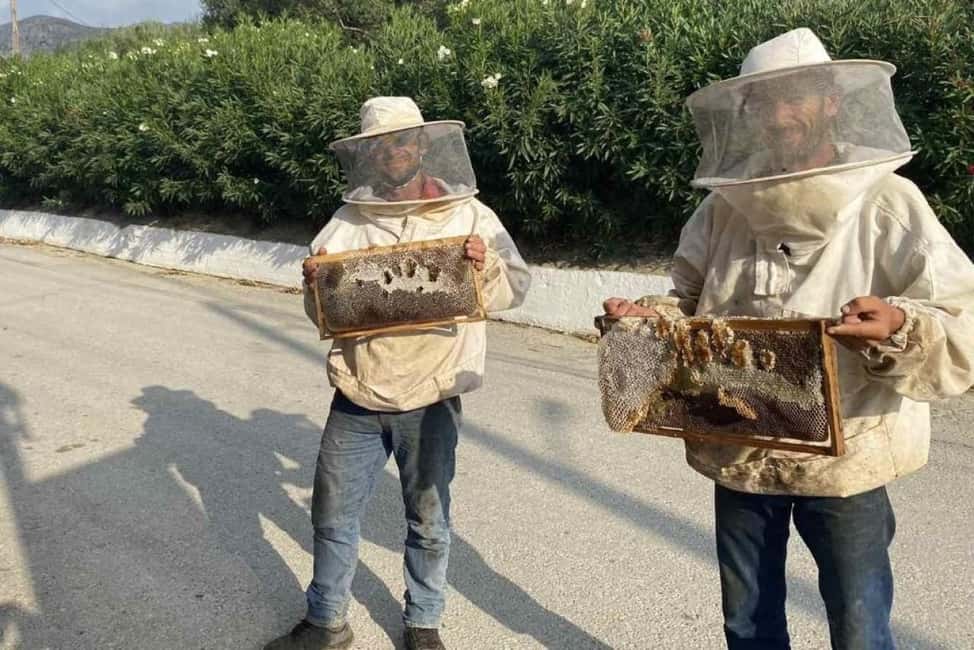
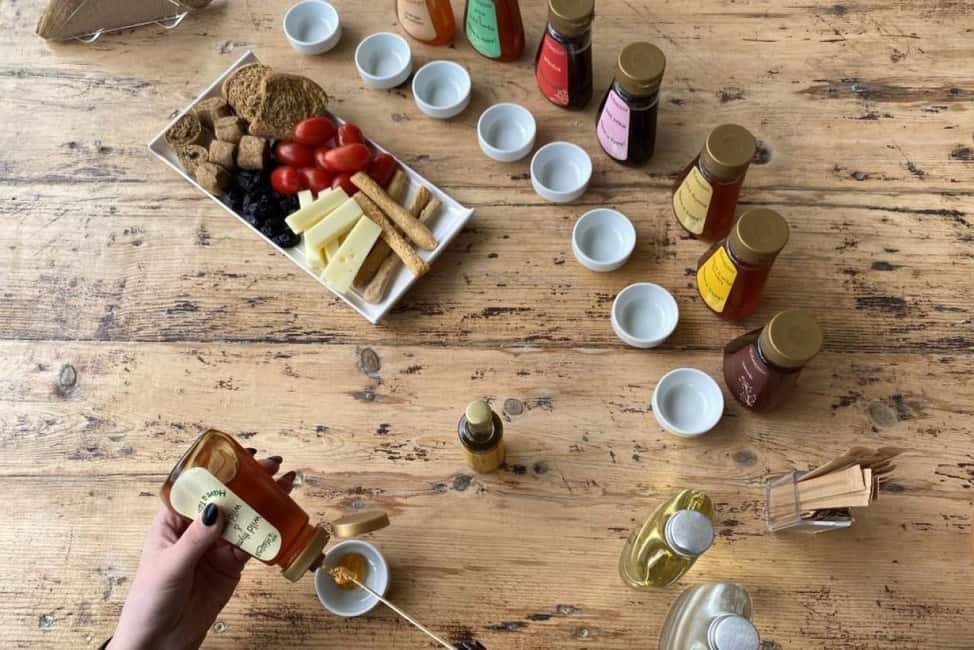
From there, the tour shifts into the olive grove and the Cretan honey story. You’ll examine olive trees and learn about honey production. You’ll also get tastings included with this part, plus bread-based pairings. In at least one account, guests mentioned the honey tasting felt generous and that you’re given water—small details, but they make a hot-day food outing much easier.
The cheese stop is the next big hit. You’ll visit a traditional multi-awarded cheese factory. If it’s not the cheese-making season, you’ll still get access, and the guide will lay out the procedure clearly before your tasting experience. If it is the cheese-making period, timing matters even more: you might hear the explanation as the work happens, then taste afterward.
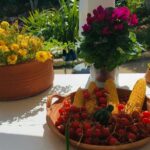
Either way, the point is that you’re tasting with context. The tour’s “superior tasting package” isn’t just a bite here and there. You’ll be served a traditional platter that can include olive oil, tomatoes, olives, cheese, honey, and more—so you get a full snapshot of a typical Cretan table rather than a single specialty.
Why this section feels valuable: it teaches you what to buy later. Once you’ve seen bread, honey, and cheese made, shopping for them in Chania or the countryside gets less random. You’ll know what the flavours are trying to be.
A small reality check for this food-heavy stretch
This is the part of the day that can run warm. Bring sunscreen and a hat, and don’t rely on the bus A/C to save you between stops. Also, keep your swim gear accessible later—because by mid-afternoon, you’ll want to move from tasting to sea air fast.
Pnevmatikakis Winery: Family-Run Wine Making and What to Expect From the Tasting
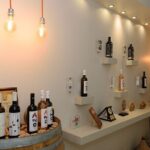
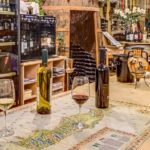
Around 12:30 you depart Perivolakia Village, and by about 12:45 you’re at Pnevmatikakis Winery in Kissamos. This is described as family-run, with many years of experience in Cretan wine making. That family focus is usually the best-case scenario for a winery stop, because it tends to keep the explanations grounded in actual work, not just marketing.
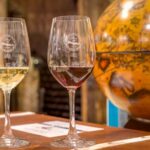
At the winery, you’ll learn about the wine-making procedure and then do wine tasting. Kids get a special platter and drinks designed for them, since the winery is open for families. So if your group includes children, the stop is built to be workable.
That said, the wine experience may vary in feel. Some people were disappointed that it came across as more of a production setup—bigger volume, more factory-like environment—rather than a slow, detailed, craft-focused tasting. Other accounts describe the tasting setup as self-service with a view, which can be pleasant if you like independent tasting while you watch the surroundings.
My practical take: treat the winery as a learning bonus, not the main event. If you’re mainly after Cretan food—olive oil, honey, cheese, bread—the earlier stops are where the day’s storytelling really tightens. If wine is your priority, go in with flexible expectations and focus on how the wines pair with the local snacks you’re given.
Also, the tour is timed so you’re not trapped in a long tasting session. You depart the winery around 13:45, which keeps you on track for your beach break.
Nopigia Beach Free Time: Swim First, Sun Later
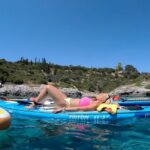
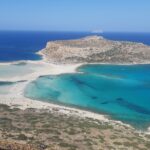
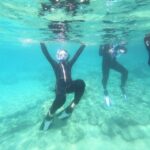
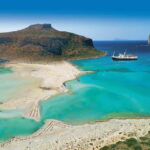
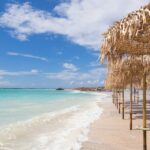
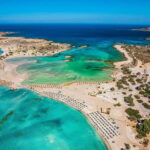
From about 14:00 to 16:00, you have free time at Nopigia Beach. This is the payoff for all that walking, tasting, and standing in sun earlier. You’ll want swimwear and a towel for this chunk—those are explicitly on the bring list.
Sunbeds are not included, so don’t plan on paying later for space you thought you’d have. If you like shade, bring a cover-up or plan to sit wherever you can find space comfortably.
This beach window also gives you freedom that the other stops don’t. Earlier in the day, you’re in a structured pattern with guided sessions and tastings. Here, you can rinse off, swim, and reset your energy level before the drive back.
If you’re a photo person, this is a good time for relaxed shots—no need to pose by a historic tree while holding a cold drink.
You can also read our reviews of more tours and experiences in Chania

Getting There and Staying Comfortable on a 7-Hour Day
The total duration is listed as 7 hours. The schedule is built around a pickup window from 08:00 to 09:20, then a return to your hotel around 16:20 to 17:20. That timing matters because it’s an actual full day: you’ll eat, taste, and move through multiple locations in one go.
Transport is on an air-conditioned luxury bus, which is a big deal in Crete’s heat. Still, some accounts noted the ride can be bumpy and that A/C may not feel consistent all the time. So pack like you’re dealing with sun and road texture, not like you’re on a quiet airport shuttle.
The tour includes guiding in English, and you’ll be supported throughout. If you’re lucky and your guide is someone like Linda—mentioned as massively informative and a good laugh—you’ll get the added value of a person who can connect the food to real everyday Cretan life, not just recite steps.
A quick sanity tip: the voucher you receive one day before includes your pickup time and pickup point. Check your email the previous day, and plan to be ready a little early. These pickup windows are broad by design, so being on time avoids stress.
Is This Tour Good Value for Your Chania Time?
Value here comes from pairing. Many Chania food tours either focus on tasting or on sightseeing. This one stacks the key eating experiences—bakery, honey, cheese, olive tree, plus a winery visit—and adds a swim break without dragging the day out much past 7 hours.
It’s also positioned as a budget-friendly alternative to pricier multi-tasting days. In other words, you’re paying for a single guided route that includes pickup/drop-off and an actual tasting package, not just a few token samples.
One more value point: your tastings are served as part of a platter concept. You’re not only drinking wine or grabbing crumbs. You’re eating in a way that reflects the Cretan way of putting ingredients together: olive oil, tomatoes, olives, cheese, honey, and more.
Who tends to enjoy it most:
- You want Cretan food that feels practical and grounded, not overly fancy
- You like seeing how ingredients connect to daily life
- You want a day outside Chania that still feels close to the coast thanks to Nopigia Beach
Who might hesitate:
- You’re only interested in wine and expect a high-end boutique winery experience
- You’re sensitive to heat and road conditions, and you don’t want a structured day
Should You Book This Chania Area Food Tour?
If your ideal day in Crete sounds like old olive tree wonder plus real tasting stops plus a swim break, this tour makes a lot of sense. The standout strength is the way it teaches you through food: bakery breads and rusks, honey process, cheese factory logic, and a platter that ties it together with olive oil and local ingredients.
I’d especially book it if you want to buy food later with confidence. After you’ve tasted and watched, you’ll know what to look for and what questions to ask.
I’d only think twice if wine is your absolute top priority and you expect a slow, carefully crafted wine-pairing ritual. In that case, the winery may feel more like a working environment than a special, intimate tasting.
FAQ
How long is the tour?
The tour lasts about 7 hours total, with pickup in the 08:00 to 09:20 window and return to your hotel around 16:20 to 17:20.
What does the tour include for tastings?
You’ll get a superior tasting package, with tastings tied to the bakery, honey/olive grove learning, the cheese factory visit, and a wine tasting at the winery. A traditional platter is included with items such as olive oil, tomatoes, olives, cheese, honey, and more.
Is there time to swim?
Yes. You get free time at Nopigia Beach from 14:00 to 16:00, and the tour includes a swim stop. Sunbeds are not included.
Where is the oldest olive tree visit?
You’ll visit the Vouves Ancient Olive Tree in the village of Ano Vouves.
How old is the Vouves olive tree?
The age is estimated between 3000 and 5000 years, and the tree is still alive and fructifying. Recorded measurements include a circumference of about 12.5 meters and a diameter of about 4.6 meters.
What happens at the cheese factory if it is not cheese-making time?
If it is not the cheese-making period, you can still enter and your guide will explain the cheese-making procedure before a superior tasting experience. If it is cheese-making time, you’ll likely hear the process during the activity.
What should I bring to enjoy the day comfortably?
Bring sunglasses, a sun hat, swimwear, a towel, a camera, and sunscreen.
How do I get my pickup details?
Pickup time and pickup point are sent to you in a voucher one day before the tour. You should check your email the previous day.
Is the tour guide English-speaking?
Yes, the live tour guide provides the tour in English.