Samaria Gorge is one long view test. This guided hike drops you through the White Mountains’ dramatic cliffs, with spring-water stops and a real chance to spot the rare Kri-Kri goat, then caps the day with a swim at Agia Roumeli.
In This Review
- What I like: guide help and low-stress logistics
- One drawback to plan for
- Key things that make this tour worth your time
- Why Samaria Gorge from Chania feels like a Cretan rite of passage
- Morning pickup and the early start: when your day begins before your brain warms up
- Omalos breakfast break: short, useful, and built for the hike that follows
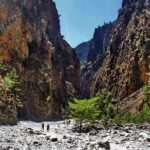
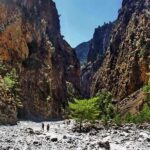
- Entering Samaria National Park: the gorge experience in plain terms
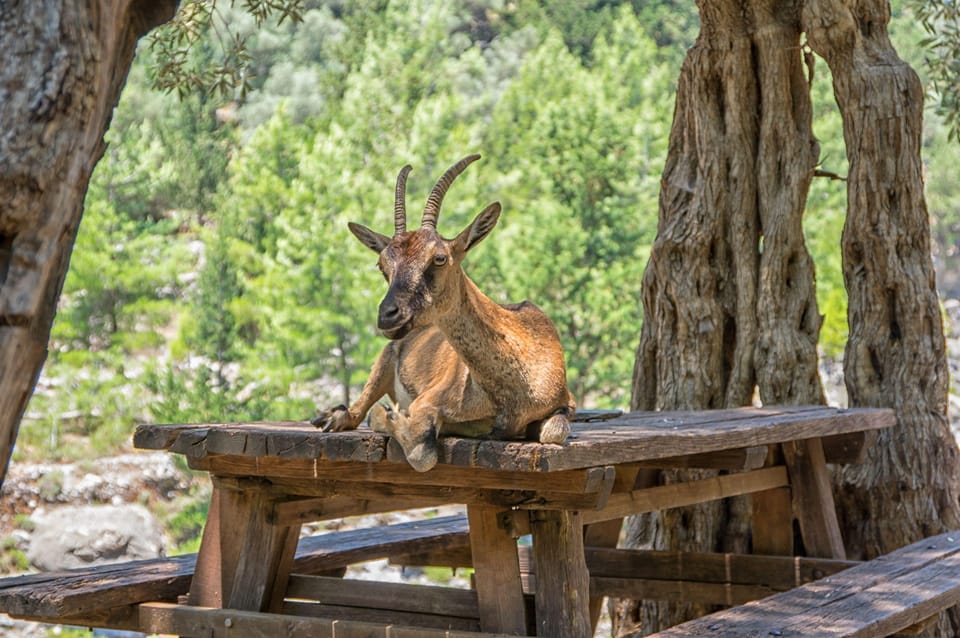
- Kri-Kri goat chances: a nature moment with real context
- Water, toilets, and safety: the details that keep the day enjoyable
- A note on poles and footwear
- The second half: when the gorge becomes brutally honest (and still worth it)
- Agia Roumeli: the swim that turns effort into satisfaction
- Sougia boat ride: a coastal breather with real scenery
- Price and value: $37 is the hook, but plan the local fees
- Who this hike is best for—and who should skip it
- My booking verdict: should you choose this Samaria Gorge tour from Chania?
- FAQ
- How long is the Samaria Gorge day trip from Chania?
- How long is the hike through Samaria Gorge?
- Are the gorge entrance fee and boat ticket included in the price?
- Do I need to bring hiking shoes?
- How much time do we have to swim at Agia Roumeli?
- What’s the boat ride part of the day like?
- What should I pack for the hike?
- Is the itinerary adjusted for weather?
What I like: guide help and low-stress logistics
I love that the day is set up so you’re not wrestling transport. The air-conditioned coach and professional guide (names like Ingrid and Nikos show up often) help you keep moving safely, even when the trail turns rocky and uneven.
I also love the payoff at the end: Agia Roumeli’s clear water and free time to recover (and rehydrate) after a long downhill effort.
One drawback to plan for
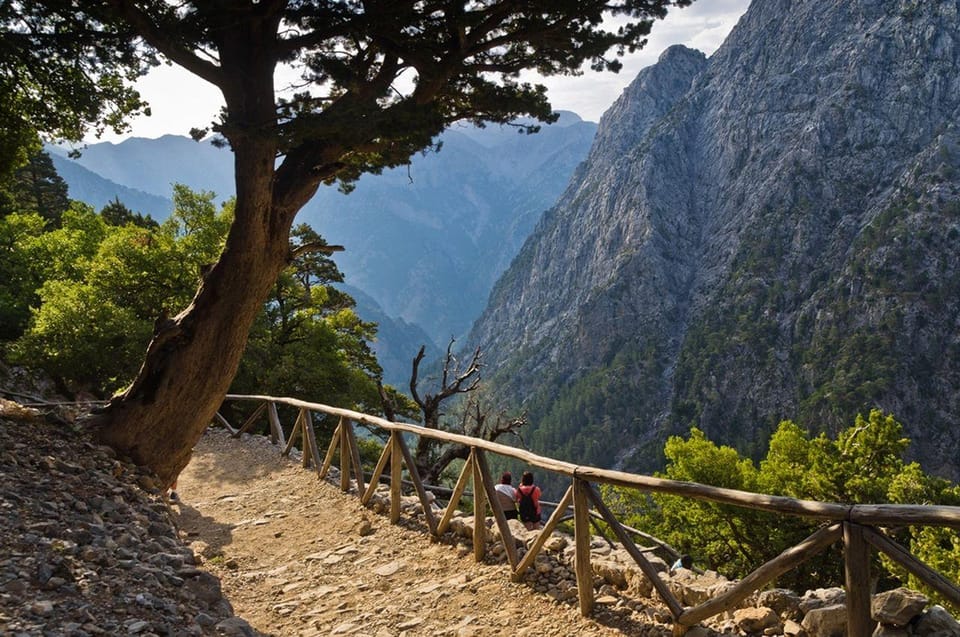
The hike is mostly downhill, but it’s still physically demanding. Expect steep, uneven, sometimes slippery footing that can wear down your knees, and it’s a long day start-to-finish—so this isn’t the trip to schedule near anything important.
You can also read our reviews of more guided tours in Chania
Key things that make this tour worth your time
- Professional guidance through the hardest sections, with the guide staying attentive to slower walkers
- Samaria’s signature gorge highlights, including the famous narrow Iron Gates area
- Natural park moments, with a realistic chance to spot the Kri-Kri goat
- Refillable water + frequent stops, so you can manage the long downhill pace
- Agia Roumeli swim time as a genuine recovery break, not just a token stop
- Boat ride back along the southern coast, giving your legs a breather before the coach return
Why Samaria Gorge from Chania feels like a Cretan rite of passage
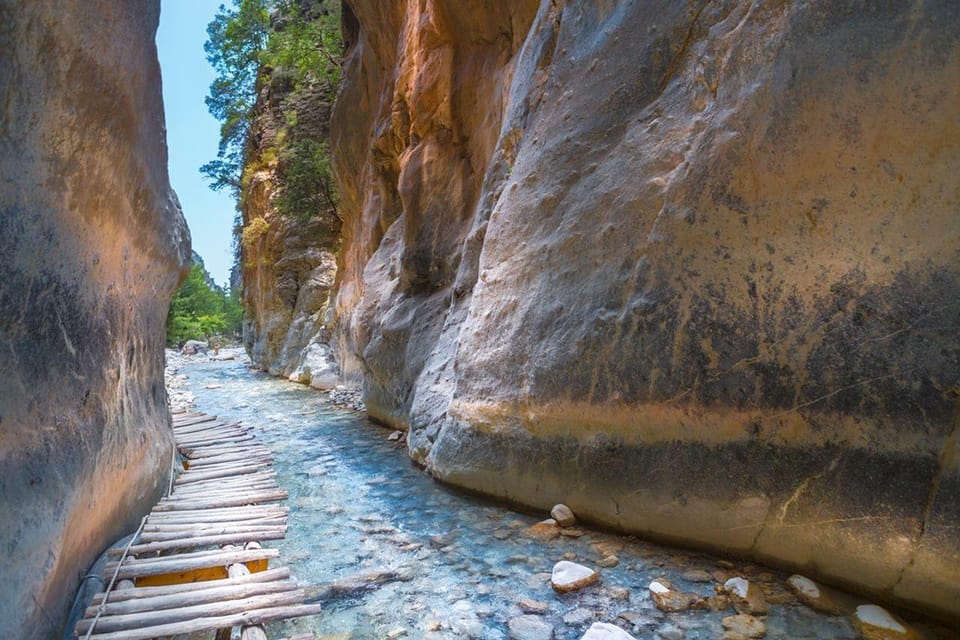
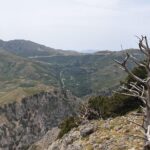
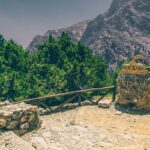
If you picture Crete as postcard scenery, Samaria Gorge is the part that tests the postcard. It’s a real hiking day through one of Europe’s standout gorges—rock walls rising high on both sides, shaded stretches when you’re lucky, and open views when you need them most.
What makes doing it from Chania worthwhile is the whole-day coordination. You don’t have to figure out timing between buses and ferries, and you get a guide who keeps you pointed in the right direction when the trail gets tricky.
And yes, it’s legendary for a reason. The “Iron Gates” pinch of narrow passage, the spring-water refill points, and the rugged rhythm of stepping down for miles all add up to that special feeling of seeing a place that’s bigger than your photos.
Morning pickup and the early start: when your day begins before your brain warms up
The tour picks you up from a list of convenient spots around Chania, then you head toward the White Mountains by modern air-conditioned coach. The ride is about 1.5 hours, and the bus is set for groups (up to around 50 passengers), so you’re not stuck waiting on one person’s slow luggage situation.
Plan for the early start in the real world. People report departures around 5:30 to 6:00am, and depending on the month, the mountaintop can feel cold at first—one October guide tip was to bring something warm for the morning chill (a light jacket or warmer layer). Once you start hiking, you’ll warm up fast, but you’ll be glad you thought ahead.
Why this early timing matters: you beat some of the hottest hours and you get more daylight for the gorge schedule and the coastal boat return.
Omalos breakfast break: short, useful, and built for the hike that follows
Before the descent, you stop around Omalos for breakfast (about 30 minutes). This isn’t a full meal sit-down; it’s more like a practical pre-hike reset so your body isn’t scrambling for energy later in the gorge.
Use this stop to do three things:
- Eat something quick that won’t sit heavy
- Refill water if you need to top up before entering the park
- Do the prep you’ll wish you did earlier (sunscreen, sunglasses, hat)
This short break is one reason the day feels smoother. You’re not just tossed into 16 km of downhill stress with empty tanks.
You can also read our reviews of more hiking tours in Chania
Entering Samaria National Park: the gorge experience in plain terms
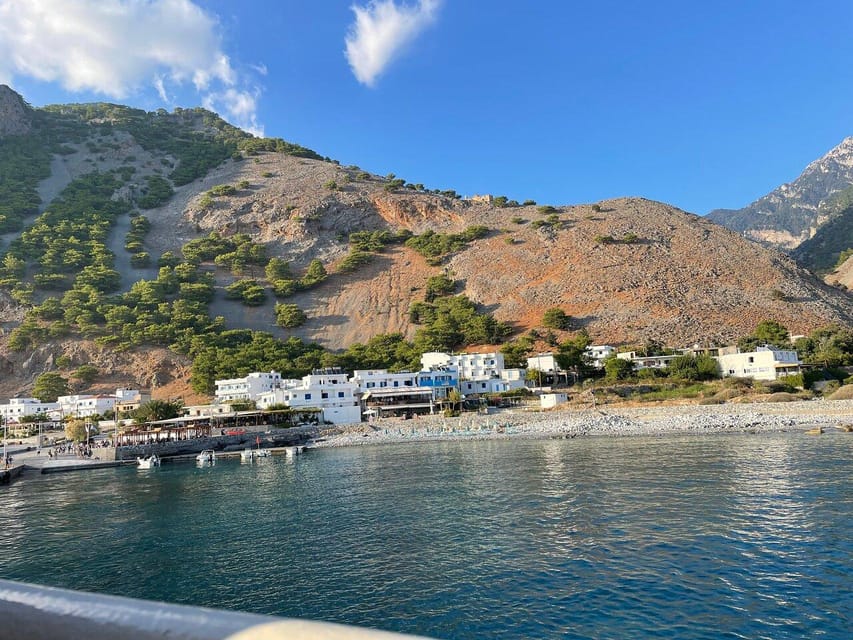
Once you’re at Samaria Gorge National Park, you begin the main hike, roughly 5–7 hours in total for most people, depending on pace and breaks. The distance is about 16 km, and it’s mostly downhill—which sounds easy until you remember that downhill is still downhill pressure on knees and ankles.
The trail mix is part of the challenge:
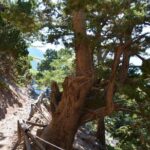
- Shaded pine forest segments that help when the sun gets intense
- Rocky, uneven stretches that demand attention at every step
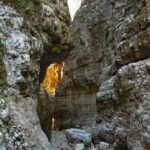
- Famous narrowing like the Iron Gates, where the walls feel close and dramatic
The guide adds structure without turning it into a forced march. A big recurring theme from the experience is that you can move at your own pace while still staying supported. Many groups note that the guide (again, names like Ingrid and Nikos come up) manages timing so you don’t get lost and so slower hikers aren’t left behind.
Kri-Kri goat chances: a nature moment with real context
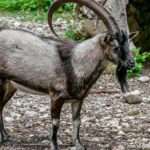
Samaria is home to the rare Kri-Kri goat. You’re not guaranteed a sighting—this is wild nature, not a petting zoo—but having a guide who’s watching the right spots is valuable. Even when you don’t see one, the park’s protected feel makes you understand why conservation matters here.
Water, toilets, and safety: the details that keep the day enjoyable
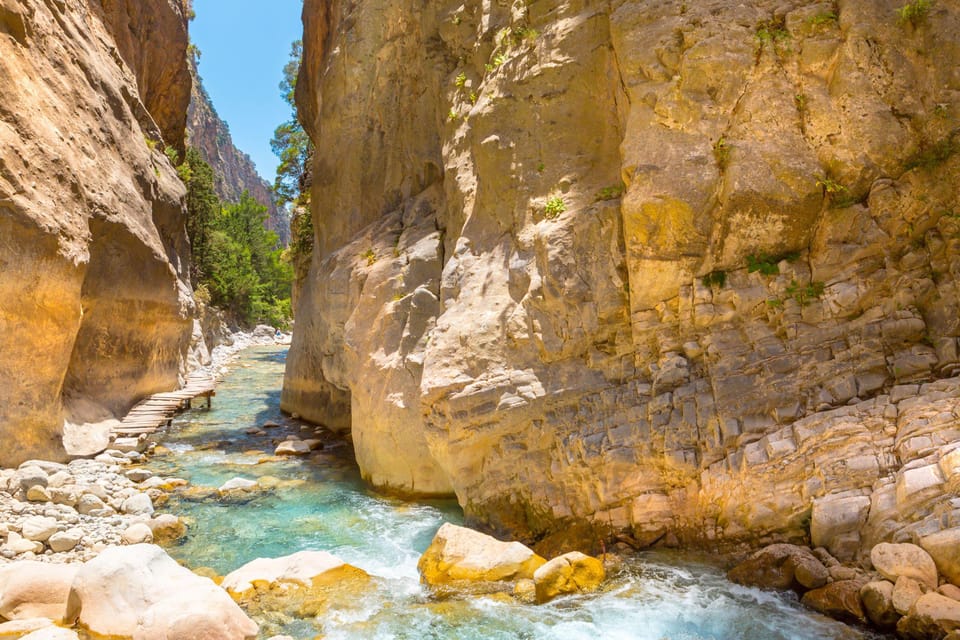
This hike is famous, but what makes it manageable is the practical setup along the route.
You can expect:
- Spring water/refill points so you can bring roughly 1.5 liters or more and top up
- Toilet access at multiple points (entrance, village, and end areas are specifically mentioned)
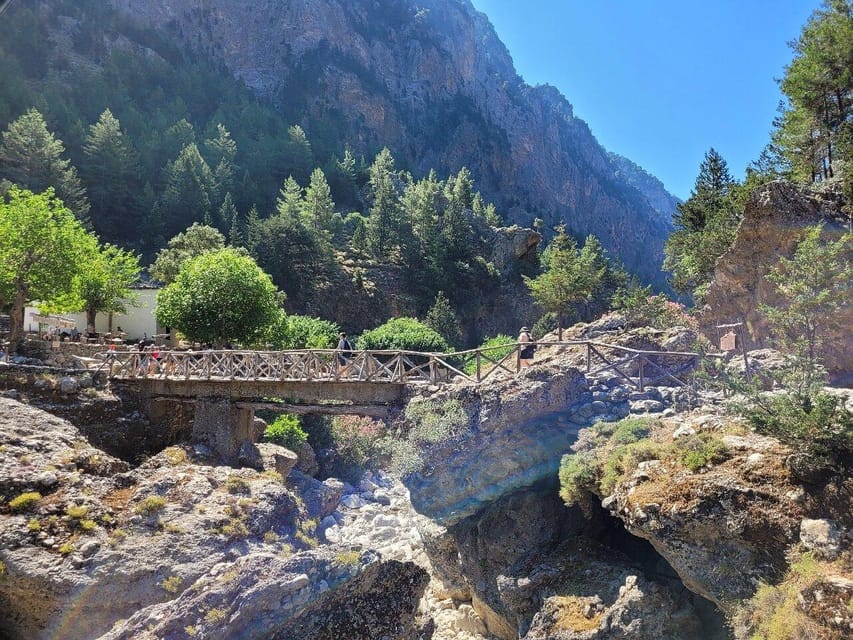
- A plan for emergencies, including a halfway area with an emergency phone and pharmacy, plus support mules for injured hikers
That halfway support detail matters. You’re dealing with a rocky downhill trail, so having a known response system in place is part of the comfort of hiking with a guide.
One more rule you’ll hear clearly: no radios, no loud noise, no littering, no smoking except at rest points, and no alcohol inside the gorge. It helps keep the gorge calm and protects the environment.
A note on poles and footwear
The strongest on-the-ground advice is simple: wear proper hiking shoes with grip. Many people also recommend trekking poles, and a few mention renting poles on site. Poles don’t make you invincible, but they reduce balance wobble and help take pressure off your lower legs on downhill rock.
If you tend to get knee pain on descents, take it seriously. This is not a gentle staircase—it’s uneven, sometimes slippery ground.
The second half: when the gorge becomes brutally honest (and still worth it)
As you move deeper into the downhill, the gorge can start shifting from scenic “wow” to serious “keep your footing.” Some sections are described as steep early on, then uneven and rocky for long stretches. Even in cooler months, the later parts can get hot and exposed.
Here’s the balancing act I’d plan for:
- Start steady and conserve energy early
- Take short breaks for water and a snack at natural stopping points
- Don’t rush the rocky parts when your shoes feel slick
What I like about the guided format is that the day keeps moving without chaos. Since the guide is there to coordinate and to manage the group’s rhythm, you’re less likely to end up either sprinting and regretting it or wandering and missing the boat timing.
Agia Roumeli: the swim that turns effort into satisfaction
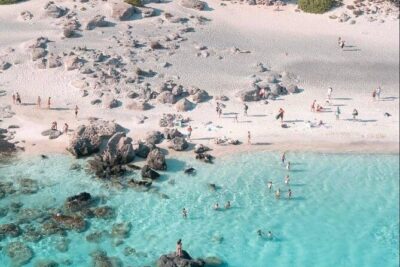
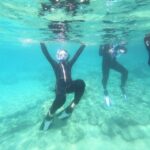
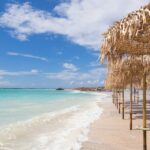
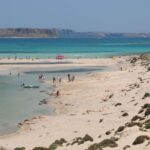
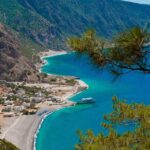
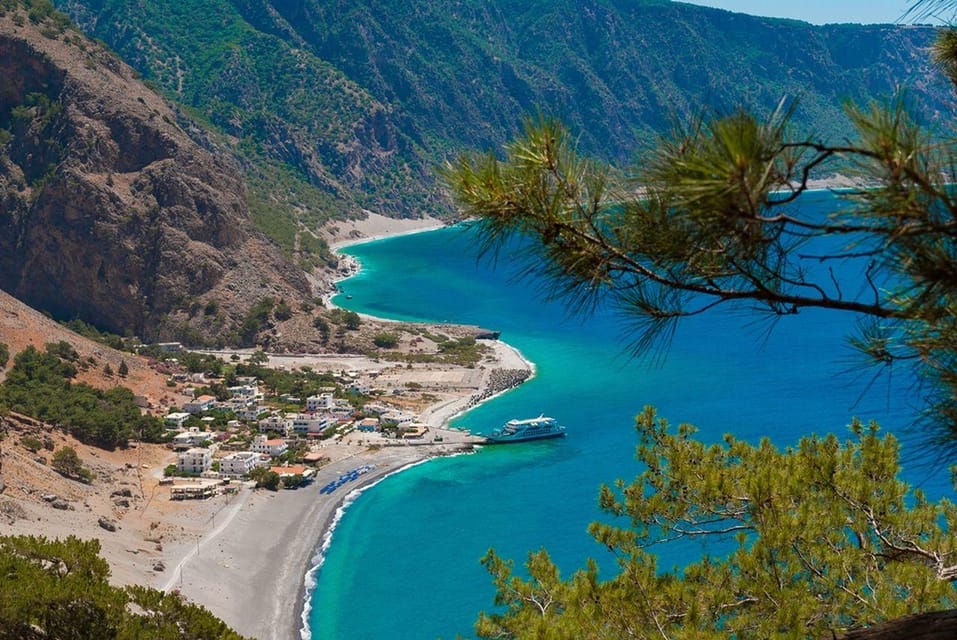
When you reach Agia Roumeli, the trip flips from “work mode” to recovery mode. You get free time plus lunch options at local tavernas, and crucially, the chance to swim in the crystal-clear Libyan Sea.
Most people need at least some version of this: a long downhill hike makes your legs feel heavy, and water time is a real reset. You typically have about 2.5 hours here—enough to eat, change out of sweaty hiking gear, and soak your feet and calves.
Practical reality: you’ll probably want to also sit and just watch for a bit. A few minutes of breeze can do more than another bottle of water.
Also, if you want sunbeds, you might find local pricing like 8 euros for two (figures can vary, but it’s a useful expectation). Bring your own towel and swimsuit since you’ll want to switch into swim mode quickly.
Sougia boat ride: a coastal breather with real scenery
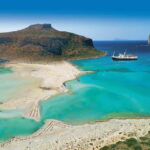
After Agia Roumeli, the return plan includes a scenic boat ride along Crete’s southern coastline to Sougia. The boat portion is the kind of reset your body appreciates after a long day of stepping down.
Even if you’re not a “boat person,” this is a smart design choice for the overall experience. You’re getting a view change, salt-air relief, and a break from gravity.
Then you transfer by coach back toward Chania. The full experience runs about 14 hours total, including travel time and the boat portion. Expect to be tired—this is a day that ends around evening.
Price and value: $37 is the hook, but plan the local fees
The advertised price is $37 per person, and it’s a solid value because you’re buying real logistics and trained guidance:
- Pickup/drop-off from selected areas in Chania
- Air-conditioned coach
- A professional hiking guide
- Full liability insurance
But don’t be surprised by the cash-on-site items. The gorge entrance fee and boat fare are paid locally. For adults, it’s 10 euros for the entrance and 14 euros for the boat (children pay 5 and 7 respectively). Lunch and drinks are also on you, plus any personal expenses.
So the best way to think about value is this: you’re paying to avoid the hardest part of Samaria, which is coordinating the schedule and getting yourself from gorge to coast to return transportation. If you’re the type who hates planning logistics, this tour is likely worth it for the peace of mind alone.
Who this hike is best for—and who should skip it
This experience fits travelers who like real walking and can handle rocky terrain. It’s mostly downhill, but it’s still uneven and physically demanding, with a need for good hiking shoes and a reasonable fitness level.
It’s not recommended for anyone with knee, heart, or pulmonary issues, vertigo, or pregnancy. It also isn’t suitable for people with mobility impairments, wheelchair users, people with altitude sickness, or those over 80.
If you’re generally healthy, you enjoy challenge hikes, and you’re okay with a long day, you’ll likely feel the “worth it” factor quickly—especially once the gorge narrows and the sea swim arrives.
My booking verdict: should you choose this Samaria Gorge tour from Chania?
I’d book this tour if you want the classic Samaria experience without turning your vacation into a logistics project. The guide support, the smooth transport plan, and the gorge-to-coast pacing make the day feel doable—even when the trail is not.
I’d skip it if your knees hate downhill descents or you’re looking for something light and scenic with minimal physical stress. This is a challenge hike with a serious reward at the end.
If you do go, pack like you’re hiking, not sightseeing: good footwear, plenty of water, sunscreen, a hat, a light snack, and a jacket for the chilly morning start.
FAQ
How long is the Samaria Gorge day trip from Chania?
The full experience runs about 14 hours, including coach transfers, breakfast, the gorge hike (around 5–7 hours), and time at Agia Roumeli.
How long is the hike through Samaria Gorge?
The hike covers about 16 km through Samaria Gorge, mostly downhill.
Are the gorge entrance fee and boat ticket included in the price?
No. You pay them locally in cash. Adults pay 10 euros for the entrance fee and 14 euros for the boat fare.
Do I need to bring hiking shoes?
Yes. Comfortable hiking shoes are mandatory, and they matter a lot because the terrain is rocky and uneven and can be slippery.
How much time do we have to swim at Agia Roumeli?
You get about 2.5 hours of free time at Agia Roumeli, with the opportunity to swim in the Libyan Sea and have lunch at local tavernas.
What’s the boat ride part of the day like?
After Agia Roumeli, you take a scenic boat ride along the southern coastline to Sougia, then continue by coach back to Chania.
What should I pack for the hike?
Bring water, sunscreen, a hat, sunglasses, a jacket, light snacks, a swimsuit and towel, and a refillable water bottle. A passport or ID is also listed as required.
Is the itinerary adjusted for weather?
Yes. For safety reasons, the itinerary and boat schedule may be adjusted depending on conditions.