Dinner at home, taught by a real Cretan. This 3-hour Chania class is set up like a warm family dinner night: small group (max 6), rustic Cretan recipes not usually found on restaurant menus, and the chance to cook with a host in a local apartment near the town center.
I like the hands-on format, where you’re chopping and cooking instead of watching from the sidelines. I also like the built-in meal at the end, because you don’t just learn recipes—you sit down to share the food right away. One thing to consider: the “family home” setting is an apartment that’s described as cozy and immaculately clean, so if you expect a rough-and-rustic farmhouse vibe, you might find it less rough than you hoped.
In This Review
- Quick hits
- Chania at 5:00 pm: what the timing and meeting point feel like
- A max-6 class where you actually cook (not just watch)
- The menu philosophy: rustic Cretan food that’s not restaurant-copycat
- How the Mediterranean diet lesson shows up in real life
- A step-by-step look at how your 3 hours likely unfold
- What you’ll eat: dinner included, coffee or tea too
- The apartment setting: cozy, clean, and slightly less rustic
- Price and value check for a $190 small-group dinner class
- Who this cooking class suits best (and who might not)
- Should you book this Chania Cooking Class?
- FAQ
- How long is the Chania cooking class?
- What time does it start in Chania?
- How many people are in the group?
- Where is the meeting point?
- What’s included in the price?
- Is alcohol included?
- Is this class held in a traditional house or an apartment?
- Can I cancel and get a refund?
Quick hits
- Max 6 people means you get real cooking time, not just a few minutes at the counter
- Stella hosts the session with patient guidance, and the class is hands-on rather than a demo
- Fresh, from-scratch cooking is a big part of the experience
- Mediterranean diet lessons are tied to how you eat and why it matters socially
- Dinner together is included, with snacks plus coffee or tea afterward
Chania at 5:00 pm: what the timing and meeting point feel like
The class starts at 5:00 pm, which is perfect for Chania. It’s late enough that you can wander the Old Town first, but early enough that you’ll still have time for a relaxed evening afterward. Plan for about 3 hours total, ending back at the meeting point.
You meet at Deligiannaki 28, Chania 731 34. The tour also uses a mobile ticket, which is handy when you’re moving through the city and don’t want to juggle paperwork. The meeting point is also near public transportation, so it’s not a hassle if you’re arriving from elsewhere in Chania.
Because the session is in a home-style kitchen, the timing matters. You’re not sprinting from sight to sight. Instead, you’re transitioning into dinner mode, with the host guiding the pace—intro first, then prep and cooking, then the sit-down meal.
You can also read our reviews of more food & drink experiences in Chania



A max-6 class where you actually cook (not just watch)
This is built for small groups: up to 6 travelers. That’s a big deal in a cooking class, because you’ll want more than a single assigned task. In this format, you can usually expect everyone to participate, from prep work to assembling parts of the meal.
The experience is described as hands-on cooking in a local apartment. Reviews back that up: people highlighted that it was all hands on deck, with the host coaching as you go. If you learn best by doing, this is the right style. If you prefer a passive lesson, you may not love it as much—but you came for food you can repeat later, not a photo-heavy show.
Diet variety seems to be part of how the class runs. One group mentioned they had both vegetarians and meat lovers, and that there was something for everyone. That’s a good sign, but don’t assume you’ll be able to recreate every dish exactly as-is at home—your best bet is to tell the host your preferences clearly when you book.
The menu philosophy: rustic Cretan food that’s not restaurant-copycat
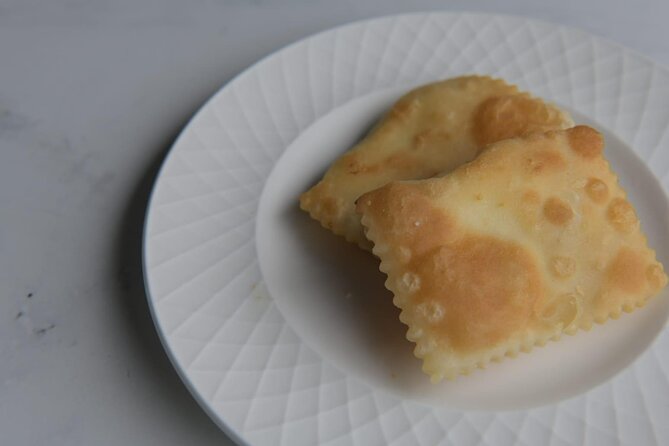
The pitch is simple and smart: you’ll cook authentic, rustic, homely Cretan food that’s not meant to be a restaurant menu repeat. The class focuses on recipes passed down through family lines, with the host sharing context along the way—why certain combinations show up, what traditions tend to protect, and how the Mediterranean diet fits into everyday meals.
One detail to keep your expectations grounded: the menu can change by seasonality. That matters because some dishes may swap in or out depending on what’s available. If you’re the type who wants a strict list of exact recipes, you might feel slightly uncertain. But if you want real local cooking practice—based on what can be found and is at its best—seasonal changes are part of the value.
Also, the “not on restaurant menus” angle isn’t just marketing. It’s tied to the idea that home cooking uses what the household expects to eat, not what a dining room can sell efficiently. You’re learning the logic, not just memorizing a plated outcome.
How the Mediterranean diet lesson shows up in real life
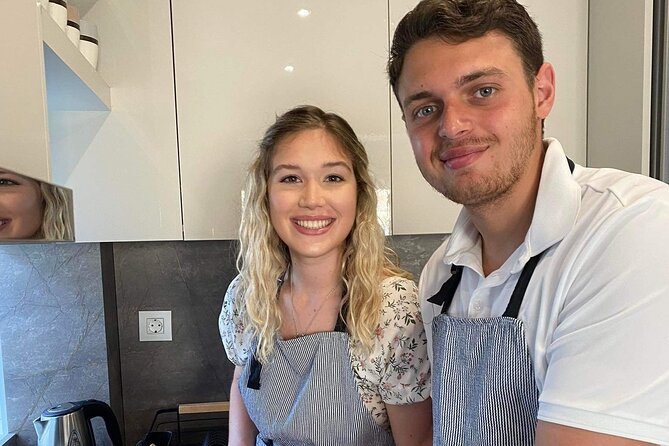
This class doesn’t treat nutrition as a lecture. It frames the Mediterranean diet around 10 basic rules of eating, and it emphasizes more than what goes on the plate. The point is also how people eat—using the meal as a social moment, with discussion and enjoyment at the center.
That approach is useful for you because it makes the advice easier to follow after your trip. You’re not leaving with a vague “eat healthier” slogan. You’re hearing how Mediterranean-style eating works as a routine: shared food, relaxed pace, and choices built for everyday living.
The class also ties food to community and hospitality. The host explains how a home is treated as welcoming space, and how recipes get preserved through repetition. Even if you cook the dishes only a few times, you’ll probably remember the meal setup—because the class ends the way a real meal begins: everyone sits, eats, and talks.
A step-by-step look at how your 3 hours likely unfold
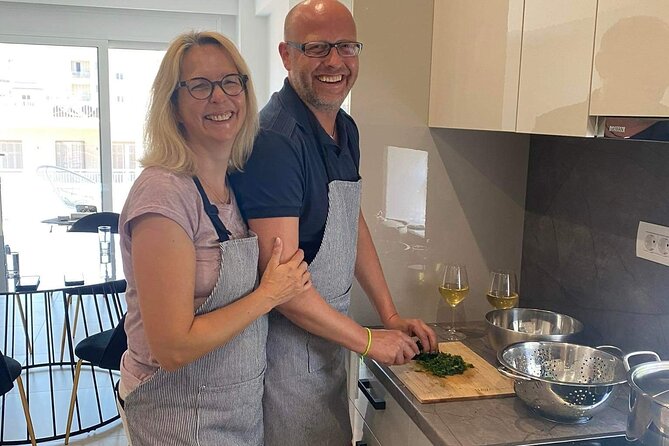
Even with a simple schedule, the experience is designed to flow like a real evening. Here’s how it typically works in practice, based on what the class is set up to teach and how guests describe it.
First, you arrive and get oriented in the apartment kitchen. You’ll likely start with a quick introduction to the recipes and the structure of the meal. Then comes the main work: prep, cooking from scratch, and building parts of your Cretan dinner with guidance from the host.
Next, expect the class to include snacks along the way. This keeps energy up while you cook and also makes the evening feel less like a timed exercise. Then you move to the final step: eating together. Since sharing food is a core Greek experience, the class is designed so you don’t just finish cooking and leave—you sit down to enjoy the results while the conversation stays relaxed.
Finally, coffee or tea is part of the included package, so the evening doesn’t end abruptly the second you’re done eating. You’ll finish feeling like you had a night in, not like you completed a checklist.
You can also read our reviews of more tours and experiences in Chania




What you’ll eat: dinner included, coffee or tea too
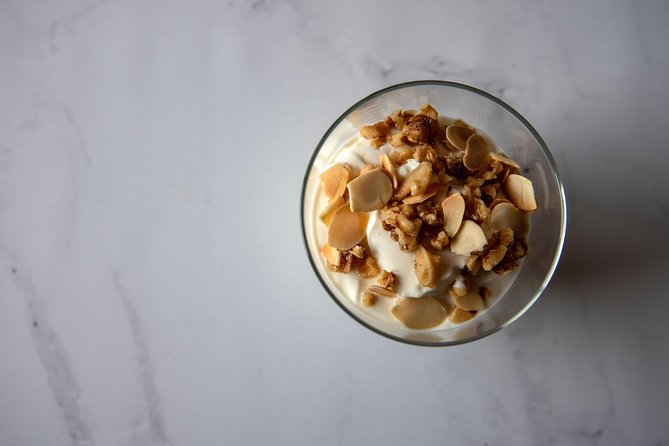
This is one of the strongest value points: dinner is included, plus snacks and coffee and/or tea. That means you’re paying for a full experience, not just the instruction time. You also won’t need to scramble for dinner plans right after—something that can make evening activities in Chania feel stressful.
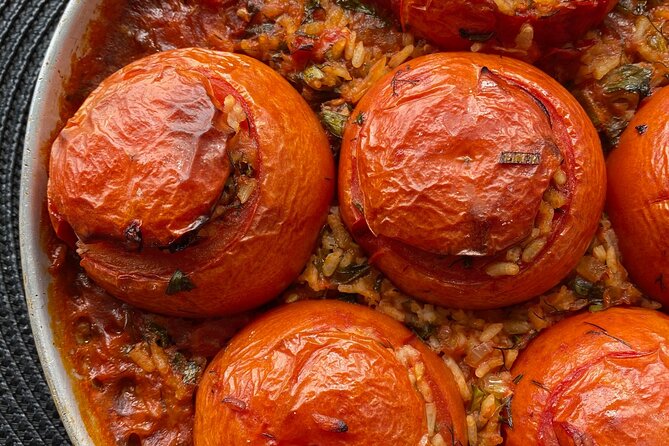
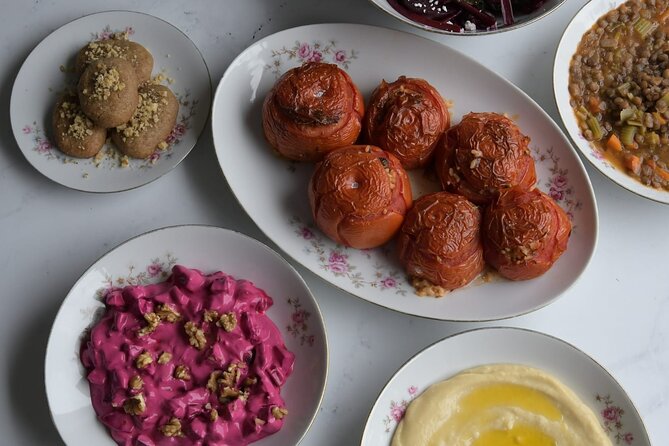
The food itself is the main event. Guests specifically praised the dinner as a highlight of the week, and they repeatedly mentioned that the cooking is done from scratch. One more practical detail: ingredients are described as bought fresh for the session, which is exactly what you want in a cooking class. It helps the meal taste like what it’s supposed to be, and it teaches you what freshness looks like in the real world.
One limitation: alcoholic beverages are not included. If you want wine, you may need to purchase it separately. (One guest noted having a glass of Cretan wine during their dinner, so you can’t count it as automatic—but it’s possible in some setups. Ask when you book if that matters to you.)
The apartment setting: cozy, clean, and slightly less rustic
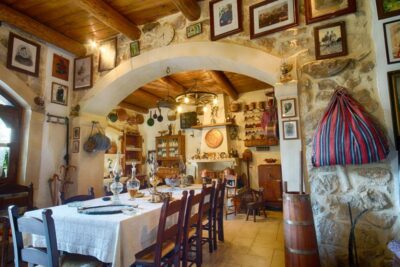
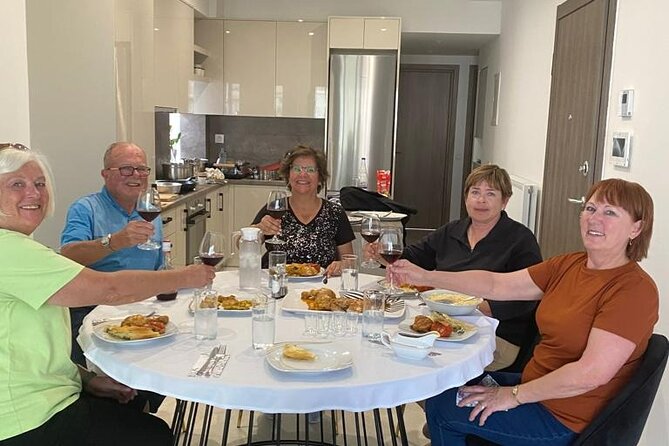
This class happens 5–10 minutes from the town centre in a warm, cosy, inviting, welcoming, and immaculately clean apartment. That’s the best way to describe the practical reality here. It’s not outdoors. It’s not a cluttered old house. It’s a private space that’s been kept very tidy.
That matters because expectations vary. Some people loved the homey feel and the cleanliness. Others wanted something more rustic and felt disappointed by the modern apartment setting. Both reactions make sense based on what’s stated: the emphasis is on a welcoming home environment, not an untouched “grandma kitchen” aesthetic.
So here’s my advice to you: if you’re booking for the cooking and the meal, the apartment format is a plus. You’ll likely find it comfortable and easy to participate. If you’re booking for the mood of a peeling-wall, old-school kitchen, you may not get that vibe.
Price and value check for a $190 small-group dinner class
The posted price is $190 for the experience. At that level, you should judge value by what you get beyond the lesson.
You get:
- Hands-on cooking in a small group (max 6)
- Dinner plus snacks
- Coffee and/or tea
- Recipes you can take home (described as authentic recipes to take with you)
- The host-led context around food, tradition, and Mediterranean eating habits
If you normally spend a good chunk on dinner in Chania and you like learning how to cook meals you’d actually make again, this is often fair value. You’re essentially paying for an instructor, ingredients/prep effort, and a full meal in one package. If you’re more of a watch-and-learn person, or if you already have zero interest in cooking afterward, the value may feel harder to justify.
Also, the small group size is where the money shows. You’re not competing for attention with 15 other people.
Who this cooking class suits best (and who might not)
This is a great fit if you want:
- A small-group, practical cooking session
- Recipes you won’t just copy from restaurant plates
- A meal experience that ends with real conversation and shared dining
- Food learning tied to a Mediterranean way of eating, not just technique
It may be less ideal if:
- You’re chasing a strongly rustic, old-house atmosphere
- You want a fixed, guaranteed list of every exact dish (since the menu can change seasonally)
- You only care about eating and not participating in the cooking
If you’re traveling with friends, it can also be fun because max 6 keeps the vibe personal, not crowded.
Should you book this Chania Cooking Class?
If you love cooking (or you want to leave Crete with at least a few recipes you’ll repeat), I think this booking makes sense. The small group setup, hands-on teaching style, and the fact that dinner plus snacks and coffee/tea are included makes it easy to justify the time.
Just calibrate your expectations about setting: it’s in a clean, modern-feeling apartment, not a dusty rustic kitchen museum. If that sounds like the right tradeoff for good food instruction and a full shared meal, you’re in the sweet spot.
One last practical tip: if you’re picky about dietary preferences, mention them when you book. The class has shown it can handle mixed groups, including vegetarians, but the best results come when the host knows what to plan for.
FAQ
How long is the Chania cooking class?
It runs for about 3 hours.
What time does it start in Chania?
The start time is 5:00 pm.
How many people are in the group?
The class has a maximum of 6 travelers.
Where is the meeting point?
You meet at Deligiannaki 28, Chania 731 34, Greece.
What’s included in the price?
It includes dinner, snacks, and coffee and/or tea.
Is alcohol included?
No. Alcoholic beverages are not included.
Is this class held in a traditional house or an apartment?
It’s held in a local apartment near the town centre.
Can I cancel and get a refund?
This experience is non-refundable and cannot be changed. If it’s canceled because a minimum number of travelers isn’t met, you’ll be offered a different date/experience or a full refund.