WW2 on Crete hits close to home. This private Battle of Crete tour, led by certified historian Apostolis, takes you beyond the usual stops and into lesser-seen sites tied to May 1941—using rare documents and archive photos to connect what you see with what happened.
I especially like the mix of places: you start at Maleme Airport, then work your way through key battlefield ground like Hill 107, and end with the solemn context of Souda Bay. You’ll also appreciate the respect built into the day, with visits to two war cemeteries and time to pause, not just race through photos.
One thing to consider: it’s a rain-or-shine, 7-hour outing with outdoor stops, and lunch/coffee isn’t included. Wear comfortable shoes, expect some walking and standing, and plan to buy your own food if you want more than the provided break.
In This Review
- Key Things I’d Bet You’ll Remember
- Starting at Maleme Airport: the campaign’s critical first beat
- Hill 107 and the German War Cemetery: where the losses become real
- Tavronitis Bridge, Galatas, and the village-level clues
- Private WW2 museum and war shelter: the behind-the-scenes layer
- Souda Bay and the Commonwealth cemetery: views with a purpose
- Abandoned German bunkers and “lockouts”: where most people never go
- Lunch break by the water: a breather that doesn’t slow the story
- Price and what $182 buys you in real terms
- Who this tour fits best (and who should skip it)
- Should you book this Battle of Crete private tour?
- FAQ
- How long is the Chania Battle of Crete private tour?
- Where does the tour start?
- Is this tour private?
- What languages are offered?
- Will the tour run rain or shine?
- Is hotel pickup and drop-off included?
- Does the price include food?
- What should I bring?
- What’s the cancellation policy?
Key Things I’d Bet You’ll Remember
- Certified historian tour with rare archival materials that explain what you’re standing on, not just what it’s named
- Maleme Airport and Hill 107 as the backbone of the Battle of Crete timeline
- Abandoned German bunkers and “lockouts” that many people never find, or never get access to
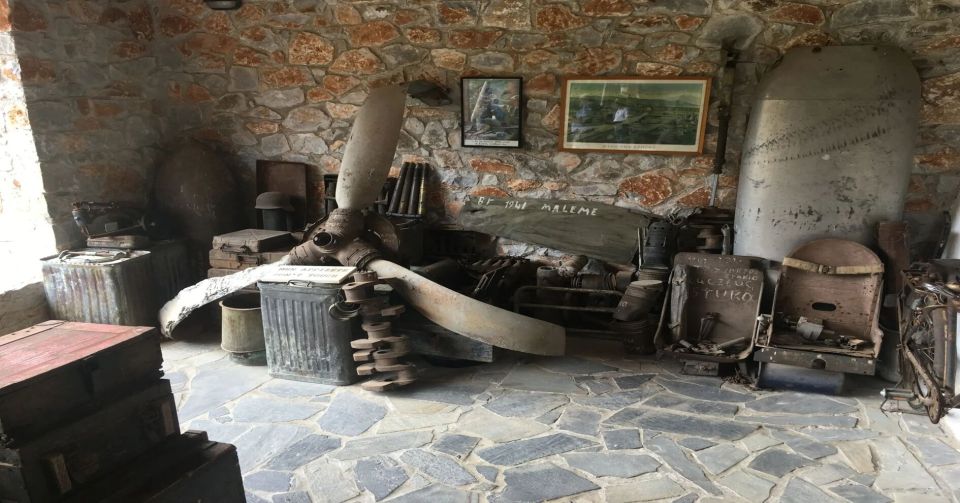
- A private WW2 museum/war shelter with war memorabilia and uncommon finds
- Commonwealth and German cemeteries at Souda Bay where the views are stunning, but the mood stays respectful
Starting at Maleme Airport: the campaign’s critical first beat
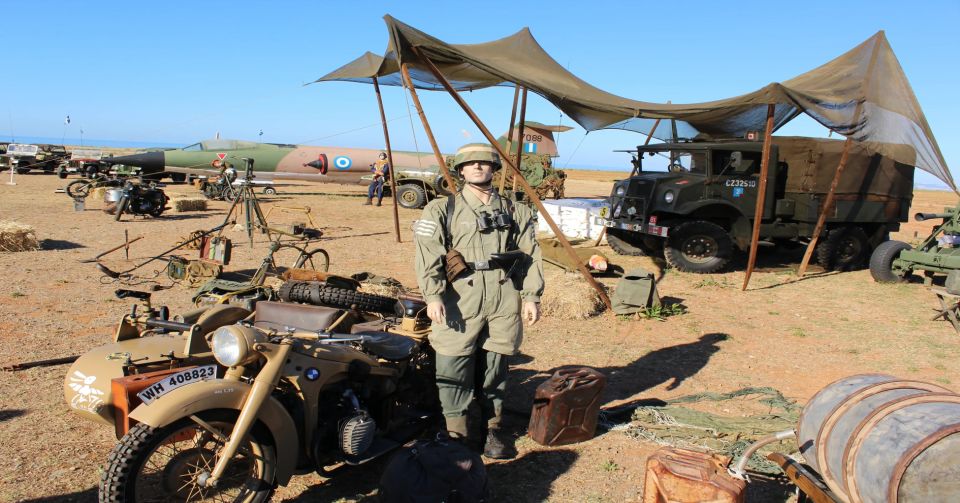
The day begins at Maleme Airport, a site that mattered for the Axis forces in World War Two. Even if you know the Battle of Crete in broad strokes, being there with a specialist guide changes how you understand it. The airfield isn’t just a point on a map. It’s a hinge in the story.
What you’ll get from this start is context you can carry all day. Apostolis lines up why this area mattered, then links later stops back to that early push. It makes the rest of the tour feel less like scattered sightseeing and more like a walk through a sequence of decisions and consequences.
If you’re a photo person, you’ll like the early viewpoints and the chance to get your bearings fast. Also, starting at Maleme first helps you avoid the common travel problem of arriving late and losing time where the story really begins.
You can also read our reviews of more private tours in Chania
Hill 107 and the German War Cemetery: where the losses become real
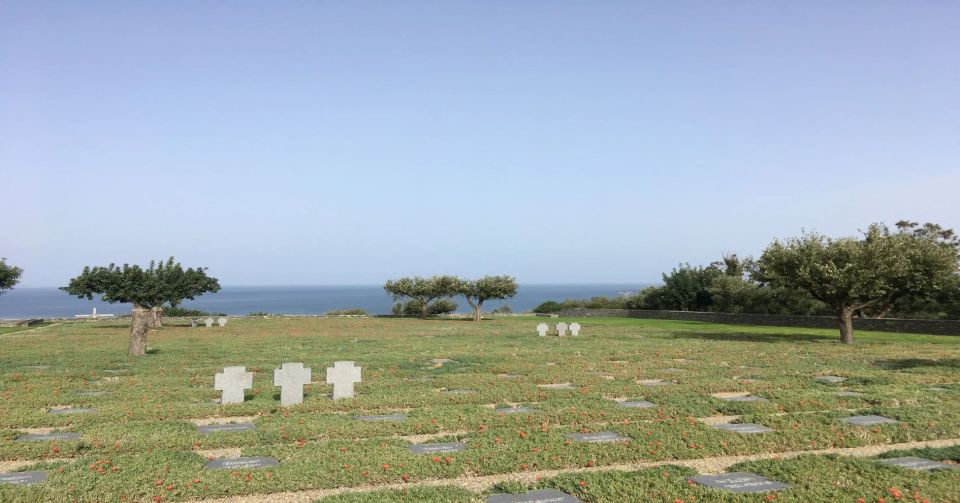
Next comes Hill 107, one of the most important battlefield areas tied to the fighting in Crete. This is the kind of place where “history” stops being an idea and becomes a physical space. You’ll hear the story on the ground, tied to the same terrain that shaped the battle.
You’ll also visit the German War Cemetery, which is handled with the right tone: you’re there to pay respect to war casualties, not to treat memorials like background scenery. Apostolis walks you through what the site represents and why those losses were so large.
A practical note: cemeteries often mean more standing still than you expect. Bring good shoes and don’t rush your steps. If you’re the type who likes to linger and absorb, this stop gives you permission to slow down.
Tavronitis Bridge, Galatas, and the village-level clues
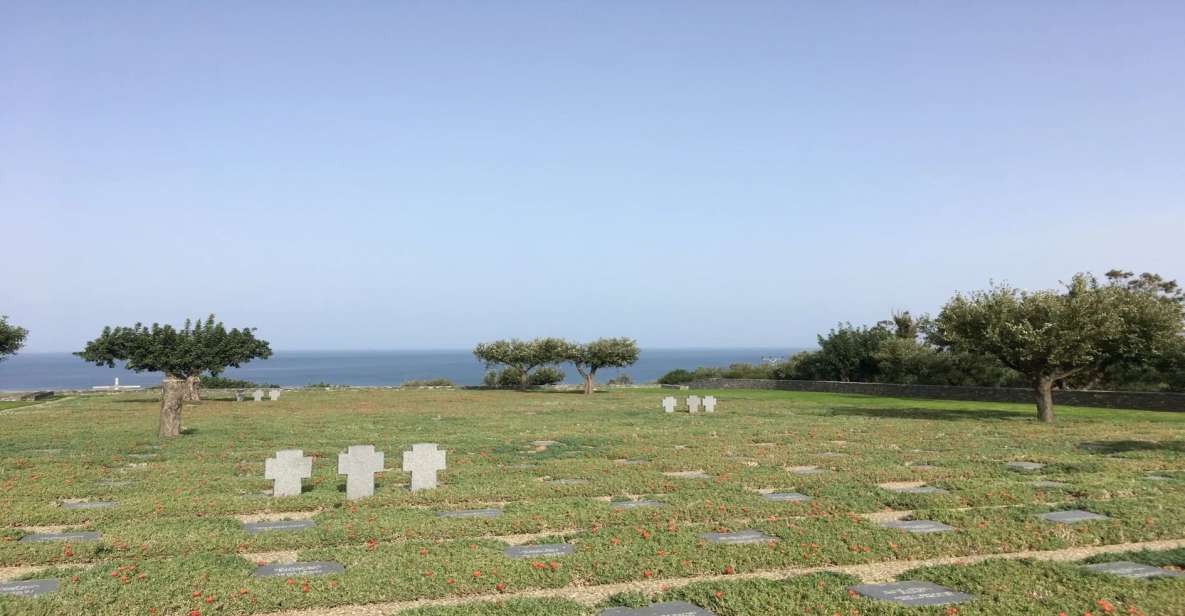
Between the headline sites, you’ll also pass through areas that help you understand what the battle meant for communities and movement across the island. Stops in the Chania area connect the larger campaign to smaller locations where the fighting and its aftermath played out.
You’ll have photo stops and guided segments, including areas where the battle left visible traces or tells the story through the setting. The tour includes Galatas, and the route also factors in other battlefield-linked spots such as places like Prison Valley and a prison-related stop described as part of the experience.
This is the part of the day I like for perspective. Big names in WW2 can feel distant. These stops make the campaign feel more human: roads, valleys, and villages that shaped what people could do, where troops could move, and how control shifted.
Private WW2 museum and war shelter: the behind-the-scenes layer
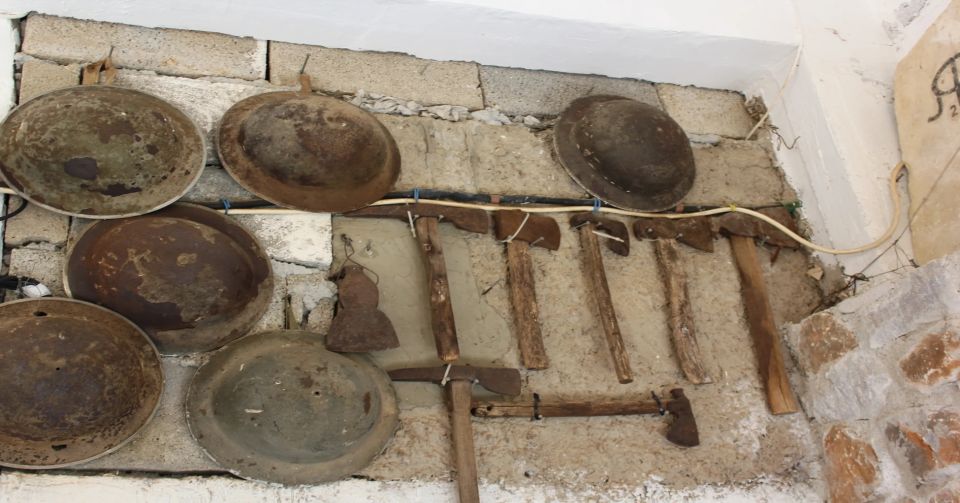
One of the strongest values here is the stop at a private museum/collection connected to WW2. You’re not just seeing objects. You’re being shown how they fit into the larger campaign, with guidance that points out what the artifacts mean in practice.
Apostolis uses rare archive photos and documents found after research to explain how the battle was being carried out. That matters because it turns the museum from “cool displays” into a story tool. You’ll connect what you learned outdoors to items you can actually look at up close.
You’ll also visit what’s described as a WW2 war shelter and private collection with war memorabilia and finds. This is one of those stops that works especially well if you like details: routines, equipment, and how the day-to-day reality of fighting looked.
If you’re coming from a beach-first Crete mindset, treat this as a gear shift. The museum segment slows you down in a good way and gives you something solid to reference when you’re back on the battlefield ground.
Souda Bay and the Commonwealth cemetery: views with a purpose
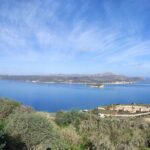
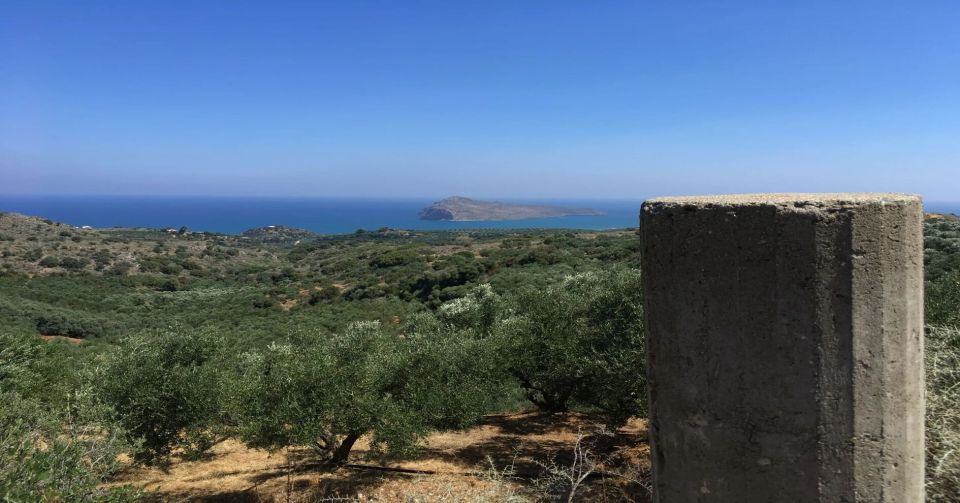
Later, you reach Souda Bay, where you visit the British Commonwealth Allied Cemetery. This stop balances two things: you get the bay views, and you also get a clear moment for remembrance. On a clear day, it’s hard not to notice how open the water and horizon feel. The tour keeps the focus where it belongs.
The guide explains the history of the cemetery in Souda Bay and ties it to the Commonwealth nations involved in the Battle of Crete, including Australia, New Zealand, and Great Britain. It’s not just a list of countries. It’s a reminder that the battle wasn’t one side’s story.
There’s also a “Lest We Forget” theme as you overlook the bay. Even if you’ve seen that phrase many times, seeing it set in a cemetery with the setting behind it makes it land differently.
This stop is also a good checkpoint for your own emotional stamina. If you’re sensitive to memorial sites, plan to take your time here rather than trying to keep the whole day light.
You can also read our reviews of more historical tours in Chania
Abandoned German bunkers and “lockouts”: where most people never go
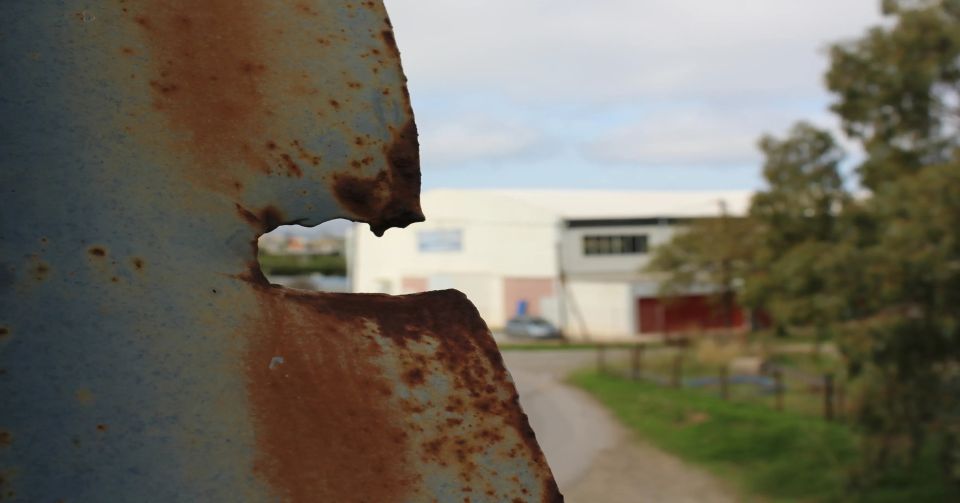
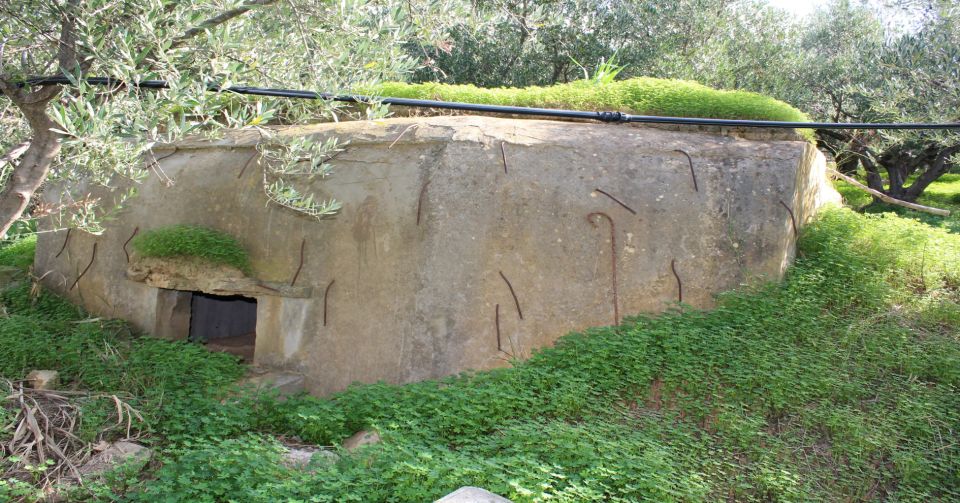
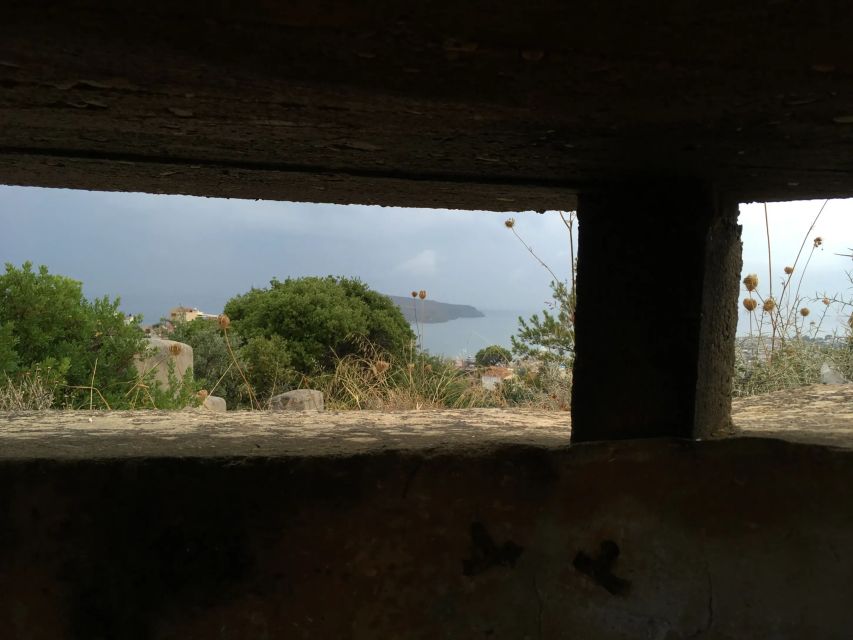
The tour’s headline wow-factor is the chance to see abandoned German bunkers and other wartime underground spaces described as hidden “lockouts” in an undisclosed location. This is exactly the kind of stop that changes how you picture the battle.
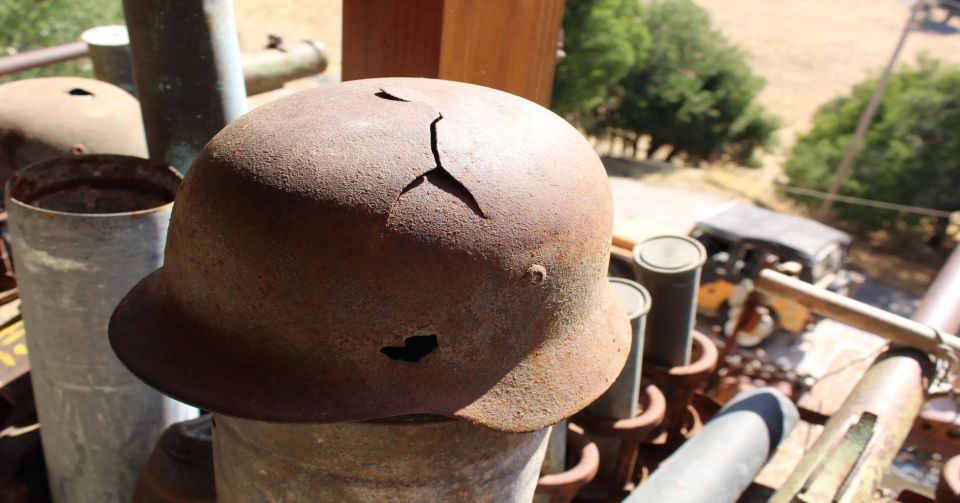
Being at a bunker (and hearing how it functioned) makes the war feel more technical and more immediate. Apostolis talks about daily war routine, and you’ll learn about military equipment, regimes, and ammunition used by both Axis forces and Allies during the war.
Two things make this part especially valuable:
- You get to see how survival and control worked in concrete and steel, not just on paper.
- The guide brings you back to the larger battle story so it doesn’t feel like a random detour into WWII ruins.
One drawback to mention: this is an outdoors-and-structure day. Wear comfortable clothes and be ready for uneven terrain near battlefield archaeology and abandoned structures. If enclosed spaces make you uncomfortable, it’s smart to tell your guide so they can help you navigate at your pace.
Lunch break by the water: a breather that doesn’t slow the story
In the middle of the day, there’s a small coffee/lunch break at a beautiful riverside with overgrown vegetation. This isn’t just for refueling. It helps you reset mentally before you return to more heavy sites like cemeteries and bunkers.
Since food and drinks aren’t included, bring your own plan. If you need a full meal or specific dietary options, consider bringing snacks and then using the break for a pause rather than assuming a complete lunch is covered.
This stop also gives you space to ask questions. A specialist guide works best when you can steer the conversation toward what you care about, like the Commonwealth evacuation context or what the ground-level terrain meant for the first days of fighting.
Price and what $182 buys you in real terms
At $182 per person for a 7-hour private tour, the biggest value isn’t just transportation. It’s the specialist guidance: a certified historian/archaeologist specializing in contemporary history, plus access to sites that go beyond the most basic WW2 circuit.
Here’s how I’d think about the cost:
- You’re paying for private time with an expert who connects documents and archive photos to what you see.
- The tour includes multiple high-effort stops: two cemeteries, a private museum/war shelter, and abandoned bunker sites.
- It also includes hotel pickup and drop-off from central Chania areas, so you aren’t spending your morning wrestling with logistics.
If you compare this with a cheaper group bus option, you’re really choosing a different style of day: fewer people, more explanation, and more flexibility in how the order and pacing work around limited hours for certain private sites.
Bottom line: if WW2 history is your thing, this price feels fair for what’s included. If you mostly want scenery and short stops, you might find the day heavy and long.
Who this tour fits best (and who should skip it)
This Chania Battle of Crete tour is a strong match if:
- you like WW2 military history and want the story tied to specific places
- you care about respectful memorial visits and want context, not just names
- you enjoy archaeology-style interpretation, especially around battlefield remains and bunkers
- you want a private guide who can answer questions in English or Greek
You might not love it if:
- you’re hoping for a laid-back day with lots of free beach time
- you’re uncomfortable with standing outdoors, uneven terrain, and rain-or-shine plans
- you don’t like memorial sites or you prefer a lighter historical theme
For most visitors, it hits a sweet spot: intense enough to feel meaningful, structured enough to feel organized, and guided deeply enough to leave you with details you’ll actually remember.
Should you book this Battle of Crete private tour?
If you’re in Chania and you want more than the standard “WW2 sites” photo run, I’d book it. The mix of Maleme, Hill 107, private WW2 collections, and the Commonwealth cemetery at Souda Bay creates a full arc: from campaign stakes to consequences you can still see.
The deciding factor is your interest level. If the Battle of Crete already feels like a topic you want to understand, Apostolis’s focus on documents, rare archive photos, and concrete battlefield logic is exactly the kind of guidance that turns a day trip into real learning.
Just go in prepared for a serious day: wear sturdy shoes, expect walking, and plan for your own food since it’s not included.
FAQ
How long is the Chania Battle of Crete private tour?
It lasts about 7 hours.
Where does the tour start?
Pickup is from Chania, and the tour starts at the Airport of Maleme.
Is this tour private?
Yes, it’s a private group experience.
What languages are offered?
The live tour guide speaks English and Greek.
Will the tour run rain or shine?
Yes, the tour takes place rain or shine.
Is hotel pickup and drop-off included?
Yes. Pickup and drop-off are included from all central Chania areas. You should wait in the hotel lobby 15 minutes before pickup.
Does the price include food?
No. Food and drinks are not included, though there is a coffee/lunch break during the day.
What should I bring?
Wear comfortable shoes and comfortable clothes.
What’s the cancellation policy?
You can cancel up to 24 hours in advance for a full refund.