Crete tastes better when you learn the process first, not last. This day pairs an olive oil factory visit with village walking and a winery stop, so you get flavors plus context, not just samples. I especially like the mix of olive oil tasting and raki early on, and the fact that the day often feels more personal thanks to small-group hosting. One drawback to weigh: lunch is optional, and if you want the extra paid wine tasting, there’s an added cost.
You’ll hear the story straight from Cretans. Guides like Nikos, Spyros, Ed, and Stravos show up with family experience, plus humor and real opinions about how olives and grapes shape daily life on the island. If you’re sensitive to road time or tight turns, the mountain driving can take a toll, so plan for breaks and take motion-sickness precautions.
Expect about 7 hours 30 minutes of action, starting with hotel or port pickup in the Heraklion area. The tour is offered in English, uses a mobile ticket, and runs as a private experience for your group even though it has the feel of a small day-trip.
In This Review
- Key Things That Make This Tour Worth Your Time
- Crete Tastes Better When You Learn the Process
- Inside the Olive Oil Factory: Learn First, Then Taste
- Old Villages Around the 1,000-Foot Mark
- Raki and Small Bites: What You Actually Get Along the Way
- The Mountain Drive With Wine Glasses
- Winery Visit: Taste More, But Pace Yourself
- Optional Lunch at a Family Restaurant
- Price and Logistics: Does $361.44 Feel Fair?
- Who This Tour Suits Best (And Who Might Prefer Something Else)
- Practical Tips to Make the Day Smooth
- Should You Book This Olive Oil and Winery Day?
- FAQ
- Where does pickup happen for this tour?
- How long is the tour?
- What’s included in the price?
- Is lunch included?
- Is the wine tasting included?
- What language is the tour in?
- Do I get a ticket on my phone?
- What is the cancellation policy?
Key Things That Make This Tour Worth Your Time
- Olive oil factory tasting with real production talk: you learn what makes one oil different before you sample it.
- Raki tasting included: a quick Crete hit that fits right after the olive lesson.
- Old villages up to about 1,000 feet: narrow lanes, village-square breaks, and local tradition time.
- Wine on the drive: you may have a glass (or two) while passing olive groves and grapevines.
- Winery visit later in the day: a nice way to connect olives-and-wine on the same route.
- Optional extras if you want more: lunch is optional, and a larger 5-wine tasting costs extra.
Crete Tastes Better When You Learn the Process
This isn’t a quick bus-and-bite day. It’s built around a sequence that makes sense: you start with the thing Crete is famous for (olive oil), then you slow down in older villages, and you finish with grapes and wine. That order matters, because the olive knowledge tends to stick once you’ve tasted, and the wine part lands better when you’ve already learned how local agriculture shapes flavor.
I like that the day is designed for people who actually want to taste and understand. You’re not just handed cups; you get a guide who talks through what you’re tasting and why it matters. And because the tour is private for your group, you’re not fighting for space or waiting for someone else to decide whether they like olives.
The tone is also very Crete-friendly: mountain drives, village squares, and plenty of opportunities to ask questions. If you’re the type who enjoys a cultural day but still wants food and drink at the center, this one hits the right balance.
You can also read our reviews of more private tours in Heraklion

Inside the Olive Oil Factory: Learn First, Then Taste
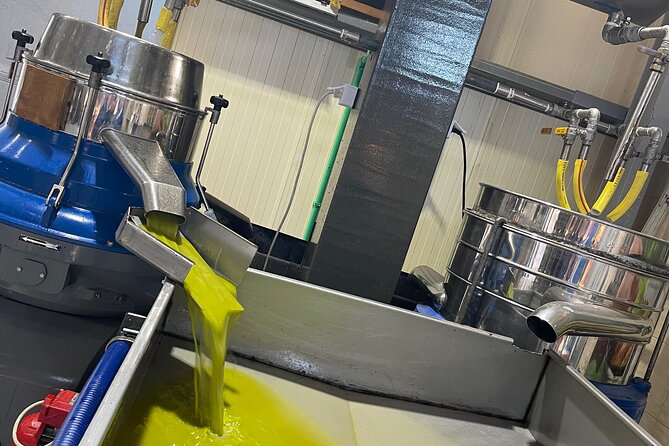
The day begins at an olive oil factory, where you learn how olive oil production works and then taste different local oils. This is one of the best parts of the itinerary because it turns olive oil from a label into a sensory experience.
What you should look for during the tasting: how different oils feel on your tongue, how bitterness and peppery notes can show up, and how aroma changes from sample to sample. Even if you’re not an expert, you can still pick up patterns fast once you’re comparing oils in a controlled setting.
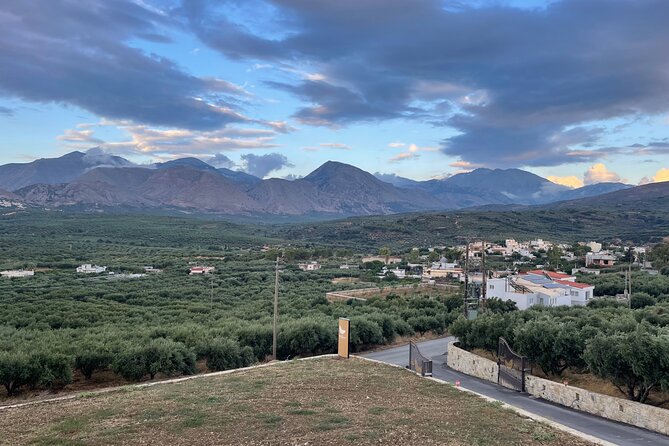
You’ll also be able to connect what you learn to what you see later in the countryside—olive groves and the mountain terrain that helps olives thrive. I like that the tour doesn’t treat the olive factory as a random stop. It’s the foundation for the whole day.
Old Villages Around the 1,000-Foot Mark
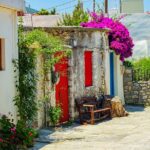
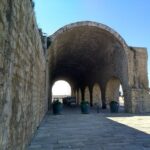
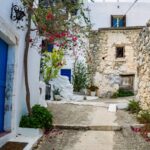
After the factory, the route shifts into village time. You’ll visit traditional old villages, walking through narrow streets and learning about village history and local traditions. The tour notes that these stops can reach an altitude of about 1,000 feet, which is a nice change of pace from sea-level heat.
Village walking is where the day turns from tasting to storytelling. It’s the part of the tour that helps you understand the rhythms of Crete—how people lived close together, why villages developed where they did, and how traditions still show up in daily life.
Then comes a simple but smart break: a drink at the village main square. That’s not filler. A square break lets your feet recover, gives you a moment to take photos without rushing, and gives you time to talk with your guide about what you’re seeing as you go.
And about old wind mills: since they’re included in the tour name, expect the route to include time around old windmills when possible. Even if it’s brief, it’s the kind of creaky, scenic reminder that older tech still shaped rural life.
Raki and Small Bites: What You Actually Get Along the Way
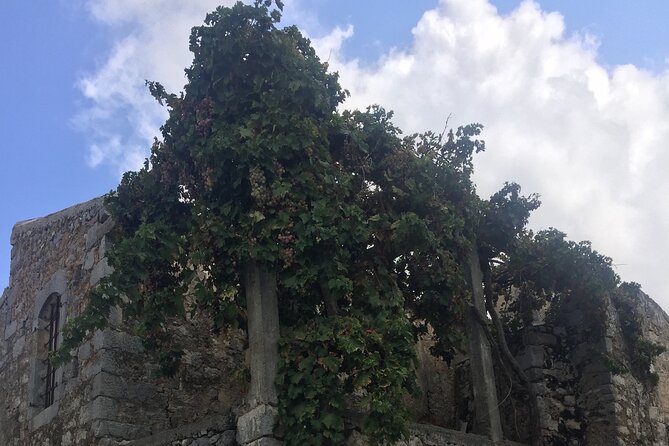
Olives and wine are the headline, but Crete food shows up in the in-between moments. Bottled water, coffee and/or tea are included, and raki tasting is part of the experience.
Some days include extra comfort-food energy from the guide’s approach. You might find small Greek bites like spanakopitas at the start, plus things like iced Greek coffee and pastries. Another version of the day includes a yogurt-and-honey moment, which is a very Crete way to bridge savory and sweet without turning lunch into a formal sit-down.
The practical point: these are “keep going” foods. They help you avoid the common day-trip problem where you leave hungry, cranky, and too tired to enjoy the last two stops.
The Mountain Drive With Wine Glasses
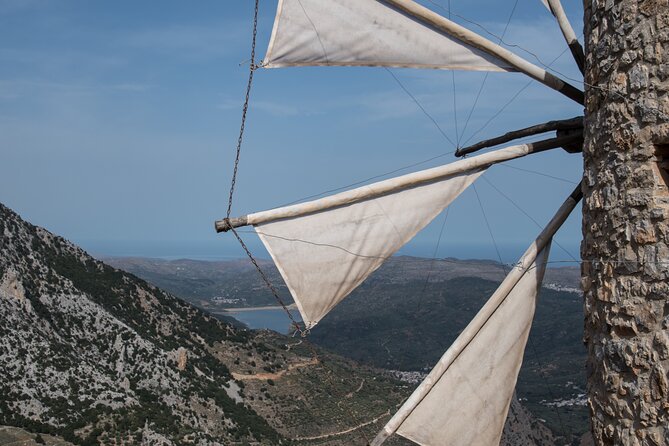
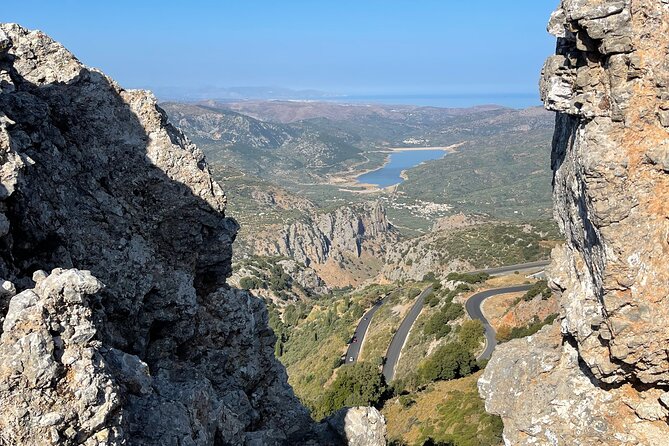
Then you get the views. The tour drives through mountains, olive groves, and grapevines while you enjoy local wine—either one glass or two, depending on how your day is paced.
This is a fun part if you like moving through scenery rather than just standing at it. The wine on the drive also means the “wine experience” starts before the winery. Instead of saving everything for the end, you build flavor expectations while you’re literally surrounded by the raw materials.
A quick caution: if you get motion sickness on winding roads, take it seriously. One guide handled carsickness for part of a group with ripe lemons—having people scratch and sniff the peel. I can’t promise that will fix everyone, but having a citrus plan (and sitting where you feel least motion) is a sensible move on a route like this.
You can also read our reviews of more wine tours in Heraklion



Winery Visit: Taste More, But Pace Yourself
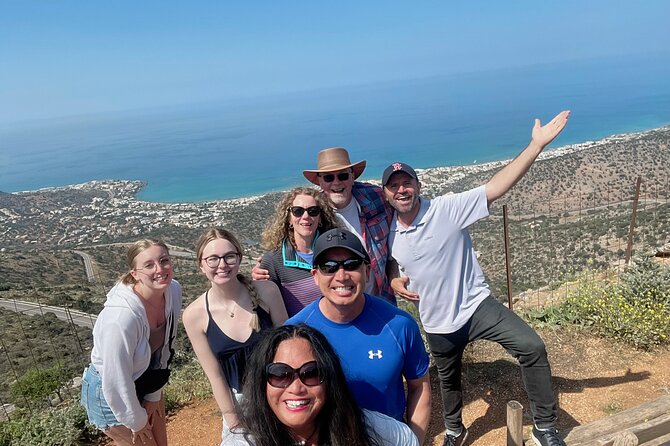
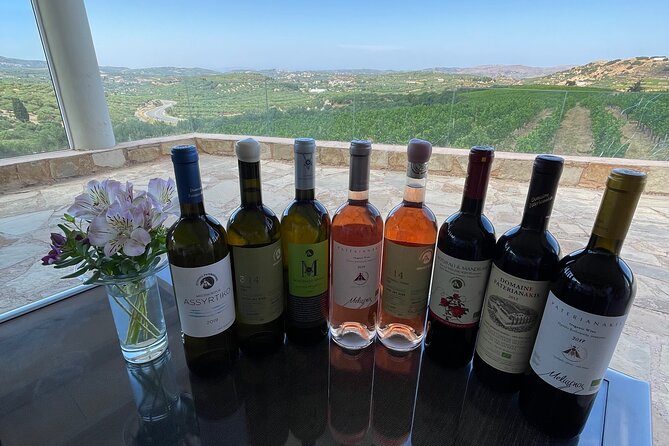
Later in the day, you visit a winery to learn about local wines and taste some of them. This stop is the logical finish after olives, villages, and countryside driving. By the time you arrive, you’re not tasting wine in a vacuum—you’ve already been thinking about how local agriculture and terrain shape the flavors.
You should treat the winery tasting as part of a progression, not the main event if you’re also sensitive to alcohol. You’ll likely taste several wines in a guided setting, and the experience is best when you slow down and focus on differences, not just getting through the cups.
There’s also an optional paid add-on: a wine tasting of 5 local wines for €20 per person. If you already know you love wine and want a deeper sampling, it can be worth it. If you’re mainly here for olive oil plus culture, you may not need to pay extra.
Optional Lunch at a Family Restaurant

Lunch is listed as optional, usually by stopping at a family restaurant. That’s a plus for flexibility: you can choose to stay on schedule and eat where the guide suggests, or you can decide on your own based on taste and hunger.
Here’s the trade-off: because the day is busy, skipping lunch may leave you dependent on coffee, tea, and snacks to get you to the winery. If you’re the kind of traveler who needs a real meal to enjoy the last half of the day, plan to eat lunch even if it costs extra.
If you do eat lunch, go in with the mindset of a relaxed local break, not a fine-dining detour. The value is in the setting and the chance to try something Crete-forward in a normal, lived-in way.
Price and Logistics: Does $361.44 Feel Fair?
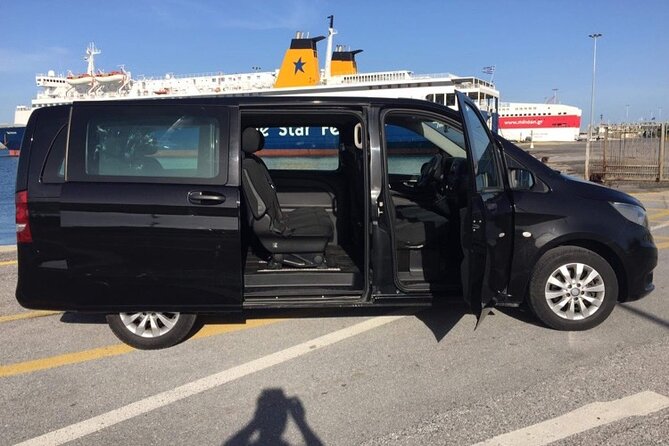
At $361.44 per person, this is not a bargain-basement excursion. But for a 7.5-hour private group outing with pickup, factory learning, olive oil tasting, raki tasting, coffee/tea, bottled water, and a winery stop, it starts to make sense.
What you’re paying for is more than transport. You’re paying for a day that groups several food-and-culture experiences into one coherent route, guided in English, and timed so you don’t have to book and coordinate multiple separate activities.
Logistics matter too. Pickup is offered from the Heraklion Port, the Heraklion region, and several nearby areas including Rethimno region, Elounda, Agios Nikolaous, Malia, Hersonisos, Anissara, and Stalida. If you’re coming from Agia Pelagia, Fodele, or Sisi, there’s an extra charge for transfer. That can change the true cost, so check your pickup point before you book.
Who This Tour Suits Best (And Who Might Prefer Something Else)
This tour is a great fit if you want Crete through taste and daily life. It’s ideal for foodies, wine enthusiasts, and travelers who like culture without turning the day into a museum marathon.
I’d also recommend it for couples and small groups who want a more personal guide experience. The tour is private for your group, which makes Q&A easier and keeps the day from feeling like a conveyor belt.
If you dislike long drives or prefer a slower pace with fewer stops, you might feel rushed. And if alcohol is not your thing, you’ll still get raki and olive oil tasting, but the wine portions could be a mismatch unless you pace yourself.
Practical Tips to Make the Day Smooth
Pack for a full day outdoors and in transit. Comfortable shoes help for village walking on uneven stone streets. Bring sunscreen, and keep water handy even though bottled water is included.
If you’re prone to carsickness, sit where the motion feels gentlest and plan a backup. The lemon trick used by one guide is a useful reminder that small, natural coping methods can matter on mountain roads.
Finally, keep your questions ready. Olive oil and wine tasting get more fun when you ask about what you’re tasting—how local growers think about olives, what guides look for in oils, and how the winery connects grapes to the final glass.
Should You Book This Olive Oil and Winery Day?
I’d book it if you want one day that connects olive oil, raki, villages, and wine into a single flow. The strongest value is the factory learning paired with tasting, then the way village stops make the whole island feel more real. The guides’ personal style—think Nikos, Spyros, Ed, or Stravos—also seems to be a big part of what makes the day feel warm instead of scripted.
I’d skip it or choose a different option if you hate long drives, need a very flexible schedule, or don’t want extra spending on top of the base price. Also, if your pickup location requires an added transfer fee, do the math before committing.
If you’re trying to see Crete in a single day and you care about tasting the real products—not just collecting photos—this tour is a smart pick.
FAQ
Where does pickup happen for this tour?
Pickup is available from the Heraklion Port, the Heraklion region, and several nearby areas including Rethimno region, Elounda, Agios Nikolaous, Malia, Hersonisos, Anissara, and Stalida. If you’re in Agia Pelagia, Fodele, or Sisi, there is an extra charge for transfer.
How long is the tour?
The tour runs about 7 hours 30 minutes.
What’s included in the price?
Included items are coffee and/or tea, olive oil and raki tasting, bottled water, and a local driver-guide. Pickup is also offered.
Is lunch included?
Lunch is not included. Lunch is available as an optional stop at a family restaurant.
Is the wine tasting included?
A winery visit includes wine tasting, but there is also an optional add-on wine tasting of 5 local wines for €20 per person.
What language is the tour in?
The tour is offered in English.
Do I get a ticket on my phone?
Yes, there is a mobile ticket.
What is the cancellation policy?
You can cancel for a full refund up to 24 hours before the experience starts. If you cancel less than 24 hours before, you won’t receive a refund.