Sourdough in Crete comes with olive oil lessons. You’ll learn the wood-fire oven bread rhythm, then taste extra-virgin olive oil alongside the meal. I like how hands-on it is from first mixing to final scoring, and I like that the olive oil experience isn’t separate—it’s built into the story of the loaf. One drawback: the class is about 10–15 minutes outside central Chania, so you’ll need a taxi or the optional transfer.
Over about 4.5 hours, you’ll bake your own customized loaf, visit an olive grove and a farm, and then sit down to Cretan salad, sides, local wine, and a sweet finish.
In This Review
- Key things to know before you go
- Nerokourou starts the day with coffee, cookies, and a plan for dough
- Mixing and customizing your loaf: the fun part that actually teaches you
- The olive grove break: where the olive oil story becomes real
- Farm-to-table lunch: Cretan salad, fava, and sides that actually fill you up
- Wood-fire oven baking: learning by smell, sound, and hands
- Wine, conversation, and the relaxed family vibe
- Price and logistics: does $106 per person feel fair?
- Who this class suits best
- Quick “should I book this” decision guide
- FAQ
- How long is the Chania sourdough bread class?
- What does the class cost?
- Is transportation included?
- Where is the class located?
- What languages are offered during the class?
- Is the class wheelchair accessible?
- What do you actually do during the bread-making?
- What kind of add-ins can you put in your loaf?
- What food and drinks are included?
- Is there an olive oil tasting?
- What’s the cancellation policy?
Key things to know before you go
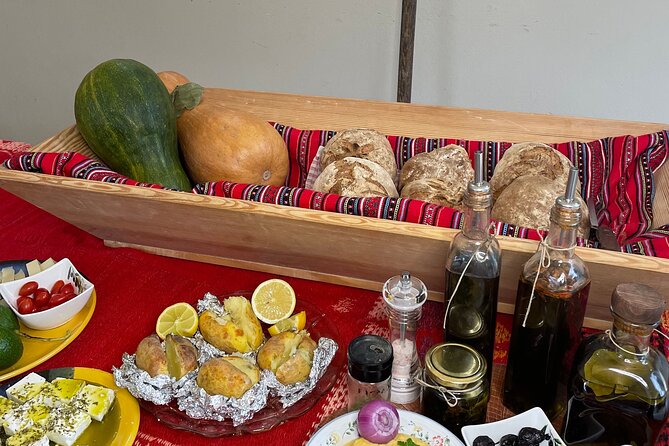
- Wood-fire baking for your own loaf: You shape your dough and bake it yourself, not just watch.
- Olives and herbs aren’t an afterthought: You’ll learn how olive oil mixing with herbs works and taste the result.
- Rest time turns into a grove visit: While the dough does its thing, you tour and learn under olive trees.
- Cretan salad and real sides: You’ll harvest veggies for lunch and eat more than bread and olive oil.
- Sourdough plus customization: Add-ins like olives, sun-dried tomato, and seeds are part of the fun.
- Small-class feel with conversation time: Off-season can be extra chatty, and the hosts keep things relaxed.
Nerokourou starts the day with coffee, cookies, and a plan for dough
The whole experience begins outside the hustle of central Chania, in the neighborhood of Nerokourou. You’re welcomed with a homemade refreshment or a Greek coffee, plus cookies, before you get into the bread process. It’s a good pace setter: you’re fed lightly, then you shift focus to dough and smell.
This setup matters because sourdough can feel mysterious if you’re hearing the words “starter” and “fermentation” for the first time. Here, you’re not just given facts—you’re guided toward the practical sequence: mix, rest, shape, add-ins, bake. And since the class is in English and Greek, you’re less likely to lose details if you’re not fluent.
About the location and logistics: the cooking class is roughly 10–15 minutes from the center. If you’re driving, park along the fence. If you’re not, expect to use a taxi or consider the transfer option. Pickup is included only when you add transfer service with an extra fee based on where you are, and the transport is semi-private, so you might share a 9-seat van (and in some cases an EV) with other people.
You can also read our reviews of more food & drink experiences in Chania
Mixing and customizing your loaf: the fun part that actually teaches you
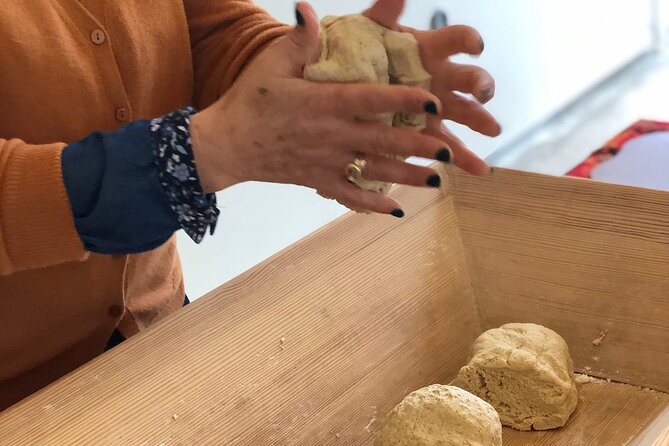
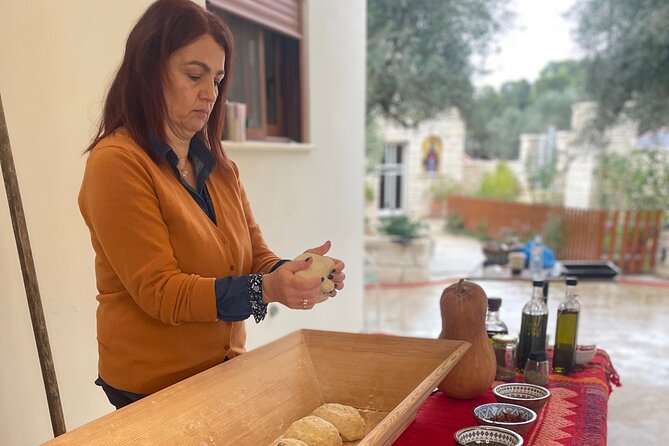
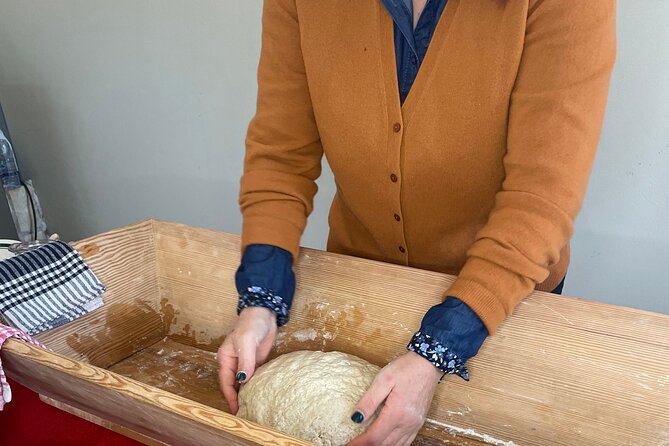
Once you’re settled with your drink, you’ll get a clear rundown of the sourdough bread procedure. Then it’s hands-on. You start by mixing ingredients to make your dough, working step by step with the host teaching the basics of texture and timing. Even if sourdough intimidates you, the class format helps because you do the work in real time.
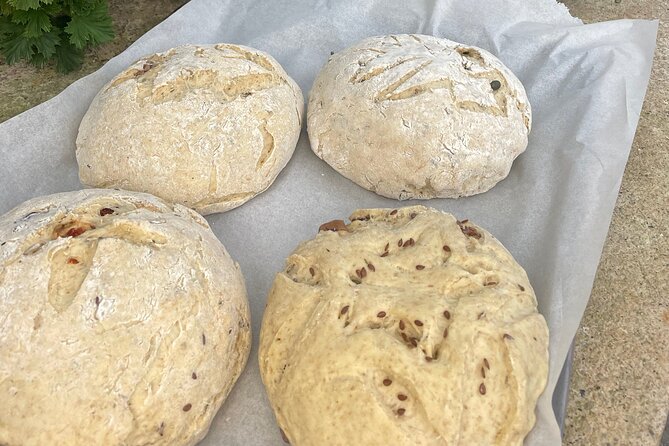
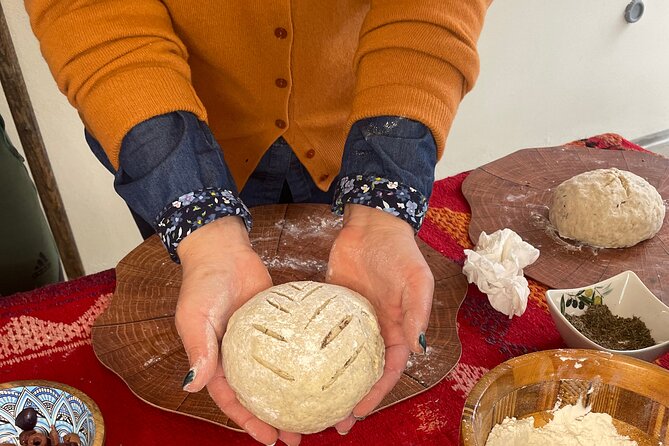
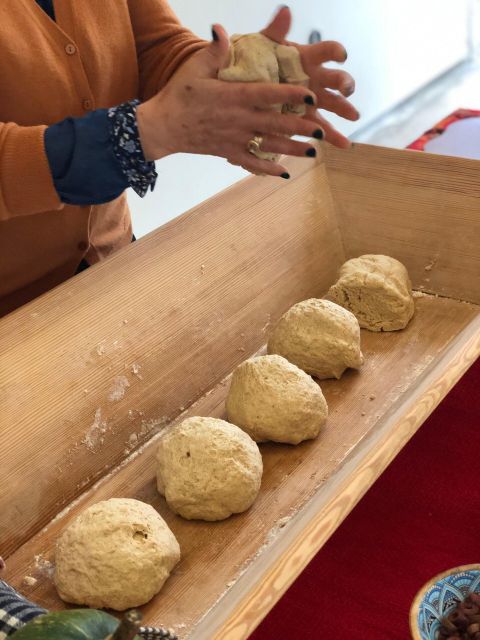
When the dough is ready, the experience shifts from measuring to making choices. Each person prepares their own bread loaf, and you can add what you like inside. Think olives, sun-dried tomato, and seeds—exactly the kinds of add-ins that suit Cretan flavors. This is a small detail, but it’s a big part of why the class feels personal. You’re not buying a pre-made loaf at the end; you’re tasting your own decisions.
If you’re the type who likes control, this part will make you happy. You’ll shape your bread in a way that fits your preferences, then you’ll learn how the rest period affects the dough. The class builds confidence by keeping the “why” tied to the “what happens next.”
One more thing I appreciate: you’re not rushing. The dough needs a rest, and the schedule uses that waiting time in a smart way (you won’t just sit around twiddling your thumbs).
The olive grove break: where the olive oil story becomes real
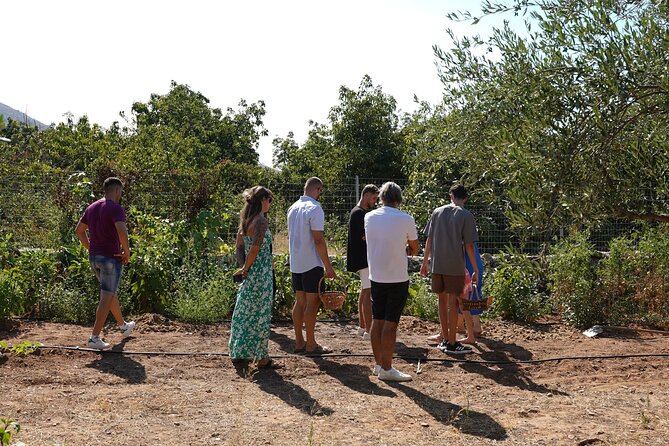
After the dough mixing, you’ll rest for a while—and instead of wasting it, you head to an olive grove. This is where the day stops being only cooking and starts being about how the ingredients become flavor.
You’ll learn about olive oil harvesting and the basics of how olives move from grove to oil. You also get instruction on secrets of mixing olive oil with herbs. This isn’t just academic talk. It connects directly to what you’ll taste later, when you pair your baked bread with an herb-flavoured extra-virgin olive oil.
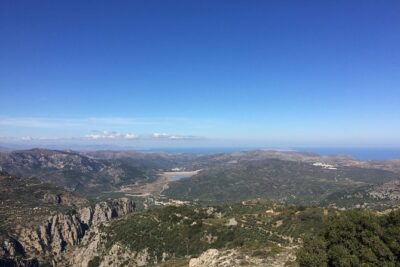
In the experience, the atmosphere is part of the value. You’re under olive trees and you can see the scale of the groves the way you can’t when you only shop for oil at a store. One review even mentioned sitting under a 500-year-old olive tree—so if you love that sense of place, this is the section that will likely stick with you.
Practical note: expect some walking on uneven ground. The class is listed as wheelchair accessible, but the grove visit may still require extra care depending on the surface and timing. If you need step-free access, ask ahead so the team can help you plan the day comfortably.
Farm-to-table lunch: Cretan salad, fava, and sides that actually fill you up
While your bread heads toward bake time, you move on to the farm portion. You’ll harvest veggies and then prepare Cretan salad, plus extra side dishes such as Greek fava beans and other seasonal appetizers. This is one of those “it sounds like a lot” moments that ends up being genuinely satisfying.
Why it’s valuable: olive oil makes more sense once you taste it next to fresh produce and classic plates. Cretan salad is built on simple components—so when you eat it after the olive grove visit and oil lesson, you understand the point of the day. The same oil that you heard about in the grove becomes a flavor you can recognize on your fork.
Another reason this lunch part is worth your time is that it turns your class into a meal, not just a cookie-and-bread workshop. You’ll get lunch, copious amounts of local wine, and side dishes that make the whole day feel like a proper Cretan sit-down rather than a quick snack break.
Do save space. A sweet dessert is always offered at the end, and with the wine flowing (generous local pours), you’ll be glad you kept room. If you’re thinking, I usually skip dessert, I’d rethink that here.
Wood-fire oven baking: learning by smell, sound, and hands
Then comes the moment you were waiting for: your loaves go into the wood-fire oven. This is where the class feels special, because sourdough isn’t only about a recipe. It’s about heat. It’s about how a dough reacts when it gets that direct, intense oven environment.
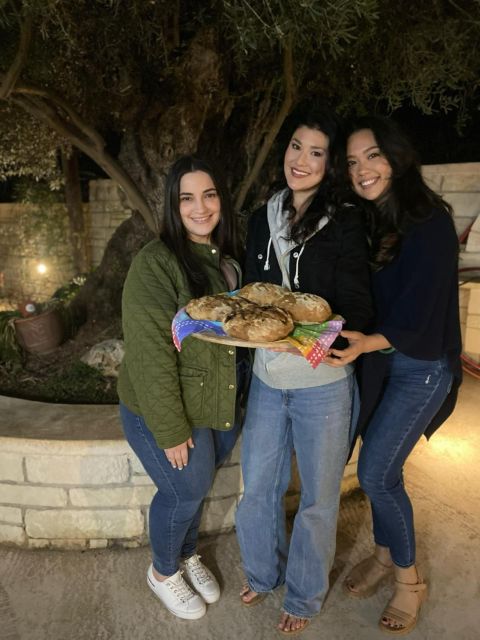
When your bread is baking, you can usually smell it—strongly. That smell is your first clue that the bread is doing what it’s supposed to do. And when it’s ready, you get to take it out and enjoy the results of your hands-on shaping.
You’ll also combine your loaf with herb-flavoured extra-virgin olive oil. This pairing is the practical payoff of the olive grove lesson. Bread provides the base, olive oil provides the punch, and the herbs bring it together in a way that feels very Cretan and not touristy.
If you’re a food person, this part is also emotionally satisfying. You spend the morning shaping and customizing, then you get to taste the direct result. That makes it easier to remember what to do differently if you try sourdough again at home.
You can also read our reviews of more tours and experiences in Chania
Wine, conversation, and the relaxed family vibe
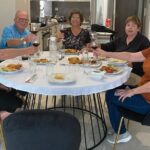
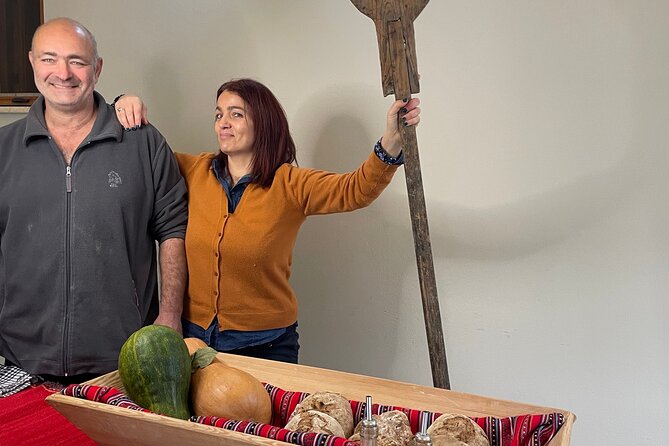
The class isn’t only technical. It has a social feel. Hosts like Nikos and Alex are known for keeping conversation going—equal parts cooking instruction and easy humor. In smaller or off-season sessions, that conversation can get extra personal, because you’re not competing with a big crowd.
You may also meet family members who help during the day. One review mentioned someone named Veerna joining near the end with energy and extra finishing touches. Even if you don’t meet the same person, the point is consistent: this experience leans toward hospitality, not stiff “classroom” energy.
And yes, there’s a lot of local wine. That sounds like a warning, but in practice it usually works because the day is timed. You’re busy, you’re eating, you’re tasting, and you’re moving through stops. So the wine supports the meal rather than taking over the schedule.
Price and logistics: does $106 per person feel fair?
At $106 per person for about 4.5 hours, this isn’t a cheap “make one loaf and leave” activity. But it also isn’t just a cooking demo. You’re getting:
- ingredients and everything needed for the bread experience
- lunch with multiple components (Cretan salad plus sides)
- generous local wine
- guided visits to an olive grove and a farm
- wood-fire baking of your own loaf
When you spread that across a half-day that includes food, tastings, and multiple locations, the price starts to look more reasonable. If you were to recreate it on your own—transport, olive oil tastings, a meal that includes fava and seasonal appetizers, and a wood-fire baking setup—it would likely cost more than you expect.
The main practical consideration is transport. If you stay in central Chania, you’ll want to budget time (and likely money) for getting to Nerokourou. If you can roll with that, the rest feels like good value for an experience that connects bread, olive oil, and a Cretan meal in one sitting.
Who this class suits best
This is especially good if you want food education you can actually use. You’re not only watching sourdough—it’s hands-on. You’ll learn the sequence and then taste the outcome. That makes it a great pick for people who love cooking, or who want a memorable culinary souvenir beyond photos.
It’s also a strong fit if you care about ingredients and want the story behind them. The olive grove and herb-oil mixing lesson turns “olive oil tasting” into something deeper than sampling different bottles.
If you’re traveling solo or as a couple, the class format still works because it’s about individual loaves and shared meals. If you’re with a group, you’ll enjoy the meal and conversation, but it’s best to plan transport together if you can.
Quick “should I book this” decision guide
Book it if you want a hands-on sourdough experience in a wood-fire oven and you like the idea of pairing baking with an olive grove learning moment. Book it if you’re looking for a Cretan lunch that feels like a real meal, not a light snack stop.
Skip it if you’re staying strictly in central Chania and don’t want to deal with a short out-of-center drive. Also, if you don’t drink wine at all, keep in mind the day includes generous local wine, and you may want to pace yourself from the start.
If you’re excited by the idea of shaping your own loaf with add-ins like olives or seeds, and then tasting it with herb olive oil after an olive grove visit, this is the kind of day that turns into a story you’ll repeat later.
FAQ
How long is the Chania sourdough bread class?
The duration is about 4.5 hours.
What does the class cost?
The price is listed as $106 per person.
Is transportation included?
Transportation is not included by default. The class is located about 10–15 minutes from the center of Chania in Nerokourou. Pickup transfer is available for an extra fee depending on your location.
Where is the class located?
It’s in the Nerokourou neighborhood, about 10–15 minutes from central Chania. Parking is along the fence.
What languages are offered during the class?
The instructor offers instruction in English and Greek.
Is the class wheelchair accessible?
Yes, it is listed as wheelchair accessible.
What do you actually do during the bread-making?
You mix the ingredients to prepare the dough, then each person prepares their own bread loaf with add-ins you prefer, lets it rest, and bakes it in a wood-fire oven.
What kind of add-ins can you put in your loaf?
Options mentioned include olives, sun-dried tomato, and seeds.
What food and drinks are included?
Lunch is included, along with ingredients for the experience. Local wine is included in generous amounts, and dessert is offered at the end.
Is there an olive oil tasting?
Yes. You combine your baked loaf with herb-flavoured extra-virgin olive oil, as part of the tasting experience.
What’s the cancellation policy?
Free cancellation is available up to 24 hours in advance for a full refund. There is also a reserve now & pay later option.