Chania can be more than beaches and clock towers. This day tour turns the Cretan food chain into a story you can taste, from a legendary olive tree to a family winery flight. You’ll get cheese, honey, olive oil, and multiple pours of local wine in one efficient route.
I love how this tour balances big landmarks with hands-on producer stops. The pacing is packed but not confusing, and the guide energy keeps the day moving (including language skills like Greek, French, and West-Flamish in some groups).
One thing to plan for: the day starts early at 8:00 am, and pickup + travel time can mean you won’t reach the first stop right away.
In This Review
- Key Points You’ll Care About
- Why This Chania Cheese, Honey, and Wine Day Works
- Getting There: 8:00 AM Start, Pickup, and Mobile Ticket
- Vouves and the Ancient Olive Tree at Ano Vouves
- Perivolakia: Bakery Bites, Rusks, and Honey Learnings
- Cheese, Bees, and Olive Oil Stops You Can Taste with Your Eyes
- Pnevmatikakis Winery in Kissamos: Wine Flights Plus Local Pairings
- Food and Pacing: How to Enjoy Everything Without Feeling Rushed
- Price and Value: Does $42.06 Make Sense?
- What to Bring (and What to Know Before You Go)
- Who This Tour Suits Best
- Should You Book This Cheese and Wine Tour From Chania?
- FAQ
- What time does the tour start, and how long is it?
- Is hotel pickup included?
- What language is the tour offered in?
- What’s included in the price for tastings?
- Do I need cash?
- What if the tour is canceled due to weather, or I need to cancel myself?
Key Points You’ll Care About
- World-old olive tree at Vouves: a living monument with estimated age in the thousands of years.
- Cretan food craft in Perivolakia: bakery items and olive-grove learning tied to everyday Cretan life.
- Multiple producer tastings: cheese, honey/bee-related stops, and olive oil factory visits you can actually smell and see.
- Family-run Pnevmatikakis Winery in Kissamos: wine varieties paired with local delicacies.
- Smart group size: capped at 50 travelers, which helps the day feel manageable.
- Bring cash for the bakery: cards may not work everywhere, but many other stops do accept cards.
Why This Chania Cheese, Honey, and Wine Day Works
If you like food tours that feel grounded instead of showy, this one fits. You’re not just tasting samples in a shop. You’re seeing where the ingredients come from on Crete—olive trees, the bakery world of rusks and breads, honey, and then wine. It’s a full sensory route: you learn while you eat.
The best part is the mix. You get a major nature/heritage moment at Vouves, then you move quickly into working food production. That combination makes the day feel like a real look at island life, not a string of random tastings.
You’ll also appreciate the practical feel. The schedule is built for a long day (around 7 hours), but it’s organized so you’re not stuck waiting around forever at each stop. And because the max group size is 50, the bus day doesn’t turn into a chaotic stampede at tasting tables.
You can also read our reviews of more food & drink experiences in Chania
Getting There: 8:00 AM Start, Pickup, and Mobile Ticket
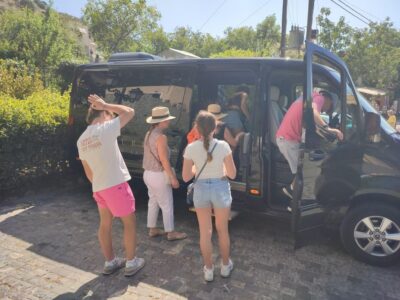
The tour starts at 8:00 am. Pickup is offered from your hotel or very close to it. The key practical detail: you get the pickup time and pickup point by voucher one day before the tour, usually sent via email—so check that inbox the day before you leave your room.
You’ll use a mobile ticket, which is handy in a place where paper tickets can get lost in bags. And because there’s a lot of traveling between stops, think of the “active” time as part of a bigger day. The tour estimates about 7 hours total, with the remaining hours clearly meant for transfers.
One more small reality check. Start with a good breakfast. The first stop can be delayed by pickup logistics and road time, and you’ll be happier when your stomach is already on your side.
Vouves and the Ancient Olive Tree at Ano Vouves
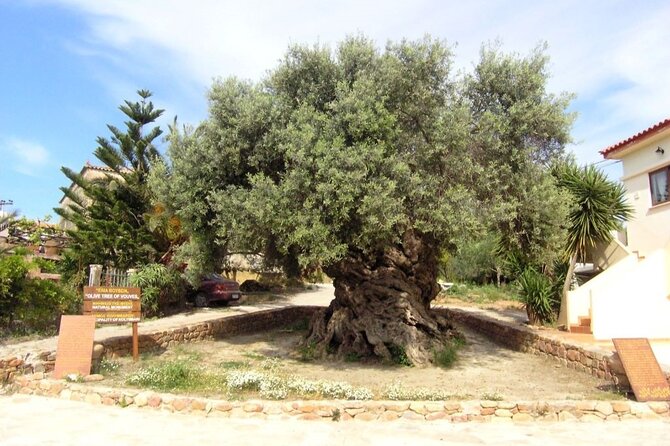
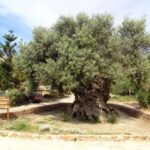
The day kicks off at Vouves, in the village of Ano Vouves. Here you’ll visit what’s often called the oldest recorded olive tree in the world—declared a natural monument. Even when exact age can’t be guaranteed scientifically, the estimate is wild: between 3,000 and 5,000 years, and it’s still alive, still producing fruit.
What I like about this stop is the way it reframes olive oil. This isn’t just a flavor. It’s a long-lived agricultural tradition. You’ll hear how the tree’s wild ancestry connects to domestication, including the Tsounati variety. And the size details are hard to forget: the bole (the trunk) is described as a time-chiseled shape with about 12.5 meters circumference and 4.6 meters diameter.
Time on site is around 30 minutes, and that’s about right. You get a meaningful look without dragging the schedule. The only consideration: it’s a short visit, so if you love photos, plan to arrive with your phone charged and ready.
Perivolakia: Bakery Bites, Rusks, and Honey Learnings
Next comes Perivolakia, a stop designed around Cretan food routines. The time on this part is longer—about 1 hour 45 minutes—so you get room to actually process what you’re seeing and tasting.
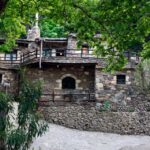
This is where you visit a local bakery to watch how traditional savouries are made. The tour highlights Cretan favorites like rusks and bread. That matters because these foods are central to how people eat on Crete—practical, shelf-stable, and built for real life, not just tourists.
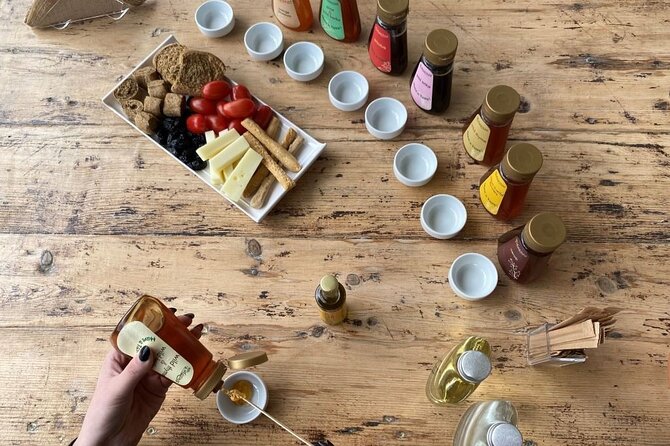
You’ll also spend time at an olive grove. Here you connect the agricultural dots: olive trees are part of everyday food production, and you’ll learn about how Cretan honey is made alongside olive cultivation.
A practical tip from real-world experience: for the bakery, bring cash. Cards may not work there, even though other stops commonly accept cards. If you forget, you may feel awkward watching other people buy bread or rusks you can’t pay for.
Cheese, Bees, and Olive Oil Stops You Can Taste with Your Eyes
Between the major named stops, this tour adds a run of food-producer experiences that feel like the real backbone of Crete’s culinary identity. The day can include a cheese factory visit, a bee-keeping themed stop, and an olive oil factory experience.
The reason these intermediate stops work so well is that they connect the flavors. Cheese and wine don’t show up out of nowhere. You’ll get a chain of logic in the form of places, people, and smells: dairy and honey and olive oil all come from specific local processes. Seeing the production side makes the later tastings more meaningful.
Also, these types of producer stops tend to be interactive in a friendly way. You’ll hear explanations tied to what you’re about to sample. One group also noted that the guide can switch languages—again, that’s useful because clearer explanations make the food taste better. When you understand what you’re eating, you pick up small flavor cues instead of just saying it’s good.
You can also read our reviews of more wine tours in Chania

Pnevmatikakis Winery in Kissamos: Wine Flights Plus Local Pairings
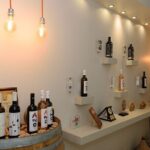
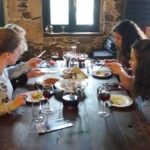
The highlight for many people is the winery stop at Pnevmatikakis Winery in Kissamos. It’s a family-run operation with years of experience in Cretan wine making. The format is a tasting where you learn as you sip—then you eat local delicacies alongside the pours.
The important part here is variety. You’ll taste many locally made wines from the winery’s collection, including a series of awarded options. One review specifically called out the rose wine as a standout, which gives you a hint: if you like lighter styles, this group is likely to have something you’ll enjoy.
The winery stop lasts about 1 hour, and admission is included. They also run a family-friendly setup, including a special platter for kids. That means the vibe is relaxed rather than stuffy.
What you should keep in mind: you’re on Crete-time, not airline-time. So don’t treat this as a “quick 60 minutes and done” situation. Plan for the tasting to be social. If you’re the type who likes to ask questions, the winery is usually the best place to do it.
Food and Pacing: How to Enjoy Everything Without Feeling Rushed
This tour is built to pack in a lot. One reason people score it high is that it feels like you visit multiple parts of the Cretan food ecosystem in a single day: olive tree heritage, bakery craft, cheese and honey, olive oil production, then wine.
To enjoy it comfortably, you’ll want to pace yourself in two ways:
First, eat something before you go. Since you might not hit the first tasting immediately due to pickup and travel, arriving hungry makes the day feel harder than it needs to.
Second, treat the tastings like a learning menu, not a race. You’ll see enough food and drink that it’s easy to get overwhelmed if you’re trying to taste everything at top speed. If you’re offered multiple wines, slow down and compare styles. That’s when the day becomes more than samples.
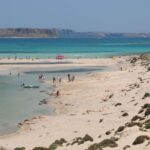
One bonus: the day can end with a chance to chill at the beach and socialize a bit. That’s a nice reset after the producer stops—especially if your group includes easygoing strangers you end up chatting with on the bus.
Price and Value: Does $42.06 Make Sense?
At $42.06 per person for about 7 hours, the value comes from the number of stops and what’s included where.
You get:
- A major natural monument stop at Vouves (free ticket mentioned).
- A long food-focused stop in Perivolakia with bakery and olive grove learning (also described with free admission).
- Winery admission included, with wine tastings plus local delicacies.
Then you get additional production visits in the day flow—cheese, bees/honey, and olive oil—so you’re not only paying for wine. You’re paying for context: the places that create the flavors.
A fair way to judge it is this: if you were to line up separate tastings and transportation on your own, the total effort and cost would likely add up fast. Here, the structure does the heavy lifting: transport, scheduling, and tastings bundled in one day.
What to Bring (and What to Know Before You Go)
Think practical. This tour is easy for most people, but smart packing makes it better.
- Cash for the bakery: cards are accepted at many places, but not guaranteed for the bakery.
- Comfortable shoes: you’ll be walking in villages and around production sites.
- A light jacket or layer: mornings can feel cooler, and winery/cabin environments sometimes vary.
- A relaxed attitude about time: pickup starts early, and the schedule includes travel between stops.
It’s also a good fit if you enjoy meeting fellow food lovers. The day can feel social, and you may end up comparing notes with people you don’t normally travel with. One person described the fun of “strangers” becoming a small group, which is exactly what makes a day like this enjoyable.
Who This Tour Suits Best
This is ideal for:
- Food-first travelers who want more than just a tasting counter.
- People who like learning how ingredients connect—olive to honey to cheese to wine.
- Visitors who want one organized day that hits several must-see Cretan experiences around Chania.
It also works well for families in a limited sense because the winery is described as open for families, with options for kids. That said, this is still a long day with production stops and tastings, so it suits families who enjoy culture and food rather than only long beach time.
If you hate early starts or you prefer slow travel with only one or two stops, you might find the schedule intense. But if you like your days full and your souvenirs edible, this is a solid pick.
Should You Book This Cheese and Wine Tour From Chania?
Book it if you want a value-heavy day that connects Crete’s food and farming. The combination of the ancient olive tree at Vouves, the bakery and olive grove learning in Perivolakia, and the Pnevmatikakis Winery tasting makes the day feel purposeful. Add in the cheese, honey/bee-related, and olive oil production stops, and you get a real sense of the island’s flavor system.
Don’t book it if you want a slow schedule or if early mornings stress you out. Also, remember the cash detail for the bakery so you don’t end up stuck wanting to buy but unable to.
If you’re flexible, this is the kind of tour where you come away understanding what you ate—and why it tastes like Crete.
FAQ
What time does the tour start, and how long is it?
The start time is 8:00 am, and the tour duration is about 7 hours (approx.), with travel time between stops included.
Is hotel pickup included?
Yes. Pickup is offered from your hotel or close to your hotel. Pickup details are sent to you by voucher one day before the tour.
What language is the tour offered in?
The tour is offered in English.
What’s included in the price for tastings?
Winery admission and tastings at Pnevmatikakis Winery are included. Other stops are described as having free admission, and the day includes food and tasting experiences as part of the route.
Do I need cash?
You may need cash for the bakery. Cards are accepted at other places, but the bakery is specifically noted as a spot where having cash matters.
What if the tour is canceled due to weather, or I need to cancel myself?
If the tour is canceled due to poor weather, you’ll be offered a different date or a full refund. You can also cancel for a full refund up to 24 hours in advance of the experience start time.