Two towns, one hill, and a convent. This private Chania experience strings together an epic viewpoint, Chania’s Old Town market time, and the Chryssopigi Monastery in a smooth, no-rush half-day. I especially like the way it pairs scenery with real local places you can actually use for gifts and food.
I also like the guide component. In the small-group format, guides such as Tatiana or Maria bring a laid-back pace with lots of clear, practical context—so the walking feels purposeful, not like wandering.
One thing to keep in mind: the monastery visit comes with a dress code, and the Prophet Elias Hill stop means you’ll be walking on uneven ground. If you’re sensitive to weather or foot discomfort, plan accordingly.
In This Review
- Key highlights you’ll care about
- Private Chania Sights in One 4–5 Hour Loop
- Prophet Elias Hill and the Venizelos Graves stop (about 30 minutes)
- Chania Old Town and the Public Market: where to shop and eat
- Chryssopigi Monastery: women’s convent crafts and sacred preservation (about 1 hour)
- Why this monastery stop feels different from a quick photo stop
- The guide and pace: calm, informative, and built for real questions
- Price and value: $714.85 per group up to 6
- What to bring and how to plan your day
- Who should book this tour (and who should skip it)
- Should you book the Chania Old Town, Public Market, and Chryssopigi Monastery tour?
- FAQ
- How long is the Chania Old Town, Public Market and Chryssopigi Monastery tour?
- What’s included in the price?
- Do I get hotel pickup and drop-off?
- Is the tour offered in English?
- What should I wear to visit the monastery?
- Is the tour affected by weather?
Key highlights you’ll care about
- Panoramic start at Prophet Elias Hill with free admission and wide views of sea and the White Mountains
- Real Old Town market time (Old Market) where you can pick up food gifts like honey, tea/coffee, and seafood
- Chryssopigi Monastery visit included, with time to see how the women’s convent supports traditional crafts and preservation
- Small private group (up to 6) with hotel pickup/drop-off and a professional driver
- Helpful on-the-ground guidance from English-speaking guides who keep the day easy to follow
Private Chania Sights in One 4–5 Hour Loop
This tour is designed for people who want more than one photo stop. You get the big view first, then you move into the Old Town where the streets and market do the talking, and you finish at a working women’s convent. The timing works well if you have just a morning or afternoon in Chania and you want a clear plan.
What makes it feel like good value is the small-group setup. At up to six people, you’re not squeezed into a loud bus lineup. Add hotel pickup/drop-off, a comfortable vehicle, and even onboard Wi-Fi plus water from the springs of the White Mountains Samaria, and the day starts feeling easy.
Price is $714.85 per group, not per person. That can be a steal if you’re splitting it with a few friends or family. If you’re traveling solo, it may feel pricey compared with standard group tours, so I’d weigh how much you’ll actually use the convenience of pickup and the private pacing.
You can also read our reviews of more tours and experiences in Chania.

Prophet Elias Hill and the Venizelos Graves stop (about 30 minutes)
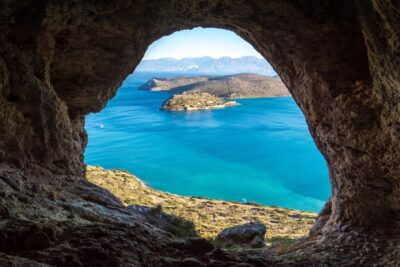
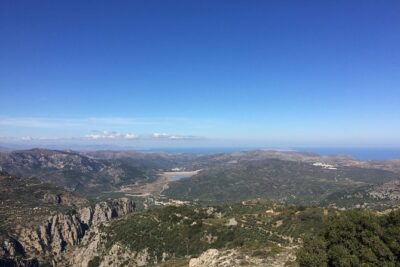
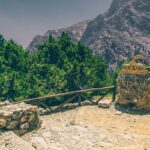
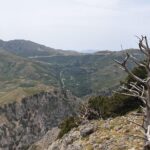
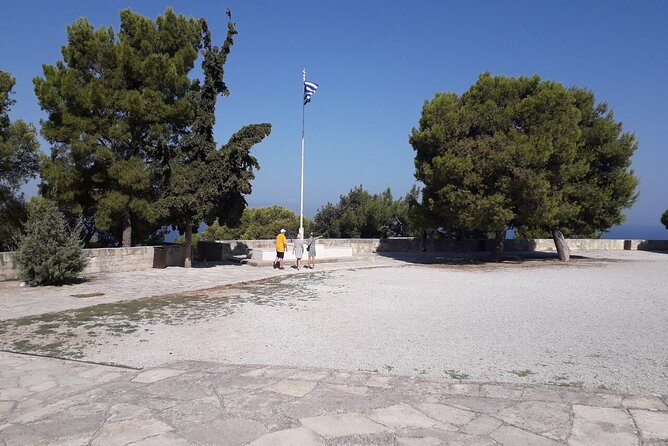
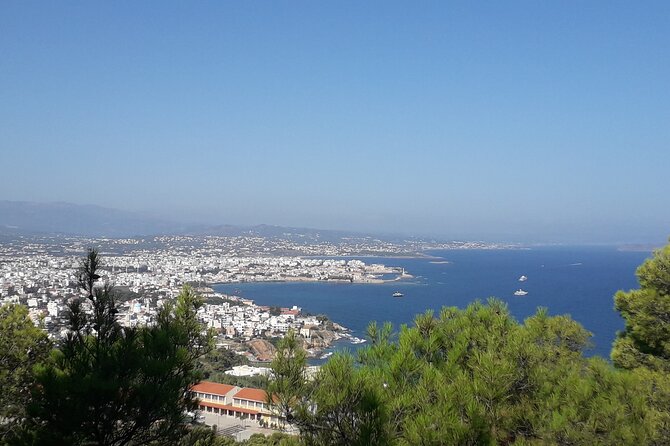
Your first major moment comes from Prophet Elias Hill, at the Venizelos Graves area. Even with just a short stop, the payoff is the view: you look down over Chania city on one side and out toward the Mediterranean Sea on the other, with the White Mountains visible in the distance.
This is a great “set your bearings fast” kind of stop. Chania’s Old Town is compact, but it’s layered with eras and influences. When you see the city from above first, the layout makes more sense later as you walk.
Practical note: this stop isn’t about museums or long lines. It’s about walking to the viewpoint and taking in the panorama. Wear shoes you trust on uneven surfaces, because the ground around viewpoints is rarely flat and polished.
Also, it’s a free admission stop, which is nice. But don’t treat it as a casual photo break only. If you’re here for good context, use the guide time to understand what you’re seeing from this height—especially how the city and coastline relate to each other.
Chania Old Town and the Public Market: where to shop and eat
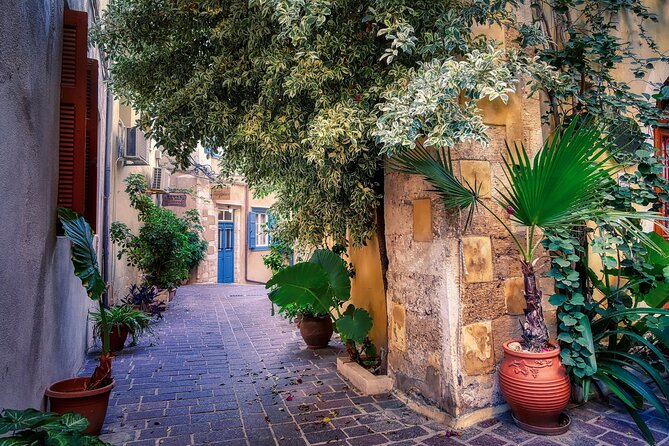
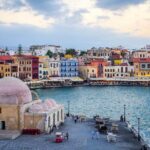
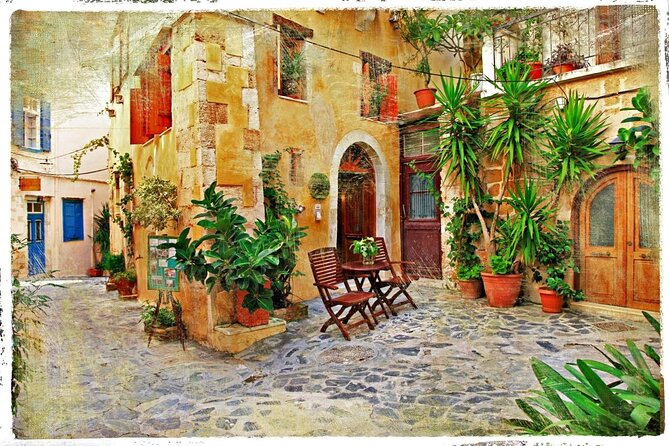
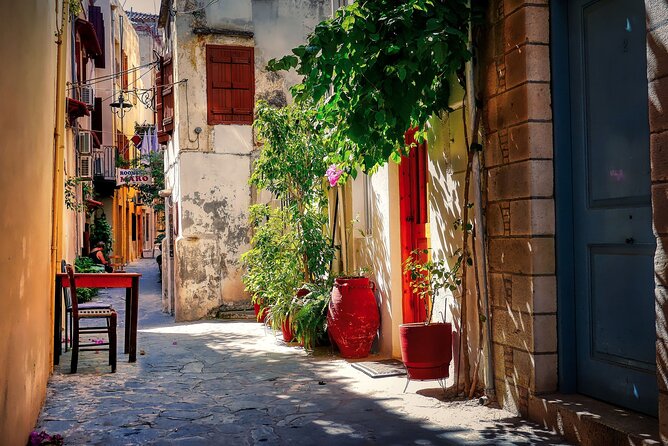
After the viewpoint, the tour shifts into walking mode in Chania’s Old Town, with a focus on the Old Market area and the food stalls. Chania’s city center has been shaped over centuries by different rulers, from Roman influence to Byzantine, Venetian, and Turkish periods. You’ll see how those layers show up in the feel of the streets, the buildings, and the defensive structures that made the city survive a lot of change.
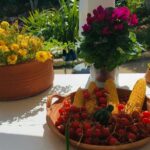
The Old Market part is one of the most practical segments of the day. You can browse local produce and small gifts without guessing. The market area is known for items like honey, tea and coffee, and seafood and fish—good choices if you want something edible as a memory. You’ll also want to leave time for the food court, since it’s set up to serve traditional dishes in one place.
Here’s what I’d do to get the most out of your market time:
- Decide early if you want to shop, eat, or do both, because the smells and options can push you into extra spending.
- Pick 1–2 gift categories so you don’t turn the walk into a shopping marathon.
- If you’re planning to buy anything that needs careful packaging, do it before you get too tired.
The downside? Old Town walking can feel uneven and busy in spots, and you’ll be moving for around three hours total. This is not the best choice if you want a mostly seated tour.
Chryssopigi Monastery: women’s convent crafts and sacred preservation (about 1 hour)
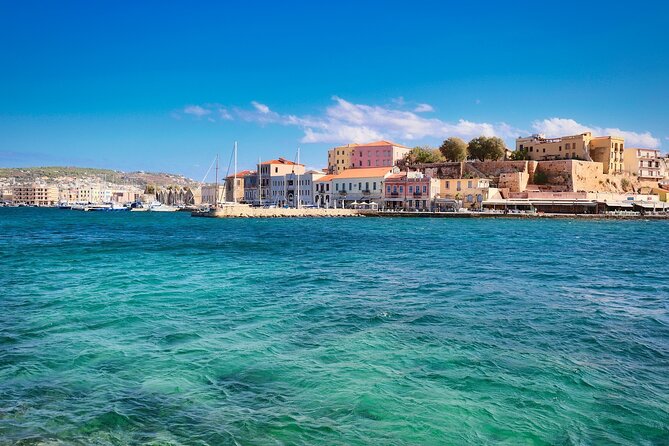
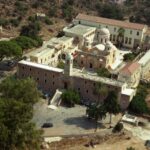
The final highlight is the Chryssopigi Monastery, a women’s convent that’s one of the better-known religious sites in Greece today. It has a story with real historical weight: when it was first founded in the 16th century, it was intended as a male monastery. Crete later endured occupations and conquests, and the monastery was destroyed during the 1821 Revolution.
What’s striking is the comeback. In 1976, the first three nuns of the current fraternity returned to the monastery and helped rebuild it while restoring historical heirlooms. When you visit, you aren’t just looking at old stone—you’re stepping into a place that still supports daily religious and craft life.
The work you might see or hear about includes embroidery, preservation of old books and icons, bookbinding and book publishing, and even practical production like apiculture (beekeeping), candle making, and making incense and soap. That mix of spiritual life and traditional skills is part of what makes the visit feel grounded instead of purely ceremonial.
Dress code matters here. For women, plan on a skirt or dress under the knees and covered shoulders. For men, plan on trousers and a long-sleeve T-shirt. If you arrive without the right clothing, it can put a real crimp in your timing. Bring something easy—like a light layer you can throw on at the last minute.
Why this monastery stop feels different from a quick photo stop
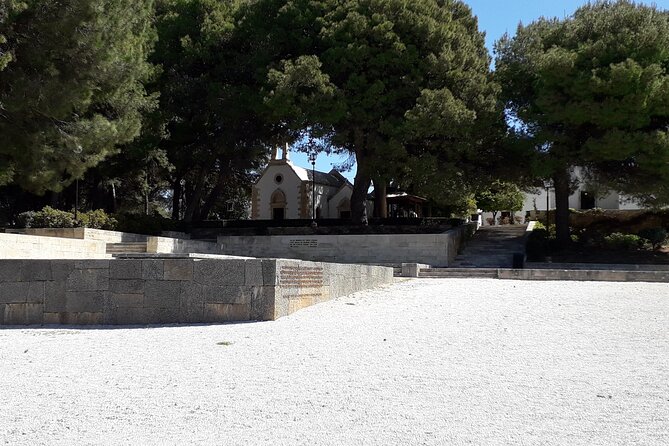
A lot of religious visits are basically a look-and-go. This one works better because it connects the site to ongoing craft and preservation. When a convent still does embroidery, bookbinding, and care for old icons, you understand that the building isn’t only a monument—it’s a working space.
I also like that the tour doesn’t treat the monastery as a separate world. It’s part of the same story you’ve been seeing all day: Chania’s layers, shifting eras, and how people adapt and rebuild. The monastery’s history of destruction and later restoration is a clear reminder that heritage isn’t frozen in time.
Timing is good too. You only get about an hour here, so it doesn’t turn into a lecture. You can look, absorb, and ask questions without feeling stuck in one spot for too long.
If there’s a drawback, it’s the rules. The dress requirement is firm enough that it can change what you wear for the day. I’d rather plan for the visit than gamble on being able to adjust last minute.
The guide and pace: calm, informative, and built for real questions
This tour is all about pacing. You get a professional guide, plus a driver who handles the route so you can focus on what you’re seeing. The best part is that the day doesn’t feel rushed. It reads like a plan that leaves room for questions, short pauses, and looking at details without feeling dragged.
The guide quality shows up in the feedback patterns: people highlight how informative the narration is, while the vibe stays laid-back. Names that come up include Tatiana and Maria, both praised for being accommodating and strongly connected to local life—Maria is described as living in Chania, which is exactly the kind of advantage you want from a local guide.
If you’re the type who likes to understand what you’re looking at—why something is there, what changed over time, how the city’s powers shifted—this tour gives you that context in plain language. If you only want a short sightseeing checklist, you might find yourself wishing for more free time at the market. But the structure is likely to work well for most people.
One more practical upside: the tour includes Wi-Fi on board. That sounds minor until you’re using your phone to navigate, translate, or check a ferry time while you’re waiting between stops.
Price and value: $714.85 per group up to 6
Let’s talk math. The price is $714.85 per group, with a maximum of up to six people. That means your effective cost per person drops fast if you travel with others. If you have a group of three or four, the value starts looking much more attractive than a standard per-person sightseeing tour—especially because pickup/drop-off is included.
You’re also paying for convenience and control:
- Hotel pickup and drop-off from your location in the Chania region
- A professional driver and a comfortable vehicle
- Water provided (Samaria spring water)
- Monastery entrance included
- All fees and taxes included
So what’s not included? Personal expenses and drinks, plus lunch or dinner. You’ll want to budget for what you buy in the market, especially since the Old Town food court is set up for traditional dishes and snacks.
If you’re a solo traveler, I’d compare it to cheaper options and ask yourself one question: are you really going to use pickup, Wi-Fi, and a guide’s help to make the most of the Old Town market? If not, you might prefer a smaller walking tour with less cost. If yes, this private setup can feel very fair.
What to bring and how to plan your day
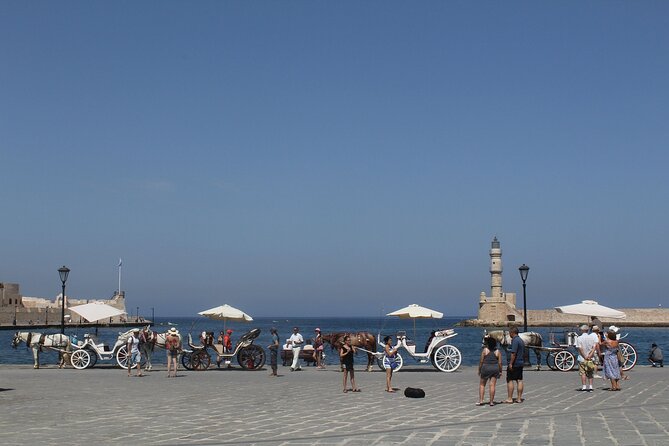
This tour runs in daylight and includes walking in Old Town and at the viewpoint. Pack for comfort, not for fashion.
You’ll be glad you brought:
- Comfortable shoes (Old Town streets and monastery grounds can be uneven)
- Comfortable clothes that won’t fight you during the monastery dress check
- Sunglasses and a hat (sun can be strong in Crete)
- Money for souvenirs and for food you’ll want to buy at the market
- A plan for hydration, even though water is provided in the vehicle
If you have allergy concerns—especially allergies related to bee stings—you should tell the operator in advance. That safety note matters here because apiculture is part of what the convent is known to do.
Lastly, weather matters. The experience requires good weather. If it’s canceled due to poor conditions, you’ll be offered another date or a full refund. That’s a key point for anyone planning around a tight schedule.
Who should book this tour (and who should skip it)
This tour is a strong match if you want:
- A private format with pickup/drop-off
- A mix of viewpoint, walking, and one meaningful stop with included entry
- Clear guidance on what you’re seeing, plus help with market choices
- A monastery visit that focuses on living convent activities, not just old walls
It might be less ideal if:
- You strongly dislike walking or uneven ground
- You don’t want to deal with a monastery dress code
- Your trip dates are extremely inflexible and you can’t handle a weather-related reschedule
If you love food shopping as part of sightseeing, the Old Market time is the part you’ll remember most for practical reasons. And if you care about how traditions are maintained—through books, icons, embroidery, and even candles—Chryssopigi is the emotional anchor.
Should you book the Chania Old Town, Public Market, and Chryssopigi Monastery tour?
I’d book it if your goal is a well-guided half-day that gives you a view, a market you can use, and a monastery visit with real substance. The private group size, pickup convenience, and the included monastery entry make the day feel organized instead of improvised.
I’d pause before booking if you expect mostly seated sightseeing or if your wardrobe can’t meet the monastery rules with a quick adjustment. The fix is simple—plan your clothes—but it still needs attention.
Overall, this is the kind of tour that works best when you want to learn while you walk—and when you’re okay trading a little spontaneity for a plan that actually pays off.
FAQ
How long is the Chania Old Town, Public Market and Chryssopigi Monastery tour?
It runs about 4 to 5 hours.
What’s included in the price?
Pickup/drop-off, transportation in a comfortable vehicle with a professional driver, Wi-Fi on board and water from Samaria spring, a professional guide, monastery entrance tickets, and all fees and taxes are included.
Do I get hotel pickup and drop-off?
Yes. Private pick-up and drop-off is offered from your hotel, villa, cruise, or another point in the Chania region.
Is the tour offered in English?
Yes, it is offered in English.
What should I wear to visit the monastery?
For women: a skirt/dress under the knees and covered shoulders. For men: trousers and a long-sleeve T-shirt.
Is the tour affected by weather?
Yes. It requires good weather. If it’s canceled due to poor weather, you’ll be offered a different date or a full refund.