Maps and graves bring the Battle of Crete home. I love how the day links the invasion story to place names you can actually see, especially Maleme and Tavronitis Bridge. The one main drawback: it can feel like a packed schedule, with just one comfort break planned.
This is the kind of tour where you stop, listen, and suddenly the maps make sense. In the best moments, the guide uses old photos, supporting maps, and on-the-ground details to explain how the Greek-Italian War of 1940 and Hitler’s Operation Mercury fed into the German airborne attack. You’ll likely ride in an air-conditioned minivan with a small group, get a snack and water, and finish at the German and Allied war cemeteries—quiet, moving, and carefully handled.
Guides you might meet include Yanis and Babis (names that show up again and again), plus a local guide. You should expect a respectful tone, strong storytelling, and real walking time in shoes that won’t fight you.
In This Review
- Key things that make this WWII Crete tour worth your time
- Why WWII on Crete feels different (and why that matters to you)
- Getting from Chania: a small-group day with real transportation comfort
- Maleme airfield views: where the invasion story starts to click
- Tavronitis Bridge: seeing remnants instead of only reading about them
- Galatas battle sites: the story gets sharper and more local
- Greek-Italian War of 1940 and Operation Mercury: the lead-in you actually need
- Secret shelters, small museums, and the partisan network
- War cemeteries: German and Allied graves, and why the ending hits hard
- Private WWII artifact collector visits: impressive, personal, and sometimes long
- Comfort breaks, timing, and what to do with a long day
- Price and value: is $111 per person fair for what you get?
- Who should book this WWII Crete tour?
- Should you book the From Chania WWII History Tour?
- FAQ
- How long is the WWII history tour from Chania?
- Where does this tour depart from?
- Is pickup and drop-off included?
- What language is the guide?
- Is it a small-group tour?
- What does the tour include?
- What should I bring?
- Are pets allowed?
- Is free cancellation available?
- Can I reserve and pay later?
Key things that make this WWII Crete tour worth your time
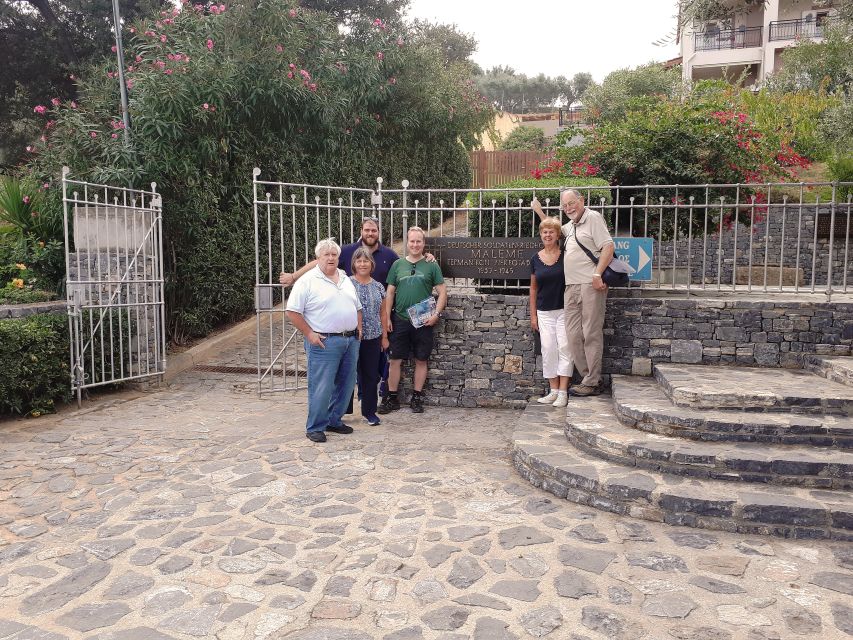
- Maleme airfield viewpoints that help you picture where the paratroopers first landed
- Tavronitis Bridge and nearby remnants that make troop movements feel concrete
- The Battle of Galatas explained with clear chronology, not random facts
- Secret shelters and small museums that show what life and survival looked like during occupation
- German and Allied cemeteries, including Commonwealth graves, handled with care
- A possible extra stop with a private WWII artifact collector, if it’s part of your day’s route
Why WWII on Crete feels different (and why that matters to you)
WWII history tours can sometimes feel like you’re skimming a textbook. This one works because it stays anchored to specific locations—airfields, bridges, battle fronts, memorials—so the story has gravity. When you stand where something happened, you stop thinking of May 1941 as a distant event and start thinking of it as a sequence of choices, mistakes, and sudden violence.
I also like that the tour doesn’t only talk about the fighting. You get the lead-in—the Greek-Italian War of 1940 and the conditions that set up Hitler’s Operation Mercury—so the invasion doesn’t arrive as a random plot twist. You’ll also hear how resistance and the fighting on Crete helped restore Allied morale far beyond the island, including among British, Australian, and New Zealand troops.
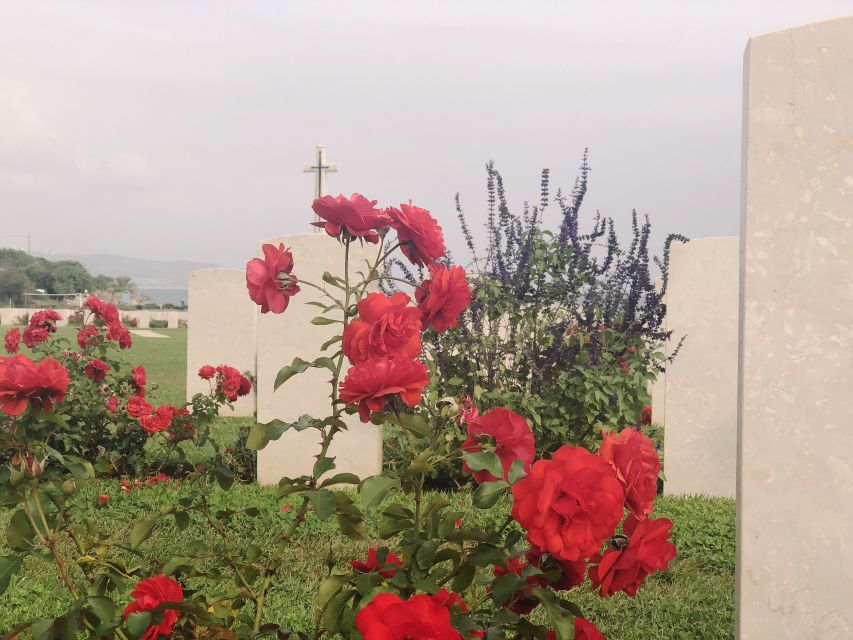
The other reason this tour lands well for most people is the respect at the end. Visiting the German and Allied cemeteries isn’t treated like a quick photo stop. Even at the German graves, the wording is described sensitively, which changes the tone from spectacle to remembrance.
You can also read our reviews of more historical tours in Chania
Getting from Chania: a small-group day with real transportation comfort
This is a Chania-region pickup and drop-off tour, so you aren’t piecing together buses or guessing timing. You ride in an air-conditioned minivan, which matters on Crete—especially in hotter months. A few visitors specifically noted how the guide managed the heat during the day.
Because it’s a small group, the guide can pace explanations around the space you’re standing in. That helps a lot at sites where details matter. You’re not just herded from one stop to another; you’re guided to look at the right things before you walk.
One practical note: the day is long enough that you’ll want comfortable shoes, and you should expect limited sitting. You get a snack and bottle of water, which is helpful, but comfort breaks may be fewer than you’d hope.
Maleme airfield views: where the invasion story starts to click
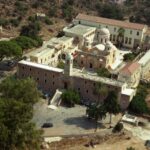
The day often begins with Maleme, and that choice is smart. Maleme isn’t just a name on a timeline; it’s the pretty village of Maleme connected to the moment German paratroopers first landed. Seeing the airfield from above gives you a sense of scale—why this location mattered and what it meant for both attackers and defenders.
This is usually where many first-time visitors have their biggest shift in understanding. You go from hearing about Operation Mercury to grasping what airborne operations demand: speed, surprise, and control of key ground. The guide’s use of maps and old photos can be especially useful here, because it turns a viewpoint into a mental map you can carry to later stops like Tavronitis and Galatas.
Drawback to keep in mind: viewpoint time and walking time can overlap in the heat. Wear shoes that work on uneven ground, and keep water handy in your mind even if you get it included—there’s never a bad time to sip.
Tavronitis Bridge: seeing remnants instead of only reading about them
Tavronitis Bridge is one of those stops that makes the war feel physical. Bridges are choke points, and on Crete they mattered for movement of troops and supplies. Here, you don’t just hear the story—you see remnants and monuments tied to the conflict.
This stop also tends to do something the “big museum” experience can’t: it forces you to slow down and read the terrain. In a good guiding moment, you’ll understand why holding or losing a crossing can change more than one battle; it can change follow-on decisions by days or hours.
If you like history that feels grounded—routes, terrain, and cause-and-effect—Tavronitis is the kind of stop that earns its place. The downside is that this day is packed, so you may not get the long, quiet linger time you’d want if you’re the slow-photo type.
Galatas battle sites: the story gets sharper and more local
Next comes the battle of Galatas, and this is where many people feel they’re finally getting a complete picture of the invasion’s pressure points. The guide’s job is to connect the fighting to what was happening on the ground in Crete—especially how resistance and local fighters disrupted the invaders’ plans.
One reason Galatas lands well is that it’s not just about German operations. You hear about how Crete’s population lived through occupation and how partisan activity supported Allied efforts. That includes the broader idea that the defense and resistance helped lift Allied morale around the world, not just on one island.
From a traveler’s perspective, this stop is also a good “check-in” point: if you were wondering whether a WWII tour will feel repetitive, Galatas usually refreshes the story. It becomes more about people, choices, and local terrain than just big-picture military movements.
Greek-Italian War of 1940 and Operation Mercury: the lead-in you actually need
A lot of WWII tours mention events like the Greek-Italian War in passing. This one ties that lead-in to why Germany acted when it did. You’ll hear how the circumstances leading to Hitler’s Operation Mercury unfolded, and that context helps the Battle of Crete make more sense.
For you, the value is simple: chronology. When the guide explains how earlier events set the stage, the invasion story feels less like memorizing dates and more like following a chain reaction.
This also makes the resistance pieces clearer later. You’ll understand that partisan activity wasn’t only a romantic footnote—it grew out of the occupation reality people endured day after day.
Secret shelters, small museums, and the partisan network
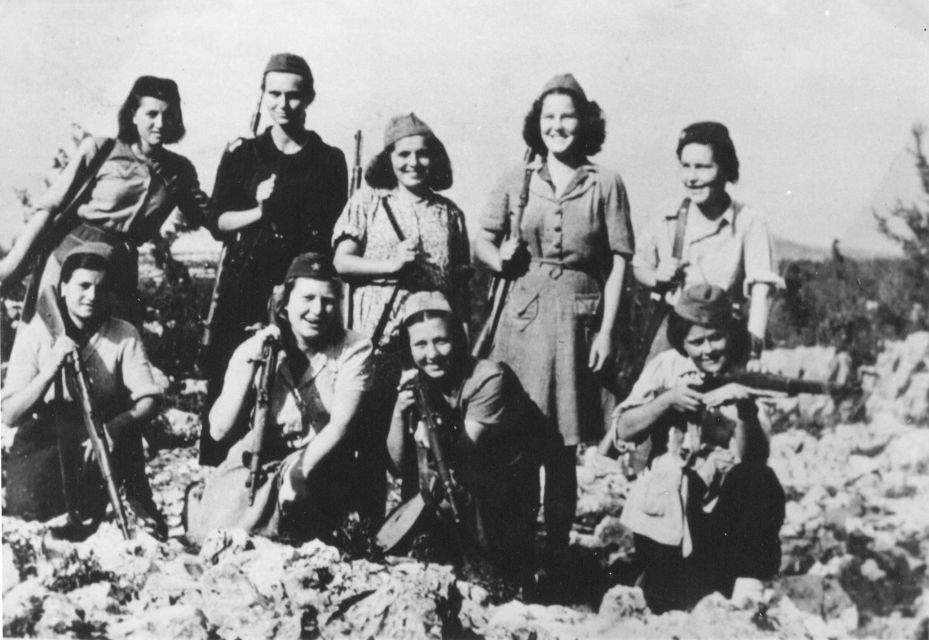
One of the most interesting parts of this tour is the mix of stops: monuments, battle sites, and smaller spaces that hold evidence of life during the occupation. You might see small museums and hear about secret shelters, plus other remnants that don’t fit neatly into a single “main attraction” category.
These stops matter because they show you what survival looked like when the war came close. The details—where people hid, what they carried, what they tried to protect—help you understand the human layer behind military terms.
In some cases, you may also get a memorable human moment: one visitor described an unexpected meeting with a member of the public who shared their father’s story. That kind of real-life connection doesn’t happen on every day, but it shows why this tour works when it shifts from facts to lived experience.
War cemeteries: German and Allied graves, and why the ending hits hard
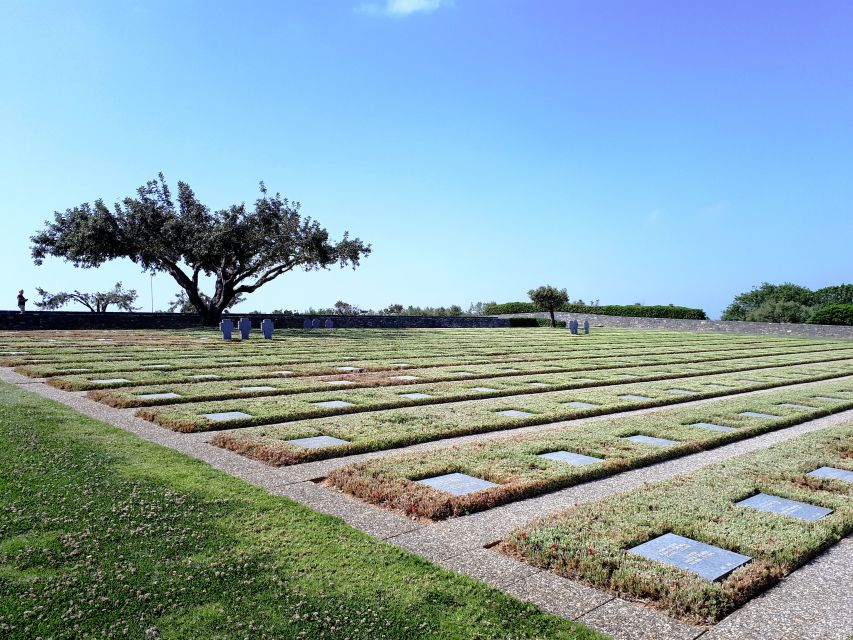
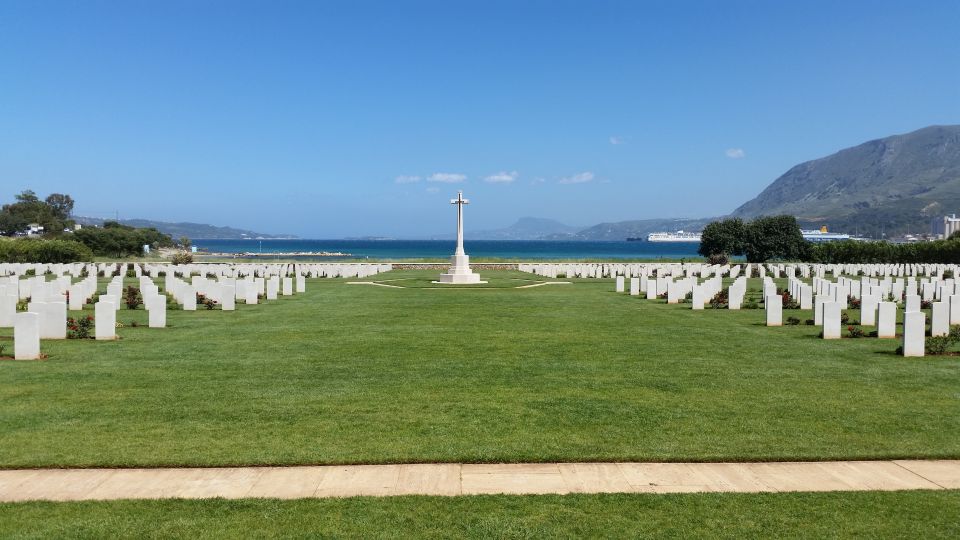
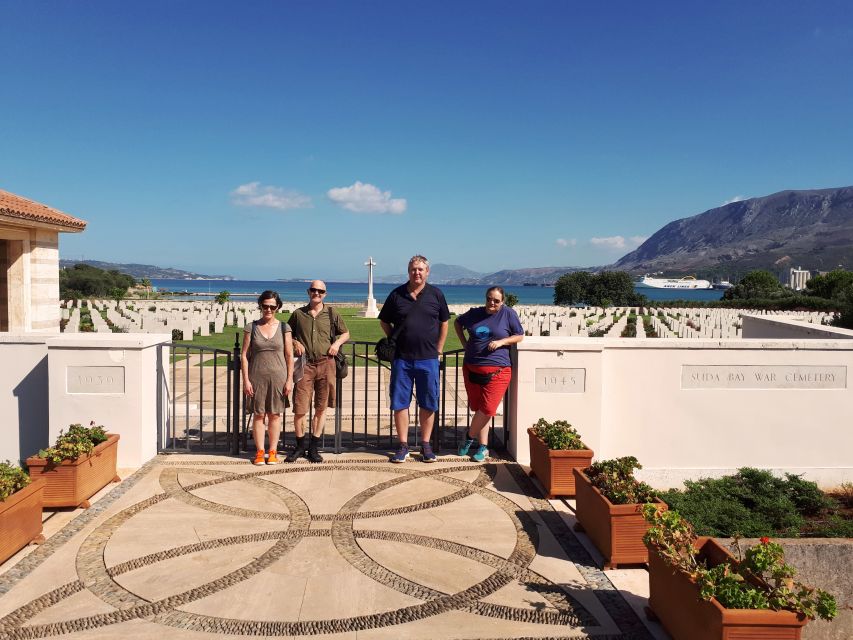
The final emotional weight of the day comes from the cemeteries. You’ll visit the war cemeteries of the German and Allied forces, including Commonwealth soldiers. Many people come to Crete specifically for this part, and it deserves the time it takes.
A few visits highlight that the cemeteries are beautifully preserved. Also, some travelers noted that the guide handled the German graves with a sensitive approach to what the words mean in context. That matters because grave tours can easily become too casual or too quick. Here, the tone is usually careful.
One caution if this is the most important part of the day for you: time can feel tight. A visitor who cared most about Souda Bay said they wanted more time there, and the tour felt rushed past that stop. If cemetery time is your top priority, plan your expectations around the fact that the day tries to fit multiple sites into one run.
Private WWII artifact collector visits: impressive, personal, and sometimes long
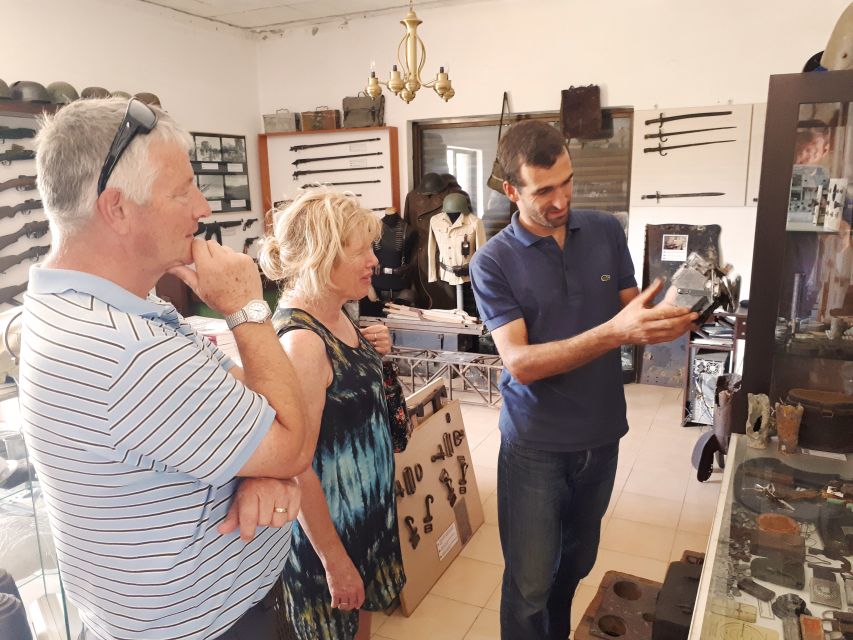
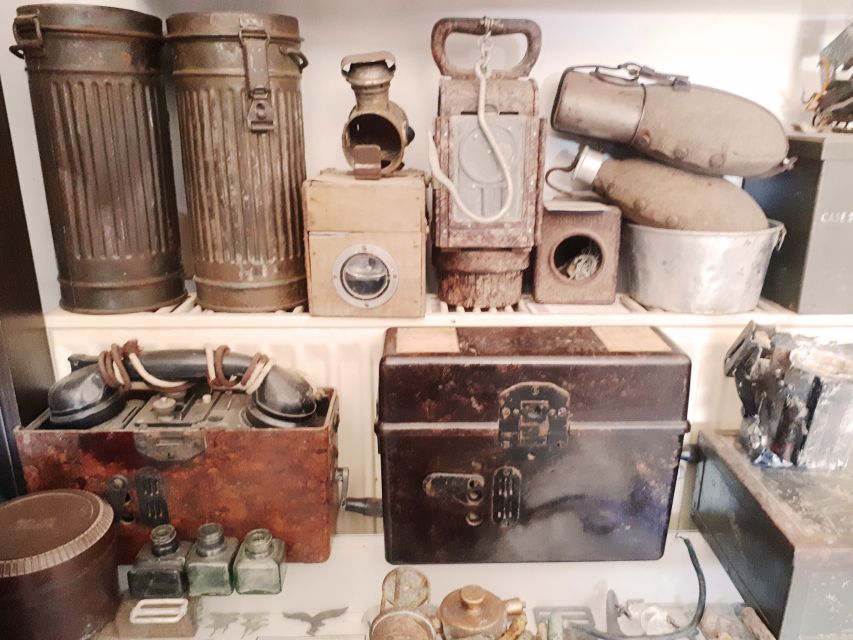
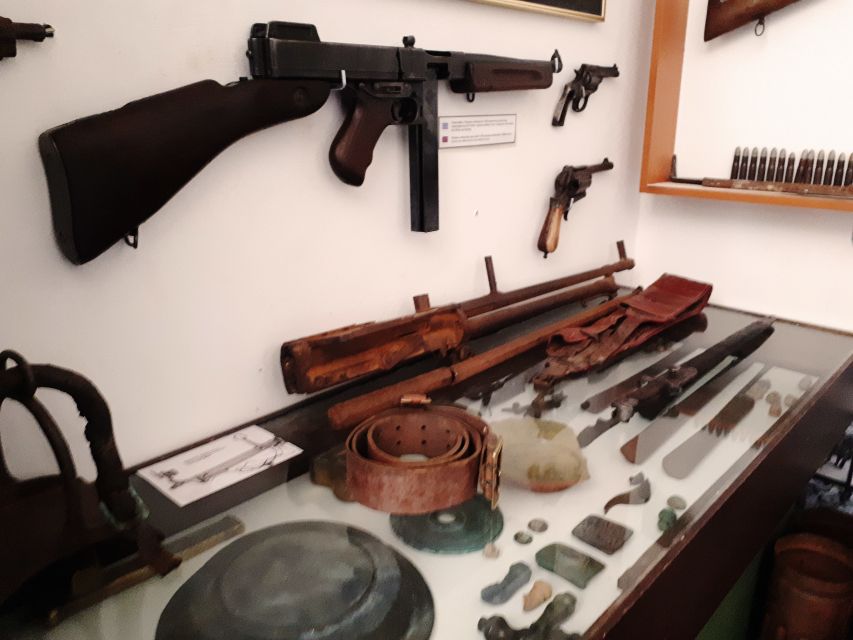
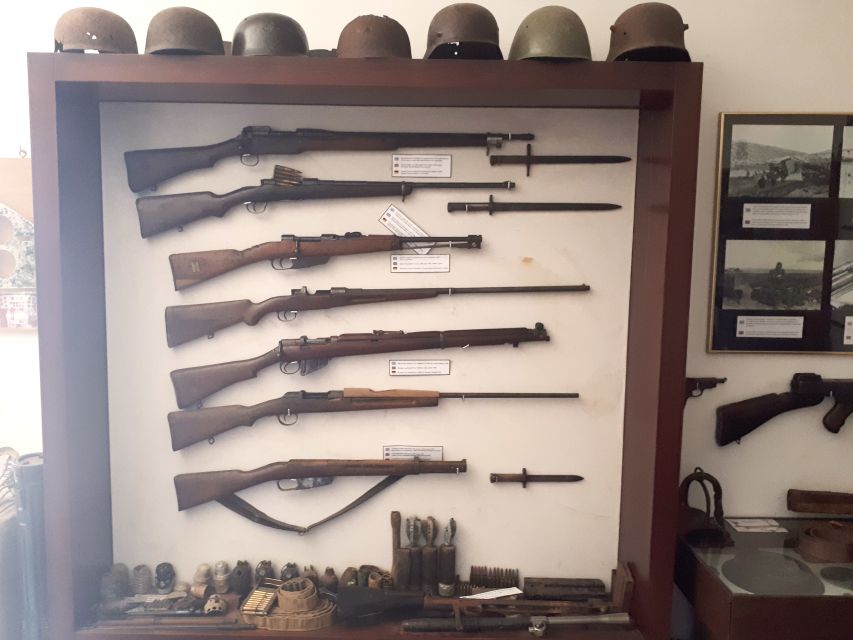
A recurring highlight in the experience is a stop connected to a local collector’s WWII artifacts. Several visitors praised the collection as extensive and explained as close-up, hands-on learning. Some described how the collector could tell the story behind items and where they were found, which turns objects into proof of local impact.
This is the kind of stop that history fans often love, because it adds texture. Instead of just hearing about war, you see what survived—small things that carry big meaning.
The trade-off is pacing. One review mentioned the collector’s explanations could run long, and another noted there wasn’t a scheduled lunch break like they expected. So if you prefer a strict timetable with fewer stops, keep that in mind.
If you do go, ask questions. Guides often do their best work when you’re curious, and collectors tend to share extra details when they feel the group is really listening.
Comfort breaks, timing, and what to do with a long day
The official duration is listed as 6 hours, but in practice people reported around 6.5 hours or that the day could feel close to a full day. What stays consistent is the structure: you’ll likely have a single planned comfort break, plus you get a snack and water.
That works if you’re okay using the first opportunity and keeping snacks and hydration sensible. It’s less ideal if you need frequent restroom stops, especially in warm weather. One visitor suggested adding more standard comfort stops, and another asked for an extra break which the guide kindly made at a supermarket.
My practical advice: treat this as a full-on history excursion, not a quick morning outing. Bring your own sense of patience, and use the planned stops well. If you’re someone who needs more frequent breaks, consider messaging the operator in advance and ask what the comfort-break rhythm usually looks like.
Price and value: is $111 per person fair for what you get?
At about $111 per person, the value comes from what’s bundled. You’re getting round-trip pickup and drop-off in the Chania region, transportation in an air-conditioned minivan, an English-speaking driver/guide, a local guide, entrance fees, and local taxes. You also get a snack and bottle of water per person.
For many travelers, that’s where the money goes: not just transportation, but guided context at multiple sites that would be hard (and time-consuming) to organize yourself—especially when you want the right historical explanation at the right viewpoint.
The “make-or-break” value factor is how much you care about WWII on Crete specifically. If you want general history, you might find the focus narrow. If you care about the Battle of Crete, Operation Mercury, the resistance, and the cemeteries, then this price usually feels fair because the guide is doing the hard work of connecting places and events.
Also, the small-group format helps. Large groups can dilute the storytelling, and here it’s designed for more direct attention.
Who should book this WWII Crete tour?
Book it if you:
- want Battle of Crete context that connects earlier events to the invasion
- care about seeing multiple sites tied to the fighting, not just one museum
- appreciate a respectful cemetery visit where the guide treats the moment seriously
- like maps, photos, and place-based explanations (especially if you’re new to the subject)
Skip it or think twice if you:
- need frequent comfort breaks as a non-negotiable
- hate “tight schedule” days where you move from stop to stop
- prefer large, free-roaming museum time over guided site visits
Should you book the From Chania WWII History Tour?
I’d book it if WWII Crete is on your must-see list and you want a structured, guided day that covers the key places: Maleme, Tavronitis Bridge, Galatas, secret shelters and small museums, plus the German and Allied cemeteries. The price is reasonable for the number of guided stops and the included transport and entrances.
Just go in with clear expectations: it’s focused, paced, and emotionally heavy at the end. If you plan your day around that—comfortable shoes, sensible hydration, and mental patience—you’ll come away with a stronger understanding of how the invasion unfolded and why Crete mattered far beyond the island.
FAQ
How long is the WWII history tour from Chania?
The tour lasts 6 hours.
Where does this tour depart from?
It only departs from the Chania region.
Is pickup and drop-off included?
Yes. Pickup and drop-off from specific locations in the Chania region are included.
What language is the guide?
You’ll have an English-speaking driver/guide, plus a local guide. Languages offered are English and Greek.
Is it a small-group tour?
Yes, it’s listed as a small group tour.
What does the tour include?
It includes transportation by air-conditioned minivan, entrance fees, local taxes, a snack, and a bottle of water per person.
What should I bring?
Bring comfortable shoes.
Are pets allowed?
No, pets are not allowed.
Is free cancellation available?
Yes. You can cancel up to 24 hours in advance for a full refund.
Can I reserve and pay later?
Yes. You can reserve now and pay later, keeping your travel plans flexible.