Brunch in an olive grove beats most city tours. I love that this experience pairs a sit-down, farm-style Cretan Farmers Traditional Brunch with an olive grove tour that shows how olive oil starts. It is a simple setup, but it feels grounded in how people actually live off the land.
One thing to plan for: depending on conditions, you might eat on a covered terrace instead of fully out in the grove, so bring a light layer and don’t count on all the seating being outdoors.
In This Review
- Key things to know before you go
- Why Brunch in an Olive Grove Feels Different in Heraklion
- The Brunch Spread: What You Actually Eat (and Why It Works)
- Ntolmadakia and Herb Pies: Small Dishes With Big Payoff
- Olive Grove Tour: Seeing Olive Oil Production Up Close
- Dragon Fruit Farm: The Rare Fruit Moment
- Timing and Pacing: 90 Minutes That Don’t Drag
- Private Group in English and Greek: Better Questions, Less Noise
- Price and Value: Is $35 Fair for a 90-Minute Farm Brunch?
- What to Bring: How to Dress for Olive Grove Meals
- Potential Downsides to Consider Before You Book
- Who Should Book This Tour (and Who Might Skip It)
- Should You Book Heraklion Cretan Farmers Brunch and Olive Grove Tour?
- FAQ
- FAQ
- How long is the Heraklion Cretan Farmers Brunch and Olive Grove Tour?
- Is the brunch included, or do I pay separately for food?
- What food is served during the brunch?
- Do I get to taste dragon fruit?
- What does the olive grove tour include?
- What language is the guide?
- Is this a private group or a shared tour?
- Where do we meet?
- Is there free cancellation?
Key things to know before you go
- A real Cretan farmers-style brunch served like a hearty lunch, not a snack
- Ntolmadakia, herb pies, and omelette made from local ingredients (with bio eggs)
- Olive grove tour focused on olive oil production in a working setting
- Dragon fruit tasting from the farm when it is available
- Private group with a live guide in English and Greek
Why Brunch in an Olive Grove Feels Different in Heraklion
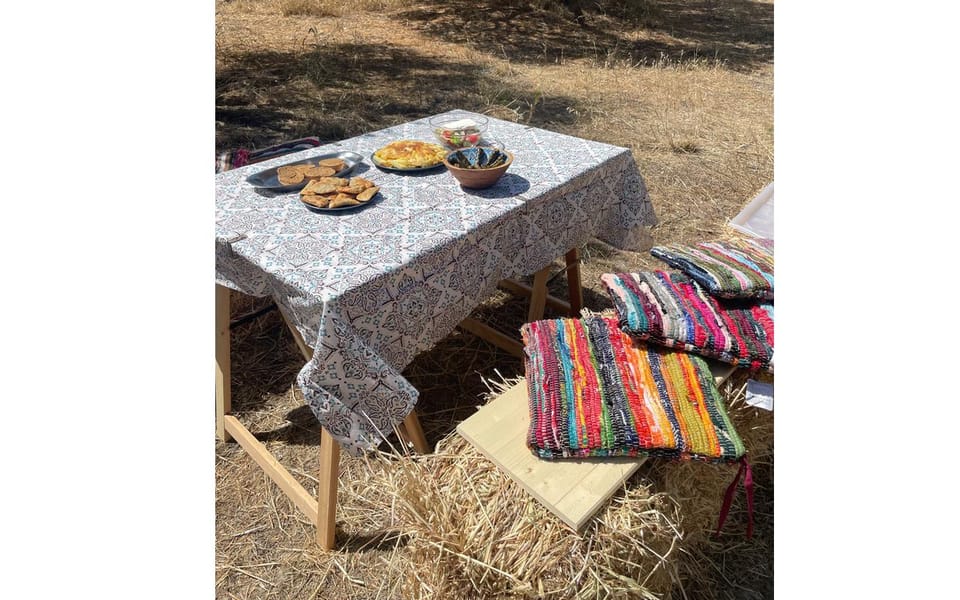
If you are tired of tours that move you from photo spot to photo spot, this one slows things down. The whole point is to sit where the work happens, in the middle of an olive grove, and eat the way Cretan farmers did after an early start. You get food first, context second, and both happen right on the property.
I like the feel of it because it is not trying to be fancy. You are not chasing trends. You are eating practical Cretan comfort food, with olive oil as the connecting thread. And when you finish the meal, you still have the tour component—so the day makes sense instead of feeling like two unrelated activities glued together.
Alex, the owner (Alex Alexakis IKE), serves in multiple roles—hosting, explaining, and working the farm side of things. That matters, because you can ask questions and get straight answers instead of a rehearsed script.
You can also read our reviews of more tours and experiences in Heraklion.

The Brunch Spread: What You Actually Eat (and Why It Works)
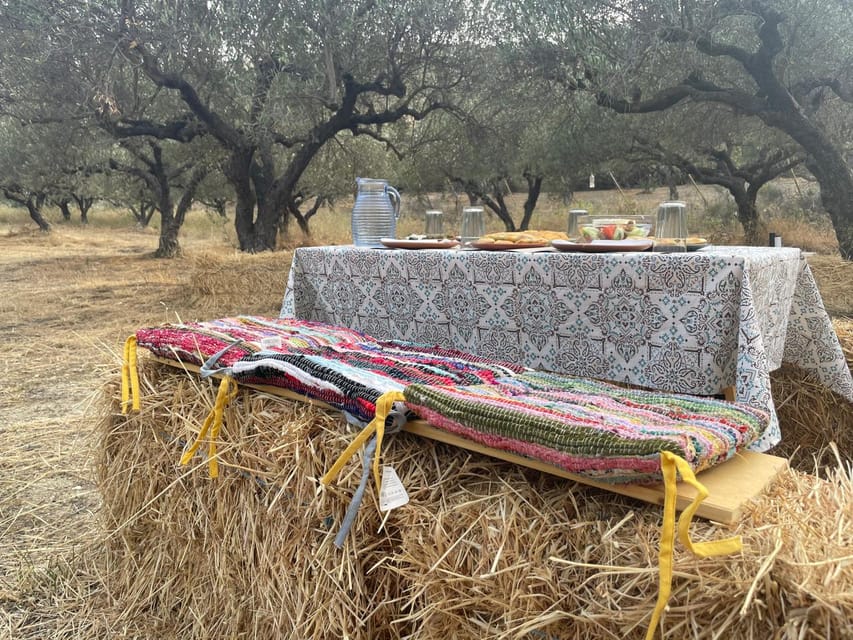
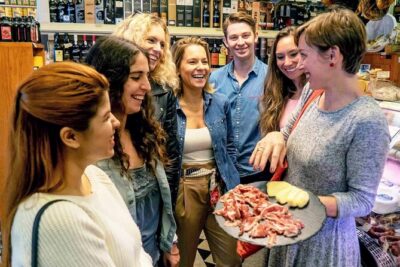
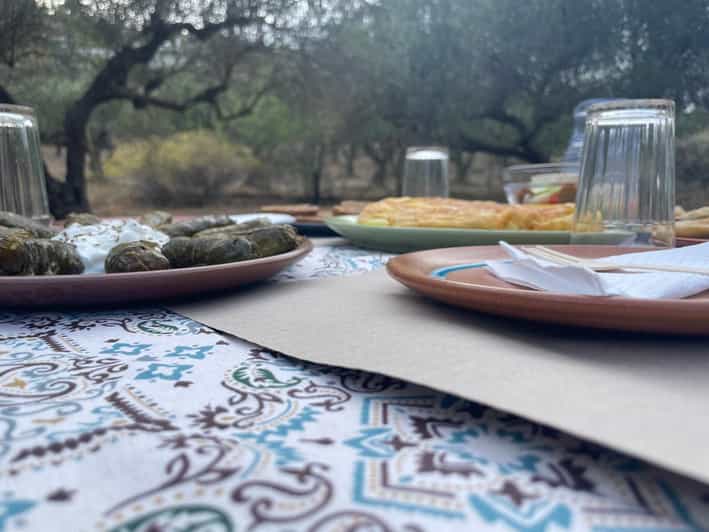
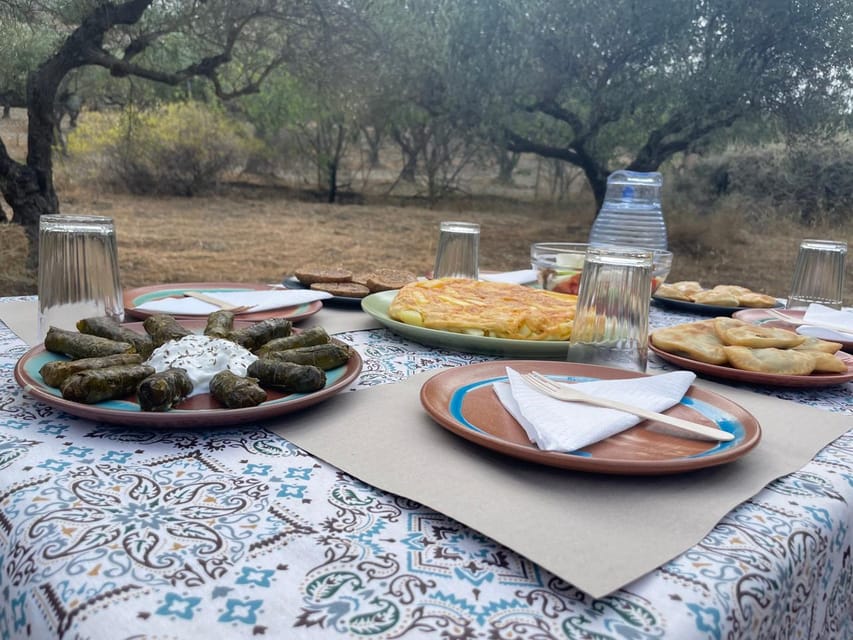
This is the part you will remember. The brunch is built as a traditional farmers meal, with several hot and cold dishes that balance carbs, protein, herbs, and olive oil. Expect food that is filling enough to count as a main meal.
Here is what is included:
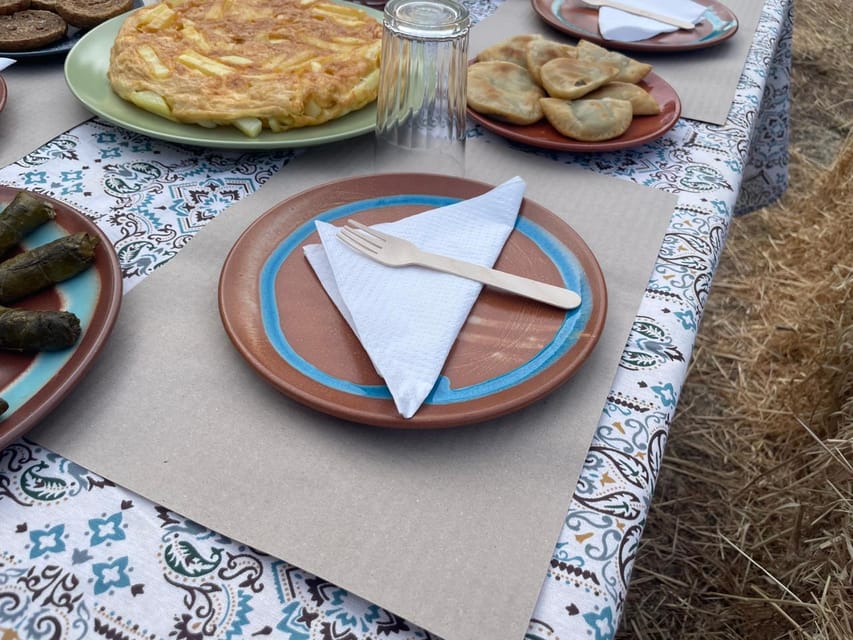
- Local omelette with potatoes made with bio eggs
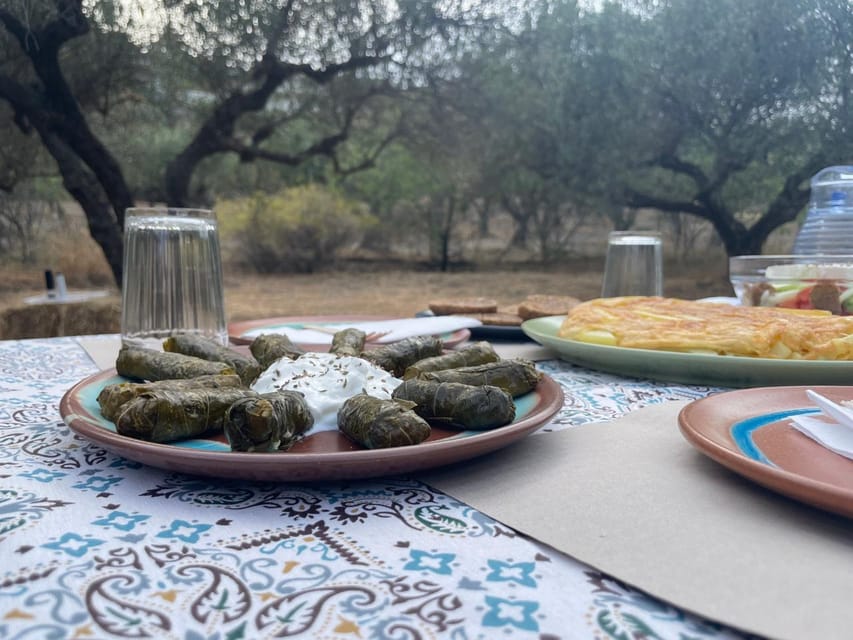
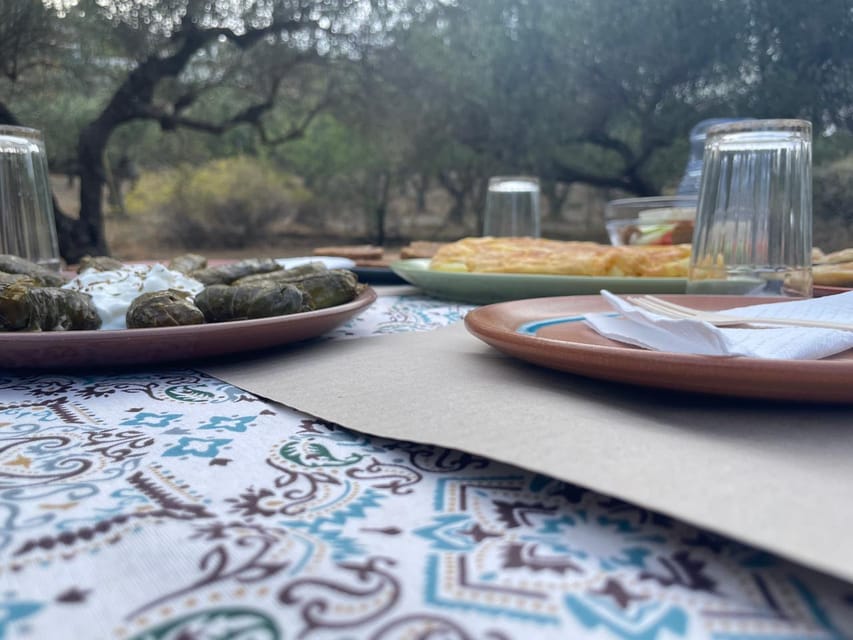
- Ntolmadakia: vine-leaf rolls stuffed with rice and local herbs, cooked slowly in olive oil
- Traditional salad with tomatoes, cucumber, onion, olives, dakos, piktogalo (from the Chania area), and olive oil
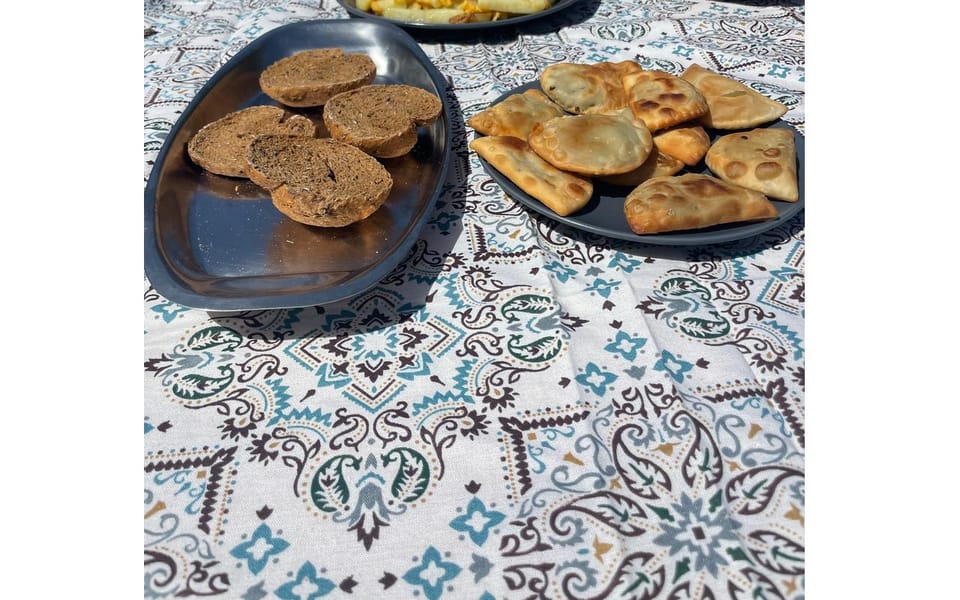
- Herb pies: fried pies filled with local herbs, served crunchy
- Cheese pies for dessert
- Water
And then there is the added seasonal bonus: you can taste dragon fruit from their farm if it is available.
Why this menu is such a smart choice: it gives you a real snapshot of what people eat when they are working outside. The vine-leaf rolls and pies are the kind of food that travels well and keeps well. The salad adds brightness and texture. The omelette is warm and sustaining. It all hits that classic Cretan rhythm—simple ingredients, strong flavors, and a lot of care.
Ntolmadakia and Herb Pies: Small Dishes With Big Payoff
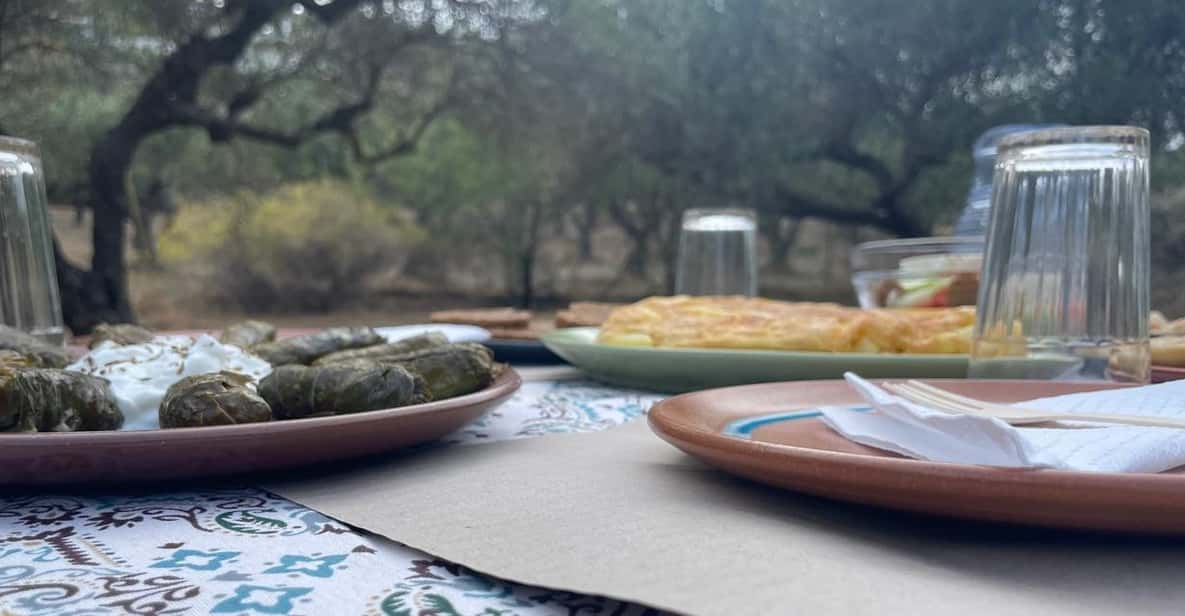
Two dishes are doing a lot of heavy lifting here.
First: ntolmadakia. This is not just a name on a plate. You get vine-leaf rolls stuffed with rice and herbs, cooked slowly in olive oil. That slow cooking is what turns it from something that might feel sour or sharp into something soft, aromatic, and deeply olive-oil-forward.
Second: herb pies. The description is crunchy, and that is the point. These are fried pies packed with local herbs, and the crust gives you that snap when you bite in. It is also a good way to understand the farming side of Crete: herbs and greens are not side characters here. They are the main flavor engine.
If you tend to eat quickly, give yourself time. These are not dishes you should wolf down. You will enjoy it more if you take a slow bite between the hot items and the salad.
Olive Grove Tour: Seeing Olive Oil Production Up Close
After you eat, you do the tour around the olive grove. The emphasis is on how olive oil is produced and what the grove looks like as a working system.
You are not just walking between trees. You are hearing how farmers think about the grove—what they grow, how they manage it, and how it all ties back to the oil. That is where the experience becomes more than a meal.
I also like that the tour is practical. This is not a lecture about olive oil you could read on a label. It is explanations grounded in the property itself, which makes the information easier to remember.
One note: there is no mention of an olive oil tasting being part of the standard package. If that is a must-have for you, you can ask Alex during the tour whether they have tasting available on the day.
Dragon Fruit Farm: The Rare Fruit Moment
Then comes the stop that feels like a plot twist: the dragon fruit farm.
Dragon fruit is not what most people picture when they think of Crete. So this part is fun even if you are not an extreme “try-it-all” eater. You are getting to see how they cultivate the fruit they grow, and you might get to taste it if it is available.
Even if you only take a small bite, it helps your brain connect the dots between olive trees (traditional) and something more unusual (experimental or less common). That mix is part of why the experience feels current instead of purely nostalgic.


Timing and Pacing: 90 Minutes That Don’t Drag
The total duration is 90 minutes. That is a good length. Long enough for a real sit-down brunch and a tour walk, but short enough that it does not eat your whole morning.
Expect the day to follow a simple flow:
- Meet at the gate where you are welcomed
- Brunch in the grove area
- Olive grove tour
- Dragon fruit stop as part of the overall route
- Back at the grove and farm area to wrap up
Because it is a private group, you also tend to get less waiting around. The guide can keep the pace moving while still answering questions.
If you are the kind of person who gets hangry on tours, this timing is a win. You are fed early, and the rest of the experience feels easier after that.
Private Group in English and Greek: Better Questions, Less Noise
This is a private group with a live guide in English and Greek. You will likely get more direct interaction than you would on a group bus tour.
What I like about that setup is the Q-and-A effect. Alex can answer as you go, especially during the grove tour. When you are standing near the trees and the farm systems, questions get more specific fast: what they do, why they do it, and what a working grove demands.
If you prefer quieter travel moments and you like asking small questions instead of collecting big facts, this fits well.
Price and Value: Is $35 Fair for a 90-Minute Farm Brunch?
At $35 per person, this is priced like a short experience—but with a meal attached. The value comes from what is included, not just the time.
You are getting:
- A multi-dish Cretan brunch (omelette, vine-leaf rolls, herbs pies, salad, dessert)
- Bottle of water
- Olive grove tour
- Dragon fruit when available
- A live guide in English/Greek
- A private group experience
That makes the price feel reasonable, especially if you are already thinking about lunch. You are basically paying for lunch plus the farm context around it. And because the meal is substantial, you are less likely to feel the need to find another stop afterward.
If you only want a quick snack and a photo, though, you may feel it is more than you need. This is for people who actually want to eat and learn a bit while they are eating.
What to Bring: How to Dress for Olive Grove Meals
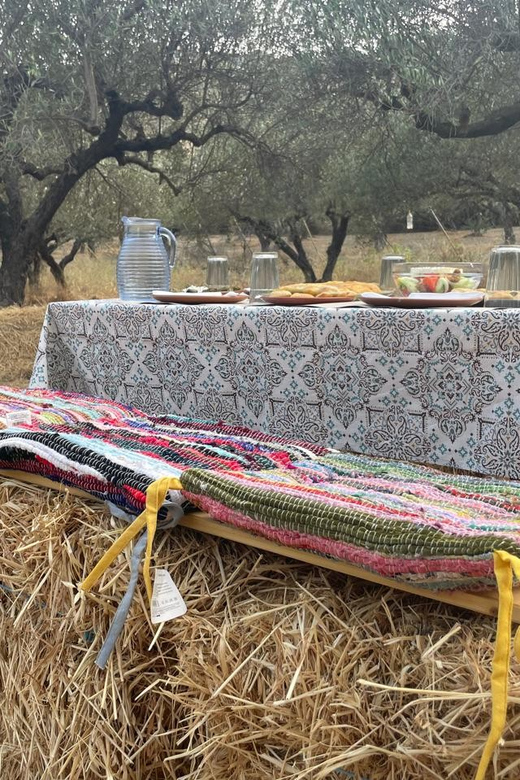
Because this can include time outdoors, plan for real farm conditions. You might be seated under trees, or you might be on a covered terrace depending on the day.
I would bring:
- Comfortable walking shoes (you will move around the grove)
- A light layer if mornings are cool
- Sunscreen and a hat if the sun is strong
- Water beyond the bottle if you run hot or sweat easily
Also, if you are sensitive to rich food, pace yourself. The meal is hearty. You can always take smaller bites and let the herbs and salads do their job while your stomach catches up.
Potential Downsides to Consider Before You Book
This experience is mostly smooth, but a few practical points matter.
First: the food is substantial. If you do not want a big meal, you might find yourself overfed by the end of brunch and dessert.
Second: you may not always sit fully in the open grove. One person noted that weather led to eating under a covered terrace. That is not a deal-breaker, but it can change the vibe.
Third: if you are specifically hunting for an olive oil tasting, that piece is not explicitly listed as included. The grove tour covers olive oil production, but tasting is not mentioned. Ask ahead if that is your priority.
Who Should Book This Tour (and Who Might Skip It)
This fits best if you:
- Want a real Cretan meal in a working olive grove setting
- Like farm tours where you can ask practical questions
- Enjoy trying local staples like ntolmadakia and herb pies
- Want a surprising add-on with dragon fruit tasting
You might skip it if you:
- Only want a quick stop for photos
- Have zero interest in food-focused experiences
- Are specifically trying to collect a long list of sights beyond the farm setting
Should You Book Heraklion Cretan Farmers Brunch and Olive Grove Tour?
Yes, if your idea of a great Crete day is food + place + people who actually do the work. This tour gives you something rare: a brunch that feels connected to the grove, not staged for tourists. The combination of Cretan classics (omelette, vine-leaf rolls, herb pies, piktogalo salad) and the olive oil production context makes it feel purposeful.
Book it particularly if you are traveling with limited time and you still want a memorable lunch experience that teaches you something real.
FAQ
FAQ
How long is the Heraklion Cretan Farmers Brunch and Olive Grove Tour?
It lasts 90 minutes.
Is the brunch included, or do I pay separately for food?
The Cretan Farmers brunch is included, along with a bottle of water.
What food is served during the brunch?
You can expect a local omelette with potatoes (bio eggs), ntolmadakia (vine-leaf rolls), traditional salad with tomatoes, cucumber, onion, olives, dakos, piktogalo cheese, and olive oil, herb pies, and cheese pies for dessert.
Do I get to taste dragon fruit?
Dragon fruit tasting is included based on availability from their farm.
What does the olive grove tour include?
You get a tour around the olive grove, with explanations about how olive oil is produced.
What language is the guide?
The live tour guide speaks English and Greek.
Is this a private group or a shared tour?
It is a private group.
Where do we meet?
You meet at their gate to start the experience.
Is there free cancellation?
Yes. You can cancel up to 24 hours in advance for a full refund.
If you tell me when you’re visiting Heraklion and what kind of food you like (meat, vegetarian, spicy level), I can help you decide if this menu will be your kind of brunch.