Rethymno plus Lake Kournas in one smooth half-day plan? That mix of cobbled old-town wandering and freshwater lake time makes this tour feel like you’re getting three different Crete days packed into one. I especially like how the day balances walking with breaks, and how the olive oil tasting turns a food souvenir into something you can actually explain. The one thing to consider: a guided walking tour in Rethymno city isn’t automatically included, so if you want a more structured deep walk, you’ll need to request it.
You’ll get picked up in Chania in an air-conditioned vehicle with Wi‑Fi and USB ports, which sounds small until you’re dragging yourself around in summer heat. The route is private, so you’re not stuck following someone else’s pace, and the guide supports you in both English and German. If you’re traveling solo, the total price can feel steep compared with joining a public group—but split among a small group, it starts to look like good value.
In This Review
- Key points at a glance
- Private 6-hour flow from Chania that doesn’t waste daylight
- Rethymno’s Venetian Fortezza and old-city corners in one walk
- Lake Kournas: freshwater calm, mountain reflections, and turtle-spotting
- The olive oil factory tour and tasting that turns shopping into understanding
- Drinks, pacing, and why a private group helps
- Price and value: $648 per group up to 4
- What to bring and how to make each stop easier
- Should you book this Rethymno, Lake Kournas, and olive oil tour?
- FAQ
- What is the duration of the Chania to Rethymno, Lake Kournas, and olive oil tour?
- How much does it cost, and what group size is it for?
- Is this tour private?
- What language is the live guide?
- What is included on the olive oil side?
- Is a Rethymno city guided tour included?
- Is the pedal boat rental included?
Key points at a glance
- Private group convenience with hotel pickup and drop-off in Chania
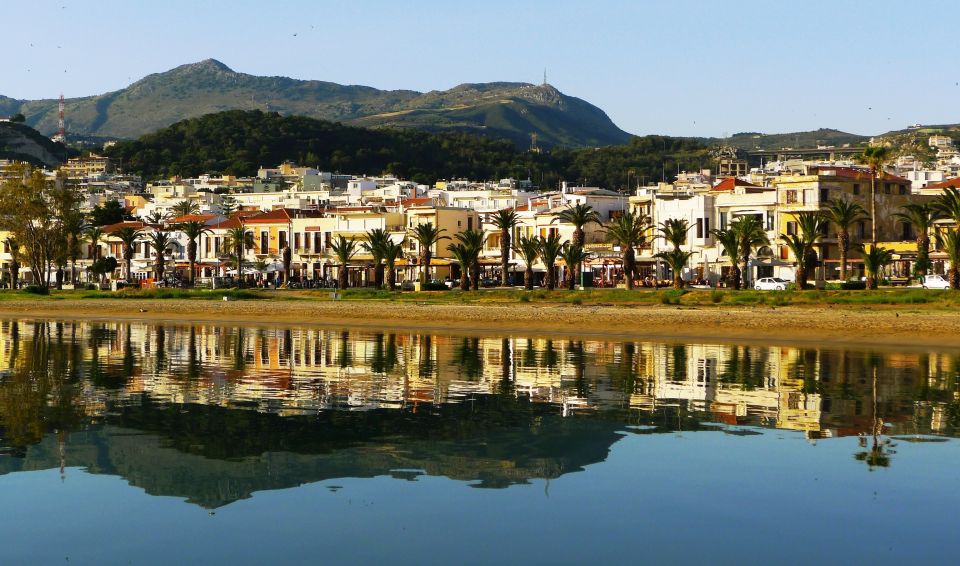
- Rethymno highlights like Fortezza and the old lighthouse, plus churches, mosques, and arches
- Lake Kournas is Crete’s only freshwater lake, with time to walk and relax
- Optional pedal boat time on the lake, with a chance to spot local turtles
- Factory-to-table olive oil experience, including a guided tasting
- Drinks included (cold soft drinks, beer, and bottled water) during the tour
Private 6-hour flow from Chania that doesn’t waste daylight
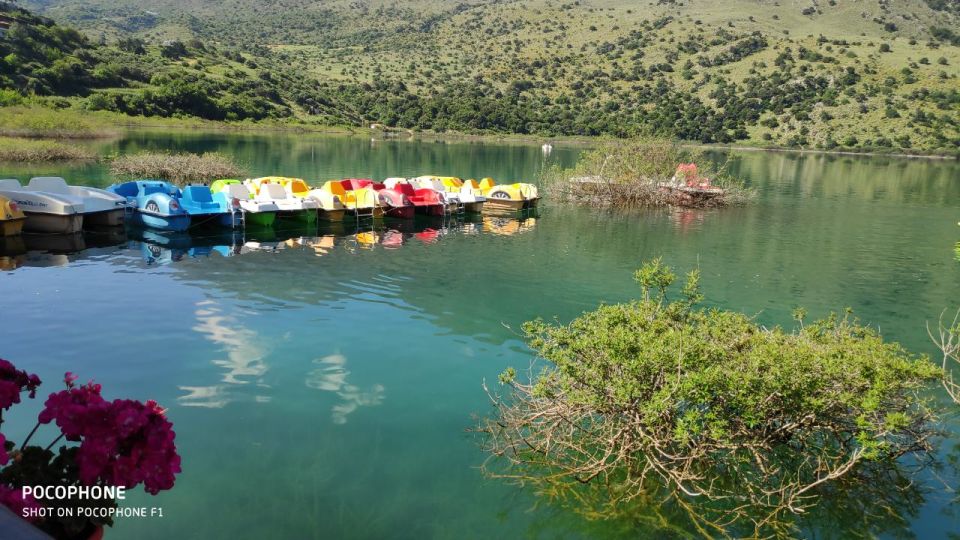
This is a half-day plan built for people who want variety without spending the day on logistics. You leave from your accommodation in Chania by air-conditioned vehicle, and you get back to the same area for pickup/drop-off. With a 6-hour duration, you’re aiming at a “hit the big sights, still breathe” rhythm—perfect for days when you already have beaches or dinner plans.
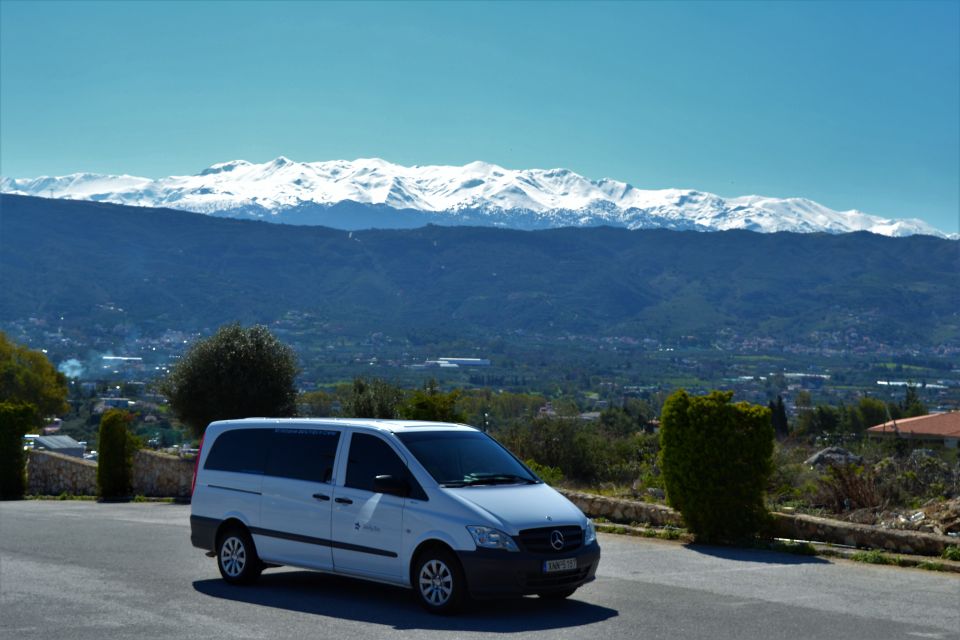
What makes the transportation matter is the comfort factor. The van has Wi‑Fi and USB charging ports, so your phone battery doesn’t become the emergency theme of the trip. You also get cold drinks plus bottled water during the tour, which helps on warm days when you’d otherwise overbuy snacks just to stay steady.
Language is another practical win. The live guide is available in English or German, so you’re not stuck with vague explanations or mismatched timing. And since the group is private (up to four people per group), you can ask questions as you go—especially helpful on the olive oil part, where a little background makes the tasting much more meaningful.
One timing note to keep in mind: drivers wait no longer than 15 minutes after your scheduled pickup time. That’s normal for tours, but it’s worth stepping outside a few minutes early so the day stays stress-free.
You can also read our reviews of more food & drink experiences in Crete
Rethymno’s Venetian Fortezza and old-city corners in one walk
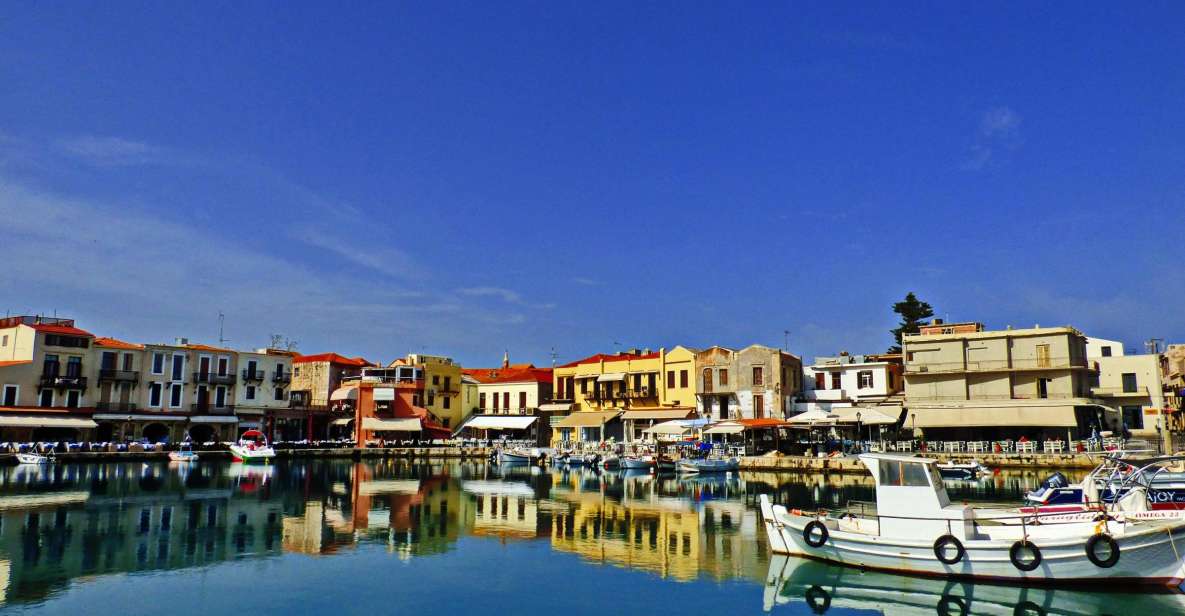
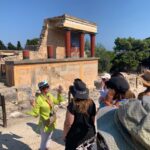
Rethymno is the kind of city where you get rewarded for moving slowly. On this tour, you’ll start with a guided look at the historic center, including major landmarks and then plenty of time for your own wandering. I like that the day doesn’t treat you like a checklist—it gives you the big anchors, then lets the streets do the rest.
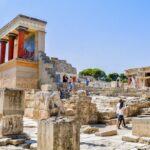
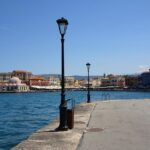
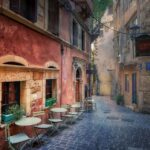
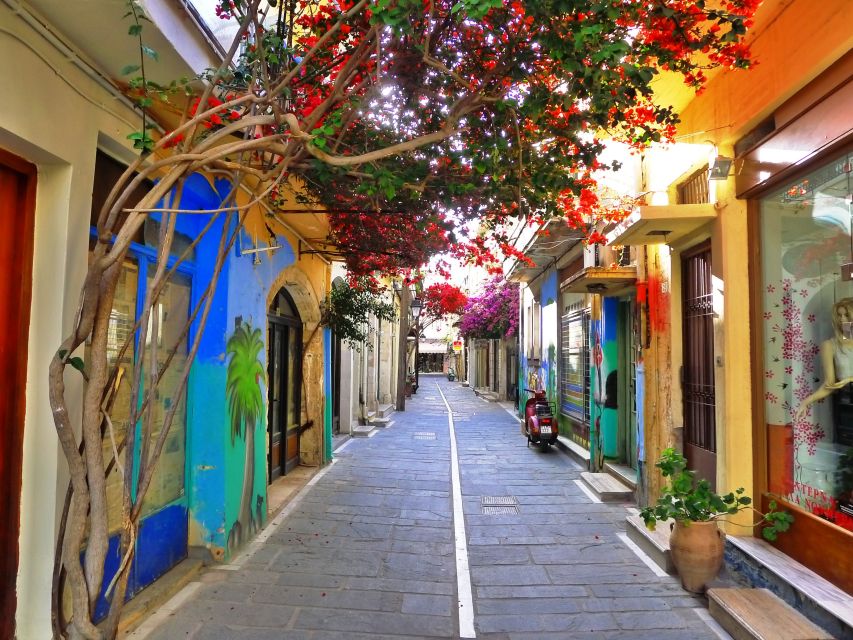
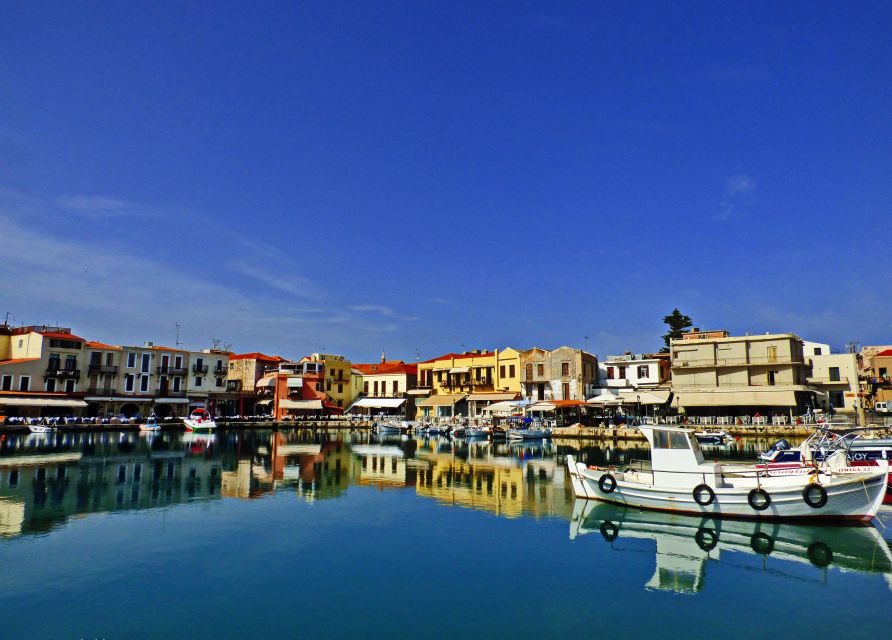
Key sights you’ll see (or get pointed toward) include Fortezza, the large Venetian castle, plus the old lighthouse. The guide also helps connect what you see to the layered religious and civic architecture around town—churches, mosques, and arches all show up in the walking loop. On top of that, you’ll spend time on cobbled paths that lead to quieter spots where the city feels less like a tourist poster and more like a living place.
Here’s the practical payoff of doing Rethymno with a local guide even if you plan to wander on your own: you learn what matters, so you don’t just take photos—you start noticing patterns. After a short explanation, those little side streets start making sense, like you’re reading the city instead of simply passing by it.
Possible drawback: a guided tour in Rethymno city isn’t listed as included by default. You can still explore the historic center during the tour, but if you want a more structured, fully guided walk through the city highlights, that may require a specific request in advance. If you’re the type who loves context and prefers not to decide where to go each turn, it’s worth asking.
Lake Kournas: freshwater calm, mountain reflections, and turtle-spotting
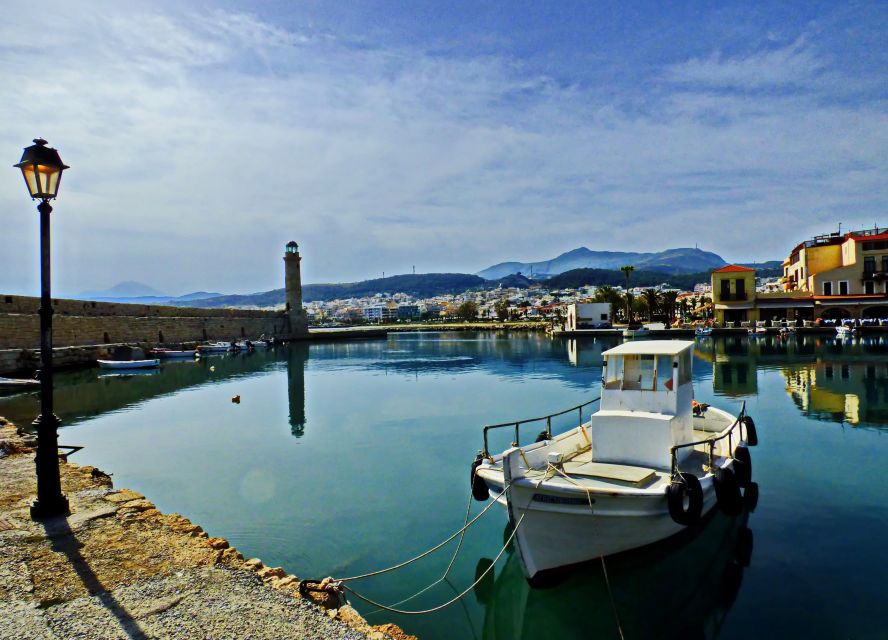
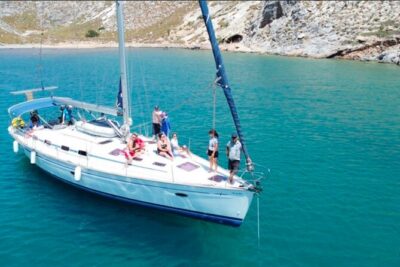
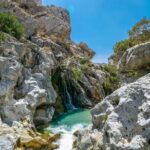
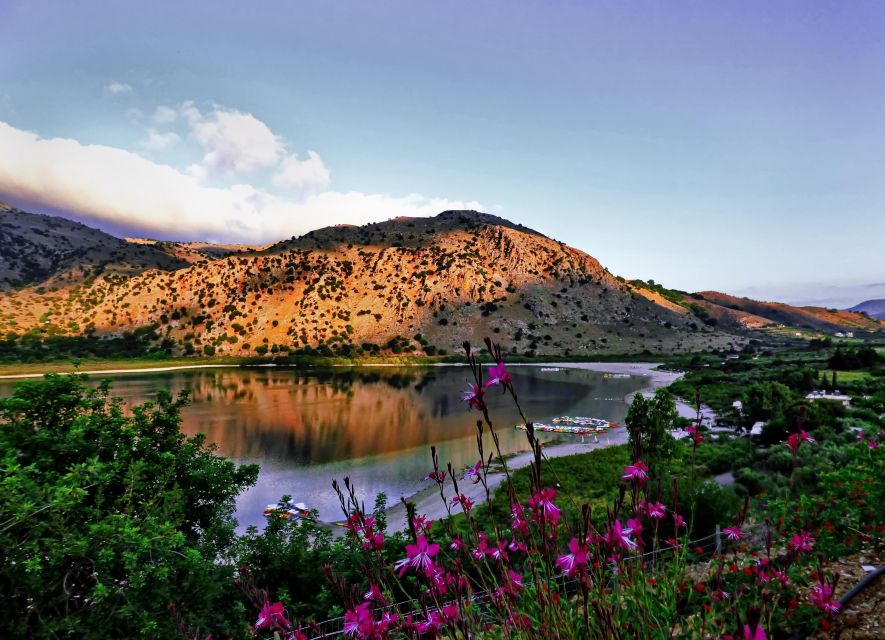
Then you shift to a completely different pace at Lake Kournas. This is the only freshwater lake in Crete, so it has a distinct feel compared with the usual coastline scenery. The setting is ideal for slowing down: you can walk around, breathe in cooler air near the water, and enjoy the view of the White Mountains reflected on the lake.
A small but memorable detail is the traditional Greek coffee moment. A lot of tours rush the scenic stops, but coffee at the lake is exactly the kind of simple pause that makes the landscape stick in your memory. It also helps you reset before the tasting portion, which is more “inside” and focused.
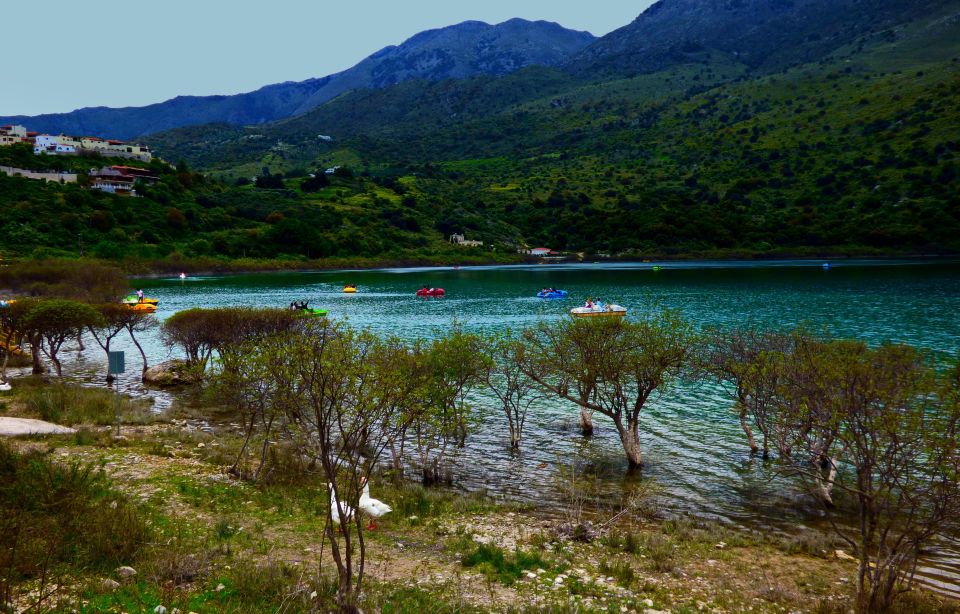
You’ll also have the option to rent a pedal boat on the lake. The goal isn’t adrenaline; it’s a gentle, quiet water experience with a chance to spot local turtles. If you’re visiting with kids, this is often the highlight because it turns “watching from shore” into an active, low-effort activity.
A consideration here is weather and sun. Lake time sounds casual, but you’ll still be outside. Bring sunscreen and a hat, and use your beachwear if you want the option to cool down after the boat or during a longer stop. If the wind picks up, the lake experience can feel choppier, so keep an eye on conditions when you decide whether to rent the boat.
Also, if you’re hungry, plan your pause around food timing. One review specifically mentioned lunch at Lake Kournas as lovely, which suggests you’ll have enough time to grab something to eat in the area rather than being stuck with only snacks.
The olive oil factory tour and tasting that turns shopping into understanding
This is the part that many people expect to be “a visit.” It ends up feeling more like education, because the tasting is built into the experience instead of tacked on at the end. You’ll visit a local olive oil factory in a traditional village, and you’ll follow the process from harvesting through the olive oil mill, then on to bottling. The tour includes a guided olive oil tasting, so you don’t leave with just names—you leave with comparisons you can taste.
What I like about this approach is that it gives you a framework. Extra virgin olive oil isn’t one single flavor; it shifts with fruit variety, processing, and handling. When you sample a variety on-site, you start recognizing what different styles taste like, and that makes future purchases way less confusing.
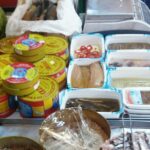
You’ll sample a range of products, including olive oils and vinegars. That matters because many people only think “olive oil” and forget the supporting flavors that show up in everyday Cretan cooking. Vinegar tastings, in particular, help you understand how balanced acidity can make simple dishes taste intentional instead of bland.
The factory visit also includes an audiovisual presentation about Cretan customs. Even if you’re not trying to become an olive oil professor by day’s end, the background connects the product to the people who live with it. And since the tasting is guided, you can ask practical questions like what to use for salads versus bread, or how to think about intensity and freshness.
One more thing: the guide experience seems to matter a lot here. In the reviews, the guide Christine is singled out for being friendly and informative, and the overall vibe is family-like. That kind of tone makes a tasting feel relaxed instead of stiff, which is how you get real value from the samples.
Drinks, pacing, and why a private group helps
The included refreshments are simple, but they reduce friction. You’ll have cold soft drinks, beer, and bottled water during the tour. That means you can stay comfortable on the move and avoid the annoying “find a place fast or you’ll be stuck thirsty” feeling.
The pacing also fits the length. Six hours is long enough to see three meaningful locations, but short enough that you won’t feel you’ve lost your entire day. You’ll get the historical attention in Rethymno, the scenic break at Lake Kournas, and then the hands-on olive oil stop. Each section has its own mood, so the day doesn’t blur together.
In a private group, pacing becomes personal. If you want more time with the stone streets of Rethymno, you can usually spend extra minutes where the guide points you. If you want a slower lake loop to watch turtles or take photos, you’re not forced to keep up with strangers who think every stop needs to be sprinted.
If you’re a couple or a small family, this setup often feels better than sharing a crowded bus. If you’re traveling as a solo adventurer, consider the tradeoff: you pay for the private format. You do get comfort and attention, but the total cost won’t be as friendly as a shared tour.


Price and value: $648 per group up to 4
Let’s talk money in a way that helps you decide. The price is $648 per group up to 4 for a 6-hour private tour. That’s not “cheap,” but it’s also not just a transport fee. You’re paying for pickup/drop-off, a private air-conditioned vehicle with Wi‑Fi and USB ports, a live guide, the olive oil factory visit, and an included tasting with drinks provided.
Where the value shows up most is in what you avoid. If you tried to stitch together the same day on your own, you’d likely pay separately for transport (and time), guide interpretation (especially in the factory), and tasting access. The tasting plus process tour is usually the hardest part to recreate independently without paying for a specific provider.
If you’re traveling with two or four people, the per-person cost becomes much more reasonable. The private format also means fewer compromises: you can ask questions, adjust small timing needs, and focus on what you care about—architecture in Rethymno, nature time at the lake, or food education with the olive oil.
The drawback is simple: if you’re one person or a pair, you still pay the full group rate. In that case, it’s worth comparing against public tours and asking whether you really want private attention for all three stops. If you’re the type who enjoys stopping to chat and learn, the private vibe can absolutely be worth it.
What to bring and how to make each stop easier
This tour is outdoors-in-the-sun outside-in-the-water, plus a seated tasting. Pack accordingly.
Bring:
- Sun hat
- Camera
- Sunscreen
- Beachwear
Then add two practical habits that make a difference. First, wear shoes you’re comfortable walking on, because Rethymno’s cobbled paths can be uneven underfoot. Second, at Lake Kournas, decide early whether you want the pedal boat. If you’re the planning type, it helps you avoid feeling rushed once you’re at the water.
Photo tip: Rethymno rewards eye-level pictures—arches, doorways, and small street turns. At the lake, aim for reflections and mountain lines rather than only wide scenic shots. The coffee pause is also a good moment to document, because it’s the kind of small ritual that gives the day its flavor.
Lastly, ask Christine (or your guide) to point out what to taste and what to look for during the olive oil sampling. The tasting will make more sense when you know what the guide is comparing.
Should you book this Rethymno, Lake Kournas, and olive oil tour?
Book it if you want a private, structured half-day that still leaves room for wandering. This is especially good for couples, friends, and small families who like a mix of old-city charm, scenic water time, and a food experience that’s more than just buying a bottle.
Skip it or reconsider if you’re trying to minimize cost and you don’t care much about the tasting portion. Also think twice if you strongly prefer a fully guided city walk in Rethymno as a non-negotiable—because that guided walking tour isn’t included by default.
If your ideal Crete day looks like stepping into a historic city, taking a real breath at a freshwater lake, and then learning how olive oil is made and tasted, this one fits that promise. The guide’s friendly, family-like approach (Christine is highlighted in reviews) can turn a “tour stop” day into something you’ll remember for the right reasons.
FAQ
What is the duration of the Chania to Rethymno, Lake Kournas, and olive oil tour?
The tour lasts 6 hours.
How much does it cost, and what group size is it for?
It costs $648 per group, up to 4 people.
Is this tour private?
Yes, it’s a private group experience.
What language is the live guide?
The live tour guide is available in English and German.
What is included on the olive oil side?
You get a guided olive oil tour and an olive oil tasting.
Is a Rethymno city guided tour included?
A guided tour in Rethymno city is not included automatically; it’s listed as available under request.
Is the pedal boat rental included?
The tour offers the option to rent a pedal boat at Lake Kournas. The rental itself is not listed as included in the main inclusions.