Cretan food hits different when you make it. I love the hands-on cooking and the small-group feel in Ano Archanes. You’ll work through classic Cretan dishes and then eat what you make. One watch-out: the pace can run slow between dishes, and what you personally cook may be fewer items than the menu list.
This is the kind of class where the teacher leads the timing and technique, not just the recipes. You might meet hosts such as Maria, Natasha, Aggeliki, Angelina, or Angela across different days. And yes, pickup is often offered, so you can focus on the food instead of getting yourself out to the village.
In This Review
- Key highlights I’d bookmark
- Why Archanes Cooking Feels More Like Local Life
- Getting There: From the Meeting Point to a 3.5-Hour Food Plan
- Market Walk in Ano Archanes: Picking Your Olive Oil and Produce
- The Cooking Studio: Open-Air Setup, Step-by-Step Teaching, and Real Pace
- What You’ll Cook: Dakos, Gemista, Tzatziki, and the Menu Twist
- Eating Together by the Water: Wine, Raki, and Food That Fills You Up
- Recipes You Can Actually Use at Home (Not Just Eat and Forget)
- Price and Value: Is $81.98 a Fair Deal for Cretan Cooking?
- Who Should Book This Cretan Cooking Class (and Who Might Not Love It)
- Should You Book It?
- FAQ
- How long is the Cretan cooking class?
- Is pickup available?
- What is the maximum group size?
- Is the class suitable for vegetarians or vegans?
- Do I get recipes after the class?
- What happens if the weather is bad?
Key highlights I’d bookmark
- Archanes grocery run with real choices: You pick ingredients at a local store, not a packaged-demo pantry.
- Open kitchen setup with individual stations: It feels organized, hands-on, and easier to ask questions.
- Cretan staples you can recreate: Expect practical versions of tzatziki and other island favorites.
- Vegetarian and vegan options are genuinely workable: One class is described as perfect for vegan cooking.
- Sea-side atmosphere shows up: Some sessions happen with views and the sound of the water in the background.
Why Archanes Cooking Feels More Like Local Life
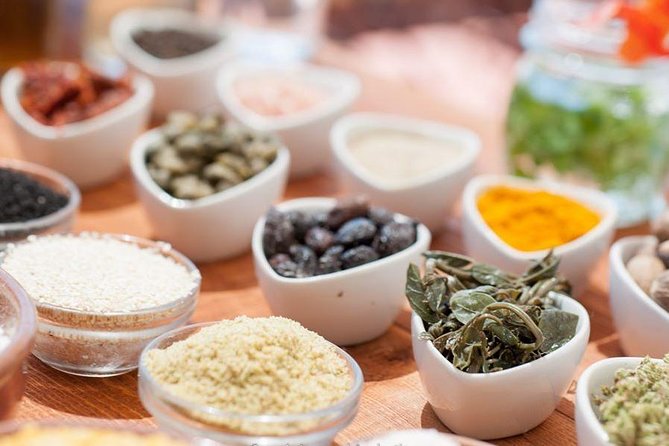
Ano Archanes is a real village setting, not a theme kitchen. The class leans into how Cretans actually eat: fresh herbs, olive oil, and ingredients that taste like where they grew. Instead of only watching, you’re doing the chopping, mixing, and cooking.
I also like that the teaching includes the why behind the technique. When you understand what good olive oil does for flavor or how a sauce texture should look, the dish stops being a mystery. That makes the class more useful than a one-off show-and-taste experience.
You can also read our reviews of more cooking classes in Crete


Getting There: From the Meeting Point to a 3.5-Hour Food Plan
The class starts at Leof. Kapetanaki 46, Ano Archanes 701 00, Greece, and it ends back at the meeting point. The total time is about 3 hours 30 minutes, which is long enough to shop, cook, and sit down together.
Pickup is offered, which matters here because the village is a bit of a way from Heraklion for many people. A punctual driver also shows up in multiple accounts, so you’re not stressed about timing right when you arrive.
One practical note: with an activity length like this, you’ll want to eat like a human afterward. This is not a tiny “two bites and done” format.
Market Walk in Ano Archanes: Picking Your Olive Oil and Produce
A big part of the experience happens before any heat turns on. You walk with the teacher and make a stop at a local grocery store where you choose the ingredients you’ll use in the kitchen.
That’s a small thing that changes the whole value. When you’ve seen how Cretans source herbs, vegetables, and pantry staples, you’ll shop smarter at home. Even if you can’t find the exact same brand of olive oil, you’ll know what to look for: flavor-first, not just “healthy.”
This is also where the class becomes cultural instead of just culinary. You learn what ingredients locals prioritize and how they treat them in real cooking, from prep choices to seasoning habits.
The Cooking Studio: Open-Air Setup, Step-by-Step Teaching, and Real Pace
The kitchen setup is designed for flow. There’s an open studio space with individual processing and cooking areas, so people aren’t all elbow-to-elbow. That also makes it easier for the instructor to correct technique one-on-one.
In multiple accounts, the lead cook (often Maria or Natasha, depending on the day) is praised for step-by-step guidance. If you’re nervous in the kitchen, that kind of teaching style is what makes it work. You’re not left guessing.
Now for the one drawback to plan around: the timeline can include noticeable downtime between recipes. Some people loved the relaxed atmosphere; others felt it was a slower pace than expected. If you like rapid-fire cooking with constant tasks, keep that in mind.
What You’ll Cook: Dakos, Gemista, Tzatziki, and the Menu Twist
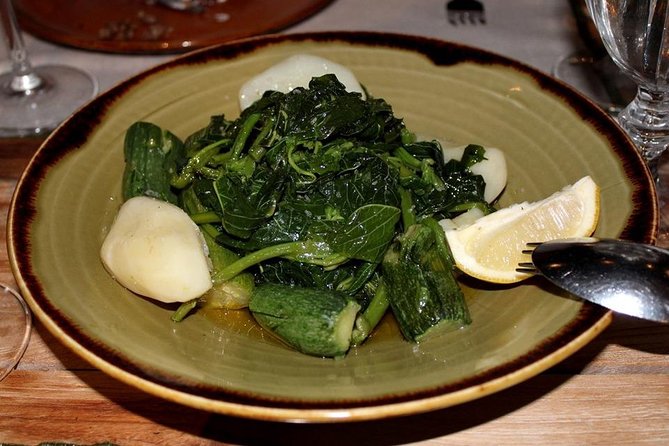
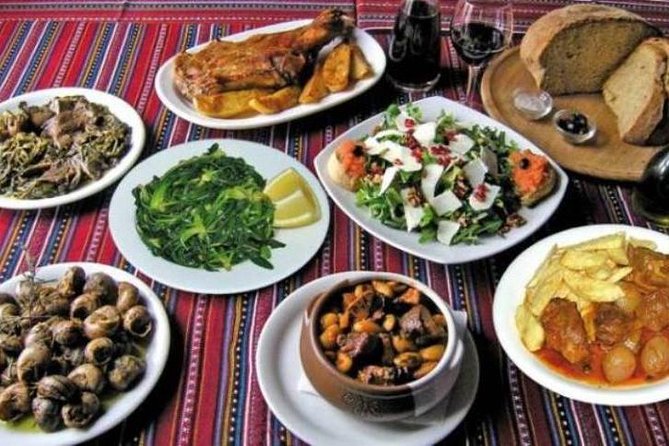
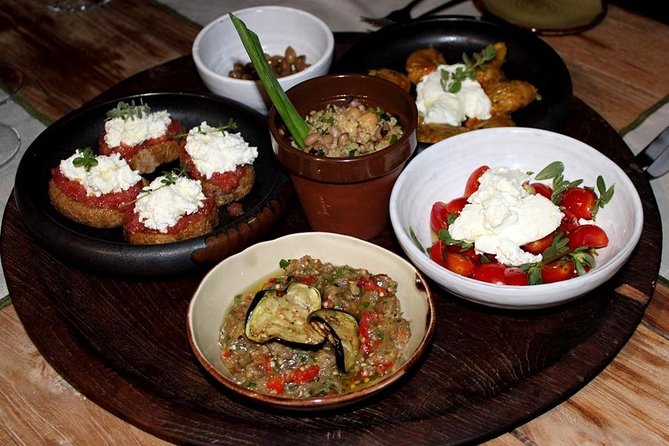
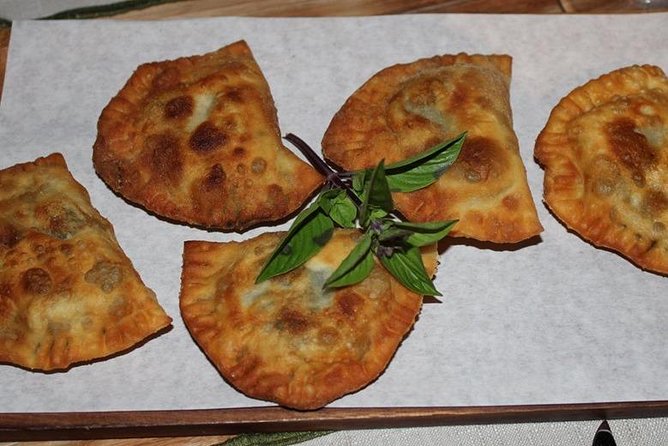
The class centers on traditional Cretan dishes. Based on the experience information and what people describe after the fact, common dishes include dakos, gemista, and tzatziki. You may also make items like stuffed peppers and tomatoes and zucchini fritters, depending on the session.
A pattern shows up in accounts: you might prepare around a few dishes yourself, then enjoy additional items at lunch. One person expected more preparation than they ended up doing; another clarified that a dessert may be prepared by the cook for you. So think of it like this: you’ll learn the core techniques and make several standout dishes firsthand, but the menu list doesn’t always translate 1:1 to what every person cooks.
Also, keep your expectations flexible about “Greek salad.” One description mentions a policy that affects how salad-style items are handled, tied to not sharing raw food. If Greek salad is on your mental checklist, ask what you’ll personally assemble versus what will already be prepped.
You can also read our reviews of more tours and experiences in Crete





Eating Together by the Water: Wine, Raki, and Food That Fills You Up
At some sessions, the setting includes sea views and even the sound of waves while you cook or eat. Even when it’s not a full ocean panorama, people describe a relaxed, often outdoor or covered patio vibe.
Lunch is a key part of the format because you eat what you made together. Many accounts mention wine and raki during the meal, which turns the class into a social event as well as a cooking lesson. If you enjoy the idea of sharing a table with people you just cooked beside, this hits the mark.
And bring an appetite. One set of remarks says the portions were so generous that people couldn’t finish, with tzatziki mentioned as a take-home leftover. So you’re paying for a full experience, not just a small taste.
Recipes You Can Actually Use at Home (Not Just Eat and Forget)
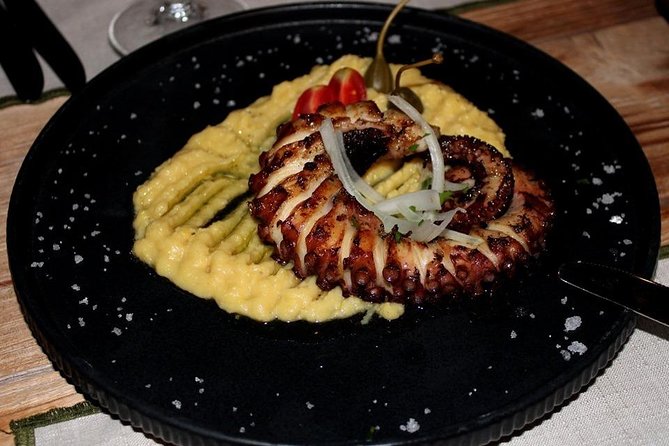
This is where the class earns trust. You can take the flavor home because the recipes are meant to be repeatable. One person even says they recreated the tzatziki at home successfully, which tells me the technique is practical, not overly complicated.
One detail to know: recipes may be sent by email instead of given as printed handouts. If you like a paper checklist while cooking, you might need to save the email to your phone or print it yourself later.
If vegan or vegetarian cooking matters to you, you should feel comfortable. The class is described as having warm welcomes for vegetarians, and at least one account calls it perfect for a vegan.
Price and Value: Is $81.98 a Fair Deal for Cretan Cooking?
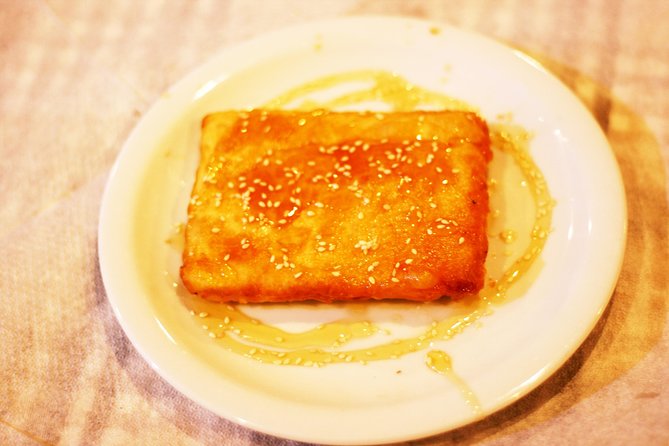
At about $81.98 per person, you’re paying for more than ingredients and instruction. The value comes from three things you’d otherwise pay separately:
First, you’re getting guidance in a small group (max 12 people). That usually means less waiting and more attention per person. When you’re learning something as hands-on as sauces and stuffing, instructor time is real value.
Second, you’re doing the ingredient selection part. Buying your own produce for the session is part of how the class teaches you to cook like a local, not like a visitor pulling from a supermarket recipe card.
Third, the meal is substantial. When people leave unable to finish food and take leftovers, that shifts the math. You’re not just paying for cooking; you’re paying for a full lunch built around what you made.
So is it a bargain? If you only want a quick snack or a show, probably not. But if you want a small-group, practical cooking skill plus a generous shared meal, the price starts to make sense.
Who Should Book This Cretan Cooking Class (and Who Might Not Love It)
I think this class is ideal for:
- People who want to learn a few core Cretan recipes instead of collecting restaurant tips
- Food lovers who like a village setting and a real market stop
- Couples or small groups who want a shared activity and a sit-down lunch
It may be less ideal if:
- You’re the type who needs constant action with no pauses
- You expect every item on a sample menu to be cooked by you personally
- You want a strict, timed workshop where every minute is hands-on
Still, even the less enthusiastic comments tend to circle around pacing and menu expectations, not the basic quality of the food-making experience.
Should You Book It?
I’d book this if you want a practical way to bring Crete home. The combination of a market ingredient choice, small-group teaching, and repeatable dishes like tzatziki is the right recipe for a “do it again at home” souvenir.
If you hate downtime between steps, or you’re very focused on exact dish counts, read the menu expectation carefully. And if you care about Greek salad specifically, plan to ask how it’s handled in your session so there are no surprises.
FAQ
How long is the Cretan cooking class?
It runs for about 3 hours 30 minutes.
Is pickup available?
Yes, pickup is offered.
What is the maximum group size?
The class has a maximum of 12 people.
Is the class suitable for vegetarians or vegans?
Vegetarians are welcome, and the class is described as being a good fit for vegan cooking.
Do I get recipes after the class?
Recipes are sent by email (rather than printed handouts), based on the information provided in the experience communication.
What happens if the weather is bad?
The experience requires good weather. If it’s canceled due to poor weather, you’ll be offered a different date or a full refund.