Raki, cheese, and olives before noon. This 8:00 am food tasting tour strings together the kinds of places you’d miss on your own in the Chania countryside—Peroulakis Distillery, an olive mill, a cheese factory, and a lunch stop in Fres. You get multiple tastings plus an English-speaking guide and an A/C vehicle, all for about 6 hours.
What I like most is the mix: you start with raki culture at a distillery (including a tour and tasting), then shift to the day-to-day Cretan staples—olive oil and three cheese varieties. The other big win is the cheese stop: you’ll taste Graviera, Mizithra, or Anthotiros, not just hear about them. Cheese fans get a real reason to pay attention.
One consideration: you’re in a vehicle a fair amount. The itinerary includes about 1 hour and 45 minutes of transfers, and the tour depends on good weather—so if you hate early starts, plan ahead.
In This Review
- Key highlights you’ll actually feel
- A 6-hour Chania village food loop (8:00 am start)
- Peroulakis Distillery: raki, tours, and a proper tasting
- Tsivaras olive mill: learning how Cretan gold becomes oil
- The cheese factory stop: Graviera, Mizithra, or Anthotiros
- Fres village lunch: traditional dishes in a real setting
- Time, transfers, and how to make the day feel easy
- Price and value: what you’re paying for at $138.18
- Who this tour suits best (and who may prefer something else)
- Should you book the Food Tasting Tour of Chania Villages?
- FAQ
- FAQ
- How long is the Food Tasting Tour of Chania Villages?
- What time does the tour start?
- What’s included in the price?
- What tastings and food stops can I expect?
- Are entry fees included?
- Is alcohol included?
- Is lunch included?
- What’s the group size limit?
- Do I need to tell the operator about allergies or dietary needs?
- Is the tour weather-dependent?
Key highlights you’ll actually feel
- Small group size (max 20) for a more personal pace through food stops
- Peroulakis Distillery tour plus raki tasting, with admission included
- Olive mill visit at Tsivaras to understand how Crete’s gold becomes oil
- Cheese tasting variety: Graviera, Mizithra, or Anthotiros
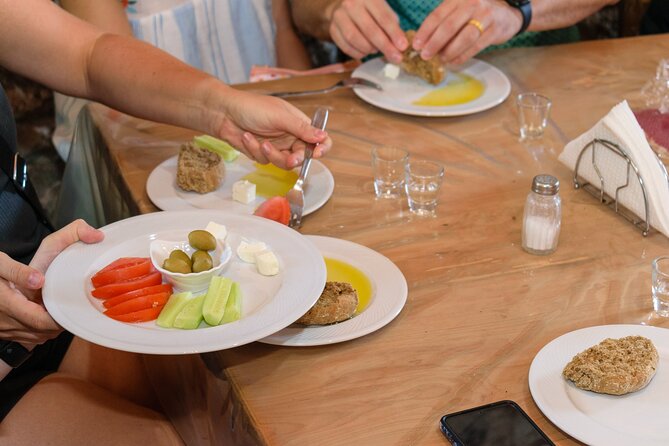
- Lunch included at a picturesque village stop in Fres
- Alcoholic beverages included along with bottled water, but you’re still in control of how much you drink
A 6-hour Chania village food loop (8:00 am start)
This is built like a full morning-to-early-afternoon circuit. You meet at the start time of 8:00 am, then spend around 6 hours total (approx.). The key detail is how that time is divided: about 1 hour and 45 minutes is transfer time between places. That means you’re not wandering solo all day—you’re being moved efficiently, with scheduled time for tastings.
The overall format is simple: you visit three specialty production stops (spirit, olive oil, cheese) and then you eat lunch in a village setting. If you like structured tours—where someone else handles the driving and you just show up hungry—this style works well.
You also get an English-speaking local driver/escort and an air-conditioned vehicle, which matters on Crete, especially in warmer months. And because it’s capped at 20 travelers, you’ll usually avoid the chaos of giant bus tours.
You can also read our reviews of more food & drink experiences in Crete
Peroulakis Distillery: raki, tours, and a proper tasting
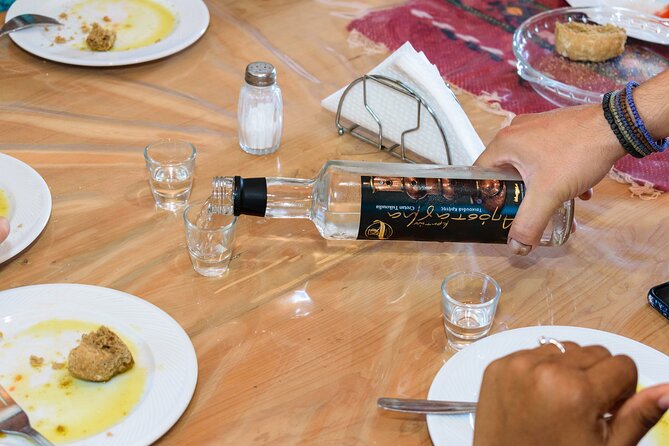
The first stop is Peroulakis Distillery, and the focus is the local spirit: raki. You get about 1 hour 45 minutes here, including admission, and you’ll learn how raki is made and why it’s part of family life and local tradition.
What makes this distillery stop valuable isn’t only the tasting. It’s the explanation—how the distillation process connects to local ingredients and the habits of Cretan ancestors who made and shared spirits at the table. If you’ve ever had raki and wondered what makes one bottle taste different, a distillery visit is where the “why” starts to click.
Expect a guided walkthrough, followed by tastings. Since alcoholic beverages are included on the tour, this stop sets the tone for the day. If you’re not trying to drink a lot, you’ll still enjoy it—just taste slowly and keep water nearby (bottled water is included per person).
Practical tip: Eat lightly before you go if you’re sensitive to alcohol, or treat the tasting like a sampling menu: small sips, then ask questions when your curiosity kicks in.
Tsivaras olive mill: learning how Cretan gold becomes oil
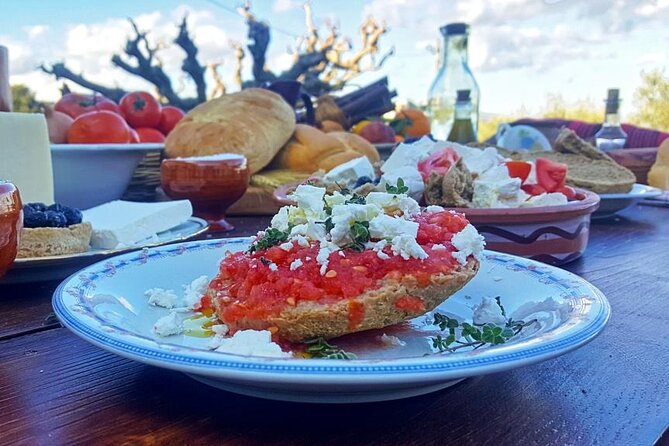
Next up is Tsivaras, an olive mill visit that lasts about 1 hour 25 minutes. The olive mill part is where you get context. Olive oil on Crete isn’t a trendy food product—it’s a core ingredient and a big part of the local economy.
The tour frames it as the “gold” of the island, and that’s a good way to think about it. You’ll likely see how olives are processed into oil and learn why harvesting, processing, and quality control matter. Even if you’ve visited a grocery shelf before, this kind of stop gives you real-world perspective on what you’re tasting later in meals.
A nice thing here: the visit time is long enough for genuine understanding, not just a quick photo stop. And since entry here is listed as free, you’re not paying extra at the door for this portion.
What to watch for: Ask your guide what differences you should notice in flavor and how that connects back to production. That’s where the mill visit turns from “seeing machinery” into “understanding your taste.”
The cheese factory stop: Graviera, Mizithra, or Anthotiros
Then you head to Vryses, a cheese factory where the point is tasting. This stop runs about 1 hour 5 minutes, and entry is listed as free.
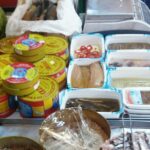
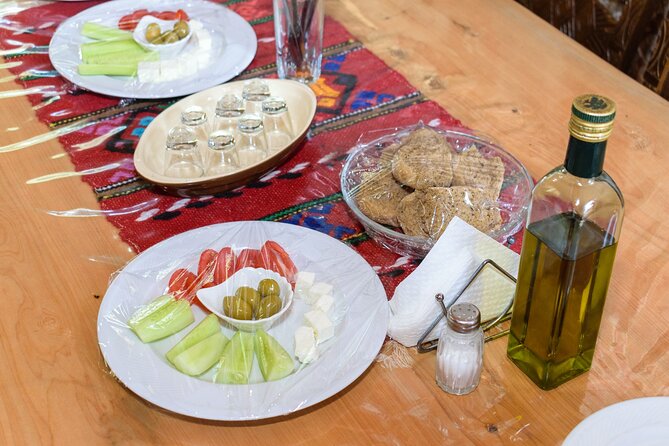
You’ll taste local Cretan cheeses—Graviera, Mizithra, or Anthotiros. That trio covers a range of textures and flavors, and it’s a great way to learn what makes each one distinct without memorizing a textbook.
Why this stop is so satisfying: cheese tasting is more than a bite. You’re training your palate to recognize things like salt levels, firmness, and tang. And because you’re tasting in a production setting, you can often connect the finished flavor to how the cheese is made.
Small drawback to consider: Cheese factories can have strong smells. It’s part of the process, and most people adjust quickly, but if you’re sensitive to odors, plan for that.
If you love food as a story, this is one of the best stops on the day. It turns “I like cheese” into “I know what I’m tasting.”
Fres village lunch: traditional dishes in a real setting
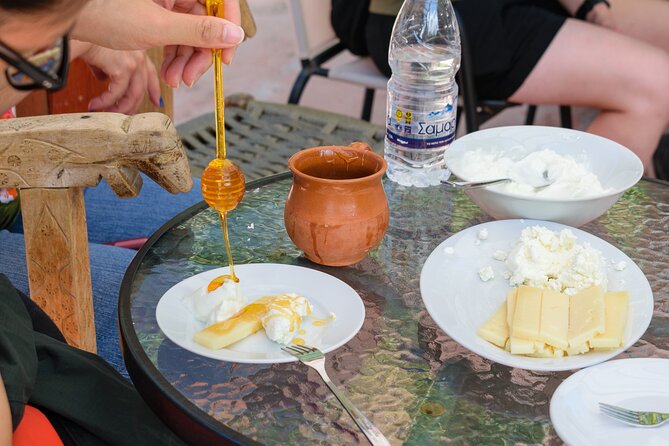
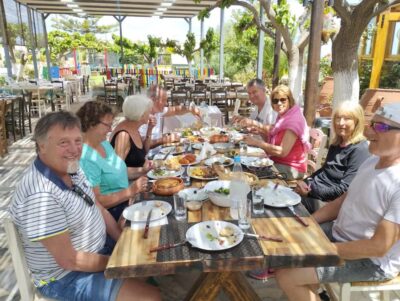
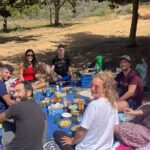
After the production stops, you reach Fres for lunch. This is about 1 hour 45 minutes, and lunch is included.
This is the part of the tour where everything pays off. You’ve just tasted raki, you’ve learned about olive oil, and you’ve sampled cheese—so now you get the meal where those flavors belong. Even better, the lunch stop is described as a picturesque village setting, which makes the break feel like a moment, not a pit stop.
From one account tied to the guide Yannis, the lunch was served by a wonderful lady, and the experience included a welcome extra visit inside a church built into the mountain. That’s not listed as a fixed item in the tour description, but it’s a good example of how the day can feel more personal than a checklist of stops.
What you should do: Let your guide know about dietary restrictions and allergies when you reserve. The tour explicitly asks you to notify them, and that’s exactly what keeps lunch safe and enjoyable.
Also, since additional food and drinks are not included beyond what’s listed, you’ll want to treat lunch as your main meal. If you’re still hungry after, you can usually buy more later, but plan on sticking with what’s provided.
You can also read our reviews of more tours and experiences in Crete


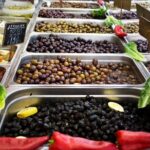
Time, transfers, and how to make the day feel easy
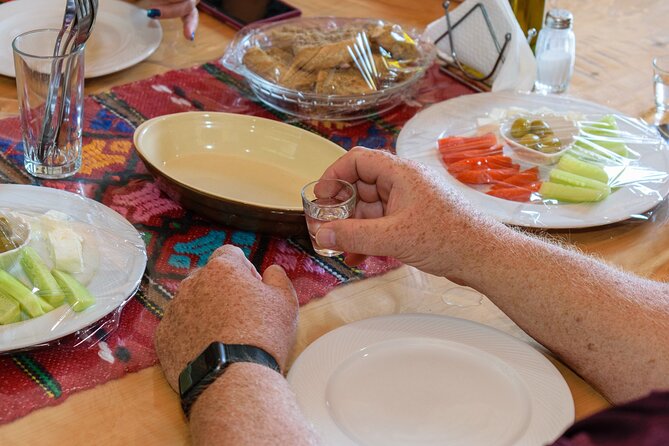
Let’s talk logistics without the fluff. You’re scheduled to start at 8:00 am, and the tour runs about 6 hours. That includes roughly 1 hour and 45 minutes of transfer time between destinations. In plain terms: you’ll spend less time thinking about directions and more time eating and learning.
The upside of a format like this is predictable pacing. You don’t need to coordinate taxis, you don’t need to figure out parking, and you get an English-speaking local driver/escort to guide you through each stop.
The downside is weather and comfort. The tour requires good weather, and it’s best when the roads and outdoor pieces cooperate. The good news: you’re in an air-conditioned vehicle, and bottled water is included per person, so you’re not guessing about basics.
A simple strategy: wear layers. Morning can start cooler, then warm up as the day moves along. And keep a small bag for what you’ll buy—if any items catch your eye at a distillery or food shop, you’ll want to stow them safely.
Price and value: what you’re paying for at $138.18
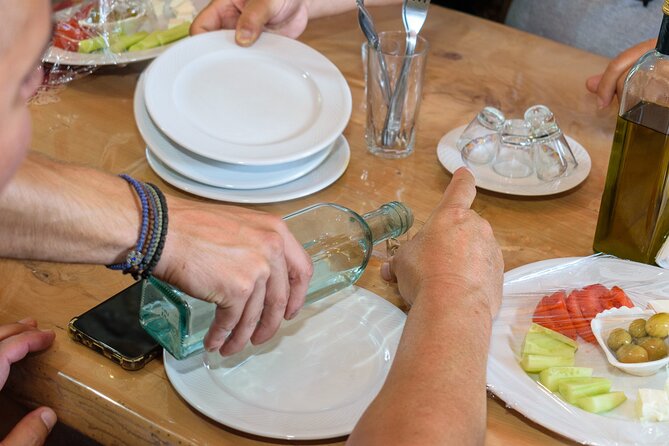
At $138.18 per person, this is not a bargain-bottom tour. But it does try to justify its cost the practical way: you’re paying for a full guided route with multiple included experiences.
Here’s what’s included:
- Lunch
- Air-conditioned vehicle
- Alcoholic beverages
- All fees and taxes
- Bottled water per person
- English speaking local driver/escort
- All tours & tastings
- Admission ticket included at the distillery stop
When a tour includes admission, tastings, and lunch, it saves you from paying multiple small expenses and negotiating what’s included. You’re also buying convenience—someone else sets the order of stops and handles driving.
Where the price can feel less worth it is if you only care about one thing (for example, only cheese or only olive oil) and you don’t want to taste raki or drink. This tour is for people who like the whole food story.
If you’re the type who loves tasting menus, or you want one good structured day to understand what makes Chania’s food culture work, this price starts to make sense fast.
Who this tour suits best (and who may prefer something else)
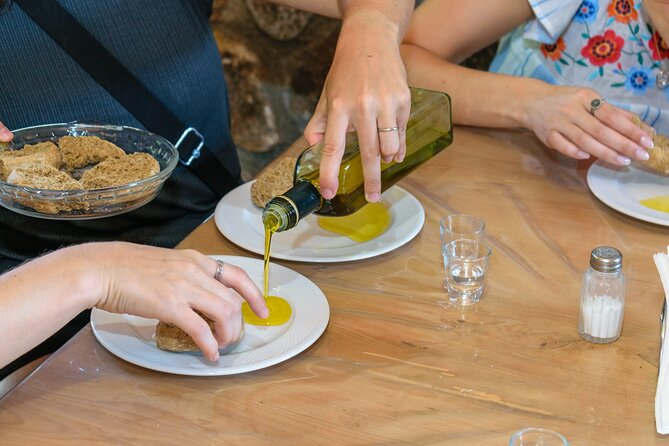
This tour fits best if you:
- Want a guided day with tastings rather than self-guided hopping
- Enjoy learning through food production places like distilleries, mills, and factories
- Prefer a small group capped at 20
- Like having lunch handled, not researched
It may be less ideal if:
- You hate early starts (it begins at 8:00 am)
- You want lots of free time for wandering instead of set stops
- You get uncomfortable with lots of short activity blocks plus driving time (because transfers add up)
If you’re traveling as a couple, this kind of tour can feel efficient and intimate. One review highlighted that two people even ended up on a private tour with Yannis, which shows the day can flex depending on group size.
Should you book the Food Tasting Tour of Chania Villages?
Book it if you want one well-paced day that covers the flavors of Crete in a grounded way: raki, olive oil learning, and a real cheese tasting, then lunch in a village. You’ll get good structure, tastings included, and less hassle than building the day yourself.
Skip it if you’re mainly looking for beach views or lots of independent exploring. This is a food and production tour first, and the day’s shape is built around planned stops and transfers.
FAQ
FAQ
How long is the Food Tasting Tour of Chania Villages?
It runs for about 6 hours (approx.).
What time does the tour start?
The tour starts at 8:00 am.
What’s included in the price?
The tour includes lunch, an air-conditioned vehicle, alcoholic beverages, bottled water per person, English speaking local driver/escort, and all tours & tastings plus all fees and taxes.
What tastings and food stops can I expect?
You’ll visit Peroulakis Distillery for a tour and tasting, Tsivaras olive mill, a cheese factory in Vryses with Graviera, Mizithra, or Anthotiros tasting, and then have lunch at Fres.
Are entry fees included?
Yes. The tour lists all fees and taxes as included, and the distillery admission ticket is specifically included.
Is alcohol included?
Yes. Alcoholic beverages are included.
Is lunch included?
Yes. Lunch is included in the tour.
What’s the group size limit?
The tour has a maximum of 20 travelers.
Do I need to tell the operator about allergies or dietary needs?
Yes. You should notify them of dietary restrictions, food allergies, or health concerns when making your reservation.
Is the tour weather-dependent?
Yes. It requires good weather. If it’s canceled due to poor weather, you’ll be offered a different date or a full refund.