First time scuba in Crete can change your whole mood. This 5-hour outing near Heraklion pairs a calm mini lesson with patient coaching, then gets you into clear water to see real sea life. I especially like the way the instructors slow everything down for comfort, including equalization and simple in-water skills. I also like the small group size, with max 8 people, which means you get attention instead of getting rushed.
The only real consideration: a medical questionnaire is required, and if breathing or other medical issues make it unsafe for recreational scuba, you won’t be able to participate.
In This Review
- Key Highlights at a Glance
- Horizon Diving Pickup and the Gournes Meeting Point
- Paperwork and Medical Checks: Safety First, Not a Formality
- The Mini Lesson: Equipment, Equalization, and Calm Practice
- Mononafitis Beach: What You’ll Actually See and How the Session Gets Deeper
- Instructors by Name: Why Support Makes the Difference
- Time on the Clock, Snacks, and the Photo/Video Bonus
- Price and Value: Is $119.47 Worth It?
- Who Should Book This and Who Should Think Twice
- Should You Book in Heraklion with Horizon?
- FAQ
- How long does the experience last?
- Do I need to know how to swim?
- What is the minimum age?
- Is pickup offered?
- What group size should I expect?
- What paperwork do I need to complete?
Key Highlights at a Glance
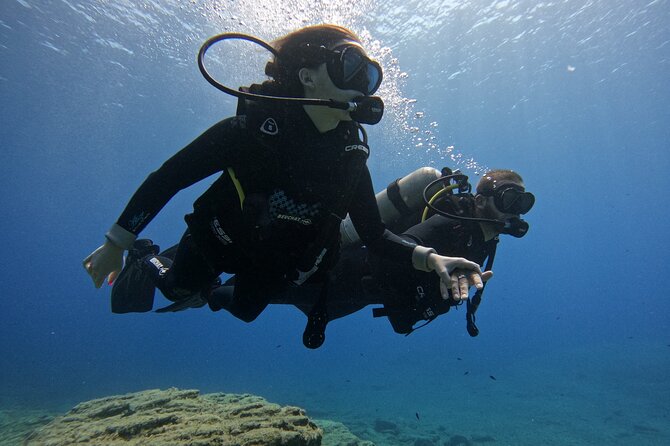
- Shallow-to-deeper training starting in a lagoon around 7 meters before moving further out
- Small groups (up to 8) with an instructor plus assistant support
- Guides who teach pressure equalization and breathing basics step-by-step
- Clear water off Mononafitis Beach with lots of fish schools
- Photo and video options recorded during the session (GoPro-style)
- Minimum age 8, and swimming isn’t required
Horizon Diving Pickup and the Gournes Meeting Point
Your day starts around 9:00 am. The meeting point is Horizon’s base at Dominikou Theotokopoulou 15, Gournes (715 00), Greece. If you’re using pickup, you should look for a car or mini bus marked with a Horizon Diving sign outside your hotel or property.
What I like about this setup is how it reduces stress for first-timers. You don’t need to figure out the logistics on your own, and the team meets you in a place that’s geared for gear fitting and briefing. The experience typically runs about 4.5 hours, so you’re not signing up for a full day that eats the rest of your vacation.
Also, Gournes is practical. It’s near public transportation, so if you’re not getting pickup, you still have a realistic way to get to the meeting point. The group stays small, too, so the drive to the water is usually calm instead of chaotic.
Where you end up is the action part: Mononafitis Beach is where the session is run. That matters because you’re learning in a real coastal environment, not a random pool of water. The goal is to keep you comfortable while you build confidence, then take you out far enough to see what you came for.
Bottom line: if you want an easy start, with pickup or a simple meeting point, this format works.
You can also read our reviews of more scuba diving tours in Crete
Paperwork and Medical Checks: Safety First, Not a Formality
Before you get into the water, you’ll fill out paperwork that includes:
- a participant statement
- a liability release form
- a medical questionnaire
The medical part is there to determine whether you should be examined by a doctor before recreational scuba. You should take it seriously, even if you feel fine. This isn’t paperwork theater; it’s meant to keep you safe with breathing and pressure changes underwater.
One review specifically warned that if you have issues with breathing or other medical conditions, you can’t go. That’s the clearest “real life” takeaway: don’t assume you’ll be able to participate just because you’re active or healthy on land. If you’re unsure, it’s smart to review your medical situation early rather than banking on last-minute changes.
Good news: you don’t need to be a swimmer to get started. The depth is adapted to your level of confidence and to the diving standards of the day.
There’s also a minimum age of 8 years old, which makes this realistic for families who want their kids to experience the underwater world with close coaching. Service animals are allowed, so if that’s part of your planning, you can factor it in.
One small detail that can surprise people: you’ll be asked to complete the medical questionnaire up front, so plan to arrive ready to spend a short chunk of time before the gear and water.
The Mini Lesson: Equipment, Equalization, and Calm Practice
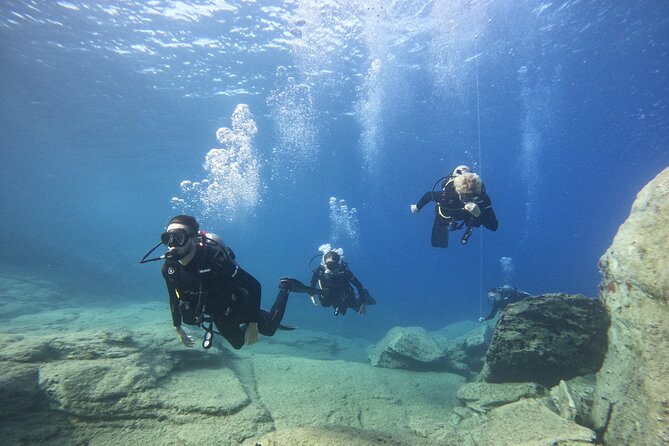
The best first-time scuba experiences teach you so you feel in control. Here, you get a mini theoretical lesson in English, plus EN/FR/GER options, with instructors who will answer questions patiently. You learn what you need for a safe, fun session: equipment basics, equalization techniques, and a few skills you practice together in shallow water before you go deeper.
If you’re nervous about ears popping or pressure, pay attention here. Multiple instructors focused on equalization because it’s one of the first things that separates a stressful experience from a comfortable one. One review highlighted how pressure equalization was handled with extra help for someone who was having challenges. That’s a good sign: the team doesn’t just give instructions and hope for the best.
You’ll also learn the basics of using the gear underwater and the simple hand-signal communication used during the session. In one account, the group spent time in a short instruction film and then went through gear fitting and a focused briefing at the base before entering the water.
If you’re thinking about what this looks like in real time, it’s usually:
- Briefing on safety and what to expect
- Gear fitting and checking fit
- Practice in shallow water (breathing, comfort, buoyancy basics)
- Then moving to the next stage once you and your instructor feel ready
And yes, the instructor pace matters. One review called out that the pace adjusts to confidence, which is exactly what you want. You’re not racing the ocean. You’re learning to work with it.
Mononafitis Beach: What You’ll Actually See and How the Session Gets Deeper
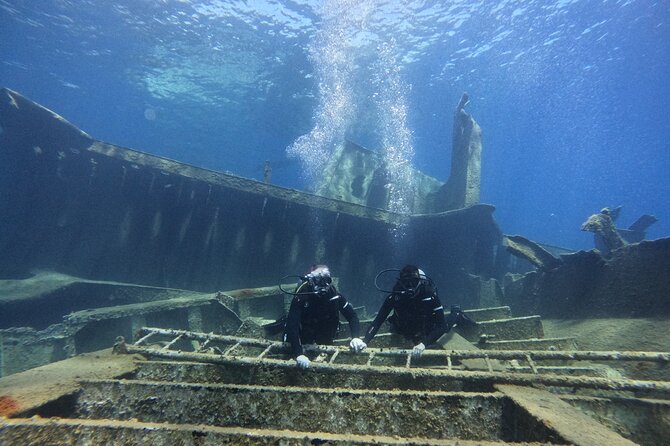
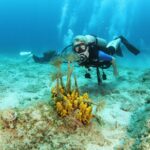
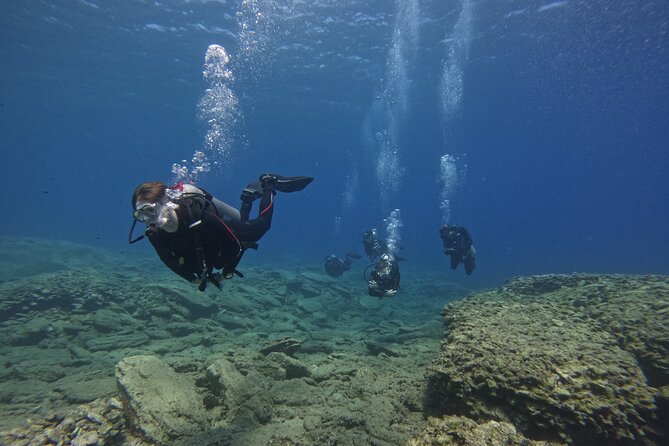
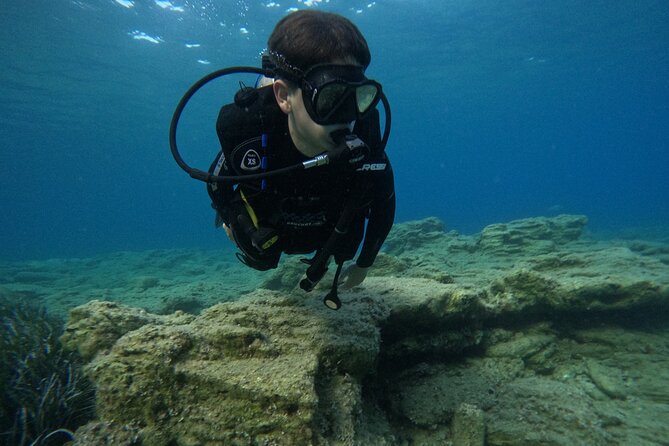
The water focus is Mononafitis Beach, and the training is staged. A review described the lagoon as a great start, with a maximum depth of around 7 meters for introductions. Another review mentioned going to about 10 meters deep, which fits the idea of moving from shallow practice to a slightly deeper exploration once you’re comfortable.
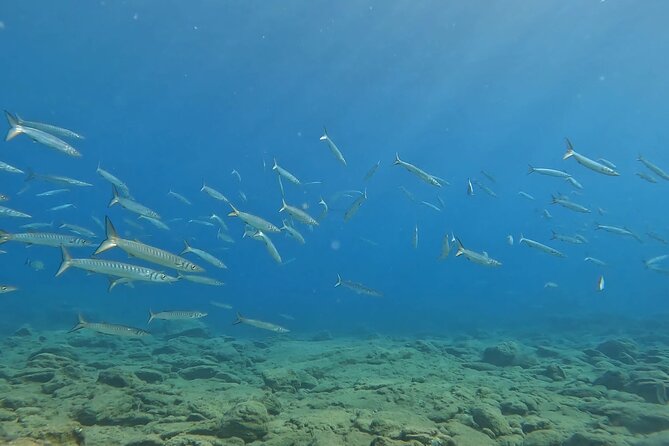
So what’s the payoff? Clear water and sea life. Expect fish schools as one of the most common highlights. Reviews also mention:
- a black, spiky sea urchin
- an octopus (one described about softball size)
- an octopus plus lots of fish during the deeper portion
- possible sightings like barracudas (reported by one group)
Also, let’s talk about the scary thoughts. If sharks are on your mind, you’ll likely get reassurance. One review said they were told there have never been sharks in the area. Whether you think that’s comforting or you’re still cautious, the practical takeaway is this: the team sets expectations early so your imagination doesn’t run wild.
One more thing: getting in from the beach is part of the magic. Several accounts described walking into the water and feeling that shift from land to underwater world. That moment is short, but it sticks with people.
What you should keep in mind as you plan: this is not a “see everything” mission. It’s a first-time learning experience with an exploration component. If you’re expecting a technical, long multi-site program, you’ll be happier framing it as training plus a taste of what scuba is like.
Instructors by Name: Why Support Makes the Difference
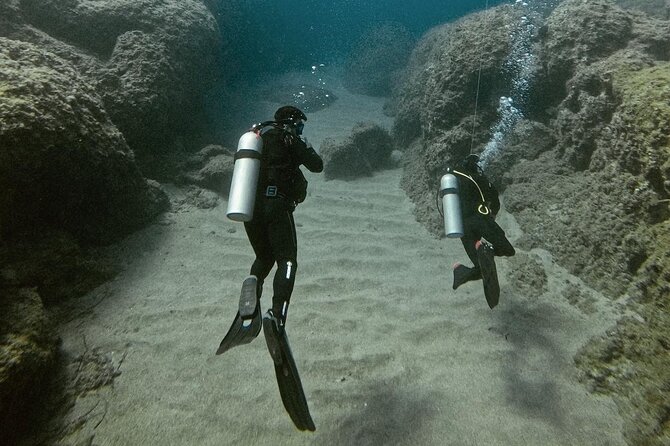
This is one of the strongest sides of the experience. The team is repeatedly described as patient, reassuring, and careful about gear and breathing. Names that came up include Yiannis and Ioannis (spelling varies in reviews), plus instructors like Chris and Sarah.
Here’s what you should look for, because it affects your comfort more than almost anything else:
- Do they explain equipment clearly before you enter the water?
- Do they help you with equalization if you struggle?
- Do they check your comfort before moving deeper?
- Do they keep the group moving at a pace that makes sense for first-timers?
Multiple reviews flagged these exact points. One said the instructor supported every step and made sure gear and preparations felt right. Another said the session was gradual and that the instructor was reassuring, which is what you want if you’re anxious.
The small-group structure (up to 8) also helps. If you’re in a group of 4, for example, you can get real attention from the instructor and assistant, and you’re more likely to be coached in the moment instead of receiving generic advice from a distance.
There’s also an element of empowerment. One review mentioned the instructor showing how to become scuba certified if you want to continue later. That matters because a great first session doesn’t just entertain you; it helps you understand your next steps in a realistic way.






Time on the Clock, Snacks, and the Photo/Video Bonus
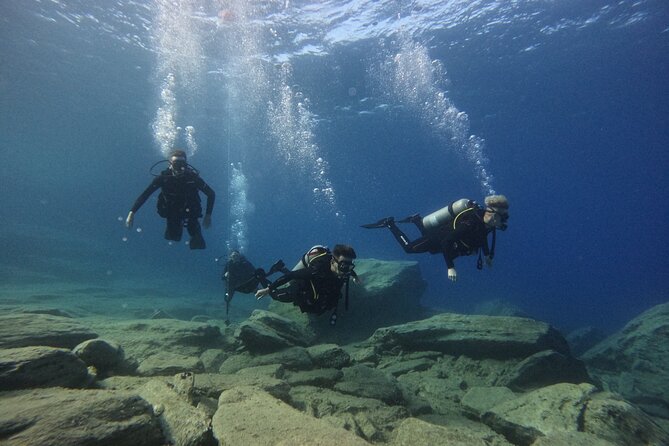
The session runs about 4.5 hours, starting at 9:00 am. That timing is friendly if you still want energy for the rest of your day in Heraklion. It’s long enough to learn basics and see sea life, but short enough that it won’t crush your schedule.
One value detail that shows up in the accounts: you get water and snacks. That’s a small thing, but it makes a difference when you’re wearing gear, moving through a briefing, and then spending time in the sun at the coast.
There’s also an option to get photos and videos. Reviews specifically mention GoPro-style recording and pictures taken throughout. One review recommended buying the photos and videos afterward, which tells you it’s not just a quick “good luck” camera moment. You’ll have proof of what you experienced, which is useful if you want to remember your first time underwater without relying on your own phone handling.
Is it “included”? The provided info doesn’t clearly say pricing is included, so don’t assume it’s free. But you can plan for it as a possible add-on if you want a keepsake.
Price and Value: Is $119.47 Worth It?
At $119.47 per person, this isn’t the cheapest activity in Crete, but it also isn’t priced like a luxury private charter. For first-time scuba training, the value usually comes down to three things: instruction quality, safety support, and how much you actually get to do.
Here, you’re paying for:
- a structured mini lesson (including equipment and equalization)
- shallow-water practice before moving deeper
- small group size up to 8 people
- pickup option from your hotel area
- experienced instructors and gear handling
- water and snacks
- photo/video recording option
Given the repeatedly 5/5 experiences and the “reassuring and step-by-step” coaching theme, the price starts to make more sense. You’re not just paying for time in the water. You’re paying for the part that often makes first-timers succeed: learning how to breathe, equalize, and feel comfortable with the gear.
If you want a “try it once” experience and you’re nervous, this kind of coached setup can be worth more than a cheaper, less structured option. But if you already know you want certification right away, you might compare the cost of this first session versus going straight into a longer course—still, having a gentle intro can make the next steps easier.
Who Should Book This and Who Should Think Twice
This experience is a strong match if you:
- want a first-time scuba session with a real training component
- feel nervous about pressure or breathing and want patient coaching
- prefer small groups and hands-on instructor attention
- want an accessible introduction (minimum age 8, swimming not required)
- like the idea of seeing clear-water sea life soon after learning basics
On the other hand, think twice (or plan on medical guidance first) if you have conditions that affect breathing or other safety factors. The required medical questionnaire isn’t optional, and some people will be advised not to participate for risk reasons.
Also, be honest with yourself about comfort. Even with great instruction, equalization can be challenging for some people at first. The good sign here is that support is available in the moment, but your attitude matters too. If you show up calm, ask questions, and follow guidance, your odds of enjoying the underwater portion jump a lot.
If you’re visiting Heraklion and want a memorable, hands-on experience without spending your whole day away, this is the kind of half-day activity that can become the highlight of your trip.
Should You Book in Heraklion with Horizon?
I’d book this if your top priority is a first-time underwater experience that takes training seriously while keeping the mood calm. The biggest reasons are small group size, a structured shallow-to-deeper plan, and instructors who focus on equalization, breathing, and comfort. Add pickup and snacks, and the day stays manageable.
I wouldn’t book it if you know you have breathing or medical issues that could affect recreational scuba safety without medical clearance. And if you’re hoping for a long, advanced technical program, you’ll likely want a different type of course.
If you’re aiming for an introduction you can trust, this one earns its strong reputation.
FAQ
How long does the experience last?
The experience lasts about 4.5 hours (around 5 hours total).
Do I need to know how to swim?
No. Knowledge of swimming is not necessary. The depth is adapted to your confidence level.
What is the minimum age?
The minimum age is 8 years old.
Is pickup offered?
Yes. Pickup is offered, and you should look for a car or mini bus with a Horizon Diving sign outside your hotel or property.
What group size should I expect?
The activity has a maximum of 8 travelers.
What paperwork do I need to complete?
You’ll fill out a participant statement that includes a liability release form and a medical questionnaire.