Cretan food is best when you make it yourself. At Metochi farmhouse near Chania, this 5-hour traditional cooking lesson is equal parts hands-on class and family dinner, with farm-grown ingredients and lots of practical food talk.
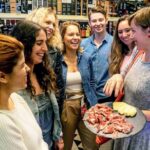
I love the small-group feel, capped at 14 travelers, so questions don’t get lost. I also really like that you’re not just watching: you’ll cook Cretan classics (plus you’ll learn about olive oil and the Cretan diet), then eat what you made together.
One thing to consider: it runs in the late afternoon starting at 4:30 pm, so you’ll want to plan your day around it rather than trying to stack another tour afterward.
In This Review
- Key Things to Know Before You Go
- Why This Metochi Farms Class Feels More Like Dinner With Family
- Getting There From Chania: Pickup, Meeting Point, and Timing
- The Farm Tour and Olive Oil Tasting: The Lesson Starts Before the Oven
- Dinner-First Cooking: How the Menu Fits Together
- Your Cretan Menu Highlights
- Hands-On Cooking Time: From Starters to the Oven Dishes
- What You’ll Learn Beyond Recipes (Olive Oil and the Cretan Diet)
- The Dinner Moment: Eating Together After You Cook
- Price and Value: Is $132.17 Fair for 5 Hours?
- Who This Cretan Cooking Lesson Is Best For
- Quick Practical Notes Before You Book
- Should You Book This Cretan Traditional Cooking Lesson?
- FAQ
- How long is the Cretan traditional cooking lesson near Chania?
- Where does the experience start?
- Is hotel pickup included?
- What time does the class begin?
- What language is the class offered in?
- What dishes are included in the sample menu?
- How many people are in the group?
- How do I get my ticket?
- What is the cancellation policy?
Key Things to Know Before You Go
- Small group (max 14): easier to learn, easier to chat, better pace
- Pickup offered near Chania: you’ll start in an air-conditioned vehicle
- Farm tour and olive oil tasting: you get context before dinner
- Hands-on cooking: you’ll learn dishes like Boureki, Gemista, and Stifado
- Dinner included: you’ll eat the food you help prepare
- Starts at 4:30 pm: plan for a late-afternoon start, then a full meal at the end
Why This Metochi Farms Class Feels More Like Dinner With Family
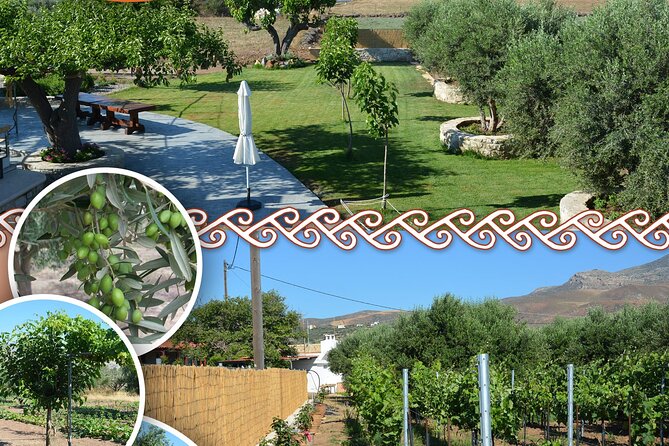
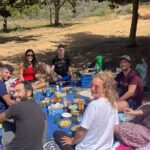
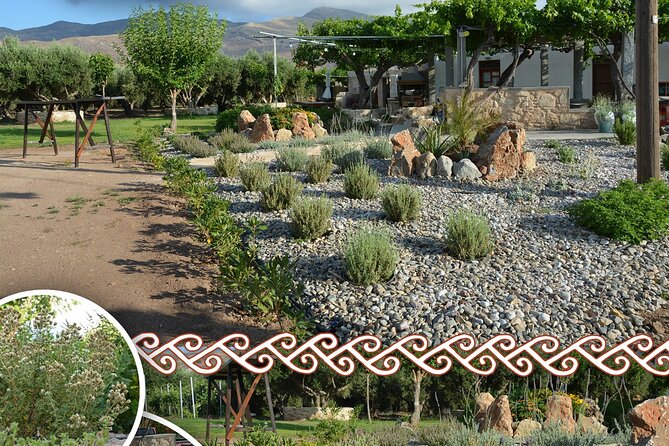
A cooking class can be hit-or-miss. This one lands because it’s rooted in a real farmhouse setup near Chania, and the focus stays on learning how Cretan home cooking works. You start by meeting the family and heading to their small farmhouse, then you cook together, and you finish by sharing a meal made from your own work.
The hosts also explain the bigger story behind the food. You’ll get useful information about olive oil and the Cretan diet, not just a recipe card. That matters because it helps you understand why certain ingredients and flavors show up again and again in Crete.
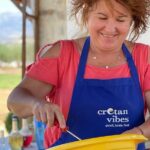
You should expect a warm, unhurried evening. Mrs Chrisoula (known as Mom) and Eleni are the kind of hosts who make the space feel welcoming, and the vibe stays friendly even when you’re learning something new.
You can also read our reviews of more cooking classes in Crete
Getting There From Chania: Pickup, Meeting Point, and Timing
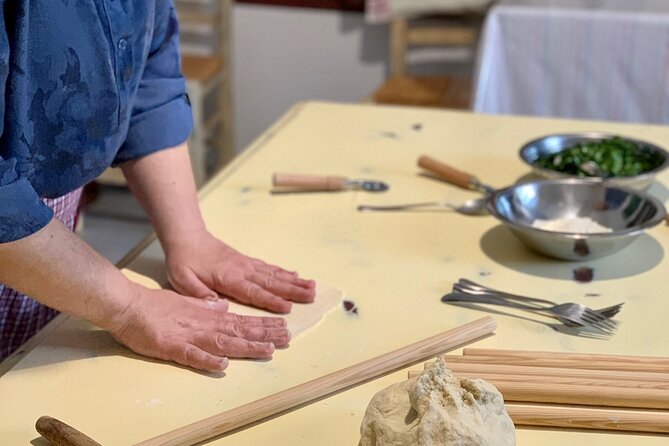
This experience starts at 4:30 pm, and it ends back at the meeting point, so it’s built for an evening rhythm rather than a quick morning activity. If you’re staying near Chania, the tour offers hotel pickup in an air-conditioned vehicle, which is a big quality-of-life win in Crete’s warmer hours.
Your meeting point is Metochi farmhouse in Trachilos (Chania 734 00, Greece). If you want pickup, the provider asks you to send the name of your hotel or the address of the house so they can find the best option for you. That’s simple, but do it soon after booking so they have what they need.
Also note the tour confirmation timing: you’ll receive confirmation within 48 hours of booking, depending on availability. And since this is a small-group class, spots can go earlier than you expect, so it’s smart to plan ahead.
The Farm Tour and Olive Oil Tasting: The Lesson Starts Before the Oven
The best part of this experience, in my view, is that you don’t jump straight to cooking. You first get to know the family and visit their farmhouse area, then you move into the food lessons with context.
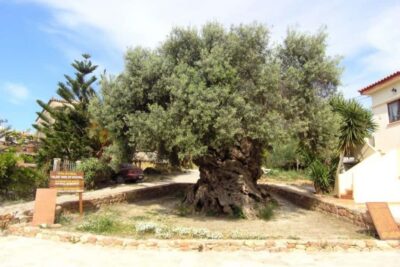
On a practical level, this helps you cook with better understanding. When someone explains the olive oil side of the Cretan diet, it changes how you think about flavors, not just how you follow steps. You’ll also get an olive oil tasting as part of the experience, which makes the whole thing more than a class you forget after dinner.
One review also mentions explanations around olive oil and wine processes. The data you have here doesn’t guarantee wine-making content every time, but it does point to the fact that the hosts are interested in sharing how their farm life connects to what you eat. If you’re the type who likes questions, this is where you’ll get them answered.
Dinner-First Cooking: How the Menu Fits Together
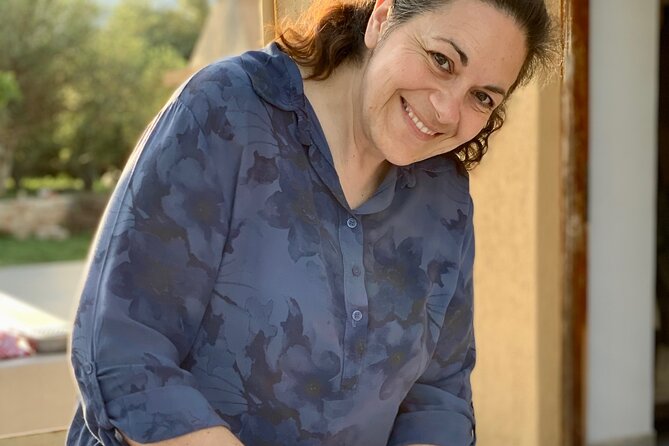
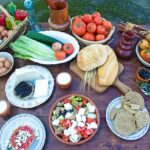
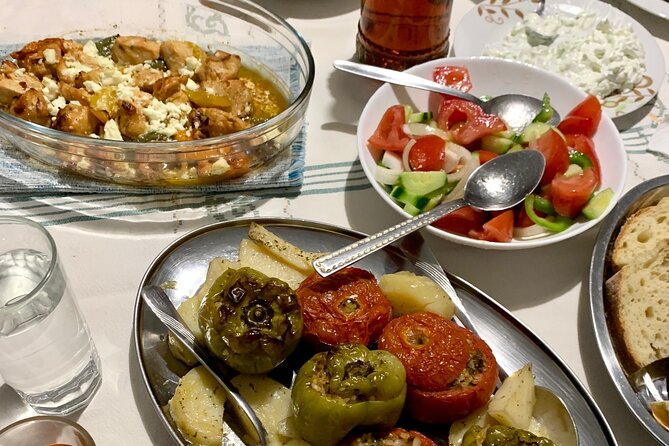
The sample menu shows the style and range of the meal you’ll help prepare. It’s not just one dish; it’s a full Cretan spread, with starters, mains, and dessert, then you sit down and eat it all together.
Your Cretan Menu Highlights
- Boureki: zucchini with potatoes and cheese in the oven
- Gemista: stuffed tomatoes and peppers
- Stifado: pork meat with onions and tomato sauce
- Ntolmadakia: rolls with vine leaves and rice
- Tzatziki
- Kalitsounia: small cheese pastries served with honey
- Kalitsounia with greens
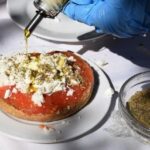
- Dakos: rusk with local cheese and tomato
This is a good sign for value. A lot of cooking classes teach one dish and call it a night. Here, the menu suggests you’ll be working through a meal that feels complete, like what a family might actually serve at home.
You can also read our reviews of more tours and experiences in Crete

Hands-On Cooking Time: From Starters to the Oven Dishes
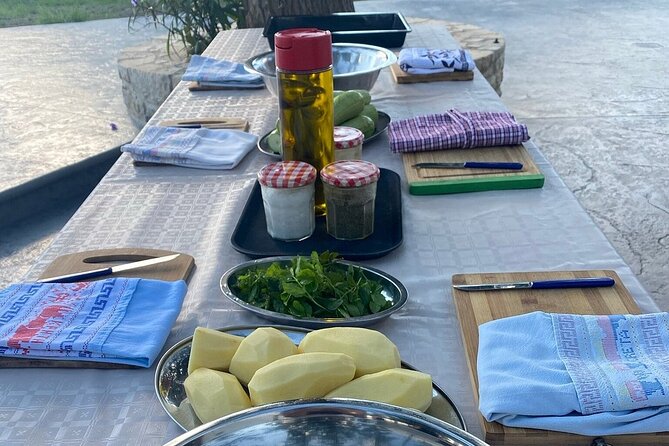
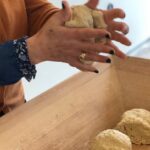
The class is hands-on, and the format stays practical: you cook together at the farmhouse, learning as you go. With a maximum of 14 travelers, you’re not stuck waiting around while one or two people do all the work.
Here’s how the dishes work as a group meal, and what it means for you as a learner:
Starters set the tone. You’ll be dealing with multiple “small plate” ideas like Ntolmadakia (vine leaf rolls with rice), Tzatziki, and Dakos (rusk with local cheese and tomato). These also help you understand how Crete uses fresh, simple components alongside cooked items.
Oven cooking brings structure. Boureki is listed as zucchini with potatoes and cheese in the oven. This kind of dish is great for a class because it teaches an approach that doesn’t require complicated timing tricks. You can watch how everything comes together before it bakes, and the result is very meal-shaped.
Gemista and stifado show the comfort-food side. Gemista is stuffed tomatoes and peppers, and Stifado is pork with onions and tomato sauce. These are the kinds of dishes that feel like everyday tradition, the kind you can imagine making again without turning it into a project.
Dessert includes both cheese pastry and honey. Kalitsounia appears as small cheese pastries served with honey, and the menu also lists a version with greens. That’s a fun contrast: sweet-and-salty comfort alongside something savory. If you like learning how families keep variety in the same meal, pay attention here.
One more thing I like: you’re learning recipes inside the context of a real home kitchen and farm setting. That means the class doesn’t feel like a script. It feels like food culture.
What You’ll Learn Beyond Recipes (Olive Oil and the Cretan Diet)
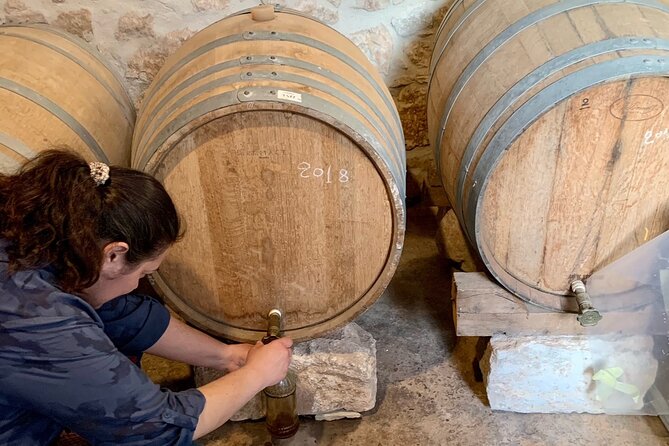
The experience is more than technique. You’ll be guided through useful information about olive oil and the Cretan diet. That shows up in how the hosts explain the food, not just in tastings.
In practice, this kind of lesson helps you later. Instead of thinking only in terms of ingredients and steps, you start thinking in terms of how the diet is built. Olive oil isn’t just a cooking shortcut here; it’s part of the logic of the meal.
The best teaching moments tend to come when you connect the taste to the reasoning. And because you’ll cook and then eat the dishes, you get immediate feedback. When something tastes right, you can usually point to why: the oil, the balance of components, and the way the meal is assembled.
The Dinner Moment: Eating Together After You Cook
After cooking, you eat dinner with the dishes prepared earlier. That sounds simple, but it’s actually the payoff. You go from hands and questions to a shared table where everything finally makes sense as a meal.
This is also where the host warmth really lands. The reviews mention generous hospitality and a sense of family, including explanations of traditions and family history. Even if you don’t care about every detail, the result is a dinner that feels personal rather than staged.
If you’ve ever taken a class where you leave with food still in your mind but not really in your stomach, this avoids that. You finish the evening full, with a dish you helped create, and with the context behind it.
Price and Value: Is $132.17 Fair for 5 Hours?
At $132.17 per person for roughly 5 hours, you’re paying for more than a recipe lesson. Based on what’s included, the value comes from four things working together:
- Small-group size (max 14): more attention and less waiting
- Hotel pickup: you’re not spending time figuring out transport
- Farm tour plus olive oil tasting: you get cultural and food context before cooking
- A full meal: you cook and then eat a multi-dish dinner
If you compare the price to typical “single dish” classes, this one looks more complete. You’re not just learning one item; the menu points to a full spread with starters, mains, and dessert.
The only time price can feel heavy is if you’re mainly looking for a quick bite or a short photo stop. But if you want a real evening meal experience, this is priced like a true activity.
Who This Cretan Cooking Lesson Is Best For
This fits best when you like food culture and hands-on learning. I think it’s ideal for:
- Couples and small groups who want a guided evening with a meal at the end
- Anyone staying near Chania who wants an authentic Cretan food experience without driving around on your own
- People who care about olive oil and the Cretan diet and want it explained in plain language
- Food lovers who don’t mind a structured, family-run evening that ends with a table full of dishes
It also makes sense if you travel solo but don’t want a “one-person show.” With a small group limit, you can still feel connected without being lost in a crowd.
Quick Practical Notes Before You Book
A few practical points matter here:
- Expect an evening start at 4:30 pm, not a daytime class.
- If you want pickup, send your hotel name or address so they can arrange the best pick-up for you.
- Confirmation comes within 48 hours, subject to availability.
- The activity is in English.
- Service animals are allowed.
Should You Book This Cretan Traditional Cooking Lesson?
I’d book it if you want a genuine farmhouse-style cooking evening near Chania where you learn, cook, and then actually eat a full Cretan spread. The combination of small-group learning, farm context, olive oil tasting, and a shared dinner makes it feel like a complete experience rather than a quick demo.
If your schedule can’t handle a late-afternoon start, or you’re only interested in one dish, you might prefer something shorter. But if you’re aiming for a memorable Greek food evening with real hospitality, this one has a lot going for it.
FAQ
How long is the Cretan traditional cooking lesson near Chania?
It runs for about 5 hours (approx.).
Where does the experience start?
It starts at Metochi farmhouse in Trachilos, Chania 734 00, Greece.
Is hotel pickup included?
Yes, pickup is offered. You’ll want to send your hotel name or the address of your accommodation so they can arrange the best pick-up.
What time does the class begin?
The start time is 4:30 pm.
What language is the class offered in?
The experience is offered in English.
What dishes are included in the sample menu?
The sample menu includes Boureki, zucchini with potatoes and cheese in the oven; Gemista (stuffed tomatoes and peppers); Stifado (pork with onions and tomato sauce); Ntolmadakia (vine leaf rolls with rice); Tzatziki; Kalitsounia (cheese pastries with honey and also a version with greens); and Dakos (rusk with local cheese and tomato).
How many people are in the group?
The maximum group size is 14 travelers.
How do I get my ticket?
A mobile ticket is offered.
What is the cancellation policy?
You can cancel for a full refund up to 24 hours before the experience starts. Free cancellation is available, and cutoff times are based on local time. Confirmation happens within 48 hours of booking depending on availability.