A Minotaur story, plus mountain views, in one day. I especially like Knossos Palace, because the myths feel tied to real rooms, stairways, and corridors. I also love the stop on the Lassithi Plateau, where you see those distinctive wind-pumps against the mountains. One consideration: this is a big-group coach day, so the pickup shuffle can add a lot of time before you reach the first sights.
The day runs about 8 to 9 hours and hits several very different places: Bronze Age Crete above Heraklion, highland scenery on the plateau, a historic monastery, and then a cave experience underground. You get an air-conditioned bus and a certified guide, plus hotel pickup from a wide set of areas around Heraklion.
If you’re the type who wants a lot of “wow” per hour, this tour fits. Just bring moderate walking stamina for uneven ground and cave steps, and don’t expect luxury comforts like onboard Wi‑Fi. It’s practical sightseeing with just enough structure to keep the day moving.
In This Review
- Key Things That Make This Tour Worth Your Time
- Knossos Palace: walking the maze behind the Minotaur myth
- Lassithi Plateau: wind-pumps, panoramic roads, and mountain air
- Kera Kardiotissa Monastery: stone church, old frescoes, and quiet context
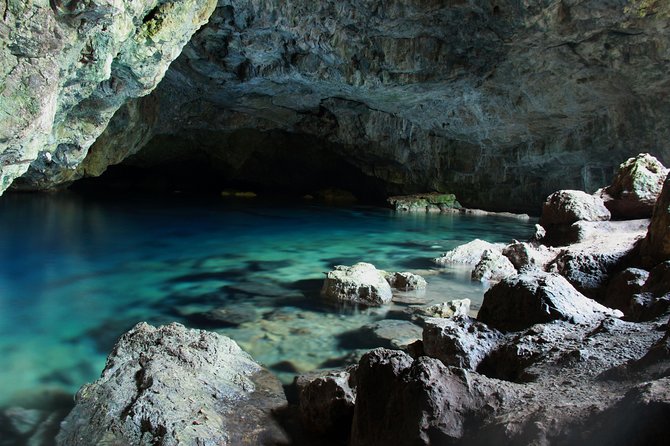
- Dikteon Cave: what the underground part really feels like
- Pickup, timing, and the reality of an 8–9 hour coach day
- Tickets, age perks, and what’s actually included
- Guide and languages: how communication shapes the day
- The Cretan taverna finish: using the meal to slow down
- Who this tour fits best (and who should think twice)
- Should you book the Knossos Palace and Lassithi Plateau day tour?
- FAQ
- What is the duration of the tour?
- Is hotel pickup included?
- Are entrance tickets included for Knossos Palace?
- Do I need to pay for the Kera Kardiotissa Monastery?
- Is the tour suitable for everyone physically?
- What is the cancellation policy?
Key Things That Make This Tour Worth Your Time
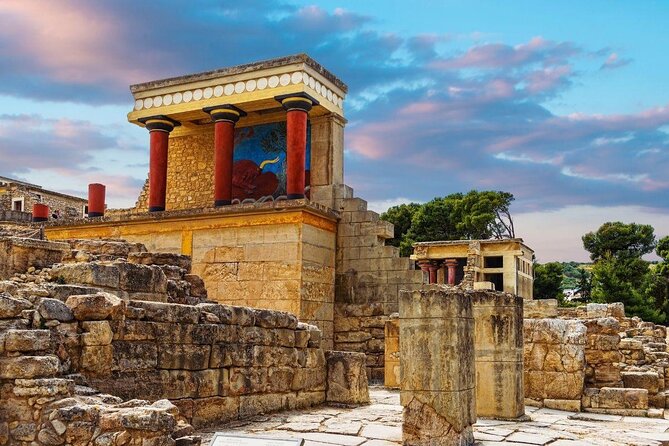
- Knossos Palace with context that helps the Minotaur myth make sense on the ground
- Lassithi Plateau wind-pumps and wide views from an altitude around 840 m
- Kera Kardiotissa Monastery in a North Dikti Range wooded setting, tied to the Nativity of Mary (Sep 8)
- Dikteon Cave as part of a full circuit, including walking inside with real footwear needs
- Hotel pickup included from many Heraklion-area towns and villages
- Group size capped at 150, with a guide designed to keep the day organized
Knossos Palace: walking the maze behind the Minotaur myth
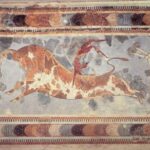
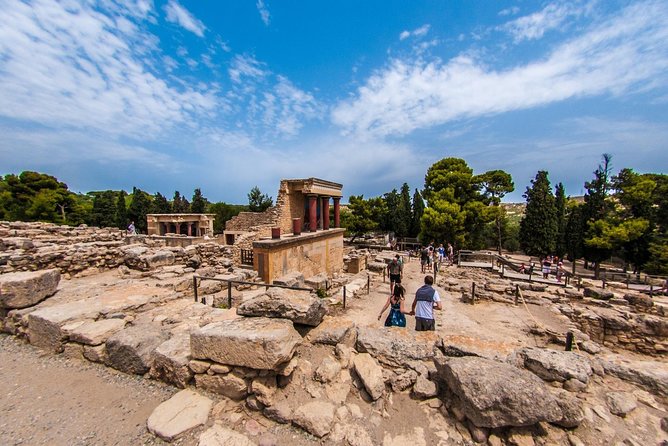
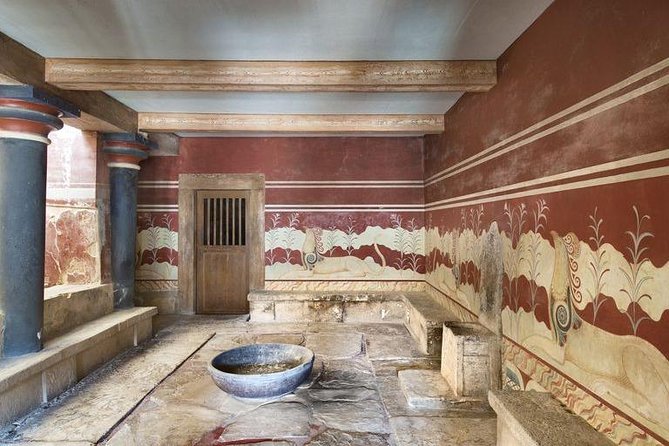
Knossos Palace is the kind of place that can feel confusing if you show up cold. That’s why I like touring it with a guide: you get the story thread you need, from Bronze Age power and architecture to how myths got stitched onto the site over time. Knossos is the largest Bronze Age archaeological site on Crete, and it’s been described as Europe’s oldest city—big claims, but they help explain why the palace matters.
Expect to spend about one hour at Knossos. The admission ticket is not included, and ages can affect pricing (the tour notes that people up to 25 have free entry). So if you’re traveling with someone in that age group, it may be worth checking local rules before you buy anything on the day.
Here’s the practical value of Knossos on a guided day: the palace isn’t a single “stand and look” monument. It’s a layout of rooms, corridors, and levels. With a guide speaking through the highlights, you’re less likely to wander in circles and more likely to notice the details that make the site feel alive.
One more tip: go in ready to look twice—once at the grand idea, and a second time at the smaller layout things you might miss if you’re rushing.
You can also read our reviews of more tours and experiences in Heraklion.


Lassithi Plateau: wind-pumps, panoramic roads, and mountain air
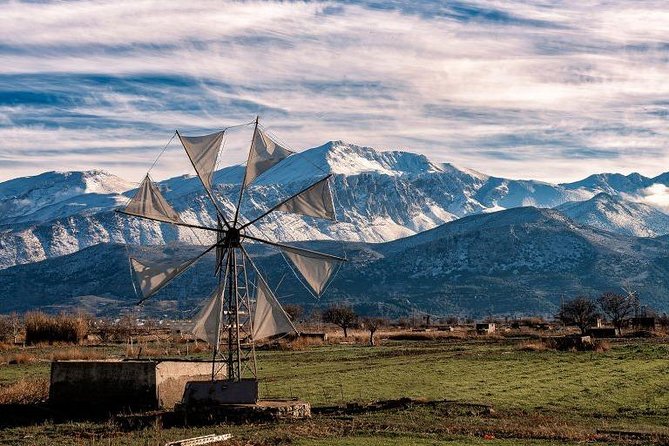
The Lassithi Plateau stop is the breath of air your day needs. You travel to a high mountain plain in eastern Crete, about 70 km east of Heraklion. The plateau sits at an average altitude of 840 meters, and it stretches roughly 11 km east-west and 6 km north-south.
The headline feature is the wind-pumps—more accurately, wind-driven pumps built in a local design and used since the early 20th century to irrigate farmland. From a distance, they look like a field of white sails. Up close (if you get time to walk a bit around the viewpoint areas), you start seeing how human engineering adapted to this windy highland setting.
This stop is short—about 30 minutes—and admission is free. So I’d treat it like a grab-and-go photo and viewpoint moment, not a long hike. The value here is the contrast: after Knossos’s palace rooms, you shift to open sky and a landscape that explains how people lived and farmed at elevation.
If you’re choosing between tours on Crete, I’d still look at this one specifically because the plateau adds that “outside the usual Heraklion box” feeling. It turns a city day into a whole island day, even though it’s still scheduled tightly.
Kera Kardiotissa Monastery: stone church, old frescoes, and quiet context
After the plateau roads, you’ll head to the Monastery of Kera Kardiotissa, located about 50 km southeast of Heraklion in a wooded area of the North Dikti Range. It’s near the road leading toward the Lassithi Plateau, so it sits like a cultural waypoint between highlands and coast.
The monastery’s church is dedicated to the Nativity of Mary, celebrated on September 8. The present stone-built church came together in four phases, which is one reason the building can feel layered rather than uniform. The tour information notes an earlier single aisled temple form that was expanded with additional rooms and a smaller chapel later on.
Visually, the main draw is the old frescoes from the 14th century, though the details are described as quite damaged by time. That’s important context for managing expectations: you’re not going there for “fresh” paintings. You’re going for the historical feel and the sense of continuity.
Plan on about one hour here. Entrance to Kera Kardiotissa is listed as 2 euros, with free entry up to age 18. Tickets aren’t included for this stop, so bring a small amount of cash just in case the on-site payment system doesn’t match what you expect.
My practical advice: take a minute before photos. Monastery interiors can be cooler and calmer than outdoors, and if you arrive a bit winded from the mountain drive, that pause helps you enjoy it instead of rushing through it.
Dikteon Cave: what the underground part really feels like
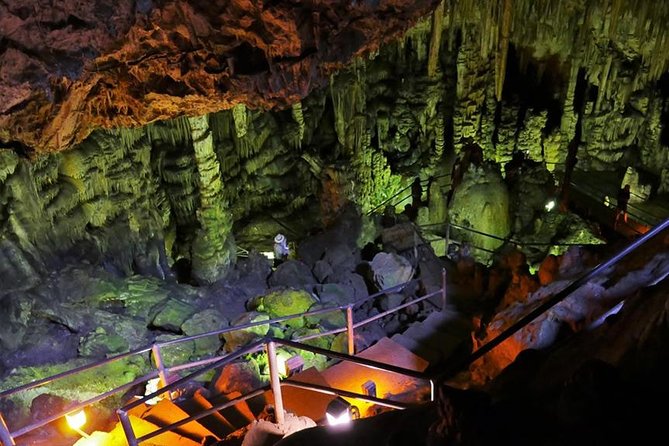
This tour includes a visit to Dikteon Cave. The cave experience is often the portion people remember longest—but also the portion where footwear matters most.
In the supplied info, there’s no detailed cave route description, but the overall cave experience is part of the day’s pacing, after the monastery stop. In past feedback connected with this type of visit, one issue that came up was footwear expectations. Some people arrive with slippers or shoes that are fine for streets but not ideal for cave steps.
So here’s the deal: wear shoes you trust on uneven surfaces. If you can, choose something with grip and support. Even if you’re not doing a long walk, caves are rarely flat.
Also, note that cave places can be cool and humid. That’s usually a welcome break from the summer sun, but bring a light layer if you run cold easily.
If you’re short on time and deciding whether to prioritize comfort: prioritize shoes over fashion. Your feet will thank you on the way out.
Pickup, timing, and the reality of an 8–9 hour coach day
This is where you either settle into the group-tour rhythm—or get annoyed by it.
The tour is built around coach transport and hotel pickup, offered from a wide set of areas around Heraklion. The pickup is described as at a specific tourist bus stop outside your hotel. If you’re in Area 1 (villages between Amudara/Heraklion/Karteros/Amnissos/Kokkini Hani/Gournes/Gouves/Analipsi/Anissaras/Hersonissos/Stalida/Malia/Sissi) or Area 2 (Sises/Fodele/Agia Pelagia/Ligaria/Achlada/Mades/Ammoudi/Rodia/Palaiokastro/Pantanassa/Linoperamata/Gazi), your hotel likely falls into the pickup map.
Two practical notes that matter:
- Pickup depends on route order and how many hotels are on the way. So the first part of your day can stretch.
- You must provide pickup details in time. If you don’t send the info up to 24 hours before the tour, pickup isn’t guaranteed.
On the bus comfort side, the coach is air-conditioned, which is a big deal on Crete. But don’t count on extras like onboard internet. The inclusion list doesn’t mention Wi‑Fi, and at least one past booking flagged the lack of it, which matches how these days usually work.
Group tours also mean a max group size of 150 travelers, so you’ll experience motion and organization rather than a private pace. The upside is efficiency: you cover Knossos, the plateau, a monastery, and a cave in one day without renting a car.
If you’re someone who hates waiting, my advice is to plan a calm morning. Keep water and a snack handy. Then treat the first long ride as part of the cost of seeing multiple “musts.”

Tickets, age perks, and what’s actually included
The price is listed at $57.32 per person, booked on average 44 days in advance, which suggests it’s a popular option. Value-wise, the big reason it’s competitive is that you’re buying transportation + a certified guide + a full-day itinerary across multiple major sites.
But you’re not buying the main admissions. Here’s what to budget:
- Knossos Palace admission is not included (with a note that people up to 25 may have free entry)
- Kera Kardiotissa Monastery entrance is 2 euros (with free entry noted up to 18)
So your real total cost depends on the ticket prices in effect when you go, plus your age category. Still, even with those extras, the bundle is often worth it when you compare driving time, fuel, and paid entry hassles—especially if you’re staying near Heraklion and want one organized day.
Also, note the tour duration and stop lengths are limited. That’s why you get a guide and coach: you’re not trying to spend half the day touring museums. You’re aiming to hit key sites with enough structure to understand what you’re seeing.
Guide and languages: how communication shapes the day
The tour includes a certified tour-guide. For places like Knossos, that matters because the site can feel like a confusing ruin without a narrative thread.
Language coverage is scheduled by day:
- Monday: English, German, French
- Tuesday: English, German, French, Russian
- Wednesday: English, German, French
- Thursday: English, German, French
- Friday: English, German, French
- Saturday: English, German, French
I’d use this as a planning tool: if you’re traveling with someone who needs Russian (or another specific language), pick Tuesday. Otherwise, most days include English and the common European languages.
And with a group size capped at 150, you can expect a guided flow rather than individual attention. If you like asking questions, go for it during stop moments—guides often give you a better chance when the group is stationary rather than moving.
The Cretan taverna finish: using the meal to slow down
The itinerary includes dining in an authentic Cretan tavern to close the day. The exact meal details aren’t provided here, so don’t expect a named restaurant or a menu promise.
But I like that this tour builds in an actual food moment instead of sending you back to Heraklion hungry and cranky. After caves and mountains, a set dining stop is a practical reset. If you have dietary needs, you’ll want to check with the operator after booking since no specifics are listed.
My suggestion: don’t overpack the day with late “snack plans.” Let the taverna stop do its job.
Who this tour fits best (and who should think twice)
This day trip is best for you if:
- You want multiple big sights in one long day and don’t want to drive
- You like your history guided and explained, not just photographed
- You’re comfortable with a moderate physical day, including walking inside historic sites and caves
It may not be for you if:
- You hate waiting around for pickup and multiple hotel stops
- You expect a relaxed pace or lots of free wandering time
- You’re sensitive to long coach rides or you’re not comfortable with cave steps
Also, if you’re staying far from the center of pickup zones, your day may feel more “transport-heavy.” In that case, it can still work, but you’ll enjoy it more if you accept that the coach ride is part of the itinerary.
Should you book the Knossos Palace and Lassithi Plateau day tour?
Yes, if you’re after a structured, high-traction Crete day: Knossos, a mountain plateau with wind-pumps, a historic monastery, and a cave—done with coach logistics and a guide. The price is reasonable for the amount of ground covered, and hotel pickup helps a lot if you’re not renting a car.
Wait or reconsider if you’re especially time-sensitive, you dislike group pickup delays, or you’re expecting tickets and extras to be fully bundled. Plan for entrance fees at Knossos and the monastery, wear grippy shoes for the cave, and keep your morning expectations realistic.
If you’re ready for a full day with a bit of bus time, this is a solid way to see more of Crete than the Heraklion waterfront.
FAQ
What is the duration of the tour?
The tour lasts about 8 to 9 hours.
Is hotel pickup included?
Yes. Hotel pickup is included, with pickup from specific bus stops outside hotels in the listed Heraklion-area zones.
Are entrance tickets included for Knossos Palace?
No. Knossos Palace admission is not included. The tour notes that people up to 25 years old may get free entry.
Do I need to pay for the Kera Kardiotissa Monastery?
Yes. Monastery entrance is 2 euros, with free entry up to age 18 noted in the tour details.
Is the tour suitable for everyone physically?
It’s listed as requiring moderate physical fitness. You should be comfortable with walking around archaeological areas and inside a cave.
What is the cancellation policy?
You can cancel for a full refund up to 24 hours before the experience start time. The tour also requires good weather; if it’s canceled due to poor weather, you’ll be offered a different date or a full refund.