Wood-fired Cretan cooking starts in a garden. I like the Pigi garden setting and the step-by-step teaching led by hosts such as Maria and Rebecca, with support (and translation help like Michael) when needed. One consideration: this runs outdoors and depends on weather, even though there’s shelter like a covered pavilion.
I also like that you get a hassle-free start with pickup and a true meal at the end, not a demo where you watch and leave hungry. Expect small-group energy (up to 8 people) and plenty of raki and local wine with lunch, which makes the whole evening feel relaxed.
In This Review
- Key highlights you can count on
- A late-afternoon Cretan cookout in Pigi near Rethymno
- Getting there: pickup, the Pigi meeting point, and the 5 pm start
- The garden setting: herbs, veggies, and pool time
- Meet the hosts: Maria and Rebecca guide the workflow
- The menu you learn: wood-oven starters and homemade bread
- Dakos or Koukouvagia: your first bite in Cretan style
- Gemista and mizithropitakia: stuffed vegetables and sweet cheese
- Chicken with red sauce, potatoes, and the tzatziki course
- Lunch outdoors with raki and local wine
- Small group size, leftovers, and allergy handling
- Price and value at about $114 for 4 hours
- Who should book this class in the Rethymno area
- Should you book this Cretan cooking class?
- FAQ
- How long is the cooking class, and when does it start?
- Is hotel pickup included?
- What’s included in the price?
- Can you accommodate vegetarian diets?
- How big is the group?
- What if I have allergies?
Key highlights you can count on

- Wood-oven cooking practice you actually do, from starters to bread
- Greek hosts who slow things down and explain dishes, ingredients, and how they fit Cretan life
- Free-flowing raki and local wine paired with your lunch outdoors
- Vegetarian options included so you can join without hunting for substitutions
- Big-quantity lunch with leftovers you can take away
- Allergy-aware approach when you note needs during booking
A late-afternoon Cretan cookout in Pigi near Rethymno
This is the kind of Greek cooking class that doesn’t feel staged. You meet in the village of Pigi near Rethymno, then spend the early part of the evening in a spacious garden that sets a slower pace than a restaurant does.
The best part is the mix of practical cooking and real food culture. You learn recipes you can picture eating at a Cretan table, not just dishes that sound good on paper. And because it’s small, it doesn’t turn into a factory line of aprons.
Your class also has that gentle social rhythm: work at the cutting board, taste as you go, then settle in for lunch outdoors when the wood oven has done its job. If you’re traveling for flavor and hands-on skills, this hits the spot.
You can also read our reviews of more cooking classes in Crete

Getting there: pickup, the Pigi meeting point, and the 5 pm start
The schedule starts at 5:00 pm and runs about 4 hours, which is ideal when you want something active but not an all-day commitment. You should plan to arrive ready to cook, since you’ll get apron and tools as soon as you settle in.
Pickup is part of the experience, so you’re not trying to solve a map puzzle in a new town. If you need an extra transfer from Rethymno to the meeting area, there may be an additional charge, so it’s worth clarifying when you book.
The activity ends back at the meeting point. That’s handy if you want a clean end to the day and don’t want to figure out transportation again after lunch and drinks.
The garden setting: herbs, veggies, and pool time
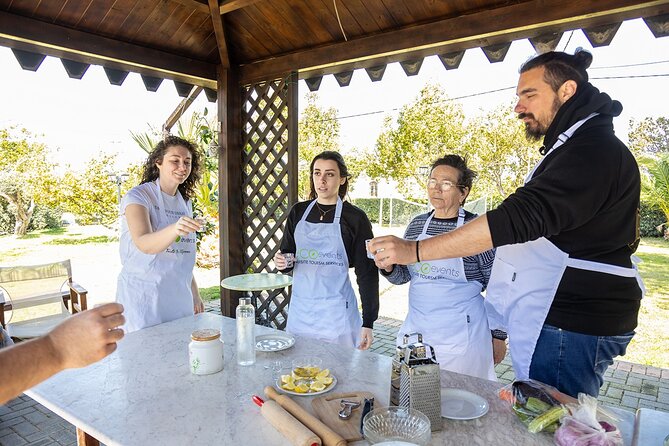
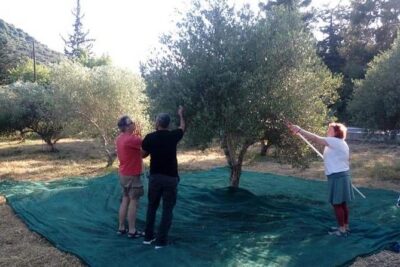
Before you start cooking, you get a real sense of place. The garden isn’t just decoration. You can visit the vegetable and herbs garden and see ingredients growing right where the meal is being planned.
There’s also a swimming pool option during the session, so bring your swimsuit if the weather is warm and you want a quick dip before dinner. Even if you skip the water, the garden time matters because it helps you understand what you’re about to cook.
This part is also why the experience feels more like a shared evening than a classroom. You arrive, meet people, look around, then the aprons go on and the evening becomes about food.
Meet the hosts: Maria and Rebecca guide the workflow

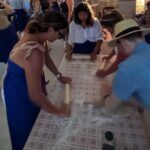
A lot of cooking classes say they’re friendly. This one is actually run like a host-driven home kitchen. Maria and Rebecca are highlighted as the kind of guides who slow things down and make sure you’re doing the steps correctly.
On top of the cooking, you’ll hear practical explanations about ingredients and their cultural role. That turns your learning into something you can reuse later, not just a list of steps you forget the next day.
If you’re not confident with the language, having a guide who can translate or support you (Michael is mentioned in that role) helps a lot. And when it’s chilly or rainy, the team seems to plan for it, including extra warmth for kids when needed and cooking under covered space.
The menu you learn: wood-oven starters and homemade bread
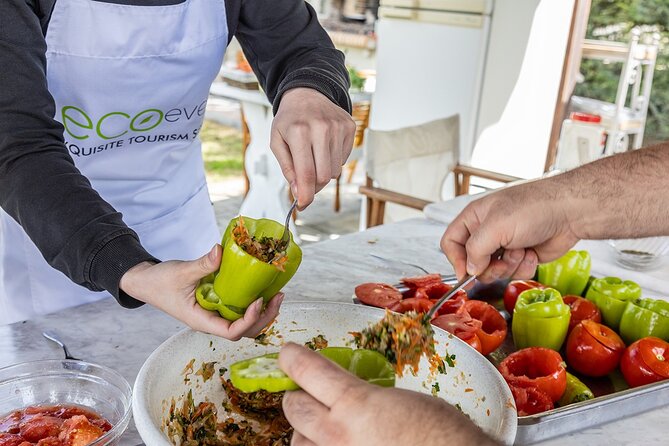
The menu is built around classic Cretan flavors and textures. You’ll rotate through multiple dishes, so you don’t just do one recipe and call it a day.
A wood-fired oven is central to the experience. That means you learn how the oven changes the process, from bread timing to how dishes brown outdoors. It’s also why this class feels different from a kitchen tour in a city.
Expect a hands-on flow that covers both savory starters and mains, plus a sweet component. The included lunch is the payoff: you cook, then you sit down and eat what you made with raki and local wine.





Dakos or Koukouvagia: your first bite in Cretan style
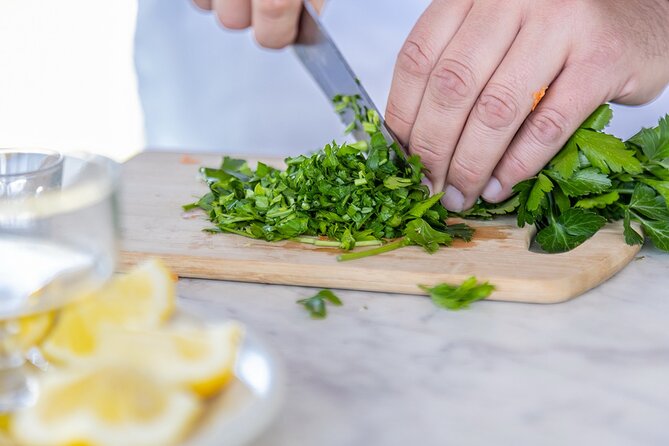
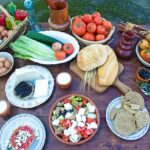
Your starter is one of the classic options: Dakos or Koukouvagia. Both center on a foundation of tomatoes and tangy cheese, often xinomyzithra, or a blend that may include feta or anthotyros flavored with oregano.
You’ll also work with bread. This is where the class feels practical: you’ll see how bread becomes the base for toppings and how the flavors come together when the ingredients meet properly.
If you’re the type who loves learning the why behind the taste, this starter teaches it. It’s about balance: salty cheese, bright tomato, and that oregano hit that makes it unmistakably Greek.
Gemista and mizithropitakia: stuffed vegetables and sweet cheese
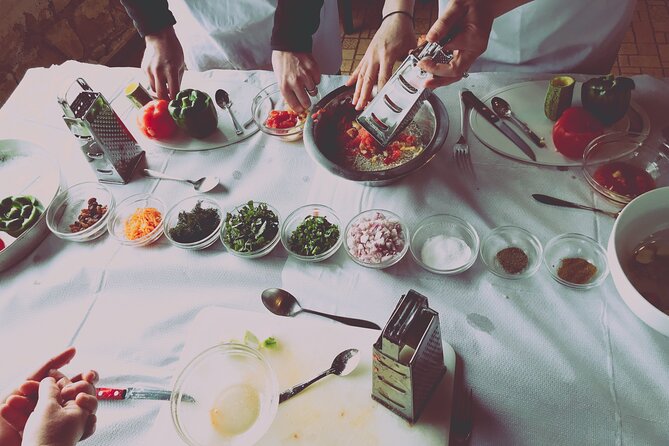
For the main vegetable course, you’ll make Gemista, which means stuffed vegetables. It’s built from fresh ingredients and then shaped into a dish that feels both homey and special.
Because the class doesn’t pretend everything is effortless, you’ll get guidance on the stuffing and the cooking approach. That matters, because Gemista can turn out bland if your seasoning and filling aren’t balanced.
You’ll also learn Mizithropitakia, which are cheese pastries made with mizithra. In this menu, they’re served with honey, so you get a sweet contrast that rounds out the meal in a very Cretan way.
Together, these recipes cover two sides of Greek comfort: savory stuffed dishes and dessert-like cheese bites.
Chicken with red sauce, potatoes, and the tzatziki course
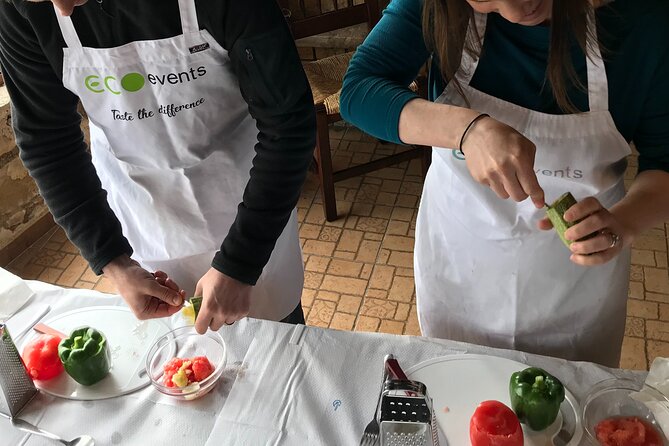
The evening’s meat main is Chicken with red sauce and potatoes. It’s the kind of dish that works well outdoors, since hearty sauces and roasted or baked potatoes hold up to a slower meal pace.
Then you finish with tzatziki, one of the most recognizable Greek classics. In the class style here, tzatziki is taught as a combination of yogurt, garlic, and cucumber sauce.
This is a great part of the menu for skill-building because tzatziki is deceptively simple. If you get the ratio and technique right, it tastes clean and cooling, and it also helps balance richer dishes from the oven.
When you cook tzatziki yourself, you’ll understand why everyone argues about it back home.
Lunch outdoors with raki and local wine
Once you’ve cooked everything, lunch happens outside, in that same garden setting. This is where the whole experience clicks. You don’t just taste bites; you eat a full meal built from the dishes you prepared.
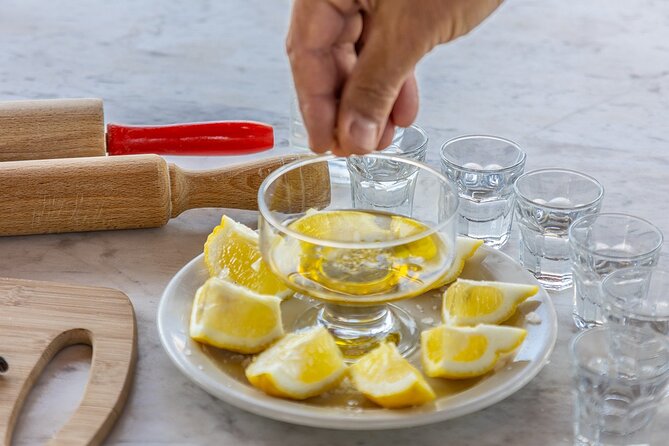
Raki and local wine are included, and the vibe is free-flowing in the best way. It’s not a rigid tasting session. It’s an evening where food and conversation move together.
If you like your travel experiences to end with a proper sit-down meal, this is a strong fit. You’ll also have the satisfaction of knowing you produced the flavors, not just ordered them.
Small group size, leftovers, and allergy handling
The group size is capped at 8 people. In practice, that small number makes a big difference: you get more attention, and the pace doesn’t feel rushed.
This matters for comfort too. When you’re learning multiple dishes, you’ll want your questions answered without waiting in line. Small groups help the hosts keep an eye on consistency—how things smell, how dough behaves, when food is ready.
Leftovers are another practical win. There’s a clear expectation of big portions, and you may be given take-away food, which is great if you’re staying in a hotel and don’t want to throw away extra meal.
Allergies are also taken seriously when you note them at booking. If you have dietary needs, don’t leave it vague—tell them clearly during reservation so they can plan.
Price and value at about $114 for 4 hours
At $114.02 per person for around 4 hours, the headline price looks like a splurge—until you break down what’s included. You’re paying for an instructor-led cooking lesson, all ingredients, full lunch, and cooking tools plus aprons.
You’re also getting drinks included with the meal, which adds real value. Many casual food tours don’t include a full meal that you helped cook, and they often don’t include much in the way of alcohol.
The sweet spot here is that you’re not just learning recipes; you’re getting time in a garden near Rethymno, using a wood-fired oven, and eating everything you make. For food lovers, it’s easier to see the value.
One more practical point: it’s usually booked ahead. That’s a sign it’s popular, and it’s smart to lock in early if your dates are set.
Who should book this class in the Rethymno area
Book this if you want a Greek food experience that’s hands-on, social, and deeply tied to place. It suits couples, families, and anyone who likes the idea of learning dishes like Gemista, tzatziki, and Greek cheese pastries rather than just touring.
It’s also a good fit if you want an alternative to another dinner reservation. You’ll come away with both skills and a full meal, plus leftovers.
If you hate being outdoors in mild rain or evening chill, factor in the weather requirement. Even with covered space, you’ll want to dress for outdoor time. And if you’re expecting a quick photo stop, this isn’t that. This is for people who want to cook.
Should you book this Cretan cooking class?
If you’re on the fence, I’d book it when food is high on your travel list and you want something more memorable than a typical meal out. The best reason is the combination: garden time, wood-oven cooking, a full Cretan menu you learn, and raki and local wine with lunch.
It’s also one of those experiences that pays off later. The recipes are practical, and the technique—especially around bread and oven timing—sticks with you.
Just remember the key trade-off: it’s outdoors and weather matters. If you can dress smart and roll with the evening pace, this is a strong choice around Rethymno.
FAQ
How long is the cooking class, and when does it start?
It starts at 5:00 pm and lasts about 4 hours. The activity includes time before cooking and then a full lunch afterward.
Is hotel pickup included?
Yes, hassle-free hotel pickup is part of the experience. If you need an extra transfer from Rethymno to the meeting point, that may cost extra.
What’s included in the price?
You get an English-speaking (or French-speaking) guide, the cooking lesson, and a full lunch with vegetarian options. It also includes apron and cooking utensils, all ingredients, taxes, and raki and local wine with the meal.
Can you accommodate vegetarian diets?
Vegetarian options are included, and the menu features several vegetarian-friendly dishes like starters and vegetable-based courses. Since there is also a chicken main, it’s best to note your needs when booking.
How big is the group?
The group size is capped at a maximum of 8 travelers. That keeps the class more hands-on and allows the hosts to guide you closely.
What if I have allergies?
Allergies can be handled when you note them during the reservation. Make sure you specify your allergies clearly so the hosts can plan the menu accordingly.