Agia Lake feels like a pause button from Chania. I love that this tour mixes eco-friendly e-bikes with quiet rural roads, so you get real Crete views without burning your legs early. I also like how the visit to Agia Lake is built around nature and local context, not just a quick photo stop. One thing to consider: the ride is fun, but you will feel road bumps more than on a regular bike, since the setup can feel a bit heavy at first.
This is the kind of day that works well when you want fresh air, countryside rhythms, and a guide who keeps it personal. With a small group (up to 6) and a live local guide—often Reinier—you’ll get stories that connect what you’re seeing to how Crete works. Possible drawback: if weather turns rough, you might not see everything as planned, since one cultural stop can be affected by closures or conditions.
If you’re comfortable cycling and you like slower pacing with frequent viewpoints, you’ll probably find this one hits the sweet spot. It lasts about 5 hours, includes the e-bike and helmet, and skips meals—so plan your snack and water habits. If you have back issues or you can’t ride a bike confidently, this isn’t the best match.
In This Review
- Key points before you go
- Leaving Chania City Center on an e-bike: what makes it work
- Meeting Reinier and getting a tour that feels personal
- Riding past olive groves and vineyards: countryside you can actually reach
- Agia Lake: the calm stop that turns the ride into a nature day
- Bikes, road feel, and what to pack for 5 hours
- The $70 value: what you’re really paying for
- Weather and route changes: staying flexible makes it better
- Who should book this e-bike day—and who should skip it
- Should you book the Chania to Agia Lake e-bike tour?
- FAQ
- How long is the Chania to Agia Lake e-bike tour?
- Where does the tour start?
- Is the e-bike and helmet included?
- Are meals included in the price?
- How many people are in the group?
- What languages is the guide available in?
- Can I get a refund if my plans change?
- Is smoking allowed during the tour?
Key points before you go
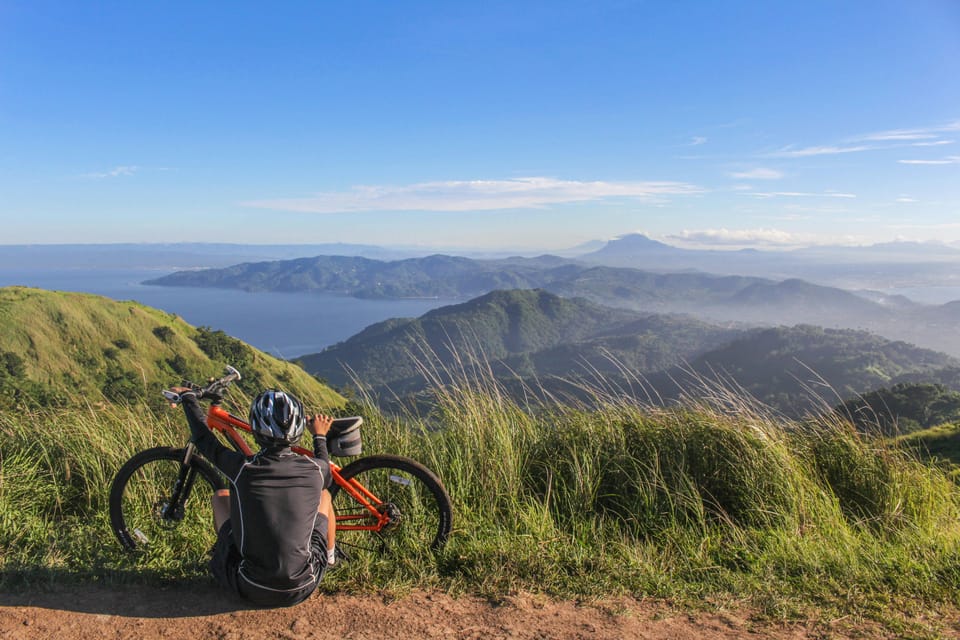
- Small group energy: up to 6 people keeps the day relaxed and easy to manage on country roads
- Agia Lake for nature fans: expect calm water vibes plus birdlife, and sometimes even turtles near the area
- E-bikes make the countryside doable: less strain, especially in Crete heat, with plenty of guided stops
- Road feel matters: the bikes can feel a bit clunky and bumps will register more than you might expect
- Guides bring Crete to life: guides like Reinier share culture and island context in a patient, funny way
Leaving Chania City Center on an e-bike: what makes it work
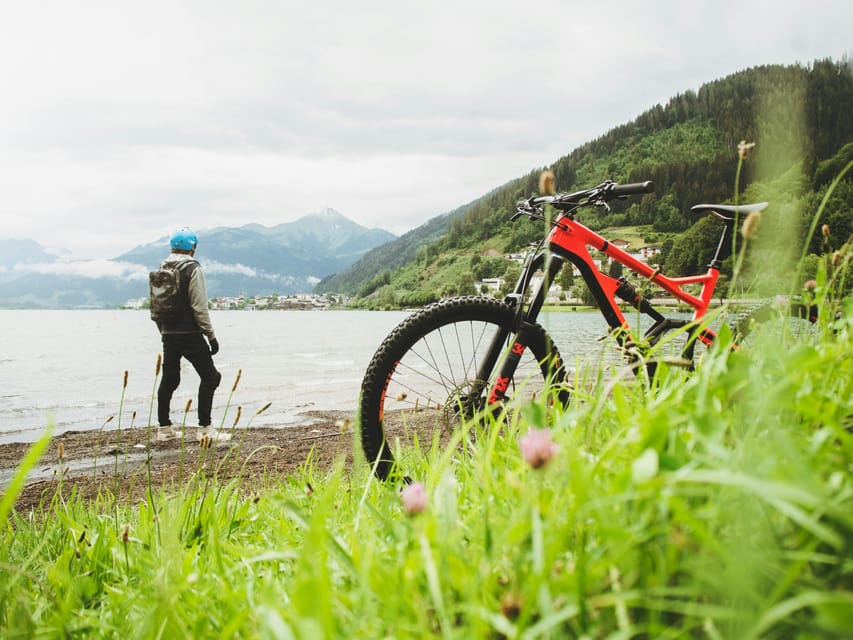
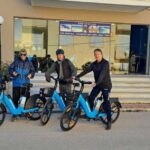
The tour starts in the Chania City Center, which is convenient if you’re already staying central. The big win here is that you’re not spending half your day commuting between “sites.” You’re moving into real countryside early, and that changes the whole mood of the day.
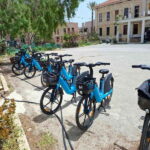
E-bikes sound like cheating to some people. In practice, they just solve a problem: getting tired too fast. On Crete, you can hit heat and sun quickly, and then suddenly every mile feels longer than it should. With pedal assist, you can keep a steady pace and still enjoy the views—especially when the route threads past olive groves and vineyard areas on quieter roads.
One practical note: e-bike comfort is not the same as a couch. Some riders describe the bikes as a bit clunky. That can mean heavier handling at low speed and a slightly less “buttery” feel than a lighter bike. The upside is stability and help when you need it.
If you like planning your days by effort level, this tour is built for “I want to see a lot, without suffering.” It’s also a good option when you’re traveling with mixed abilities, because the assist helps people regroup quickly at turns and stops.
You can also read our reviews of more cycling tours in Chania
Meeting Reinier and getting a tour that feels personal
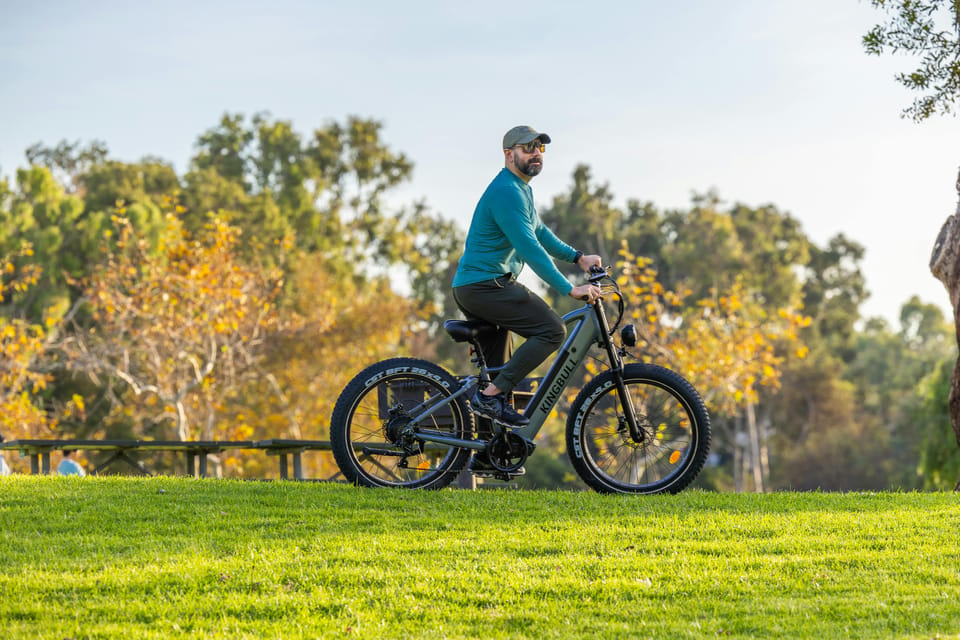
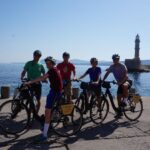
The biggest quality difference on a tour like this is the guide. In this case, Reinier comes up again and again in the way people describe him: patient, entertaining, and genuinely connected to Crete. That matters because the day isn’t just about the lake. It’s about what you pass on the way there.
You’ll get stories about Crete’s history, culture, and natural environment along the route. The tour style tends to be interactive and at a human pace—more chatty with good context than a rushed slideshow. One of the strongest themes in feedback is that Reinier doesn’t bulldoze the group. He adapts to the rhythm of the ride, which is great when you’re stopping often for viewpoints.
Language options are English and German, and you’ll be with a live guide throughout. That’s useful because questions come up fast when you’re rolling past farmland patterns, stone architecture, and the shapes of plants you’ve never named before.
For me, the real value is this: when you understand what you’re seeing, even a short pause becomes part of the experience. A countryside road stop can turn into a mini lesson on how people farmed, lived, and shaped the land. You don’t need to be a history nerd. You just need to be curious.
Riding past olive groves and vineyards: countryside you can actually reach
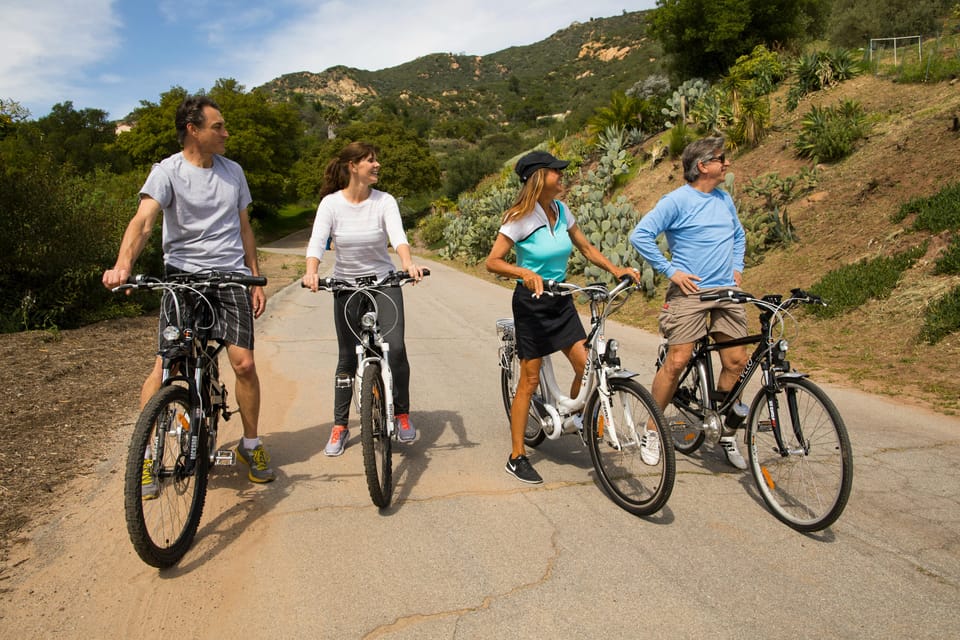
This is one of those Crete routes that seems designed to be enjoyable on wheels. You’ll ride through olive groves and vineyard areas and then move onto quieter rural roads. The point is simple: you get the island’s everyday scenery, not only the postcard spots.
Along the way, you’ll have stops at scenic viewpoints and cultural landmarks. The practical benefit of those stops is that they break up the ride into manageable segments. It also gives your eyes time to adjust—countryside views build gradually, and you start spotting details like tree forms, irrigation traces, and the way the terrain changes with distance.
If you’re hoping for a perfectly smooth ride, don’t expect that. One rider noted that bumps on the road can be felt more than on a traditional bike. That’s normal on rural routes where surfaces aren’t designed for tourism comfort. The fix is easy: keep a relaxed grip, let the bike move a bit under you, and don’t white-knuckle every slight dip.
Also, expect the pacing to reflect the landscape and the group. The tour is long enough to feel like a full outing—about 5 hours—but the frequent pauses mean it doesn’t feel like nonstop cycling.
This part of the day is for people who like “in-between places.” You’re seeing how Crete looks when it’s not performing for visitors.
Agia Lake: the calm stop that turns the ride into a nature day
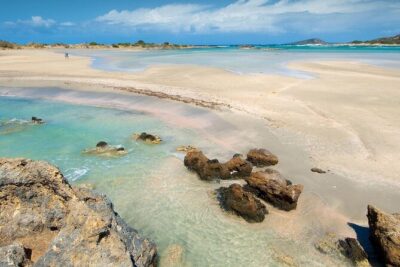
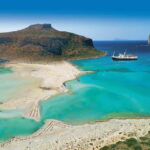
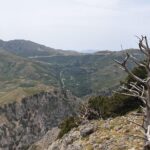
Agia Lake is the centerpiece. It’s described as tranquil and surrounded by lush greenery, with birdlife in the area. That’s exactly what you want from a lake visit during an e-bike tour: a change of pace from roads and farmland into a slower, quieter setting.
What makes this stop satisfying is that it’s not framed only as scenery. It’s a place to pause, breathe, and let the guide point out what matters. If you’re into wildlife spotting, you might be in luck. One person mentioned seeing turtles, which tells me the lake area can have active life if conditions are right.
The lake stop can also work for casual food. There’s mention of grabbing food at a restaurant near the lake area. That’s handy because meals are not included in the tour price, so you’ll want a plan for eating. Even if you don’t buy a full meal, you can usually manage a snack and refuel before heading back.
What if the lake isn’t at peak “wow” condition? That can happen with water levels. One account described the lake as nearly dry and not super spectacular on their day. Translation: your experience depends on timing and conditions. Still, even when the water looks different, the setting remains a nature break and a chance to see how local ecosystems behave.
If you want the best experience, bring a camera and be ready to slow down. Look for small movements—birds, reflections, and the way the greenery frames the shoreline—rather than chasing a single perfect photo angle.
Bikes, road feel, and what to pack for 5 hours
The tour includes a fully-equipped e-bike and a helmet. That’s a big value add, because it removes rental hassles and makes it more likely you get a bike that fits the route. You also don’t have to worry about bringing your own gear into the mix.
What you do need is the right “day kit.” I’d pack:
- Hat for sun protection
- Sunscreen (Crete sun is not gentle)
- Water (you’re outside and moving)
- Comfortable clothes you can cycle in
- Camera, because you’ll want it at viewpoints and at the lake
Smoking isn’t allowed, so this is one of those tours where you can breathe easy and not smell someone else’s smoke drifting around during stops.
Now, consider fitness and comfort. The tour isn’t suitable for people with back problems, and it isn’t suitable for those who can’t ride a bike. E-bikes help effort, but they don’t fix the basics of balance, posture, and comfort on a saddle.
Finally, think about how you handle road textures. Since bumps can feel more pronounced, bring the right mindset: you’re touring rural Crete, not riding a bike path. If you keep your body relaxed and let the bike absorb small hits, the ride stays enjoyable.
You can also read our reviews of more tours and experiences in Chania
The $70 value: what you’re really paying for
At $70 per person for about 5 hours, you’re paying for three things: transportation (the e-bike and helmet), a guide, and access to an easy route into less crowded scenery.
If you were to do this independently, you’d likely spend money on bike rental, then lose the structure of stops and the contextual stories. The guide’s cultural explanations are not fluff here. They’re what turn roadside scenery into something you remember.
Is it worth it if you just want photos? Maybe, but the best value comes when you’re the type who enjoys learning while moving. The guides, especially Reinier, seem to deliver that blend of humor and respect for Crete’s culture, which makes the day feel personal.
Also, small group size matters. With up to 6 participants, the tour can slow down when needed and keep everyone together. That’s not just comfort. It’s how you get more meaningful stops instead of feeling rushed.
Meals are not included, so plan for at least a snack and water, and consider budgeting for food at or near the lake area if you want a proper break.
In short: $70 is a reasonable price for a guided half-day experience that combines local storytelling with a nature visit you can’t easily reach on foot alone.
Weather and route changes: staying flexible makes it better
This kind of tour depends on day conditions. One account described heading back earlier due to bad weather. Another mentioned a cultural stop connected to water-energy that was closed, with a friendly person providing information even though the stop itself didn’t fully happen.
So here’s the practical expectation I’d set: you’ll get the core experience, but one side stop might change based on what’s open and how the weather is behaving. That’s normal for outdoor tours.
Your best strategy is mental flexibility. Bring layers or something light you can add or remove, and don’t build a day around one “must-see” photo moment. The lake and countryside are the main pillars, and those remain worthwhile even when conditions shift.
Who should book this e-bike day—and who should skip it
This tour makes sense if you:
- want an eco-friendly way to move around Crete outside of the busiest areas
- enjoy countryside roads, viewpoints, and a nature stop
- like guided context and don’t mind stopping often
- want a small-group day rather than a big bus experience
It’s less ideal if you:
- have back problems
- can’t ride a bike (even with e-bike assist)
- want a totally smooth, stress-free ride with no rural road bumps
If you’re traveling with a partner or friends who have mixed comfort levels with cycling, the e-bike assist can help everyone enjoy the day without constant fatigue talks.
Should you book the Chania to Agia Lake e-bike tour?
Yes—if you want a half-day that feels like countryside Crete, not a checklist. The combination of small-group pacing, an experienced local guide like Reinier, and a nature-focused stop at Agia Lake makes this a strong value at $70 when you’re the type who likes stories as much as scenery.
Book it when you can handle a few rougher road moments and you’re comfortable cycling for about 5 hours. Skip it if your back doesn’t like sitting and pedaling, or if biking isn’t your thing.
If your priority is a quick, easy sightseeing drive with zero cycling, you’ll probably be happier with a bus or walking-focused option. But if you want movement, fresh air, and local context with the lake as your payoff, this one is a solid pick.
FAQ
How long is the Chania to Agia Lake e-bike tour?
It lasts approximately 5 hours.
Where does the tour start?
The starting point is Chania City Center.
Is the e-bike and helmet included?
Yes. You get a fully-equipped e-bike and a helmet.
Are meals included in the price?
No. Meals are not included.
How many people are in the group?
It’s a small group limited to 6 participants.
What languages is the guide available in?
The live tour guide is available in English and German.
Can I get a refund if my plans change?
Free cancellation is available up to 24 hours in advance for a full refund.
Is smoking allowed during the tour?
Smoking is not allowed.