Food and stories walk side by side in Chania. This 4-hour tour pairs the Old Town’s sights with tastings, starting at Dimotiki Agora in the area where old and new town meet. I like how the food keeps showing up at just the right moments, from Greek coffee to raki, so you’re always doing something instead of standing around waiting.
I also love the human side of Chania: you meet shop people and artisans, hear what they make, and sometimes even test your own skills. One heads-up: this is a walking tour with lots of sampling, so come with comfortable shoes and skip a big breakfast.
In This Review
- Key moments I’d put on your radar
- Start at Dimotiki Agora, the best place to get your bearings
- Old Chania’s back streets, plus Venetian and Ottoman stories you can picture
- Handcraft stops: meeting makers instead of rushing past stalls
- Your plate: olives, honey, olive oil, sweets, and mezedes done right
- Raki and wine tasting: when the drinks fit the day
- The harbor finish and your next steps in Chania
- Price and value: why $114 can feel like a bargain
- Who should book this Chania tasting and sightseeing walk
- Should you book Chania: Sightseeing & Tastings Tour?
- FAQ
- How long is the Chania sightseeing and tastings tour?
- What is the meeting point?
- Does the tour include hotel pickup or drop-off?
- What food and drinks are included?
- Is alcohol included, and is it only for adults?
- Can vegetarians or people with dietary restrictions join?
- What should I bring or wear?
- What is the cancellation policy?
- What language is the tour guide?
Key moments I’d put on your radar
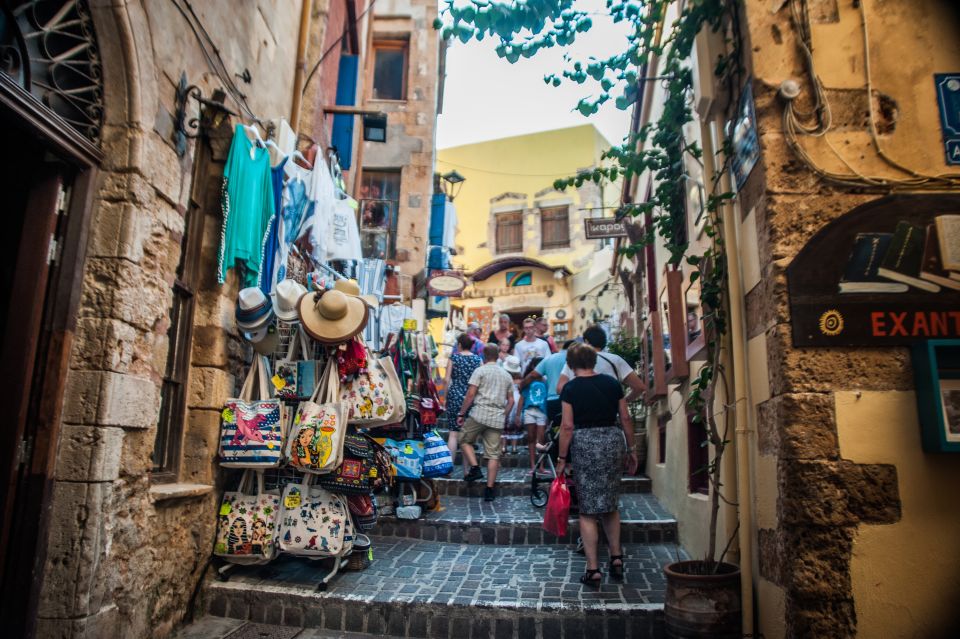
- Dimotiki Agora’s 1913 market feel: family-run stalls and local staples from day one of the tour
- Cretan classics in steady rhythm: olives, honey, olive oil, sweets, and multiple bite stops
- Old Town stories that travel across empires: Venetians, Ottomans, Arabs, Romans, and more through real neighborhoods
- Ottoman and Jewish quarters: you’ll see corners most people miss on a quick loop
- Craft time at traditional workshops: including a knife maker stop where you can meet the person behind the product
- A mezedes-and-drinks finish near the harbor: sit down, eat, and keep exploring right after
Start at Dimotiki Agora, the best place to get your bearings
Your tour meets at Kydon, The Heart City Hotel, right by the entrance, with your guide holding a Crete Local Adventures sign. From there, you head to the Dimotiki Agora, the municipal market that opened in 1913—the year Crete officially unified with Greece. It’s more than a photo stop. It’s the practical launch point for understanding how people actually shop and eat in Chania.
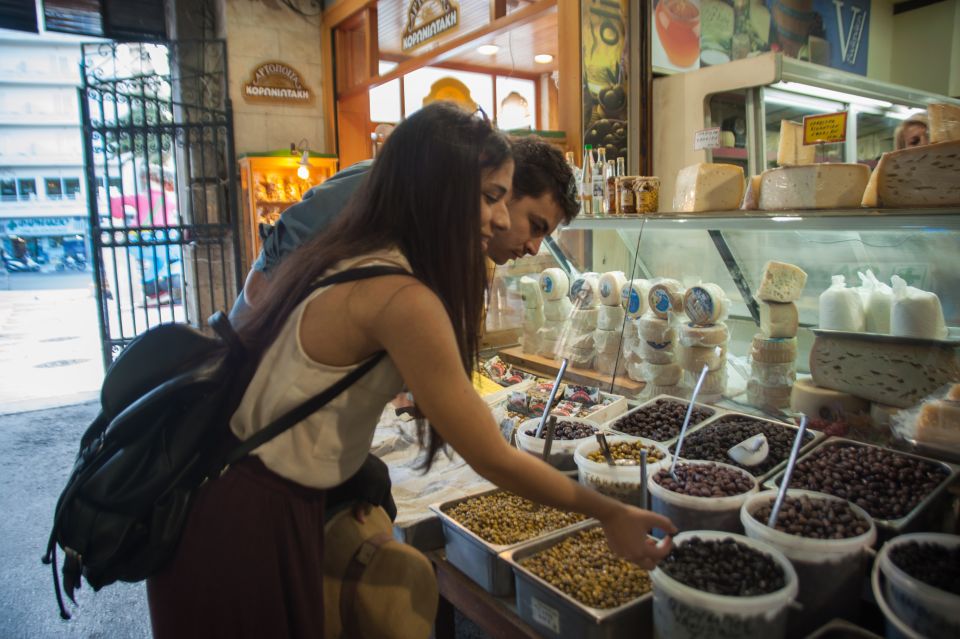
What I like here is how the market turns into breakfast-for-lunch planning. You taste your way through Cretan food basics, including things like olives and honey, and you start learning the logic behind local meals. Crete’s food culture isn’t just “tasty.” It’s built around ingredients people can get locally, seasonally, and repeatedly.
If you’re wondering whether you should eat before the tour: don’t. Many guides and many past participants emphasize it for a reason. This is one of those tours where your appetite is part of the itinerary.
You can also read our reviews of more tours and experiences in Crete.


Old Chania’s back streets, plus Venetian and Ottoman stories you can picture
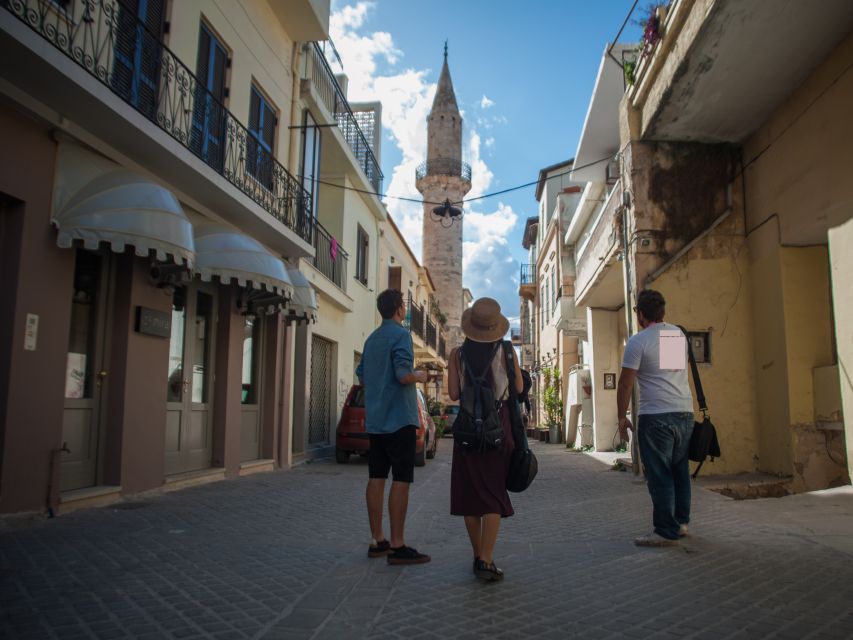
After the market, you slow-walk into the Old Town district. This is where the tour becomes sightseeing with a narrative thread. You’ll move through narrow lanes and hidden back streets while your guide connects the city’s layers—kings and sailors, merchants and artists—to what you’re seeing.
You won’t just hear dates and names. You’ll get a sense of why Chania matters on the map: a crossroads between West and East that has been shaped by Romans, Byzantines, Arabs, Venetians, Ottomans, and others. As you pass monuments tied to Venetian and Ottoman presence, the stories help those stones feel less like background and more like context.
A big plus: the route includes time in the Ottoman and Jewish quarters. The value isn’t only that these neighborhoods exist—it’s that you’re guided to the quieter corners and details that disappear if you wander alone. This is the kind of walk where you start noticing architecture and street patterns, not just taking pictures.
Handcraft stops: meeting makers instead of rushing past stalls
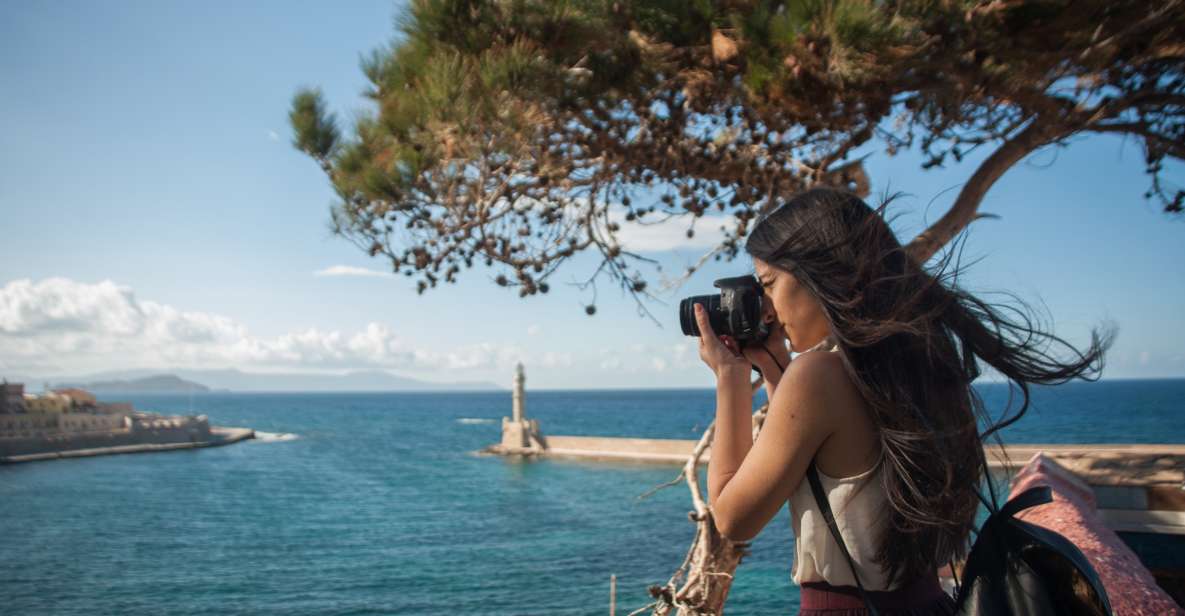
One of the most memorable parts of this experience is the craft-focused break. Your guide takes you to local artisans producing handmade products, and the talk doesn’t feel like a scripted sales pitch. You hear the stories behind the work, and in some cases you can try your skills too.
The craft highlight is a traditional workshop stop tied to handmade Cretan knives. You’ll meet the person behind the production and hear how the tradition continues. Even if knives aren’t your souvenir plan, this stop changes how you see the rest of the day. You understand why certain products exist here, how they’re made, and what people value enough to keep making.
From a travel-value standpoint, these stops are the difference between a tasting tour and a “tasting tour.” The taste comes from the ingredient and the culture, not just from being handed samples.
Your plate: olives, honey, olive oil, sweets, and mezedes done right
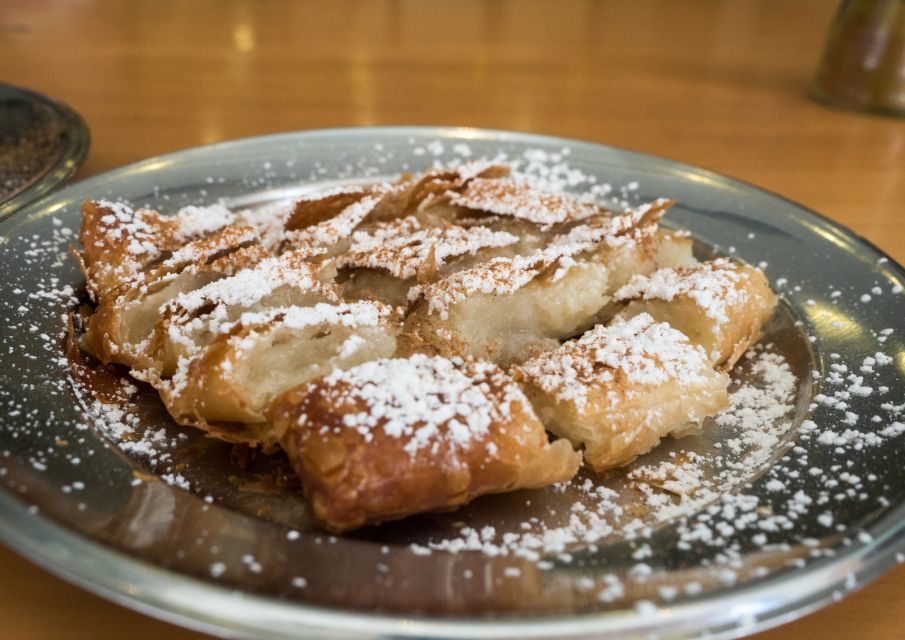
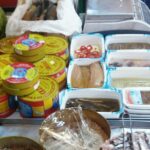
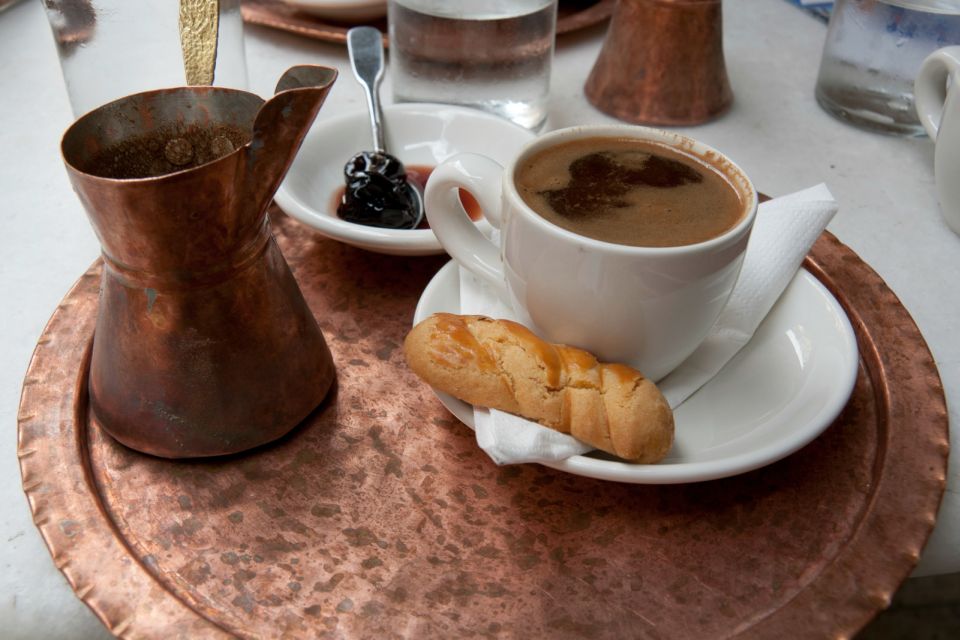
The tour’s included food list reads like a Cretan grocery shelf. You can expect tastes that include olives, honey, olive oil, local sweets, and mezedes (the island’s version of tapas). You’ll also have Greek coffee as part of the experience.
Here’s why that mix matters for you: it covers the building blocks of Cretan eating. Olives and olive oil tell you what locals cook with every day. Honey and sweets connect to desserts and everyday snacking. Mezedes show you how Cretans build a meal out of multiple small dishes, shared at a table rather than handled like fast street food.
There’s also a planned coffee pause in Old Town (around 30 minutes). It’s not an awkward “wait here while we decide.” It’s time to reset. You get a drink, you slow down, and you let the history walk catch up with your brain.
And yes—there’s plenty to eat. Multiple past participants specifically call out the amount and the pacing: lots of bites, spaced so you don’t end up overwhelmed even if you keep saying yes to every tasting.
Raki and wine tasting: when the drinks fit the day
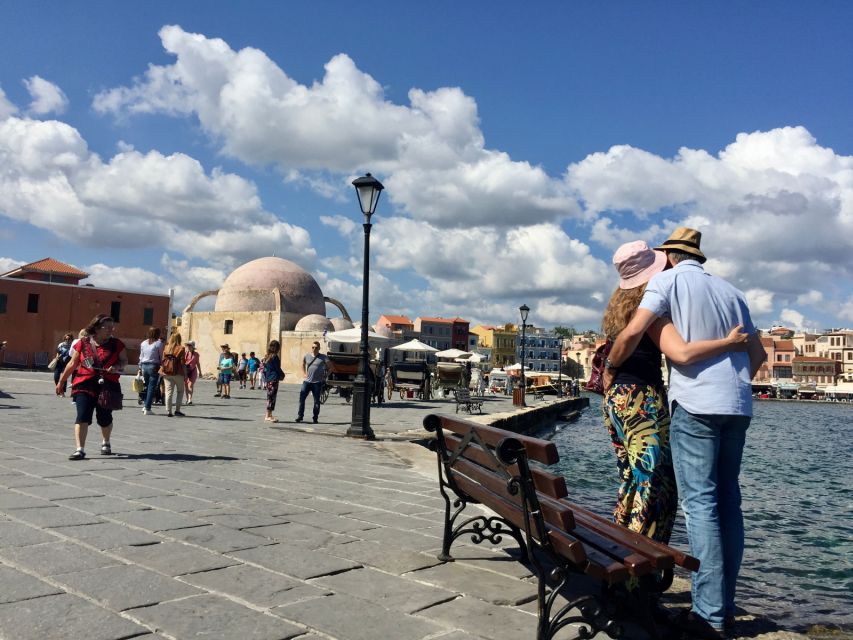
The tour includes raki, and the schedule also makes room for wine tasting. That means this isn’t just a “one sip and move on” situation. It’s a thoughtful part of the culture you’re walking through.
One practical detail: raki is served to participants age 18 or older, and non-alcoholic alternatives are provided for under-18 participants. If you’re sensitive to alcohol, pace yourself. The tour moves through shops and seated tastings, so you can slow down without ruining the experience.
You’ll also sip and snack in a historic neighborhood setting, finishing with a table of Cretan mezedes near the harbor promenade. This is a smart ending. You’re not rushing to the next stop. You’re eating in the area where you’ll want to linger later.


The harbor finish and your next steps in Chania
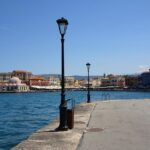
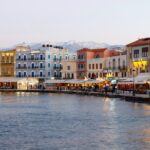
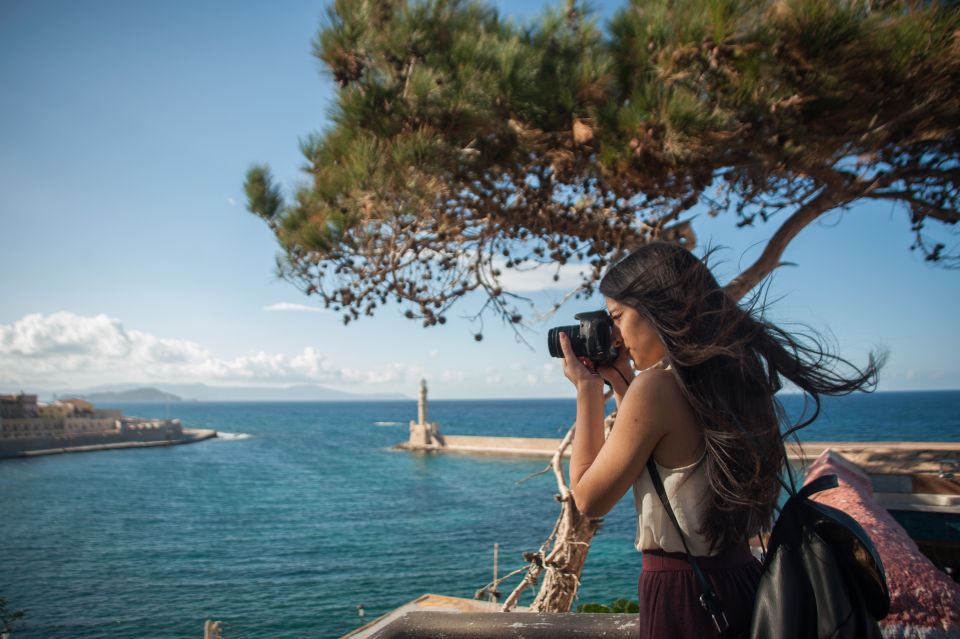
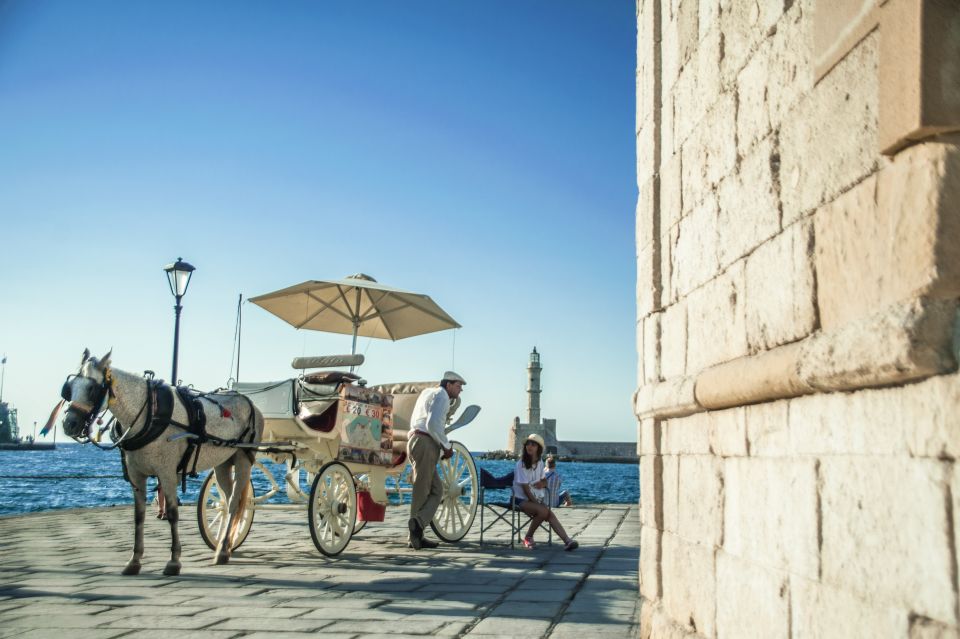
After walking through the Ottoman and Jewish neighborhoods, you reach the historic harbor promenade. Then you relax at a local favorite spot with a delightful table of mezedes and raki. It’s the kind of stop where you can actually talk—about what you’ve tasted and what you want to do next.
When the tour ends, you’ll be in a great position to keep exploring. The plan offers either continuing on from that harbor area or getting escorted back to the starting point. Either way, you leave with a map in your head: which streets to revisit, what neighborhoods feel like yours, and what foods to hunt for again later.
Price and value: why $114 can feel like a bargain
At $114 per person for about 4 hours, you’re paying for three things at once: a guide who connects history to streets, multiple tasting stops, and access to local shops that most people wouldn’t find without help.
If you tried to replicate this yourself, you’d still spend money on tastings, snacks, and coffee. The big difference is the structure. Here, tastings arrive in a planned order, and each one ties into the day’s theme: Cretan staples, neighborhood history, and local crafts.
Also, the tour has a human “weight” to it. A lot of reviews highlight guides by name—Adonis, Ioannis, Manos, Yannis, Yiorgos, George, and others—and praise their energy, conversation, and helpful recommendations after the tour. That matters. You don’t only get food. You get a better Chania plan.
Who should book this Chania tasting and sightseeing walk
I think this tour is a great fit if you want:
- Food and history braided together, not two separate activities
- A guided route through the Old Town with Ottoman and Jewish quarter coverage
- A chance to meet artisans and learn what’s behind the products
It’s less ideal if you dislike walking or you’re not up for sampling multiple foods (because the pacing expects you to eat). If you’re traveling with a tight schedule, plan for the 4-hour block to be an anchor activity, not something you squeeze in between distant plans.
Should you book Chania: Sightseeing & Tastings Tour?

Yes—if you want a true Chania “first-week” experience, this is one of the better uses of your time. You’ll leave with full context for the Old Town, a list of Cretan products to look for afterward, and a practical sense of where to go next near the harbor.
Just do the one thing that keeps coming up in the feedback: arrive hungry, wear comfortable shoes, and go with a flexible attitude. When you do, the tour turns into more than eating. It turns into understanding.
FAQ
How long is the Chania sightseeing and tastings tour?
The tour duration is 4 hours.
What is the meeting point?
You meet in front of Kydon, The Heart City Hotel at the entrance. Your guide will be holding a Crete Local Adventures sign.
Does the tour include hotel pickup or drop-off?
No. Hotel pickup and drop-off are not included. The tour starts and ends at the hotel meeting area or nearby, depending on the option chosen at the end.
What food and drinks are included?
The tour includes Greek coffee, local sweets, olives, honey, olive oil, mezedes (tapas), and raki (drink).
Is alcohol included, and is it only for adults?
Raki is provided to participants age 18 or older due to national alcohol restrictions. Participants under 18 are provided non-alcoholic beverages.
Can vegetarians or people with dietary restrictions join?
Yes. Vegetarians and other dietary restrictions can be accommodated if you notify the local partner in advance.
What should I bring or wear?
Wear comfortable shoes, since you’ll be walking.
What is the cancellation policy?
You can cancel up to 24 hours in advance for a full refund.
What language is the tour guide?
The tour is guided in English.